Convert your checklist into Mobile App

Contact Now

Car Park InspectionAudit Software

Car park inspection audit software for scored Park Mark, BPA Safer Parking, and ICC 304 structural surveys with photo evidence, CAPA, and audit-ready PDFs.

Quick Answer

Car park inspection audit software is what parking directors and audit programme owners use when assurance needs structure, weighted scoring, sampling discipline, and a defensible evidence trail rather than a pass-fail patrol checklist. Inspectly360 brings Park Mark Safer Parking Scheme assessments, BPA Safer Parking surveillance, ICC 304 structural condition surveys, insurer property audits, and internal parking-operator audits onto the same mobile platform parking crews already use for daily housekeeping and lighting checks.

AI-Powered Features for Your Field Workflows

Everything your field team does on paper, Inspectly360 does automatically: faster, more accurate, and without the admin.

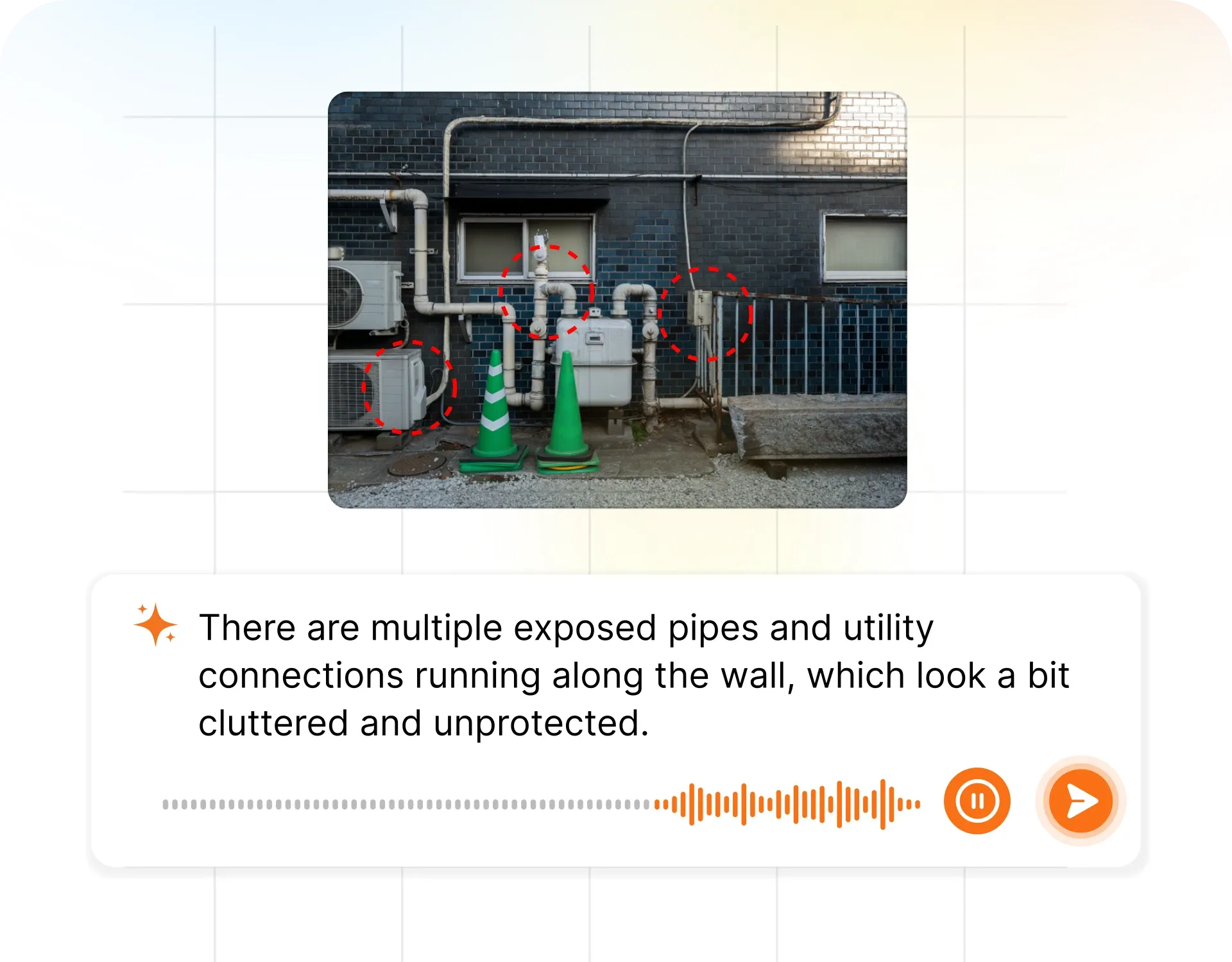
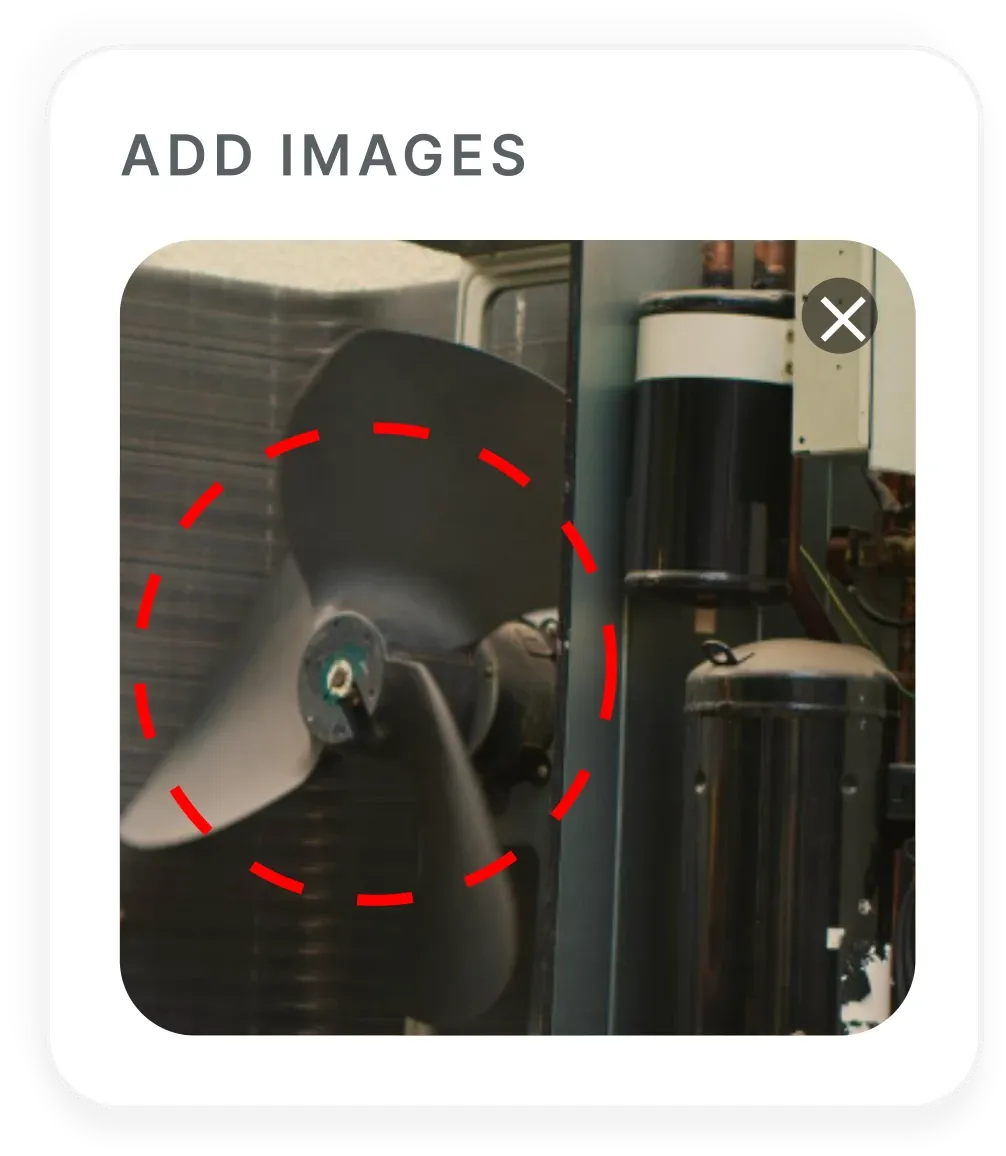
Take a Photo. AI Fills the Form illustration

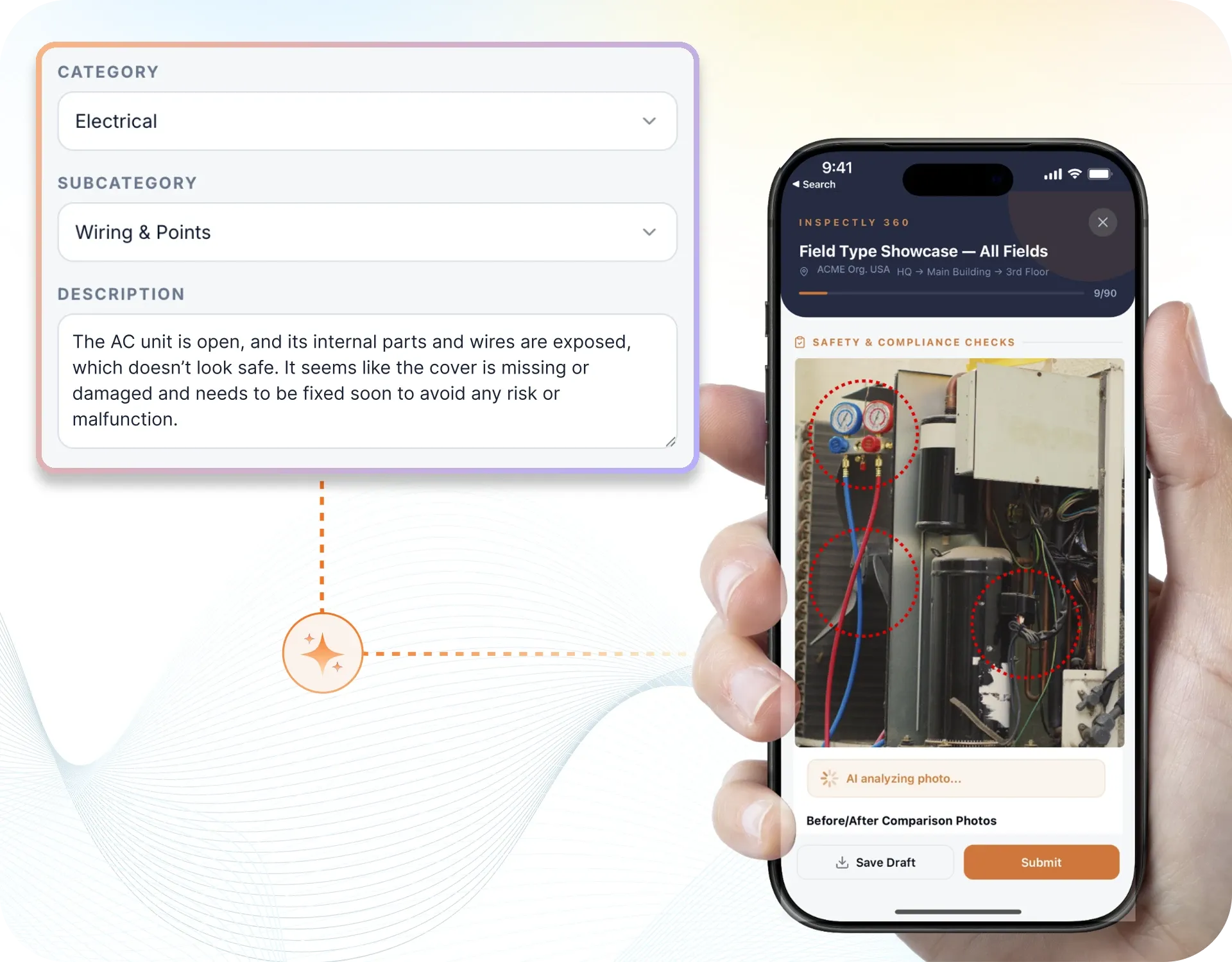
Take a Photo. AI Fills the Form

Your inspector takes a photo of any asset or defect. AI reads it and fills the inspection form automatically. No typing. No manual entry.

Speak. AI Writes It Down illustration

Speak. AI Writes It Down.

Inspectors speak their observations in any language. AI transcribes and fills the form in real time. Completely hands-free in the field.
Inspections Done. Report Ready illustration

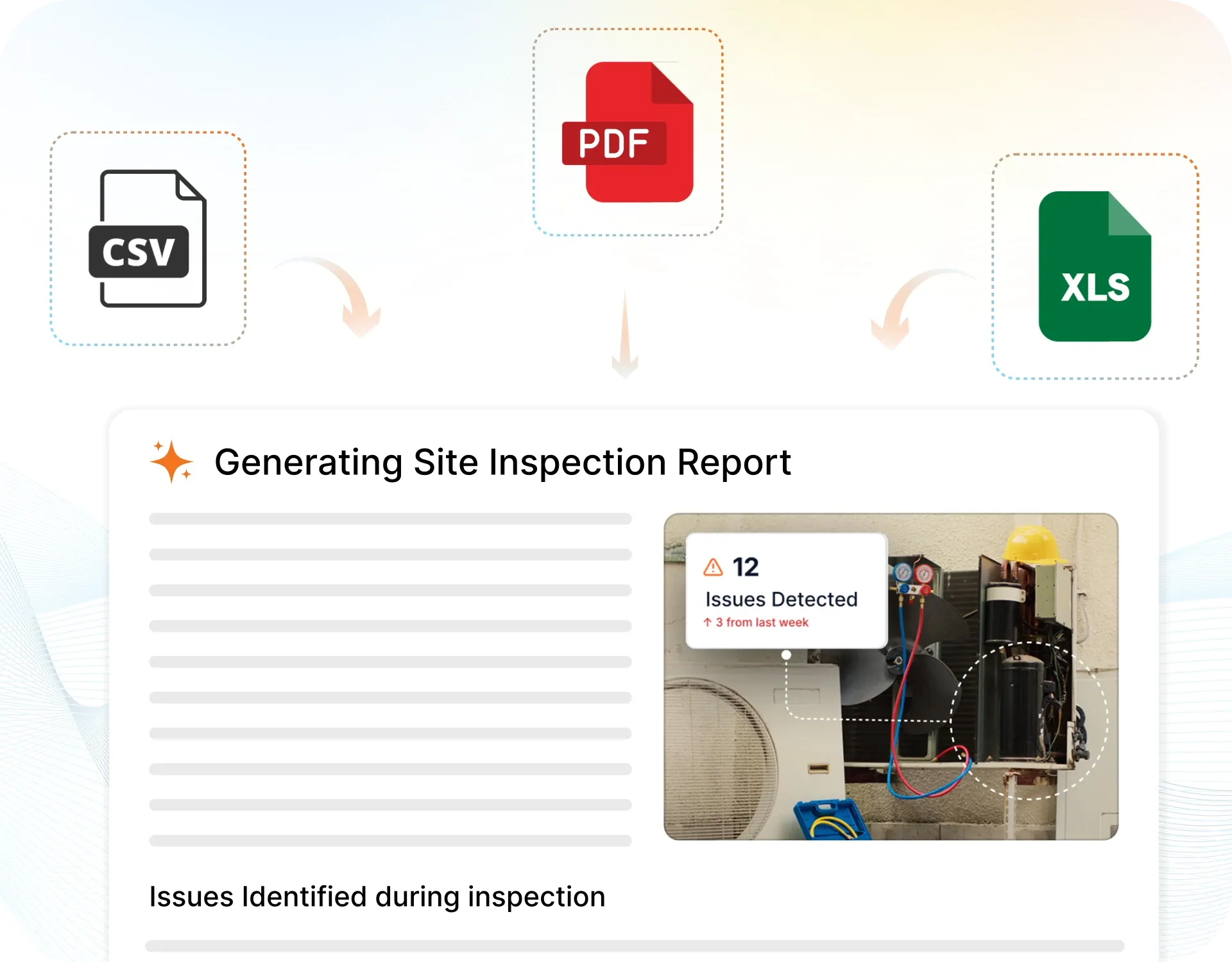
Inspections Done. Report Ready.

The moment an inspection is submitted, a branded PDF, Excel, or CSV report generates automatically. No manual work. No waiting.
Connect Your Existing Tools illustration

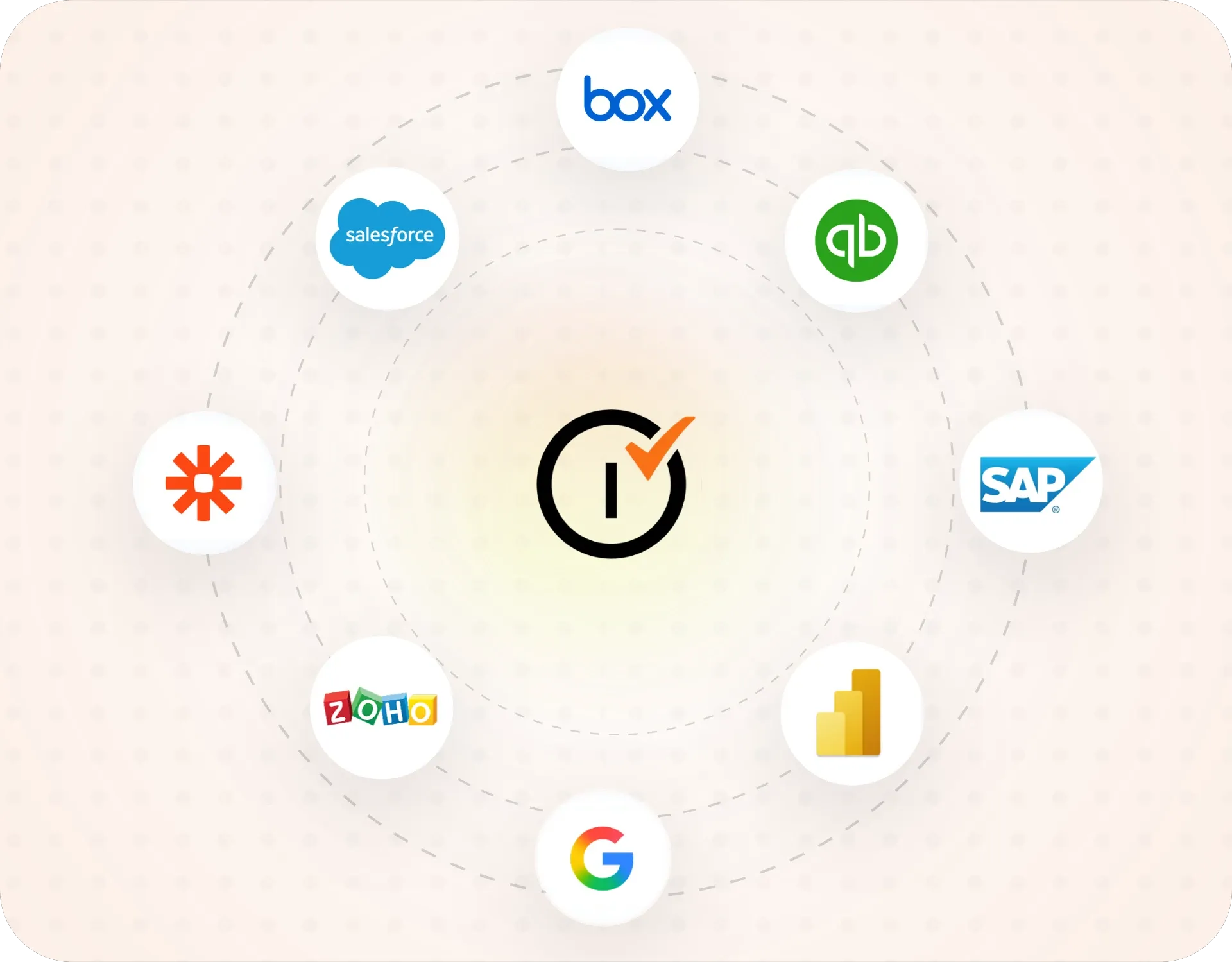
Connect Your Existing Tools.

Inspectly360 integrates with the tools your team already uses, including Zoho, Microsoft 365, and SAP. No double entry.
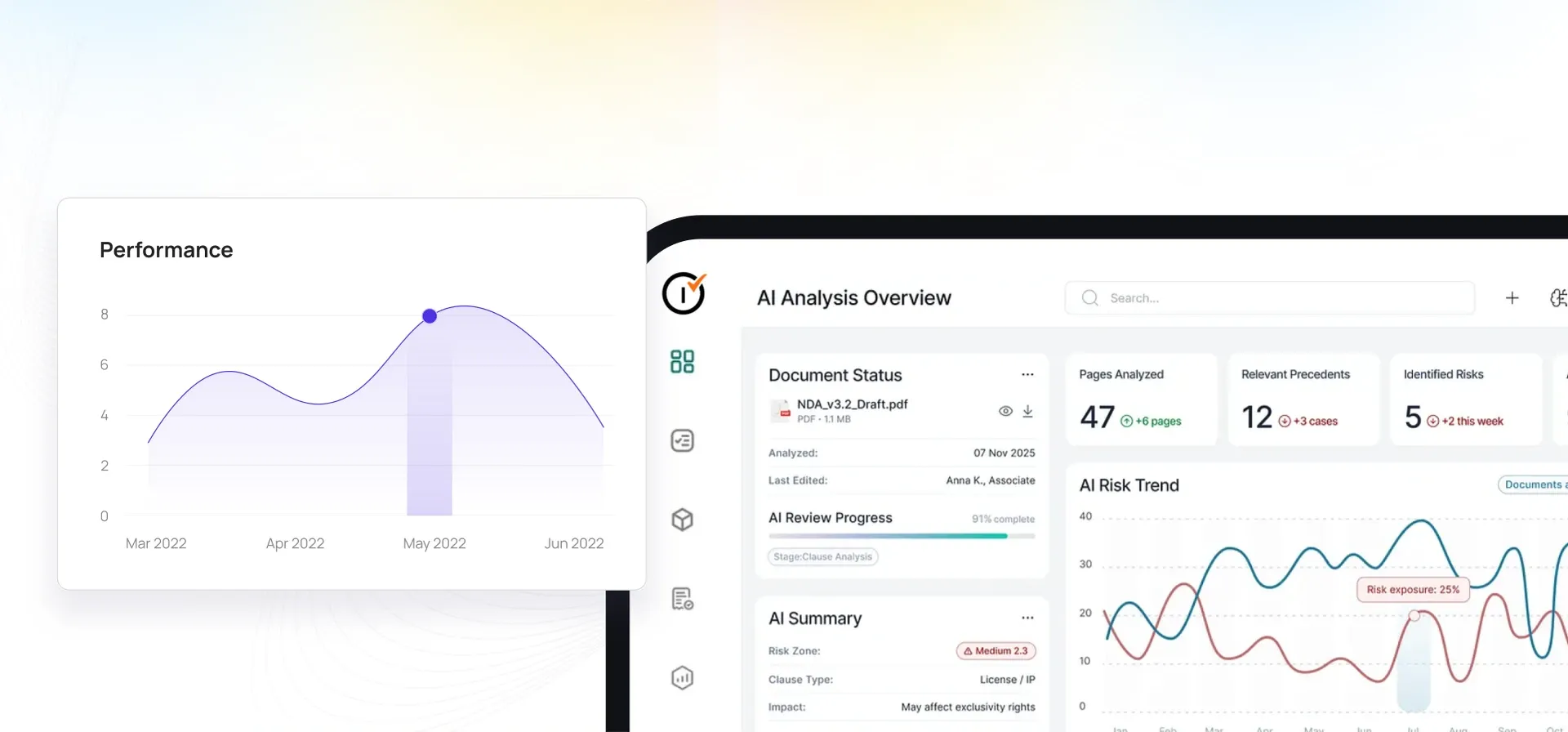
Live Dashboard. Every Site. Always On illustration

Live Dashboard. Every Site. Always On.

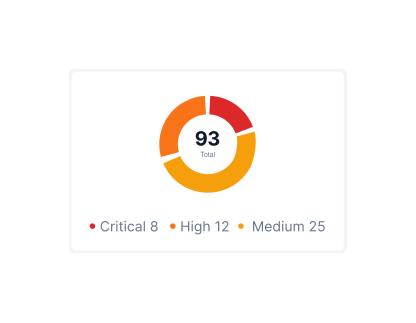
Your operations team sees completion rates, open issues, and compliance scores across all sites in real time. No chasing updates.

Before and After Inspectly360

What changes once car park inspection audit software runs on one mobile-first platform with photo proof and live dashboards.

Before Inspectly360

  • Audit evidence on paper or in scattered photo folders. Park Mark assessors and insurers challenge findings because the trail is hard to reconstruct.
  • Audits run as a parallel paper workflow disconnected from daily rounds. Assessors discover gaps the operations manager could have shown them on day one.
  • CAPAs from one Park Mark surveillance cycle close in email. The next cycle re-discovers the same finding because closure was never linked back.
  • Different assessors score the same structural or lighting control differently. Inter-rater variance is the most common challenge Park Mark surveillance reviewers raise, with no way to demonstrate that the variance has been managed.
  • External structural engineers and Park Mark assessors get whole-system access or work in parallel paper files. Engagement boundaries blur and audit trail ownership becomes contested when the engagement ends.

After Inspectly360

  • Every audit finding ties to timestamped, geotagged photos with auditor identity and approver signatures. Findings hold up under Park Mark surveillance and insurer review.
  • Audits sit on the same platform as daily housekeeping, lighting, and structural rounds. Assessors draw on existing operational evidence rather than running a parallel exercise.
  • CAPAs link to the originating audit finding through closure and into the next cycle. Repeat findings surface as systemic structural or operational issues.
  • Weighted scoring, required evidence per control, and approver signatures keep scoring consistent across assessors. Inter-rater variance is visible on the dashboard; coaching conversations happen on data rather than impression.
  • External audit firms get scoped, time-bound RBAC for the engagement only. The audit trail stays retained for the operator when the engagement closes, with SCIM-driven access offboarding.

What Is Car Park Audit Software, and How Is It Different from Daily Deck Rounds?

Car park inspection audit software is what parking directors and audit programme owners use when assurance needs structure, weighted scoring, sampling discipline, and a defensible evidence trail rather than a pass-fail patrol checklist. Inspectly360 brings Park Mark Safer Parking Scheme assessments, BPA Safer Parking surveillance, ICC 304 structural condition surveys, insurer property audits, and internal parking-operator audits onto the same mobile platform parking crews already use for daily housekeeping and lighting checks. Audits draw on the operational record rather than running parallel paper workflows.

For the audit programme owner, the platform replaces PDF templates and ad-hoc photo folders with scored, sampled, evidence-led programmes. Auditors run weighted controls offline on Android or iOS in underground levels and sub-basement ramps where Park Mark assessors typically struggle to capture evidence. Required photos, lux readings, CO measurements, and approver signatures keep evidence consistent across decks and rotating assessors. Inter-rater variance surfaces on the dashboard so coaching closes the loop. Failed controls spawn CAPAs with named owners, AMC vendor links, and re-inspection gates so closure is real and trackable into the next surveillance cycle.

For external audit firms (Park Mark assessors, BPA inspectors, structural engineers, insurer auditors), scoped time-bound RBAC opens the platform for the engagement and closes it cleanly when the audit is signed off, with the full audit trail retained for the operator.

How Does a Car Park Audit Flow from Scoping to Park Mark or Insurer-Ready Audit Pack?

Most parking audit programmes follow this sequence when they move off paper and PDF templates.

  1. 1

    Scope the Audit Programme

    Define decks, sampling, scoring weights, and mandatory evidence per control. Park Mark assessment criteria, BPA Safer Parking, ICC 304 structural, or insurer-specific frameworks all map into structured templates.

  2. 2

    Schedule and Assign

    Push audit packages to internal auditors or external Park Mark assessors with due dates, coverage targets, and RBAC. Geofencing confirms on-deck capture for high-stakes Park Mark or insurer audits.

  3. 3

    Execute Offline

    Auditors run the programme on tablets in underground levels and sub-basement ramps without connectivity. Photo evidence, lux and CO readings, scoring, and observations stay attached to the right control.

  4. 4

    Trigger Corrective Actions

    Where car park inspection audit evidence has to hold up, failed controls automatically generate CAPA tasks with owners, deadlines, and verification requirements. Re-inspection can be required before closure.

  5. 5

    Publish Audit Reports

    Branded PDF audit packs generate in one click with photo indexes, scoring, lux and CO readings, open actions, and approver signatures. Dashboards show repeat findings across decks.

How Should Parking Audit Owners Pilot Park Mark or Structural Audits Digitally?

Answers to common long-tail questions, kept on one canonical page to avoid thin duplicate URLs.

Should Car Park Audits Live in a Separate Tool from Daily Inspections?

No. The same field evidence that proves a daily housekeeping patrol happened is exactly the evidence a Park Mark or insurer audit needs to verify it. Inspectly360 unifies both so audits draw on the operational record rather than running parallel paper workflows. Internal audit teams keep their scoring and reporting structure; parking crews keep their familiar mobile app. The unified record eliminates the audit-versus-operations debate about whose data is canonical.

How Do Internal and External Audits Both Use the Same Platform?

Internal auditors get full access to their scope. External Park Mark assessors, BPA inspectors, structural engineers, and insurance auditors get scoped, time-bound RBAC for the engagement only. Both run the same scored templates, capture the same evidence, and export the same audit-ready PDFs. Engagement boundaries close cleanly when the audit is signed off, with SCIM-driven access offboarding and the full audit trail retained for the operator.

Security and Tenant Data Posture for External Audit Engagements

External parking audit engagements introduce third-party access to property-owner and tenant data, which is the most common late-stage infosec disqualifier in audit tooling procurement. Inspectly360 supports per-engagement encryption-key scoping, immutable engagement event logs, configurable data residency, and IP-allowlist enforcement so external assessors can only access from approved networks. Audit firm partners can sign a per-engagement DPA without affecting the operator's overarching commercial terms.

Migration from PDF Audit Templates and SharePoint Evidence Folders

Historical parking audit cycles rarely need re-keying. The pilot starts forward-looking on the next surveillance cycle while historical PDF audit reports, SharePoint evidence folders, and prior CAPA logs are batch-imported as searchable evidence against the same control. Repeat-finding analytics across cycles works even when the prior cycle ran on paper, because the imported records carry the control reference. Audit teams keep the PDF cover-page format Park Mark assessors recognise; only the evidence capture and CAPA workflow move to the platform.

Ready to Move Car Park Inspection Audit Off Paper?

Book a Free Demo

How Is This Different from Paper Audit Programmes and Generic Audit Tools?

Parking audit programme owners comparing Inspectly360 to paper audit programmes and generic audit tools care about five things: whether audit findings hold up under Park Mark or insurer review, whether audit evidence draws on the same operational record the patrol team uses, whether scoring stays consistent across rotating assessors, whether CAPAs close across surveillance cycles rather than re-opening as repeat findings, and whether external assessors and structural engineers can engage without breaking owner data boundaries.

TopicTypical GapsWith Inspectly360
Park Mark and insurer audit defensibilityAudit evidence on paper or in scattered photo folders. Park Mark assessors and insurers challenge findings because the trail is hard to reconstruct.Every audit finding ties to timestamped, geotagged photos with auditor identity and approver signatures. Findings hold up under Park Mark surveillance and insurer review.
Audit-to-operations evidence linkageAudits run as a parallel paper workflow disconnected from daily rounds. Assessors discover gaps the operations manager could have shown them on day one.Audits sit on the same platform as daily housekeeping, lighting, and structural rounds. Assessors draw on existing operational evidence rather than running a parallel exercise.
CAPA across audit cyclesCAPAs from one Park Mark surveillance cycle close in email. The next cycle re-discovers the same finding because closure was never linked back.CAPAs link to the originating audit finding through closure and into the next cycle. Repeat findings surface as systemic structural or operational issues.
Scoring consistency across rotating assessorsDifferent assessors score the same structural or lighting control differently. Inter-rater variance is the most common challenge Park Mark surveillance reviewers raise, with no way to demonstrate that the variance has been managed.Weighted scoring, required evidence per control, and approver signatures keep scoring consistent across assessors. Inter-rater variance is visible on the dashboard; coaching conversations happen on data rather than impression.
External audit firm engagementExternal structural engineers and Park Mark assessors get whole-system access or work in parallel paper files. Engagement boundaries blur and audit trail ownership becomes contested when the engagement ends.External audit firms get scoped, time-bound RBAC for the engagement only. The audit trail stays retained for the operator when the engagement closes, with SCIM-driven access offboarding.

What Changes for Parking Audit Owners, Park Mark Assessors, and Insurers?

What changes once car park inspection audit software is standardised on Inspectly360.

  • Parking Audit Programme Owners: Audit-ready Park Mark and BPA evidence trails with timestamps, photos, lux and CO readings, and approver signatures defensible under assessor review.
  • Internal Parking Auditors: Consistent scoring across decks and rotating engagement staff, with inter-rater variance visible on the dashboard for coaching conversations.
  • External Park Mark and BPA Assessors: Scoped, time-bound platform access for the engagement only, with audit trail retention staying with the operator on engagement close.
  • Structural Engineers and Surveyors: Time-bound RBAC for structural condition surveys with full prior-cycle trend history retained for the next survey.
  • Insurance Auditors: Scoped audit access for property-policy renewal or claim investigation, with structured evidence drawn from the operational record.
  • Parking Compliance Leads: Faster CAPA closure when findings carry owners, AMC vendor links, and re-inspection gates rather than closing on assertion.
  • Park Mark Programme Leads: Less time assembling surveillance packs because reports generate from captured data; renewal cycles close in days rather than weeks.

Which Car Park Audit Templates Support Park Mark, BPA, and ICC 304?

Get started with inspection and audit checklist templates.

View All Checklist Templates
Site Inspection Checklist
Inspections

Site Inspection Checklist

Standard site-level inspections for construction, safety, and compliance. Capture conditions, photos, and follow-ups in one place.

41,000+GET
Asset Inspection Checklist
Asset Management

Asset Inspection Checklist

Inspect assets and equipment: condition, location, photos, and maintenance history. Track condition over time.

28,900+GET
Work Order Checklist
Work Orders

Work Order Checklist

Complete work orders with checklist items, photos, and sign-off. Track completion and proof of work.

31,800+GET
Maintenance Checklist
Maintenance

Maintenance Checklist

Preventive and corrective maintenance inspections. Log repairs, parts, and condition with photos and follow-ups.

27,400+GET

Frequently Asked Questions About Car Park Inspection Audit Software

How does the platform support Park Mark Safer Parking Scheme assessment methodology?

Park Mark assessment methodology covers seven criteria: physical security, management, surveillance, lighting, signage, surface condition and line marking, and customer experience. Inspectly360 ships templates aligned with each criterion, with weighted scoring per the Park Mark assessor's framework. Annual assessor visits draw on the captured operational record rather than reconstructing evidence from paper. Pre-assessment readiness scoring lets the operator see whether the car park is on track for accreditation before the assessor arrives, which reduces the typical week-before scramble. Multi-park portfolios share the same Park Mark template library so consistency is automatic.

How does BPA Safer Parking Scheme surveillance differ from initial assessment?

BPA Safer Parking Scheme surveillance runs annually for accredited car parks to verify continued compliance with the assessment criteria. Surveillance is typically lighter than the initial assessment, focusing on the criteria that scored lowest in the prior cycle plus any incident-driven additions. Inspectly360 supports both rhythms: initial assessment runs the full template library; surveillance runs a delta-focused template informed by the prior assessor's report. CAPA closure across cycles surfaces repeat findings as systemic issues for the parking director's attention rather than treating each surveillance as an isolated event.

How are structural audit cycles managed for multi-storey car parks of varying age?

Structural audit cycles vary by car park age, construction type (post-tensioned, conventional reinforced, precast), exposure (coastal, industrial, salt-spread), and insurer requirement. Inspectly360 supports configurable cycles: newer post-tensioned decks on annual lite plus five-yearly principal inspection; older conventional decks on six-monthly lite plus annual principal; coastal or salt-exposed decks on accelerated cycles. ICC 304 and equivalent templates capture the right evidence per cycle type. Annual lite findings can trigger an immediate principal inspection if severity exceeds configured thresholds. That matters because a multi-storey car park's structural risk depends heavily on its age, construction type, and exposure, so a single blanket cycle either over-inspects newer decks or under-inspects older salt-exposed ones; tying the cadence to each deck's actual risk profile puts the principal inspections where the deterioration genuinely is.

How does lighting audit measure compliance against BS 5489-1 and equivalent codes?

Lighting audits capture lux measurements per deck zone using calibrated lux meters; the inspector photographs the meter screen and the lux reading auto-extracts via AI Visual Inspection or manual entry. Compliance scoring compares the measurement against the BS 5489-1 recommendation (typically 75 lux for entry, 50 lux for bays, 20 lux for circulation aisles). Failed measurements trigger CAPAs to the lighting AMC vendor with target lux and re-measurement requirement. Annual third-party lighting audit results carry alongside operator-conducted lux checks for cross-verification.

How are EV charger audits conducted for safety and uptime compliance?

EV charger audits cover electrical safety (IEC 61851, BS EN 61851), physical condition (enclosure integrity, cable damage, RFID reader function), software (firmware version, OCPP communication, billing integration), and uptime SLA delivery. Inspectly360 captures structured audit evidence per charger: photo of charger ID label, OCPP connectivity test result, last cleaning date, last firmware update, and visual condition score. Failed audit items route to the EV charger AMC vendor with the right escalation. Quarterly third-party safety audits use the same template the operator's monthly inspections use, so engagement boundaries close cleanly.

How does insurer audit preparation work in advance of property-policy renewal?

Property insurer audits typically request 12 months of patrol coverage evidence, structural condition reports, lighting compliance, EV charger safety records, fire NOC status, and incident-response evidence. Inspectly360 generates an insurer-ready audit pack in one click covering all of these from the captured operational record. Pre-renewal readiness reports surface gaps 60 to 90 days before the policy renewal date so the operator addresses them rather than discovering them mid-audit. Multi-property policies aggregate across the portfolio while individual-property audits filter to single-property scope.

Less Paperwork. More Visibility.

See Inspectly360 in action with a live demo tailored to your needs. No credit card required.

  • 30 Days Free Trail
  • 1000+ Templates
  • Unlimited Integration