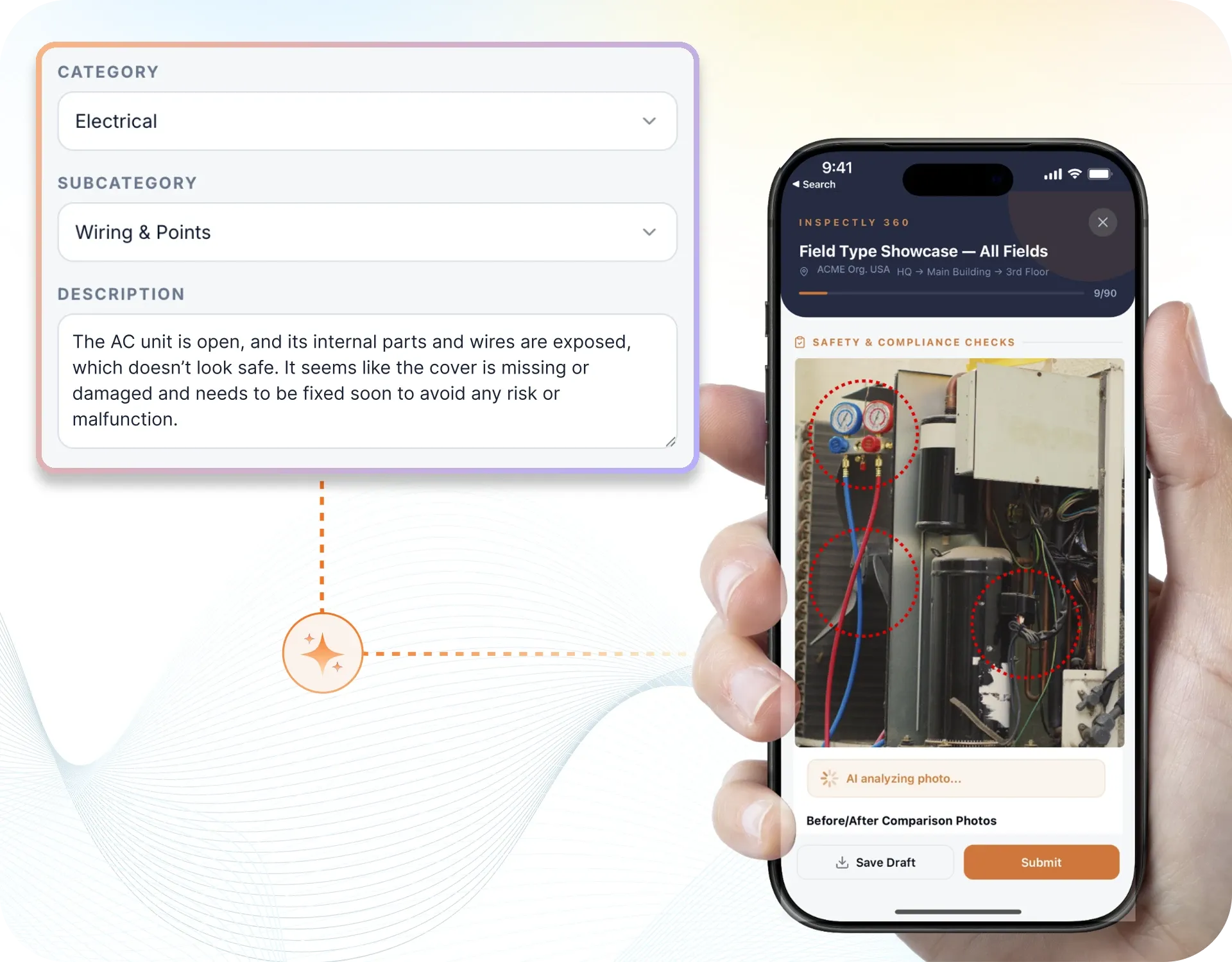
Take a Photo. AI Fills the Form
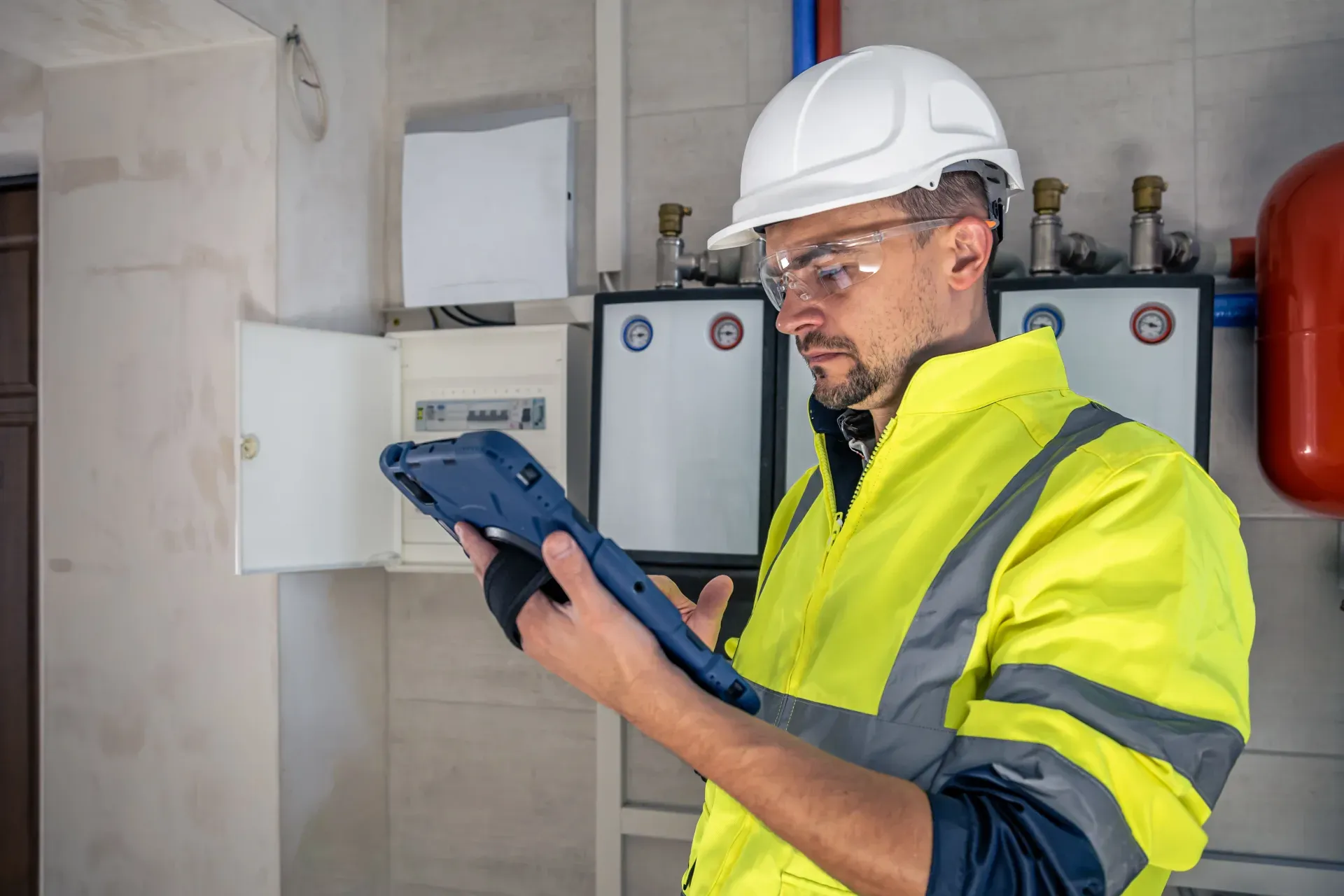
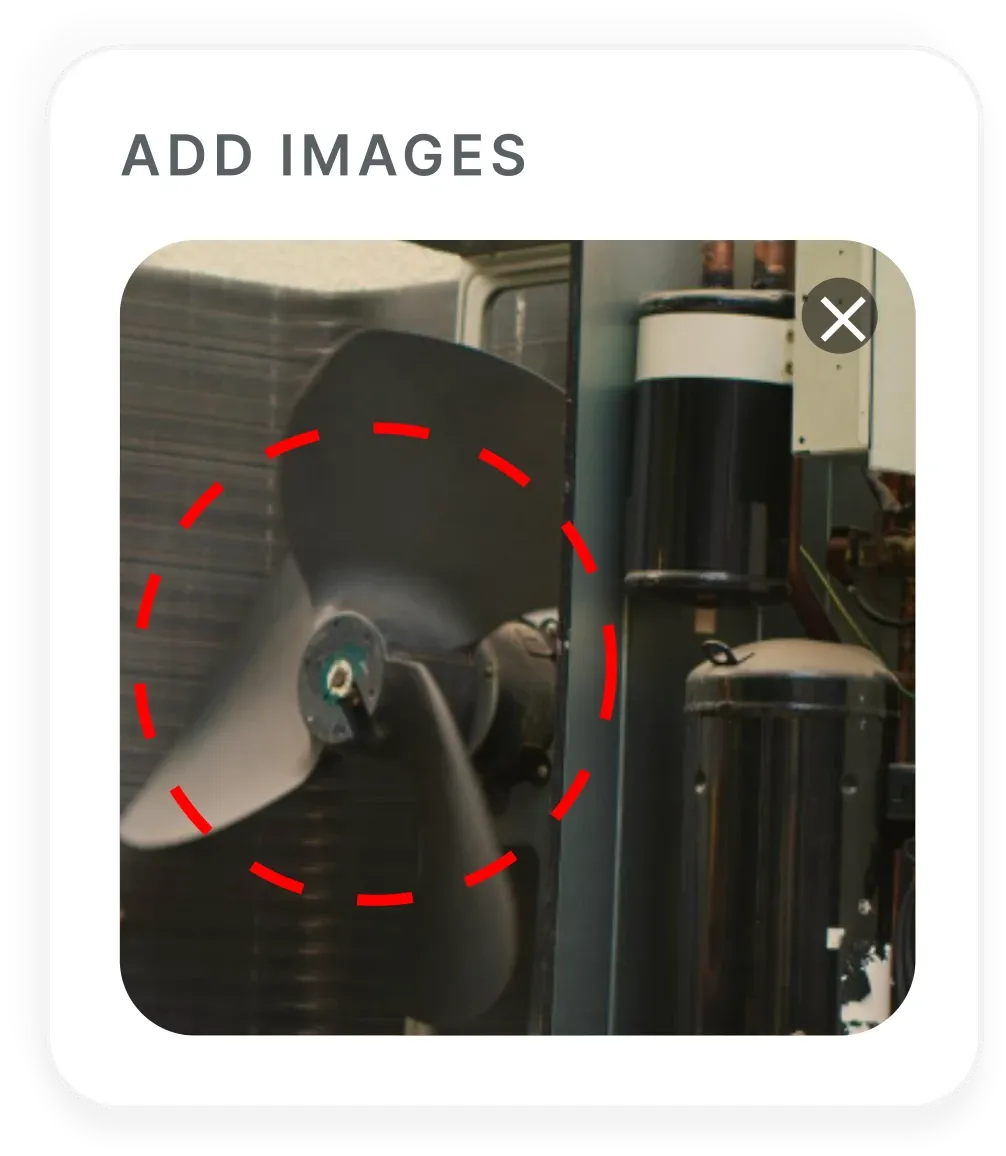
Your inspector takes a photo of any asset or defect. AI reads it and fills the inspection form automatically. No typing. No manual entry.

Convert your checklist into Mobile App
Food and beverage inspection software is the platform QA managers, food safety officers, kitchen managers, and multi-site F&B operators use to run HACCP CCP monitoring, hygiene and GMP audits, temperature logs, supplier and receiving checks, and pest-control rounds across restaurants, production plants, commissaries, and cold-chain sites with defensible evidence at every step.
Available on Mobile
Inspect on iOS and Android with no internet required. Capture photos, let AI flag defects, and generate audit-ready reports in the field.
The pain it solves is familiar across F&B operations: temperature logs completed retroactively at shift end, HACCP binders an auditor cannot read offsite, CCP photos on someone's phone that never reach the food safety file, supplier non-conformances discovered during production rather than at receiving, and audit prep that means searching binders, shared drives, and WhatsApp threads the week before FSSAI or ISO 22000 review. Multi-brand operators cannot prove the same standard ran in every kitchen without calling each site manager.
What changes once food & beverage inspection software runs on one mobile-first platform.
Food safety and QA teams follow this loop for daily, weekly, and audit-driven inspection cycles.
Load opening checks, CCP monitoring, temperature logs, sanitation audits, receiving inspections, and supplier audit templates aligned to your HACCP plan and FSSAI or ISO 22000 programme.
Staff complete checks on iOS or Android in cold rooms, production lines, and back-of-house areas with no signal. Readings, photos, and signatures cache locally and sync when connectivity returns.
Out-of-range temperatures, hygiene failures, and supplier rejects trigger CAPA with owner, deadline, and required closure evidence. Critical CCP breaches escalate immediately to the QA manager.
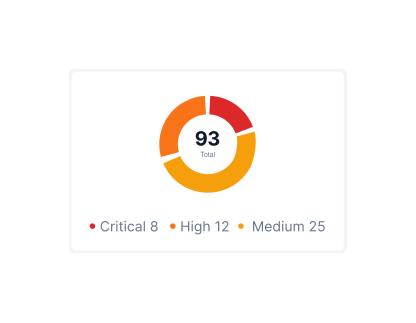
QA and operations leaders see completion rates, CCP exceptions, hygiene scores, and open actions across every site on one dashboard without weekly spreadsheet reconciliation.
Branded PDF packs with inspector identity, timestamps, photo evidence, and sign-off export per site, programme, or date range for FSSAI, HACCP, BRC, SQF, or customer audits.
Food and beverage inspection checks HACCP critical control point monitoring, temperature and cold-chain logs, hygiene and sanitation rounds, supplier and goods-in checks, allergen and labelling controls, and pest control and glass and plastic checks. Food safety and QA teams capture a photo and a reading on each point, offline where signal is poor, and a named reviewer signs the round off, so every food and beverage record proves what was checked, when, and by whom, and stays aligned to HACCP, FSSAI, ISO 22000, and FSSC 22000.
Templates align to HACCP, FSSAI, ISO 22000, FSSC 22000.
Everything your field team does on paper, Inspectly360 does automatically: faster, more accurate, and without the admin.
Your inspector takes a photo of any asset or defect. AI reads it and fills the inspection form automatically. No typing. No manual entry.
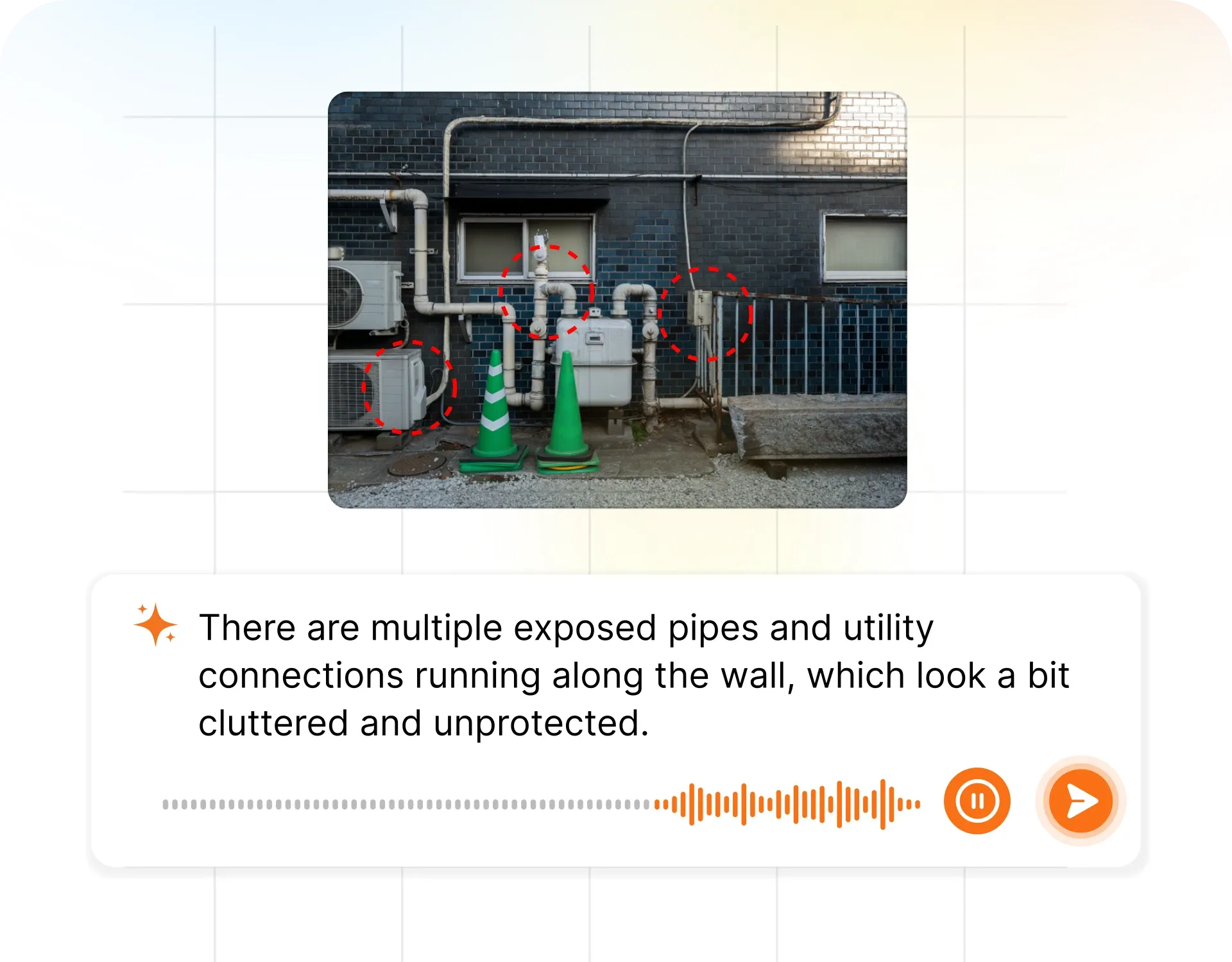
Inspectors speak their observations in any language. AI transcribes and fills the form in real time. Completely hands-free in the field.
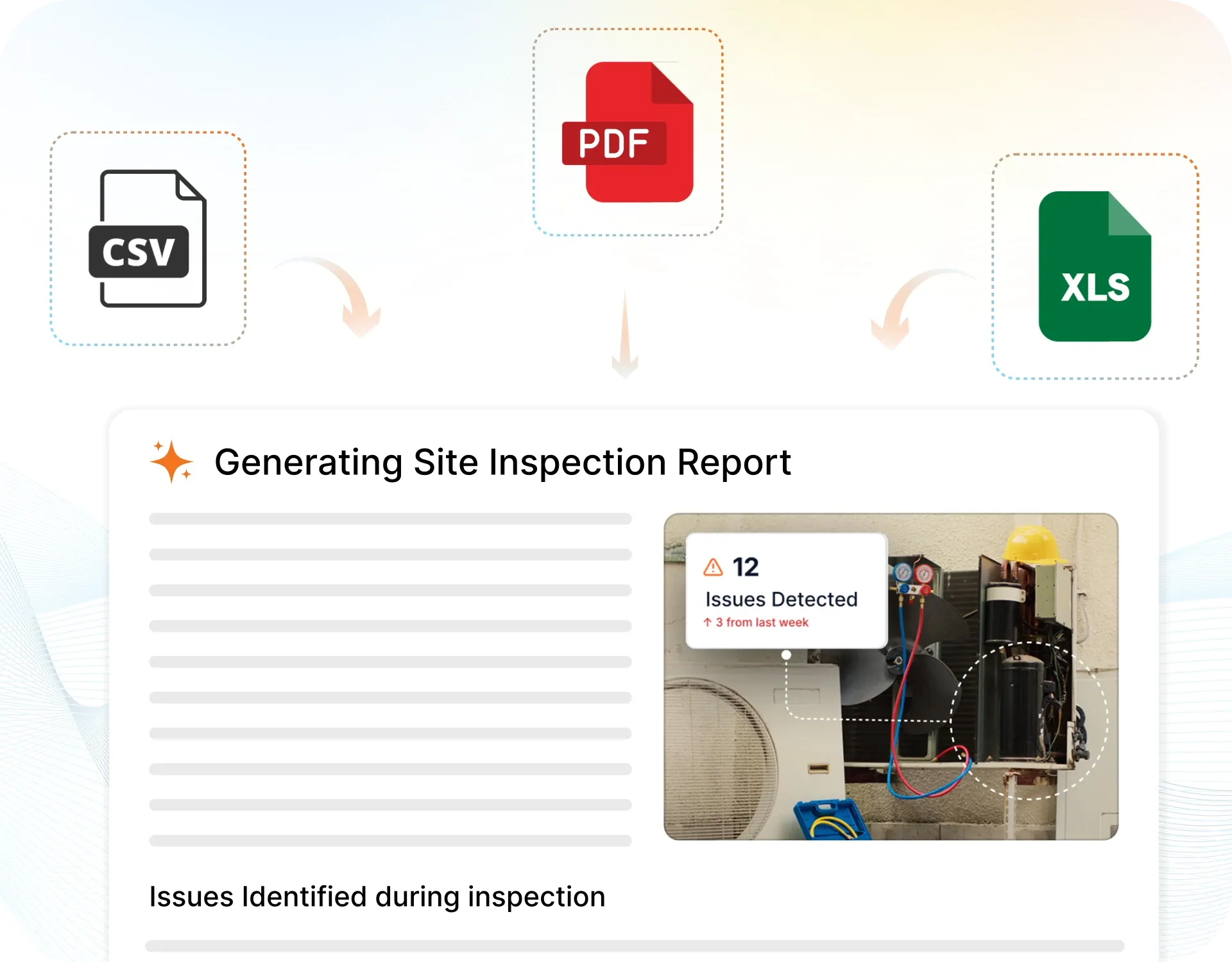
The moment an inspection is submitted, a branded PDF, Excel, or CSV report generates automatically. No manual work. No waiting.
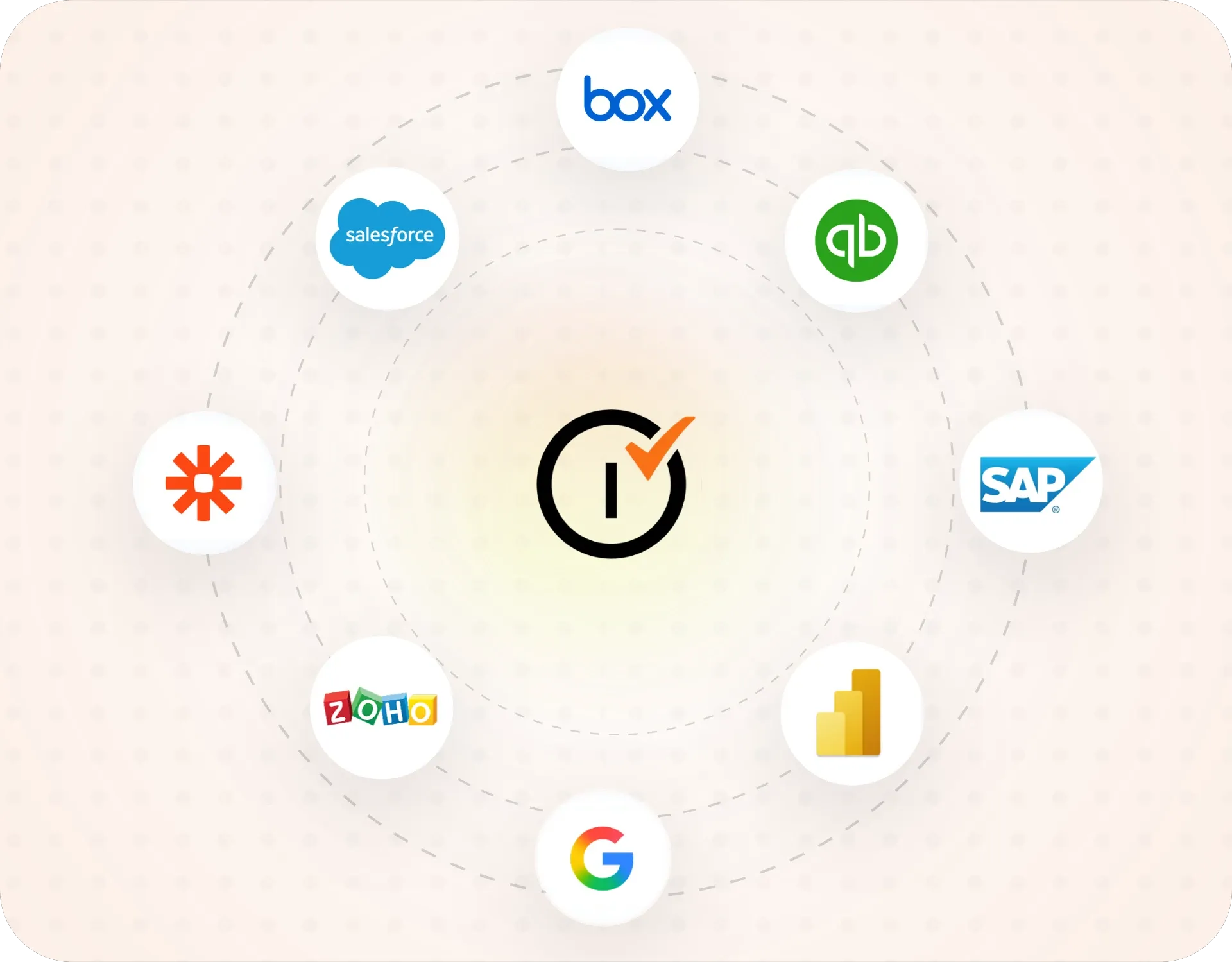
Inspectly360 integrates with the tools your team already uses, including Zoho, Microsoft 365, and SAP. No double entry.
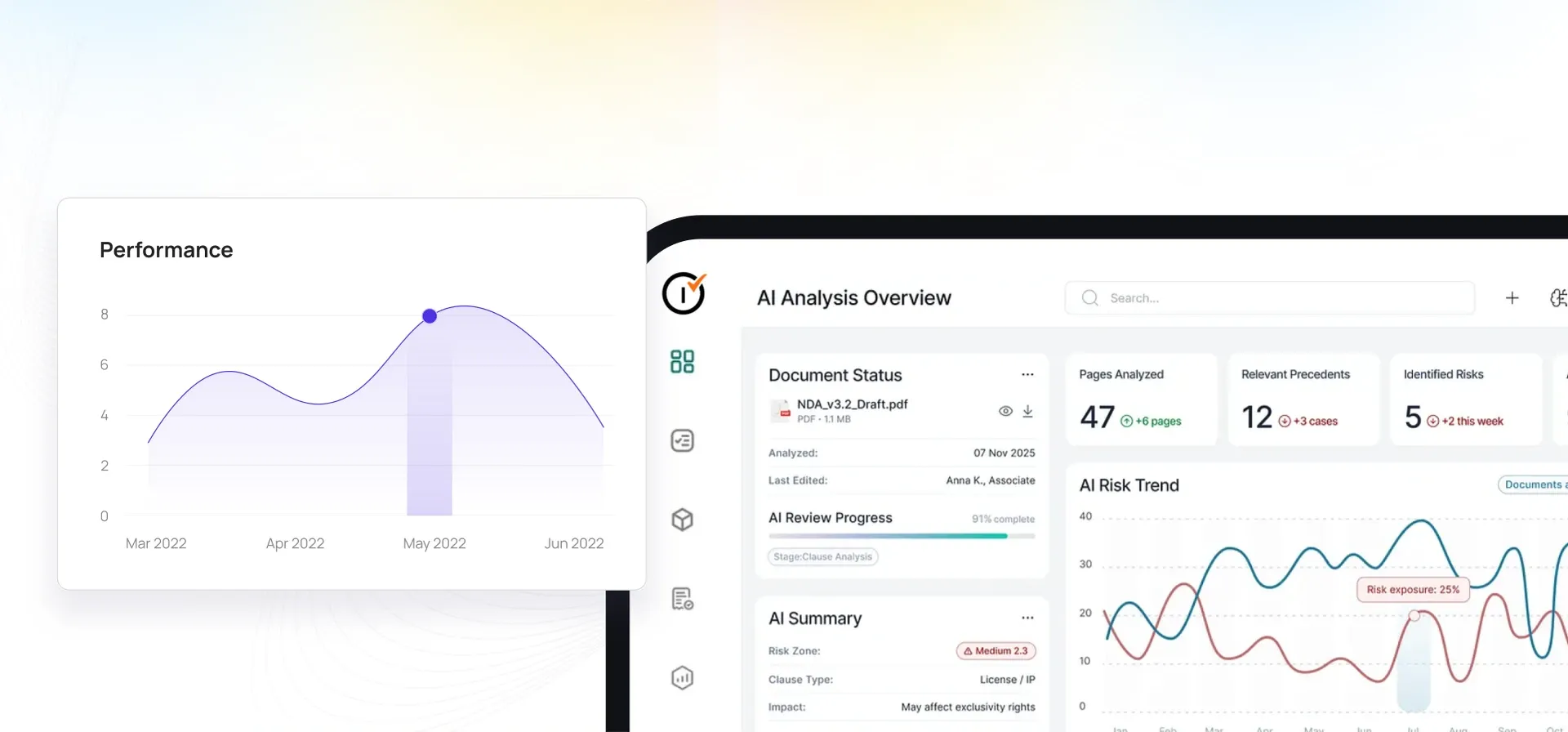
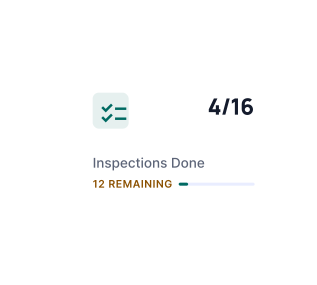
Your operations team sees completion rates, open issues, and compliance scores across all sites in real time. No chasing updates.
Manage every checklist in one connected workspace, capture evidence on mobile at the point of work, and let AI turn field inputs into clear, stakeholder-ready reports in minutes.


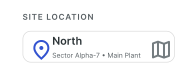
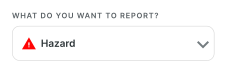
See which checklists your team has in progress across every site, jump into the same inspection with one tap, and keep field, supervisor, and back-office views in sync without sending screenshots on WhatsApp.


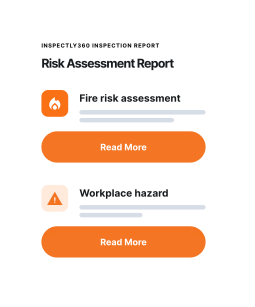
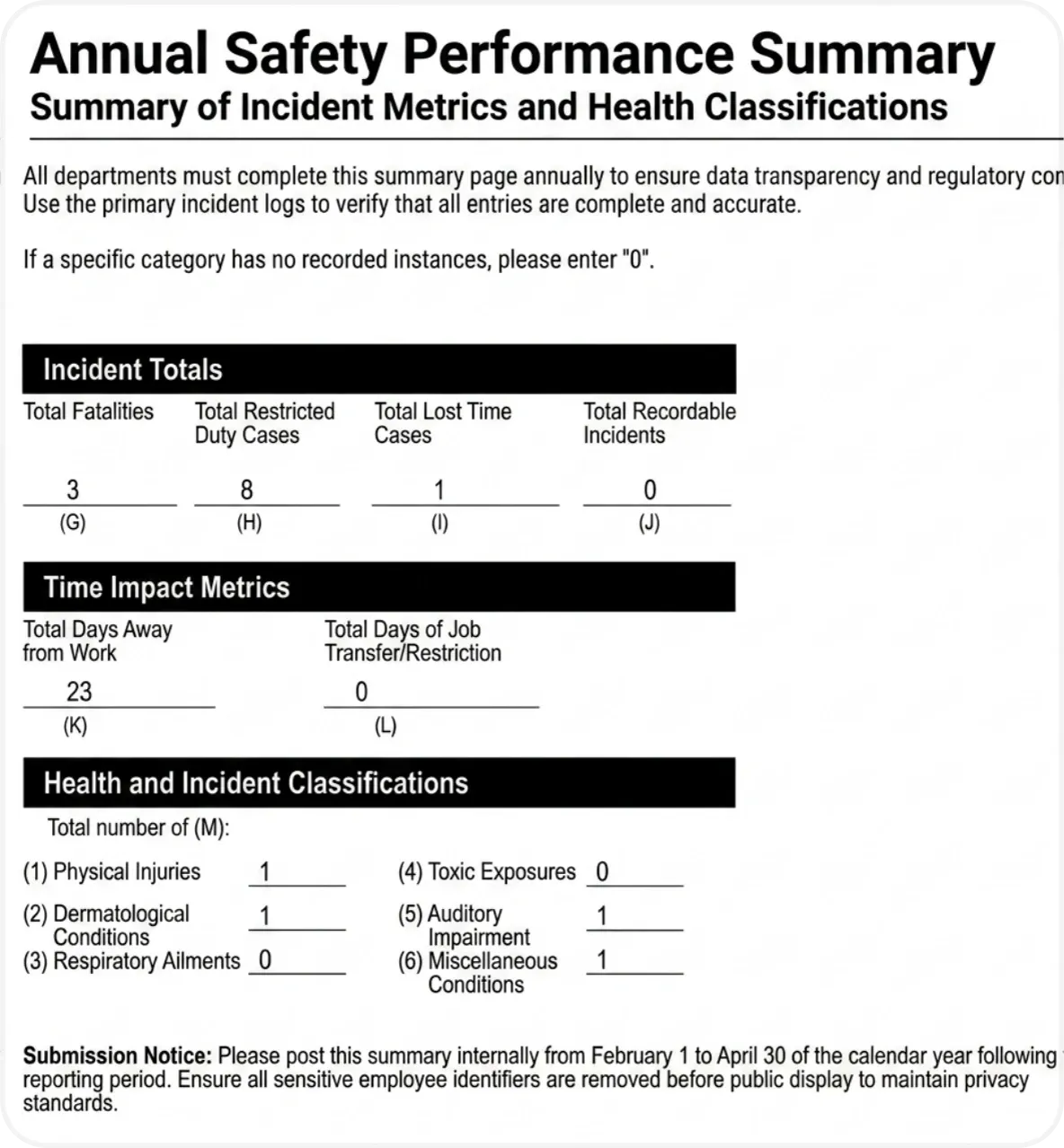


Every team reports differently. Build the report your operations, quality, or compliance leads actually want to read, share it as a branded PDF, and schedule delivery to the stakeholders who need it.

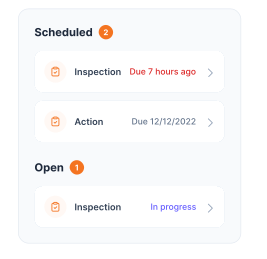

See completion, pass rate, and recurring findings across every checklist and every site, without pulling spreadsheets together at the end of the month.
What changes once food & beverage inspection software is standardised on Inspectly360.







“Inspectly360 transformed how we manage site safety inspections. The offline capability alone saved us countless hours. Our compliance rate jumped from 72% to 96% in just three months.”
Sarah Mitchell
Meridian Construction Group

“The AI-powered defect detection has changed how we work. Our inspectors capture photos and the system flags issues we'd have missed. It's like having an expert reviewer on every site visit.”
James Chen
Pacific Manufacturing Co.
“Rolling out digital checklists across multiple projects gave us instant visibility into recurring safety issues. We now resolve critical findings in hours instead of days.”
Olivia Carter
Northbridge Infrastructure
Get started with inspection and audit checklist templates.

Food safety and hygiene inspections: temperature checks, cleanliness, HACCP points, and corrective actions. Audit-ready evidence.

Food safety officers use this inspection for food safety hygiene to verify food condition and safety controls, hygiene verification and compliance records and photo evidence, capture photo evidence on every finding, and track corrective actions to verified closure, building the evidence food-beverage teams need for FSSAI, HACCP and ISO 22000.
Food safety officers use this inspection for ISO 22000 food safety checklist fsms to verify ISO condition and safety controls, 22000 food verification and compliance records and photo evidence, capture photo evidence on every finding, and track corrective actions to verified closure, building the evidence food-beverage teams need for FSSAI, HACCP and ISO 22000.

Food safety officers use this inspection for restaurant visit report to verify restaurant condition and safety controls, visit verification and compliance records and photo evidence, capture photo evidence on every finding, and track corrective actions to verified closure, building the evidence food-beverage teams need for FSSAI, HACCP and ISO 22000.
Use these apps to run inspections and audits.

by Inspectly360
Inspect food and beverage operations with standards-based forms, evidence capture, and corrective action workflows.

by Inspectly360
Run food safety inspections with AI photo analysis for hygiene gaps, temperature proof, and corrective workflows.
by Inspectly360
Track food safety compliance with apps evidence and corrective action workflows.
by Inspectly360
Run food safety audits with AI checkpoints for hygiene, temperature, and compliance records.
by Inspectly360
Run restaurant inspections with food safety checks, evidence capture, and issue follow-up.
Food and beverage inspection management software schedules opening checks, CCP monitoring, hygiene audits, supplier audits, and pest-control rounds across every site from one programme library. RBAC scopes inspectors, kitchen managers, QA leads, franchise owners, contractors, and auditors to the sites and programmes they are entitled to. Template governance lives at brand or group level so the HACCP standard does not drift between regions; site-specific CCP limits attach without breaking the corporate baseline. In food & beverage, Food & Beverage Inspection Software turns approved food & beverage checklists into mobile checks field teams complete on any device.
Food and beverage inspection audit software runs scored audit programmes against HACCP, ISO 22000, BRC, SQF, and FSSAI rubrics with photo evidence per finding, CAPA per non-conformance, and branded PDF export. Audit history per site retrieves by date range, programme, and inspector. Repeat-finding clustering exposes systemic issues across outlets rather than treating each finding as isolated. In food & beverage, Food & Beverage Inspection Software turns approved food & beverage checklists into mobile checks field teams complete on any device.
When a temperature or CCP reading falls outside the defined limit, the platform raises a deviation record with timestamp, magnitude, product or batch affected, corrective action, root cause, and named approver verification. Product hold workflow can trigger automatically above the corrective-action threshold. Records align to FSSAI, HACCP, and ISO 22000 retention expectations so auditors see a continuous trail, not reconstructed notes. In food & beverage, Food & Beverage Inspection Software turns approved food & beverage checklists into mobile checks field teams complete on any device.
Every hygiene failure, CCP deviation, supplier reject, or pest finding runs through severity classification, named owner assignment, deadline by risk, required closure evidence, and approver verification before close. QA managers see CAPA age, repeat defects by site or shift, and overdue actions without email reconstruction. In food & beverage, Food & Beverage Inspection Software turns approved food & beverage checklists into mobile checks field teams complete on any device. Each food & beverage inspections round is finished in the field, with the photos and a named sign-off attached before it submits.
Live dashboards aggregate inspection completion, CCP exception rate, hygiene scores, supplier quality, and open CAPA per site. Operations and QA leaders compare regions and brands on identical definitions because templates are enforced centrally. Alerts surface missed checks and overdue corrective actions before the next audit window. In food & beverage, Food & Beverage Inspection Software turns approved food & beverage checklists into mobile checks field teams complete on any device. Each food & beverage inspections round is finished in the field, with the photos and a named sign-off attached before it submits.
Yes. Inspectly360 runs fully offline on iOS and Android in walk-in freezers, cold rooms, production lines, and back-of-house zones with weak or no signal. Temperature logs, hygiene checks, and audits cache on the device and sync automatically when connectivity returns, so no CCP record is lost between the cold room and the dashboard. In food & beverage, Food & Beverage Inspection Software turns approved food & beverage checklists into mobile checks field teams complete on any device. Each food & beverage inspections round is finished in the field, with the photos and a named sign-off attached before it submits.
See Inspectly360 in action with a live demo tailored to your needs. No credit card required.