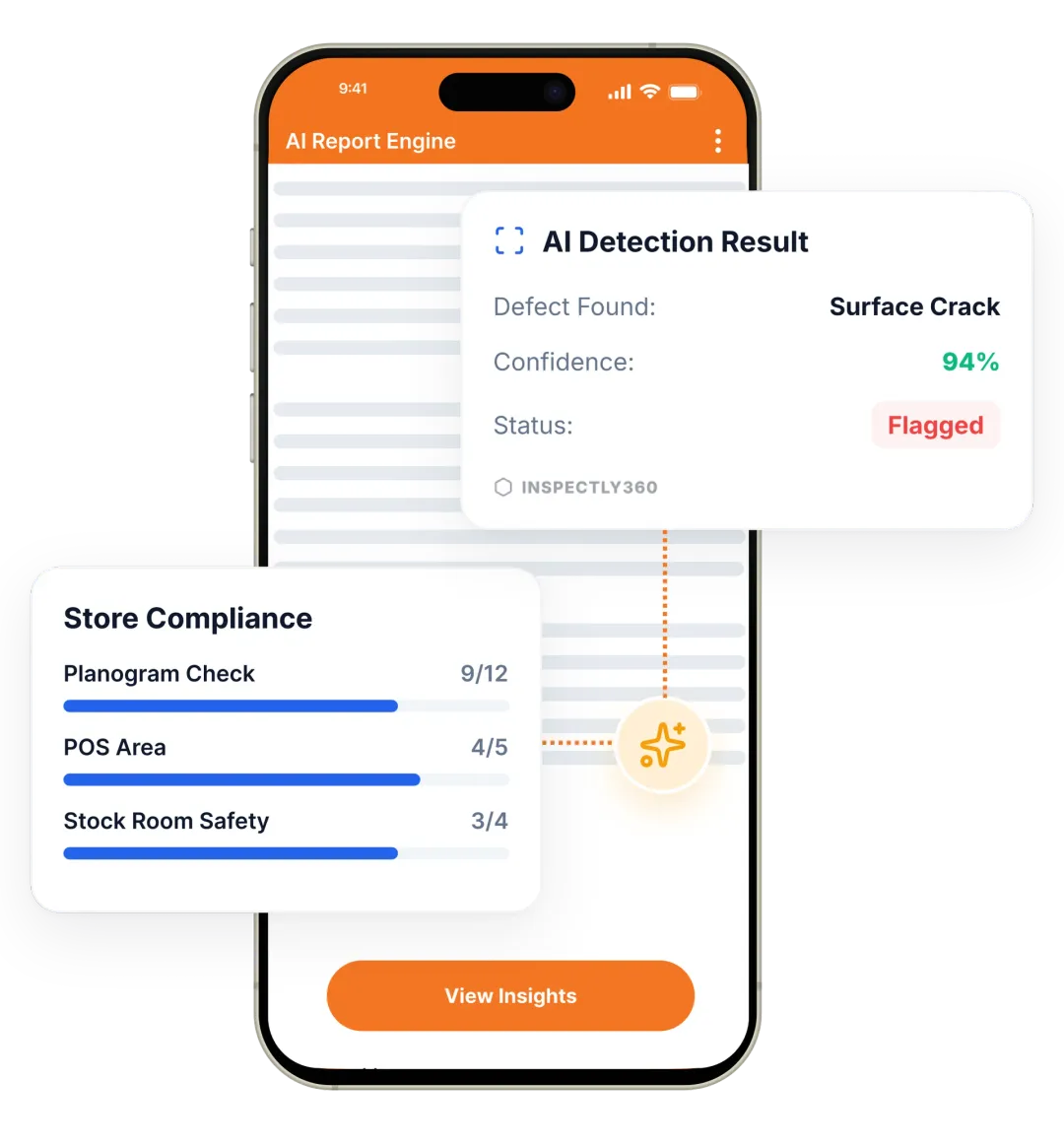
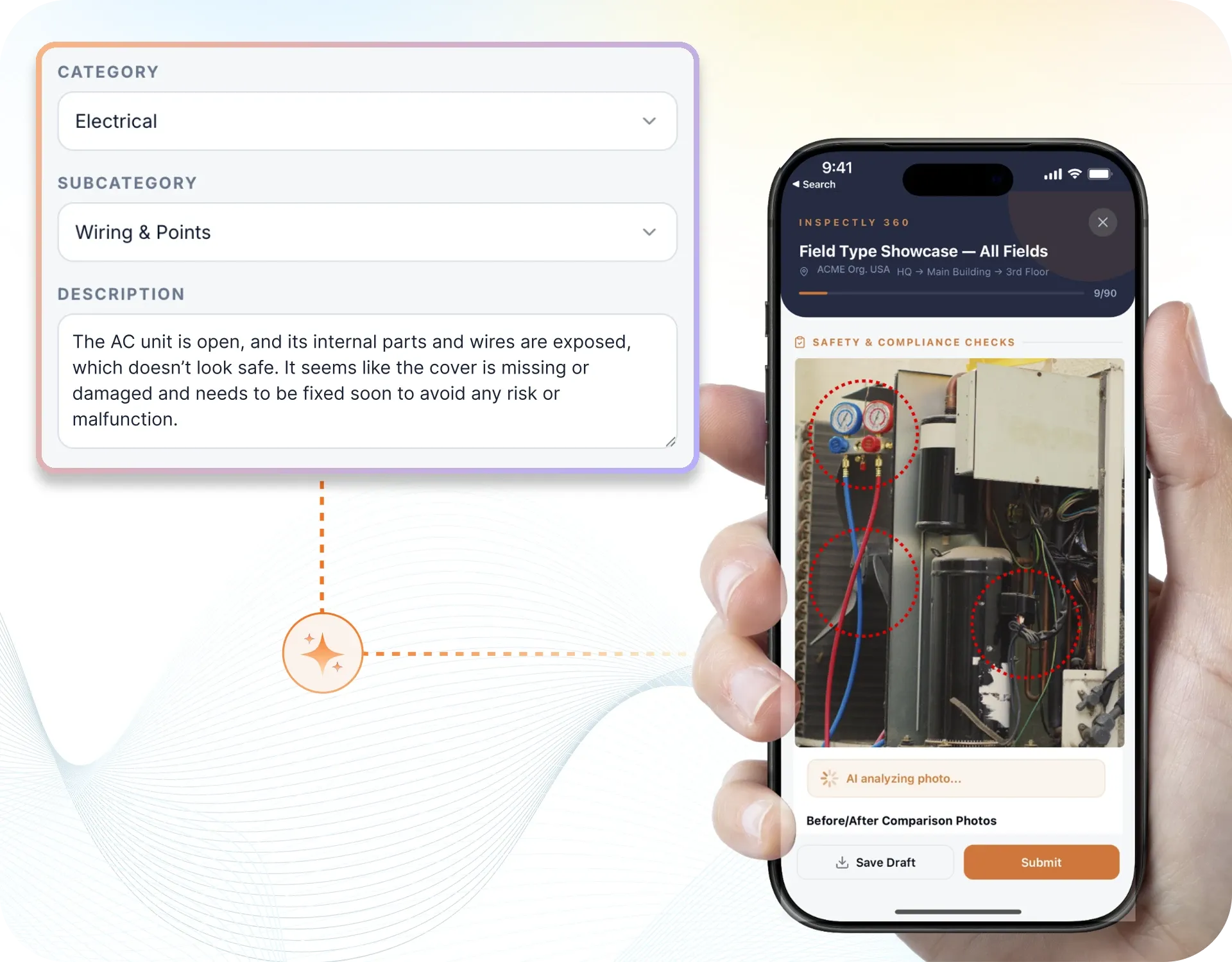
Take a Photo. AI Fills the Form
Your inspector takes a photo of any asset or defect. AI reads it and fills the inspection form automatically. No typing. No manual entry.

Convert your checklist into Mobile App
Food Processing Farm to Fork Inspection App runs structured food processing farm to fork inspections across every site. Inspectors complete forms on a phone or tablet, capture photo and voice evidence on each food-handling area, and raise corrective actions the moment something fails. Managers see compliance status, open issues, and performance across every site in real time.
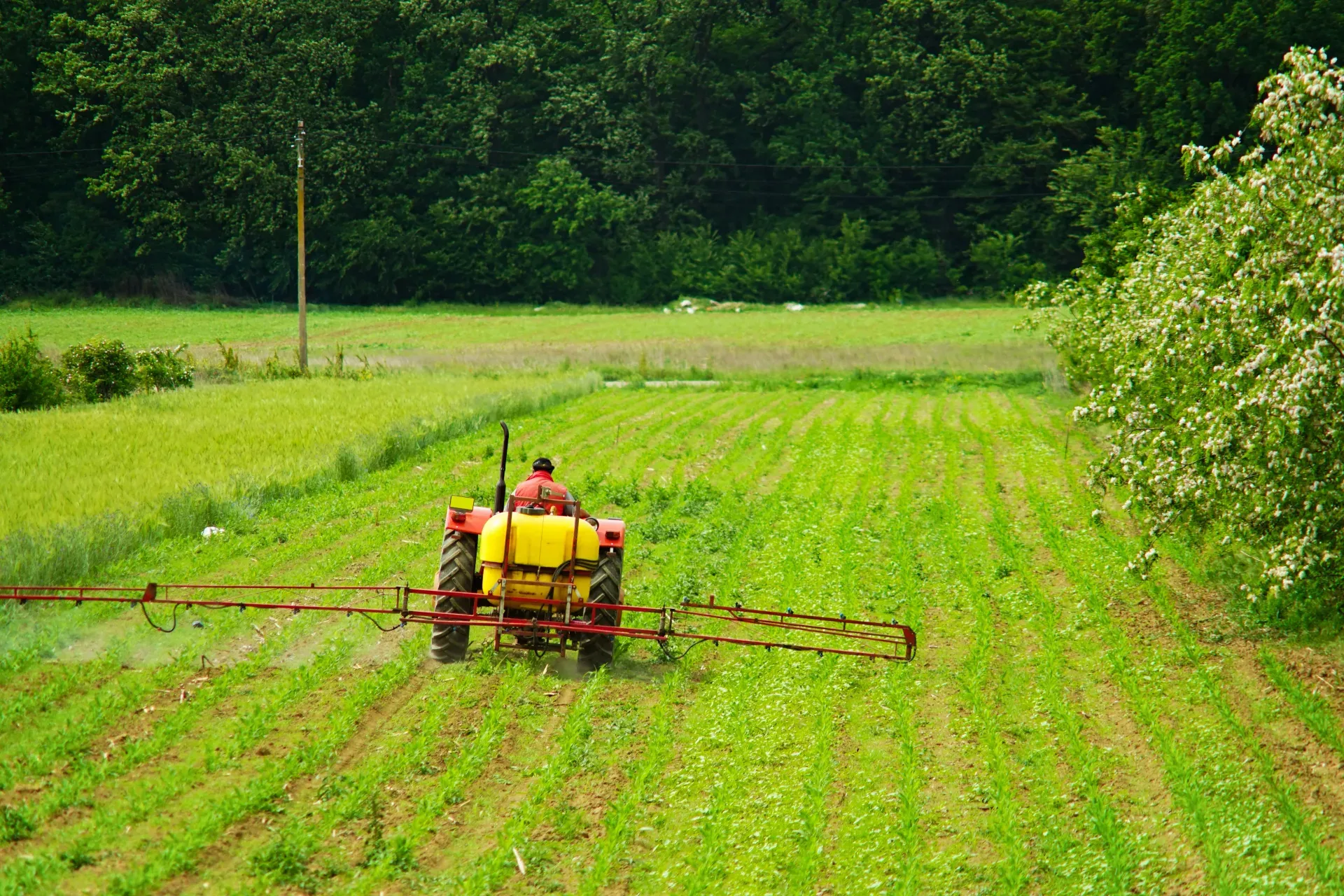
Food Processing Farm to Fork Inspection App delivers assurance checks, spray and harvest records, and corrective tracking, directly tackling assurance-scheme findings and weak field-to-batch traceability. Align reporting to GLOBALG.A.P. and farm-assurance schemes, with dashboards that turn field data into accountable action.
Food Processing Farm to Fork Inspection App keeps one record per farm and per site, with photo evidence and a named sign-off. Each farm finding is tracked to verified closure. Farm managers and safety teams see farm completion and overdue actions across the agriculture & agritech portfolio. Every farm record proves what was checked, when, and by whom.
A comprehensive inspection for agriculture & agritech covers the key areas that affect food safety and FSSAI compliance. Inspect food processing from farm to fork with hygiene, traceability, and equipment checks. Your inspection should include sections for evidence capture, pass/fail or scoring criteria, corrective action assignment, and sign-off so that nothing is missed and every finding is traceable.
A consistent routine keeps food processing farm to fork inspections reliable across every site. Follow these steps to run an effective inspection:
Food Processing Farm to Fork Inspection App covers Certification Audit, Field Inspection, Crop Protection, Sustainability, and more, with photo evidence, readings, corrective actions, and audit-ready records.
Templates align to GLOBALG.A.P..

Build the food processing farm to fork template with objective pass-fail criteria and schedule it to mobile teams.

Inspectors run the inspection, AI checks photos for temperature excursions, hygiene lapses, expired stock, cross-contamination risks, and failed items raise corrective actions.

Dashboards built on verified data reveal recurring patterns across every site.
Everything your field team does on paper, Inspectly360 does automatically: faster, more accurate, and without the admin.
Your inspector takes a photo of any asset or defect. AI reads it and fills the inspection form automatically. No typing. No manual entry.
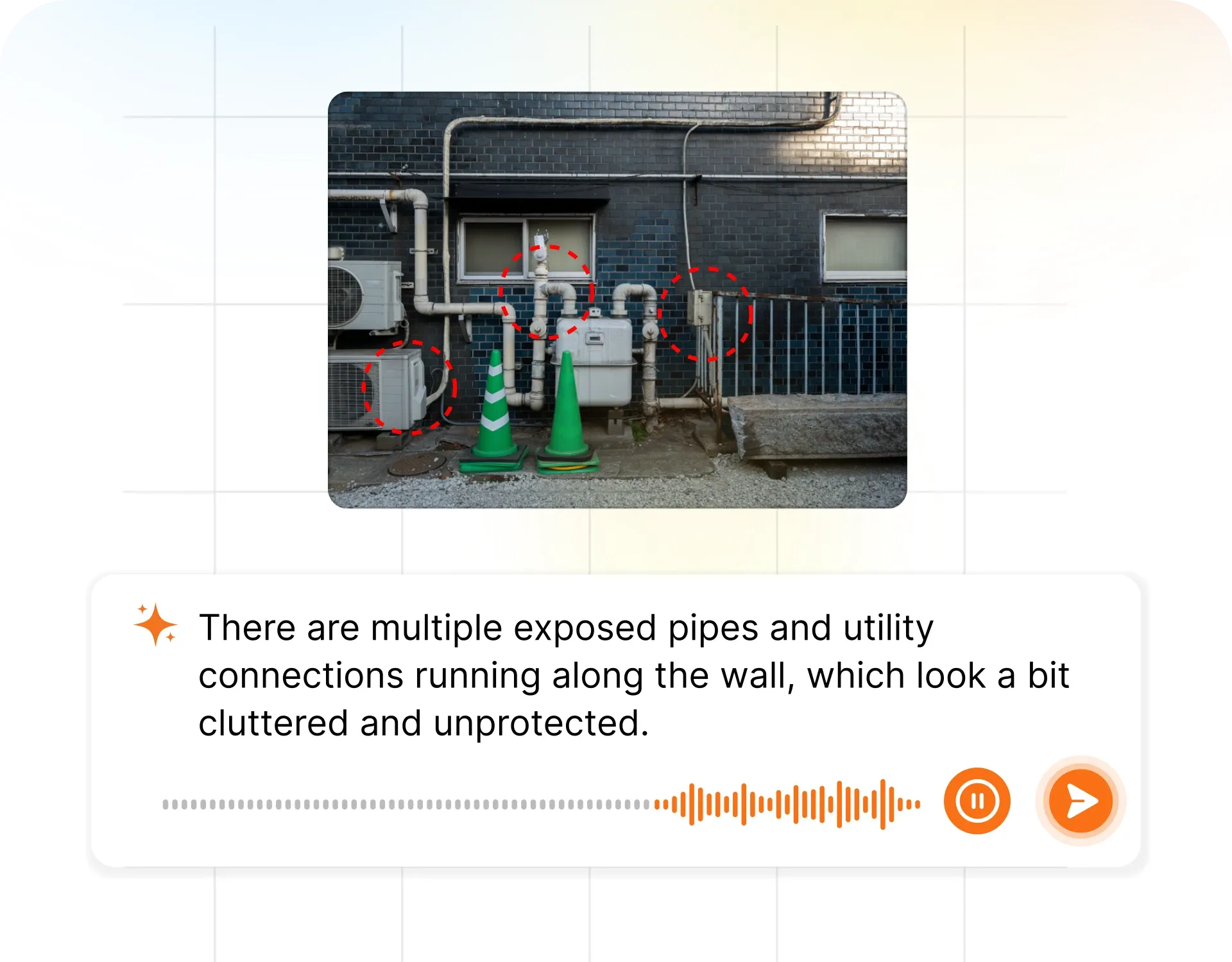
Inspectors speak their observations in any language. AI transcribes and fills the form in real time. Completely hands-free in the field.
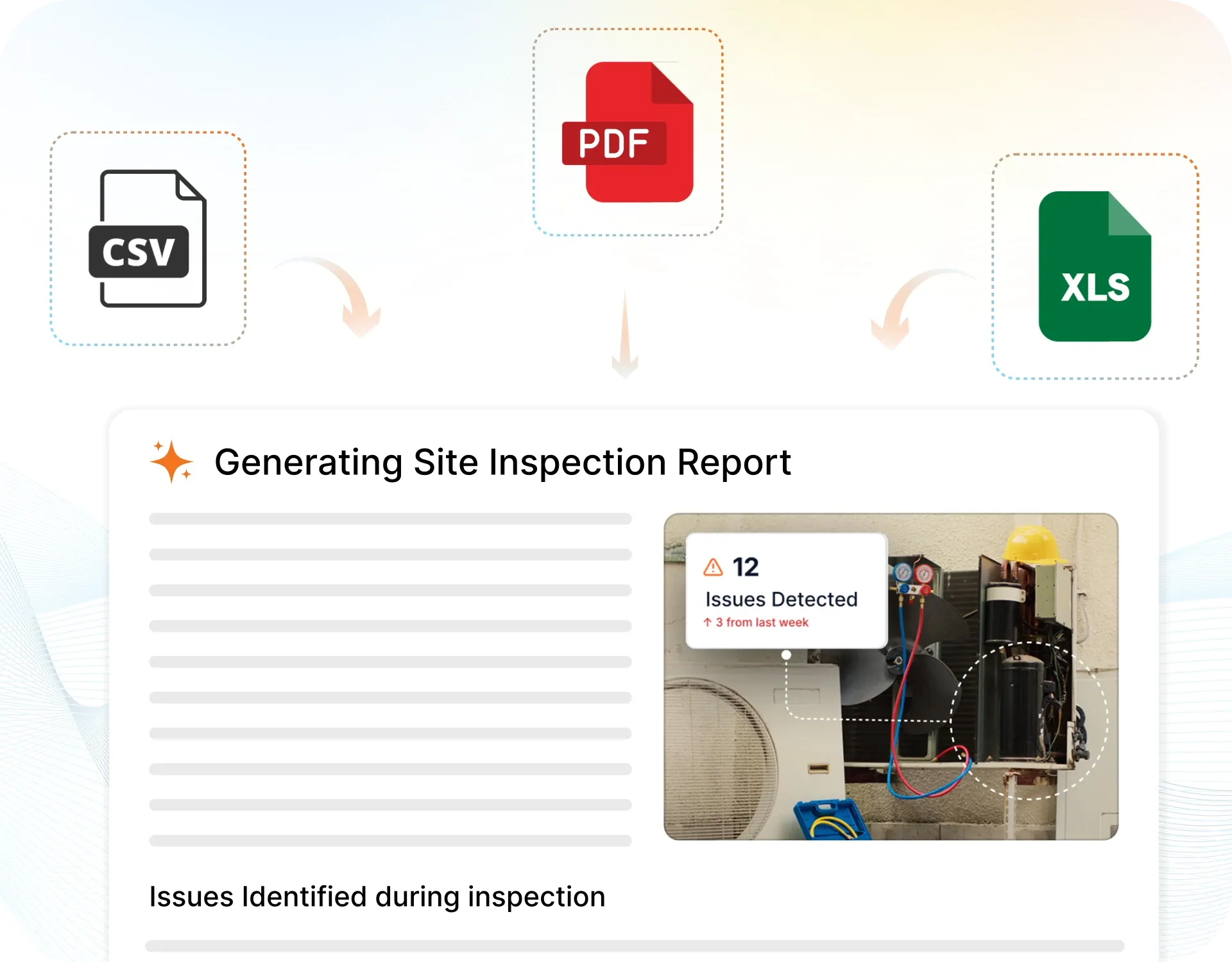
The moment an inspection is submitted, a branded PDF, Excel, or CSV report generates automatically. No manual work. No waiting.
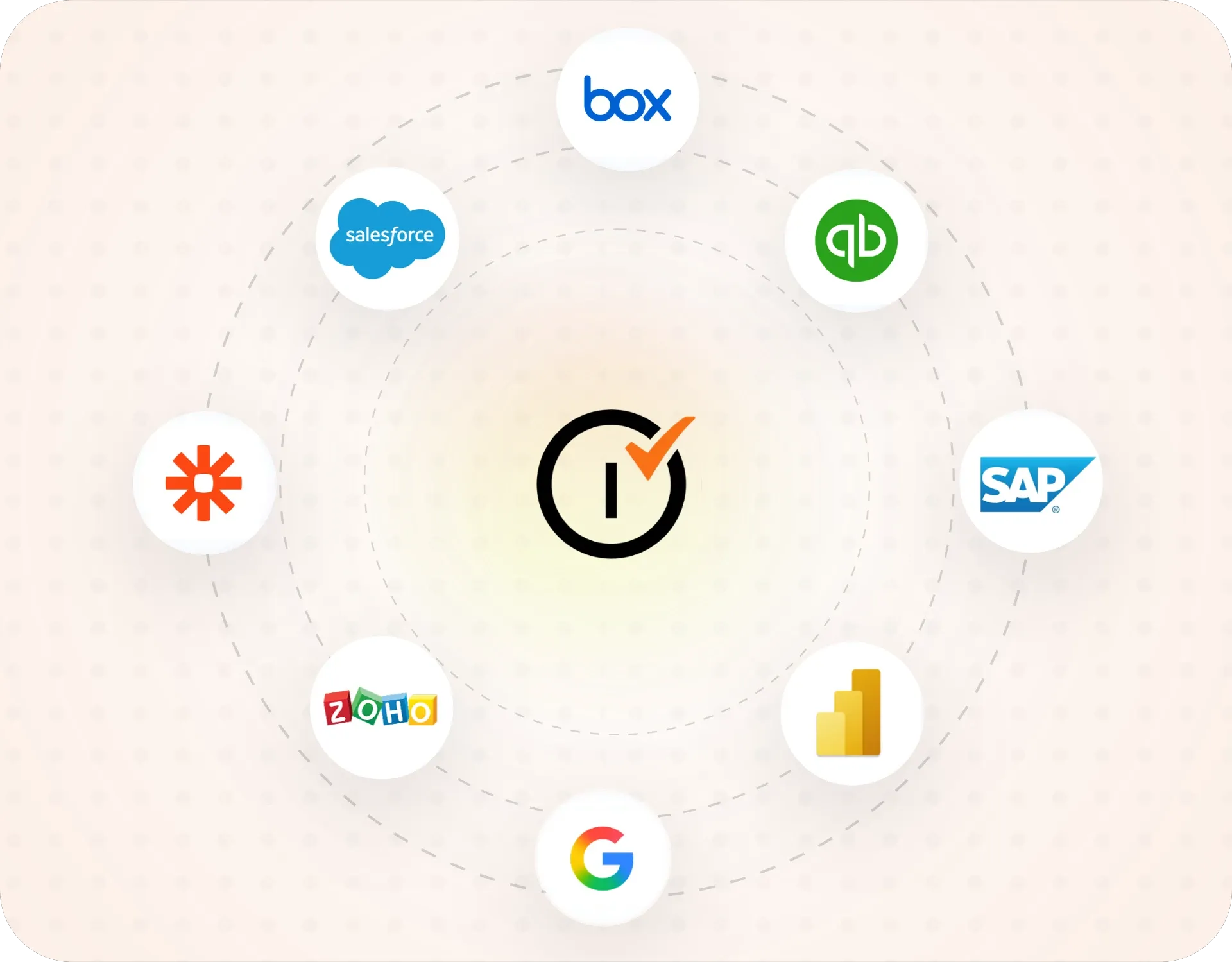
Inspectly360 integrates with the tools your team already uses, including Zoho, Microsoft 365, and SAP. No double entry.
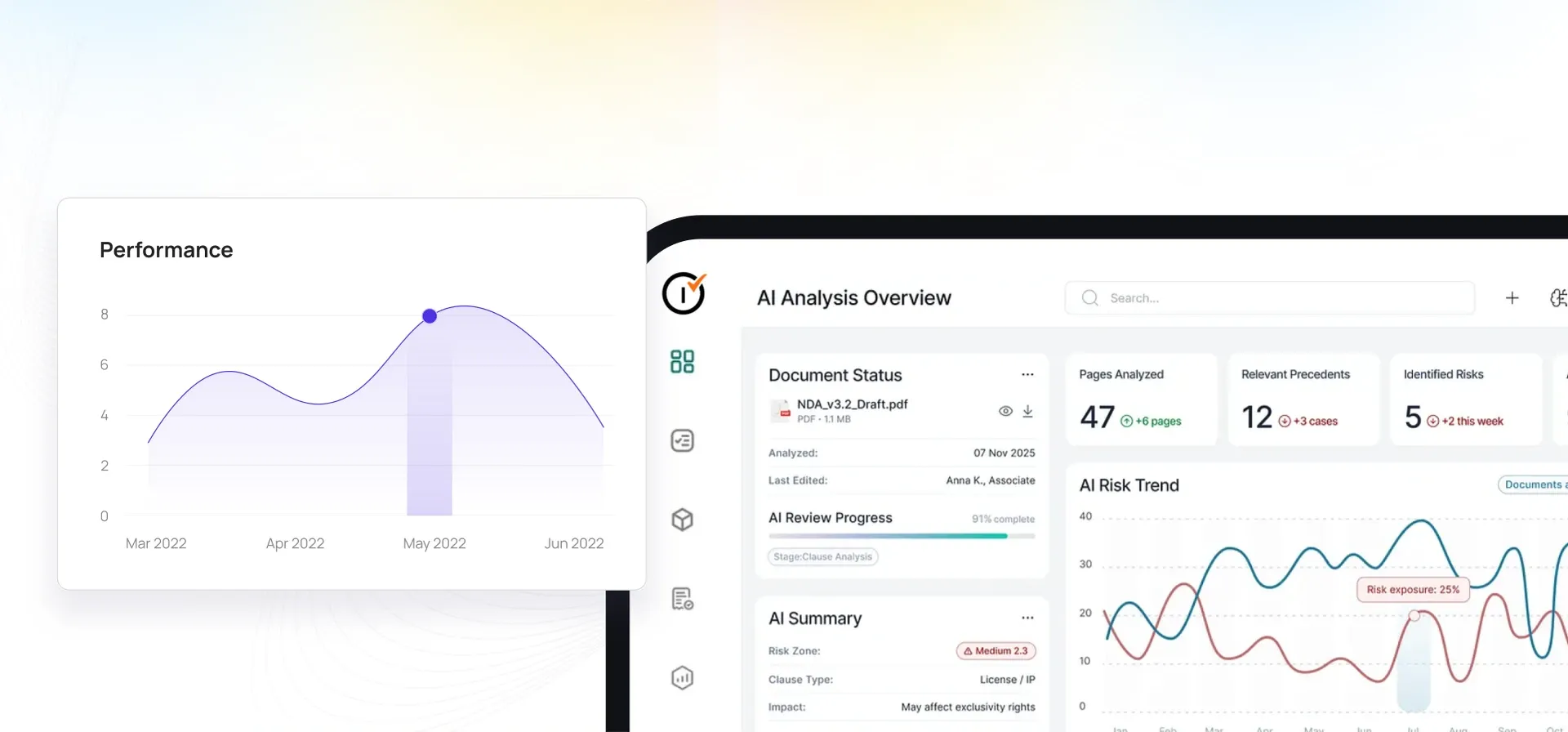
Your operations team sees completion rates, open issues, and compliance scores across all sites in real time. No chasing updates.
From data collection to compliance: see how teams use Inspectly360 for every use case.
Capture field data once with digital forms that work even offline.
Explore use caseRun standardized inspections with photos, scoring, and instant reports.
Explore use caseConduct structured audits with evidence trails and pass or fail scoring.
Explore use caseLog hazards, near misses, and safety checks from any job site.
Explore use caseCatch defects early with repeatable quality checks and sign off.
Explore use caseReport incidents in the moment with photos and follow up actions.
Explore use caseTrack assets, service history, and condition across every location.
Explore use caseRaise work orders and close out repairs with a full audit trail.
Explore use caseStay audit ready with logged checks, timestamps, and shareable reports.
Explore use caseUse it as a digital workflow so your team captures consistent evidence, stays aligned in the field, and produces reports stakeholders can trust without retyping answers from paper.

Some food processing farm to fork records sit in Excel, some in a WhatsApp group, some in a folder of photos. There is no single source of truth, so every question takes an hour and three people to answer.
Problem
Solution

A food processing farm to fork inspection is ticked off on a paper form. Weeks later someone asks whether the food-handling area was actually checked, and whether temperature excursions, hygiene lapses, expired stock, cross-contamination risks were looked at. Nobody can say for certain the food-handling area passed.
Problem
Solution

A defect on the food-handling area is handed to food-safety contractor. A week later the food-handling area defect is marked closed. Whether the food-handling area work was done well, badly, or at all, nobody has verified.
Problem
Solution
Food Processing Farm to Fork Inspection App covers Certification Audit, Field Inspection, Crop Protection, Sustainability. Food Processing Farm to Fork Inspection App delivers assurance checks, spray and harvest records, and corrective tracking, directly tackling assurance-scheme findings and weak field-to-batch traceability. Align reporting to GLOBALG.A.P. and farm-assurance schemes, with dashboards that turn field data into accountable action. Each item is checked against its acceptance criteria, with photos, readings, and the inspector sign-off captured on the spot. A failed check raises a corrective action with an owner and due date, and the completed record is retained and exportable for audit against GLOBALG.A.P..
When a check fails, Food Processing Farm to Fork Inspection App logs it against Certification Audit or the relevant item, assigns a corrective action with an owner and due date, and tracks it to closure. Supervisors see open issues, overdue actions, and completion rates across the whole portfolio on one dashboard, so problems are fixed and evidenced instead of being lost between visits.
Yes. Teams complete inspections on a phone or tablet with no signal, and records sync automatically once back online. Every inspection holds the items checked, the readings, the photos, and the sign-off, giving Food Processing Farm to Fork Inspection App a defensible record against GLOBALG.A.P. for regulators, clients, and incident investigations, without chasing paper across sites.
Food Processing Farm to Fork Inspection App keeps farm checks aligned to local agriculture safety rules, and chemical handling rules. The photos and readings each farm standard expects are required fields. So an incomplete farm check cannot close. A farm gap is caught before an assessor finds it. When a review is due, farm managers and safety teams export a branded farm pack built from equipment photo, chemical store photo, and biosecurity record. So farm evidence stays defensible at any time.
Yes. Inspectors complete farm checks on iOS or Android with no signal. They capture equipment photo, chemical store photo, and biosecurity record at the farm in the field. Each farm record syncs when the connection returns, with its timestamp intact. The same farm template runs on every site. So farm managers and safety teams get a live view of farm work that is complete, overdue, or failing per location. The app runs on iOS and Android and works the same way for every inspector on the team.
Every farm inspection carries equipment photo, chemical store photo, and biosecurity record, a GPS location, a timestamp, and a named sign-off. The farm evidence is captured on the round, not typed up later. So farm managers and safety teams show exactly what was checked on the farm, when, and by whom. When an assessor asks, that farm record exports in seconds. It comes out as a branded PDF or a searchable farm history. The app runs on iOS and Android and works the same way for every inspector on the team.
Food Processing Farm to Fork Inspection App works alongside your existing farm systems. Farm findings and readings flow into a CMMS, ERP, or asset register through the API. So those systems hold verified farm field data, not re-keyed notes. Food Processing Farm to Fork Inspection App owns offline farm capture, photo evidence, and a fast farm pack from equipment photo, chemical store photo, and biosecurity record. Teams add the farm inspection layer where the evidence is captured. The app runs on iOS and Android and works the same way for every inspector on the team.
Explore other inspection and audit apps for agriculture & agritech teams.
See Inspectly360 in action with a live demo tailored to your needs. No credit card required.

