What stops someone submitting a photo taken somewhere else?
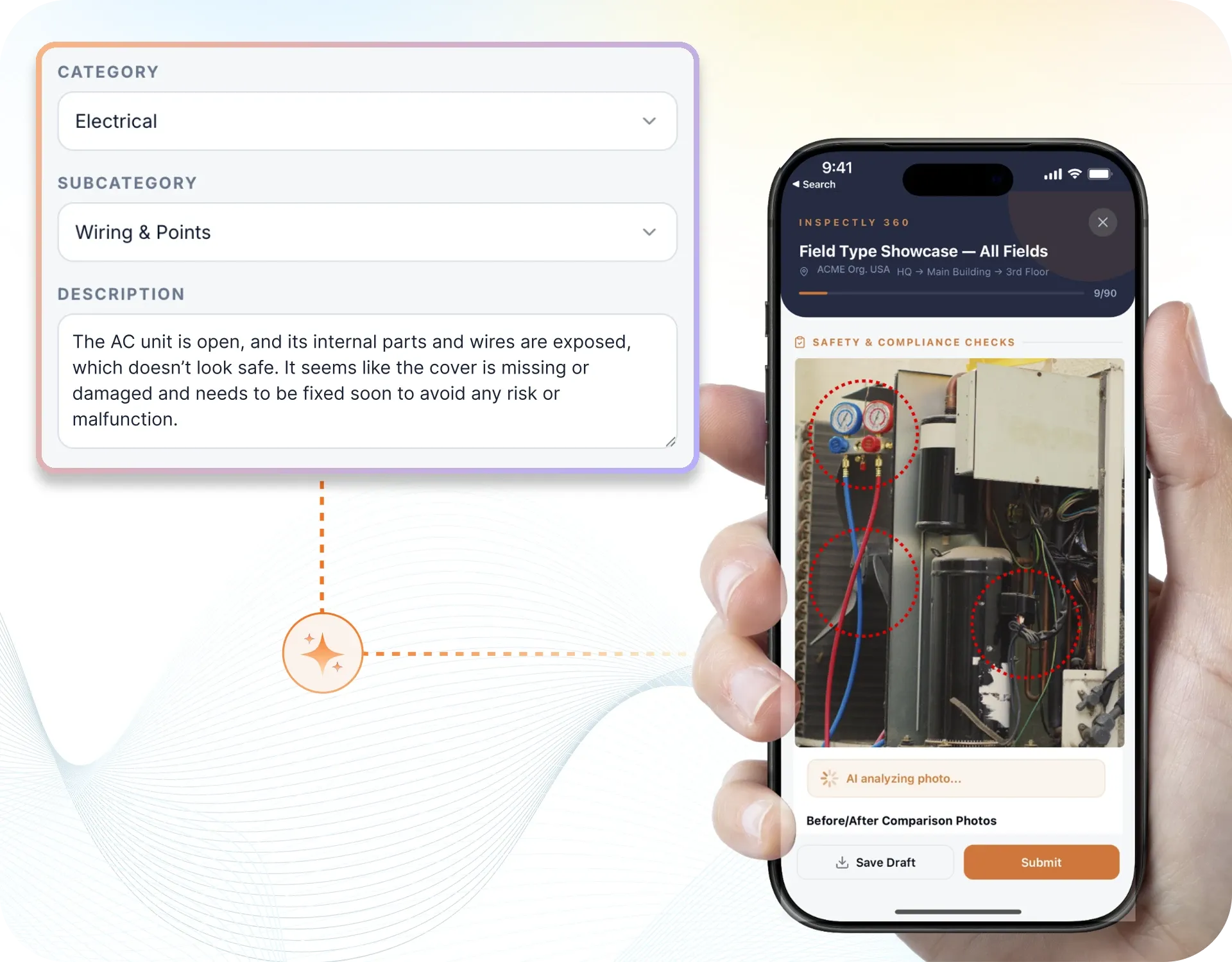
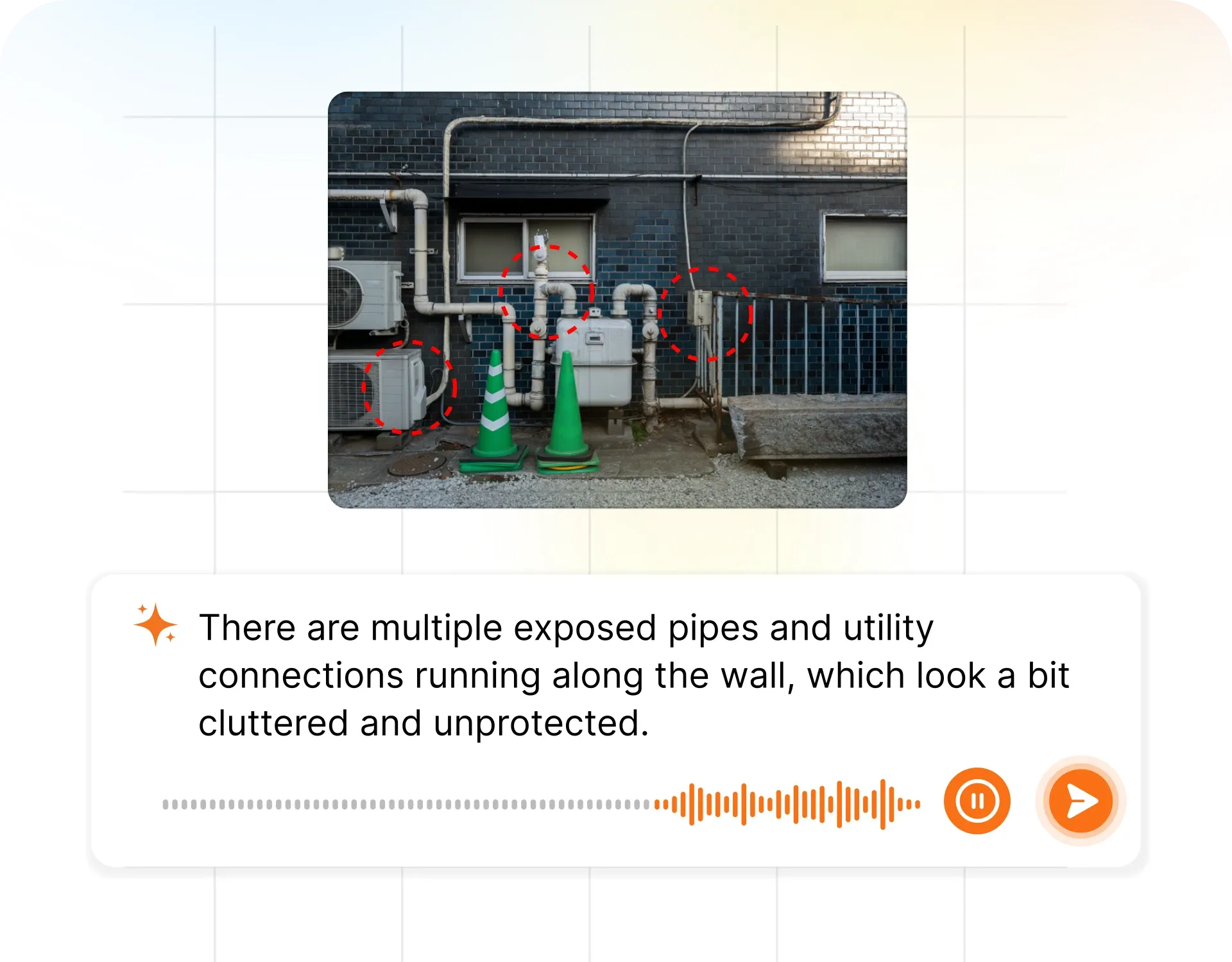
Three things work together. The photo is captured live inside the app rather than uploaded from a phone gallery, so an old or borrowed image cannot be attached to a finding. Each capture records the device time and location, so the record shows where the inspector actually stood. Geofencing can require the inspector to be inside a site boundary before a check can be submitted at all. Anomaly detection then looks for submission patterns that do not look genuine, such as a round completed far faster than the work takes, or identical answers repeated day after day, and surfaces them to the manager rather than accusing anyone. A manager reviewing a disputed check can see the image, the time, the place, and whether the pattern of submission was normal, instead of relying on trust.
What happens to photo evidence captured with no signal?
The inspection continues as normal. Photos are held on the device with their timestamp and location intact, along with the checklist answers and any issues raised, so nothing is lost and the inspector is never blocked mid round. When the device returns to coverage the queued evidence syncs automatically, and the photos appear against the same findings they were captured against, then flow into reports and the dashboard. This matters because the places evidence is needed most, basements, plant rooms, riser cupboards, and remote sites, are usually the places with the weakest signal. If offline capture were unreliable, the gaps in your evidence would line up exactly with the parts of a site nobody can easily verify.
Can photo evidence reach the systems we already use?
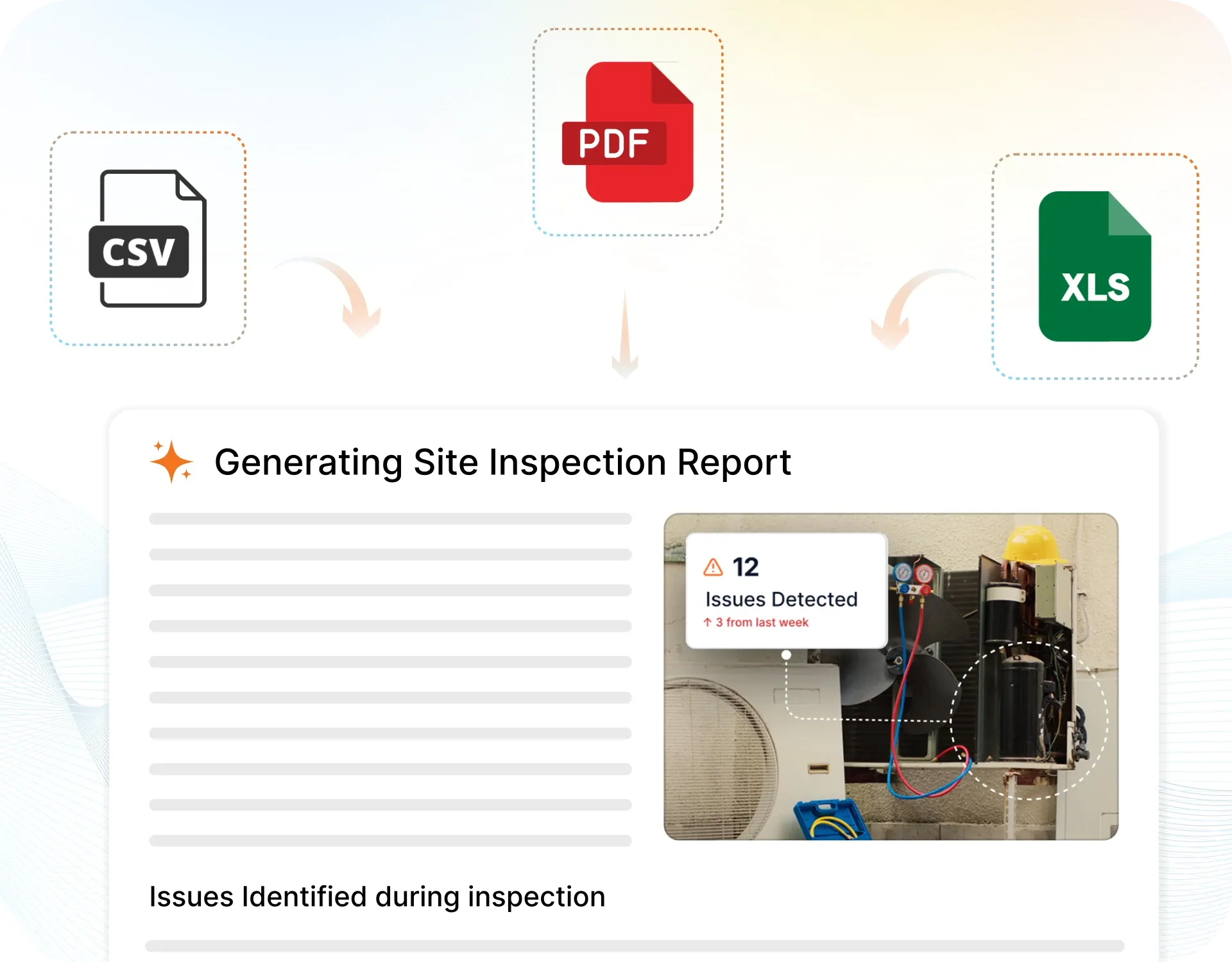
Yes. Inspection records, including their photos, are reachable through a REST API, and webhooks can push an event to your systems the moment an inspection completes or an issue opens, so a finding and its evidence can raise a work order in a CMMS without anyone retyping it. Pre-built connectors cover ERP, CMMS, and project management platforms, and data can be exported in CSV, JSON, XML, and Excel. For teams that would rather not write code, Zapier and Microsoft Power Automate support lets you build the routing yourself. In practice the evidence does not sit in a separate tool. It lands where the work is already tracked, which is often what decides whether a client dispute takes minutes or days.
How does photo evidence hold up in an ISO 9001 or HACCP audit?
Auditors look for a consistent, retrievable history showing that checks happened and that problems were resolved, not simply that a form exists. Photo evidence gives you that in the shape an audit expects: each image is tied to the specific checklist item or issue it relates to, carries the time and place it was taken, and is pulled into reports automatically rather than assembled the night before a visit. For a defect, the before and after pair shows the corrective action was carried out rather than recorded as done. Under a quality standard such as ISO 9001, or a food safety programme built on HACCP, the recurring weakness is proving a control was actually performed at the required frequency. Evidence attached at the point of work removes that gap without adding paperwork for the inspector.
How does a site manager use photo evidence in a contractor dispute?
The pattern is familiar. A vendor invoices for work, the client says it was not done to standard, and nobody has anything better than memory and a chat thread. With photo evidence the manager opens the issue and sees the defect as it was found, the time and location of that capture, and the after photo taken when the work was signed off. That is usually enough to settle it in either direction. It can confirm the contractor did the work and protect them from an unfair deduction, or show the job was closed without the fix. Because the images sit against the finding rather than in a personal phone gallery, the manager does not have to chase whoever was on site that day, which is what normally turns a five minute question into a week of email.