Convert your checklist into Mobile App

Contact Now
Feature

Custom Inspection Checklist Builder:Build Inspection Forms Without Code

Build dynamic inspection checklists that adapt to your workflows. Conditional logic, scoring, media capture, and compliance templates, all configurable without writing code.

Quick Answer

Digital checklists in Inspectly360 are inspection forms built with a drag-and-drop builder, no code required, that go beyond pass and fail with conditional logic, scoring, mandatory photo capture, and digital signatures. Teams build them from scratch or from 500+ compliance templates for standards like OSHA, ISO 9001, and HACCP. They replace paper checklists, loose spreadsheets, and PDF forms that cannot enforce evidence or calculate a score.

The custom inspection checklist builder in Inspectly360 is the core of every inspection, and it lets any team create forms without code. This drag-drop checklist and digital form builder replaces simple pass and fail boxes with forms that guide the inspector: conditional logic shows or hides questions based on previous answers, scoring calculates compliance percentages automatically, photo capture points enforce visual evidence, and mandatory fields ensure no critical data is missed. Teams start from 500+ pre-built templates for OSHA, ISO 9001, and HACCP, or build a custom audit template of their own.

What this replaces

Before Inspectly360

  • Inspections run on paper checklists, loose spreadsheets, or static PDF forms.
  • Forms cannot enforce photo evidence, calculate a score, or skip irrelevant questions.
  • Changing a checklist means reprinting paper and hoping every site uses the new version.

After Inspectly360

  • Inspections run on digital checklists with logic, scoring, and mandatory evidence.
  • Failed items trigger follow-up questions and required photos automatically.
  • A template update reaches every site instantly, with full version control.

How Dynamic Checklists works

  1. 1

    Start from a template or scratch

    A process owner opens the drag-and-drop builder, picks one of 500+ compliance templates, or starts a new checklist from a blank form.

  2. 2

    Add logic, scoring, and evidence

    They add sections and question types, set conditional logic, configure scoring and weighting, and mark photo capture and signature fields as mandatory.

  3. 3

    Publish to field teams

    The checklist is published and assigned to sites, roles, or schedules. Field teams see it in the mobile app, in their preferred language.

  4. 4

    Run, score, and version

    Inspectors complete the checklist on-site, scores calculate automatically, and every later edit to the template is versioned for a clean audit trail.

How does a compliance manager turn an existing paper checklist into a digital form?

The starting point is usually a form that already exists on paper or in a spreadsheet. The manager rebuilds it in the drag-and-drop builder, dragging in question types and ordering them the way the inspection actually runs. No code and no developer request is involved, which is what keeps the form under the compliance team's control rather than in an IT queue.

The rebuild is also the moment to fix what paper could never enforce. Mandatory fields stop a form being submitted with the critical question blank. Photo capture points make visual evidence a requirement on the items that matter rather than a habit some inspectors keep and others do not. Conditional logic hides the questions that do not apply, so an inspector answering no to one item is not walked through the twelve follow-ups that only matter on a yes.

For a standard process rather than one unique to the business, the library shortens the work considerably. Teams clone one of the 500+ pre-built templates for OSHA, ISO 9001, NFPA, or HACCP and adjust it to their sites instead of authoring from an empty form. Where teams work across languages, the same checklist is presented to each inspector in their own language while the answers are stored uniformly, so the reporting stays consistent.

How does checklist scoring work, and what makes a digital form better than a PDF?

Scoring is configured on the form rather than calculated afterwards. Point values and weights are assigned per question, so a critical fire safety item can carry more weight than a cosmetic one. The compliance percentage is then produced automatically on submission, which means a site score is available the moment the inspection ends rather than after someone totals a column in a spreadsheet.

That is the structural difference from a PDF. A PDF form can be filled in, but it cannot require a photo, cannot hide an irrelevant question, cannot calculate a weighted score, and cannot refuse an incomplete submission. It captures answers without being able to enforce anything about them, which is why PDF and spreadsheet processes still rely on someone checking the returns by hand.

Because the questions and their weights are defined once, results stay comparable across sites and over time. Two inspectors running the same checklist at different locations produce scores that mean the same thing, and a drop at one site is a real signal rather than a difference in how two people filled a form. That comparability is what makes the trend data on the dashboard worth acting on.

Why operations teams use Dynamic Checklists

  • Create complex inspections without any coding
  • Conditional logic skips irrelevant questions and speeds up completion
  • 500+ pre-built compliance templates ready to use
  • Scoring algorithms automate compliance calculations
  • Mandatory fields ensure no critical data is missed
  • Version control tracks all template changes over time

Where teams use Dynamic Checklists

OSHA Safety Audit Checklists

Pre-built checklists aligned with OSHA 1926 and 1910 standards. Conditional logic adapts questions to the site type, with mandatory photo evidence required for identified hazards.

ISO 9001 Quality Audits

Comprehensive ISO 9001 audit checklists with weighted scoring, non-conformance classification, and corrective action requests generated automatically from failed items.

HACCP Food Safety Checks

Checklists for HACCP critical control points capture temperature logs and hygiene checks, with conditional follow-ups triggered when a reading falls outside the safe range.

Ready to run Dynamic Checklists on your sites?

Book a Free Demo

AI-Powered Features for Your Field Workflows

Everything your field team does on paper, Inspectly360 does automatically: faster, more accurate, and without the admin.

Take a Photo. AI Fills the Form illustration

Take a Photo. AI Fills the Form

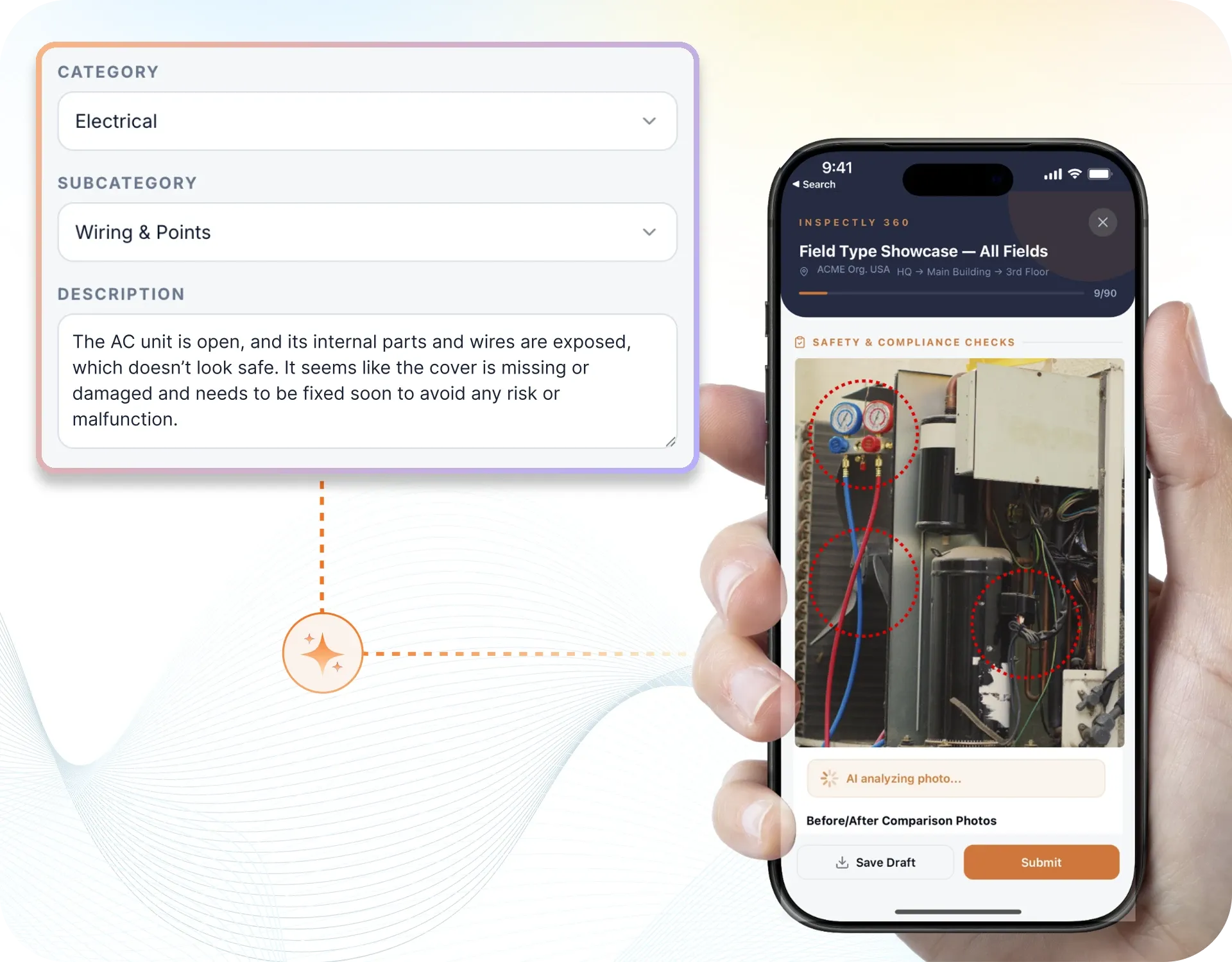
Your inspector takes a photo of any asset or defect. AI reads it and fills the inspection form automatically. No typing. No manual entry.

Speak. AI Writes It Down illustration

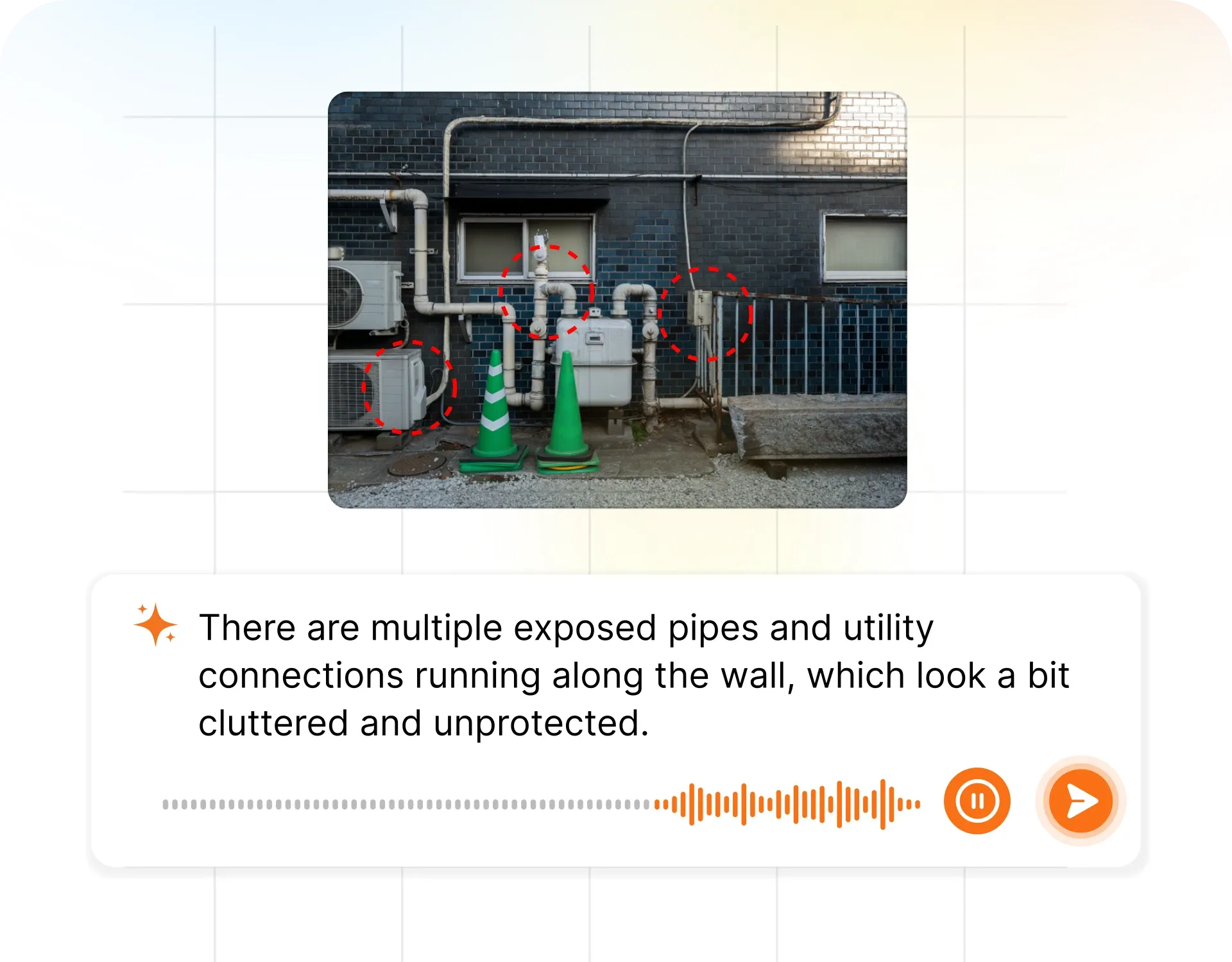
Speak. AI Writes It Down.

Inspectors speak their observations in any language. AI transcribes and fills the form in real time. Completely hands-free in the field.

Inspections Done. Report Ready illustration

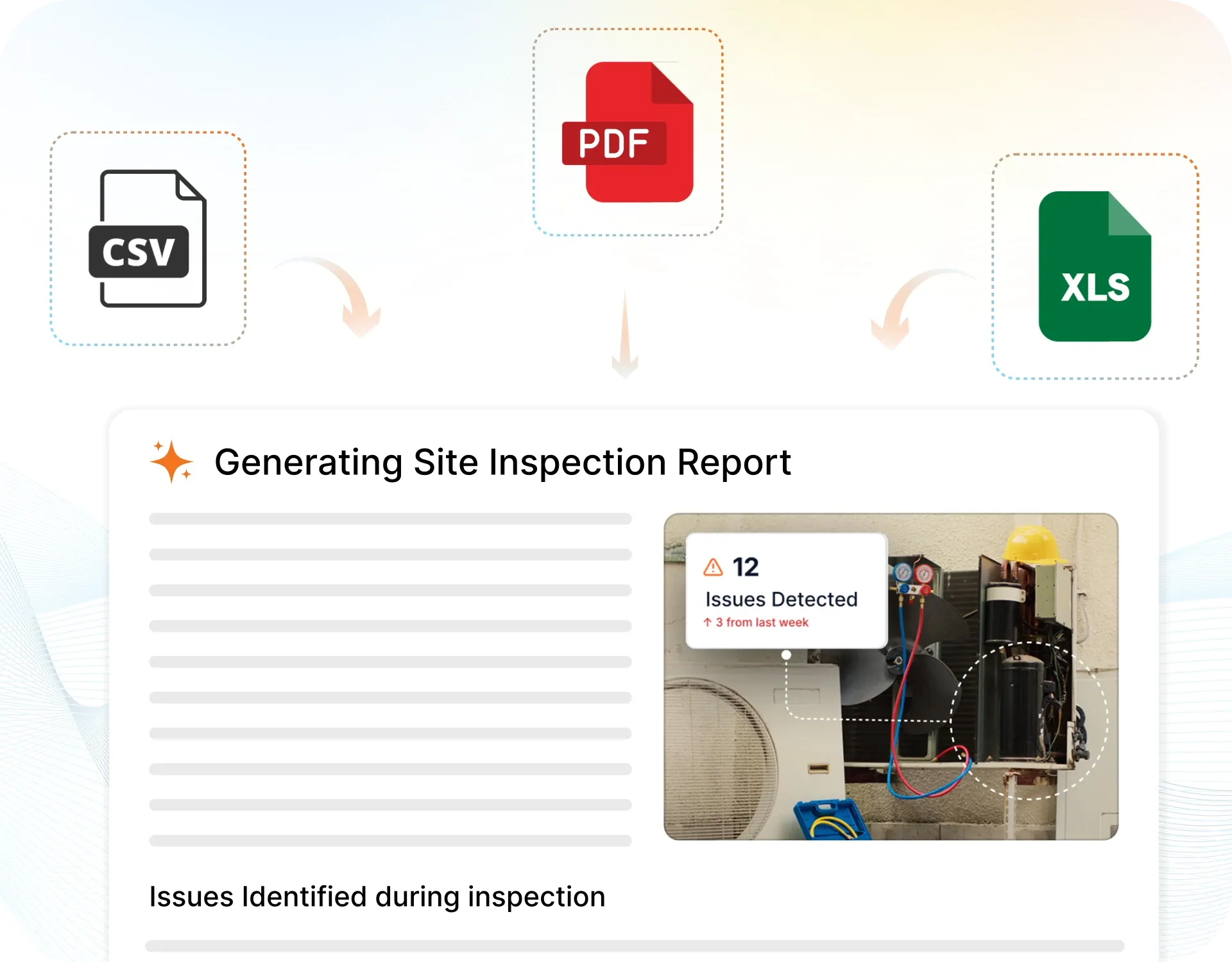
Inspections Done. Report Ready.

The moment an inspection is submitted, a branded PDF, Excel, or CSV report generates automatically. No manual work. No waiting.

Connect Your Existing Tools illustration

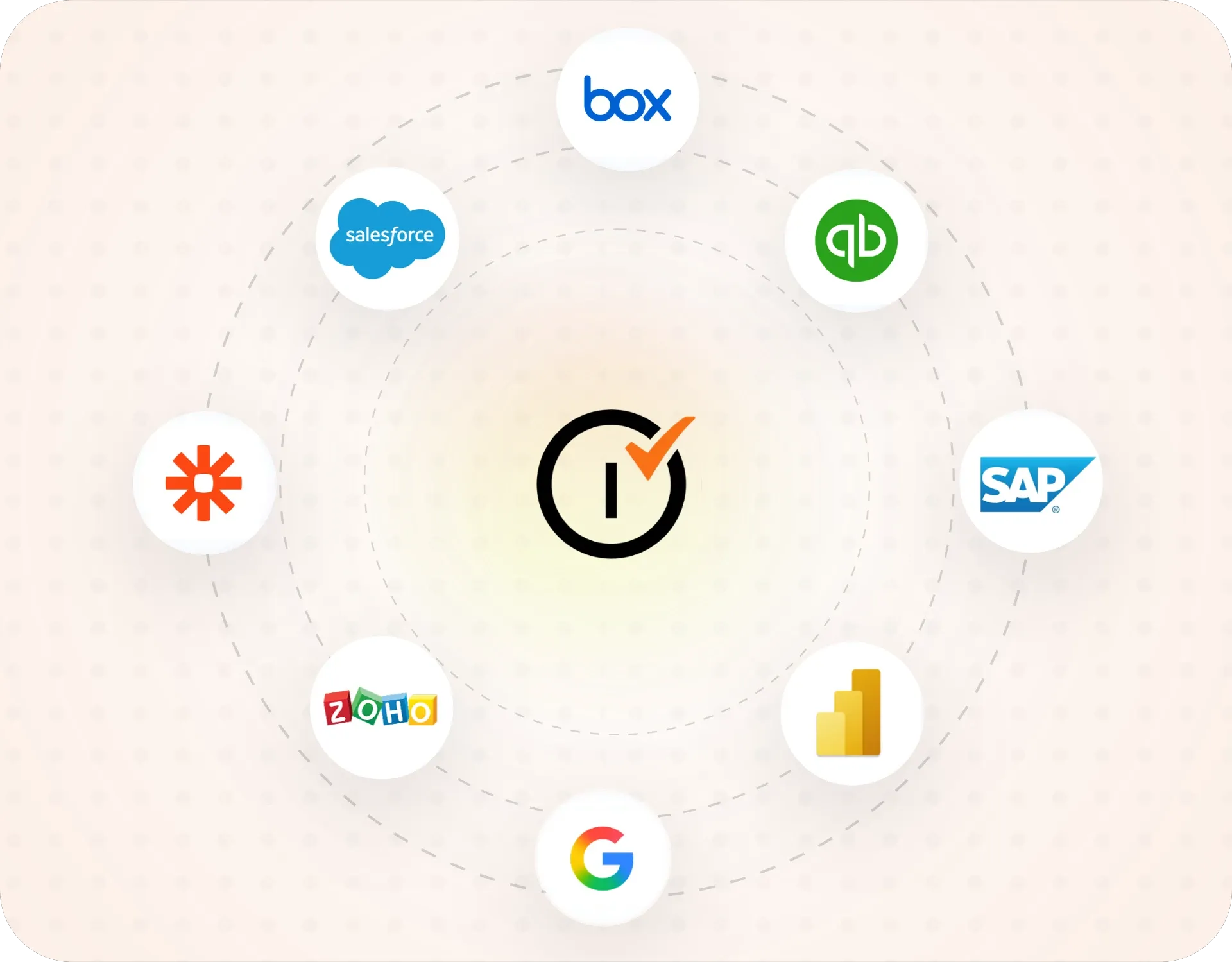
Connect Your Existing Tools.

Inspectly360 integrates with the tools your team already uses, including Zoho, Microsoft 365, and SAP. No double entry.

Live Dashboard. Every Site. Always On illustration

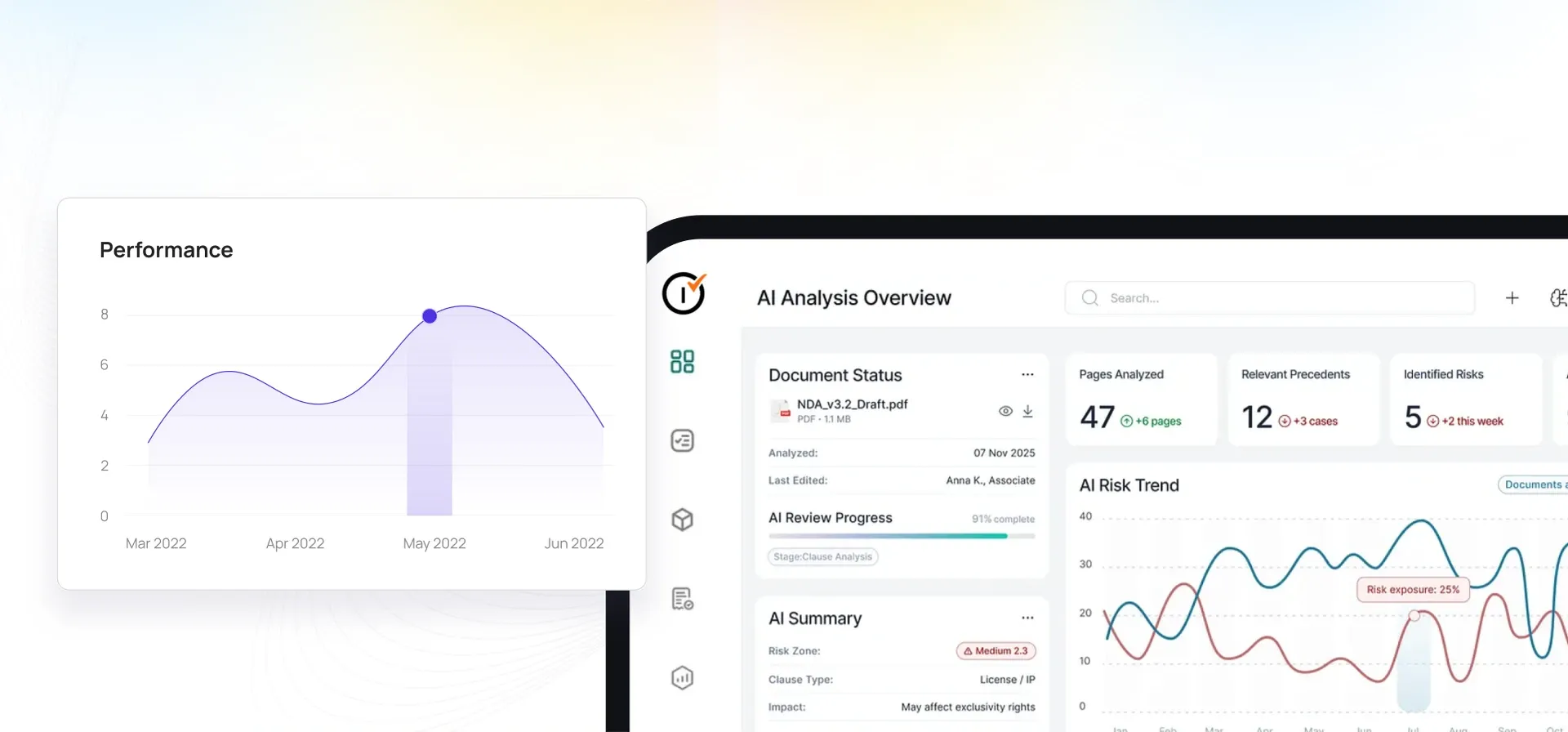
Live Dashboard. Every Site. Always On.

Your operations team sees completion rates, open issues, and compliance scores across all sites in real time. No chasing updates.

Frequently Asked Questions

Can non-technical staff create checklists?

Yes. The Inspectly360 drag-and-drop checklist builder requires no coding skills. Operations managers, safety officers, and quality leads regularly create and maintain their own inspection templates using sections, question types, scoring, and conditional logic. In-app guidance and a library of starting templates speed up the work, so the people who own the process also own the checklist. This removes a common bottleneck: instead of raising a ticket and waiting for IT every time a form needs a new question or a wording change, the process owner makes the update themselves. The checklist stays accurate because the person closest to the inspection controls it.

How does conditional logic work?

Conditional logic uses simple rules such as 'if the answer is Fail, show the follow-up questions and require photo evidence.' Logic can be nested and chained, so the form branches to match what the inspector actually finds. A passing item moves straight on, while a failing item opens questions about severity, location, and cause, and demands a photo. This keeps inspections fast, because nobody answers questions that do not apply, and it keeps them complete, because critical follow-up is enforced exactly when it is needed. All of this is configured visually in the builder, with no code, so a process owner can set up complex branching themselves.

Can I import existing paper checklists?

Yes. The Inspectly360 onboarding team can convert your existing paper checklists, spreadsheets, and PDF forms into digital templates. For larger migrations, the platform supports CSV import so many forms can be created in bulk rather than rebuilt one by one. Converted templates keep your existing structure and wording, so field teams recognise the form they already know, while gaining the digital capabilities that paper cannot offer: mandatory fields, conditional logic, scoring, photo capture, and automatic reporting. This means a team can move off paper without redesigning every inspection, then improve the templates over time once they are live in the app.

Are checklist templates versioned?

Yes. Every change to a template in Inspectly360 is versioned. You can view the full change history, compare versions, and roll back to a previous version if a change causes a problem. Importantly, active inspections always use the version they were started with, so updating a template never disrupts work that is already in progress. This combination of version control and stable in-flight inspections supports auditability: when an auditor asks which version of a checklist was used on a given date, you can show exactly that. It also lets teams improve their checklists confidently, knowing they can trace and reverse any change.

How do digital checklists support compliance with standards like ISO 9001 and HACCP?

Digital checklists turn a compliance standard into an inspection that field teams actually follow. Inspectly360 includes pre-built templates aligned with standards such as OSHA, ISO 9001, and HACCP, so teams start from a structure that maps to the requirement. Scoring and weighting calculate a compliance percentage automatically, mandatory fields and photo capture enforce the evidence an auditor expects, and conditional logic ensures follow-up actions trigger when a check fails, such as a corrective action when a HACCP critical control point reading is out of range. Every completed checklist is timestamped and stored, so the audit trail is built automatically instead of being assembled from paper before an inspection.

See Dynamic Checklists in Action

Book a free demo. We will configure this feature against your workflow and show how it runs at your sites.

  • 30 Days Free Trial
  • 1000+ Templates
  • Unlimited Integration