Convert your checklist into Mobile App

Contact Now

User & Team Management:Run Inspection Teams at Scale for Operations Teams

Role-based access control, team hierarchies, performance tracking, and workload management. Everything you need to run inspection teams from ten to ten thousand users across multi-site operations.

Quick Answer: User and team management in Inspectly360 gives operations teams role-based access control, team hierarchies, and performance tracking for inspection programmes of any size. It replaces shared logins, spreadsheet rosters, and uncontrolled access with granular permissions and scoped data visibility. Inspectors, managers, contractors, and clients each see only what their role allows.

User and team management in Inspectly360 gives operations teams the structure and control to run inspection programmes across many roles, regions, and sites. Role-based access control sets exactly who can create templates, run inspections, view which sites, and manage other users. Team hierarchies mirror your organisation, performance metrics track completion and quality, and certification tracking keeps unqualified staff off restricted assignments. The platform replaces shared logins and spreadsheet rosters with a system that scales from a single site to thousands of users without losing control of who can see and do what.

How User & Team Management works

  1. 1

    Define roles and permissions

    Set what each role can do, from admin and manager to inspector, viewer, contractor, and client, using granular permissions for every action.

  2. 2

    Build the team hierarchy

    Organise users into teams, departments, regions, and business units so the structure matches how your operation actually works.

  3. 3

    Scope data visibility

    Restrict each user to the sites and reports relevant to them, so a regional manager sees their region and an inspector sees their tasks.

  4. 4

    Track performance and certifications

    Monitor completion rates and quality scores, and let the platform block assignments when an inspector's required certification expires.

What this replaces

Before Inspectly360

  • Teams share a single login or pass spreadsheets to track who is allowed to do what.
  • An inspector without the right certification completes a check they were not qualified for.
  • A manager discovers the access problem only when an auditor questions who signed off the inspection.

After Inspectly360

  • Every user signs in with their own account and sees only the sites and actions their role allows.
  • Managers track completion rates, quality scores, and certification status from one dashboard.
  • The platform blocks unqualified assignments automatically and logs every access change.

Why operations teams use User & Team Management

  • Granular access control protects sensitive inspection data
  • Performance tracking identifies top performers and training needs
  • Certification tracking ensures only qualified inspectors are assigned
  • Workload balancing improves inspector satisfaction and retention
  • Multi-tenant support for complex organizational structures
  • Complete user audit trail for compliance requirements

Where teams use User & Team Management

Enterprise Multi-Region Deployment

A construction company deploys Inspectly360 across many regions with region-specific managers, local inspection teams, and centralised executive reporting.

Contractor & Subcontractor Access

Teams grant limited access to external contractors. They view assigned inspections and submit evidence without seeing the rest of the project data.

Training & Onboarding

New inspectors are assigned training checklists and supervised inspections. Performance metrics trigger advancement from trainee to certified inspector status.

AI-Powered Features for Your Field Workflows

Everything your field team does on paper, Inspectly360 does automatically: faster, more accurate, and without the admin.

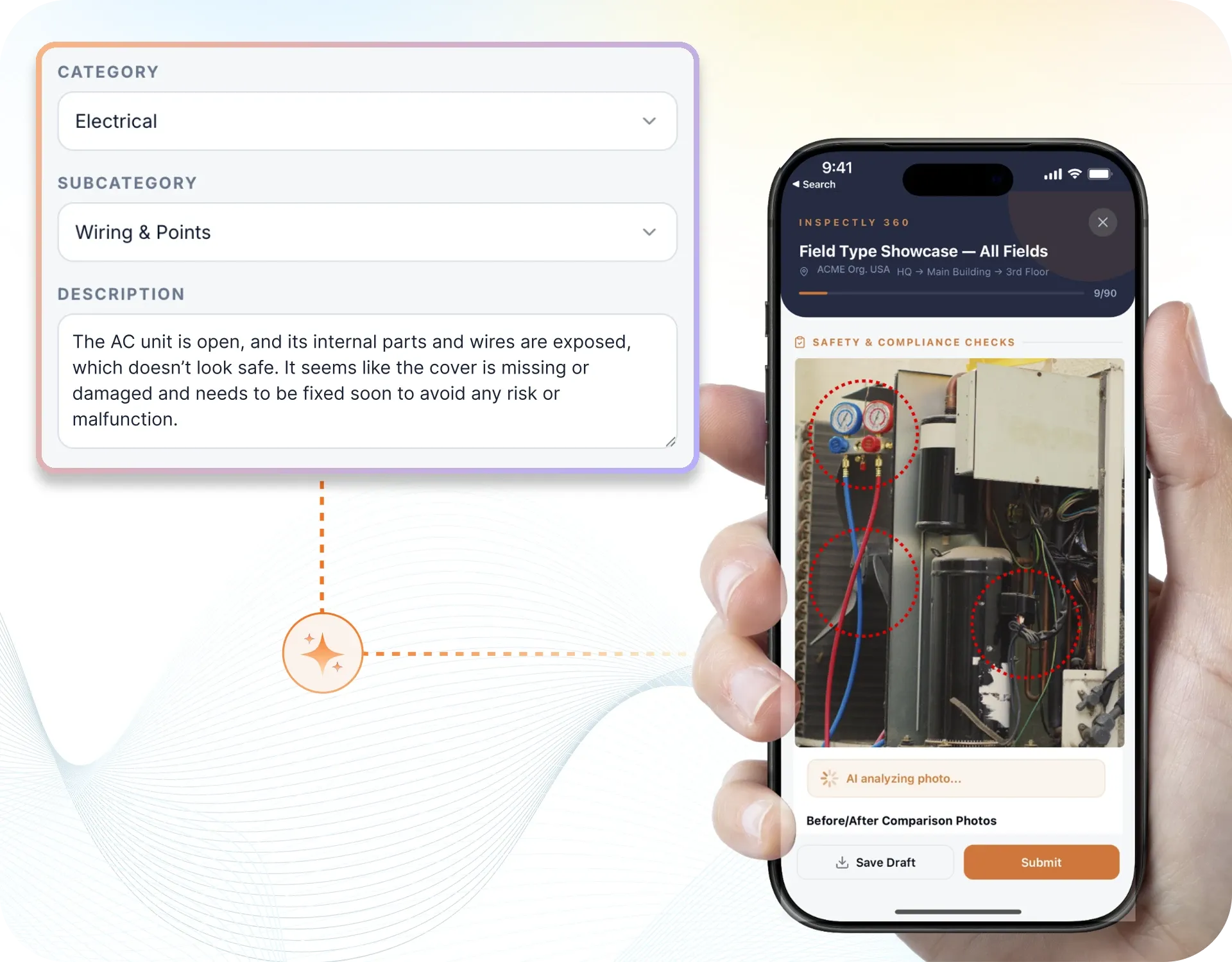
Take a Photo. AI Fills the Form illustration

Take a Photo. AI Fills the Form

Your inspector takes a photo of any asset or defect. AI reads it and fills the inspection form automatically. No typing. No manual entry.

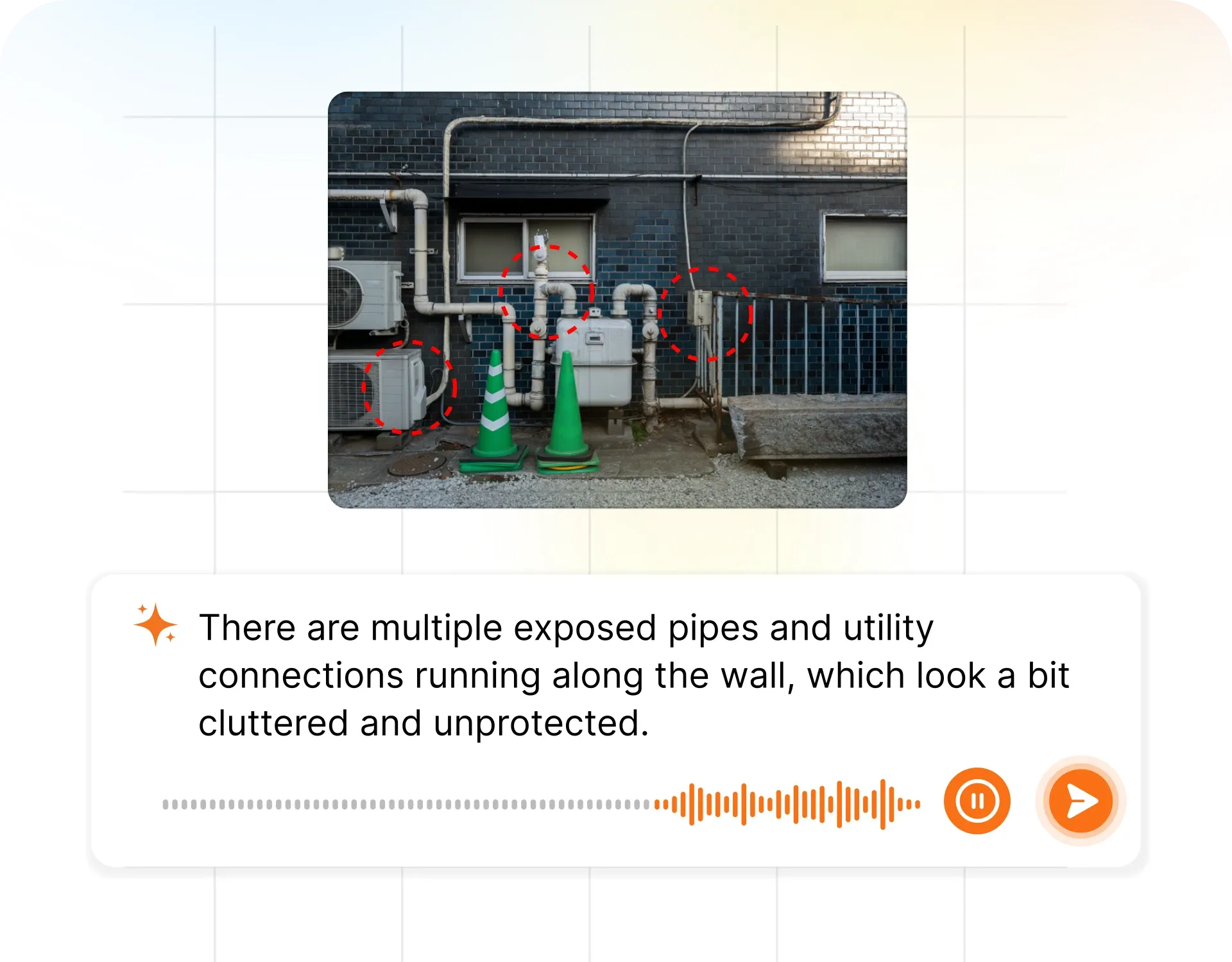
Speak. AI Writes It Down illustration

Speak. AI Writes It Down.

Inspectors speak their observations in any language. AI transcribes and fills the form in real time. Completely hands-free in the field.

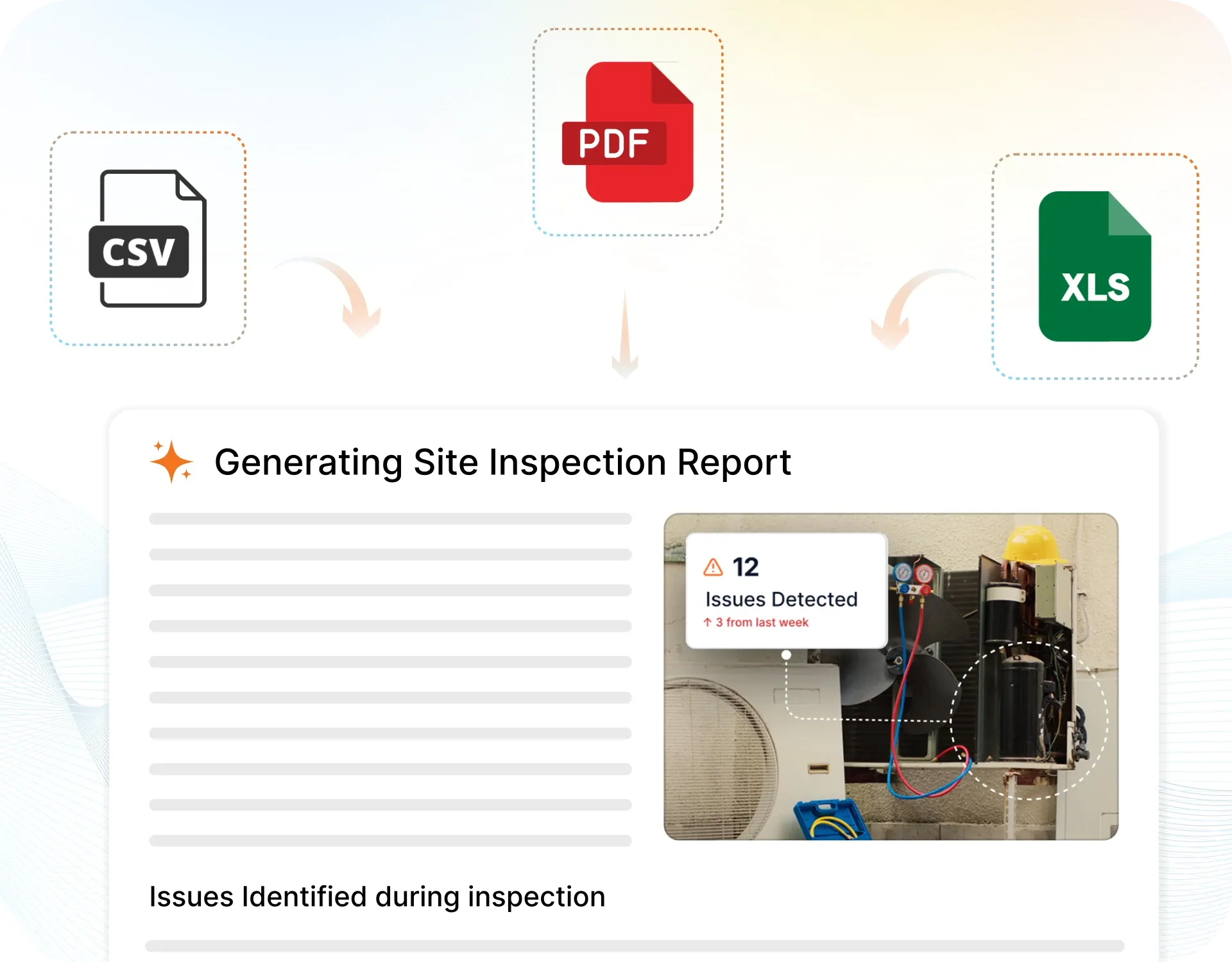
Inspections Done. Report Ready illustration

Inspections Done. Report Ready.

The moment an inspection is submitted, a branded PDF, Excel, or CSV report generates automatically. No manual work. No waiting.

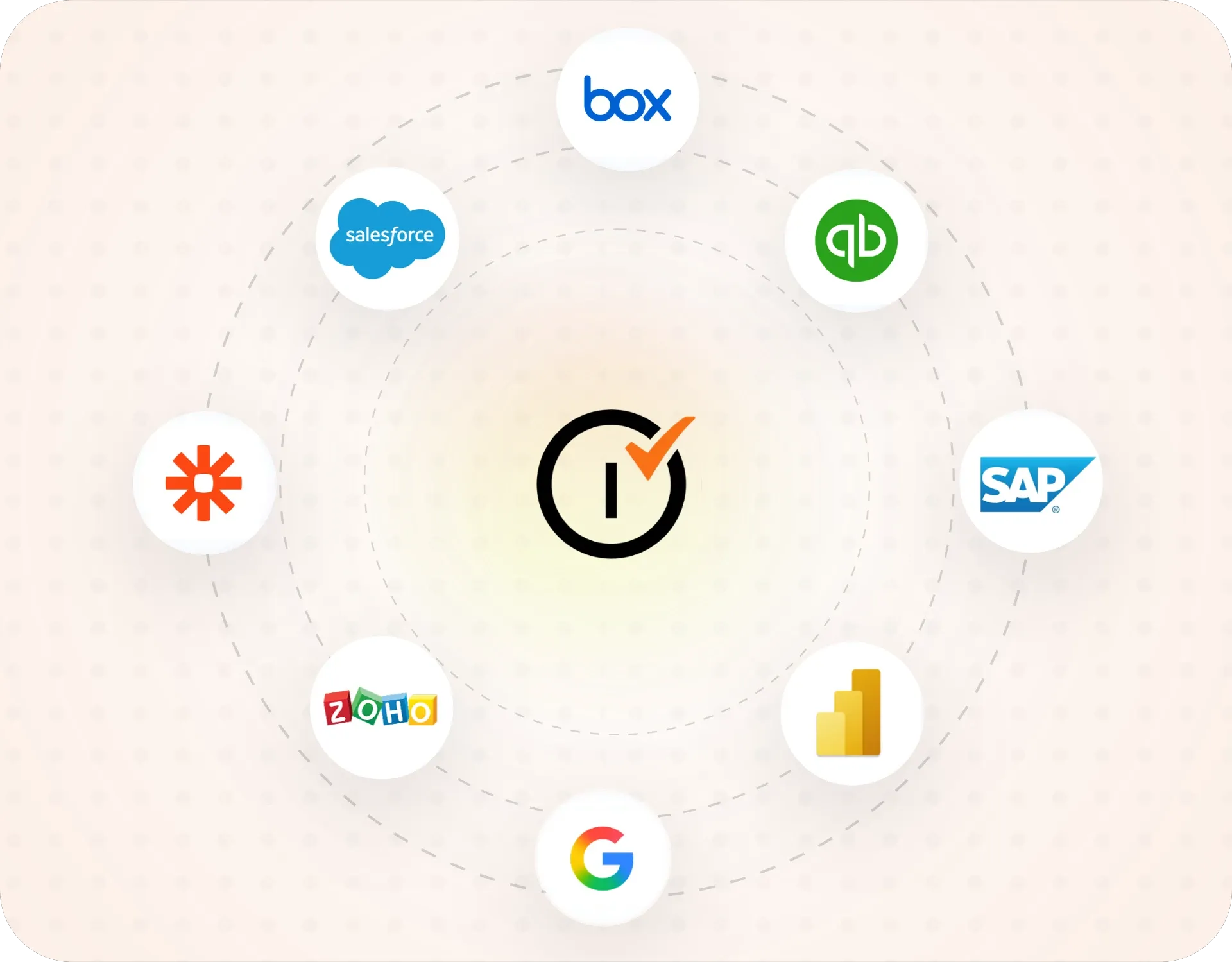
Connect Your Existing Tools illustration

Connect Your Existing Tools.

Inspectly360 integrates with the tools your team already uses, including Zoho, Microsoft 365, and SAP. No double entry.

Live Dashboard. Every Site. Always On illustration

Live Dashboard. Every Site. Always On.

Your operations team sees completion rates, open issues, and compliance scores across all sites in real time. No chasing updates.

Frequently Asked Questions

How many user roles can I create?

Inspectly360 supports unlimited custom roles. Beyond the default roles of admin, manager, inspector, and viewer, you can create roles with any combination of granular permissions: who can build templates, run inspections, view which sites and reports, approve findings, and manage other users. This flexibility matters because real operations involve more than four kinds of people. A contractor needs to submit evidence but not see other projects. A client needs to view their own sites but not edit anything. An auditor needs read-only access to records. A trainee needs supervised access while they learn. By tailoring a role for each of these cases, you give everyone exactly the access their job requires and nothing more. That keeps inspection data secure, keeps the interface uncluttered for each user, and removes the temptation to over-grant permissions just to get someone working.

Can I restrict data visibility by region or site?

Yes. Data access in Inspectly360 can be scoped by region, site, department, or any level of your organisational hierarchy. A user only sees the inspections, issues, and reports that fall within their assigned scope. A site manager sees their site. A regional manager sees their region. An executive sees the whole portfolio. This scoping applies everywhere, including dashboards, reports, and the mobile app, so an inspector opening the app sees only their tasks and not data from sites they have nothing to do with. For multi-tenant deployments, where one platform instance serves several subsidiaries or client accounts, scoping keeps each tenant's data fully separated. The result is that a large, complex operation can run on one system without anyone seeing information they should not, which is essential for both security and client confidentiality.

How does certification tracking work?

Certification tracking lets you upload each inspector's certification documents, record expiry dates, and configure automatic restrictions. When a certification expires, the platform can block that inspector from any assignment that requires it and notify their manager. Optional reminders before the expiry date give the inspector and the manager time to arrange a renewal, so qualifications do not lapse by surprise. This matters wherever regulations require certified staff for specific work, for example a qualified person for an electrical inspection or a trained assessor for a fire safety check. Without tracking, an expired certification is easy to miss until an auditor finds it. With it, the platform enforces the rule automatically: an unqualified inspector simply cannot be assigned the restricted task. That protects the organisation from compliance failures and protects the integrity of every inspection record tied to a regulated requirement.

Is there an API for user provisioning?

Yes. The Inspectly360 user management API supports SCIM 2.0 for automated user provisioning and deprovisioning from your HR or identity management system. When someone joins the company, their account and the right role can be created automatically. When someone leaves or changes role, their access is updated or revoked without an administrator doing it by hand. This keeps the user list accurate, which matters for security: stale accounts with active access are a common audit finding, and automated deprovisioning removes that risk. SCIM works alongside SSO and SAML integration, so staff sign in with their existing corporate credentials and identity stays managed in one place. For large organisations with constant joiners and leavers, automated provisioning saves significant administrative effort and ensures that access always reflects the current workforce.

How does the platform track inspector performance?

Inspectly360 tracks performance metrics for every inspector and team, including completion rates, average time per inspection, quality scores, and adherence to compliance schedules. Because the data comes straight from completed inspections, managers see an objective picture rather than relying on impressions. Performance metrics help in several ways. They identify top performers who could mentor others. They reveal who is falling behind on completions and may need support or a lighter workload. They flag training needs when quality scores drop in a particular checklist type. They also support fair workload balancing, since a manager can see capacity before assigning more work. For onboarding, performance metrics can trigger an inspector's progression from trainee to certified status once they consistently meet quality and completion targets. Throughout, the metrics feed into the analytics dashboard, so workforce performance sits alongside compliance and issue data in one view.

See User & Team Management in Action

Book a free demo. We will configure this feature against your workflow and show how it runs at your sites.

  • 30 Days Free Trail
  • 1000+ Templates
  • Unlimited Integration