Convert your checklist into Mobile App

Contact Now

AHU Inspection Software

AHU inspection software for HVAC and FM teams checking filters, coils, and dampers with ASHRAE 180 cycles, BS EN 1886, and TM26 hygiene evidence.

Quick Answer

AHU inspection software is the platform that FM Engineering Managers, HVAC Service Managers, MEP Engineers, IAQ Specialists, Cleanroom Engineers, Hospital Estates Leads, and Energy Managers use to run air handling unit inspections across single buildings and multi-site portfolios with defensible evidence at every step. Inspectly360 digitises the full AHU inspection cycle with structured templates aligned to ASHRAE Standard 180 (HVAC routine maintenance), ASHRAE 62.

AI-Powered Features for Your Field Workflows

Everything your field team does on paper, Inspectly360 does automatically: faster, more accurate, and without the admin.

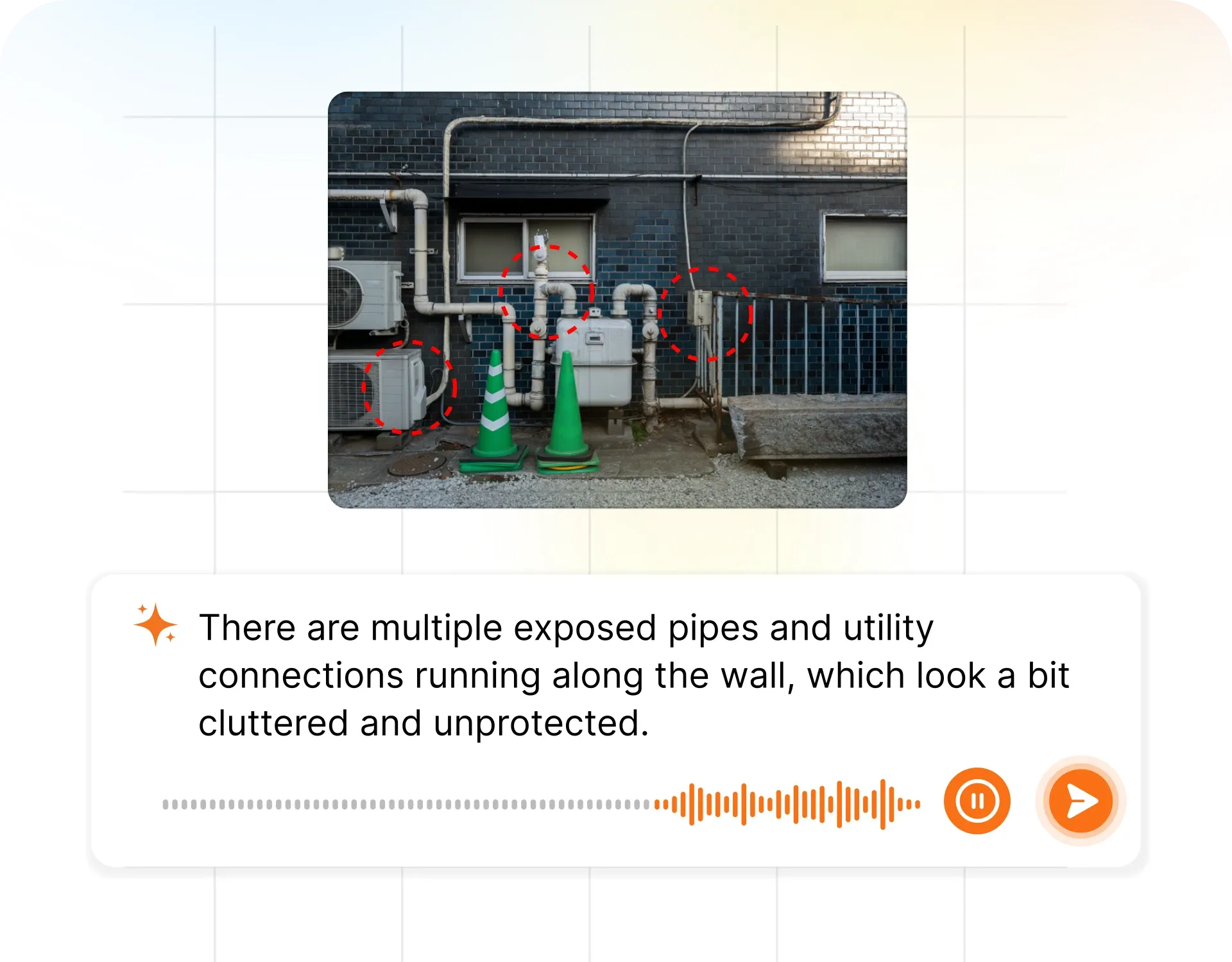
Take a Photo. AI Fills the Form illustration

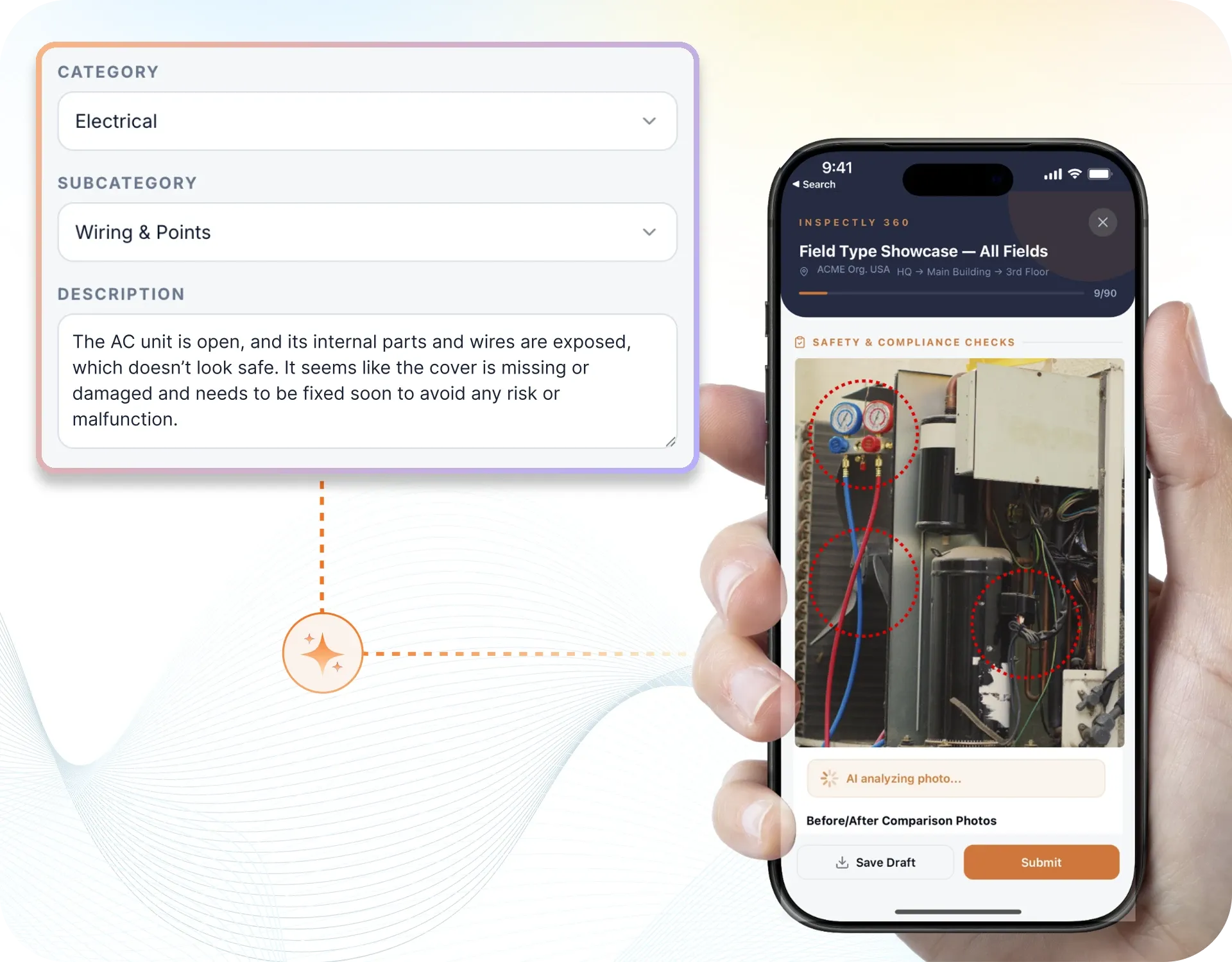
Take a Photo. AI Fills the Form

Your inspector takes a photo of any asset or defect. AI reads it and fills the inspection form automatically. No typing. No manual entry.

Speak. AI Writes It Down illustration

Speak. AI Writes It Down.

Inspectors speak their observations in any language. AI transcribes and fills the form in real time. Completely hands-free in the field.
Inspections Done. Report Ready illustration

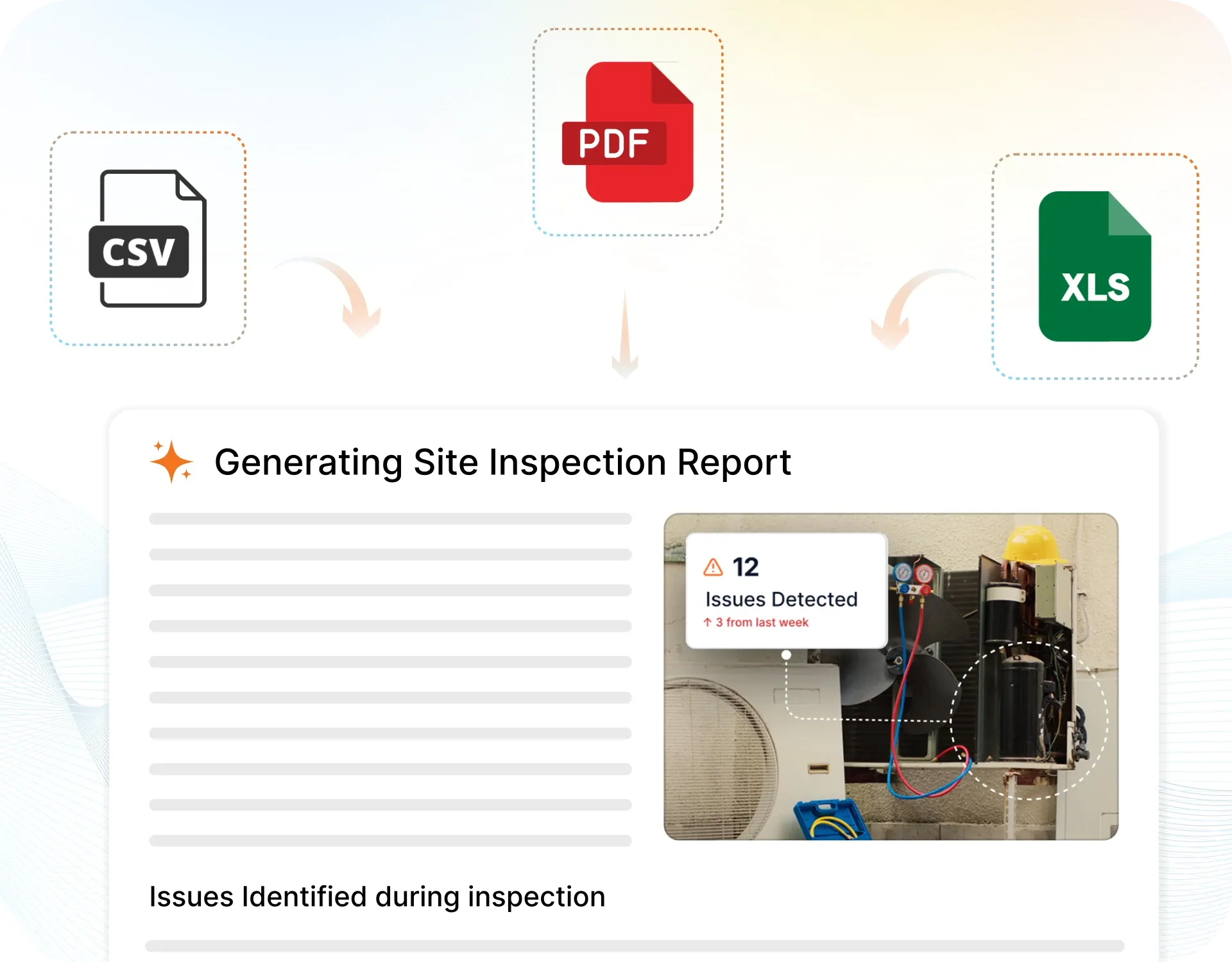
Inspections Done. Report Ready.

The moment an inspection is submitted, a branded PDF, Excel, or CSV report generates automatically. No manual work. No waiting.
Connect Your Existing Tools illustration

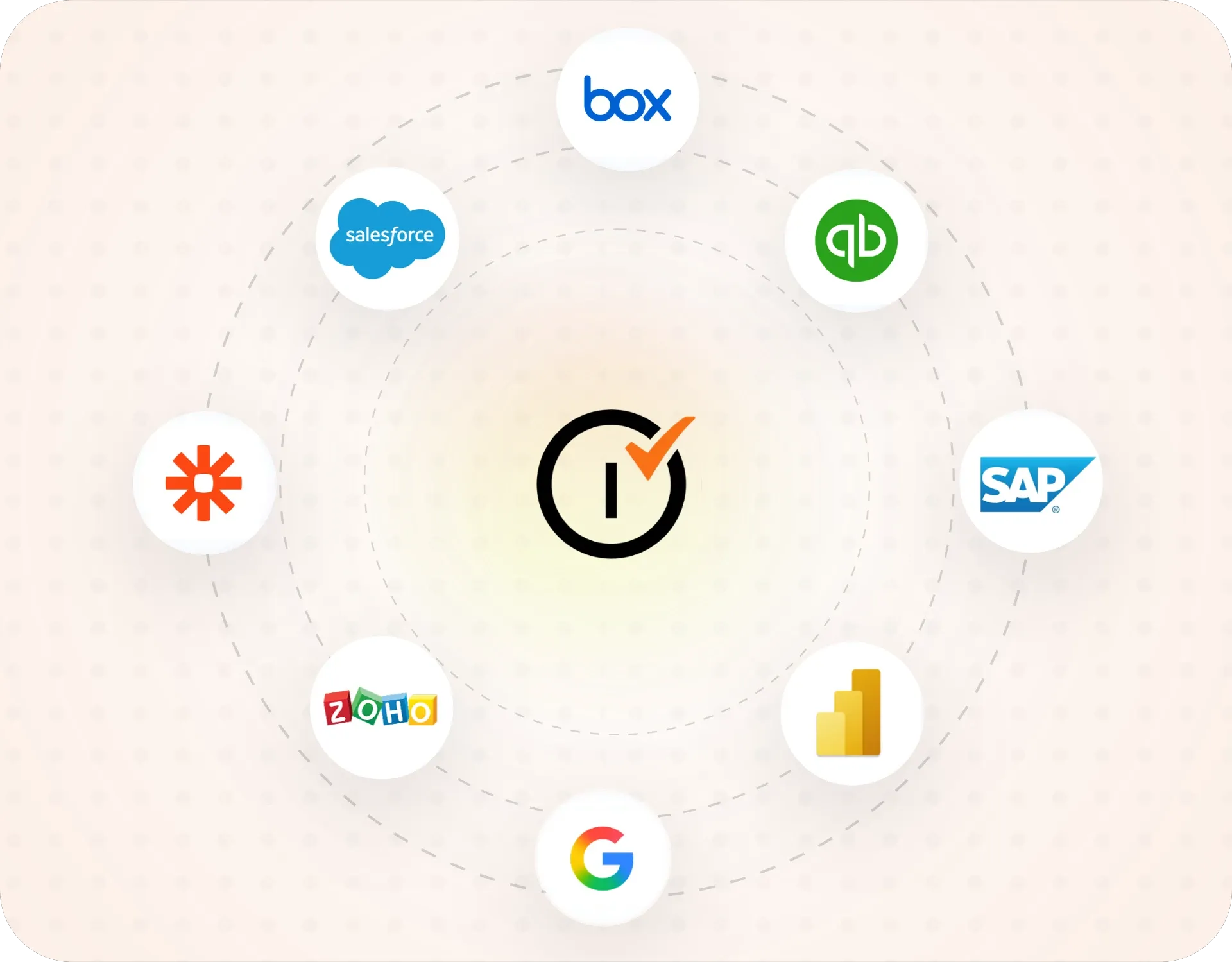
Connect Your Existing Tools.

Inspectly360 integrates with the tools your team already uses, including Zoho, Microsoft 365, and SAP. No double entry.
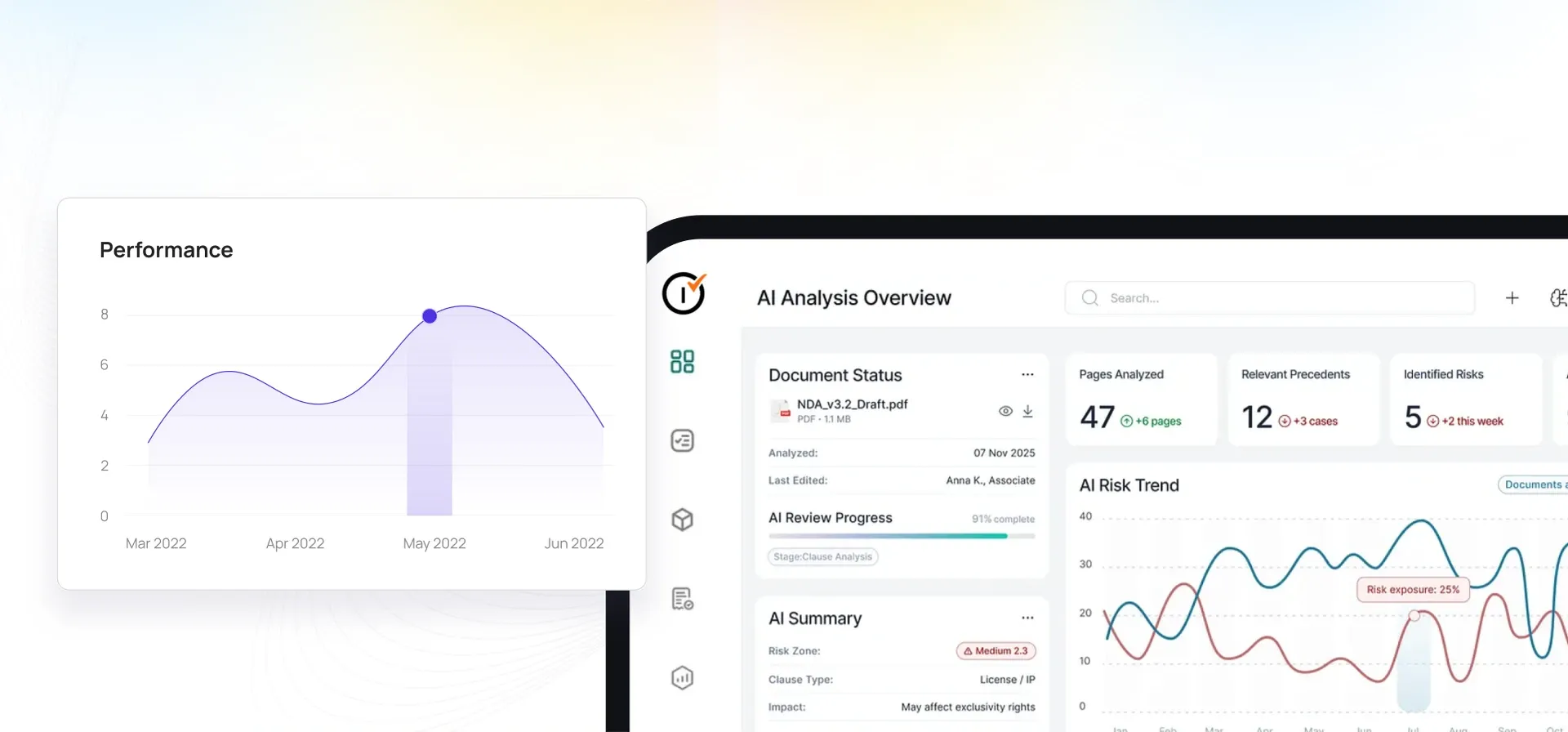
Live Dashboard. Every Site. Always On illustration

Live Dashboard. Every Site. Always On.

Your operations team sees completion rates, open issues, and compliance scores across all sites in real time. No chasing updates.

Before and After Inspectly360

What changes once ahu inspection software runs on one mobile-first platform with photo proof and live dashboards.

Before Inspectly360

  • AHU pre-PPM checks, pre-filter G4 changes, bag filter F7 to F9 changes, and HEPA filter integrity tests live on paper held by the AMC contractor. Pressure drop readings are recorded on a sticker on the AHU door if at all. The next filter change is triggered by visible loading rather than measured pressure differential against the design clean-filter delta.
  • Cooling coil cleanliness, drain pan condition, condensate trap function, and AHU internal casing hygiene get verified once a year if the AMC contractor remembers. CIBSE TM26 ductwork hygiene grading and HVCA TR/19 post-clean verification photos sit in an email attachment that the FM team cannot find when the IAQ complaint arrives.
  • BS EN 1886 casing classes (mechanical strength D1 to D3, casing air leakage L1 to L3, filter bypass leakage F8 to F9, thermal transmittance T1 to T5, thermal bridging TB1 to TB5) live in the AHU O&M manual that was lost during the last fit-out. Casing deterioration, panel deflection, gasket failure, and access door air leakage go unrecorded.
  • The Building Management System (Trend, Honeywell, Siemens, Schneider) shows supply air temperature drift, return air humidity excursion, and fan kW rise that the engineer never correlates with the AHU inspection finding. A loaded F7 bag filter increases kW draw two weeks before the next scheduled inspection. The connection is never made.
  • Indoor air quality complaints arrive from occupants and get investigated reactively. ASHRAE 62.1 minimum outside air rates (cfm per person plus cfm per square foot) for the served zone are not verified against the AHU outside air damper position and measured outside air flow. CO2 excursions, RH outside design band, and elevated particulate trigger no inspection.

After Inspectly360

  • Each AHU carries a QR tag with filter stage register (pre-filter MERV 8 / G4, secondary bag filter MERV 13 to 14 / F7 to F9, terminal HEPA H13 to H14), clean-filter pressure drop, current pressure drop, change interval per ISO 16890 ePM rating, and named-engineer sign-off per change. AI flags loaded filters from the engineer's photo against the clean baseline.
  • TM26 and TR/19 templates capture coil face condition, fin damage, biological growth, drain pan rust and microbial film, condensate trap water seal, eliminator integrity, and casing internal cleanliness with required pre-clean and post-clean photo evidence per AHU section. Surface deposit testing (SDT) results, NADCA ACR vacuum test, and TR/19 grading attach per AHU.
  • Each AHU record stores nameplate casing class data and tracks deterioration with photo evidence over time. Casing panel deflection, gasket condition, access door seal, drain pan slope, and internal corrosion are inspected on a defined cycle. Leakage tests against the original BS EN 1886 class get scheduled and attached to the AHU record with named engineer sign-off.
  • BMS integrations push trend data per AHU (supply air temperature, return air temperature, mixed air temperature, supply fan kW, supply fan speed, supply duct static pressure, filter differential pressure across each stage, outside air CO2) into the AHU inspection record. AI correlates trend deviation with recent inspection findings so the coil clean or filter change before the supply temperature drift is visible from one record.
  • IAQ templates capture CO2, RH, temperature, PM2.5, PM10, formaldehyde, TVOC, and outside air flow per zone served by the AHU. ASHRAE 62.1 minimum outside air rate verification runs against the AHU outside air damper position and measured outside air flow. WELL Standard, RESET Air, and LEED EQ Indoor Air Quality evidence exports per AHU and per zone in one click.

What Is AHU Inspection Software, and How Do FM Engineering and HVAC Service Teams Use It Across Multi-Site Portfolios?

AHU inspection software is the platform that FM Engineering Managers, HVAC Service Managers, MEP Engineers, IAQ Specialists, Cleanroom Engineers, Hospital Estates Leads, and Energy Managers use to run air handling unit inspections across single buildings and multi-site portfolios with defensible evidence at every step. Inspectly360 digitises the full AHU inspection cycle with structured templates aligned to ASHRAE Standard 180 (HVAC routine maintenance), ASHRAE 62.1 (ventilation rate procedure), ASHRAE 52.2 and ISO 16890 (filter classification and ePM ratings), BS EN 1886 (AHU mechanical performance and casing leakage class), BS EN 13053 (AHU rating and performance), BS EN 13779 and BS EN 16798 (non-residential ventilation), BS EN 12599 (HVAC commissioning testing), CIBSE TM26 (hygienic maintenance of office ductwork), HVCA TR/19 (internal cleanliness of ventilation systems), NADCA ACR (US duct and AHU cleanliness), HTM 03-01 (UK healthcare specialised ventilation), and LEV thorough examination under COSHH.

The pain it solves is the everyday reality of AHU operations: a clogged F7 bag filter that pushed supply fan kW up by 18% for six weeks without anyone changing the filter because nobody measured the pressure drop against the clean baseline, a cooling coil with biological growth that triggered an IAQ complaint that the FM team could not investigate because there were no recent coil hygiene photos, a drain pan with standing water and microbial film that the AMC contractor self-certified as clean, an outside air damper stuck at minimum position pulling occupant CO2 above 1500 ppm while the AHU schedule still said operational, a BS EN 1886 L1 casing that drifted to leakage class L3 over five years because the access door gaskets were never inspected, a CIBSE TM26 ductwork hygiene grade that the FM team could not produce when the auditor arrived, a supply air temperature drift in the BMS that nobody correlated with the loaded filter or fouled coil, and an HTM 03-01 Annual Verification scrambling for AHU pressure cascade evidence the week before the Authorised Engineer (Ventilation) arrives. AHUs are the single largest air-conditioning and ventilation asset class in most buildings; paper PPM sheets do not protect that load.

Inspectly360 combines ready-made templates for AHU pre-PPM checks (filter pressure drop per stage, fan belt tension and alignment, supply and return fan bearing condition, motor amperage, damper actuator stroke, casing integrity, internal insulation, access panel seals), cooling and heating coil hygiene per TM26 and TR/19 (fin condition, biological growth, surface deposit testing, drain pan inspection, eliminator condition), filter change governance per ISO 16890 ePM rating (G4 pre-filter, F7 to F9 secondary, H13 to H14 HEPA terminal where fitted), BS EN 1886 casing class tracking with photo evidence of deflection and gasket condition, BMS trend correlation per AHU (supply air temperature, supply fan kW, filter differential pressure, outside air CO2), IAQ measurement per ASHRAE 62.1 and WELL Standard, HVCA TR/19 internal cleanliness verification with pre-clean and post-clean evidence, NADCA ACR US verification, HTM 03-01 specialised ventilation tests for healthcare AHUs serving operating theatres and isolation rooms, LEV thorough examination under COSHH for AHUs serving extract systems, and energy benchmarking per AHU; AI fault detection on the engineer's photo for loaded filters, fouled coils, corroded drain pans, damaged eliminators, slipping or cracked drive belts, missing insulation, and panel deflection; QR-tagged AHUs with full service history; offline capture in basement plant rooms and roof AHU enclosures; statutory clocks per AHU with renewal alerts for ASHRAE 180 PPM cycles, TR/19 cleanliness verification interval, HTM 03-01 Annual Verification, LEV 14-month thorough examination, and filter change cycles; and white-label PDF reports that generate the moment the engineer closes out. Cleanroom Engineers and Authorised Engineers (Ventilation) operate as scoped roles producing credentialed evidence packs.

How Does an AHU Inspection Cycle Run from Filter Check to Coil Condition and IAQ Evidence?

Engineering Managers, HVAC Service Managers, MEP Engineers, and IAQ Specialists follow this loop for AHU PPM cycles, filter changes, hygiene verifications, and IAQ programmes.

  1. 1

    Pick the Template Pack by AHU Inspection Type

    AHU pre-PPM check, monthly filter pressure-drop reading, F7 to F9 bag filter change, HEPA H13 to H14 integrity test, cooling coil hygiene per TM26 and TR/19, drain pan and condensate trap inspection, BS EN 1886 casing condition survey, damper actuator function test, supply and return fan belt and bearing check, BMS trend pull, IAQ measurement against ASHRAE 62.1, HVCA TR/19 internal cleanliness verification with pre and post-clean evidence, HTM 03-01 specialised ventilation verification, or LEV thorough examination. Each pack carries the rubric the standard, the Authorised Engineer, or the AMC client SLA expects.

  2. 2

    Scan the QR Tag and Load AHU Service History

    Engineers scan the QR tag on the AHU access panel. The right checklist opens for the right AHU class (single-zone, multi-zone, dual-deck, mixed-air, 100% outside air, packaged rooftop, modular built-up); filter register, clean-filter pressure drop baseline, BS EN 1886 casing class, BMS asset ID, last hygiene grade, and any open CAPA surface so repeat issues are visible from the device.

  3. 3

    Inspect Offline with AI AHU Fault Detection

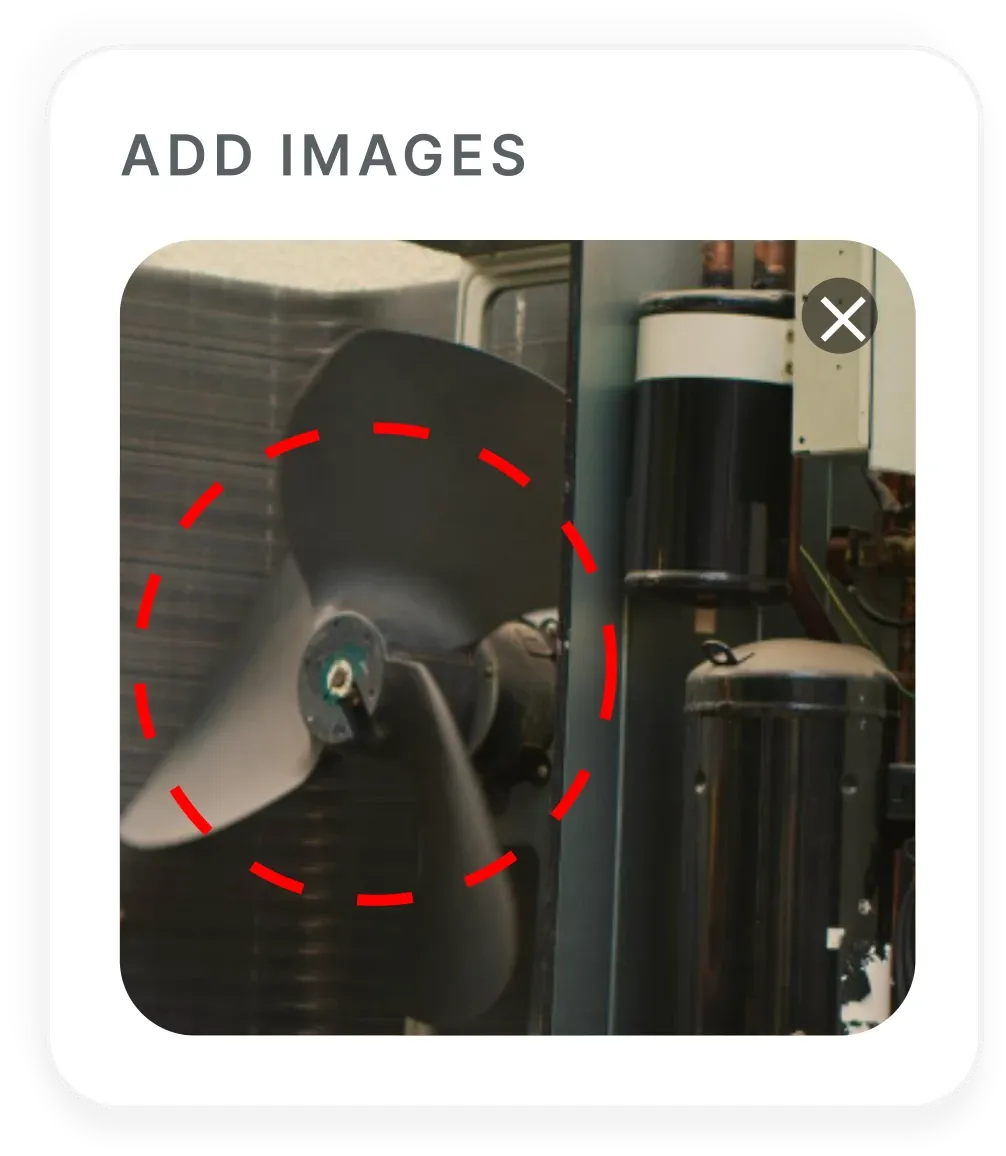
    Capture in basement plant rooms, roof enclosures, and metal-clad mechanical rooms where signal disappears. AI flags loaded filters against the clean baseline photo, fouled coil fins, biological growth on drain pans, corroded eliminators, slipping or cracked drive belts, panel deflection, missing internal insulation, and damaged gaskets from the engineer's photo and suggests fault classification for the engineer to confirm or override.

  4. 4

    Pull BMS Trend Data and Correlate with AHU Findings

    BMS integrations push trend data per AHU (supply air temperature, return air temperature, mixed air temperature, supply fan kW, fan speed and Hz, supply duct static pressure, filter differential pressure per stage, outside air damper position, outside air CO2) into the inspection record. AI correlates trend deviation with recent inspection findings so the loaded F7 filter before the supply fan kW rise is visible from one record.

  5. 5

    Publish Branded PDFs and Sync ASHRAE 180, TR/19, and HTM 03-01 Clocks

    Branded PDFs (AMC client AHU PPM report, TR/19 internal cleanliness verification, HTM 03-01 AHU Annual Verification record, IAQ assessment, BS EN 1886 casing condition survey) generate the moment the engineer closes out via /features/automated-reports; statutory clocks per AHU update with renewal alerts for ASHRAE 180 PPM cycles, TR/19 cleanliness interval, HTM 03-01 Annual Verification, LEV 14-month thorough examination, and filter change cycles via /features/notifications.

How Should Engineering Managers Pilot Digital AHU Inspections Across the Estate?

Answers to common long-tail questions, kept on one canonical page to avoid thin duplicate URLs.

Where Does Inspectly360 Sit Beside CMMS, BMS, and the HVAC AMC Contractor's Existing Tools?

Inspectly360 sits as the AHU inspection evidence and compliance defensibility layer beside the platforms engineering and HVAC service teams already run. Maximo, IBM TRIRIGA, Planon, Archibus, FSI Concept Evolution, eMaint, Limble, and Fiix stay the system of record for AHU work orders, PPM scheduling, and asset register. The Building Management System (Trend, Honeywell, Siemens, Schneider, Johnson Controls Metasys, Distech) stays where it is for AHU trend monitoring and BMS scheduling. The HVAC service contractor's job-management tool (Joblogic, Simpro, BigChange, ServiceTitan) stays where it is for scheduling and invoicing. Inspectly360 produces the structured AHU inspection evidence, AI filter and coil fault detection, BS EN 1886 casing tracking, TM26 and TR/19 hygiene grading, ASHRAE 180 routine maintenance evidence, IAQ measurement, and BMS-correlated findings those platforms reference but do not collect. CMMS integrations push AHU defect tickets and filter-change events into the work order queue; BMS API integrations pull trend data into the AHU record.

Pilot Approach for FM Engineering, HVAC Service Contractors, Hospital Estates, and IAQ Specialists

FM Engineering Managers typically pilot the ASHRAE 180 AHU pre-PPM and filter pressure-drop programme across one building cluster and measure filter change accuracy and supply fan kW reduction. HVAC Service Contractors pilot the AMC client AHU PPM workflow with one client and use the evidence pack to defend tender retention or upsell coil hygiene cleans. Hospital Estates Leads pilot the HTM 03-01 AHU Annual Verification across one operating theatre suite and one isolation ward and measure preparation time for the Authorised Engineer (Ventilation). IAQ Specialists pilot the ASHRAE 62.1 minimum outside air verification across one tenanted floor and measure CO2 excursion reduction. Cleanroom Engineers pilot the HEPA filter integrity and AHU pressure cascade verification across one classified area. In every case, the pilot keeps the existing CMMS as the work order system and the BMS as the trend monitoring system.

Multi-Party AHU Operations, AMC Contractor Reporting, and Cleanroom Workflows

AHU operations involve multiple parties: building owner, FM aggregator, AMC HVAC service contractor, ductwork cleaning contractor (TR/19 certified, NADCA ASCS in the US), filter supplier, water treatment contractor for AHU humidifiers and drain pans, Authorised Engineer (Ventilation) for HTM 03-01 verifications, Authorised Person (Ventilation) for healthcare permit-to-work, cleanroom certification body for ISO 14644 environments, IAQ consultant, and the building owner's energy team. RBAC scopes each party to the AHUs, areas, and evidence they are entitled to. The TR/19 ductwork cleaning contractor sees pre and post-clean evidence and surface deposit testing per AHU; the Authorised Engineer (Ventilation) signs HTM 03-01 AHU Annual Verifications with their credential intact; the ductwork cleaning company self-certification of TR/19 grading is replaced by named engineer sign-off with QR-scanned AHU identity and GPS-verified timestamp.

Procurement, ASHRAE 180 / TR/19 / HTM 03-01 Validation, and Cross-Jurisdiction Estate Operations

Procurement and engineering should validate seven requirements before any AHU rollout: SSO via SAML or OIDC tied to the operator's IdP, RBAC granular enough to scope a TR/19 ductwork cleaning contractor to AHU and duct sections only, offline capture verified in a real basement plant room or rooftop AHU enclosure, configurable retention aligned to ASHRAE 180 evidence windows and TR/19 cleanliness verification cycle, statutory export formats acceptable to the Authorised Engineer (Ventilation) and the local environmental authority, BMS integration depth via BACnet, Modbus, or REST API into the operator's BMS, and a documented CMMS integration path. For cross-jurisdiction estate operators (UK, US, EU, India, UAE, APAC), regional data residency aligns to the local data protection regulator and the regional indoor air quality and healthcare ventilation authority.

Which Capabilities Help AHU Teams Defend ASHRAE 180 PPM, BS EN 1886 Casing Performance, and TM26 Ductwork Hygiene?

The platform capabilities that power ahu inspection software across every site.

Ready to Move AHU Inspection Off Paper?

Book a Free Demo

How Is This Different from Paper AHU PPM Sheets, Spreadsheet Filter Logs, and Disconnected BMS Trends?

FM Engineering Managers, HVAC Service Managers, MEP Engineers, and IAQ Specialists comparing Inspectly360 to paper AHU PPM sheets, spreadsheet filter logs, and disconnected BMS trends see the difference fastest on five dimensions: AHU pre-PPM and filter cycle defensibility per unit, coil and drain pan hygiene evidence aligned to TM26 and TR/19, BS EN 1886 casing performance and leakage class tracking, BMS supply-air-temperature and pressure trend correlation with inspection findings, and IAQ measurement against ASHRAE 62.1 minimum outside air rates.

TopicTypical GapsWith Inspectly360
AHU pre-PPM and filter cycle defensibility per unitAHU pre-PPM checks, pre-filter G4 changes, bag filter F7 to F9 changes, and HEPA filter integrity tests live on paper held by the AMC contractor. Pressure drop readings are recorded on a sticker on the AHU door if at all. The next filter change is triggered by visible loading rather than measured pressure differential against the design clean-filter delta.Each AHU carries a QR tag with filter stage register (pre-filter MERV 8 / G4, secondary bag filter MERV 13 to 14 / F7 to F9, terminal HEPA H13 to H14), clean-filter pressure drop, current pressure drop, change interval per ISO 16890 ePM rating, and named-engineer sign-off per change. AI flags loaded filters from the engineer's photo against the clean baseline.
Coil, drain pan, and casing hygiene evidence per TM26 and TR/19Cooling coil cleanliness, drain pan condition, condensate trap function, and AHU internal casing hygiene get verified once a year if the AMC contractor remembers. CIBSE TM26 ductwork hygiene grading and HVCA TR/19 post-clean verification photos sit in an email attachment that the FM team cannot find when the IAQ complaint arrives.TM26 and TR/19 templates capture coil face condition, fin damage, biological growth, drain pan rust and microbial film, condensate trap water seal, eliminator integrity, and casing internal cleanliness with required pre-clean and post-clean photo evidence per AHU section. Surface deposit testing (SDT) results, NADCA ACR vacuum test, and TR/19 grading attach per AHU.
BS EN 1886 casing performance and leakage class trackingBS EN 1886 casing classes (mechanical strength D1 to D3, casing air leakage L1 to L3, filter bypass leakage F8 to F9, thermal transmittance T1 to T5, thermal bridging TB1 to TB5) live in the AHU O&M manual that was lost during the last fit-out. Casing deterioration, panel deflection, gasket failure, and access door air leakage go unrecorded.Each AHU record stores nameplate casing class data and tracks deterioration with photo evidence over time. Casing panel deflection, gasket condition, access door seal, drain pan slope, and internal corrosion are inspected on a defined cycle. Leakage tests against the original BS EN 1886 class get scheduled and attached to the AHU record with named engineer sign-off.
BMS supply-air trend correlation with inspection findingsThe Building Management System (Trend, Honeywell, Siemens, Schneider) shows supply air temperature drift, return air humidity excursion, and fan kW rise that the engineer never correlates with the AHU inspection finding. A loaded F7 bag filter increases kW draw two weeks before the next scheduled inspection. The connection is never made.BMS integrations push trend data per AHU (supply air temperature, return air temperature, mixed air temperature, supply fan kW, supply fan speed, supply duct static pressure, filter differential pressure across each stage, outside air CO2) into the AHU inspection record. AI correlates trend deviation with recent inspection findings so the coil clean or filter change before the supply temperature drift is visible from one record.
IAQ measurement against ASHRAE 62.1 minimum outside air ratesIndoor air quality complaints arrive from occupants and get investigated reactively. ASHRAE 62.1 minimum outside air rates (cfm per person plus cfm per square foot) for the served zone are not verified against the AHU outside air damper position and measured outside air flow. CO2 excursions, RH outside design band, and elevated particulate trigger no inspection.IAQ templates capture CO2, RH, temperature, PM2.5, PM10, formaldehyde, TVOC, and outside air flow per zone served by the AHU. ASHRAE 62.1 minimum outside air rate verification runs against the AHU outside air damper position and measured outside air flow. WELL Standard, RESET Air, and LEED EQ Indoor Air Quality evidence exports per AHU and per zone in one click.

What Changes for FM Engineering, HVAC Service Managers, MEP Engineers, IAQ Specialists, and Cleanroom Engineers?

What changes once ahu inspection software is standardised on Inspectly360.

  • FM Engineering Managers: One platform across every AHU in the estate with filter register, clean-filter baseline, coil hygiene history, BS EN 1886 casing class, and BMS trend in one record rather than three spreadsheets and the engineer's notebook.
  • HVAC Service Managers and AMC Contractors: Scoped client SLA packs delivered per client with structured AHU inspection evidence the building owner recognises as defensible; coil clean and filter upgrade upsell conversations grounded in pressure-drop and supply-fan-kW data.
  • MEP Engineers: ASHRAE Standard 180 routine maintenance evidence, ASHRAE 62.1 ventilation rate verification, BS EN 1886 casing class continuity, and BS EN 12599 commissioning testing live in one record across the design-stage and operating-stage handover.
  • IAQ Specialists and Sustainability Leads: ASHRAE 62.1 minimum outside air verification per AHU, WELL Standard and RESET Air evidence per served zone, CO2 and PM2.5 excursion tracking, and TR/19 cleanliness grading without manual data assembly.
  • Hospital Estates Leads and Authorised Engineers (Ventilation): HTM 03-01 AHU Annual Verification preparation in days rather than weeks; operating theatre, isolation room, sterile services, and pharmacy AHU evidence ready for the Authorised Engineer's review.
  • Cleanroom Engineers and ISO 14644 Operators: HEPA H13 to H14 integrity test history, pressure cascade verification, recovery time, and unidirectional flow velocity tracked per classified room with credentialed sign-off on each AHU serving the classified area.
  • Energy Managers: Supply fan kW per AHU, filter pressure-drop trend, and coil clean impact on energy consumption visible across the portfolio; calendar-based filter changes replaced by pressure-based changes that cut fan energy waste.

Which AHU Inspection Templates Should You Try First?

Get started with inspection and audit checklist templates.

View All Checklist Templates
Site Inspection Checklist
Inspections

Site Inspection Checklist

Standard site-level inspections for construction, safety, and compliance. Capture conditions, photos, and follow-ups in one place.

41,000+GET
Asset Inspection Checklist
Asset Management

Asset Inspection Checklist

Inspect assets and equipment: condition, location, photos, and maintenance history. Track condition over time.

28,900+GET
Work Order Checklist
Work Orders

Work Order Checklist

Complete work orders with checklist items, photos, and sign-off. Track completion and proof of work.

31,800+GET
Maintenance Checklist
Maintenance

Maintenance Checklist

Preventive and corrective maintenance inspections. Log repairs, parts, and condition with photos and follow-ups.

27,400+GET

Frequently Asked Questions About AHU Inspection Software

How does AHU inspection management software handle PPM scheduling, RBAC, and AMC programme governance?

AHU inspection management software is the layer that schedules monthly filter pressure-drop readings, quarterly AHU pre-PPM checks, six-monthly coil hygiene inspections, annual BS EN 1886 casing surveys, TR/19 internal cleanliness verifications on the interval defined by use category, HTM 03-01 AHU Annual Verifications for healthcare AHUs, and LEV 14-month thorough examinations for AHUs serving extract systems across every AHU in the estate from one programme library. RBAC scopes each engineer, AMC contractor, TR/19 ductwork cleaning contractor, Authorised Engineer (Ventilation), IAQ specialist, and cleanroom certification body to the AHUs, areas, and evidence they are entitled to. Template governance lives at FM Director or Engineering Manager level; site-specific overrides (HTM 03-01 healthcare cadence, ISO 14644 cleanroom, education term-time pattern) attach without breaking the corporate baseline. Statutory cycles enforce on the device.

How does AHU inspection audit software produce ASHRAE 180, TR/19, HTM 03-01, and IAQ audit packs?

AHU inspection audit software runs scored audit programmes against ASHRAE Standard 180 (HVAC routine maintenance), ASHRAE 62.1 (ventilation rate procedure), ASHRAE 52.2 and ISO 16890 (filter classification), BS EN 1886 (AHU mechanical and casing leakage), BS EN 13053 (AHU rating), BS EN 13779 and BS EN 16798 (non-residential ventilation), BS EN 12599 (HVAC commissioning), CIBSE TM26 (office ductwork hygiene), HVCA TR/19 (ventilation internal cleanliness), NADCA ACR (US duct cleanliness), HTM 03-01 (UK healthcare specialised ventilation), and LEV thorough examination under COSHH. Each audit produces a weighted score per AHU, photo evidence per non-conformance, CAPA per finding, and a branded PDF export the AMC client, the Authorised Engineer, the IAQ consultant, the cleanroom certification body, and the local environmental authority recognise. The twelve-month audit history per AHU retrieves in one click; named credentialed sign-off protects defensibility.

How does AHU inspection compliance software handle ASHRAE 180, TR/19, BS EN 1886, HTM 03-01, and LEV defensibility?

AHU inspection compliance software produces the evidence chain regulators and standards bodies expect across ASHRAE Standard 180 (routine HVAC maintenance evidence), ASHRAE 62.1 (minimum outside air rate verification per AHU and per served zone), BS EN 1886 (AHU mechanical strength, casing leakage class, filter bypass leakage class, thermal transmittance class, thermal bridging class tracked over the AHU life), CIBSE TM26 and HVCA TR/19 (internal cleanliness grading and pre and post-clean photo evidence), HTM 03-01 Parts A and B (UK healthcare specialised ventilation design and operational management with operating theatre, isolation room, sterile services, and pharmacy AHU verification), ISO 14644 (cleanroom HEPA integrity and recovery time), and LEV thorough examination under COSHH (14-month UK cycle for AHUs serving extract systems). Every AHU inspection carries credentialed engineer identity, GPS-verified timestamp, asset confirmation, and required photo evidence. Statutory clocks per AHU track ASHRAE 180 PPM, TR/19 cleanliness, HTM 03-01 Annual Verification, LEV 14-month thorough examination, and filter change cycles.

How does AHU inspection tracking software follow filter pressure drops, coil hygiene, and casing defects to verified closure?

AHU inspection tracking software runs every finding through the same lifecycle: severity classification (immediate for HEPA integrity failure in a classified room or healthcare AHU, immediate for biological growth in a coil serving a kitchen or hospital area, scheduled for filter pressure drop above the change threshold, periodic for cosmetic casing damage), named owner assignment, deadline by severity, required closure evidence, and named approver verification before the finding closes. Loaded filter findings trigger the filter-change workflow with stage identification (G4 pre, F7 to F9 secondary, H13 to H14 HEPA), pressure-drop reading, replacement filter ISO 16890 ePM rating, and named engineer sign-off. Coil hygiene findings trigger TR/19 clean with pre and post-clean photo evidence and SDT result. Tracking dashboards surface supply fan kW trend per AHU, filter change frequency, coil clean intervals, AMC contractor closure performance, and CAPA age.

How does AHU inspection monitoring software give Engineering Managers and IAQ Specialists a live view?

AHU inspection monitoring software runs a live multi-site dashboard aggregating AHU PPM completion, filter change frequency, coil hygiene status, BS EN 1886 casing class drift, supply fan kW per AHU, BMS trend status, IAQ CO2 and PM2.5 excursion rates per served zone, TR/19 cleanliness grade, and statutory clock status per AHU. AI daily briefing delivers a plain-language summary to the Engineering Manager, IAQ Specialist, and FM Director inbox before the operating committee: which AHUs missed PPM cycles, which filters are above pressure-drop threshold, which coils are due for clean, which AHU areas have IAQ excursions, and which HTM 03-01 or TR/19 cycles are within 30 days. Natural-language dashboard queries let leadership ask 'which AHUs have supply fan kW above design by more than 15%?' and receive a filtered answer rather than a manual report. BMS trend integration ensures the dashboard reflects actual operating conditions, not just inspection completion.

How does AHU filter pressure-drop monitoring work, and why does it matter for energy and IAQ?

Each AHU carries a filter register per stage with the design clean-filter pressure drop (typically 25 to 50 Pa for a G4 pre-filter, 60 to 120 Pa for an F7 to F9 bag filter, 250 to 450 Pa for a H13 to H14 HEPA), the change-threshold pressure drop (typically 1.5 to 2 times the clean baseline depending on filter class and bypass class), and the actual reading per inspection. Filter pressure drop drives supply fan energy consumption: every 100 Pa of additional resistance on a 10 kW supply fan adds roughly 1 to 1.5 kW depending on fan curve and VSD response. Calendar-based filter changes replaced by pressure-based changes typically cut supply fan kW by 10 to 25% across the AHU portfolio. Filter bypass also degrades IAQ: a loaded F7 in an L3 casing bypasses more particulate than a clean F7 in an L1 casing, which is why BS EN 1886 casing leakage class matters as much as the filter rating.

Less Paperwork. More Visibility.

See Inspectly360 in action with a live demo tailored to your needs. No credit card required.

  • 30 Days Free Trail
  • 1000+ Templates
  • Unlimited Integration