Convert your checklist into Mobile App

Contact Now

Electrical Inspection Software

Electrical inspection software for FM and electrical teams covering EICR, fixed-wire, PAT, and RCD checks with BS 7671, NFPA 70B, and NETA MTS evidence.

Quick Answer

Electrical inspection software is the platform that FM Engineering Managers, Electrical Contractors, Approved Electricians, Authorised Persons (Electrical), Authorised Persons (HV / LV), MEP Engineers, Health & Safety Managers, Industrial Electrical Engineers, Hospital Estates Leads, NETA Certified Technicians, and PAT testers use to run periodic electrical inspections, EICR cycles, fixed-wire testing, portable appliance testing, NFPA 70B maintenance, NETA MTS testing, OSHA 1910 Subpart S safety records, and electrical safety risk control across single buildings, hospital estates, manufacturing plants, data centres, schools, retail networks, and multi-site portfolios with defensible evidence at every step.

AI-Powered Features for Your Field Workflows

Everything your field team does on paper, Inspectly360 does automatically: faster, more accurate, and without the admin.

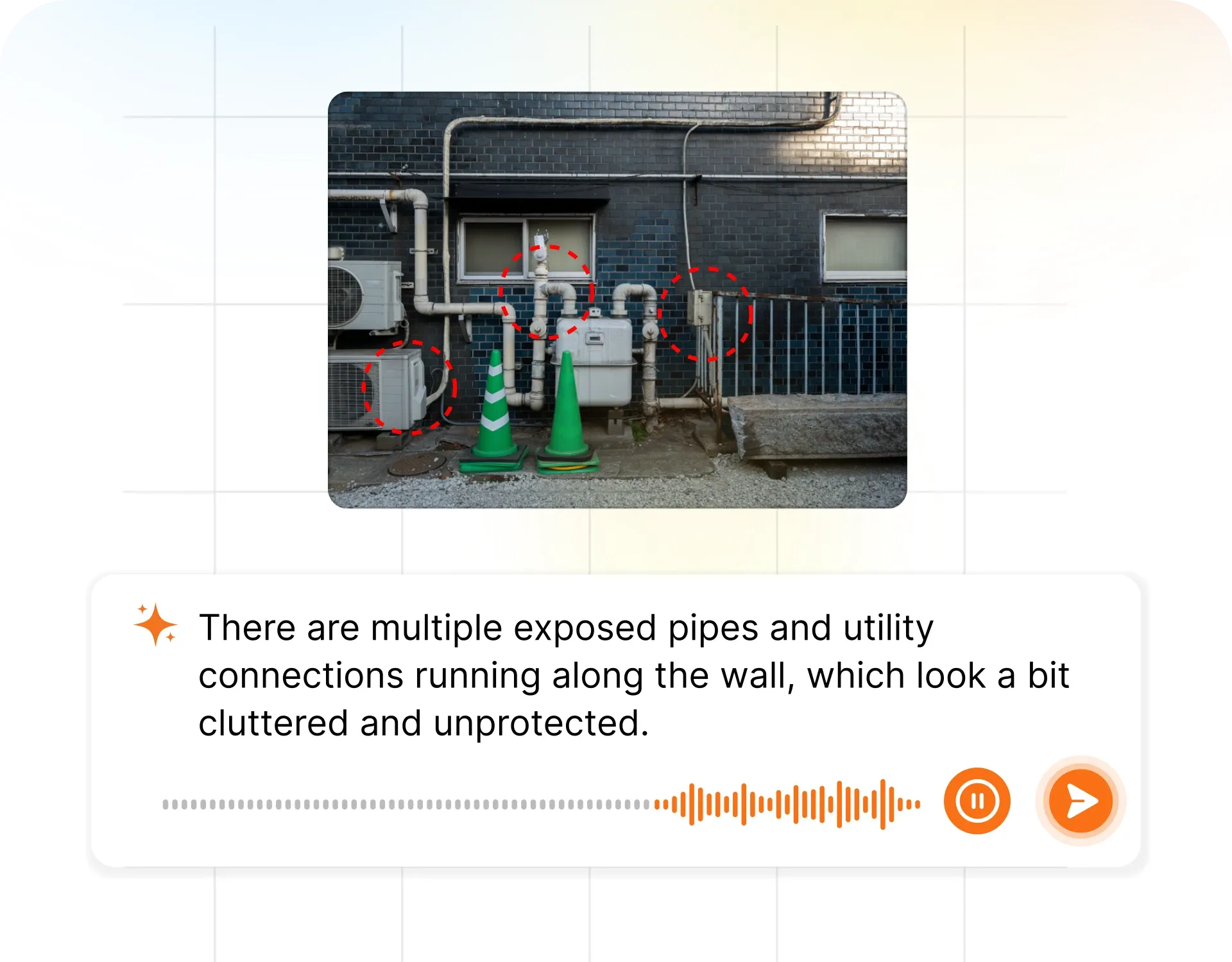
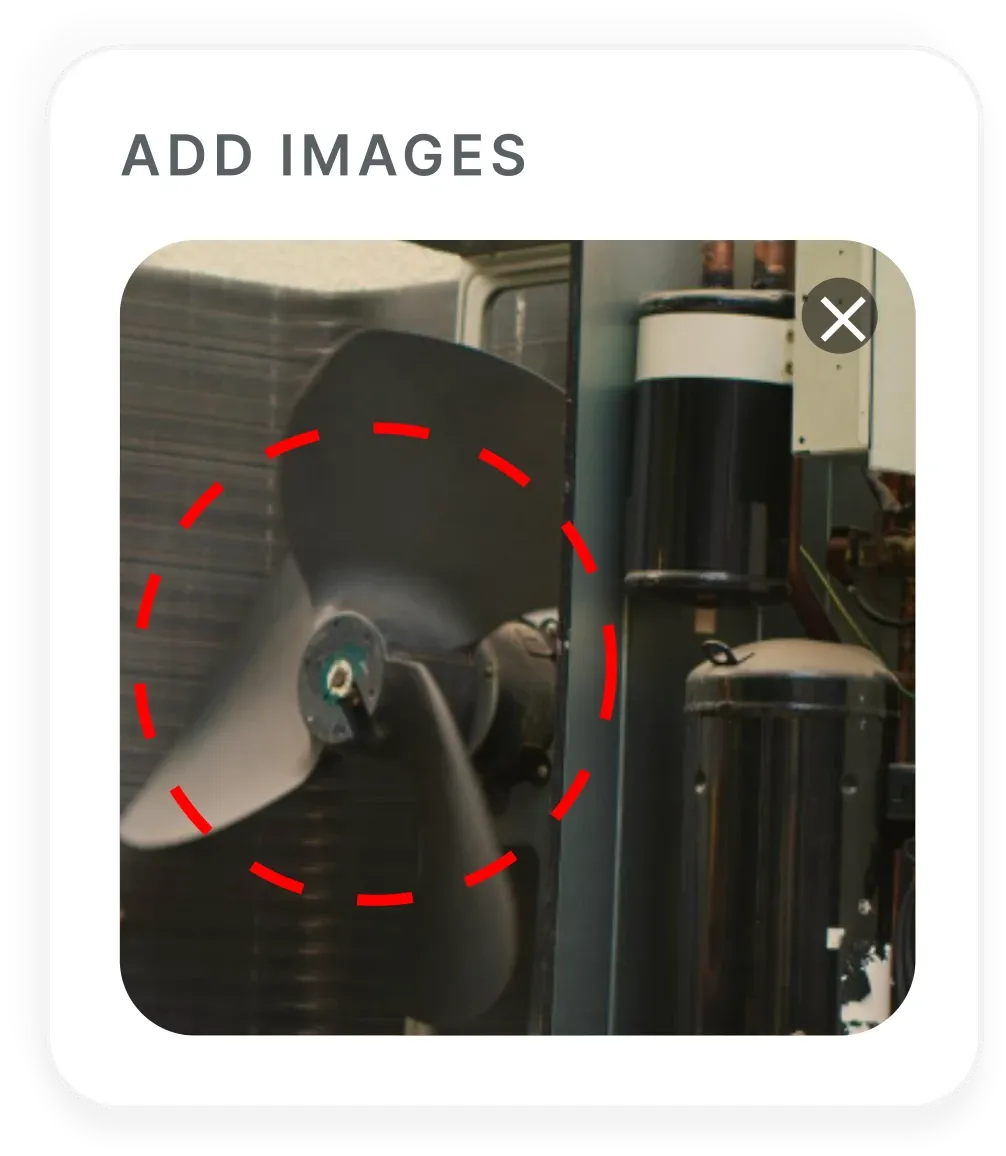
Take a Photo. AI Fills the Form illustration

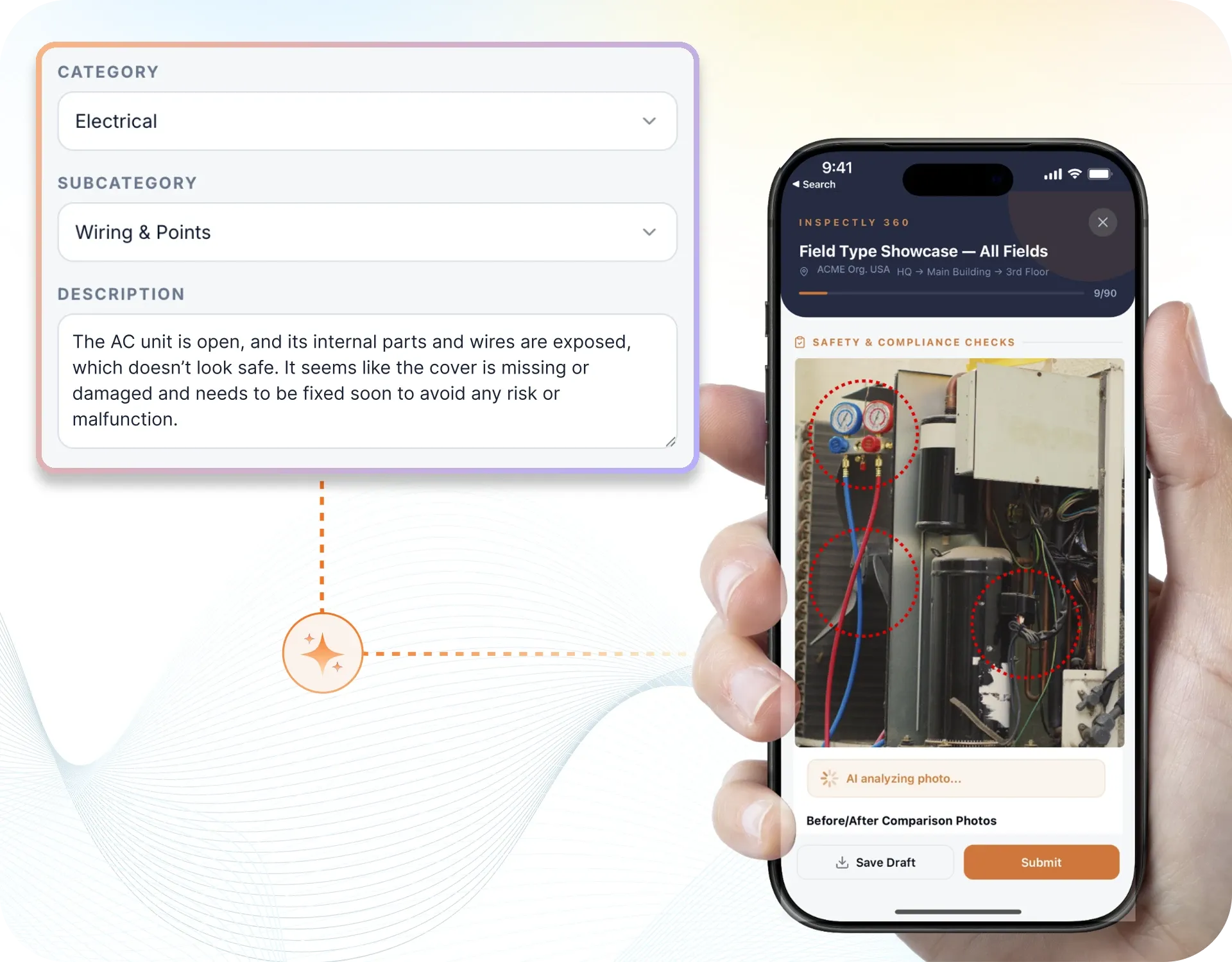
Take a Photo. AI Fills the Form

Your inspector takes a photo of any asset or defect. AI reads it and fills the inspection form automatically. No typing. No manual entry.

Speak. AI Writes It Down illustration

Speak. AI Writes It Down.

Inspectors speak their observations in any language. AI transcribes and fills the form in real time. Completely hands-free in the field.
Inspections Done. Report Ready illustration

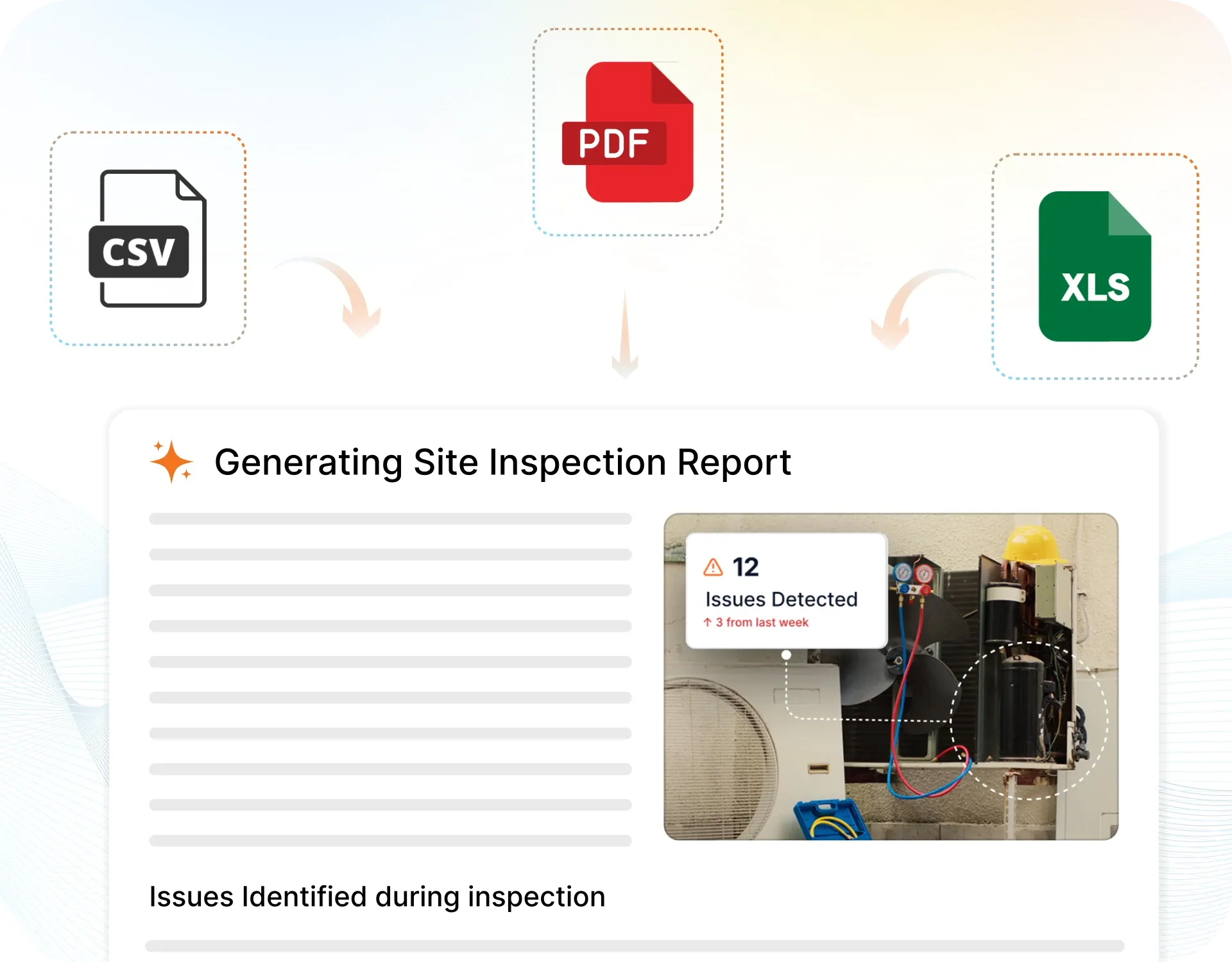
Inspections Done. Report Ready.

The moment an inspection is submitted, a branded PDF, Excel, or CSV report generates automatically. No manual work. No waiting.
Connect Your Existing Tools illustration

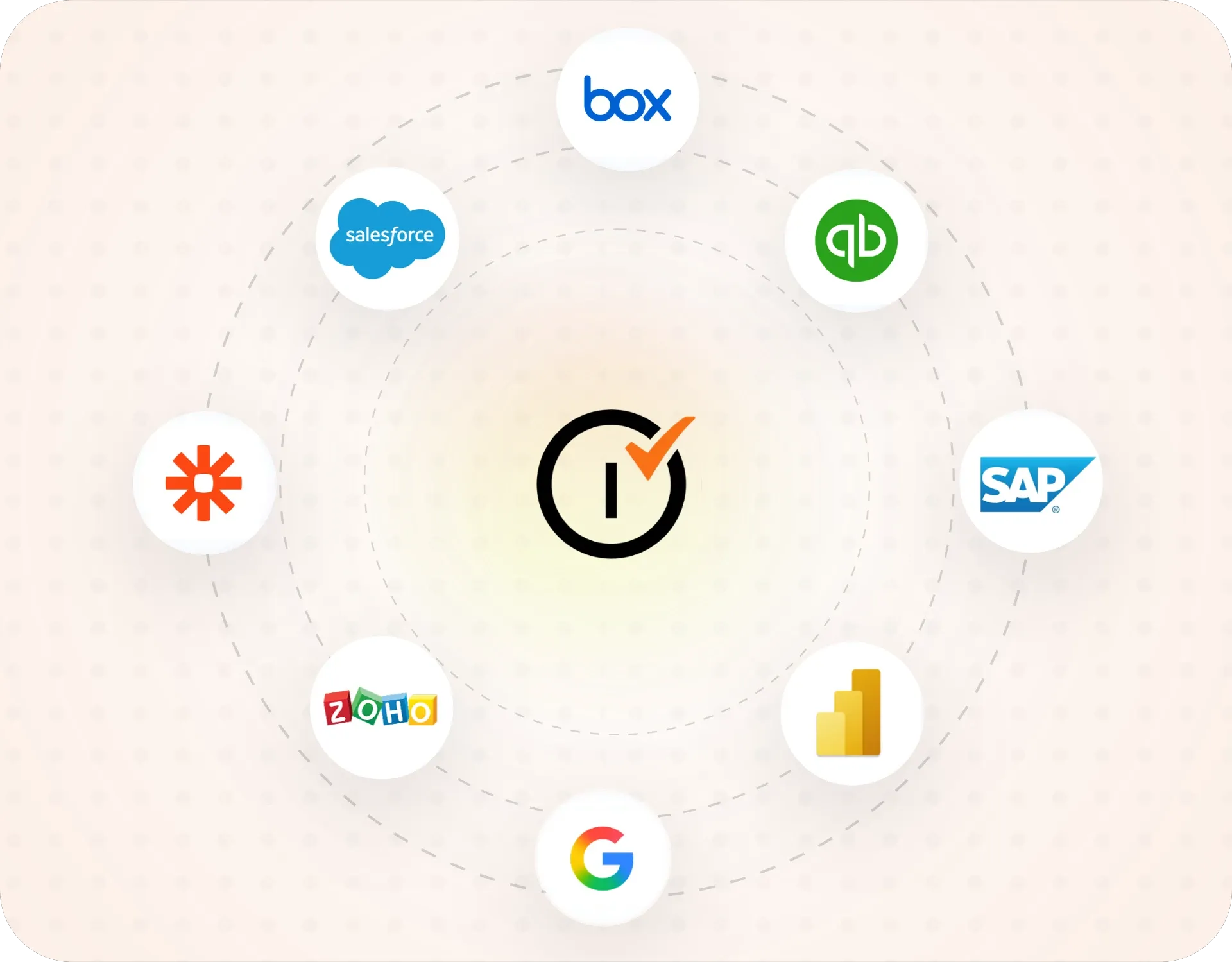
Connect Your Existing Tools.

Inspectly360 integrates with the tools your team already uses, including Zoho, Microsoft 365, and SAP. No double entry.
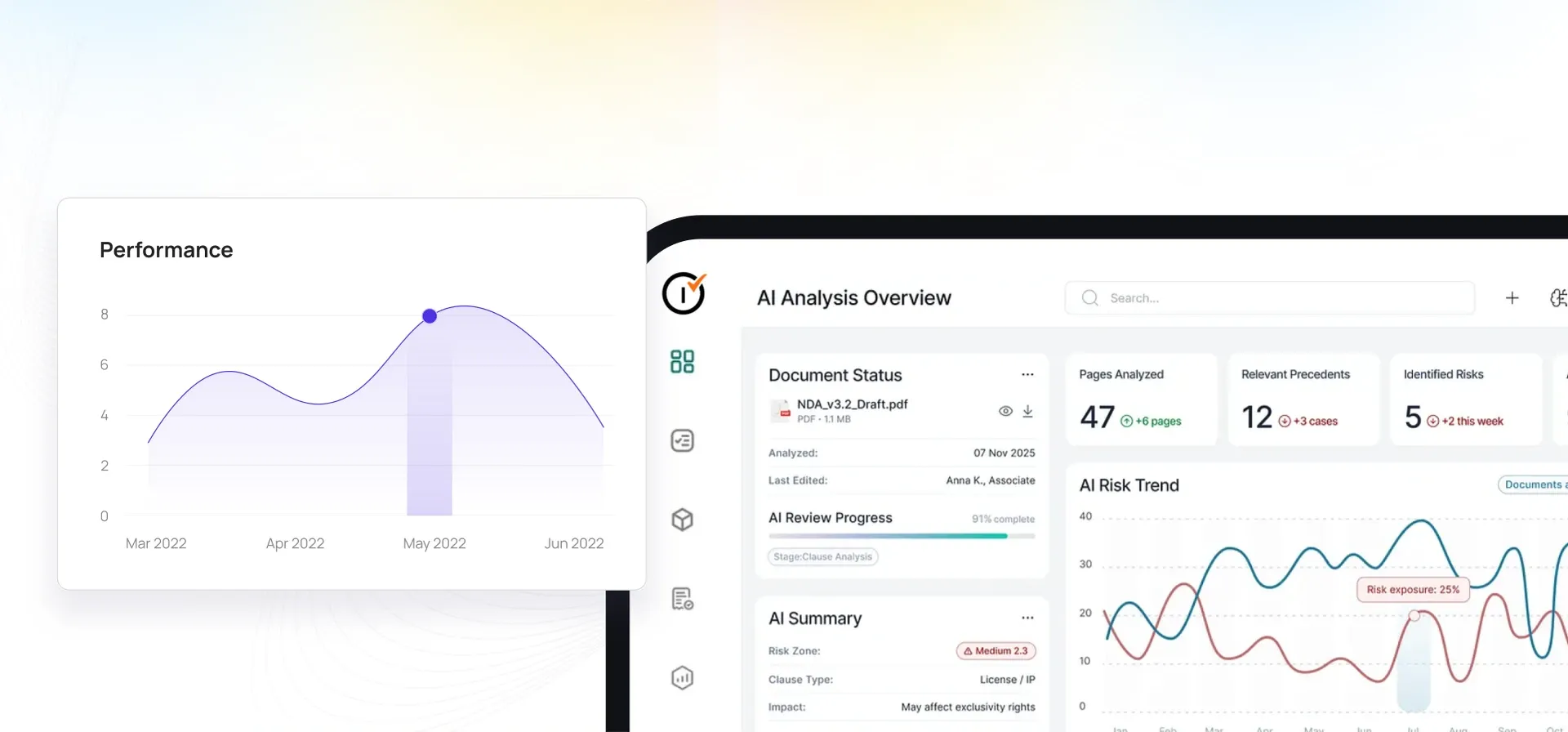
Live Dashboard. Every Site. Always On illustration

Live Dashboard. Every Site. Always On.

Your operations team sees completion rates, open issues, and compliance scores across all sites in real time. No chasing updates.

Before and After Inspectly360

What changes once electrical inspection software runs on one mobile-first platform with photo proof and live dashboards.

Before Inspectly360

  • The Electrical Installation Condition Report (EICR) is filled on paper by the Approved Electrician on the day of the periodic inspection. Coded observations (C1 danger present, C2 potentially dangerous, C3 improvement recommended, FI further investigation) sit in a PDF nobody actions until the next periodic inspection 5 years later. C1 and C2 actions drift past the corrective-action deadline.
  • NFPA 70B (Standard for Electrical Equipment Maintenance) recommended testing intervals for switchgear, transformers, motor control centres, low-voltage circuit breakers, and protective relays are documented in the original design submission. Annual IR thermography reports from the certified Level II thermographer sit in PDF attachments nobody indexed by asset. NETA Maintenance Testing Specification cycles drift past their recommended intervals.
  • OSHA 1910 Subpart S (Electrical) and 1910.147 (Control of Hazardous Energy, Lockout-Tagout) compliance lives in the safety binder. Energy isolation procedures per machine are written but not validated on the day. Permit-to-work issuance is a paper form filed in the supervisor's office. Annual review of the LOTO programme is overdue.
  • PAT testing happens in a sweep by an external contractor once or twice a year. The PAT register lives in an Excel sheet with one row per asset and a PASS or FAIL column. New assets miss the next sweep because nobody told the contractor. Failed appliances stay in the workspace because the failure was not chased to disposal or repair.
  • Risk control measures (RCD, earth-bond, insulation resistance, polarity, prospective fault current) are tested by the Approved Electrician but the results sit on a clipboard. The 30 mA RCD trip time threshold (under 200 ms at 1x rated trip current, under 40 ms at 5x rated trip current per BS 7671) is recorded but not flagged when it drifts. PFC readings are not benchmarked against the upstream device breaking capacity.

After Inspectly360

  • Each Distribution Board carries a QR tag with circuit register, last EICR date, EICR code per circuit (C1, C2, C3, FI), Zs and Ze readings, R1+R2 continuity, insulation resistance, polarity, RCD trip time and trip current, prospective fault current (PFC), and outstanding remedial actions. BS 7671 18th Edition Amendment 2 alignment with Approved Electrician credential intact and corrective-action tracking from log to verified closure.
  • Each electrical asset carries NFPA 70B condition class (1 normal, 2 acceptable, 3 deteriorated, 4 severely deteriorated), NETA MTS test cycle (low-voltage circuit breakers, molded-case circuit breakers, transformers, protective relays), last test date with named NETA certified technician, test result deltas against baseline, and recommended next-test interval. IR thermography baselines per panel with hot-spot delta T trends attach per asset.
  • OSHA 1910 Subpart S templates cover the qualified-person training register, NFPA 70E arc-flash labels per panel, approach boundary verification, PPE category check against incident energy, and energy isolation per 1910.147 with lockout-device assignment, multi-source isolation verification, and tryout procedure. Permit-to-work issuance is digital with Authorised Person (Electrical) credential intact and step-by-step LOTO log.
  • PAT cycle templates per IET Code of Practice for In-Service Inspection and Testing (4th Edition) cover visual inspection, earth continuity (under 0.1 ohm plus lead resistance), insulation resistance, polarity, functional check, and Class I or Class II classification per appliance. PAT register lives per asset with QR tag, test history, next-test interval per appliance category (3, 6, 12, 24 months), and PASS / FAIL trace with named tester.
  • Each circuit carries RCD trip time and trip current readings against the BS 7671 threshold, R1+R2 and Zs continuity, insulation resistance against the 1 MΩ minimum (or 5 MΩ for SELV, PELV, separation), polarity, and PFC against the upstream OCPD breaking capacity. AI flags readings drifting toward the safety threshold; Approved Electrician credentialed sign-off and the Joint Inspection and Testing Manual (JITM) traceability are intact per circuit.

What Is Electrical Inspection and Safety Software, and How Do Approved Electricians and Authorised Persons Use It Across Multi-Site Estates?

Electrical inspection software is the platform that FM Engineering Managers, Electrical Contractors, Approved Electricians, Authorised Persons (Electrical), Authorised Persons (HV / LV), MEP Engineers, Health & Safety Managers, Industrial Electrical Engineers, Hospital Estates Leads, NETA Certified Technicians, and PAT testers use to run periodic electrical inspections, EICR cycles, fixed-wire testing, portable appliance testing, NFPA 70B maintenance, NETA MTS testing, OSHA 1910 Subpart S safety records, and electrical safety risk control across single buildings, hospital estates, manufacturing plants, data centres, schools, retail networks, and multi-site portfolios with defensible evidence at every step. Inspectly360 digitises the full electrical inspection cycle with structured templates aligned to BS 7671 18th Edition with Amendment 2 (IET Wiring Regulations, EICR per Part 6), IET Guidance Note 3 (Inspection and Testing), IET Code of Practice for In-Service Inspection and Testing of Electrical Equipment (PAT 4th Edition), IET Code of Practice for Electric Vehicle Charging Equipment Installation, NFPA 70 (US National Electrical Code), NFPA 70B (Standard for Electrical Equipment Maintenance), NFPA 70E (Standard for Electrical Safety in the Workplace), NETA Maintenance Testing Specification (NETA MTS), NETA Acceptance Testing Specification (NETA ATS), OSHA 1910 Subpart S (Electrical), OSHA 1910.147 (Control of Hazardous Energy / Lockout-Tagout), Electricity at Work Regulations 1989, IEC 60364 (Low-voltage electrical installations), IEC 61439 series (low-voltage switchgear and controlgear assemblies), AS/NZS 3000 (Australian Wiring Rules), AS/NZS 3760 (Australian in-service safety inspection), CSA Z462 (Canadian Workplace Electrical Safety), HSE Memorandum of Guidance on Electricity at Work Regulations, HSG107 (Maintaining portable electrical equipment), and ATEX 2014/34/EU and IECEx for hazardous-area electrical installations.

The pain it solves is the everyday reality of electrical operations: an EICR carried out 5 years ago that recorded a C2 finding on a Distribution Board that was never actioned because the corrective-action register lived on a clipboard, a 30 mA RCD with trip time drifting past 200 ms that nobody flagged because the test instrument CSV download was never compared against BS 7671 threshold, a Zs reading on a final circuit that exceeded the maximum permissible value but did not trigger a CAPA because the Approved Electrician's paper form went into a filing cabinet, a PAT register in Excel that lost track of 200 appliances when the IT team replaced laptops without telling the PAT contractor, a NETA MTS low-voltage circuit breaker test that the AMC contractor self-certified as PASS without uploading the trip-time curve test results, an OSHA 1910 Subpart S audit that asked for the qualified-person training register and the LOTO procedure history and the safety team scrambled to assemble both, an IR thermography report from 14 months ago that flagged a hot-spot on a 400 A breaker termination that nobody actioned, an arc-flash label on a switchboard that the panel was upgraded without re-stickering, and a Distribution Board that exceeded its breaking-capacity headroom because nobody recalculated PFC after a transformer upgrade. Electrical safety is the highest-consequence workstream in any building or plant; paper EICRs and Excel PAT logs do not protect that load.

Inspectly360 combines ready-made templates for BS 7671 EICR per circuit and per Distribution Board (Zs, Ze, R1+R2 continuity, insulation resistance, polarity, RCD trip time and trip current, PFC, EICR code C1, C2, C3, FI), fixed-wire periodic inspection at the recommended frequency per Table 3.2 IET Guidance Note 3, portable appliance testing per IET Code of Practice (visual inspection, earth continuity, insulation resistance, polarity, functional check, Class I or Class II classification, 3, 6, 12, 24 month cycle per category), NFPA 70B maintenance templates (LV circuit breakers, MV circuit breakers, transformers, switchgear cleanliness, protective relay calibration), NETA MTS and NETA ATS testing per asset (insulation resistance, contact resistance, time-travel analysis, primary injection, secondary injection, partial discharge), NFPA 70E arc-flash assessment per panel with incident energy, approach boundary, and PPE category labels, OSHA 1910 Subpart S templates (qualified-person register, energy isolation per 1910.147 with lockout-device assignment and tryout, NFPA 70E PPE check, working-on-live justification), HSE Memorandum of Guidance and Electricity at Work Regulations 1989 compliance, IEC 60364 verification cycles for EU and APAC deployments, AS/NZS 3000 / AS/NZS 3760 cycles for Australia and New Zealand, CSA Z462 cycles for Canada, ATEX and IECEx hazardous-area electrical inspection (Zone 0, 1, 2 gas and 20, 21, 22 dust) per BS EN 60079-17, IR thermography per panel with baseline and hot-spot delta T tracking, EV charging equipment inspection per IET Code of Practice, and electrical safety risk-assessment programmes; AI fault detection on the engineer's photo for charred terminations, corroded earth bonds, dirty isolators, missing arc-flash labels, blown indicators, exposed live parts, damaged panel doors, and oil staining on transformers; QR-tagged Distribution Boards, switchgear, panel boards, MCCs, transformers, generators, ATSs, EV chargers, and PAT-registered appliances with full service history; offline capture in basement plant rooms and metal-clad switchrooms where signal disappears; statutory clocks per asset with renewal alerts for EICR cycle (typically 5 years domestic, 5 years commercial, 3 years industrial, 1 year construction sites and life-safety), PAT cycle per IET CoP category, NFPA 70B intervals, NETA MTS cycles, IR thermography annual cycle, NFPA 70E arc-flash assessment refresh, ATEX EX inspection (initial detailed, periodic, sample-based) per BS EN 60079-17, and EV charger inspection; and white-label PDF reports that generate the moment the engineer closes out. Approved Electricians, Authorised Persons (Electrical), Authorised Persons (HV / LV), NETA Certified Technicians, and Level II IR thermographers operate as scoped roles producing credentialed audit packs.

  • BS 7671 18th Edition with Amendment 2 (IET Wiring Regulations) governs electrical installation design, EICR, and periodic inspection cycles in the UK and is the basis of the platform's EICR templates: BS 7671 IET Wiring Regulations
  • NFPA 70B (Standard for Electrical Equipment Maintenance) and NFPA 70E (Standard for Electrical Safety in the Workplace) underpin US maintenance interval and arc-flash assessment templates carried on each asset: NFPA 70B / NFPA 70E Electrical Maintenance and Safety
  • NETA Maintenance Testing Specification (MTS) and Acceptance Testing Specification (ATS) define US electrical test methods for switchgear, transformers, and protective relays used in the platform's NETA MTS workflow: NETA MTS / ATS Electrical Testing

How Does an Electrical Inspection Cycle Run from Fixed-Wire Test to EICR, NFPA 70B, and OSHA Evidence?

Approved Electricians, Authorised Persons (Electrical), NETA Certified Technicians, and PAT testers follow this loop for EICR cycles, periodic inspections, NETA MTS tests, NFPA 70E assessments, and PAT programmes.

  1. 1

    Pick the Template Pack by Electrical Inspection Type

    BS 7671 EICR per circuit and Distribution Board, fixed-wire periodic inspection, portable appliance test per IET CoP with category-based cycle, NFPA 70B maintenance per LV / MV switchgear and transformer, NETA MTS testing per low-voltage circuit breaker, molded-case breaker, transformer, or protective relay, NFPA 70E arc-flash assessment per panel with incident energy and PPE category labels, OSHA 1910 Subpart S electrical safety audit with LOTO procedure, IR thermography per panel with baseline overlay, ATEX EX inspection per BS EN 60079-17 (initial detailed, periodic, sample-based) for Zone 0 / 1 / 2 gas and 20 / 21 / 22 dust, EV charger inspection per IET CoP, or AS/NZS 3760 in-service inspection. Each pack carries the rubric the regulator, the Approved Body, the NETA cert body, or the AMC client SLA expects.

  2. 2

    Scan the QR Tag and Load Circuit / Asset Service History

    Engineers scan the QR tag on the Distribution Board, switchboard, MCC, transformer, generator, ATS, isolator, EV charger, or PAT-registered appliance. The right checklist opens for the right asset class (TN-C-S, TN-S, TT, IT earthing system in UK / EU; grounded WYE, delta, ungrounded delta, corner-grounded delta in US; SAA in Australia), nameplate data (full-load amps, breaking capacity, IP rating, NEMA enclosure type), last EICR or NETA MTS date and result, IR baseline, NFPA 70E incident energy and PPE category, and any open CAPA surface so repeat issues are visible from the device.

  3. 3

    Inspect Offline with AI Electrical Fault Detection

    Capture in basement switchrooms, metal-clad plant rooms, MCC enclosures, and outdoor substations where signal disappears. AI flags charred terminations and arc-fault evidence, corroded earth bonds, dirty isolators and rotary handles, missing arc-flash labels, blown LED indicators, exposed live parts and missing dead-front covers, damaged panel doors and broken locks, oil staining on dry-type and oil-filled transformers, and IR hot-spot delta T against the baseline overlay from the engineer's photo and suggests fault classification for the engineer to confirm or override.

  4. 4

    Capture Test-Instrument Data and Correlate with Findings

    Test-instrument integrations pull readings per circuit and per asset from Megger, Fluke, Seaward, Metrel, Hioki, and Kewtech meters via Bluetooth, USB, NFC, or QR code scan: Zs, Ze, R1+R2, insulation resistance, polarity, RCD trip time and current, PFC, earth electrode resistance, voltage drop, and PAT pass / fail per appliance. AI correlates readings against BS 7671 threshold tables and NFPA 70B condition-class criteria so the failed RCD trip time before the next periodic inspection, or the contact resistance drift on a low-voltage circuit breaker before NETA MTS, is visible from one record.

  5. 5

    Publish Branded PDFs and Sync EICR, PAT, NETA, and Arc-Flash Clocks

    Branded PDFs (BS 7671 EICR with coded observations, IET CoP PAT certificate per appliance, NFPA 70B maintenance report, NETA MTS test report with curves, NFPA 70E arc-flash study and panel labels, OSHA 1910 Subpart S audit pack with LOTO history, IR thermography report with baseline overlay) generate the moment the engineer closes out via /features/automated-reports; statutory clocks per asset update with renewal alerts for EICR cycle, PAT cycle per category, NFPA 70B intervals, NETA MTS cycles, NFPA 70E refresh, ATEX EX inspection (BS EN 60079-17), IR thermography annual cycle, and EV charger cycle via /features/notifications.

How Should Engineering Managers Pilot Digital Electrical Inspections Across the Estate?

Answers to common long-tail questions, kept on one canonical page to avoid thin duplicate URLs.

Where Does Inspectly360 Sit Beside CMMS, Test-Instrument Software, and the Electrical Contractor's Existing Tools?

Inspectly360 sits as the electrical inspection evidence and safety defensibility layer beside the platforms electrical and FM teams already run. Maximo, IBM TRIRIGA, Planon, eMaint, Limble, Fiix, SAP PM, and Infor EAM stay the system of record for electrical work orders, PPM scheduling, and asset register. Test-instrument vendor software (Megger PowerDB, Megger CertSuite, Fluke FlukeView, Seaward PATGuard, Metrel aPAT, Hioki GENNECT) stays where it is for raw test data capture and instrument calibration. NFPA 70E arc-flash study tools (SKM Power Tools, ETAP, EasyPower, Schneider EcoStruxure Power Design CAD) stay where they are for incident-energy calculation. The electrical contractor's job-management tool (Joblogic, Simpro, Tradify) stays where it is for scheduling and invoicing. Inspectly360 produces the structured EICR evidence, PAT register, NFPA 70B maintenance trace, NETA MTS test result repository, NFPA 70E arc-flash label management, OSHA 1910 Subpart S audit packs, AI fault detection on switchroom photos, and IR thermography baseline tracking those platforms reference but do not collect. CMMS integrations push electrical defect tickets and C1 / C2 EICR findings into the work order queue; test-instrument integrations pull raw readings into the EICR record.

Pilot Approach for FM Engineering, Electrical Contractors, Industrial Plants, and Health & Safety

FM Engineering Managers typically pilot the BS 7671 EICR cycle across one building cluster with one Approved Electrician and measure coded-observation closure rate. Electrical Contractors and NICEIC / NAPIT / ECA-registered firms pilot the AMC client EICR workflow with one commercial client and use the digital EICR pack to defend tender retention and upsell remedial work. Industrial Plant Engineers pilot the NFPA 70B and NETA MTS testing cycle across one substation or MCC and measure mean-time-between-failure improvement. Hospital Estates Leads pilot the HTM 06-01 healthcare electrical service inspection alongside the BS 7671 EICR cycle across one ward block. Health & Safety Managers pilot the OSHA 1910 Subpart S and NFPA 70E arc-flash programme across one shopfloor and measure energy-isolation procedure compliance. PAT contractors pilot the IET CoP in-service inspection register across one commercial portfolio and measure asset coverage rate.

Multi-Party Electrical Operations, AMC Contractor Reporting, and Authorised Person (Electrical) Workflows

Electrical operations involve multiple parties: building or plant owner, FM aggregator, electrical AMC service contractor (NICEIC, NAPIT, or ECA registered in the UK; UL listed contractor in the US; SAA registered in Australia), Approved Electrician carrying out the periodic inspection, NETA Certified Technician (Level II or Level III) carrying out the NETA MTS testing, Authorised Person (Electrical) for permit-to-work, Authorised Person (HV / LV) for high-voltage switching, Level II IR thermographer (ITC certified), arc-flash study engineer, PAT contractor, Distribution Network Operator (DNO) for upstream supply interface, and the regulator (Health and Safety Executive in the UK, OSHA in the US, equivalent). RBAC scopes each party to the circuits, panels, and evidence they are entitled to. Approved Electricians and NETA Certified Technicians operate as scoped roles producing credentialed EICR and NETA MTS evidence intact; Authorised Persons (Electrical) produce permit-to-work and LOTO evidence with credential and qualification intact.

Procurement, BS 7671 / NFPA 70B / NETA / OSHA Validation, and Cross-Jurisdiction Estate Operations

Procurement and engineering should validate seven requirements before any electrical rollout: SSO via SAML or OIDC tied to the operator's IdP, RBAC granular enough to scope an Approved Electrician or NETA Certified Technician to specific circuits and panels only, offline capture verified in a real basement switchroom or MCC enclosure, configurable retention aligned to EICR retention windows (BS 7671 cycle plus 2 years), PAT retention (typical 6 years for liability), NETA MTS retention (asset lifetime plus 2 years), and OSHA 1910 records retention (5 years minimum for training records), statutory export formats acceptable to NICEIC / NAPIT / ECA, HSE inspectors, OSHA inspectors, and AHJs, test-instrument integration depth via Bluetooth, USB, NFC, or QR code for Megger, Fluke, Seaward, Metrel, and Hioki meters, and a documented CMMS integration path. For cross-jurisdiction estate operators (UK, US, EU, India, UAE, APAC, ANZ), regional data residency aligns to the local data protection regulator and the regional electrical regulator (BS 7671 in UK, NEC and OSHA in US, IEC 60364 in EU, AS/NZS 3000 in ANZ).

Which Capabilities Help Electrical Teams Defend BS 7671 EICR, NFPA 70B Maintenance, NETA MTS Testing, and OSHA 1910 Subpart S?

The platform capabilities that power electrical inspection software across every site.

Ready to Move Electrical Inspection Off Paper?

Book a Free Demo

How Is This Different from Paper EICR Forms, Spreadsheet PAT Logs, and Disconnected Test-Instrument Downloads?

FM Engineering Managers, Electrical Contractors, Authorised Persons (Electrical), MEP Engineers, and Health & Safety Managers comparing Inspectly360 to paper EICR forms, spreadsheet PAT logs, and disconnected test-instrument CSV downloads see the difference fastest on five dimensions: BS 7671 EICR (Electrical Installation Condition Report) defensibility per circuit and per Distribution Board, NFPA 70B and NETA MTS maintenance and testing evidence per asset, OSHA 1910 Subpart S electrical safety records with lockout-tagout integration, PAT (portable appliance testing) cycle per IET Code of Practice with PASS / FAIL trace per asset, and electrical safety risk control (RCD, earth-bond, insulation resistance, polarity, prospective fault current) with named credentialed sign-off.

TopicTypical GapsWith Inspectly360
BS 7671 EICR defensibility per circuit and Distribution BoardThe Electrical Installation Condition Report (EICR) is filled on paper by the Approved Electrician on the day of the periodic inspection. Coded observations (C1 danger present, C2 potentially dangerous, C3 improvement recommended, FI further investigation) sit in a PDF nobody actions until the next periodic inspection 5 years later. C1 and C2 actions drift past the corrective-action deadline.Each Distribution Board carries a QR tag with circuit register, last EICR date, EICR code per circuit (C1, C2, C3, FI), Zs and Ze readings, R1+R2 continuity, insulation resistance, polarity, RCD trip time and trip current, prospective fault current (PFC), and outstanding remedial actions. BS 7671 18th Edition Amendment 2 alignment with Approved Electrician credential intact and corrective-action tracking from log to verified closure.
NFPA 70B and NETA MTS maintenance and testing evidence per assetNFPA 70B (Standard for Electrical Equipment Maintenance) recommended testing intervals for switchgear, transformers, motor control centres, low-voltage circuit breakers, and protective relays are documented in the original design submission. Annual IR thermography reports from the certified Level II thermographer sit in PDF attachments nobody indexed by asset. NETA Maintenance Testing Specification cycles drift past their recommended intervals.Each electrical asset carries NFPA 70B condition class (1 normal, 2 acceptable, 3 deteriorated, 4 severely deteriorated), NETA MTS test cycle (low-voltage circuit breakers, molded-case circuit breakers, transformers, protective relays), last test date with named NETA certified technician, test result deltas against baseline, and recommended next-test interval. IR thermography baselines per panel with hot-spot delta T trends attach per asset.
OSHA 1910 Subpart S electrical safety with lockout-tagout traceabilityOSHA 1910 Subpart S (Electrical) and 1910.147 (Control of Hazardous Energy, Lockout-Tagout) compliance lives in the safety binder. Energy isolation procedures per machine are written but not validated on the day. Permit-to-work issuance is a paper form filed in the supervisor's office. Annual review of the LOTO programme is overdue.OSHA 1910 Subpart S templates cover the qualified-person training register, NFPA 70E arc-flash labels per panel, approach boundary verification, PPE category check against incident energy, and energy isolation per 1910.147 with lockout-device assignment, multi-source isolation verification, and tryout procedure. Permit-to-work issuance is digital with Authorised Person (Electrical) credential intact and step-by-step LOTO log.
PAT (portable appliance testing) cycle per IET Code of PracticePAT testing happens in a sweep by an external contractor once or twice a year. The PAT register lives in an Excel sheet with one row per asset and a PASS or FAIL column. New assets miss the next sweep because nobody told the contractor. Failed appliances stay in the workspace because the failure was not chased to disposal or repair.PAT cycle templates per IET Code of Practice for In-Service Inspection and Testing (4th Edition) cover visual inspection, earth continuity (under 0.1 ohm plus lead resistance), insulation resistance, polarity, functional check, and Class I or Class II classification per appliance. PAT register lives per asset with QR tag, test history, next-test interval per appliance category (3, 6, 12, 24 months), and PASS / FAIL trace with named tester.
Electrical safety risk control with named credentialed sign-offRisk control measures (RCD, earth-bond, insulation resistance, polarity, prospective fault current) are tested by the Approved Electrician but the results sit on a clipboard. The 30 mA RCD trip time threshold (under 200 ms at 1x rated trip current, under 40 ms at 5x rated trip current per BS 7671) is recorded but not flagged when it drifts. PFC readings are not benchmarked against the upstream device breaking capacity.Each circuit carries RCD trip time and trip current readings against the BS 7671 threshold, R1+R2 and Zs continuity, insulation resistance against the 1 MΩ minimum (or 5 MΩ for SELV, PELV, separation), polarity, and PFC against the upstream OCPD breaking capacity. AI flags readings drifting toward the safety threshold; Approved Electrician credentialed sign-off and the Joint Inspection and Testing Manual (JITM) traceability are intact per circuit.

What Changes for FM Engineering, Electrical Contractors, Approved Electricians, Authorised Persons, and Health & Safety Managers?

What changes once electrical inspection software is standardised on Inspectly360.

  • FM Engineering Managers: One platform across every Distribution Board, switchgear, MCC, transformer, and PAT-registered appliance in the estate with EICR coded observations, NFPA 70B condition class, NETA MTS history, IR thermography baselines, and PAT register in one record rather than three spreadsheets and the Approved Electrician's clipboard.
  • Electrical Contractors and NICEIC / NAPIT / ECA Registered Firms: Scoped client EICR packs delivered per client with structured per-circuit evidence the client recognises as defensible; remedial-work upsell conversations grounded in coded-observation history rather than reactive call-outs.
  • Approved Electricians: Credentialed EICR and periodic inspection evidence per circuit with NICEIC / NAPIT / ECA scheme number intact, R1+R2 / Zs / insulation resistance / RCD trip time captured from test instrument, and coded-observation rationale recorded against the BS 7671 threshold table.
  • NETA Certified Technicians and US Electrical Contractors: NETA MTS test cycle per low-voltage circuit breaker, molded-case breaker, transformer, and protective relay with instrument-pulled readings, primary injection and secondary injection curves, partial discharge readings, and named Level II / Level III credential intact.
  • MEP Engineers: BS 7671 design verification at commissioning carried forward into operating-stage EICR evidence; NFPA 70 NEC compliance handover with arc-flash study traceability.
  • Health & Safety Managers: OSHA 1910 Subpart S audit-ready evidence with qualified-person training register, 1910.147 LOTO procedure history, NFPA 70E arc-flash label management, and Electricity at Work Regulations 1989 compliance defensible to the HSE.
  • Hospital Estates Leads, Authorised Persons (Electrical), and Authorised Persons (HV / LV): HTM 06-01 healthcare electrical service evidence per circuit, permit-to-work issuance with credential intact, and isolation evidence per asset preserved in a single defensible record.

Which Electrical Inspection and Safety Templates Should You Try First?

Get started with inspection and audit checklist templates.

View All Checklist Templates
Site Inspection Checklist
Inspections

Site Inspection Checklist

Standard site-level inspections for construction, safety, and compliance. Capture conditions, photos, and follow-ups in one place.

41,000+GET
Asset Inspection Checklist
Asset Management

Asset Inspection Checklist

Inspect assets and equipment: condition, location, photos, and maintenance history. Track condition over time.

28,900+GET
Work Order Checklist
Work Orders

Work Order Checklist

Complete work orders with checklist items, photos, and sign-off. Track completion and proof of work.

31,800+GET
Maintenance Checklist
Maintenance

Maintenance Checklist

Preventive and corrective maintenance inspections. Log repairs, parts, and condition with photos and follow-ups.

27,400+GET

Frequently Asked Questions About Electrical Inspection Software

How does electrical inspection management software handle EICR scheduling, RBAC, and AMC programme governance?

Electrical inspection management software is the layer that schedules BS 7671 EICR cycles per installation type (typically 5 years domestic and commercial, 3 years industrial, 1 year construction sites and life-safety installations), PAT cycles per IET CoP category (3, 6, 12, 24 months by appliance class), NFPA 70B maintenance intervals (typical 1, 3, 5 year cycle by asset class), NETA MTS testing cycles (per NETA MTS Table 100 frequency), NFPA 70E arc-flash assessment refresh (typically 5 years or after any single-line diagram change), IR thermography annual cycles, ATEX EX inspection per BS EN 60079-17 (initial detailed, periodic per risk grade, sample-based), EV charger inspection per IET CoP, and OSHA 1910 Subpart S programme audits across every Distribution Board, panel, MCC, transformer, and PAT-registered appliance in the estate from one programme library. RBAC scopes each Approved Electrician, NETA Certified Technician, Authorised Person (Electrical), Authorised Person (HV / LV), IR thermographer, PAT tester, and arc-flash study engineer to the circuits, panels, and evidence they are entitled to. Template governance lives at FM Director or Engineering Manager level; site-specific overrides (HTM 06-01 healthcare cadence, ATEX hazardous-area grading, US NFPA 70 jurisdiction) attach without breaking the corporate baseline.

How does electrical safety inspection software handle BS 7671 EICR, NFPA 70E arc-flash, OSHA 1910 Subpart S, and Electricity at Work Regulations defensibility?

Electrical safety inspection software produces the evidence chain regulators and standards bodies expect across BS 7671 18th Edition with Amendment 2 (EICR coded observations, Zs / Ze / R1+R2 / insulation resistance / polarity / RCD trip time / PFC per circuit, periodic inspection cycle by installation type), NFPA 70B (US electrical equipment maintenance interval per asset class), NFPA 70E (US arc-flash assessment with incident energy, approach boundaries, PPE category labels per panel), NETA MTS and NETA ATS (US testing methodology per switchgear, transformer, and protective relay), OSHA 1910 Subpart S (qualified-person training register, NFPA 70E PPE check, working-on-live justification), OSHA 1910.147 (LOTO with lockout-device assignment, multi-source isolation, tryout procedure), Electricity at Work Regulations 1989 (UK statutory duty of care), HSE Memorandum of Guidance, HSG107 (PAT under HSE guidance), IEC 60364 (EU and APAC LV installation), and AS/NZS 3000 / AS/NZS 3760 (Australia and New Zealand). Every electrical inspection carries credentialed engineer identity, GPS-verified timestamp, asset confirmation, and required photo evidence.

How does electrical inspection audit software produce EICR, PAT, NFPA 70B, NETA MTS, and arc-flash audit packs?

Electrical inspection audit software runs scored audit programmes against BS 7671, IET Guidance Note 3, IET Code of Practice for In-Service Inspection and Testing (PAT), NFPA 70 NEC, NFPA 70B (electrical equipment maintenance), NFPA 70E (electrical safety in the workplace), NETA MTS and NETA ATS, OSHA 1910 Subpart S and 1910.147, Electricity at Work Regulations 1989, IEC 60364, IEC 61439 series (LV switchgear and controlgear assemblies), AS/NZS 3000 and AS/NZS 3760, CSA Z462 (Canadian Workplace Electrical Safety), HTM 06-01 (UK healthcare electrical service), BS EN 60079-17 (ATEX EX inspection), and HSG107 (HSE PAT guidance). Each audit produces a weighted score per circuit, panel, transformer, MCC, and appliance, photo evidence per non-conformance, CAPA per finding, and a branded PDF export NICEIC / NAPIT / ECA assessors, HSE inspectors, OSHA inspectors, AHJs, the AMC client, and the local environmental authority recognise. The 12-month audit history per asset retrieves in one click.

How does electrical inspection tracking software follow EICR coded observations, NETA MTS faults, and arc-flash actions to verified closure?

Electrical inspection tracking software runs every finding through the same lifecycle: severity classification (immediate for an EICR C1 'danger present' code, immediate for an RCD trip time outside BS 7671 threshold, immediate for arc-flash boundary breach, scheduled for C2 'potentially dangerous' or NFPA 70B condition class 3 or 4, periodic for cosmetic damage). Named owner assignment, deadline by severity, required closure evidence, and named approver verification before the finding closes. EICR C1 findings trigger a permit-to-work workflow with Authorised Person (Electrical) credential intact, isolation procedure, remedial work scope, and Approved Electrician re-inspection evidence. NETA MTS findings trigger the test-instrument re-measurement workflow with named Level II / Level III credential. Tracking dashboards surface EICR coded-observation closure rate, NFPA 70B condition-class trend, NETA MTS cycle status, IR thermography hot-spot trend, arc-flash label currency, AMC contractor closure performance, and CAPA age.

How does electrical inspection monitoring software give Engineering Managers and Health & Safety Managers a live view?

Electrical inspection monitoring software runs a live multi-site dashboard aggregating EICR coded-observation closure rate, PAT cycle adherence per category, NFPA 70B condition-class trend per asset, NETA MTS test cycle status, IR thermography hot-spot trend per panel, NFPA 70E arc-flash assessment age, OSHA 1910 Subpart S audit status, EICR cycle clock per installation, ATEX EX inspection cycle per hazardous area, and AMC contractor closure performance. AI daily briefing delivers a plain-language summary to the FM Director, Engineering Manager, Health & Safety Manager, and Hospital Estates Lead inbox before the operating committee: which buildings have open C1 / C2 observations, which PAT categories are overdue, which panels are within 30 days of NFPA 70E arc-flash refresh, and which transformers have NFPA 70B condition class 3 or 4. Natural-language dashboard queries let leadership ask 'which sites have open C1 EICR observations over 14 days?' and receive a filtered answer rather than a manual report.

How does BS 7671 EICR work, and how often must an Electrical Installation Condition Report be carried out?

An Electrical Installation Condition Report (EICR) is a formal inspection and test of an electrical installation against BS 7671 18th Edition with Amendment 2 conducted by a competent person (Approved Electrician registered with NICEIC, NAPIT, ECA, or equivalent). The EICR captures Zs (loop impedance at the most distant point of each circuit), Ze (external loop impedance at the origin), R1+R2 (line plus earth continuity), insulation resistance, polarity, RCD trip time and trip current at 30 mA where fitted, PFC (prospective fault current), earth-electrode resistance where applicable, and produces coded observations: C1 (danger present, immediate action required), C2 (potentially dangerous, urgent remedial), C3 (improvement recommended), and FI (further investigation required). Recommended periodic intervals follow IET Guidance Note 3 Table 3.2: typically 5 years for domestic and commercial installations, 3 years for industrial, 1 year for life-safety installations, construction sites, swimming pools, agricultural and horticultural, leisure facilities with high humidity, and 6 months to 1 year for specific high-risk applications.

Less Paperwork. More Visibility.

See Inspectly360 in action with a live demo tailored to your needs. No credit card required.

  • 30 Days Free Trail
  • 1000+ Templates
  • Unlimited Integration