Take a Photo. AI Fills the Form
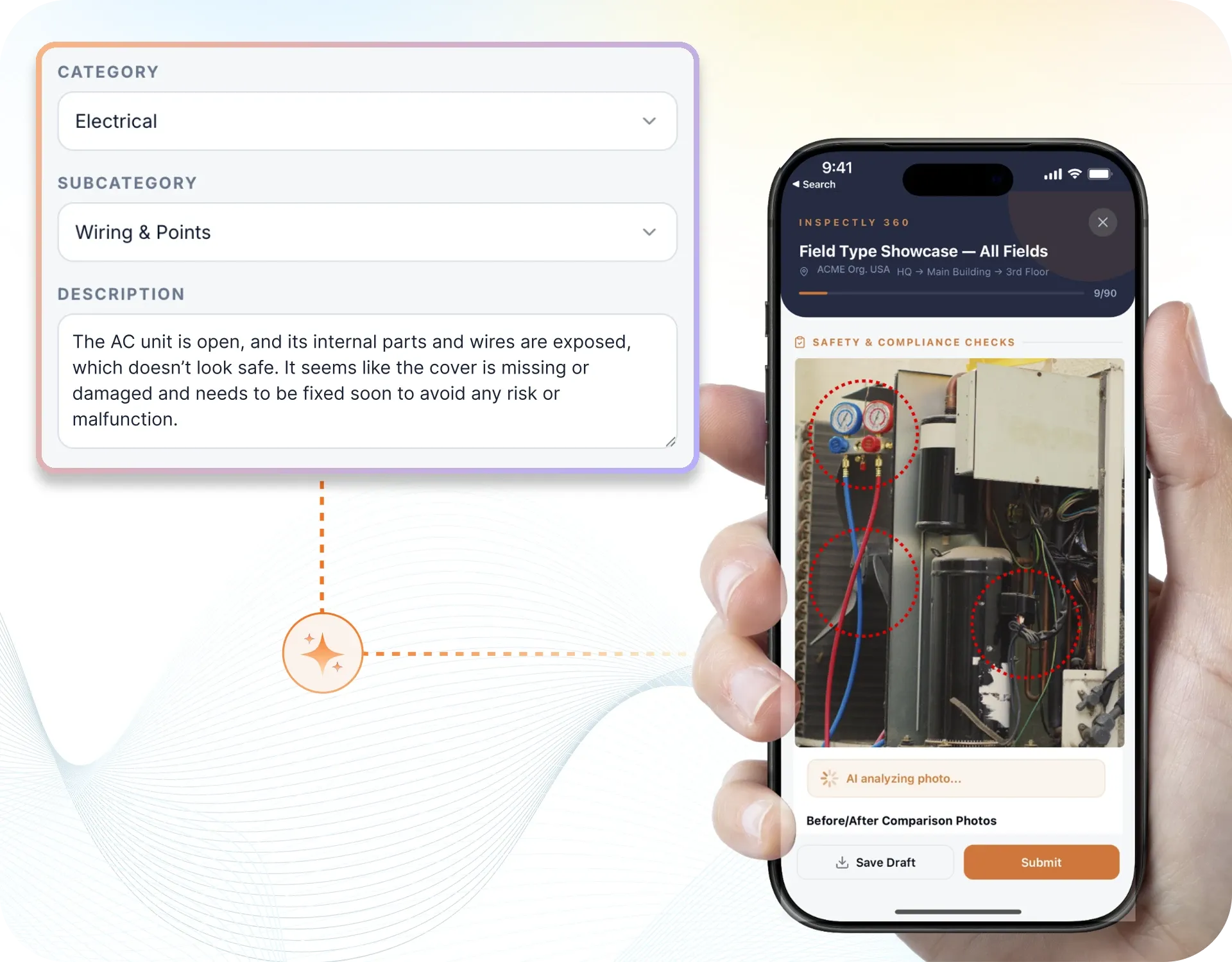
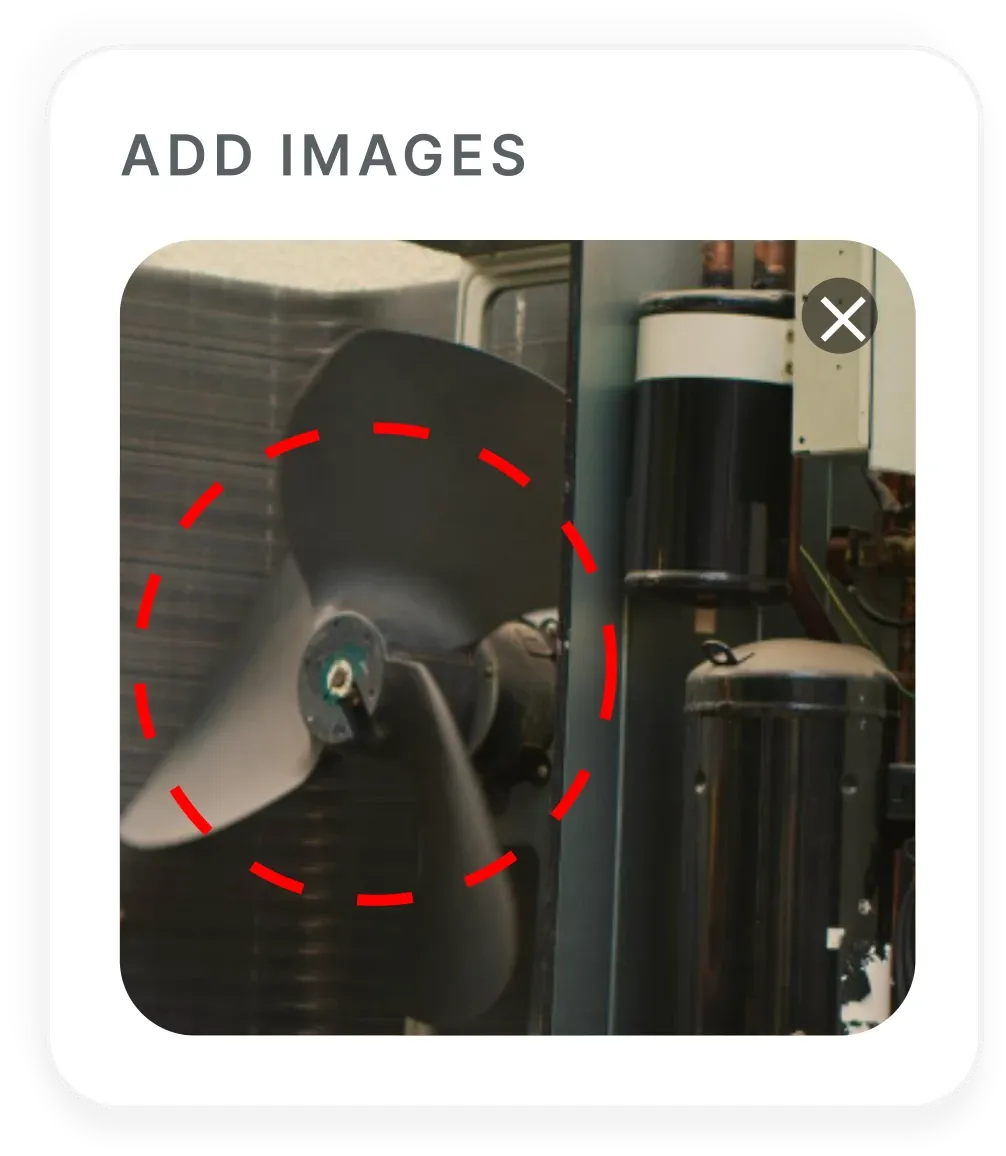
Your inspector takes a photo of any asset or defect. AI reads it and fills the inspection form automatically. No typing. No manual entry.

Convert your checklist into Mobile App
One QC platform for manufacturing operations leaders running incoming, in-process, final, and supplier inspections across multi-plant networks. Every batch carries traceable evidence, every NCR routes to a verified CAPA, and every defect feeds SPC the same shift it was found.
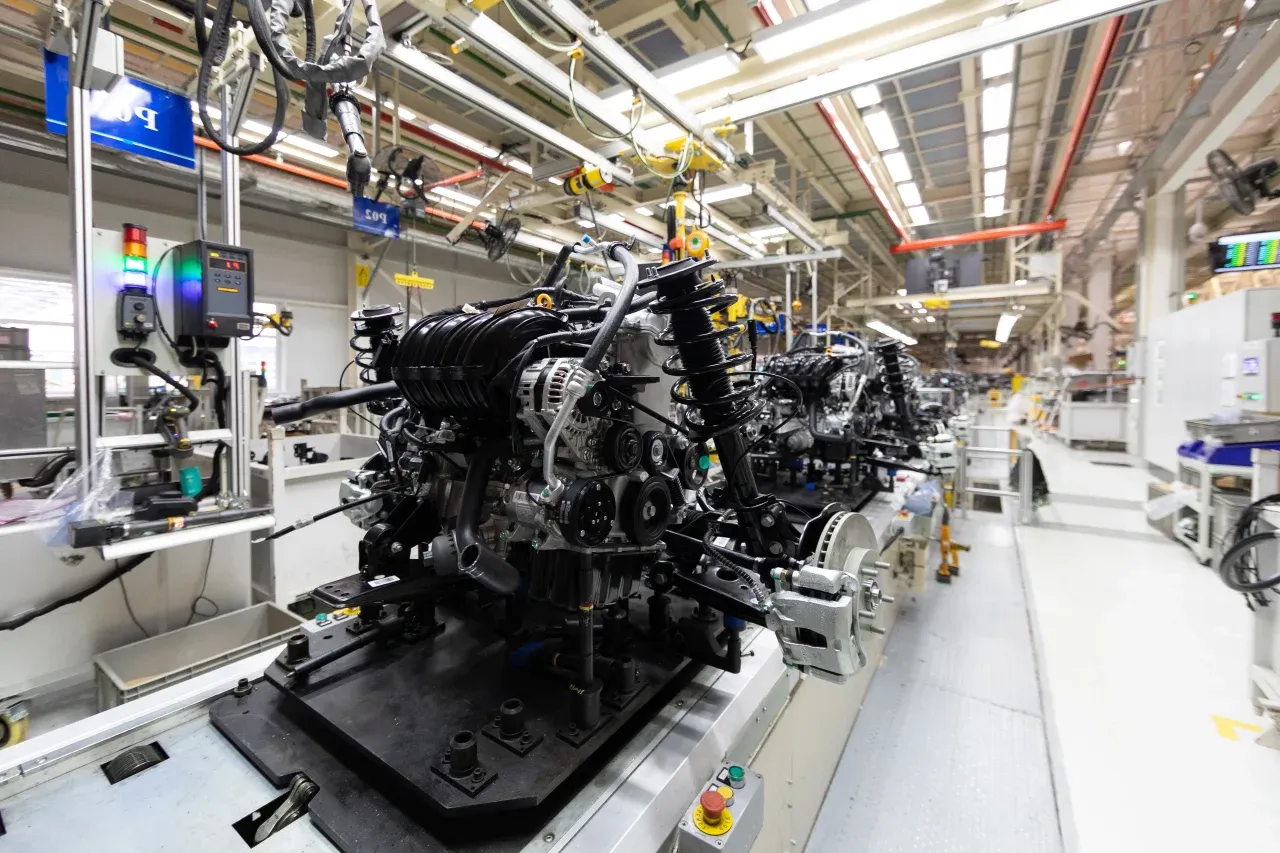
Centered on in-process and first-article checks, non-conformance, and CAPA. Quality control software is a mobile-first system that runs incoming inspection, in-process checks, final QC, supplier audits, and non-conformance management across every line and plant in a manufacturing network. It replaces paper QC tickets, line-side clipboards, and offline NCR spreadsheets with one structured record aligned to ISO 9001, IATF 16949, AS9100, and customer-specific quality requirements.
Available on Mobile
Inspect on iOS and Android with no internet required. Capture photos, let AI flag defects, and generate audit-ready reports in the field.
For line operators and quality technicians, the platform replaces written log sheets with offline-first capture on rugged Android, iPad, and shop-floor tablets. The work order opens the linked checklist, AI Visual Inspection flags surface defects and assembly errors from the photo, and Voice AI records the operator's observation while the part is still on the bench. Measurements with USL / LSL feed an SPC chart that updates the same shift.
What changes once quality control & assurance runs on one mobile-first platform.
Quality programs roll out plant by plant: start with the inspection layer the line operator touches every shift, then layer NCR, SPC, and supplier discipline before deeper ERP and MES connections go live.
Convert incoming inspection plans, in-process control plans, final QC checklists, and supplier audit templates into versioned digital programs with required photo evidence, measurement fields, USL / LSL, AQL sampling, and conditional logic. The library becomes the corporate quality standard rather than a plant interpretation of it.
Tie every inspection to a work order, batch number, supplier lot, and operator identity. QR or NFC at the line opens the correct plan; full forward-and-backward traceability becomes a property of the data model rather than a reporting project.
Failed items raise an NCR with cause class, disposition (use-as-is, rework, scrap, return-to-supplier), and severity. The 8D or CAPA workflow opens automatically for critical defects and feeds verified closure back to the originating batch and the supplier scorecard.
Every measurement with control limits flows to an SPC chart that updates the same shift. Out-of-control patterns trigger the documented reaction plan; trend signals get to the process engineer before the line produces scrap.
Push NCR, batch, and lot status into SAP QM, Oracle Quality, or the corporate MES. Pull part master, specification, and customer drawing references from PLM so inspectors see the latest revision on the device they already hold.
Quality control inspection checks incoming and in-process QC, finished-goods inspection, NCR and CAPA status, gauge and instrument calibration, sampling and AQL adherence, and documentation and traceability. Quality managers and QC teams capture a photo and a reading on each point, offline where signal is poor, and a named reviewer signs the round off, so every manufacturing record proves what was checked, when, and by whom, and stays aligned to ISO 9001, ANSI/ASQ Z1.4, and GMP.
Templates align to ISO 9001, ANSI/ASQ Z1.4, GMP.
Everything your field team does on paper, Inspectly360 does automatically: faster, more accurate, and without the admin.
Your inspector takes a photo of any asset or defect. AI reads it and fills the inspection form automatically. No typing. No manual entry.
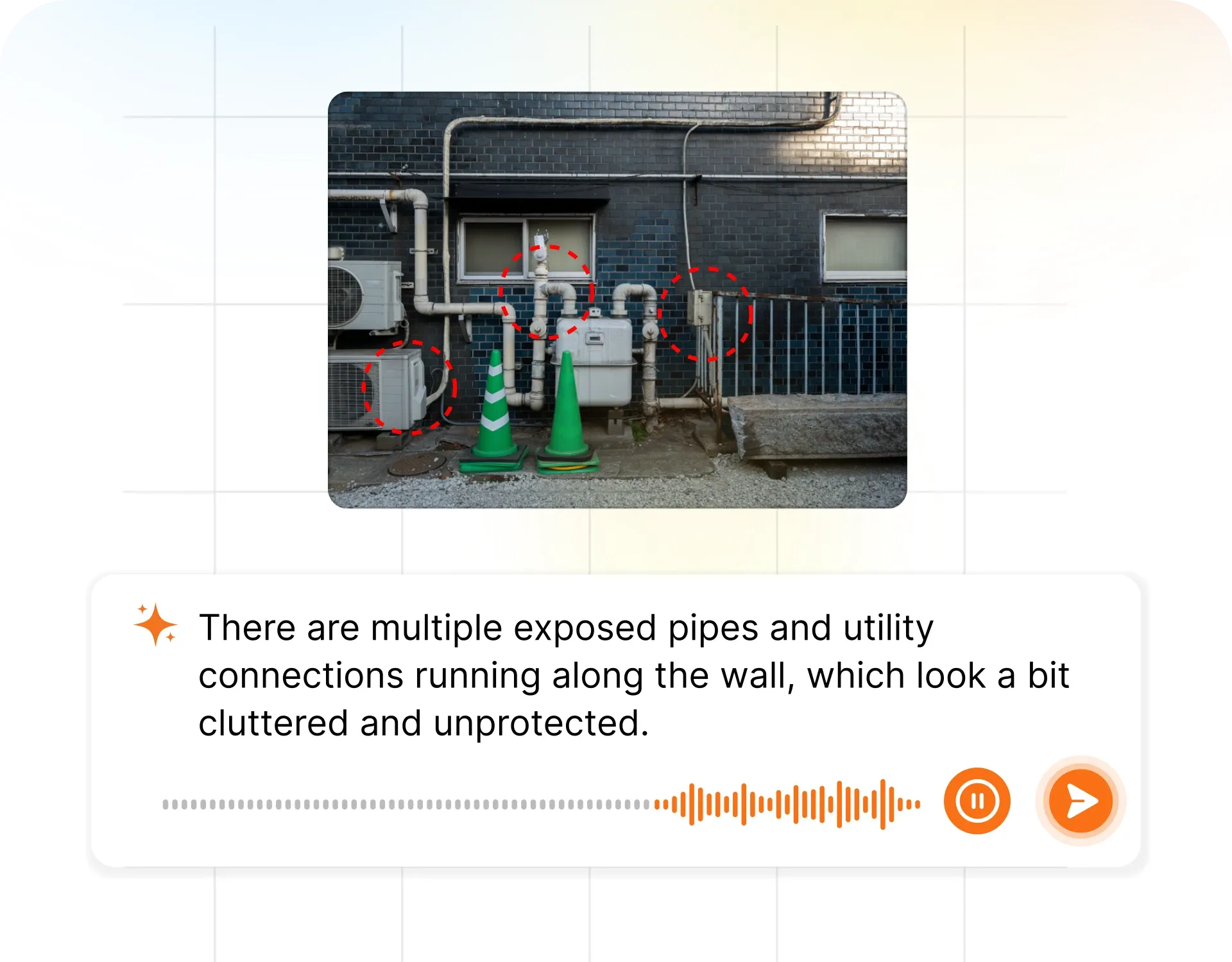
Inspectors speak their observations in any language. AI transcribes and fills the form in real time. Completely hands-free in the field.
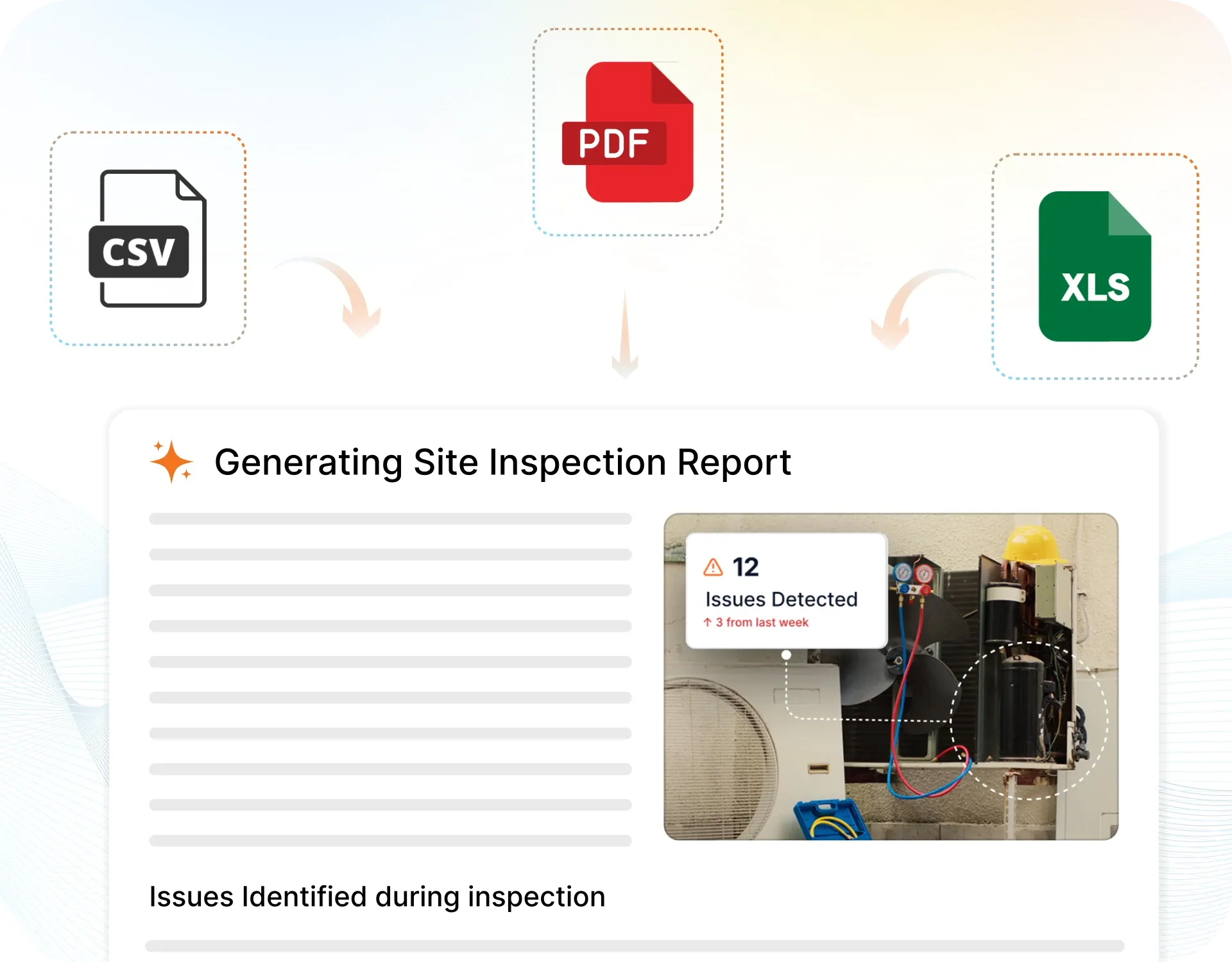
The moment an inspection is submitted, a branded PDF, Excel, or CSV report generates automatically. No manual work. No waiting.
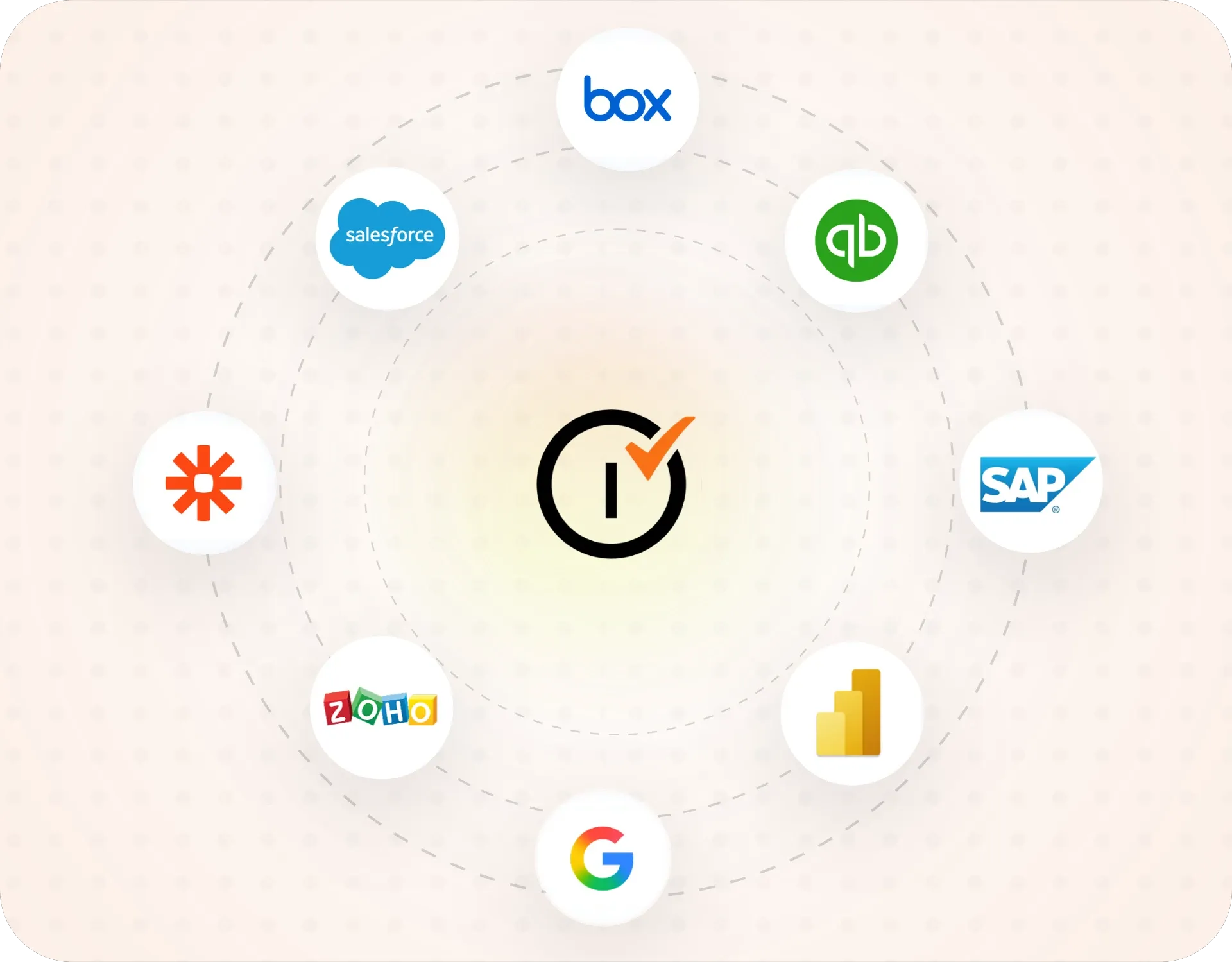
Inspectly360 integrates with the tools your team already uses, including Zoho, Microsoft 365, and SAP. No double entry.
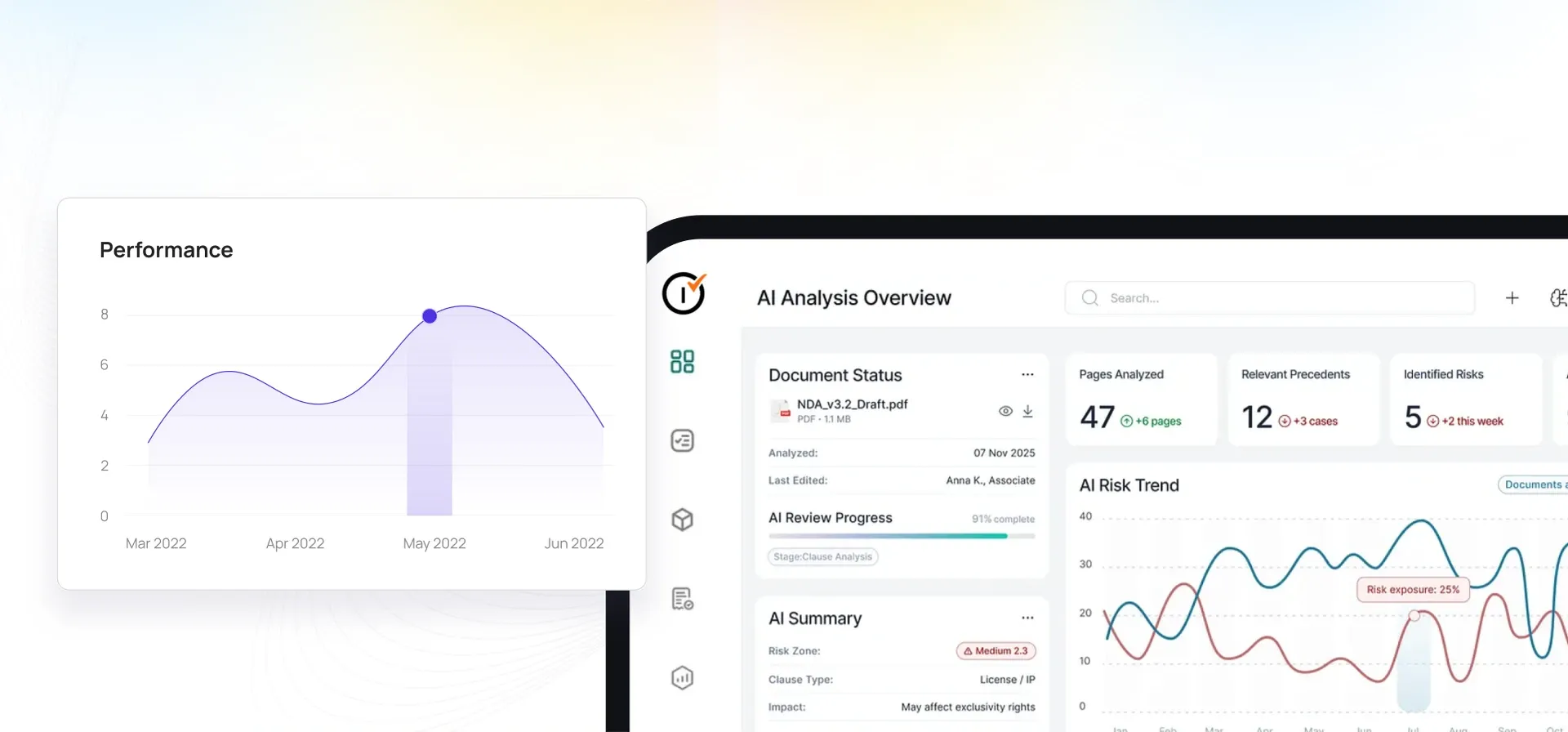
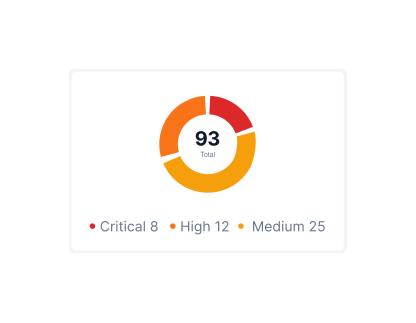
Your operations team sees completion rates, open issues, and compliance scores across all sites in real time. No chasing updates.
Manage every checklist in one connected workspace, capture evidence on mobile at the point of work, and let AI turn field inputs into clear, stakeholder-ready reports in minutes.

See which checklists your team has in progress across every site, jump into the same inspection with one tap, and keep field, supervisor, and back-office views in sync without sending screenshots on WhatsApp.


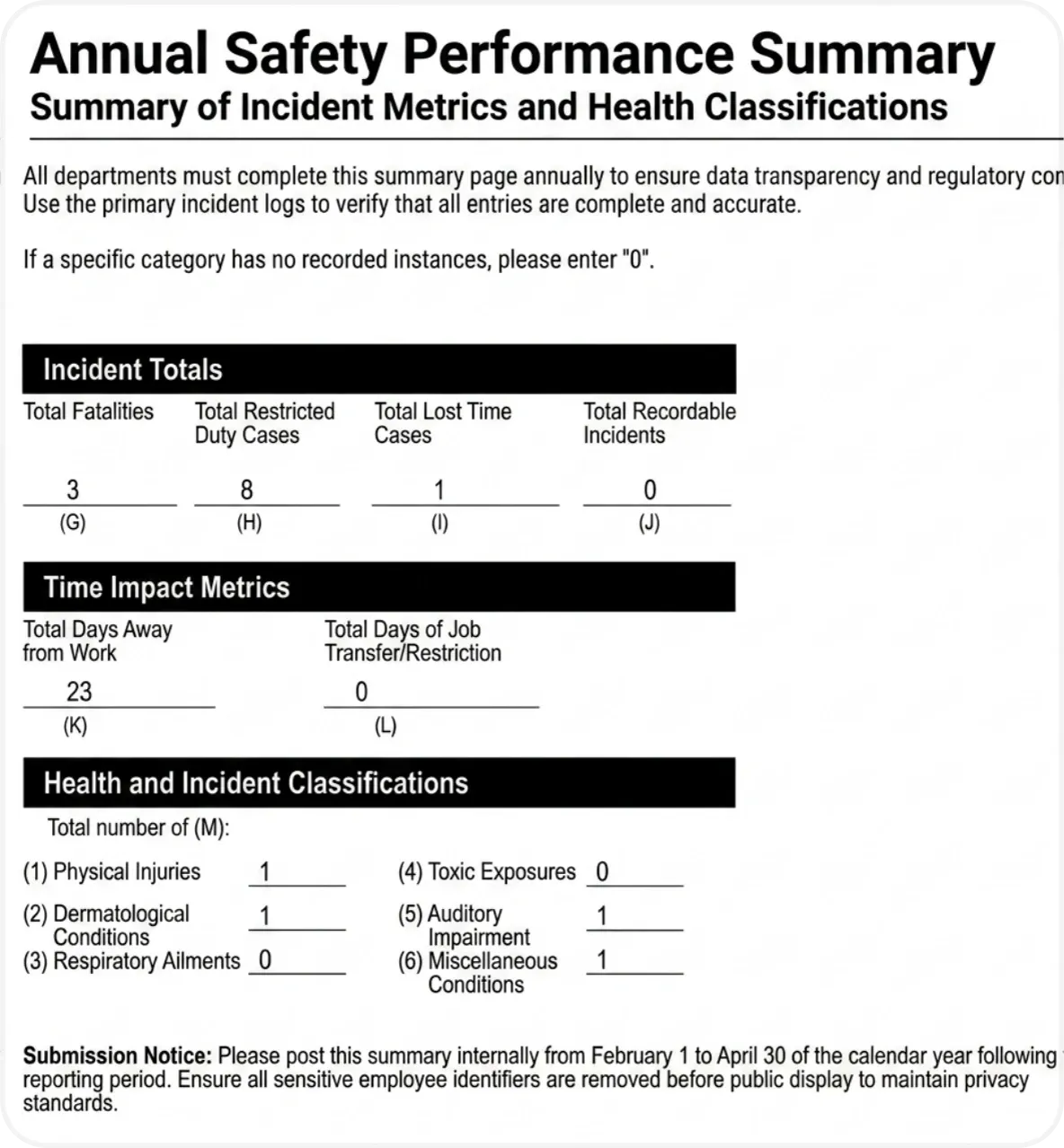


Every team reports differently. Build the report your operations, quality, or compliance leads actually want to read, share it as a branded PDF, and schedule delivery to the stakeholders who need it.

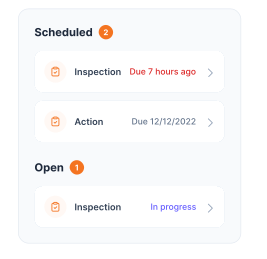

See completion, pass rate, and recurring findings across every checklist and every site, without pulling spreadsheets together at the end of the month.
What changes once quality control & assurance is standardised on Inspectly360.





“Inspectly360 transformed how we manage site safety inspections. The offline capability alone saved us countless hours. Our compliance rate jumped from 72% to 96% in just three months.”
Sarah Mitchell
Meridian Construction Group

“The AI-powered defect detection has changed how we work. Our inspectors capture photos and the system flags issues we'd have missed. It's like having an expert reviewer on every site visit.”
James Chen
Pacific Manufacturing Co.
“Rolling out digital checklists across multiple projects gave us instant visibility into recurring safety issues. We now resolve critical findings in hours instead of days.”
Olivia Carter
Northbridge Infrastructure
Get started with inspection and audit checklist templates.

Use this Shift Start Production Readiness inspection to verify critical checkpoints and safety controls, compliance records and sign-off and corrective actions with photo evidence…

Use this End of Shift Shutdown & Handover inspection to verify critical checkpoints and safety controls, compliance records and sign-off and corrective actions with photo evidence…
Use these apps to run inspections and audits.

by Inspectly360
Quality checks with pass/fail, defect logging, and trends.

by Inspectly360
QA/QC inspections with criteria, evidence, and reports.

by Inspectly360
Improve manufacturing quality control with defect tracking and corrective workflows.

by Inspectly360
Track defects from detection to verified closure with ownership, SLA timelines, and proof.

by Inspectly360
Digitize quality audit workflows with forms, evidence capture, and automated reporting.
Measurement points, control limits, subgroup definitions, and reaction-plan flags export via REST API in JSON or CSV, and via scheduled exports for plants that prefer batch ingestion into Minitab, JMP, InfinityQS, or an internal SPC tool. Subgroup metadata (part number, operator, equipment, work order, batch, drawing revision) carries through, so the receiving system reconstructs the same chart Inspectly360 displays. Plants that have not yet selected an SPC tool can use the built-in X-bar R, X-bar S, individual, and attribute charts directly with Cp, Cpk, Pp, Ppk, and Western Electric rule detection. The choice is not exclusive; many customers stream live data to both surfaces during transition.
Each supplier record carries qualification status, PPAP currency, audit findings, incoming reject rate, NCR cycle time, on-time-in-full from the ERP integration, and customer-complaint linkage. The scorecard renders a continuous score and a risk band (low, medium, high, critical) with configurable weights per category, because automotive PPAP weighting differs from electronics first-pass-yield weighting differs from food-grade certification weighting. Supplier-quality engineers can override the default weights per commodity. The scorecard updates continuously, gates new orders against threshold rules where configured, and is visible to the supplier in their scoped portal so quality conversations open on the same numbers both sides see.
An NCR raises when an inspector fails an item beyond the disposition threshold or a customer complaint links to a batch. The NCR carries severity, cause class (material, method, machine, manpower, measurement, environment), and a proposed disposition (use-as-is, rework, scrap, return-to-supplier) reviewed by the disposition authority. Critical NCRs auto-open an 8D worksheet (D1 team, D2 problem description, D3 containment, D4 root cause, D5 corrective action, D6 verification, D7 prevent recurrence, D8 closure) or a CAPA depending on the program. Verified closure requires evidence reviewed by a named approver. Recurring defects on the same part, batch, supplier, or process surface automatically, so failure modes that should already be controlled stop hiding.
Every inspection binds to the work order, batch number, supplier lot, operator identity, equipment ID, and drawing revision at capture. The data model maintains forward traceability (where the batch shipped) and backward traceability (which raw lots fed it) without requiring manual reconciliation. When a customer reports a field failure, the investigation pulls every inspection, NCR, CAPA, and measurement point tied to the cited batch, including the operator who passed it and the SPC chart that recorded the measurement. The same record satisfies IATF 16949, AS9100, and pharmaceutical lot-traceability requirements without retyping.
Yes. Inspection plans support ANSI/ASQ Z1.4 (attribute sampling) and Z1.9 (variable sampling) tables with configurable lot size, AQL, and switching rules (normal, tightened, reduced). The plan auto-calculates sample size and accept-reject numbers from lot size at capture, so the inspector receives the correct sampling instruction without consulting a binder. Audit-grade event logs record the lot size, the sampling plan applied, the actual samples taken, and the accept-reject result, which is what customer auditors and regulators expect to find when sampling discipline is challenged. Custom sampling plans (C=0, Squeglia) are configurable for customers with specific contractual requirements.
Inspection results, NCR status, quality holds, and supplier scorecard data push to SAP QM, Oracle Quality, or Plex via REST API and pre-built connectors. Part master, batch master, work-order context, supplier master, and drawing revision pull back so inspectors see the latest specification without leaving the device. Where the ERP holds Quality Notification (QM02) records, NCR and CAPA workflows can be wired bidirectionally so a quality hold in Inspectly360 propagates to ERP and an ERP-side disposition lands back on the originating NCR. The ERP remains the system of record; Inspectly360 produces the defensible field layer the ERP cannot capture.
See Inspectly360 in action with a live demo tailored to your needs. No credit card required.