Convert your checklist into Mobile App

Contact Now

Snagging Inspection Software

Snagging inspection software for project managers running pre-handover snag walks, with trade, owner, deadline, and photo-verified closure on every defect.

Quick Answer

Snagging inspection software is a mobile-first system that runs the pre-handover walks, post-completion punch lists, de-snagging rounds, and defects liability period inspections behind every construction handover, replacing clipboard punch lists, WhatsApp photo threads, and Excel snag registers with one defensible record the contract administrator accepts. Inspectly360 is built for project managers, site engineers, and handover teams on multi-unit residential, commercial fit-out, retail rollout, and capital projects where two hundred snags get raised in a single walk and the handover date is non-negotiable.

AI-Powered Features for Your Field Workflows

Everything your field team does on paper, Inspectly360 does automatically: faster, more accurate, and without the admin.

Take a Photo. AI Fills the Form illustration

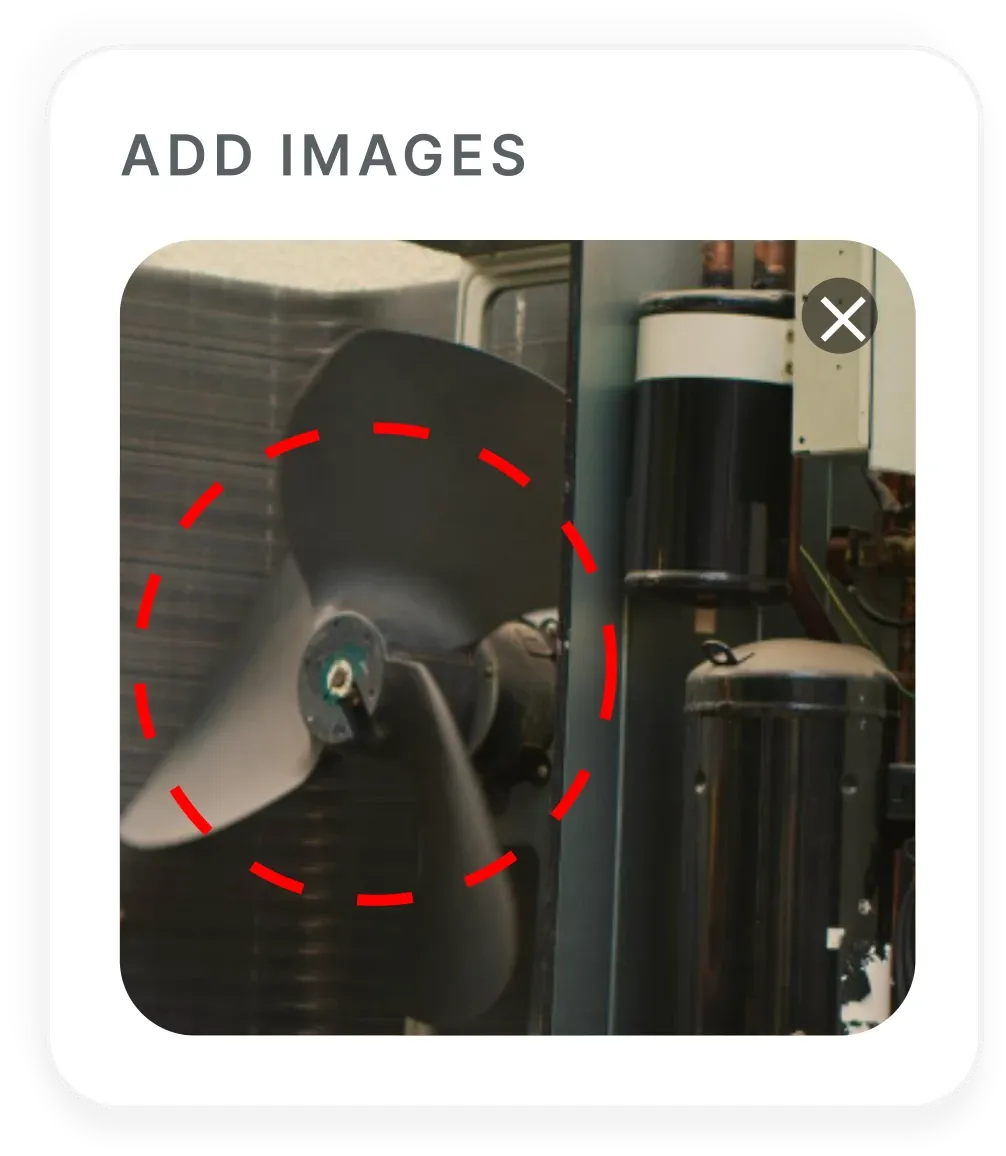
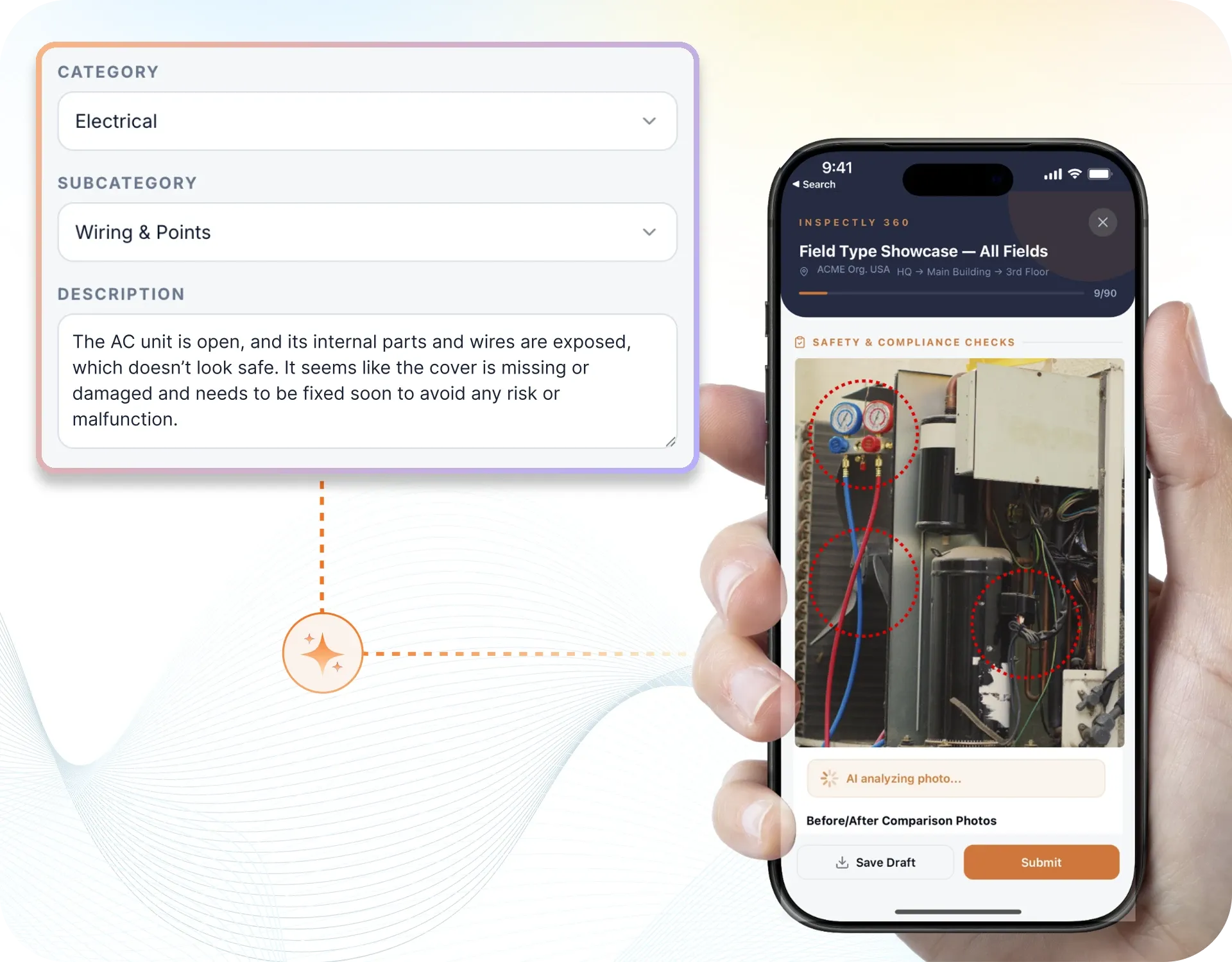
Take a Photo. AI Fills the Form

Your inspector takes a photo of any asset or defect. AI reads it and fills the inspection form automatically. No typing. No manual entry.

Speak. AI Writes It Down illustration

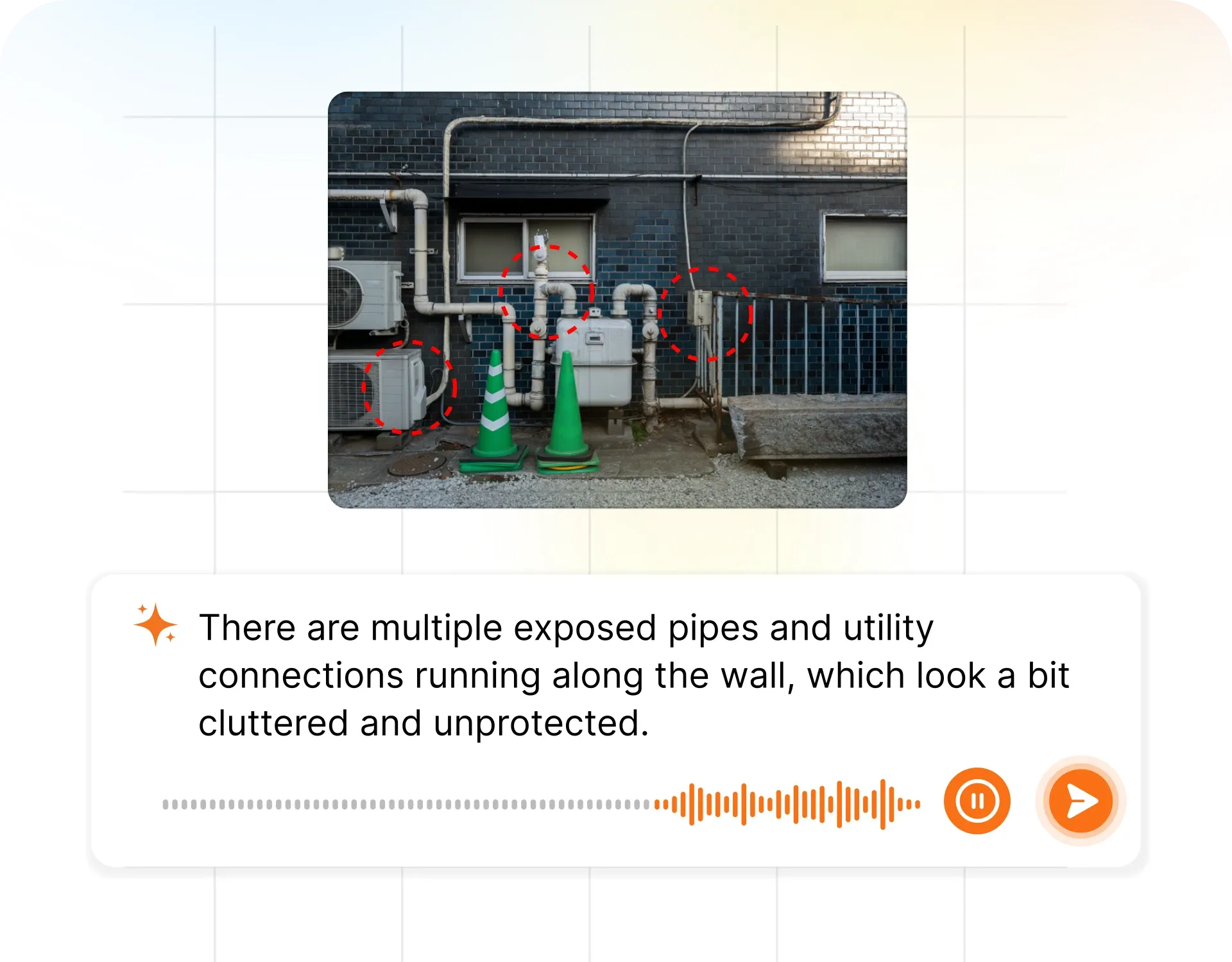
Speak. AI Writes It Down.

Inspectors speak their observations in any language. AI transcribes and fills the form in real time. Completely hands-free in the field.
Inspections Done. Report Ready illustration

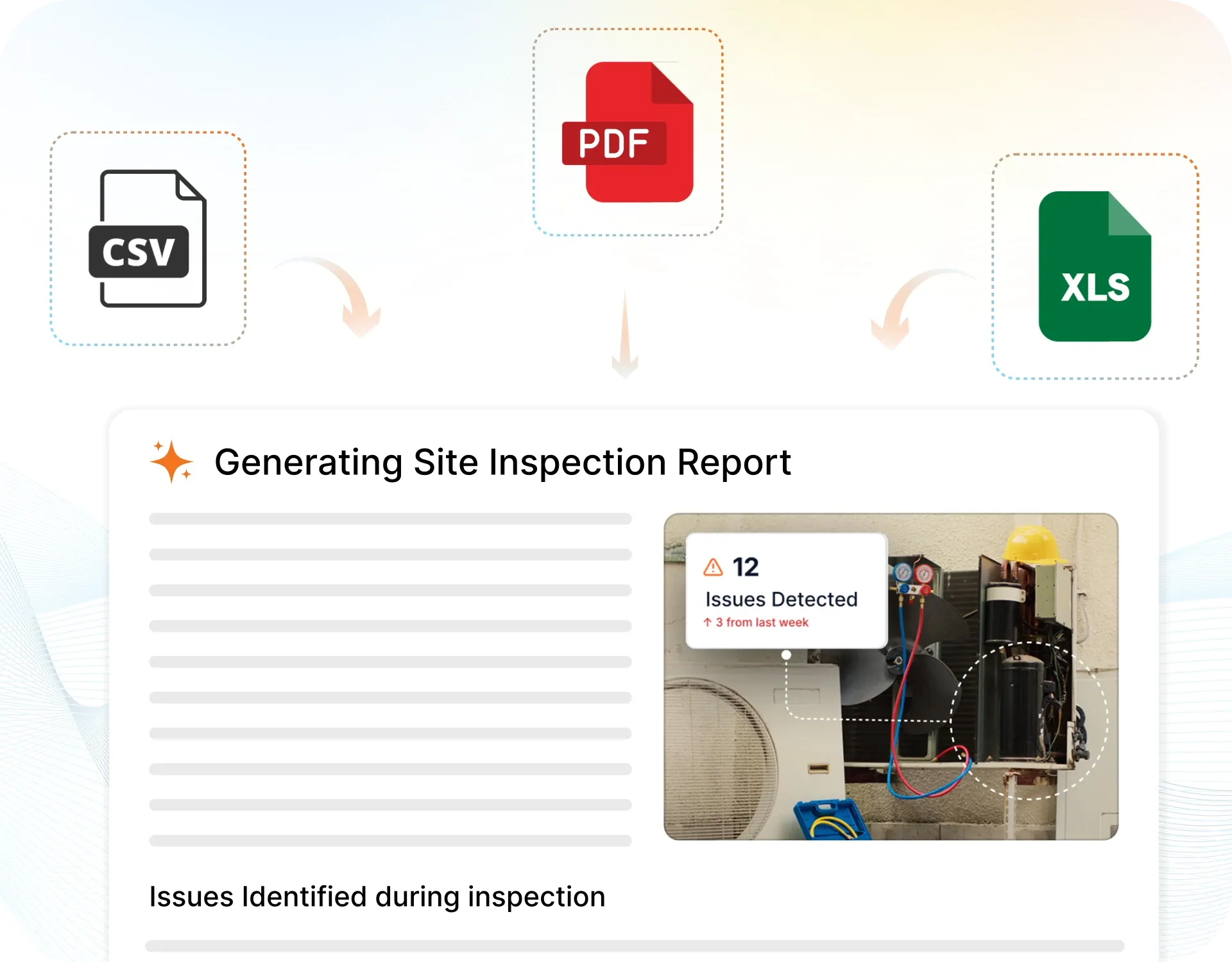
Inspections Done. Report Ready.

The moment an inspection is submitted, a branded PDF, Excel, or CSV report generates automatically. No manual work. No waiting.
Connect Your Existing Tools illustration

Connect Your Existing Tools.

Inspectly360 integrates with the tools your team already uses, including Zoho, Microsoft 365, and SAP. No double entry.
Live Dashboard. Every Site. Always On illustration

Live Dashboard. Every Site. Always On.

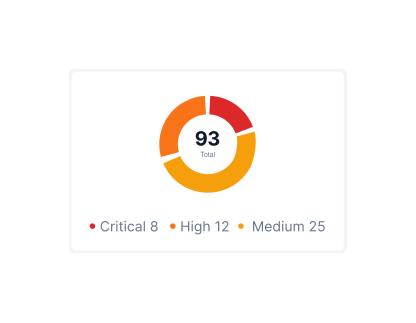
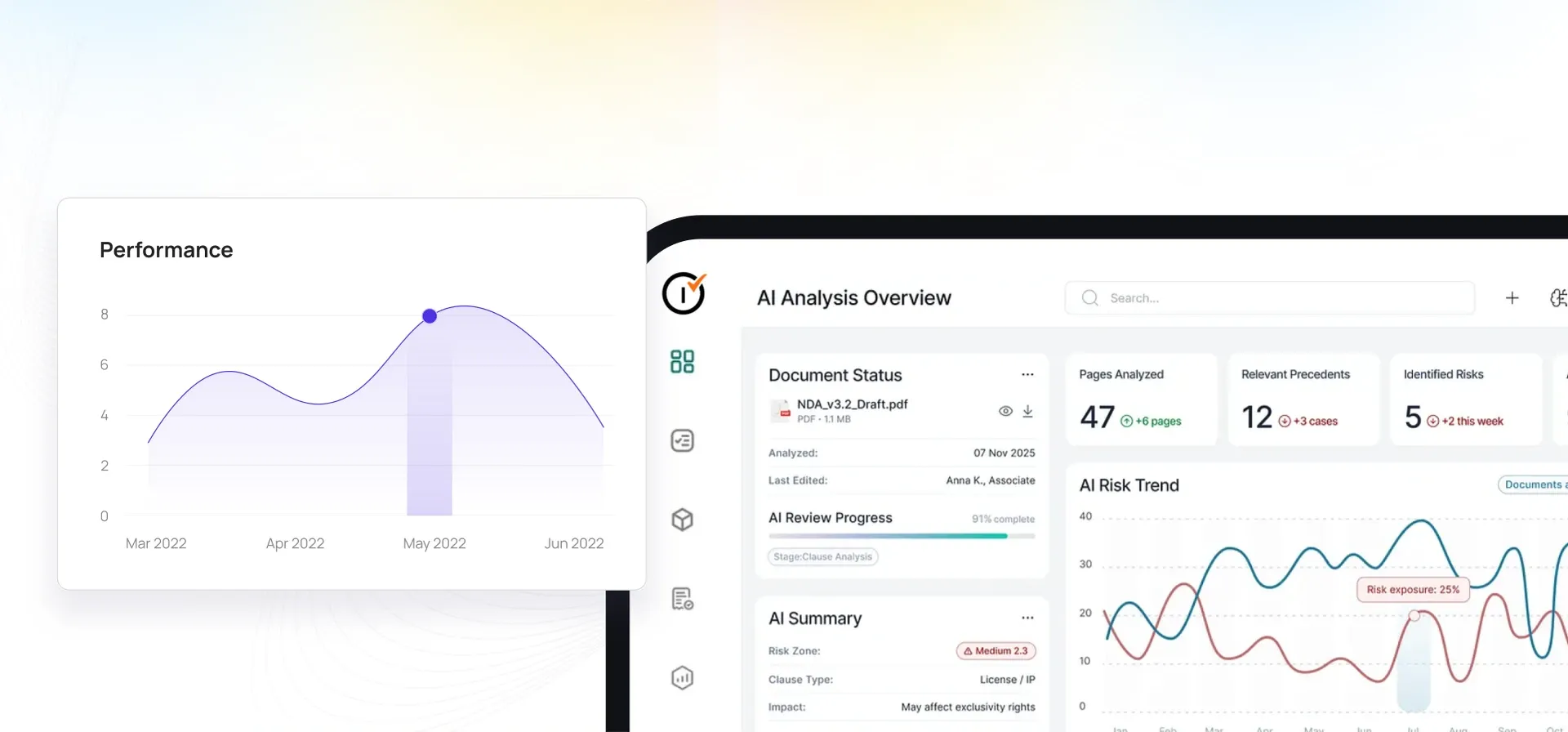
Your operations team sees completion rates, open issues, and compliance scores across all sites in real time. No chasing updates.

Before and After Inspectly360

What changes once snagging inspection software runs on one mobile-first platform with photo proof and live dashboards.

Before Inspectly360

  • Punch walks generate hundreds of phone photos the PM scrolls through after hours. Snag categorisation is inconsistent (one inspector marks 'paint defect', another marks 'finishing'), so the trade report is wrong before it goes out. Items get missed because volume is the problem, not skill.
  • Snags assigned by name in WhatsApp groups. Subcontractors close items by replying with a photo. Nobody verifies the fix. The same snag re-appears at the de-snagging walk because the closure was never inspected.
  • Client walks the unit, raises items on a clipboard, hands the clipboard to the PM. The list is re-typed into Excel that night, lost in a folder, and the client signs handover with a feeling rather than evidence. Disputes after handover become a he-said situation.
  • Defects raised during the 12-month DLP are contested with verbal recollection and email screenshots. NEC and JCT contract evidence requires manual reconstruction the week before any meeting with the contractor; DLP claims drop because the proof is too expensive to build.
  • Snag findings stay in one tool; RFIs and document control stay in Procore, Aconex, or PlanRadar. Handover happens by email; data drifts between systems and a defect raised on Tuesday is invisible to the project controls team until Friday.

After Inspectly360

  • AI Visual Inspection suggests defect category (paint, plaster, MEP, joinery, glazing, sanitaryware, flooring) from the photo. Voice AI transcribes the spoken observation. Inspector confirms in one tap. A 400-snag walk closes in the time the paper version took for 100.
  • Every snag carries trade, named subcontractor, deadline, severity, and a required photo-verified closure gate. Subs see only their assigned items via scoped mobile access. Re-open rate becomes a tracked metric per trade, not a footnote.
  • Client signs the snag on the device, the closure photo carries timestamp and geofenced location, and the handover pack exports as a branded PDF the moment the final item closes. Client signs handover on data the contract recognises.
  • Every DLP defect carries timestamp, location, photo evidence, contractor sign-off, and a link to the original handover record. NEC, JCT, and FIDIC contract evidence assembles in seconds. DLP claims close in days rather than months.
  • Failed snag items push to Procore, Aconex, PlanRadar, Autodesk Construction Cloud, and BIM 360 as issues with photo evidence and location. Project management stays the contract record; Inspectly360 produces the field snag layer it lacks.

What Is Snagging Inspection Software, and How Do Project Managers Use It Across Handover Programmes?

Snagging inspection software is a mobile-first system that runs the pre-handover walks, post-completion punch lists, de-snagging rounds, and defects liability period inspections behind every construction handover, replacing clipboard punch lists, WhatsApp photo threads, and Excel snag registers with one defensible record the contract administrator accepts. Inspectly360 is built for project managers, site engineers, and handover teams on multi-unit residential, commercial fit-out, retail rollout, and capital projects where two hundred snags get raised in a single walk and the handover date is non-negotiable.

For the field team, the platform replaces taped-up paper lists and phone galleries with offline-first capture on Android and iOS. The inspector points the phone, AI Visual Inspection suggests defect category from the photo (paint defect, plaster crack, MEP leak, joinery alignment, glazing scratch, flooring scratch, sanitaryware damage), Voice AI transcribes the spoken observation, and the snag closes on the device with trade, severity, and required closure evidence already attached. Sync happens when the building returns to coverage.

For management, every snag becomes a tracked task with owner, deadline, escalation rules, and required photo-verified closure. Subcontractor scorecards update from real closure data per trade and per project. Handover packs and DLP defect registers generate from the same record the field captured throughout the project, so substantial completion lands on the contracted date rather than two weeks later.

  • NEC contract frameworks reference the inspection and defects-liability evidence Inspectly360 supports: NEC Contracts
  • JCT standard form contracts reference snagging, handover, and DLP evidence requirements: JCT — Joint Contracts Tribunal
  • Residential snagging templates align with NHBC Standards for new homes warranty compliance: NHBC Standards

How Does a Snagging Programme Run from Pre-Handover Walk to Verified Closure?

Handover teams standardise this five-step loop across residential blocks, fit-out floors, and capital project zones.

  1. 1

    Digitise the Snag Template Library

    Import existing pre-handover, de-snagging, and DLP punch list templates by trade (paint, plaster, MEP, joinery, glazing, flooring, sanitaryware, external works) into versioned digital programmes with required photo evidence, severity rules, and trade tags. The library becomes the project quality standard, not a regional interpretation of it.

  2. 2

    Map Units, Zones, and Trades

    Define the project structure once: blocks, floors, units, rooms, common areas, and trades by package. Each snag attaches to a specific room and trade so the report a subcontractor sees on Monday morning is the work the subcontractor signed up to deliver.

  3. 3

    Assign Walks and Configure RBAC

    Push pre-handover and de-snagging walks to site engineers, snagging consultants, and clerk-of-works inspectors with due dates. Subcontractors get scoped mobile access to their assigned trade only. Geofencing validates physical attendance on the unit before sign-off.

  4. 4

    Run the Walk with AI Snag Detection Offline

    Inspector captures snags offline in lift cores, basements, and dead-zone units. AI Visual Inspection suggests defect category from the photo and Voice AI transcribes the observation. Client walks the unit with the inspector and signs each snag on the device; handover begins with the same record both parties agreed on.

  5. 5

    Close Out with Verified Closure and Handover Pack

    Subcontractors close snags with required photo evidence; the inspector verifies and signs off. Handover packs, DLP defect registers, and Procore or Aconex pushes generate from the same record. Substantial completion lands on the contracted date.

How Should Construction Directors Pilot Snagging Inspections Without Disrupting Handover Dates?

Answers to common long-tail questions, kept on one canonical page to avoid thin duplicate URLs.

Where Do Snagging Inspection Software, Procore, and Aconex Fit Together?

Inspectly360 sits as the field snag and handover evidence layer beside the systems of record construction teams already run. Procore, Aconex, PlanRadar, and Autodesk Construction Cloud continue to hold RFIs, drawings, submittals, and document control. BIM 360 continues to hold model coordination. Inspections feed both directions: failed snag items create issues in Procore, Aconex, PlanRadar, or BIM 360 via REST API with photo evidence and location, and unit master data flows back so the inspector sees the trade package and contractor when they open the unit. Nothing about the project management investment is wasted; the field snag layer those systems lack is added on top.

What Should Construction Directors Validate During Procurement?

Procurement and corporate IT should validate five enterprise requirements before any rollout decision: SSO via SAML or OIDC into Microsoft Entra ID, Okta, or Google Workspace; RBAC granular enough to scope a subcontractor to their assigned trade and units only; offline mobile capture verified in a real lift core or basement rather than a demo room; configurable data retention aligned to the 12-year DLP under JCT (or 6-year limitation period under NEC); and an integration path documented for the project management platform already in place. Validate these during the pilot rather than after; they are the most common late-stage disqualifiers when teams skip them up front.

Security, Client Data Residency, and Audit Posture

Production snagging programmes carry client purchaser data, subcontractor PII, and handover records that auditors and the contract administrator may request years later. Inspectly360 supports configurable retention (commonly 12 years for residential JCT, 6 years for NEC), audit-grade event logs, encrypted at-rest evidence, and regional data residency for organisations bound by GDPR, ISO 27001, or local building regulation. Permission boundaries between PMs, site engineers, subcontractors, snagging consultants, and clients are enforced server-side rather than in the UI, which matters when one developer runs multiple concurrent projects with different contractor groups.

Migration from Excel Snag Lists and WhatsApp Photo Threads

Historical snag registers rarely need re-typing. The pilot starts forward-looking on new digital walks while existing Excel snag lists, clipboard PDFs, and WhatsApp photo threads are batch-imported as searchable evidence against the same block, floor, or unit. Subcontractor contact data, NEC and JCT contract milestones, and DLP start dates seed from the current project record. Field teams keep the clipboard backup for the first two walks so adoption is built on confidence rather than mandate.

Which Capabilities Help Site Teams Capture, Assign, and Close Snags Faster?

The platform capabilities that power snagging inspection software across every site.

Ready to Move Snagging Inspection Off Paper?

Book a Free Demo

How Is This Different from Excel Punch Lists, WhatsApp Photos, and Generic Forms Apps?

Project managers comparing Inspectly360 to Excel snag lists, WhatsApp photo threads, and generic forms apps care about five things: whether a 400-snag punch walk closes faster than a 40-snag one used to, whether subcontractors can actually be held to a deadline, whether the client signs handover on data instead of dispute, whether the defects liability period has evidence the contract requires, and whether the snag record connects to the project management stack already in place.

TopicTypical GapsWith Inspectly360
Punch walk speed and AI snag categorisationPunch walks generate hundreds of phone photos the PM scrolls through after hours. Snag categorisation is inconsistent (one inspector marks 'paint defect', another marks 'finishing'), so the trade report is wrong before it goes out. Items get missed because volume is the problem, not skill.AI Visual Inspection suggests defect category (paint, plaster, MEP, joinery, glazing, sanitaryware, flooring) from the photo. Voice AI transcribes the spoken observation. Inspector confirms in one tap. A 400-snag walk closes in the time the paper version took for 100.
Subcontractor accountability and verified closureSnags assigned by name in WhatsApp groups. Subcontractors close items by replying with a photo. Nobody verifies the fix. The same snag re-appears at the de-snagging walk because the closure was never inspected.Every snag carries trade, named subcontractor, deadline, severity, and a required photo-verified closure gate. Subs see only their assigned items via scoped mobile access. Re-open rate becomes a tracked metric per trade, not a footnote.
Client handover evidenceClient walks the unit, raises items on a clipboard, hands the clipboard to the PM. The list is re-typed into Excel that night, lost in a folder, and the client signs handover with a feeling rather than evidence. Disputes after handover become a he-said situation.Client signs the snag on the device, the closure photo carries timestamp and geofenced location, and the handover pack exports as a branded PDF the moment the final item closes. Client signs handover on data the contract recognises.
Defects Liability Period (DLP) evidence under NEC and JCTDefects raised during the 12-month DLP are contested with verbal recollection and email screenshots. NEC and JCT contract evidence requires manual reconstruction the week before any meeting with the contractor; DLP claims drop because the proof is too expensive to build.Every DLP defect carries timestamp, location, photo evidence, contractor sign-off, and a link to the original handover record. NEC, JCT, and FIDIC contract evidence assembles in seconds. DLP claims close in days rather than months.
Fit with Procore, Aconex, PlanRadar, and BIM 360Snag findings stay in one tool; RFIs and document control stay in Procore, Aconex, or PlanRadar. Handover happens by email; data drifts between systems and a defect raised on Tuesday is invisible to the project controls team until Friday.Failed snag items push to Procore, Aconex, PlanRadar, Autodesk Construction Cloud, and BIM 360 as issues with photo evidence and location. Project management stays the contract record; Inspectly360 produces the field snag layer it lacks.

What Changes for Project Managers, Site Engineers, Subcontractors, and Clients?

What changes once snagging inspection software is standardised on Inspectly360.

  • Project Managers: One rolled-up view of open snags, ageing items, subcontractor closure rates, and handover risk per block, ready for the project review without a Friday compile cycle.
  • Site Engineers: AI snag detection compresses punch walk effort so a 400-snag walk closes in the time the paper version took for 100. The walk ends with the report already published, not the report still being typed.
  • Snagging Consultants and Clerk-of-Works: Scoped mobile access to assigned units, AI-suggested categorisation, and photo-verified closure remove the data-entry overhead that consumed the second half of every survey day.
  • Subcontractors and Trades: Scoped access to their assigned snags only, photo-verified closure on the device, and a live scorecard they can see. No portfolio-wide visibility; no surprise renewal conversations.
  • Quantity Surveyors and Contract Administrators: NEC compensation event records, JCT defects schedules, and FIDIC defect notices assemble in seconds with timestamped evidence, not days with email reconstruction.
  • Developers and Clients: Client signs handover on the device with the same record the snagger captured; DLP claims close in days rather than months because the evidence chain was built from day one.
  • Construction Directors: Subcontractor scorecards drive the next tender; repeat-defect data drives the next quality plan; handover delay becomes a tracked metric per project rather than an end-of-project surprise.

Which Snagging Checklists Should Handover Teams Start With?

Get started with inspection and audit checklist templates.

View All Checklist Templates
Snagging Inspection Checklist
Snagging / Punch List

Snagging Inspection Checklist

Catch defects before handover and generate punch list reports in minutes. Room-by-room finish checks, evidence, and corrective actions.

52,000+GET
New Build Apartment Snagging Checklist
Snagging / Punch List

New Build Apartment Snagging Checklist

Pre-handover snagging for new build apartments. Room-by-room finish checks, MEP, and defect tracking before keys.

28,500+GET
Scaffolding Inspection Checklist
Safety Inspection

Scaffolding Inspection Checklist

Utilize this Scaffolding Safety Inspection Checklist to spot hazards, verify stability, and ensure compliance with safety standards before work begins.

19,800+GET
Field Service Report Form
Service Report

Field Service Report Form

Capture job details, measurements, work performed, photos, and sign-offs in one structured field service report form.

14,200+GET

Frequently Asked Questions About Snagging Inspection Software

How does snagging inspection software handle a 400-snag pre-handover walk in one shift?

The inspector walks the unit with the client and the site engineer, points the phone at each defect, and AI Visual Inspection suggests the defect category from the photo. Voice AI transcribes the spoken observation. One tap confirms. The snag closes on the device with trade tag, severity, room, deadline, and required closure evidence already attached. There is no end-of-day data entry because there is nothing left to enter; the walk ends with the report already published. On a typical block, the same team that used to clear 100 snags on a paper walk clears 400 on Inspectly360 in the same shift because the form-filling overhead is removed at capture rather than batched at the end.

Can subcontractors close snags on their own devices without seeing other trades' work?

Yes. Each subcontractor gets a scoped mobile account that surfaces only the snags assigned to their trade and their contract package. They upload photo evidence of the fix, respond to inspector comments, and download their own snag closure PDFs, but they cannot see other trades' work, other contract packages, or any commercial information unless those scopes are explicitly granted. RBAC is enforced server-side rather than only in the UI, so a tampered request cannot escalate visibility across trades. A subcontractor scorecard (snag count, closure time, re-open rate, repeat defect rate) is visible to the PM and the construction director.

How does the platform support NEC, JCT, FIDIC, and NHBC defects liability period evidence?

Every defect raised during the DLP carries timestamp, unit, room, photo evidence, contractor sign-off, and a link to the original handover record. NEC compensation event notices, JCT defects schedules, FIDIC defect notification letters, and NHBC defect claims assemble from the same data with different output formats. Retention is configurable per contract type (commonly 12 years for residential JCT, 6 years for NEC, varies for FIDIC). The contract administrator sees the same record the field captured rather than a reconstruction built the week before the meeting, which is what changes DLP outcomes.

How does AI suggest defect categories from photos, and what happens when it gets it wrong?

On-device AI matches inspector photos against trained defect categories (paint defects, plaster cracks, MEP leaks, joinery alignment issues, glazing scratches, sanitaryware chips, flooring damage, ceiling tile faults, electrical fixture damage). The suggestion appears with a confidence score and one-tap override; the inspector confirms or selects a different category. When confidence is low, the platform surfaces the alternative categories rather than committing to a wrong one. Misclassifications feed back into the model over time per project quality plan, so the AI becomes more accurate to the developer's specific defect language rather than a generic baseline.

How does the platform integrate with Procore, Aconex, PlanRadar, and BIM 360?

REST API integrations push failed snag items into Procore, Aconex, PlanRadar, Autodesk Construction Cloud, and BIM 360 as issues with photo evidence, room location, trade, and severity. The PM platform stays the single record for RFIs and document control; Inspectly360 produces the field snag layer those systems lack. The push runs in real time as snags raise on the device, so the project controls team sees the snag list update through the day rather than receiving it in a Friday email. Bidirectional sync keeps unit status, drawing references, and contract milestones aligned.

Does the platform handle multi-developer handovers where one block has multiple purchaser inspections?

Yes. Each unit can carry multiple linked snagging walks: the developer's pre-handover walk, the purchaser's home survey snag, the third-party snagging consultant's walk, and the final de-snagging walk. Each walk has its own template, its own inspector, and its own signed snag list. Items raised across walks consolidate against the unit record so the subcontractor sees one combined task list per unit rather than three separate emails. The audit trail records which walk raised which item, which is what protects the developer when the purchaser disputes whether a snag existed at original handover.

Less Paperwork. More Visibility.

See Inspectly360 in action with a live demo tailored to your needs. No credit card required.

  • 30 Days Free Trail
  • 1000+ Templates
  • Unlimited Integration