How does preventive maintenance help a hotel?
Scheduling checks per asset means faults are caught during planned maintenance rather than during a guest stay, so fewer rooms go out of service unexpectedly and fewer failures reach guests. A due or overdue task escalates so it is not forgotten when the team is busy, and each check is evidenced. This keeps assets serviced ahead of failure, which protects both room availability and the guest experience, especially at peak occupancy when an out-of-service room is most costly. Shifting maintenance from reactive to planned is what lets a hotel avoid the disruptive, revenue-losing surprises that reactive repair inevitably brings.
How does scanning an asset help engineering?
Scanning an asset opens its full service history and the correct maintenance checklist, so an engineer works with accurate, asset-specific information and the completed check is tied to that exact unit. This keeps the maintenance record accurate and makes an asset's history easy to retrieve when planning a repair or replacement, removing the guesswork that a shared spreadsheet leaves behind. For a hotel with a large number of similar assets across many rooms and back-of-house areas, that precise, per-asset record is what allows maintenance to be managed properly rather than approximately, and it speeds up the engineer's work in the moment.
What happens when a check finds a fault?
A fault found during a preventive check becomes a tracked job with an owner and a due date, addressed before it affects a guest. Because the issue is captured with evidence and followed to closure, it is genuinely fixed rather than noted and forgotten, and if the same fault recurs on an asset the pattern is visible, prompting a more permanent solution such as replacement rather than repeated repairs. Catching and resolving faults on a planned check, before a guest ever encounters them, is precisely how preventive maintenance protects the guest experience while also reducing the long-run cost of running the same assets to failure.
Which hotel assets should be on preventive maintenance?
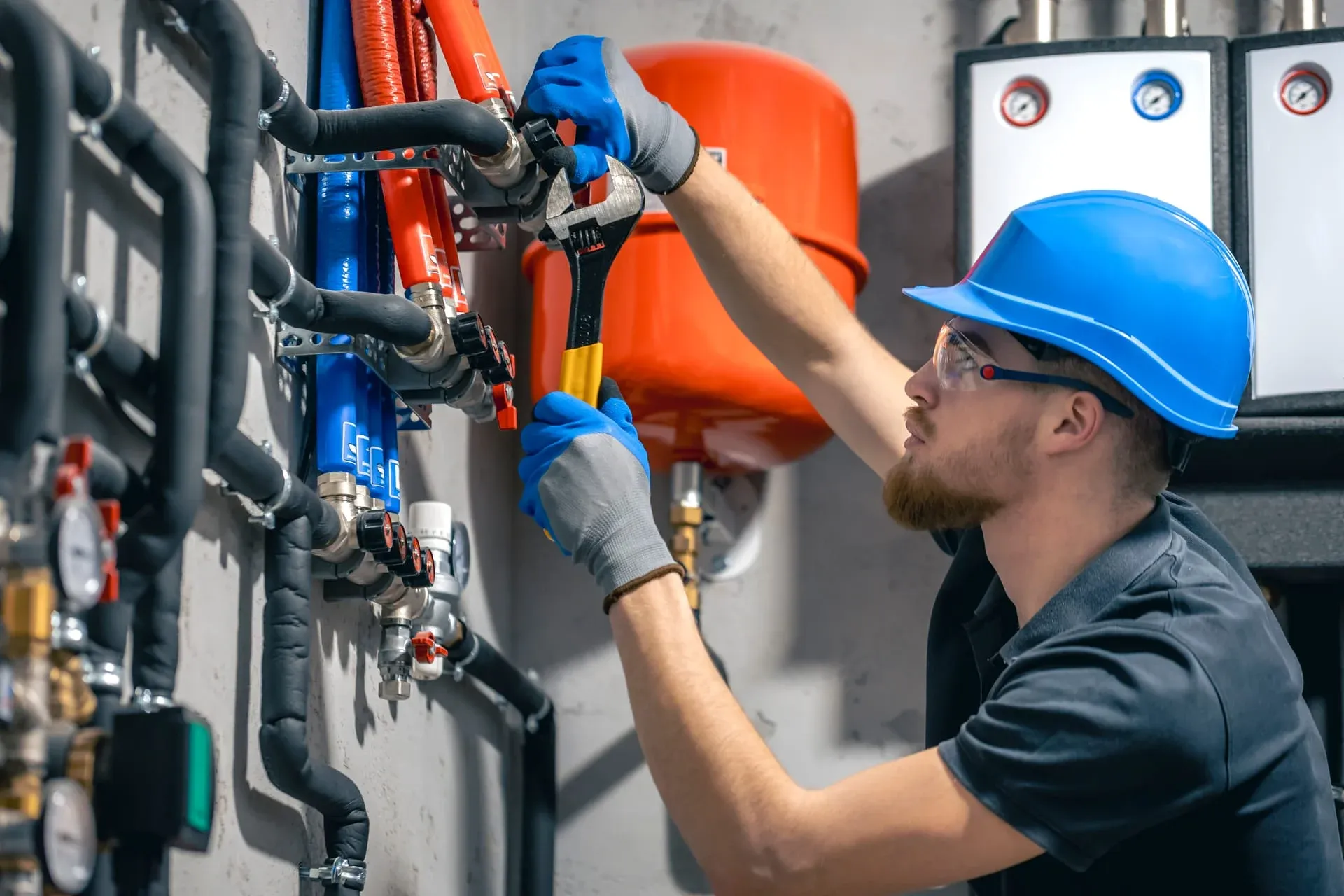
Preventive maintenance typically covers guest room assets such as air conditioning, plumbing, and fixtures; building services like boilers, chillers, pumps, and electrical systems; lifts and life-safety equipment; and shared facilities such as pool plant, kitchen equipment, and laundry. Each is scheduled at an interval appropriate to its type and criticality, with the right checklist and evidence. Because the assets that most affect guests or safety can be prioritized, effort focuses where a failure would be most disruptive or serious. Bringing the full range of hotel assets into one scheduled program is what prevents the gaps that occur when maintenance is tracked informally, and it ensures nothing critical is quietly running past its service interval.
How does preventive maintenance affect guest experience and revenue?
Equipment failures during a stay, a room too hot or cold, no hot water, a broken lift, directly damage the guest experience and often lead to complaints, compensation, or room moves, all of which cost money and harm reviews. Preventive maintenance reduces these failures by catching problems before they occur, so guests encounter fewer issues and fewer rooms are lost to unexpected breakdowns. Protecting room availability also protects revenue, especially at high occupancy when every sellable room counts. Because guest satisfaction and online reputation drive future bookings, the reliability that preventive maintenance provides has a clear commercial return alongside the operational and cost benefits of avoiding reactive repair.