How does AI help with PPE checks?
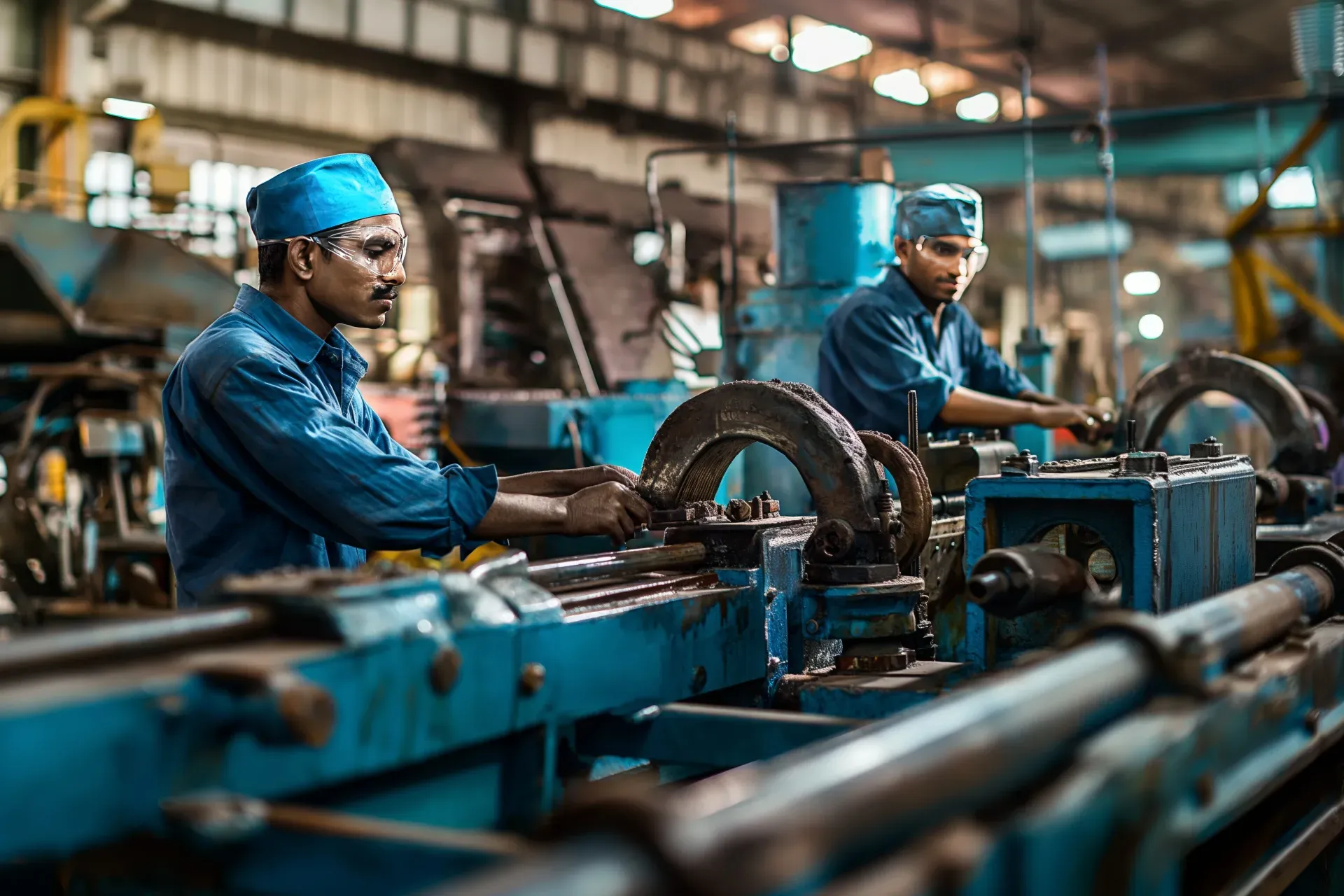
AI photo analysis reviews captured images and flags likely missing protective equipment, such as a hard hat or high-visibility clothing, so an obvious lapse is less likely to be overlooked during a busy round. The supervisor confirms or dismisses each flag and stays accountable for the finding, so the AI acts as a consistent second look rather than an automated enforcer. This keeps human judgment firmly in the loop while improving how reliably lapses are caught. The value is coverage and consistency: the model does not tire or lose focus late in a shift, which is exactly when a human eye is most likely to miss something in passing.
How is PPE compliance measured rather than assumed?
Checks are captured with photos and tracked by area and shift, so the plant sees where and when lapses actually occur instead of relying on supervisors noticing in passing and remembering later. That data turns a comfortable assumption that compliance is high into a measured picture that shows where it is not. The team can then target training and supervision at the specific areas and shifts the evidence points to, rather than issuing blanket reminders that treat everyone the same. Measuring compliance is what makes improvement possible, because you cannot manage what you never actually see.
What happens when a PPE lapse is found?
A lapse becomes a corrective action rather than an offhand comment, with an owner and a follow-up, and it feeds the compliance record for that area and shift. Treating it as a tracked item makes expectations clearer to everyone and creates evidence of how the plant responds, which matters both for building a safety culture and for demonstrating diligence after any incident. Because the response is recorded rather than verbal, patterns in where lapses happen and how quickly they are addressed become visible, which is far more useful than a reminder that is forgotten by the next shift.
Does AI-based PPE checking raise privacy concerns?
The AI is used to flag missing safety equipment in inspection photos, not to monitor individuals, and a supervisor reviews and confirms each finding rather than the system taking action automatically. Where images are analyzed on the device, less imagery travels across external networks, which helps with data-handling policies. The purpose and framing matter: the tool supports a fair, consistent safety standard applied to conditions rather than singling people out, and being transparent with the workforce about how it is used is what keeps it a trusted safety aid rather than a surveillance measure. Used this way, it improves protection without undermining trust.
How does PPE data improve toolbox talks and training?
Because lapses are captured by area and shift with evidence, the plant can see exactly which situations and locations generate the most issues and tailor toolbox talks to those specifics rather than delivering generic reminders. A talk backed by real, recent examples from that team's own floor lands far better than an abstract instruction, and the same data then shows whether the message worked as lapses in that area decline. This turns training from a periodic ritual into a targeted, measurable response to what is actually happening, which is a far more effective use of everyone's time.