What is a Farm Audit and How Does it Differ from an Inspection?
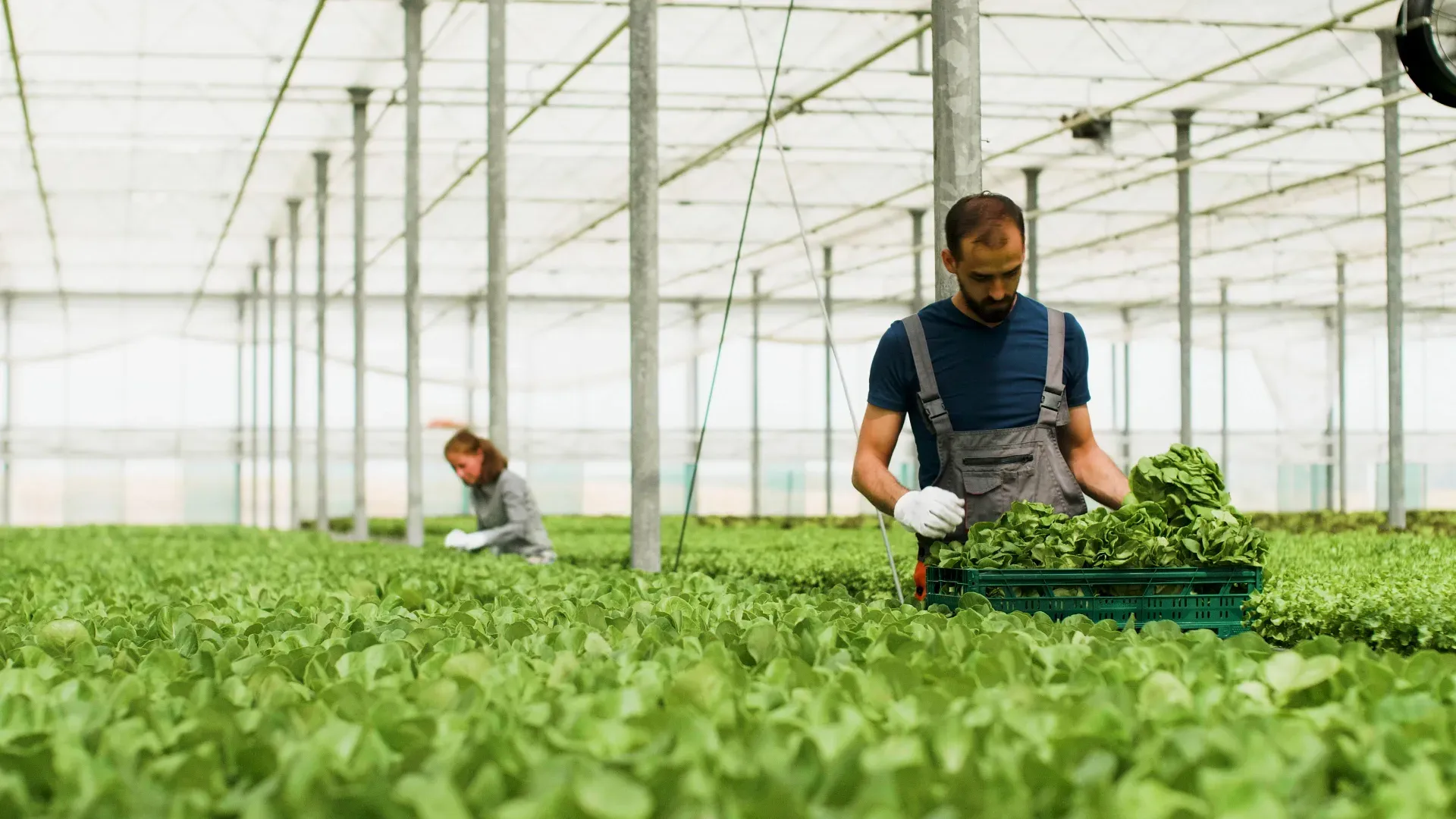
Internal farm audit and farm inspection programmes are structured reviews of agricultural operations used to improve compliance, strengthen safety, and increase operational efficiency. They help farms identify risks early, correct non-conformances, and maintain confidence with buyers, regulators, and certification bodies.
Although often grouped together, the two serve different purposes:
- Farm Audit: A system-level review of records, procedures, and controls over time. It validates whether your management framework is consistently delivering required standards.
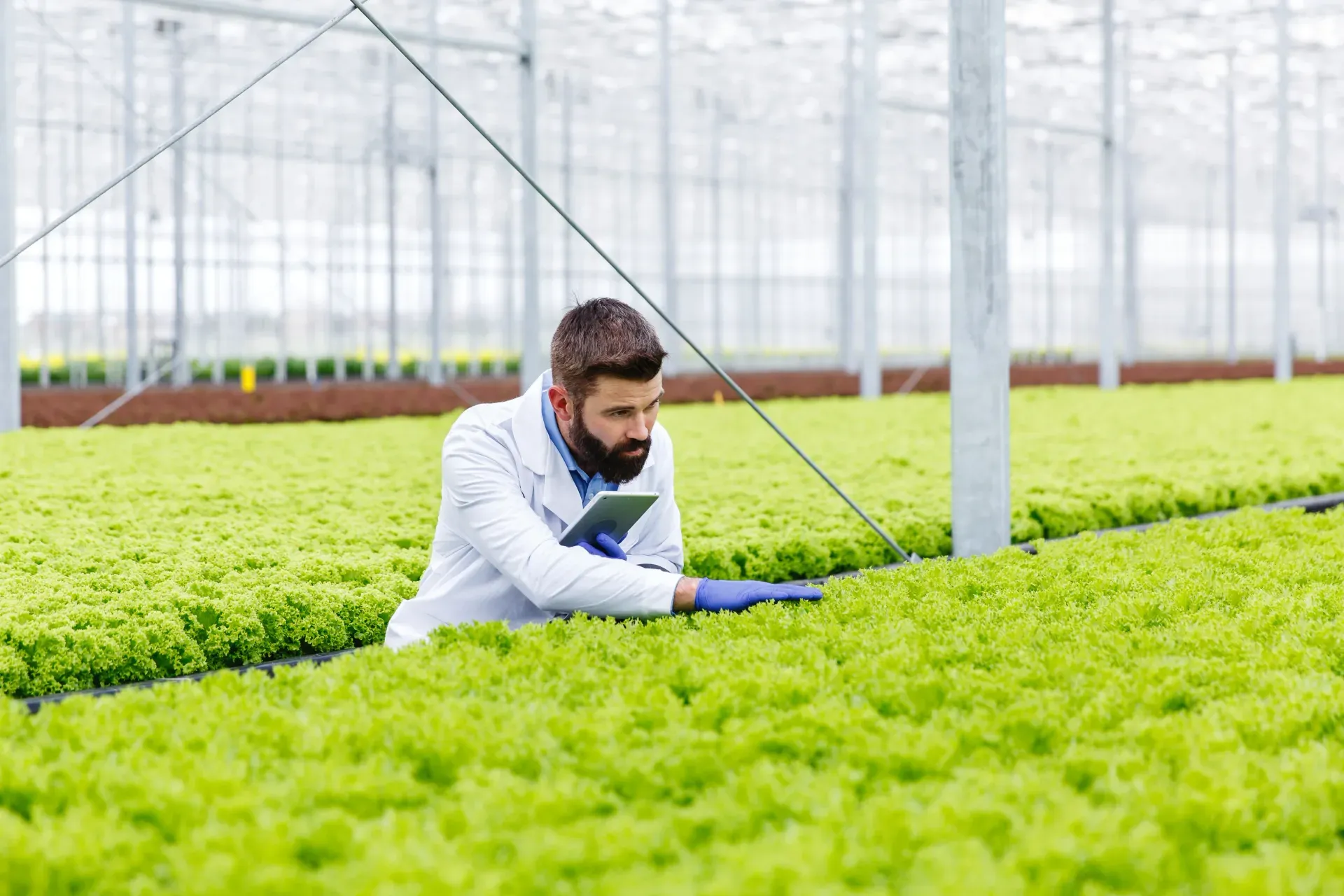
- Farm Inspection: A real-time on-site check of current conditions, such as equipment guarding, welfare conditions, or hygiene controls.
Why are Routine Farm Inspections the Secret to Compliance?
Routine inspections move operations from reactive problem-solving to proactive control. Instead of waiting for external scrutiny, farms can detect issues early, track performance trends, and maintain a state of continuous readiness.
- Compliance Verification: Internal checks support agriculture compliance with buyer and programme requirements such as GAP, GMP, and HACCP-based controls where applicable.
- Operational Efficiency: Regular farm inspection checklist use identifies inefficiencies and helps reduce waste, delays, and avoidable rework.
- Risk Management: A farm safety audit approach helps detect health, chemical, and process hazards before they escalate.
- Sustainability and Accountability: Consistent inspections improve transparency on environmental and ethical practices.
- Data for Formal Inspections: Historical records from internal farm audit activity create defensible evidence for external reviews.
When Should You Conduct an Internal Agriculture Inspection?
Effective farm governance relies on inspection frequency matched to risk. While requirements vary by country and scheme, most operations benefit from a tiered cadence:
- Daily Inspections: Safety and immediate operations. Focus on farm health and safety audit essentials such as PPE, emergency access, and hygiene-critical points.
- Monthly Farm Inspections: Equipment and chemical storage. Run targeted checks on inventory, expiries, and SDS/MSDS visibility for chemical safety.
- Annual Farm Audits: The deep dive agriculture audit. Perform a full management-system review to validate documentation, process consistency, and long-term compliance.
What are the Farm Inspection Requirements in Your Country?
Regulatory drivers differ by jurisdiction, so your farm compliance checklist should align with national authorities and market-access programmes.
United States: USDA & OSHA
U.S. oversight increasingly emphasizes prevention and documented controls under FSMA-aligned expectations. USDA GAP is a commonly required market programme for demonstrating safe production, packing, and storage practices. OSHA enforcement focuses on worker safety areas such as machinery, grain handling, and pesticide exposure, often triggered by incidents, complaints, or targeted campaigns.
United Kingdom: DEFRA & HSE
UK farm assurance combines legal baseline requirements with private assurance schemes that influence market access. DEFRA and the RPA cross-compliance checks assess statutory obligations related to land management, water, soil, and environmental controls. Red Tractor Assurance is a key private framework demonstrating food safety and welfare standards beyond minimum legal requirements. HSE enforcement reviews risk controls for high-severity hazards such as transport incidents, working at height, and livestock handling.
Australia: DAFF & Safe Work
Australian frameworks place strong emphasis on biosecurity integrity and export readiness. Biosecurity and export (DAFF) protect market access and international compliance. Freshcare is a widely used quality assurance framework for managing water, chemical, and traceability controls. Safe Work Australia focuses on farm safety audit priorities including vehicle incidents and hazardous substance exposure.
What are the Different Types of Farm Audits?
Modern agricultural audit programmes are multi-layered. Most operations will encounter several of the following audit categories during the year.
- Global Standards and Certifications (GlobalG.A.P. & Beyond)
Farms supplying retailers and export markets may need programme alignment with GlobalG.A.P., PrimusGFS, SQFI, or BRCGS, depending on buyer and contract expectations. GlobalG.A.P. supports traceability, production controls, chemical use, and worker welfare. Specialized frameworks such as PrimusGFS, SQFI, and BRCGS often require deeper HACCP and GMP discipline. Digital, time-stamped records reduce audit friction and build faster credibility with external auditors.
Essential checklists to comply with global and regulatory requirements include:
- Globalgap Checklist Version 6 - GFS Fruit and Vegetables
- GMP Checklist - Agriculture Department USDA
- ISO 14001 Self-Assessment Checklist
- PrimusGFS Checklist - HACCP
- Farm Health and Safety Audit
Farm health and safety audit reviews identify hazards proactively and test whether controls are effective across machinery, chemicals, PPE, workflows, and emergency readiness. These audits strengthen worker protection, reduce incident risk, and improve readiness for external health and safety inspections.
- Financial and Regulatory Compliance Audits
A farm audit often extends beyond field controls into business governance. These audits validate subsidy/grant integrity and assess whether financial practices support long-term resilience. Internal agricultural audit analysis of input-output efficiency can also highlight opportunities to optimize costs such as fuel, fertilizer, and labor utilization.
- Quality Control and Integrated Pest Management (IPM)
Quality-focused audits evaluate process consistency, product standards, and deviation controls. They support continuous improvement by comparing real-world practices against defined benchmarks. IPM audit components should also verify documented pest protocols, trained scouts, and appropriate identification and monitoring methods.
- Farm Equipment and Facility Audits
Equipment and facility audits assess condition, maintenance discipline, and lifecycle planning for machinery and infrastructure, helping reduce downtime and extend asset life. Useful resources include:
- Tractor inspection checklist
- Tractor maintenance checklist
- Harvesting equipment checks
- Barns inspection checklist
- Crop feed area inspection checklist
- Tillage equipment checklist
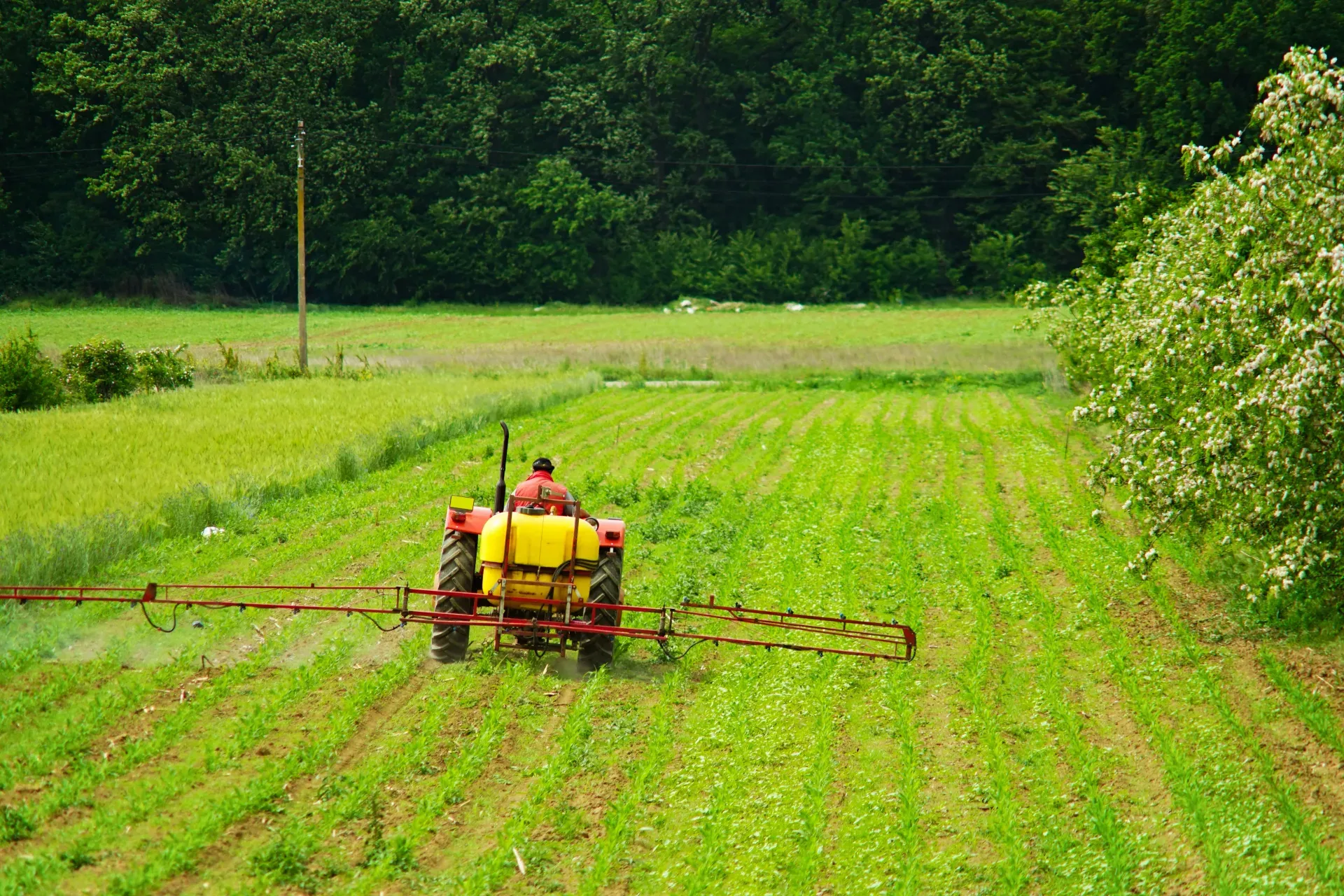
- Chemical Application Equipment Checks
- Anhydrous Ammonia Equipment Checks
- Wagon & Other Hauling Equipment Checklist
- Environmental and Sustainability Audits
Environmental audits are increasingly central to agribusiness assurance, especially as regenerative and low-impact practices become buyer expectations. Resource auditing measures water use, soil health, and carbon-related performance indicators. Biodiversity verifies practical actions to protect habitats, watercourses, and ecological buffers. Environmental Inspection Checklist: Review environmental conditions including soil, water, dust, and waste controls.
Why Should You Conduct a “Mock Audit” or Self-Assessment?
A mock farm audit is an internal readiness check that helps you identify and correct non-conformances before formal inspections. It functions as a gap analysis between written protocols and actual field execution. This approach reduces certification risk, prevents avoidable penalties, and improves performance confidence before third-party audit visits.
How to Execute a Professional Mock Audit
- Follow the official standard: Use the same GlobalG.A.P., Red Tractor, or buyer standard checklist expected in formal assessments.
- Interview your team: Validate staff understanding of emergency, chemical, and operating procedures.
- Review all the documents and historical data: Confirm logs, safety records, and compliance evidence are complete, current, and accessible.
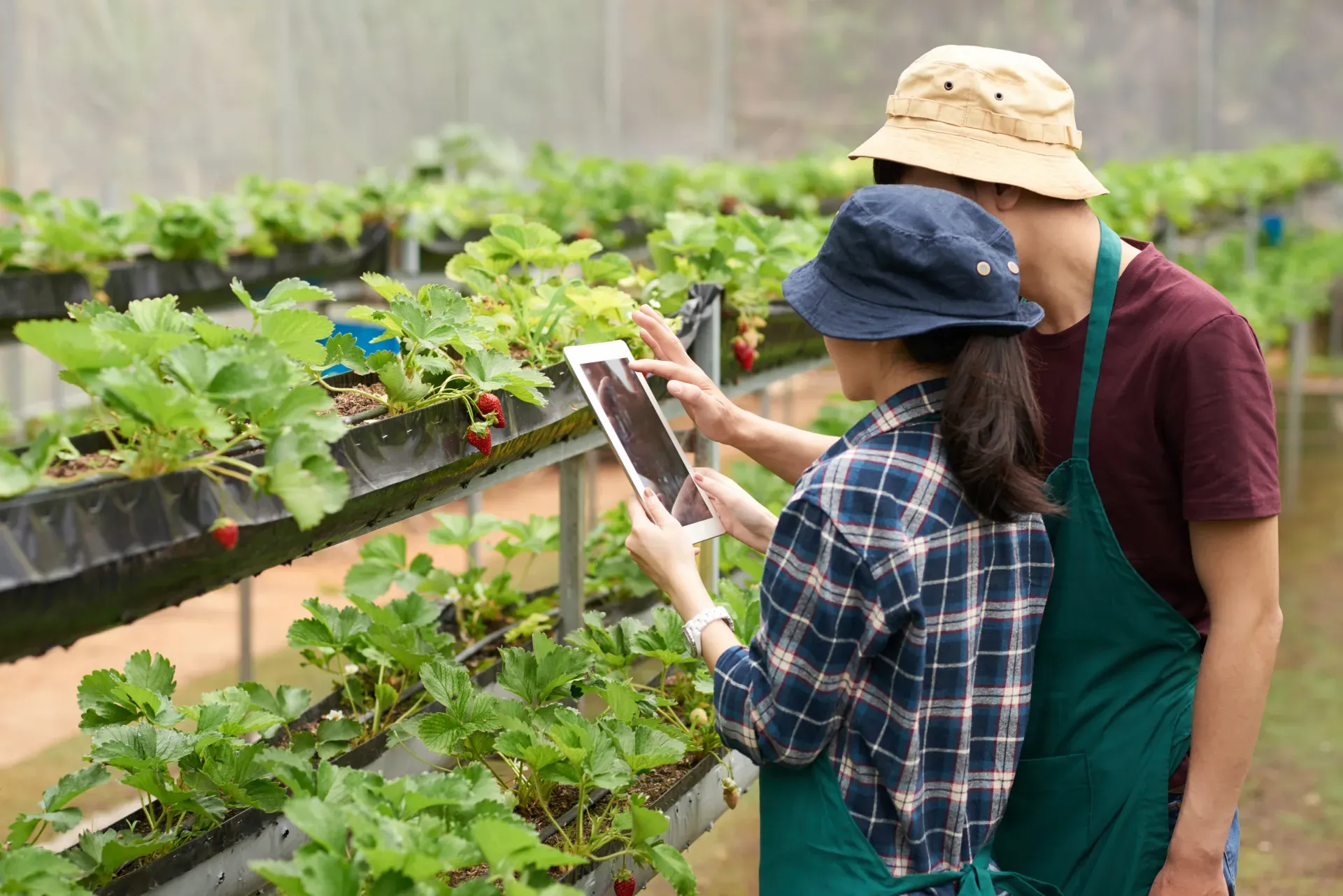
Paper-based systems often fail under audit pressure due to loss, damage, and retrospective completion risks. A digital audit workflow helps maintain integrity and speed by using mobile-first checklists that work offline in remote field conditions, capturing time-stamped photo evidence for every critical checkpoint, assigning corrective actions immediately when non-conformance is identified, tracking issue closure through a full corrective-action lifecycle, and generating audit-ready reports instantly for regulatory review.
What Should a Professional Farm Audit Report Include?
A professional farm audit report should provide verifiable, decision-ready data rather than simple pass/fail records. Every digital farm audit report includes four core components:
- Verified Metadata: GPS and timestamps prove exactly where and when each inspection occurred.
- Visual Evidence: Photo documentation validates compliance status and identified hazards.
- Compliance Scoring: Quantified results support cross-site and cross-season benchmarking.
- Automated Corrective Actions: Failed items are assigned, tracked, and closed in a controlled workflow.
Farm Audit Report Sample: See what a digital farm inspection report generated with Inspectly360 looks like.
Tips to Conduct Efficient Farm Checks and Inspections
Farms can improve audit outcomes and operational performance by combining consistent routines with evidence-led follow-through:
- Regular Auditing Schedule: Plan recurring internal farm audit activity across departments and seasons.
- Utilize Checklists: Use targeted templates for safety, environment, process quality, and records control.
- Engage Trained Personnel: Assign knowledgeable reviewers to improve inspection depth and reliability.
- Implement Corrective Actions: Address findings promptly with clear ownership and deadlines.
- Adopt Technology: Use digital tools to automate data capture, improve reporting, and track compliance performance over time.
Frequently Asked Questions
What should an agriculture inspection checklist cover?
An agriculture and agritech inspection checklist should cover farm safety, equipment, food safety, and the records a buyer or regulator expects. Safety items cover machinery guarding, tractor and mobile-plant checks, PTO and rollover protection, chemical and pesticide storage, and worker safety. Equipment items follow pre-start checks on tractors, harvesters, and implements. Food safety items cover hygiene, storage temperatures, water quality, and traceability for produce and processing, aligned to FSSAI and relevant food safety standards. Environmental items may cover effluent, spraying records, and land management. Each finding should carry a photo and a corrective action with an owner and a due date. Running these on one template set means farms, processing sites, and equipment are inspected to the same standard and the evidence supports both safety and food safety compliance.
How does the platform support food safety and FSSAI compliance?
The platform runs food safety and hygiene checks on digital templates aligned to standards such as FSSAI, with photos and timestamps on every record. Storage temperatures, water quality, hygiene, and pest control are monitored, and a breach opens a corrective action tracked to verified closure. Batch records and traceability are captured as structured data, so the chain from field or intake through processing can be produced on demand rather than reconstructed from paper. When an FSSAI or buyer audit happens, the operation shows a timestamped history of checks and corrective actions instead of assembling it under pressure. Because the same inspection that controls food safety also produces the audit evidence, compliance becomes a by-product of doing the checks rather than a separate paperwork exercise.
Does the app work offline on farms and remote sites?
Yes. Farms, fields, processing sheds, and rural sites frequently have little or no connectivity, so the app works fully offline. Workers complete equipment pre-starts, safety checks, and food safety logs, capture photos, and raise corrective actions with no connection, and everything syncs to the dashboard when the device reconnects, with timestamps and location preserved. This matters because the places that most need checks, remote fields and cold storage, are often where signal is weakest, and paper fallback is where records get lost. Offline capture keeps every scheduled check happening on time and preserves the evidence that food safety and safety compliance depend on, without anyone re-entering results back at the farm office.
How does inspection software help with equipment pre-start checks?
Inspection software turns tractor, harvester, and mobile-plant pre-start checks into quick, consistent digital records rather than a form that is skipped when the crew is busy. An operator runs the check on a phone before starting work, verifying guarding, rollover and PTO protection, hydraulics, brakes, and safety devices, and a defect that makes the machine unsafe is flagged and becomes a corrective action with an owner and a deadline. Because each check is timestamped and tied to the machine and the operator, the operation has a complete history for safety audits and insurance. Recurring faults on a machine become visible, so maintenance is planned rather than reactive, which keeps equipment safe and available through the season.
Can the platform manage inspections across multiple farms or sites?
Yes. The platform is built for operations that run several farms, processing sites, or a mix of both, so it scales from a single site to a large agribusiness. Each site keeps its own checklists, schedules, and assigned staff, while leadership sees one dashboard covering completion, open and overdue actions, and compliance status across every location. Managers can compare sites, see which has the most open issues, and spot recurring problems across the operation. New sites inherit standard templates immediately, so standards hold as the business grows. Reports can be generated per site or for the whole operation as branded PDFs for buyers, auditors, or insurers, replacing the manual coordination that breaks down once an agribusiness spans multiple farms and facilities.