
Mining
Settling Pond Checklist Template
A settling pond checklist template provides a reusable inspection layout covering the embankment and freeboard, inlet and outlet structures, liners, seepage, water levels, and signage.
500+GET

Convert your checklist into Mobile App
Library of free mining inspection checklist templates: pre-shift safety, equipment checks, HSE audits, and DGMS compliance. Find the right checklist and run it on the Inspectly360 app.
Get started with ready-to-use checklist templates for mining inspections and audits.
A settling pond checklist template provides a reusable inspection layout covering the embankment and freeboard, inlet and outlet structures, liners, seepage, water levels, and signage.
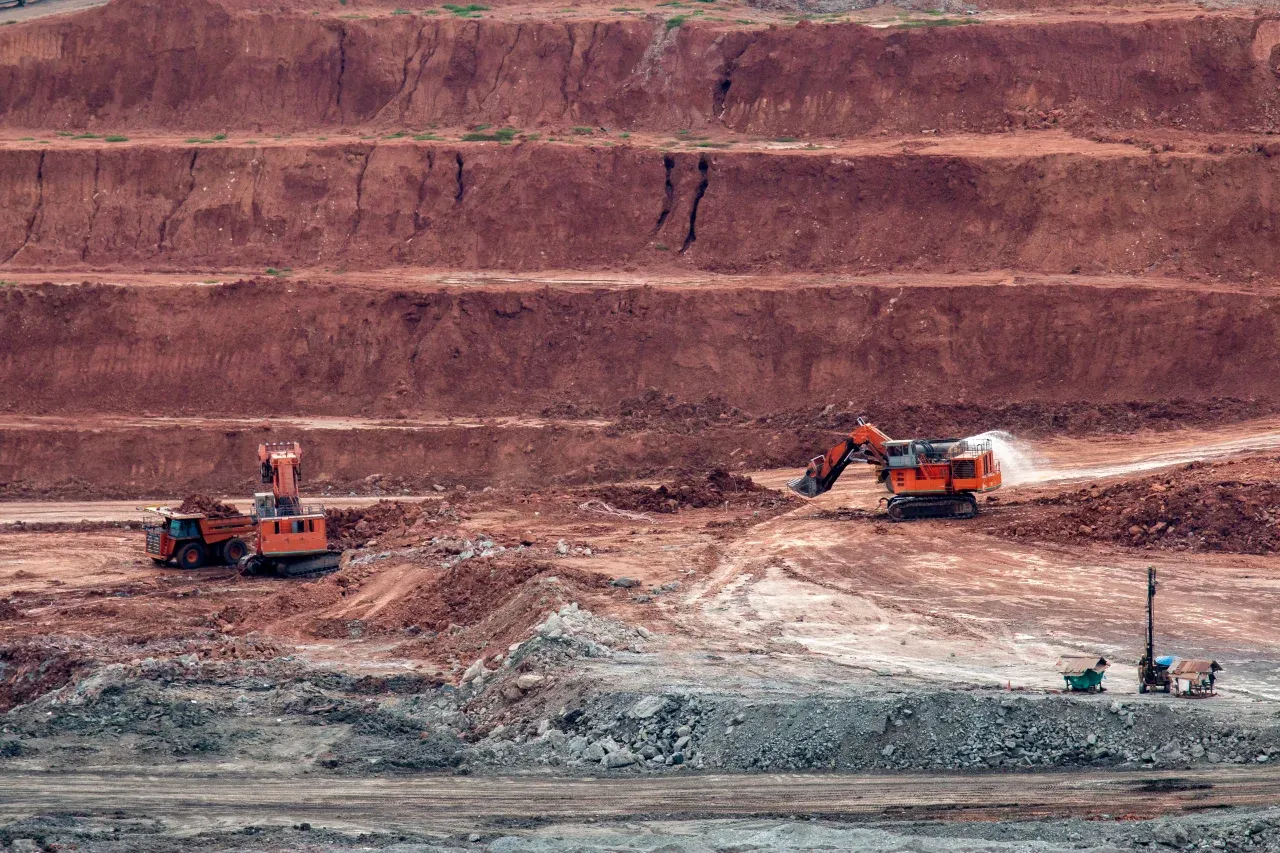
A settling pond weekly checklist sets out the weekly checks covering the embankment and freeboard, inlet and outlet structures, liners, seepage, water levels, and signage.

A settling pond pre-use checklist lets crews confirm the pond is ready for use before work starts, checking the embankment and freeboard, inlet and outlet structures, liners, seepage, water levels, and signage.
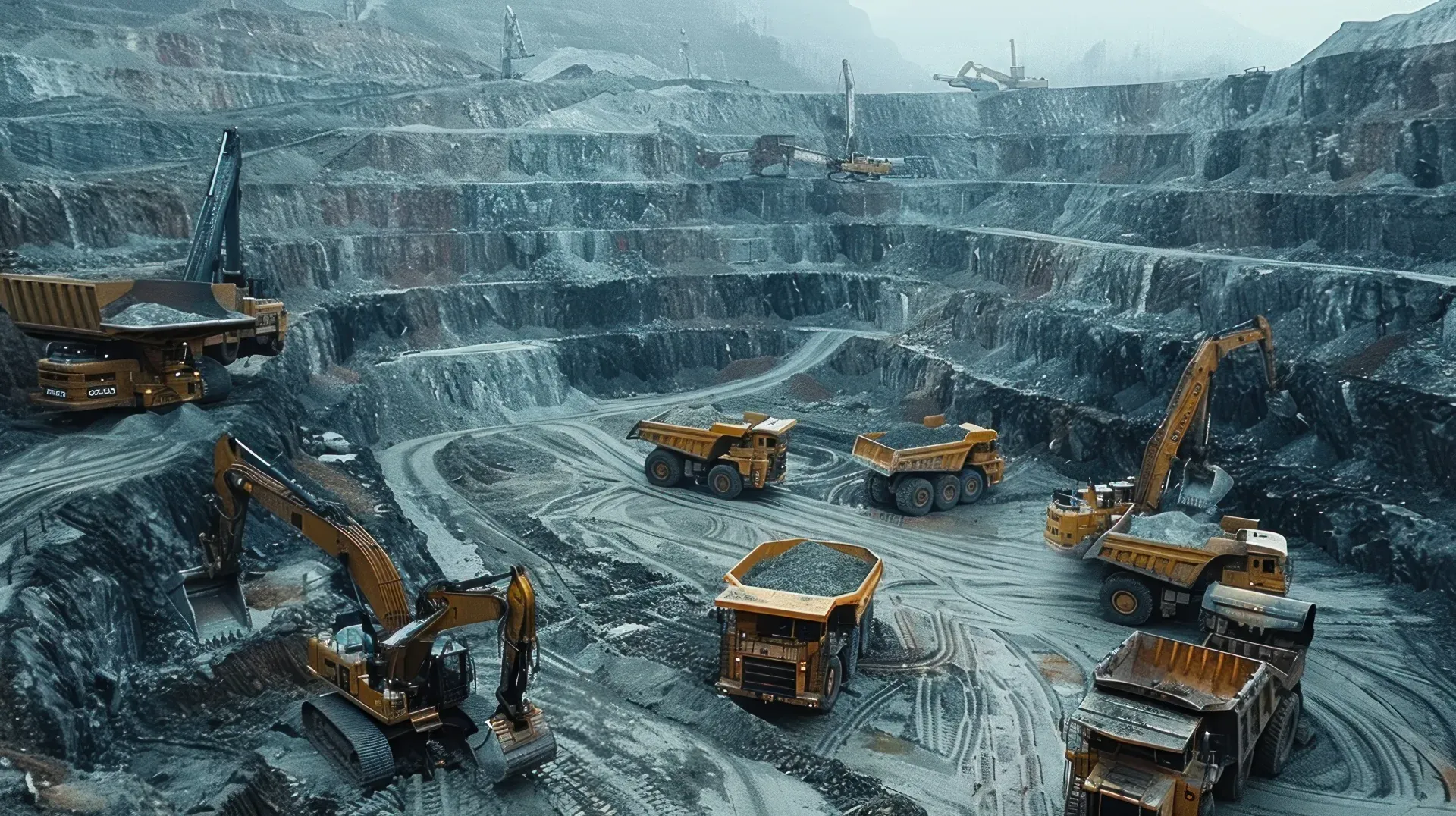
A water reclamation system inspection checklist guides crews through checking clarifiers, pumps, filtration units, treatment tanks, pipework and valves, instrumentation, and the return line.

A water reclamation system maintenance checklist guides maintenance crews through clarifiers, pumps, filtration units, treatment tanks, pipework and valves, instrumentation, and the return line, keeping the system reliable between planned services.
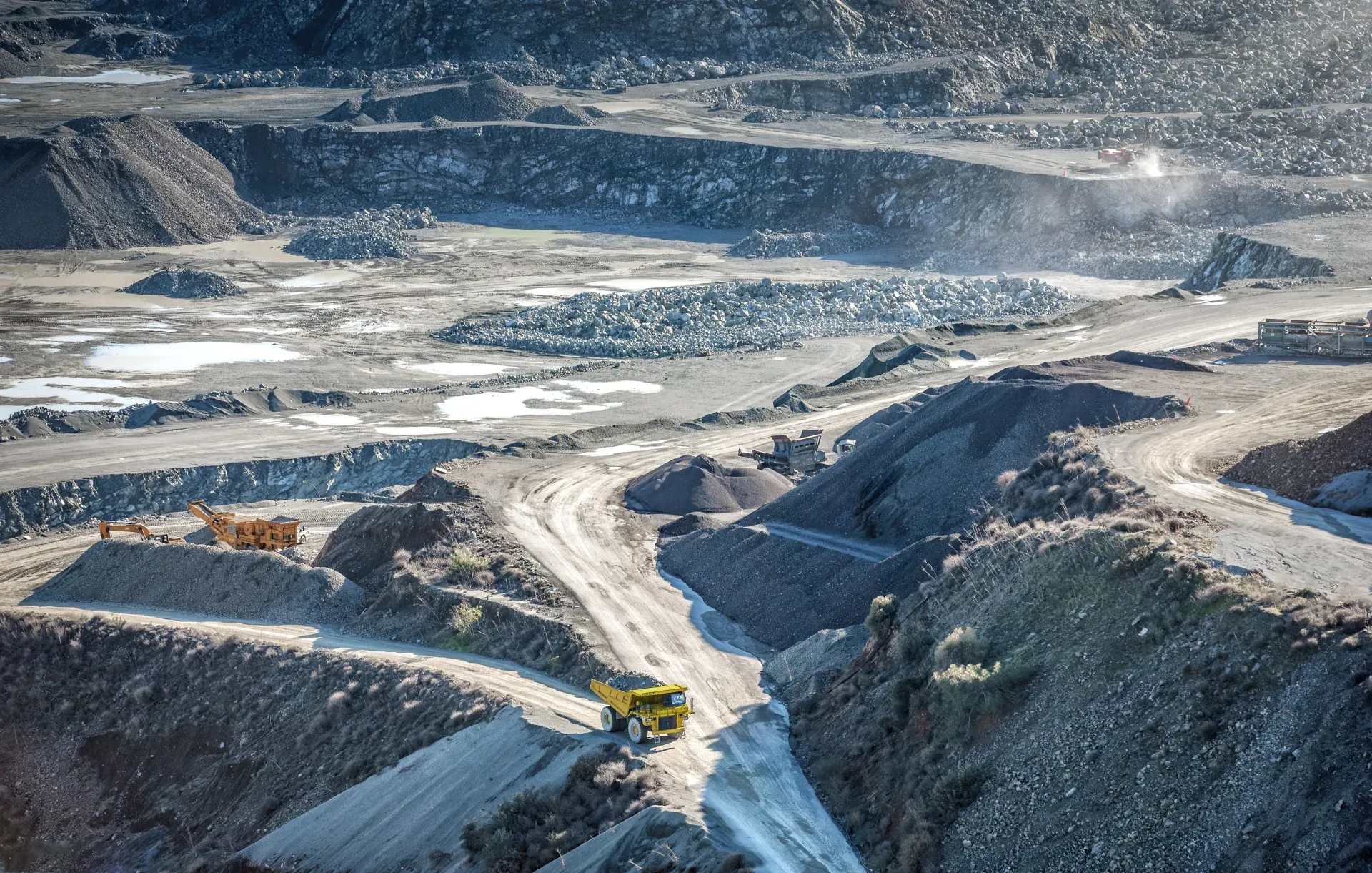
A water reclamation system daily inspection checklist gives crews a structured daily check covering clarifiers, pumps, filtration units, treatment tanks, pipework and valves, instrumentation, and the return line.
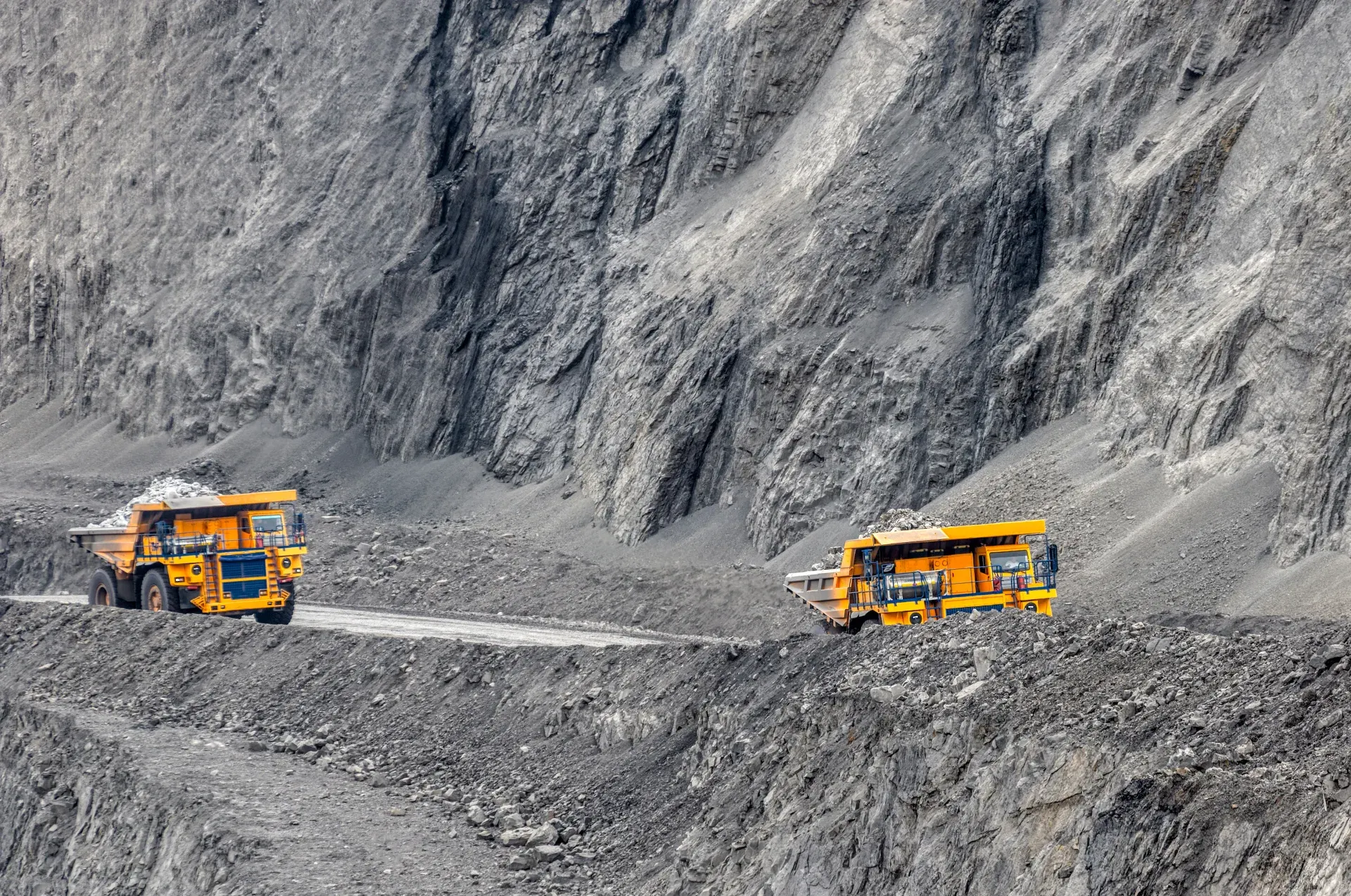
A water reclamation system monthly inspection checklist supports a deeper monthly check covering clarifiers, pumps, filtration units, treatment tanks, pipework and valves, instrumentation, and the return line and developing wear.
A water reclamation system inspection form records the condition of the system, covering clarifiers, pumps, filtration units, treatment tanks, pipework and valves, instrumentation, and the return line.
A water reclamation system checklist template provides a reusable inspection layout covering clarifiers, pumps, filtration units, treatment tanks, pipework and valves, instrumentation, and the return line.
A water reclamation system weekly checklist sets out the weekly checks covering clarifiers, pumps, filtration units, treatment tanks, pipework and valves, instrumentation, and the return line.
A water reclamation system pre-use checklist lets crews confirm the system is safe to use before work starts, checking clarifiers, pumps, filtration units, treatment tanks, pipework and valves, instrumentation, and the return line.

A water reclamation system safety checklist focuses on the safety-critical systems, covering clarifiers, pumps, filtration units, treatment tanks, pipework and valves, instrumentation, and the return line.
A slope stability monitoring equipment inspection checklist guides crews through checking slope stability radar, prisms and total stations, extensometers, piezometers, data loggers, power supplies, and alarm thresholds.
A slope stability monitoring equipment maintenance checklist guides maintenance crews through slope stability radar, prisms and total stations, extensometers, piezometers, data loggers, power supplies, and alarm thresholds, keeping the monitoring equipment reliable between planned services.
A slope stability monitoring equipment daily inspection checklist gives crews a structured daily check covering slope stability radar, prisms and total stations, extensometers, piezometers, data loggers, power supplies, and alarm thresholds.
A slope stability monitoring equipment monthly inspection checklist supports a deeper monthly check covering slope stability radar, prisms and total stations, extensometers, piezometers, data loggers, power supplies, and alarm thresholds and developing wear.
A slope stability monitoring equipment inspection form records the condition of the monitoring equipment, covering slope stability radar, prisms and total stations, extensometers, piezometers, data loggers, power supplies, and alarm thresholds.
A slope stability monitoring equipment checklist template provides a reusable inspection layout covering slope stability radar, prisms and total stations, extensometers, piezometers, data loggers, power supplies, and alarm thresholds.
A slope stability monitoring equipment weekly checklist sets out the weekly checks covering slope stability radar, prisms and total stations, extensometers, piezometers, data loggers, power supplies, and alarm thresholds.
A slope stability monitoring equipment pre-use checklist lets crews confirm the monitoring equipment is safe to use before work starts, checking slope stability radar, prisms and total stations, extensometers, piezometers, data loggers, power supplies, and alarm thresholds.

A slope stability monitoring equipment safety checklist focuses on the safety-critical systems, covering slope stability radar, prisms and total stations, extensometers, piezometers, data loggers, power supplies, and alarm thresholds.
A ground control equipment inspection checklist guides crews through checking rock bolters, the shotcrete rig, mesh and strap handling, cable bolting equipment, scaling tools, hydraulic torque tools, and guarding.
A ground control equipment maintenance checklist guides maintenance crews through rock bolters, the shotcrete rig, mesh and strap handling, cable bolting equipment, scaling tools, hydraulic torque tools, and guarding, keeping the equipment reliable between planned services.
A ground control equipment daily inspection checklist gives crews a structured daily check covering rock bolters, the shotcrete rig, mesh and strap handling, cable bolting equipment, scaling tools, hydraulic torque tools, and guarding.
A mining inspection checklist is a structured document used to assess and record hazards, equipment condition, and ground control status across surface and underground operations. It standardizes pre-shift inspections, HSE audits, and ventilation surveys so supervisors capture the same safety criteria on every shift. Mine safety teams use it to verify controls before crews enter active zones. It creates a defensible record of who checked what, when, and against which standard, supporting DGMS, MSHA, and ISO 45001 obligations.
Also used as a mine safety audit form or pre-shift inspection sheet, it supports one core objective: keeping workers, equipment, and the orebody safe while production continues without unplanned downtime.
Mining inspection checklists turn safety routines into repeatable, evidence-based workflows. They let safety officers maintain control over pre-shift checks, JSAs, and toolbox talks even across remote pits and deep levels.
Digital mine audit workflows improve accountability by logging who completed each inspection, when, and with what photo or instrument evidence. This creates a defensible trail for DGMS and MSHA reviews.
Strong checklist discipline supports preventive maintenance on heavy machinery, reducing unplanned breakdowns and improving fleet availability across the operation.
Consistent ground control and dust monitoring records also help safety teams prioritize the highest-risk zones before incidents occur.
Effective mine governance uses multiple checklist formats by operation type, hazard, and inspection frequency.
Tiered frequencies improve control and prevent gaps:
Specialized templates target critical hazards for focused inspections:
While content varies by operation and hazard profile, most mine safety audit checklist templates include core domains for personnel safety, equipment integrity, and environmental compliance.
Depending on scope, additional checks may include emergency response readiness, tailings dam instrumentation, toolbox talk records, and contractor competency verification.
Use this workflow to run efficient inspections and close issues faster:
Inspectly360 is an AI-powered inspections and audits platform for multi-site mining operations. The mobile app works fully offline in pits, declines, and underground levels with no signal. AI fills forms from photos and voice, so an inspector points the phone at a defect or speaks an observation and the pre-shift form fills itself. Managers see a live dashboard of compliance status, open issues, and ground control risk across every operation in real time, without waiting for anyone to send a report.
Corrective actions are assigned the moment a hazard is logged and tracked to verified closure, not just marked done. AI detects recurring issues, such as the same haul road or ventilation fault repeating across shifts, and surfaces predictive maintenance alerts before equipment fails. One click produces an AI-generated branded PDF report ready for DGMS, MSHA, or internal HSE review.
Before Inspectly360, a pre-shift inspection was a paper sheet that sat in a supervisor's vehicle, and a near-miss was logged verbally with no record until something went wrong. After Inspectly360, the inspection is captured on a phone with timestamped photo evidence, the action is assigned immediately, and the safety manager sees it on the dashboard before the next shift starts.
Yes. Inspectly360 is built for environments with no connectivity, which is normal in declines, deep levels, and remote surface pits. Inspectors complete pre-shift inspections, ventilation surveys, and equipment walkarounds entirely offline on the mobile app. AI photo and voice form filling runs on the device, so observations are captured without signal. Data syncs automatically when the device returns to coverage at the portal, office, or muster point. Nothing is lost if a shift runs the full inspection underground. Managers then see the synced results on the live dashboard, with timestamps and evidence intact for DGMS and MSHA audit purposes.
Inspectly360 creates a defensible audit trail for statutory inspections. Every pre-shift inspection, HSE audit, blasting safety check, and permit to work record is timestamped, attributed to a named person, and stored with photo and voice evidence. When a DGMS or MSHA inspector visits, safety teams produce the full history instead of scrambling through paper files and phones. Checklists can be aligned with ISO 45001 and ICMM frameworks, and corrective actions are tracked to verified closure so non-conformances are demonstrably resolved. Compliance becomes a documented fact rather than a recollection, which reduces audit preparation time and supports a stronger statutory record across every operation.
The inspector points the phone at the asset, surface, or defect and takes a photo. On-device AI analyses the image and detects conditions such as cracks, loose ground, corrosion, leaks, damaged guarding, or worn components. It then auto-fills the relevant fields on the pre-shift or equipment inspection form, suggesting the likely category and priority. The inspector confirms or overrides every suggestion, so they stay in control of the record. Voice notes work the same way: the inspector speaks an observation and AI transcribes it and fills the form. This removes manual typing in the field, which is slow and unsafe when wearing gloves near operating equipment, and keeps the crew focused on the physical inspection.
Yes. When an inspector logs a ground control hazard, such as loose strata, an unsupported back, or a bench stability concern, a corrective action is created immediately and assigned to a crew or contractor with a due date and priority. The action stays open until the fix is verified with evidence, not just marked done by the person who did the work. The safety manager sees every open ground control action on the live dashboard, ranked by risk. If the same hazard recurs at the same level or zone, AI flags it as a recurring issue with frequency and trend, so teams address the root cause instead of repeatedly treating the symptom across shifts.
One click. Once an inspection is completed on the mobile app, Inspectly360 generates a full narrative report that pulls the captured data, summarises findings, flags trends, and formats it as a branded PDF ready for HSE managers and statutory inspectors. There is no manual transcription, no spreadsheet assembly, and no waiting for someone to write it up after the shift. Before this, a supervisor would spend hours compiling pre-shift sheets and photos into a report that was already days old by the time it reached management. Now the report is available as soon as the inspection ends, and managers can also query the live dashboard in plain language for any site or period without pulling a report at all.
Common phrases teams use when searching for Mining checklist templates and software.
Open a ready-to-use template and customize it for your team.
Browse every mining checklist template in one place - 1,325 in total.
Browse by use case or industry, or see what other teams use most.
See Inspectly360 in action with a live demo tailored to your needs. No credit card required.


