What is an Energy & Utilities Inspection Checklist?
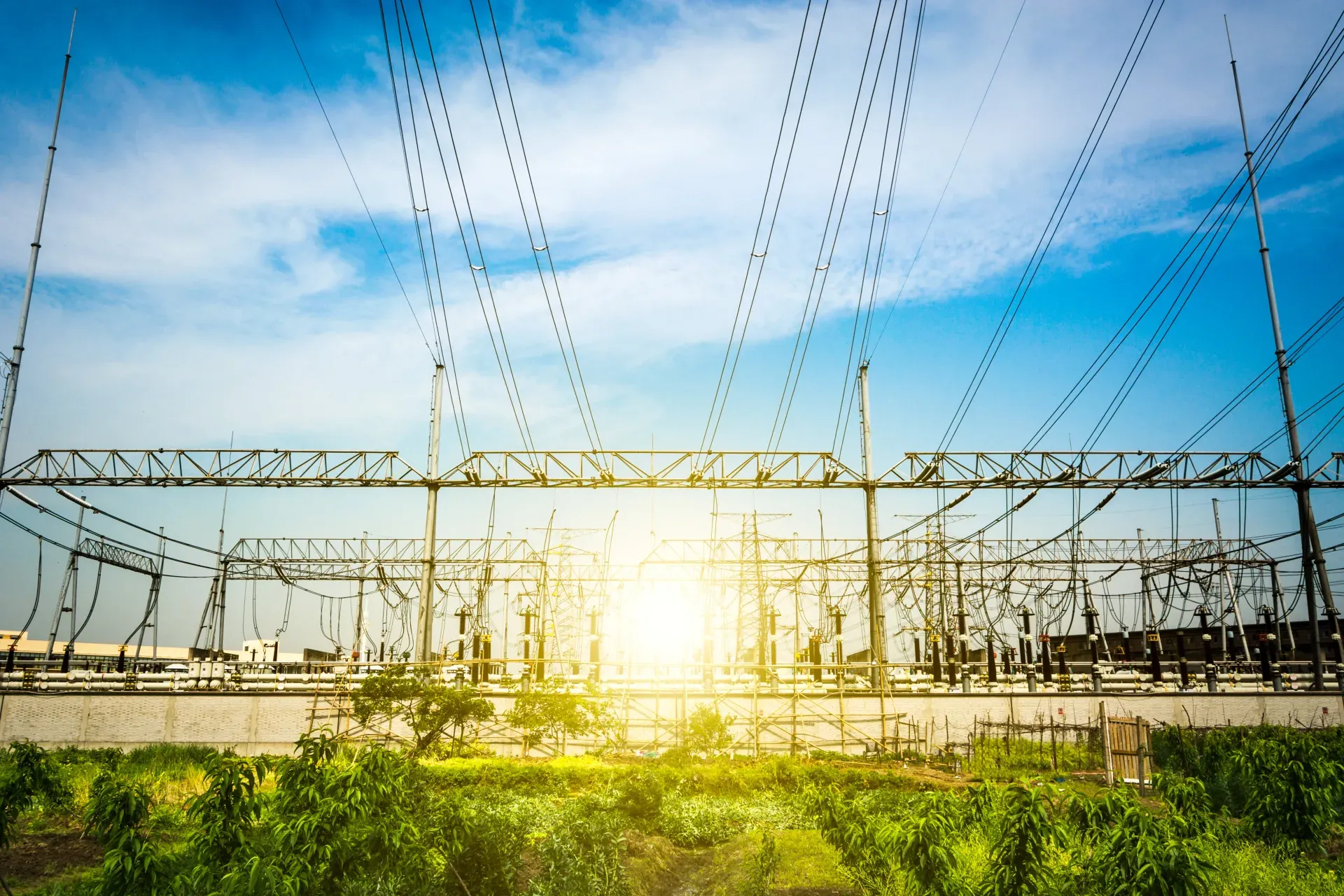
An energy and utilities inspection checklist is a structured document used to assess and record the condition of generation, transmission, distribution, and network assets in a consistent format. It standardizes substation inspections, line patrols, and asset integrity checks so field crews capture the same criteria on every visit. Utility teams use it to verify electrical, water, and gas assets are safe and serviceable before faults escalate. It creates a defensible record supporting ISO 55001, ISO 45001, OSHA, NERC, and NFPA 70E obligations across every site.
Also used as a substation inspection form or asset integrity audit sheet, it supports one core objective: keeping power, water, and gas infrastructure safe, compliant, and reliable for customers and operations.
Why are Energy & Utilities Inspection Checklists Important?
- Reliability: Substation and line patrol inspections catch transformer, switchgear, and conductor defects before they cause outages.
- Worker safety: Lockout/tagout and permit to work checks verify isolation before crews work on energized or pressurized assets.
- Regulatory defensibility: Structured records demonstrate compliance with NERC, OSHA, NFPA 70E, IEC, and utility regulator codes.
- Asset integrity: Consistent inspections feed ISO 55001 asset management and prioritize maintenance on aging infrastructure.
What are the Benefits of Using Energy & Utilities Compliance & Inspection Checklists?
Energy and utilities inspection checklists turn asset routines into repeatable, evidence-based workflows. They let asset managers maintain control over substation inspections, line patrols, and confined space entries across geographically dispersed networks.
Digital utility audit workflows improve accountability by logging who completed each inspection, when, and with what photo or instrument evidence. This creates a defensible trail for NERC and regulator reviews.
Strong checklist discipline supports asset integrity and preventive maintenance, improving network reliability and reducing unplanned outages and emergency callouts.
Consistent vegetation management and SCADA asset records also help teams prioritize the highest-risk feeders and circuits before failures occur.
What are the Different Types of Energy & Utilities Checklist Templates?
Effective utility governance uses multiple checklist formats by asset class, inspection objective, and frequency.
Energy & Utilities Checklist Templates by Asset Class
- Substation Inspection Form: Covers transformers, switchgear, busbars, protection relays, and earthing systems.
- Transmission and Distribution Line Patrol: Reviews conductors, poles, insulators, hardware, and clearances.
- Power Generation Inspection Checklist: Evaluates turbines, generators, auxiliaries, and plant safety systems.
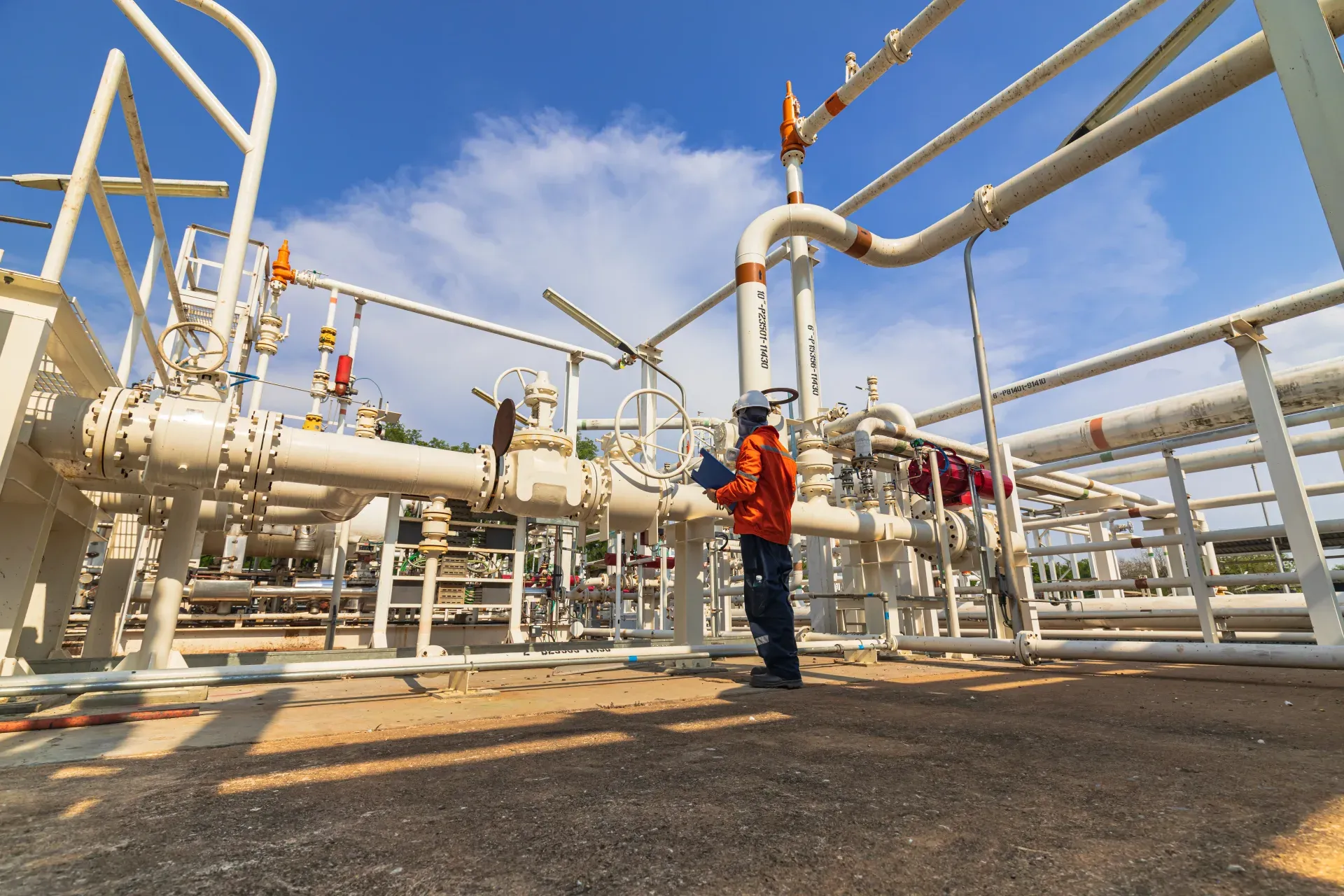
- Water and Gas Network Inspection Form: Assesses pumps, valves, pressure, leaks, and pipeline integrity.
Utility Inspection Checklist Templates by Purpose
- Asset Integrity Audit Checklist: A full-scale review of condition, risk, and remaining life.
- Routine Substation Inspection Sheet: Confirms equipment status, alarms, and abnormal conditions on a scheduled cycle.
- Lockout/Tagout and Permit to Work Forms: Document isolation, controls, and authorization.
- Vegetation Management Checklist: Verifies clearances and encroachment along corridors.
Daily, Weekly, and Monthly Utility Inspection Checklists
Tiered frequencies improve control and prevent gaps:
- Daily: Control room rounds, alarm checks, and critical asset walkdowns.
- Weekly: Substation inspections, line patrols, and network pressure monitoring.
- Monthly: Asset integrity audits, protection testing, and preventive maintenance verification.
Specialized Energy & Utilities Assessment Checklists
Specialized templates target critical assets for focused inspections:
- Transformer Inspection Checklist
- Switchgear and Circuit Breaker Inspection Checklist
- Confined Space Entry Checklist
- SCADA and RTU Asset Inspection Checklist
- Arc Flash and NFPA 70E Compliance Checklist
What Does a Typical Energy & Utilities Inspection Checklist Include?
While content varies by asset class and objective, most utility inspection checklist templates include core domains for electrical safety, asset condition, and regulatory compliance.
Substation and Switchgear
- Transformer oil level, temperature, and bushing condition
- Switchgear, circuit breakers, and disconnector status
- Protection relays, alarms, and battery systems
- Earthing, fencing, and signage integrity
Transmission and Distribution
- Conductor sag, splices, and corrosion
- Poles, towers, foundations, and hardware condition
- Insulators, arresters, and connector hot spots
- Vegetation clearances and corridor encroachment
Water and Gas Networks
- Pump, valve, and actuator operation
- Pressure, flow, and leak detection readings
- Pipeline integrity, coatings, and cathodic protection
- SCADA telemetry and RTU communication status
Safety Compliance
- Lockout/tagout and Permit to Work documentation completed and signed.
- Compliance: Alignment with OSHA, NERC, NFPA 70E, IEC, and local utility regulator codes, including arc flash and confined space controls.
Additional Items on a Utility Asset Integrity Checklist
Depending on scope, additional checks may include thermographic survey results, oil sampling history, spares availability, and contractor competency verification.
How to Perform Inspections Using the Energy & Utilities Checklist?
Use this workflow to run efficient inspections and close issues faster:
- Select Template: Choose the right substation, line patrol, or network checklist for the asset and task.
- Customize: Adjust items, scoring, and evidence fields to match the asset class, voltage level, and applicable standards.
- Perform Inspections: Walk down the asset thoroughly and capture photos or voice notes for electrical, structural, and network defects.
- Document Findings: Compile results and risk ratings in a utility inspection report.
- Assign Corrective Actions: Route actions to crews or contractors with due dates and priority.
- Review & Follow-Up: Verify completion and track open actions to closure before the next cycle.
How does Inspectly360 simplify energy and utilities inspections and reporting?
Inspectly360 is an AI-powered inspections and audits platform for multi-site energy and utilities operations. The mobile app works fully offline at remote substations, line corridors, and pump stations with no signal. AI fills forms from photos and voice, so a field crew points the phone at a defect or speaks an observation and the substation or line patrol form fills itself. Managers see a live dashboard of compliance status, open issues, and asset integrity risk across every site in real time, without waiting for anyone to send a report.
Corrective actions are assigned the moment a defect is logged and tracked to verified closure, not just marked done. AI detects recurring issues, such as the same transformer or feeder fault repeating across patrols, and surfaces predictive maintenance alerts before assets fail. One click produces an AI-generated branded PDF report ready for NERC, regulator, or internal asset reviews.
Before Inspectly360, a substation inspection was a paper sheet that sat in a vehicle, and a hot connector noted by a patroller was relayed verbally with no record until it failed. After Inspectly360, the inspection is captured on a phone with timestamped photo evidence, the corrective action is assigned immediately, and the asset manager sees it on the dashboard before the next patrol cycle.
Frequently Asked Questions
Does the utility inspection app work offline at remote substations?
Yes. Inspectly360 is built for sites with no connectivity, which is normal at remote substations, line corridors, and rural pump stations. Crews complete substation inspections, line patrols, and network checks entirely offline on the mobile app. AI photo and voice form filling runs on the device, so observations are captured without signal. Data syncs automatically when the device returns to coverage at the depot or office. Nothing is lost if a patrol covers a full feeder out of range. Managers then see the synced results on the live dashboard, with timestamps and evidence intact for NERC and regulator audit purposes, and corrective actions become visible the moment the device reconnects.
How does Inspectly360 support NERC and ISO 55001 compliance?
Inspectly360 creates a defensible audit trail for asset and reliability standards. Every substation inspection, line patrol, lockout/tagout step, and permit to work record is timestamped, attributed to a named person, and stored with photo and instrument evidence. When a NERC auditor or utility regulator reviews records, asset teams produce the full history instead of searching through scattered files. Checklists can be aligned with ISO 55001 asset management, ISO 45001, and NFPA 70E frameworks, and corrective actions are tracked to verified closure so non-conformances are demonstrably resolved. Compliance becomes a documented fact rather than a recollection, which reduces audit preparation effort and strengthens the reliability record across the network.
How does AI fill a substation inspection form from a photo?
The field crew points the phone at the asset or defect and takes a photo. On-device AI analyses the image and detects conditions such as oil leaks, corrosion, overheated connectors, damaged insulators, or broken fencing. It then auto-fills the relevant fields on the substation or line patrol form, suggesting the likely category and priority. The inspector confirms or overrides every suggestion, so they stay in control of the record. Voice notes work the same way: the crew speaks an observation and AI transcribes it and fills the form. This removes manual typing in the field, which is slow and unsafe near energized equipment, and keeps the crew focused on the physical inspection and safe clearances.
Can it track corrective actions for asset integrity defects?
Yes. When a crew logs an asset integrity defect, such as a transformer oil leak, a hot connector, or a degraded insulator, a corrective action is created immediately and assigned to a crew or contractor with a due date and priority. The action stays open until the fix is verified with evidence, not just marked done by whoever did the work. The asset manager sees every open action on the live dashboard, ranked by risk. If the same defect recurs on the same feeder or asset, AI flags it as a recurring issue with frequency and trend, so teams address the root cause instead of repeatedly patching the symptom across patrol cycles and risking an avoidable outage.
How long does it take to produce a utility inspection report?
One click. Once an inspection is completed on the mobile app, Inspectly360 generates a full narrative report that pulls the captured data, summarises findings, flags trends, and formats it as a branded PDF ready for asset managers and regulators. There is no manual transcription, no spreadsheet assembly, and no waiting for someone to write it up after the patrol. Before this, an engineer would spend hours compiling inspection sheets and photos into a report that was already days old by the time it reached management. Now the report is available as soon as the inspection ends, and managers can also query the live dashboard in plain language for any site or period without pulling a report at all.