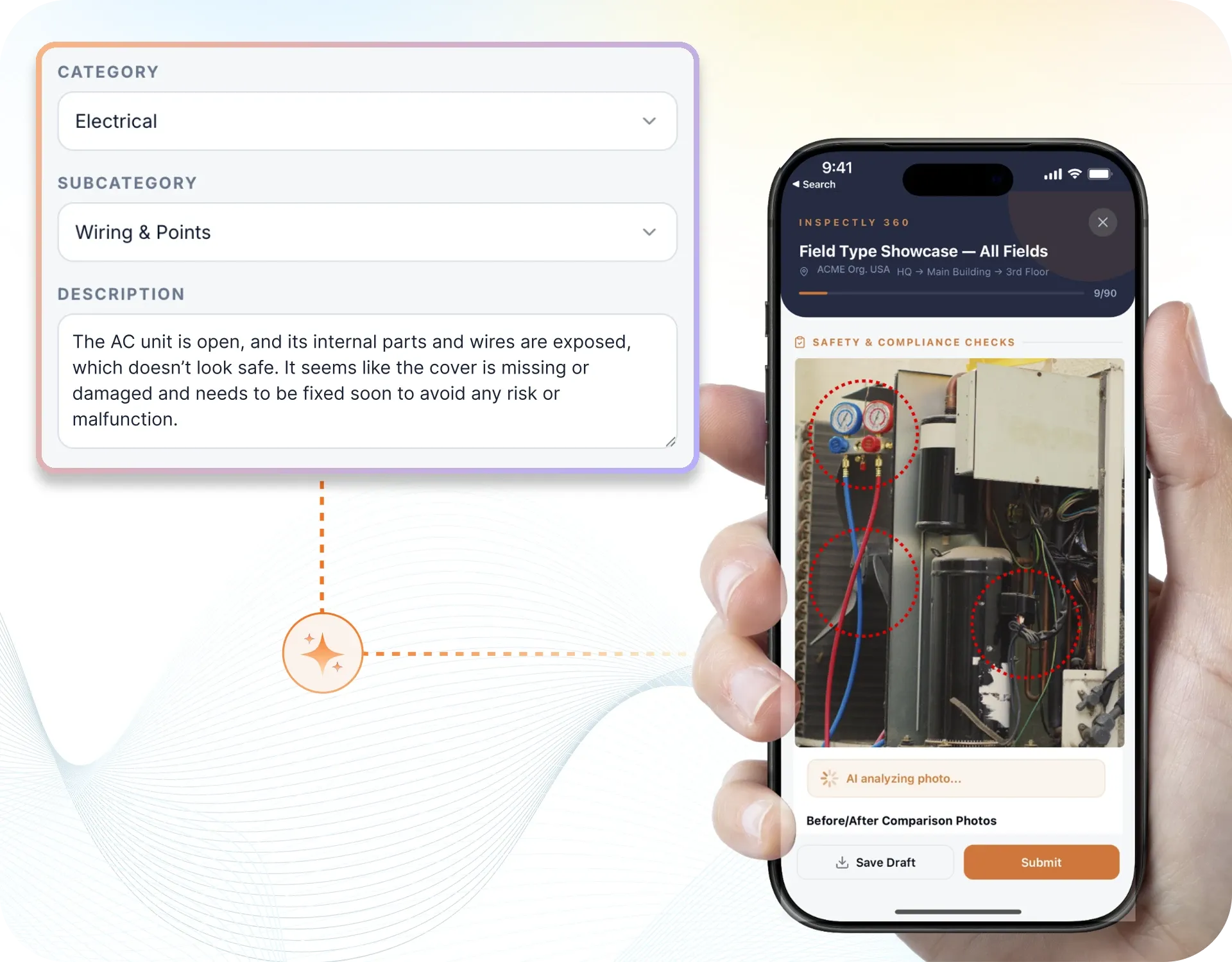
Take a Photo. AI Fills the Form
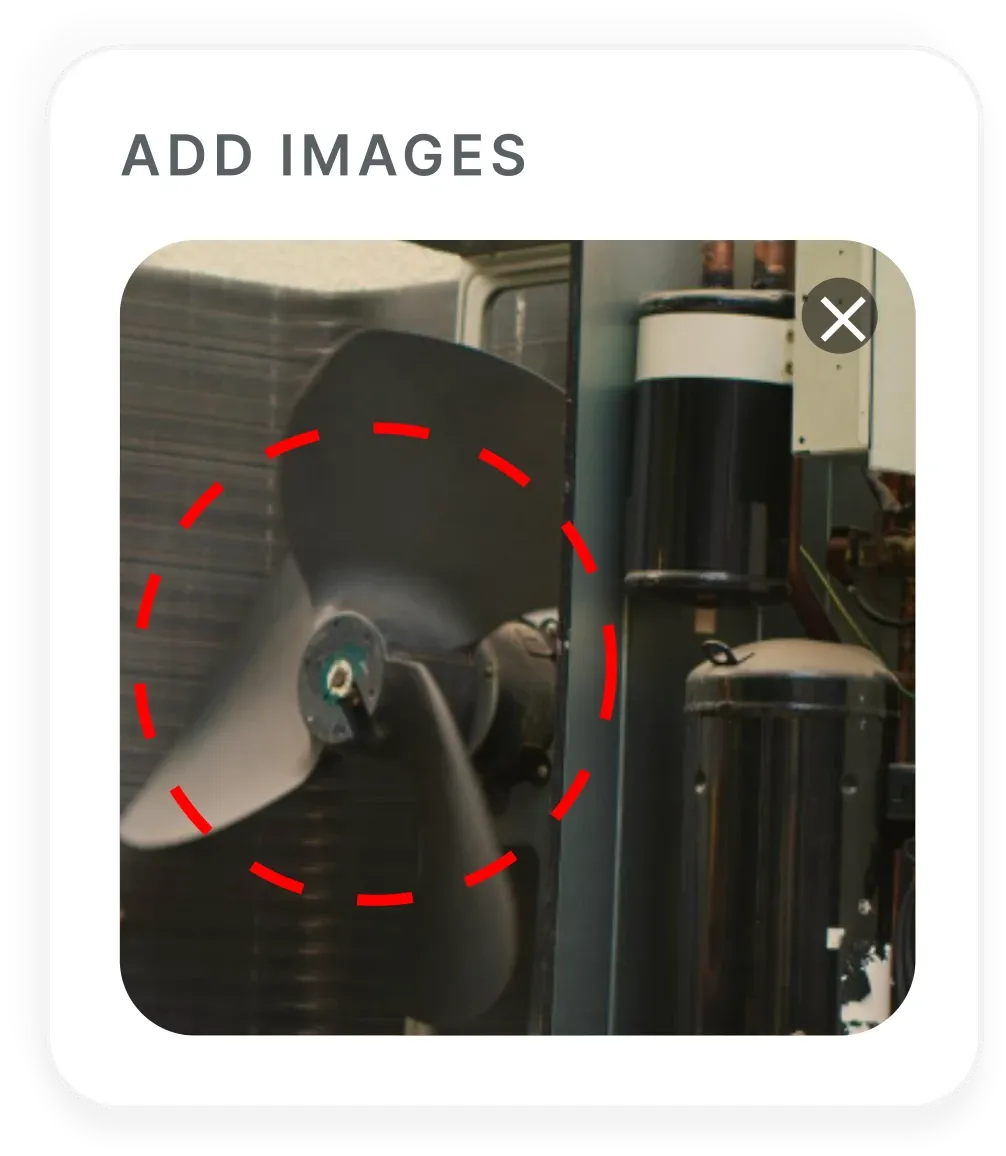
Your inspector takes a photo of any asset or defect. AI reads it and fills the inspection form automatically. No typing. No manual entry.

Convert your checklist into Mobile App
Verify segregation, weight, labelling, and chain of custody on every red bag movement, from ward generation to incinerator pickup, with photo evidence per bag.
Customize with your logo and company details.
Available on App
Run inspections on iOS and Android - no internet required. Capture photos, annotate defects, and generate reports in the field.
Run the 3471 Red Bag Inspection Checklist on the Inspectly360 app instead of paper. Inspectors capture photo evidence, work offline, and assign corrective actions on the spot, and the report generates itself the moment the inspection is signed off.
3471 Red Bag Inspection Checklist
3471 Red Bag Inspection Checklist Dashboard
Prioritized actions to keep operations running smoothly today.
Total Revenue
$42,680
+12% compared to last month
Active Projects
128
+8 new this week
Open Requests
56
-15 resolved this week
Operational Target
You're on track to meet this month's operational goal.
Target Task
200 ↑
Complete Task
136 ↑
Pending Task
10 ↓
Monthly Performance
Recent Client Activity
Everything your field team does on paper, Inspectly360 does automatically: faster, more accurate, and without the admin.
Your inspector takes a photo of any asset or defect. AI reads it and fills the inspection form automatically. No typing. No manual entry.
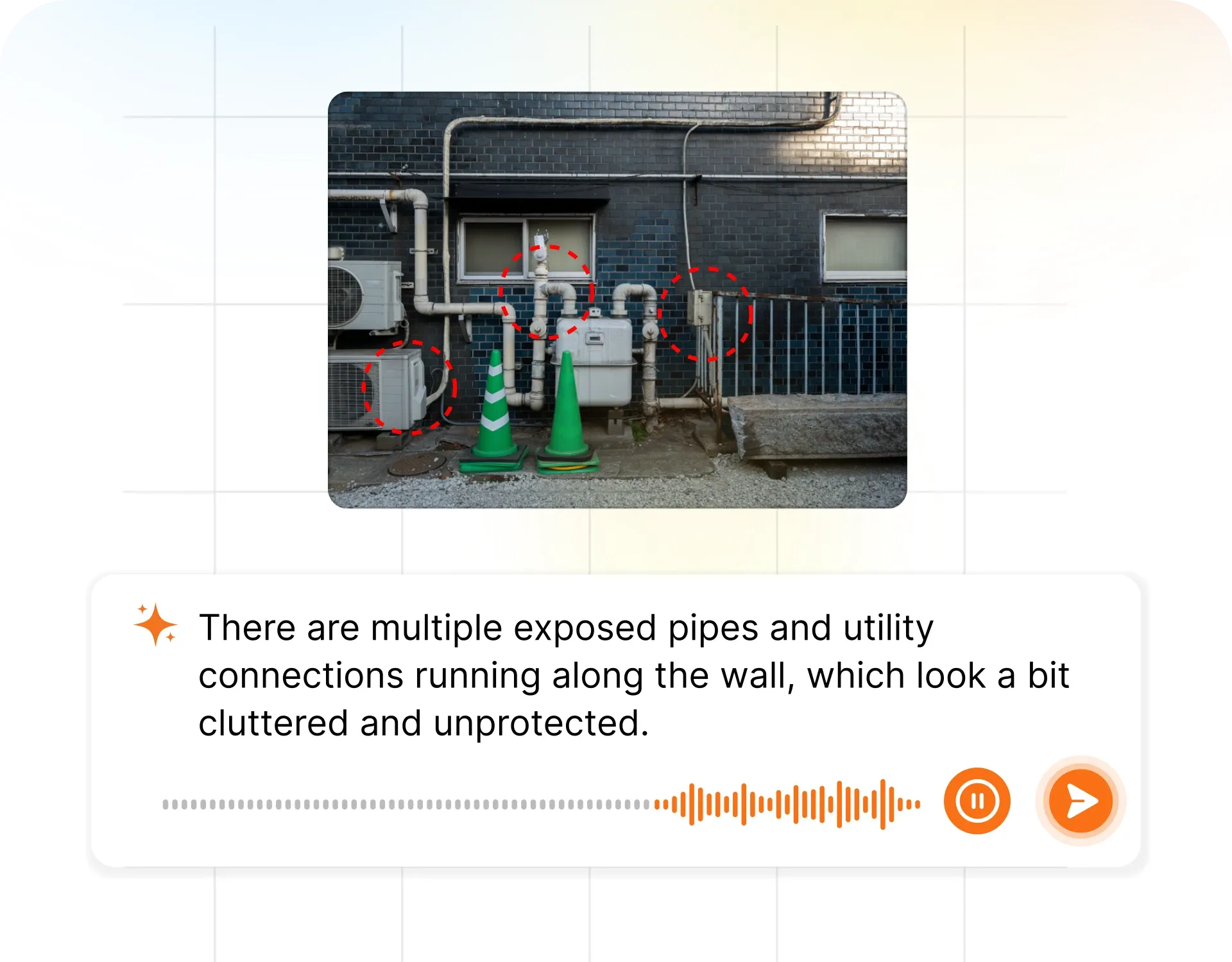
Inspectors speak their observations in any language. AI transcribes and fills the form in real time. Completely hands-free in the field.
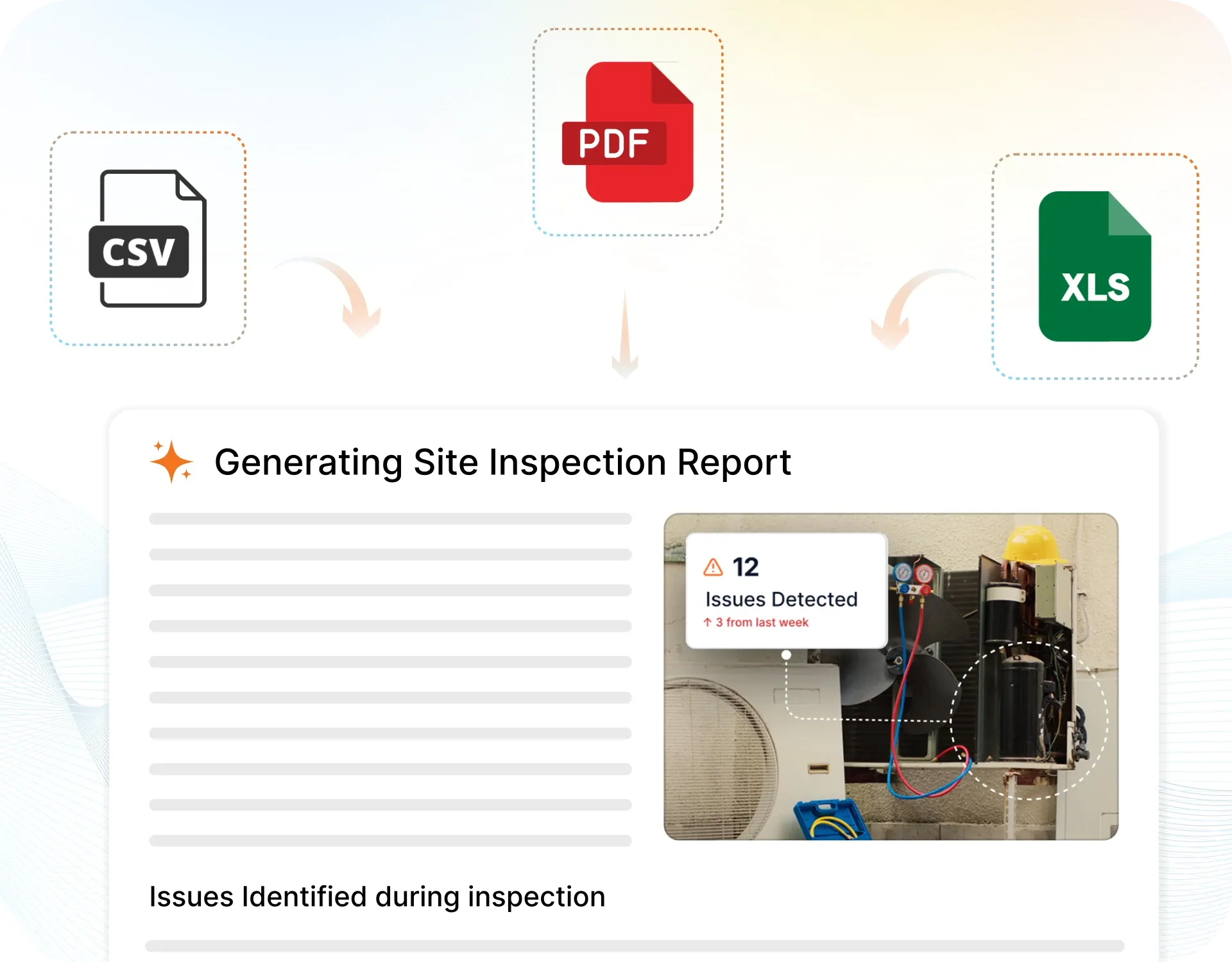
The moment an inspection is submitted, a branded PDF, Excel, or CSV report generates automatically. No manual work. No waiting.
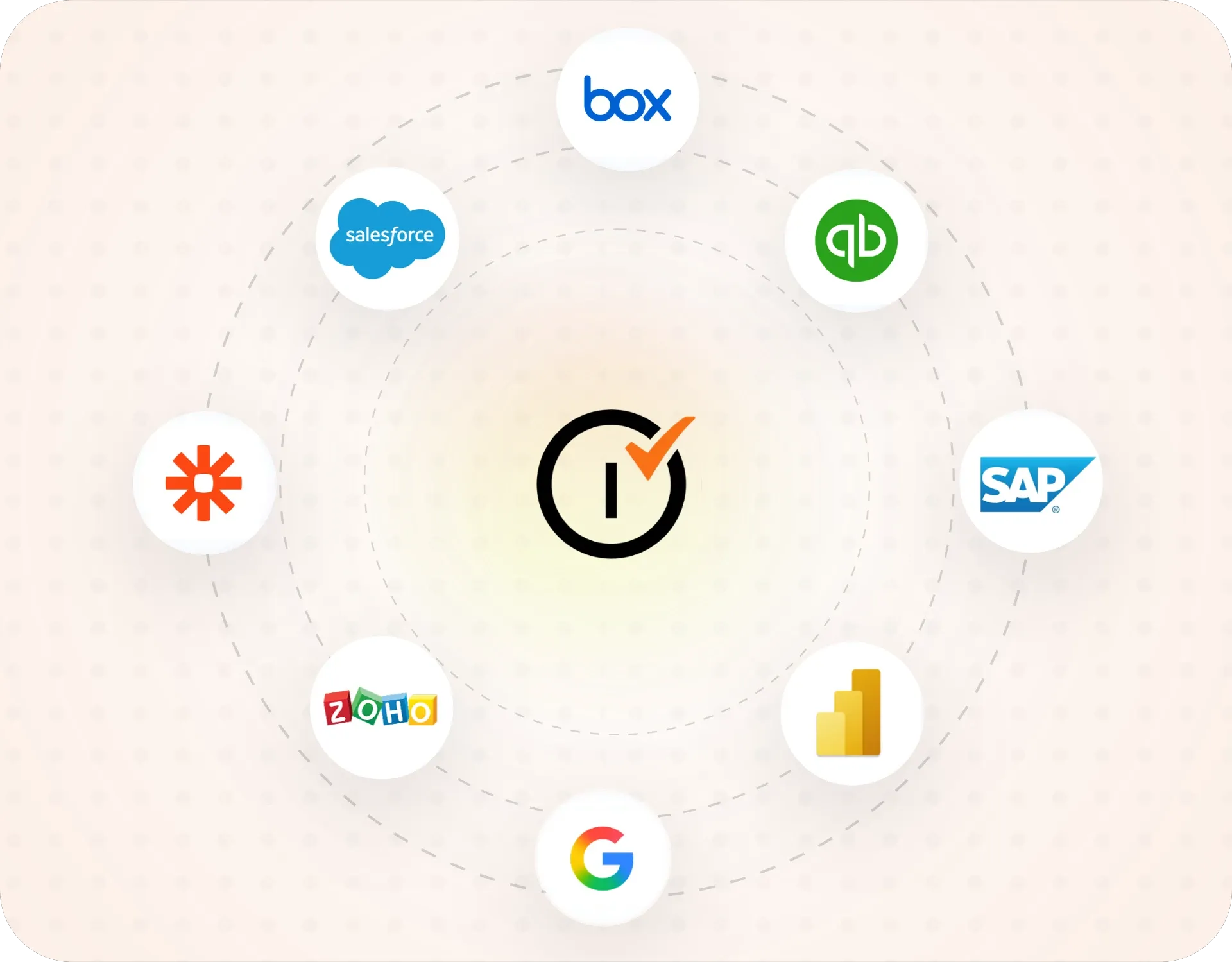
Inspectly360 integrates with the tools your team already uses, including Zoho, Microsoft 365, and SAP. No double entry.
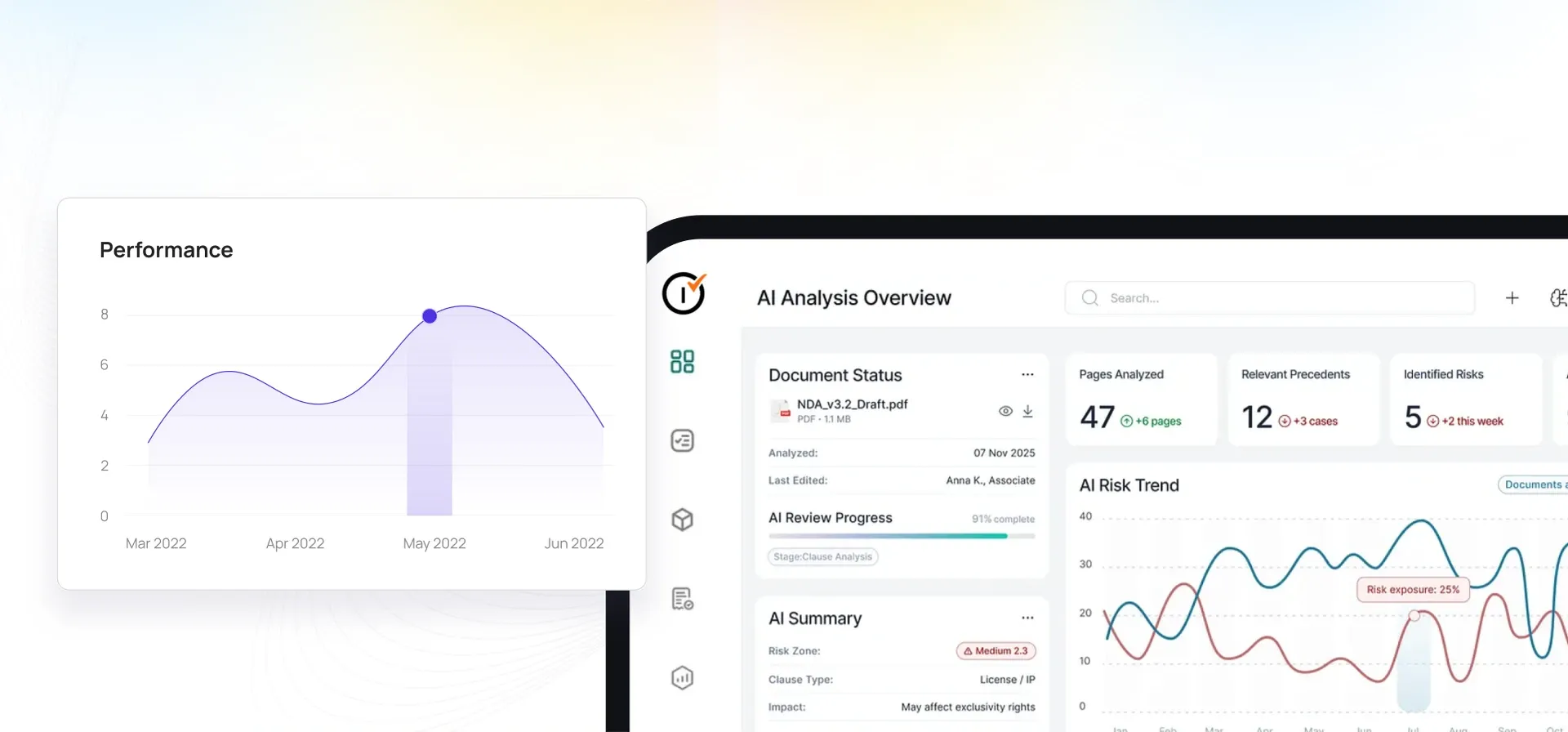
Your operations team sees completion rates, open issues, and compliance scores across all sites in real time. No chasing updates.
Manage every checklist in one connected workspace, capture evidence on mobile at the point of work, and let AI turn field inputs into clear, stakeholder-ready reports in minutes.

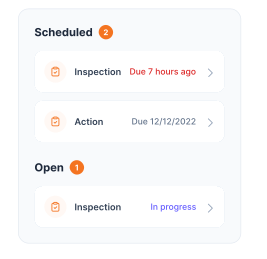
See which checklists your team has in progress across every site, jump into the same inspection with one tap, and keep field, supervisor, and back-office views in sync without sending screenshots on WhatsApp.


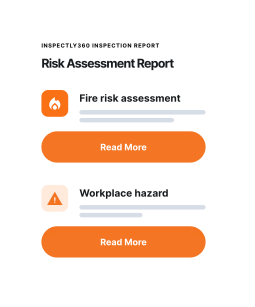
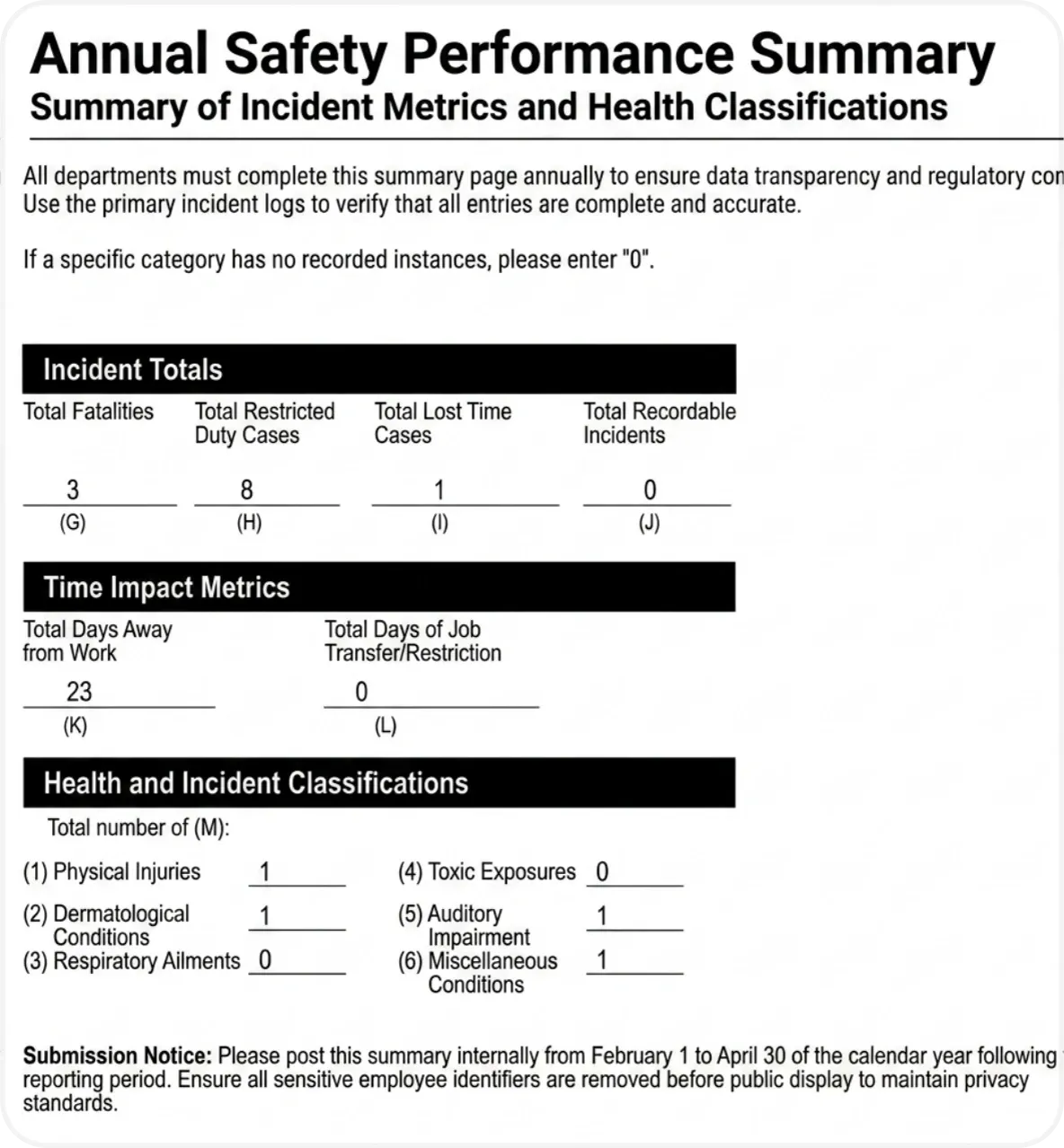


Every team reports differently. Build the report your operations, quality, or compliance leads actually want to read, share it as a branded PDF, and schedule delivery to the stakeholders who need it.


See completion, pass rate, and recurring findings across every checklist and every site, without pulling spreadsheets together at the end of the month.
Hand-picked templates for your specific industry needs.

Test medical-gas alarms: area and master alarms, alarm activation, audible and visual indicators, pressure conditions, sensor response, and panel status, with test results.

Inspect a mechanical ventilator for operational readiness: power supply, battery, self-test, alarm functionality, oxygen and air supply connections, breathing circuit, tubing and connectors, filters, sensors, display, and controls, with cleaning and inspection documentation.

Inspect the autoclave or steam sterilizer as equipment: chamber condition, door, locking mechanism and gasket, pressure and temperature indicators, controls and cycle settings, alarms, water supply and drainage, leaks and corrosion, cycle records, and sterilization indicators.

Inspect a multiparameter patient monitor: display, power and battery, alarm system, ECG leads, SpO2 sensor, blood-pressure cuff, temperature probe, cables and connectors, and controls, with physical-condition checks, cleaning, and functional testing.
The Bio-Medical Waste Management Rules 2016 (amended 2018) define four colour-codes: yellow for human anatomical waste, soiled waste, expired medicines, and chemical waste (incineration); red for contaminated recyclable plastics like IV sets, catheters, and tubing (autoclaving then recycling); white translucent for sharps (autoclaving and shredding); and blue for glass and metallic implants (autoclaving and washing). Each colour-code has its own treatment and disposal path. The checklist enforces colour-code selection at bag generation and flags any contamination at the intermediate-storage gate before the bag reaches the CBWTF.
Form-4 of the Bio-Medical Waste Management Rules 2016 requires the hospital to report bag count and weight by colour-code per month to the State Pollution Control Board. The Inspectly360 red-bag checklist captures bag-level data (date, ward, colour-code, weight, generator, CBWTF manifest) at the point of generation, so the monthly Form-4 data is assembled automatically from the daily roll-up. The infection-control nurse does not spend the last week of the month reconciling registers. The return is exported as a PDF with the source records inline, which is the same evidence the pollution-control board inspector will ask for during a site visit.
A housekeeping audit verifies general cleaning standards, bathroom sanitation, hand-hygiene compliance, and high-touch surface disinfection. A red-bag inspection is specifically focused on biomedical-waste handling under the Bio-Medical Waste Management Rules 2016: segregation, packaging, weighing, labelling, storage, transport, and CBWTF handover. Hospitals typically run both - daily housekeeping rounds for general infection control and bag-level inspections for biomedical waste compliance. Both feed into the same NABH evidence pack and the daily AI Briefing the infection-control committee reads each morning. The red-bag record specifically supports Form-4 and the annual NABH surveillance audit.
Yes. Where the Bio-Medical Waste Management Rules 2016 require pre-treatment by autoclaving (sharps, contaminated red-bag waste) before handover to the CBWTF, the checklist captures the autoclave cycle number, cycle date, autoclave operator, and the autoclave-validation chemical or biological indicator result. Each treated bag is linked to its autoclave cycle, so the chain of custody covers the treatment step, not just collection and disposal. The auditor can trace any bag to its autoclave validation, the operator who ran the cycle, and the indicator strip that proved the cycle achieved sterilisation conditions.
Yes. JCI International FMS (Facility Management and Safety) standards include FMS.5 on hazardous-materials management and FMS.5.1 on infectious-waste handling. The red-bag checklist generates the structured evidence JCI surveyors will ask for: segregation at the point of generation, controlled storage, documented chain of custody to disposal, and trained handlers. Each completed bag-level record carries the photo evidence, the generator and collector's names, and the disposal manifest. The hospital's quality team can export the previous quarter's records as a single PDF in one click, ready for the JCI surveyor's site visit.
If the CBWTF rejects a bag at the gate (wrong colour, wrong content, missing autoclave evidence, broken seal), the checklist captures the rejection reason, the photo of the rejected bag, and the corrective action against the generating ward and the named generator. The bag returns to the hospital under a controlled return manifest, gets re-processed (re-bagged, re-treated if required), and goes back to the CBWTF on the next pickup. The rejection rate by ward is a live KPI that the infection-control committee reviews monthly, which is how repeat segregation issues at the ward level get caught and trained out without becoming an audit finding.

A red bag inspection checklist is the structured biomedical-waste verification that ward staff, housekeeping, and infection-control teams run at every transfer point - ward generation, intermediate storage, and incinerator handover. It captures bag weight, colour-code (red, yellow, white, blue), labelling, autoclave validation where required, and the named generator and collector, so the audit trail under the Bio-Medical Waste Management Rules 2016 is built bag by bag, not assembled at year-end.
A red bag inspection checklist is the structured biomedical-waste verification that ward staff, housekeeping, infection-control nurses, and the central biomedical waste handler use at every transfer point in a hospital - ward generation, intermediate storage, and the common biomedical waste treatment facility (CBWTF) pickup. It walks the operator through bag colour-code (red, yellow, white-translucent, blue), bag weight, labelling against the Bio-Medical Waste Management Rules 2016, autoclave-validation evidence where required, and the named generator and collector for chain of custody.
It replaces the paper register at the central storage door, the photo of the bag on someone's WhatsApp, and the manual reconciliation that the infection-control nurse used to do at month-end. It produces one searchable record per bag, traceable to the ward, the date, the weight, and the CBWTF manifest number.
A red bag from the operating theatre arrives at the intermediate storage room without its weight log. The housekeeping supervisor signs the register anyway because the incinerator pickup is in 20 minutes. The CTPCB monthly return is filed with the entry blank.
An NABH surveyor asks for the chain of custody on yellow-bag pathology waste from the labs over the last quarter. The hospital pulls registers from three different wards. Two of them contradict each other on whether the autoclave validation was done before disposal.
Biomedical waste mismanagement is the single most cited NABH and pollution-control board finding for Indian hospitals. A consistent red-bag inspection record supports NABH, JCI, the Bio-Medical Waste Management Rules 2016, and the CTPCB or SPCB monthly return by helping the hospital:
A working red-bag biomedical-waste inspection covers the bag generation, the colour-code segregation, the intermediate storage, and the CBWTF handover. Common sections include:
Capture the bag the moment it is closed and ready to leave the ward:
Verify the controlled movement from ward to central storage:
Tie the handover to the treatment facility into the chain of custody:
Roll the daily record into the monthly compliance pack:
Run the inspection at three points: when the bag closes at the ward, when it arrives at intermediate storage, and at CBWTF pickup. Use the same checklist for in-house housekeeping and outsourced waste management partners:
See how this checklist fits into Healthcare inspection software.
This checklist runs as a mobile inspection app that works fully offline on site, with AI-powered defect detection on every photo. To see it on your own workflows, talk to our team.
See Inspectly360 in action with a live demo tailored to your needs. No credit card required.