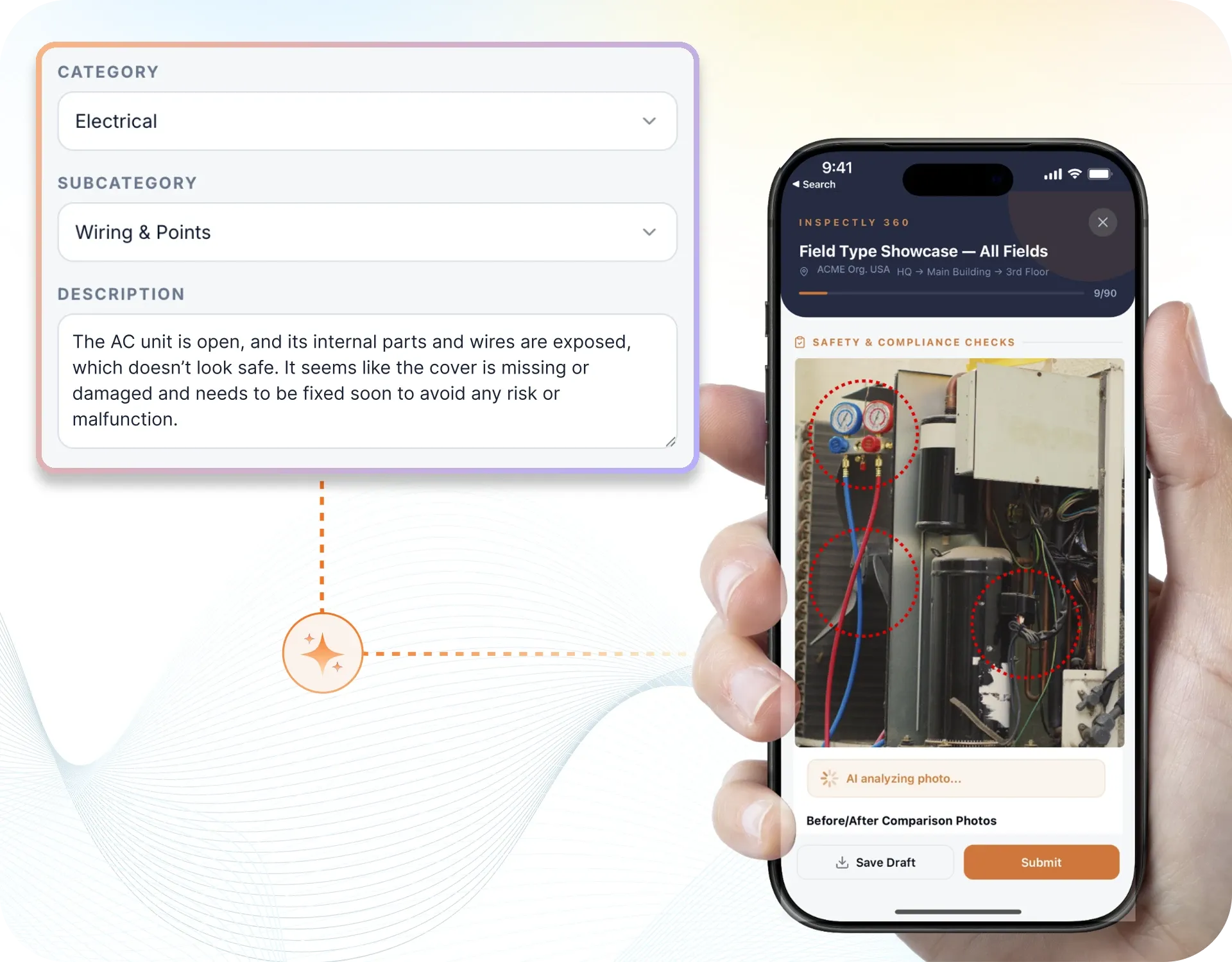
Take a Photo. AI Fills the Form
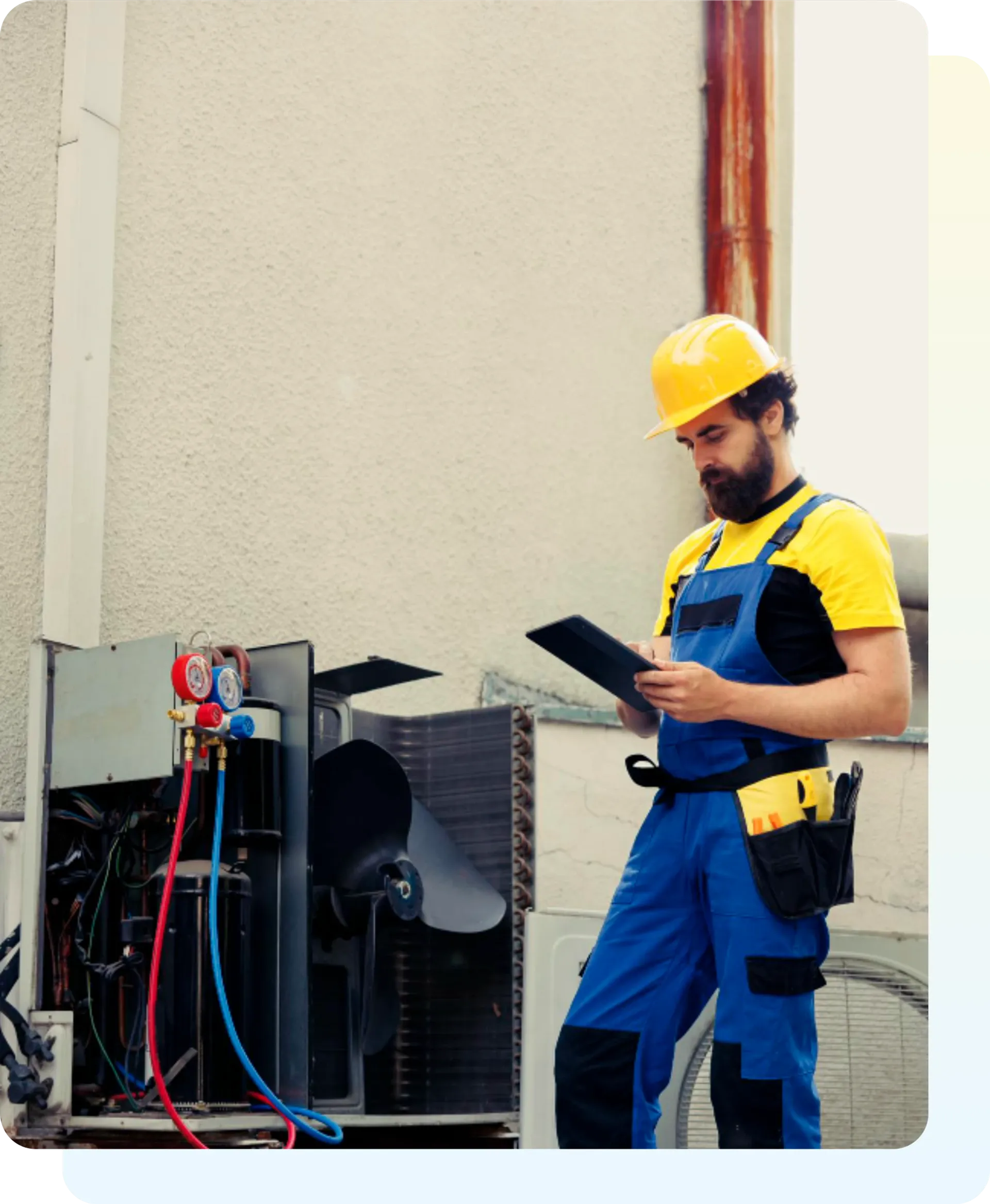
Your inspector takes a photo of any asset or defect. AI reads it and fills the inspection form automatically. No typing. No manual entry.

Convert your checklist into Mobile App
Centered on safety inspections, observations, and closed-loop corrective actions. AI safety audit software is what audit programme owners, ISO 45001 surveillance auditors, insurer underwriters, regulator inspectors, and second-party supplier auditors use when safety needs methodology, scoring, sampling, finding classification, and a defensible evidence trail rather than an everyday walk.
Available on Mobile
Inspect on iOS and Android with no internet required. Capture photos, let AI flag defects, and generate audit-ready reports in the field.
The pain it solves is the everyday reality of safety audit leadership: sampling plans living in the audit lead's head, scoring drifting between auditors, finding classification disagreeing between cycles, audit photos that cannot prove who took them or when, CAPAs from one cycle reappearing in the next because closure was never linked back, and external audit firms working in parallel paper files that nobody can reconcile. Audit defensibility erodes the moment a regulator, insurer, or surveillance auditor asks how the finding was reached.
What changes once ai safety audit software runs on one mobile-first platform.
Formal safety audit programmes follow this sequence when moving off paper templates, PDF audit packs, and shared-drive evidence stores.
Encode ISO 45001 surveillance scope, insurer audit scope, regulator inspection scope, or second-party supplier audit scope into structured templates with sampling logic, required photo evidence per control, weighted scoring, and decision trees for major nonconformity, minor nonconformity, and observation classification.
Auditors run the programme on tablets offline in plants, sub-stations, and remote sites. Photos carry timestamp, GPS location, and auditor identity automatically; geofencing optionally confirms physical attendance at high-stakes audit locations.
Edge AI ranks galleries by anomaly score so reviewers handle exception photos first. Critical safety controls still require explicit human sign-off; AI never silently passes a life-safety item, and the audit trail records both the AI suggestion and the human decision.
Findings carry score, control reference, classification (major nonconformity, minor nonconformity, observation), photo evidence, narrative, and CAPA linkage. Closure requires verification (re-inspection, photo proof, or supervisor sign-off) before the finding moves to closed.
Branded PDF audit packs with photo indexes, scoring per section, classified findings, open CAPAs, and approver signatures generate in one click. External audit firms and second-party auditors receive the engagement-scoped pack with the full audit trail; the evidence retains under configured retention.
Everything your field team does on paper, Inspectly360 does automatically: faster, more accurate, and without the admin.
Your inspector takes a photo of any asset or defect. AI reads it and fills the inspection form automatically. No typing. No manual entry.
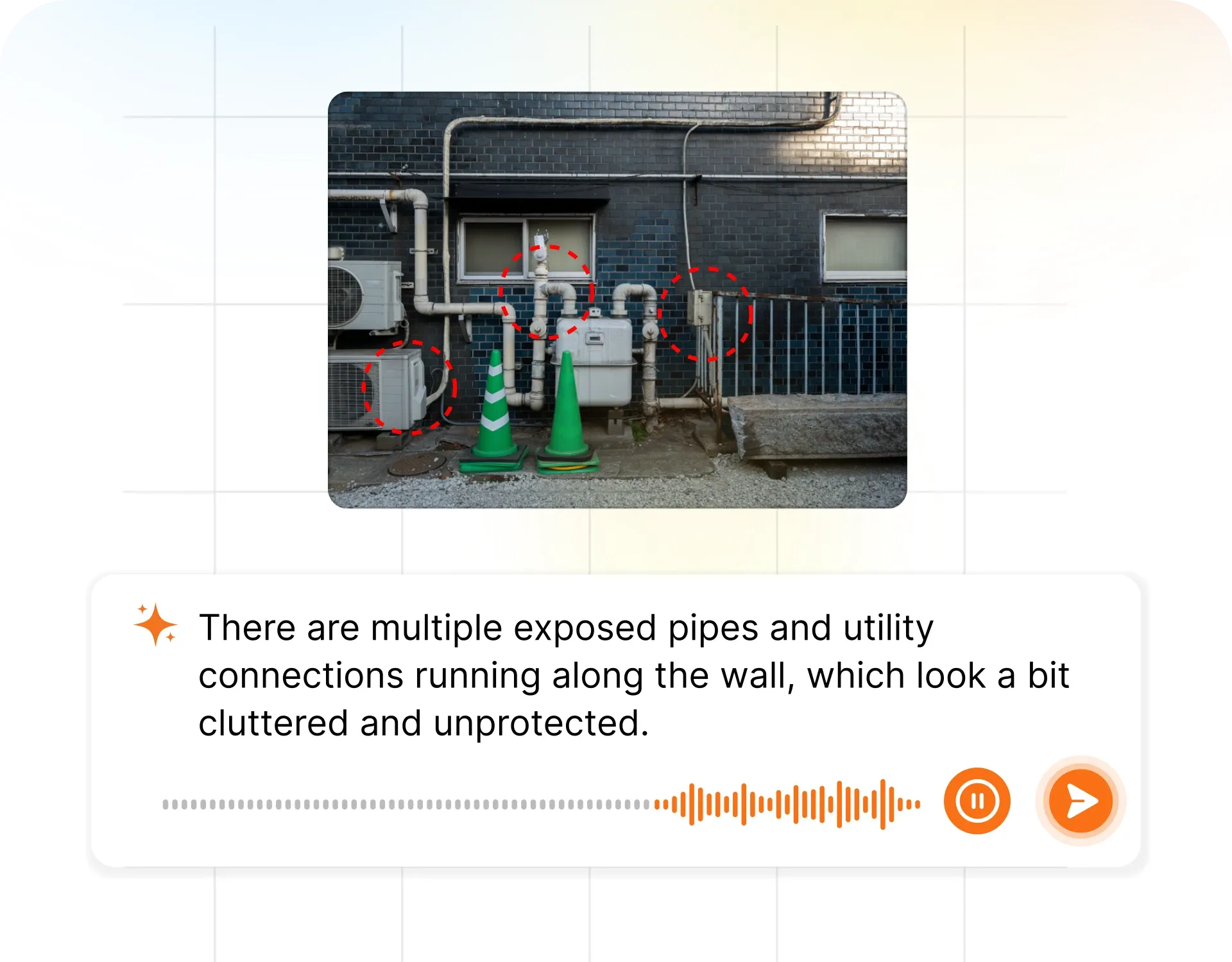
Inspectors speak their observations in any language. AI transcribes and fills the form in real time. Completely hands-free in the field.
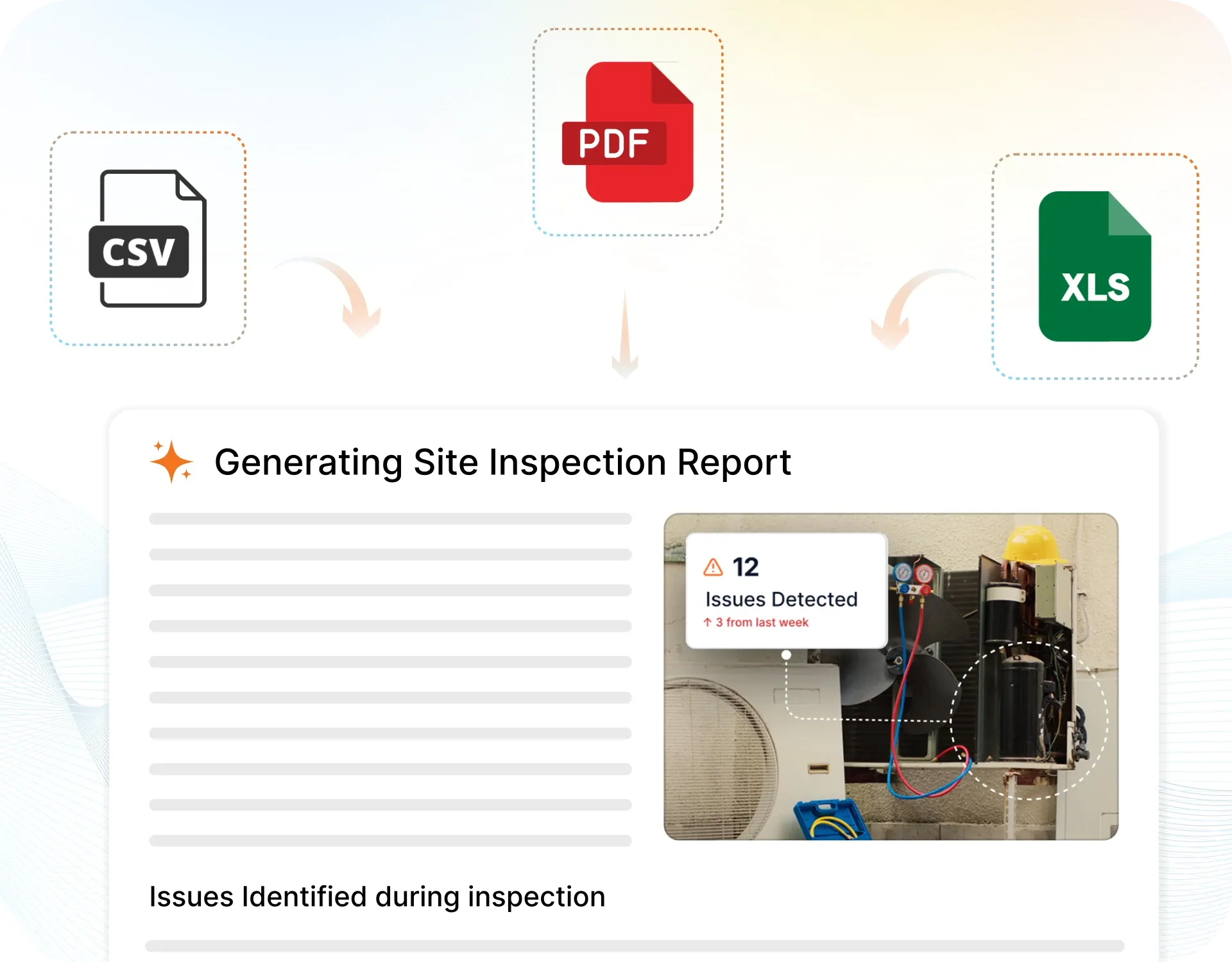
The moment an inspection is submitted, a branded PDF, Excel, or CSV report generates automatically. No manual work. No waiting.
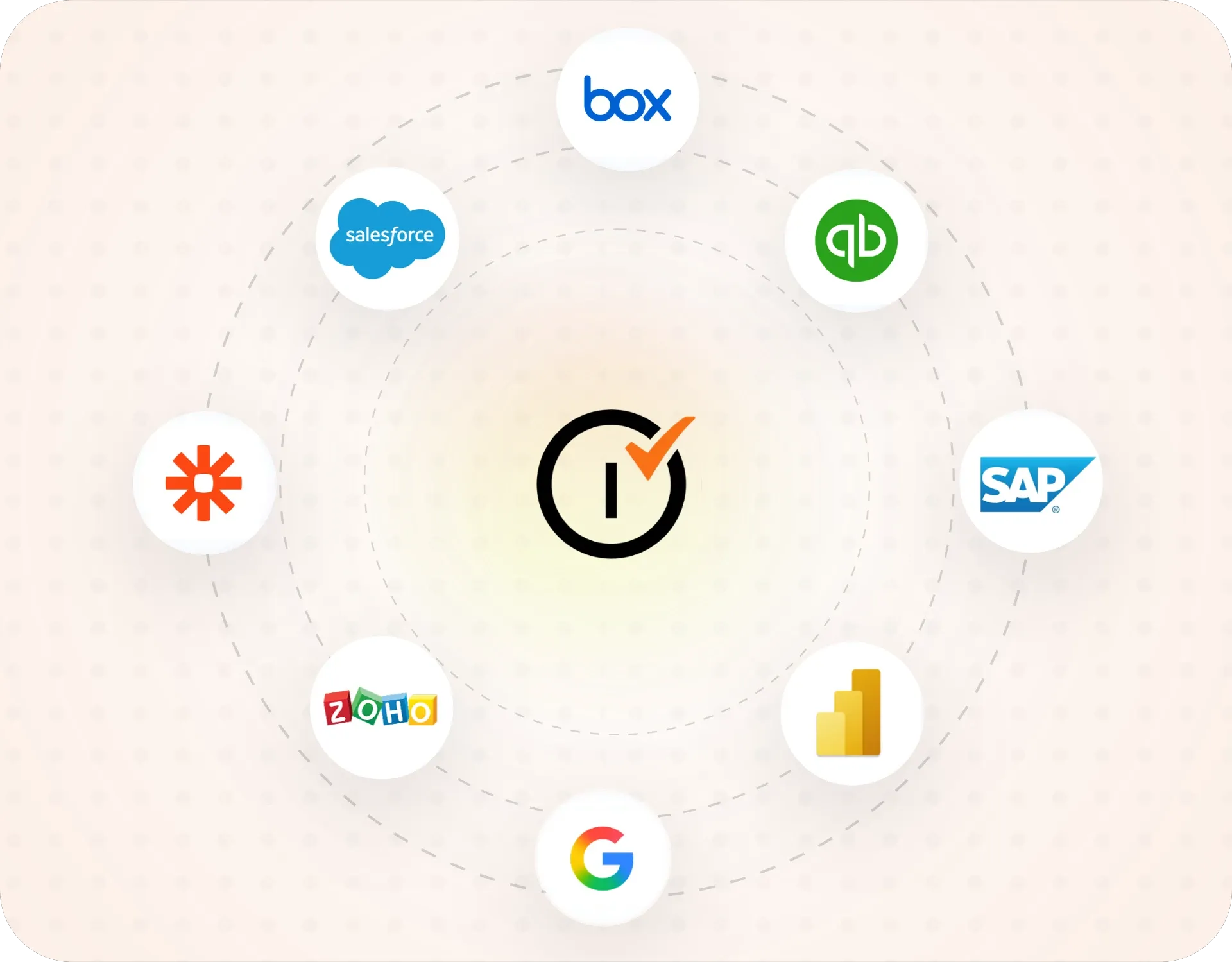
Inspectly360 integrates with the tools your team already uses, including Zoho, Microsoft 365, and SAP. No double entry.
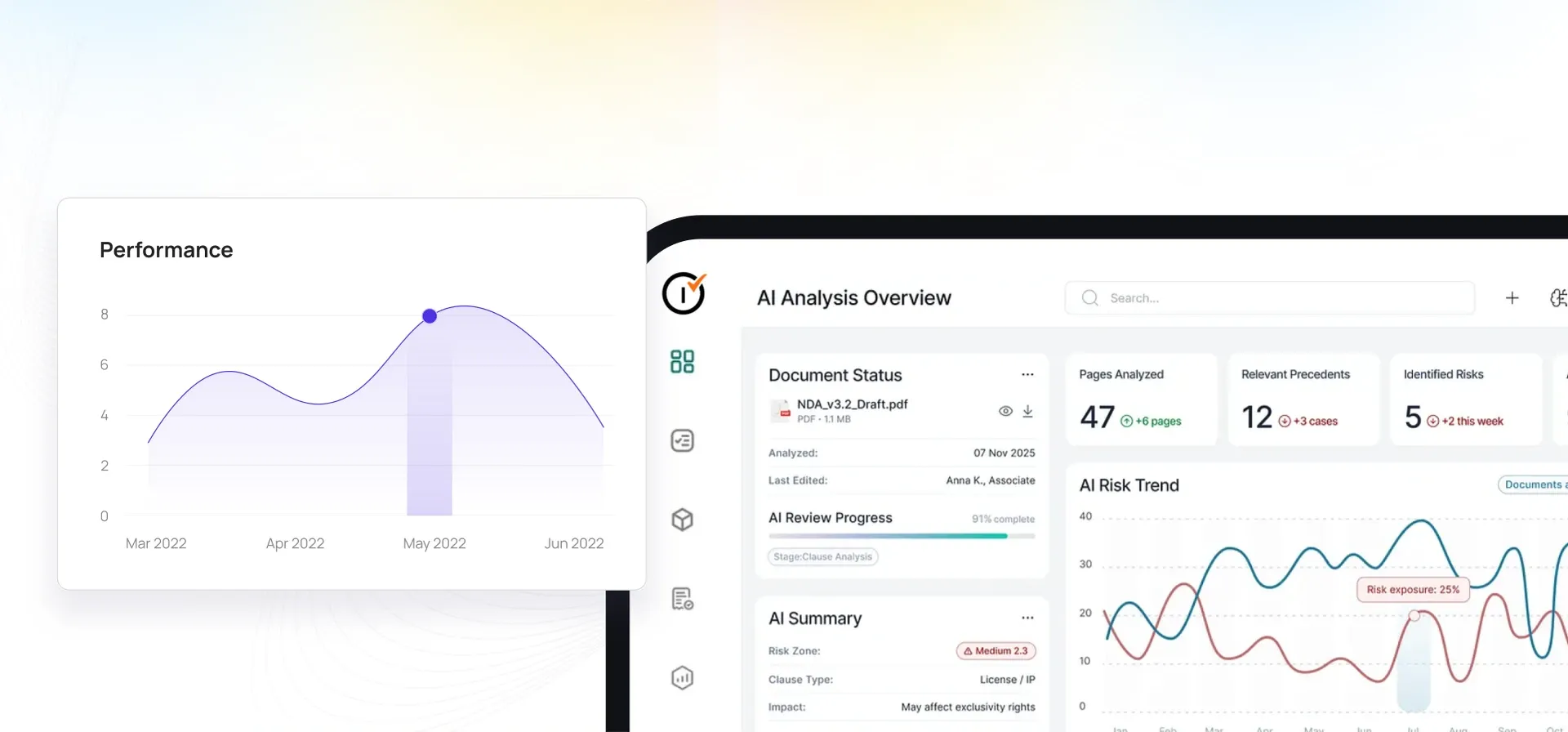
Your operations team sees completion rates, open issues, and compliance scores across all sites in real time. No chasing updates.
Manage every checklist in one connected workspace, capture evidence on mobile at the point of work, and let AI turn field inputs into clear, stakeholder-ready reports in minutes.
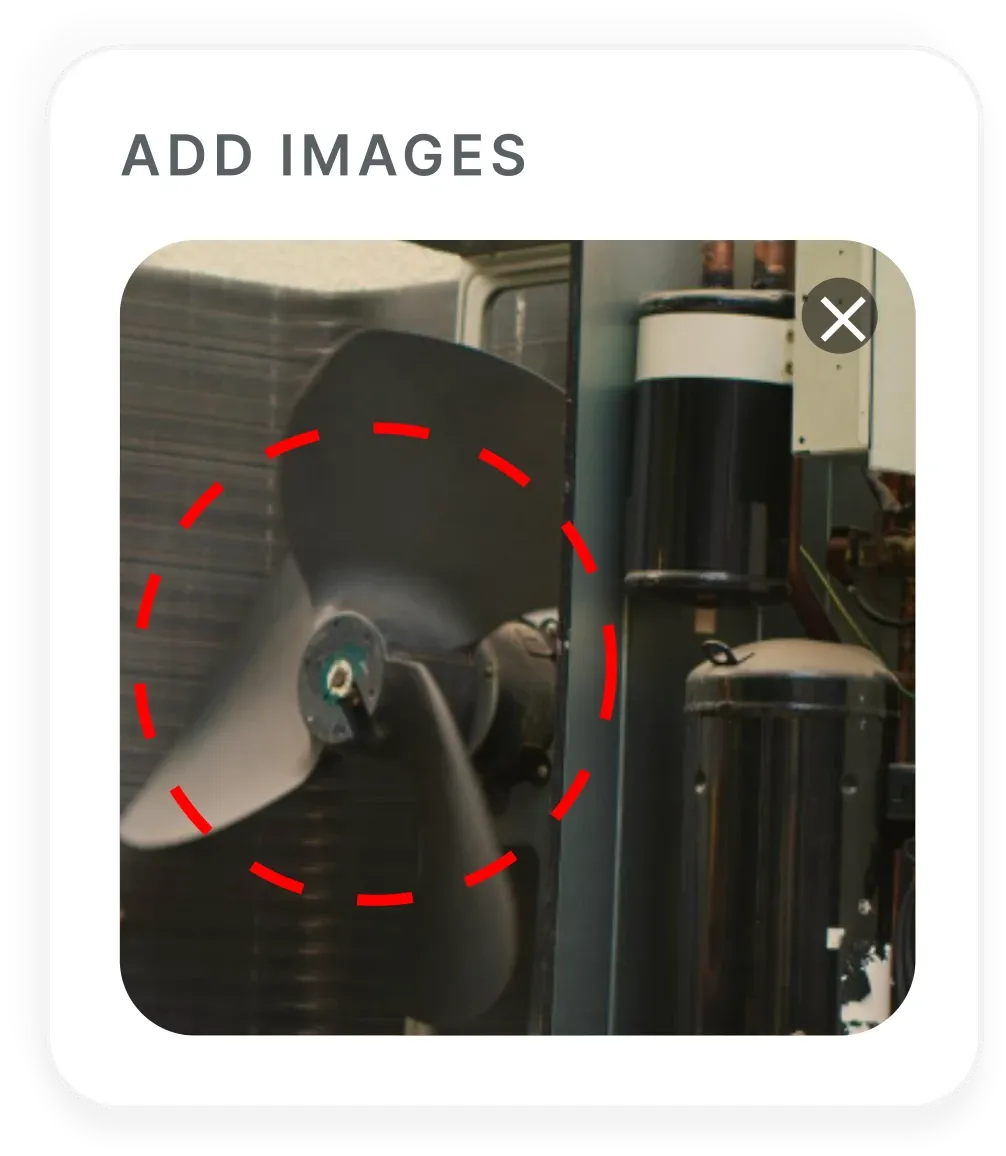
See which checklists your team has in progress across every site, jump into the same inspection with one tap, and keep field, supervisor, and back-office views in sync without sending screenshots on WhatsApp.


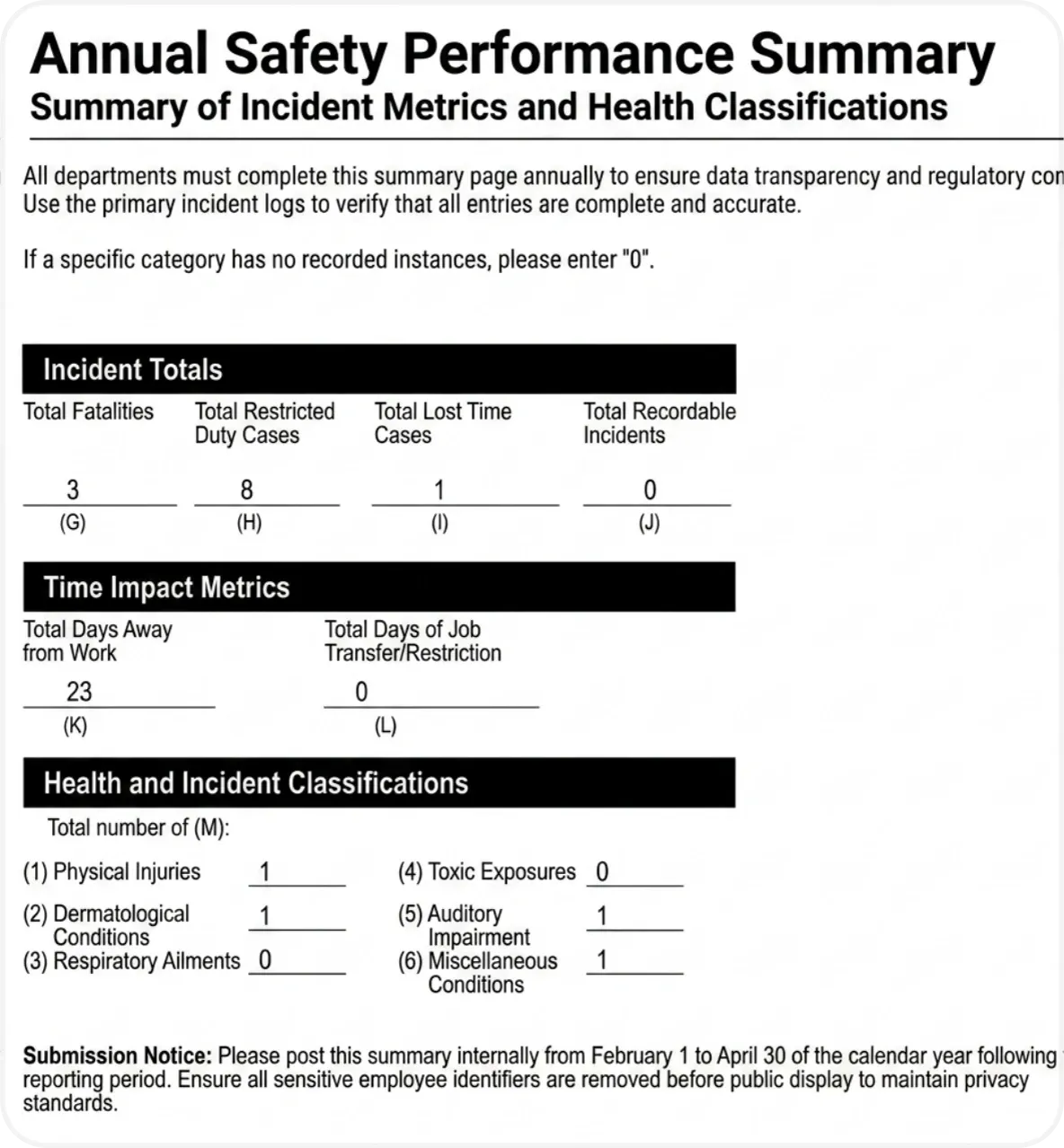


Every team reports differently. Build the report your operations, quality, or compliance leads actually want to read, share it as a branded PDF, and schedule delivery to the stakeholders who need it.

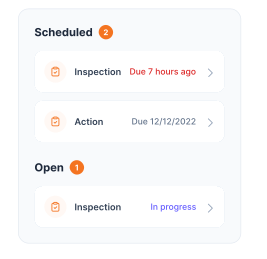

See completion, pass rate, and recurring findings across every checklist and every site, without pulling spreadsheets together at the end of the month.
What changes once ai safety audit software is standardised on Inspectly360.





“Inspectly360 transformed how we manage site safety inspections. The offline capability alone saved us countless hours. Our compliance rate jumped from 72% to 96% in just three months.”
Sarah Mitchell
Meridian Construction Group
“The AI-powered defect detection has changed how we work. Our inspectors capture photos and the system flags issues we'd have missed. It's like having an expert reviewer on every site visit.”
James Chen
Pacific Manufacturing Co.
“Rolling out digital checklists across multiple projects gave us instant visibility into recurring safety issues. We now resolve critical findings in hours instead of days.”
Olivia Carter
Northbridge Infrastructure
Get started with inspection and audit checklist templates.

Safety inspections with hazard identification, corrective actions, and compliance reporting. Offline capture and evidence.
Report incidents and near-misses with details, photos, location, and timeline. Ready for safety or quality review.
Verify arc-flash labels on electrical equipment: presence, visibility, legibility, equipment identification, voltage and incident-energy information, PPE data, and label condition.
Inspect grounding and bonding systems: grounding conductors and electrodes, bonding connections, equipment grounding, continuity, corrosion, and panel connections.
Use these apps to run inspections and audits.

by Inspectly360
Safety inspections with offline capture, evidence, and compliance reporting.

by Inspectly360
Audit HSE inspection programmes with weighted scoring, photo evidence, and corrective action tracking across sites.
by Inspectly360
Environment, health and safety inspections and audit trails.

by Inspectly360
Audits and inspections with scoring, evidence, and reports.
by Inspectly360
Fire safety inspections with extinguisher, exit, and alarm checks.
Scoring is configurable per audit template against ISO 19011 guidance. Common patterns include weighted pass/fail per control, percentage scores per section, risk-rated findings (low, medium, high, critical), and overall site rollups that aggregate across audits. Scoring rules can mandate that major nonconformities block site sign-off, require photo evidence on any failure, and surface trends over time. Auditees can predict what a 'pass' actually means because the weighting is in the template they are audited against rather than in the audit lead's head.
Sampling plans encode into the audit template alongside the controls. The template tells the auditor which units to sample, at what frequency, against which sub-population, with what evidence requirement. Sample size and selection logic stay consistent across auditors and across cycles, which means a surveillance auditor returning in cycle two cannot challenge that the methodology changed between visits. Where sampling is randomised, the seed and selection are recorded with the engagement so the basis for the sample is reproducible. In manufacturing, AI Safety Audit Software turns approved ai safety checklists into mobile checks field teams complete on any device.
Finding classification rules are encoded into the template with examples and a decision tree the auditor walks through when raising a finding. Major nonconformity, minor nonconformity, and observation are applied consistently across auditors because the classification logic is in the platform rather than in tribal knowledge. The classification decision tree and the auditor's path through it export with the report, which means an external surveillance auditor can see why a particular condition was classified the way it was rather than disputing the classification cold.
Inspectly360 stores the prior-year audit findings, CAPA closure evidence, leading-indicator KPIs, contractor performance, and incident trend on the same record the insurer audit template draws against. When the insurer auditor arrives, photo proof with timestamp and GPS, identity-verified evidence, and CAPA closure trails for previously-raised findings are available on demand. Underwriting reviews that previously took days of evidence reconstruction run from live data; premiums settle on verifiable evidence rather than the underwriter's assumption of the worst. In manufacturing, AI Safety Audit Software turns approved ai safety checklists into mobile checks field teams complete on any device.
OSHA inspector-aligned audit templates cover the general-industry standards under 29 CFR 1910, with required-evidence rules tied to the regulator's framework. During an OSHA inspection, the team produces the last 12 months of inspection records, training currency, incident logs, OSHA 300, 300A, and 301 outputs, and CAPA closure evidence in the format the inspector expects. Retention aligns to the five-year recordkeeping rule under 29 CFR 1904, and audit-grade event logs support demonstration of due diligence. In manufacturing, AI Safety Audit Software turns approved ai safety checklists into mobile checks field teams complete on any device.
Yes. Second-party supplier safety audits use the same scored template engine with a supplier-specific scope. Each supplier is a first-class entity with audit history, scorecard data, and CAPA tracking. The audit team auditing a supplier crew on the supplier's premises captures evidence under scoped access; the supplier sees only its own scorecard and its own findings. Cross-supplier trend analysis aggregates at the audit-owner level, which means procurement and EHS converge on the same supplier safety data for renewal conversations. In manufacturing, AI Safety Audit Software turns approved ai safety checklists into mobile checks field teams complete on any device.
See Inspectly360 in action with a live demo tailored to your needs. No credit card required.