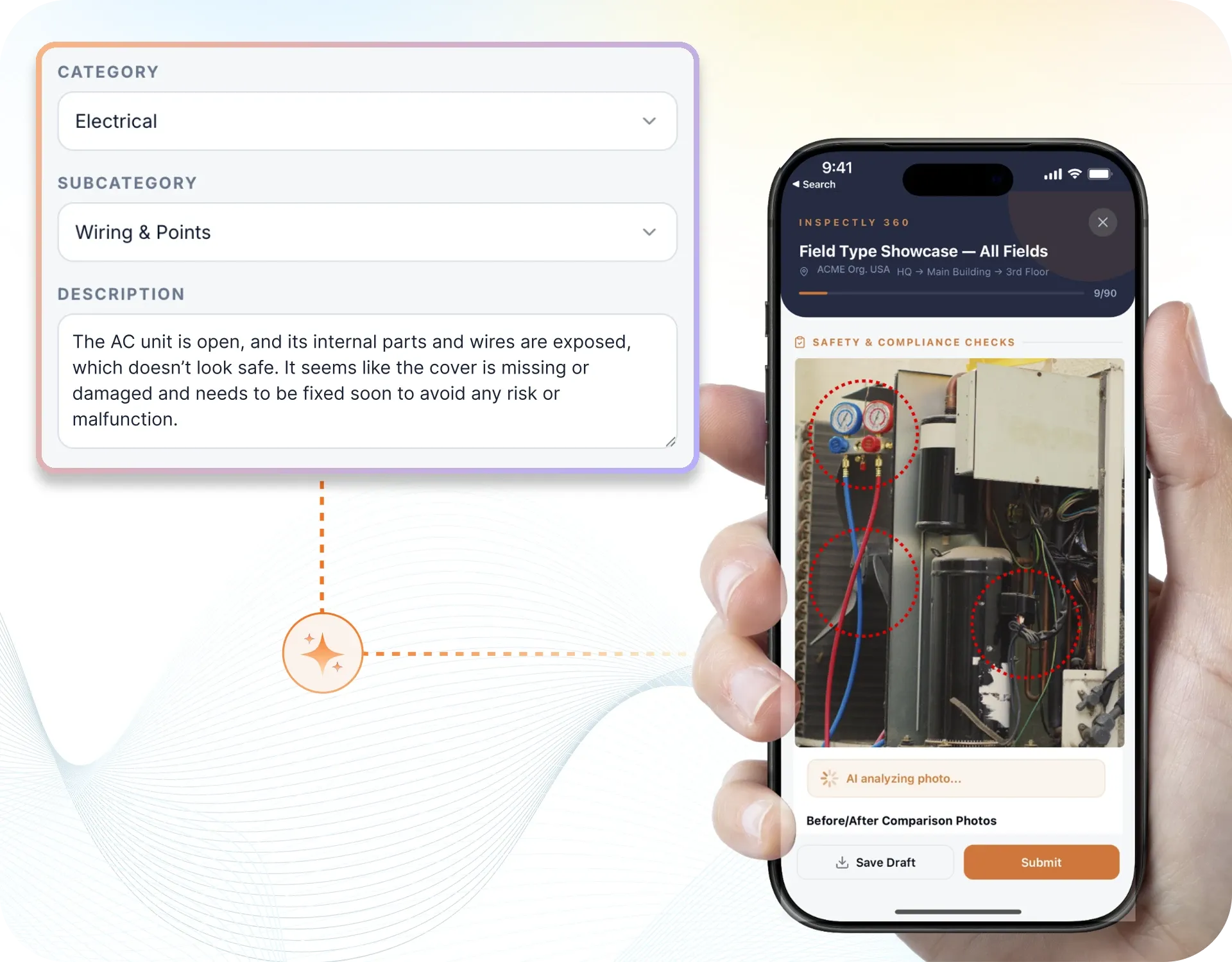
Take a Photo. AI Fills the Form
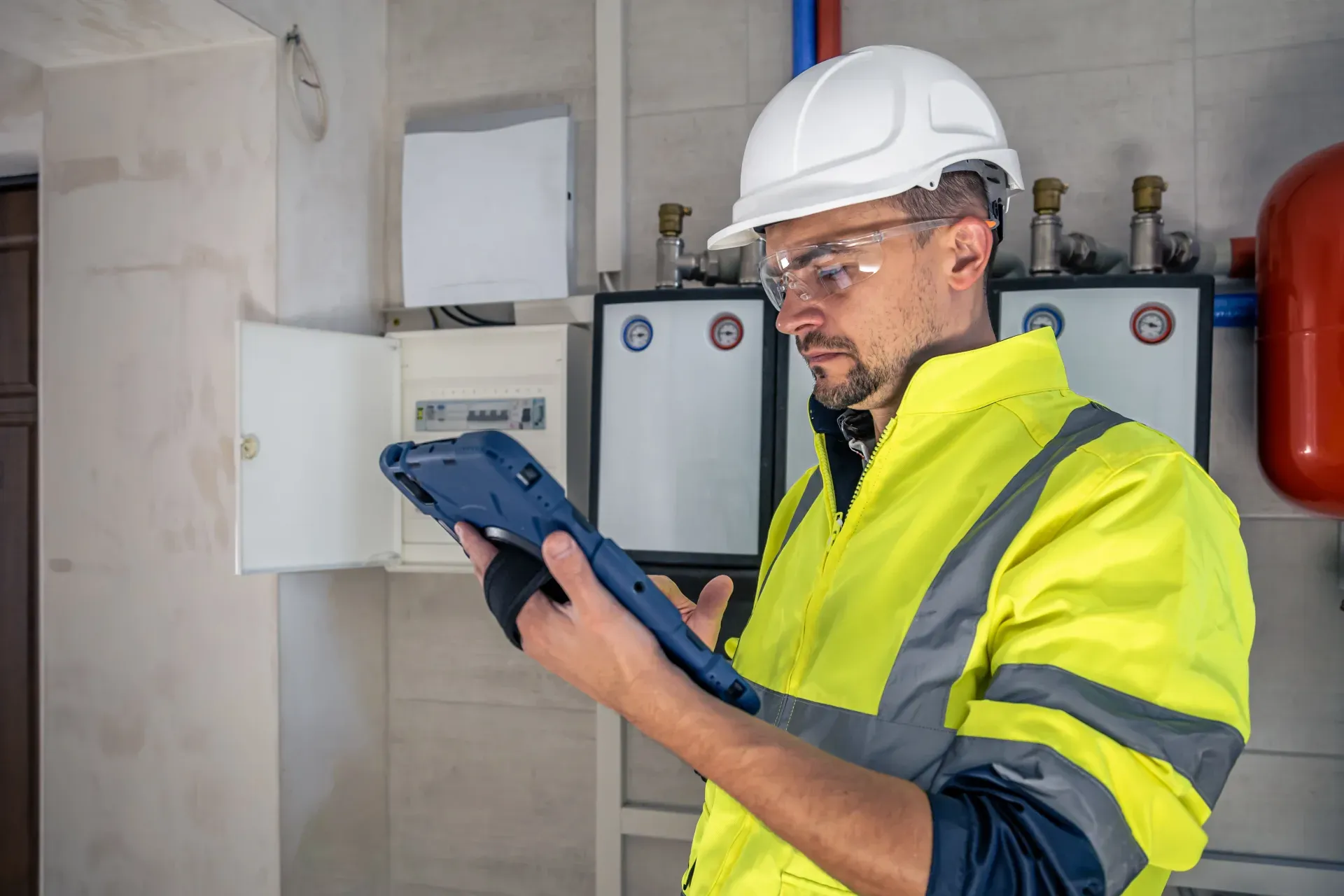
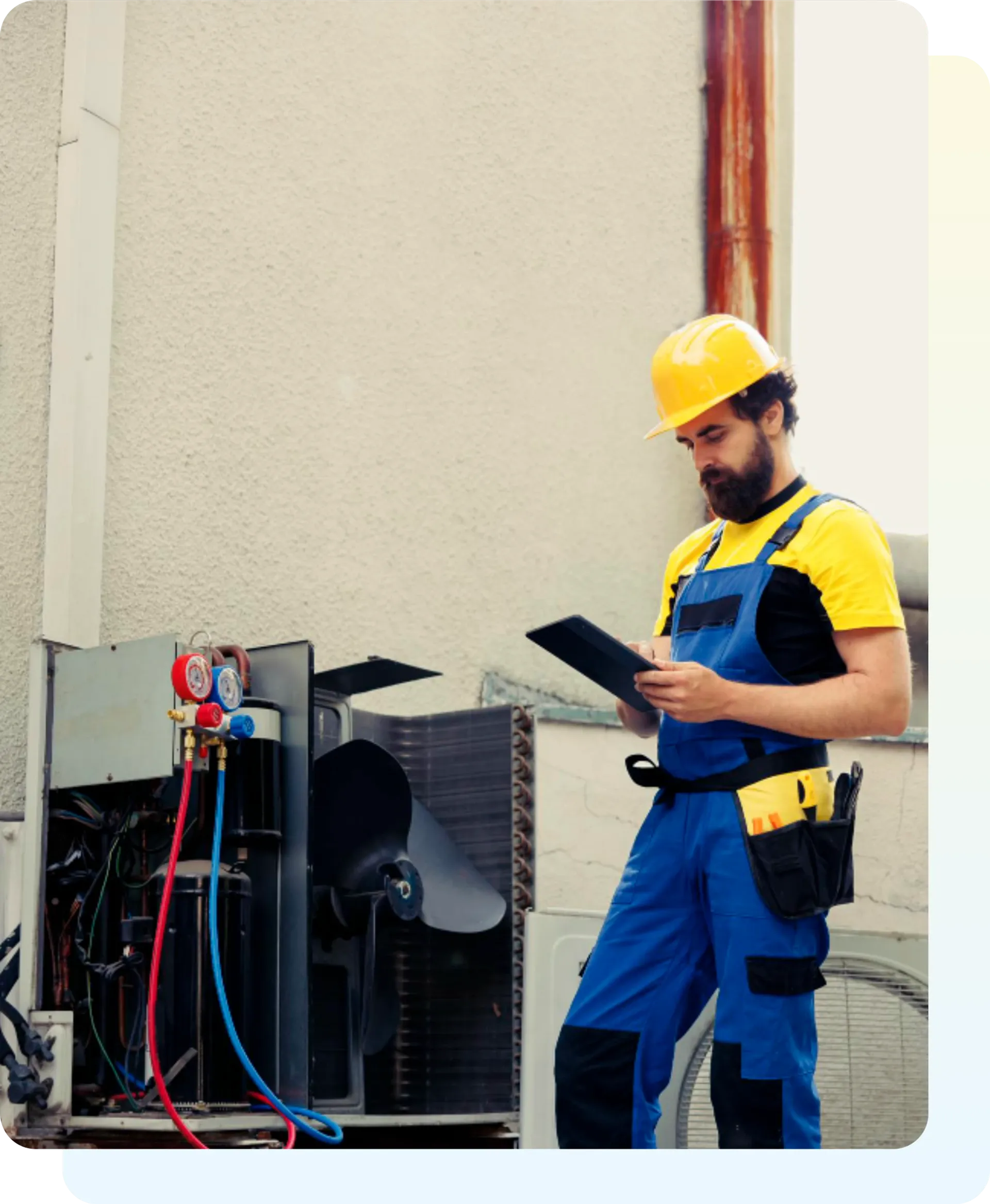
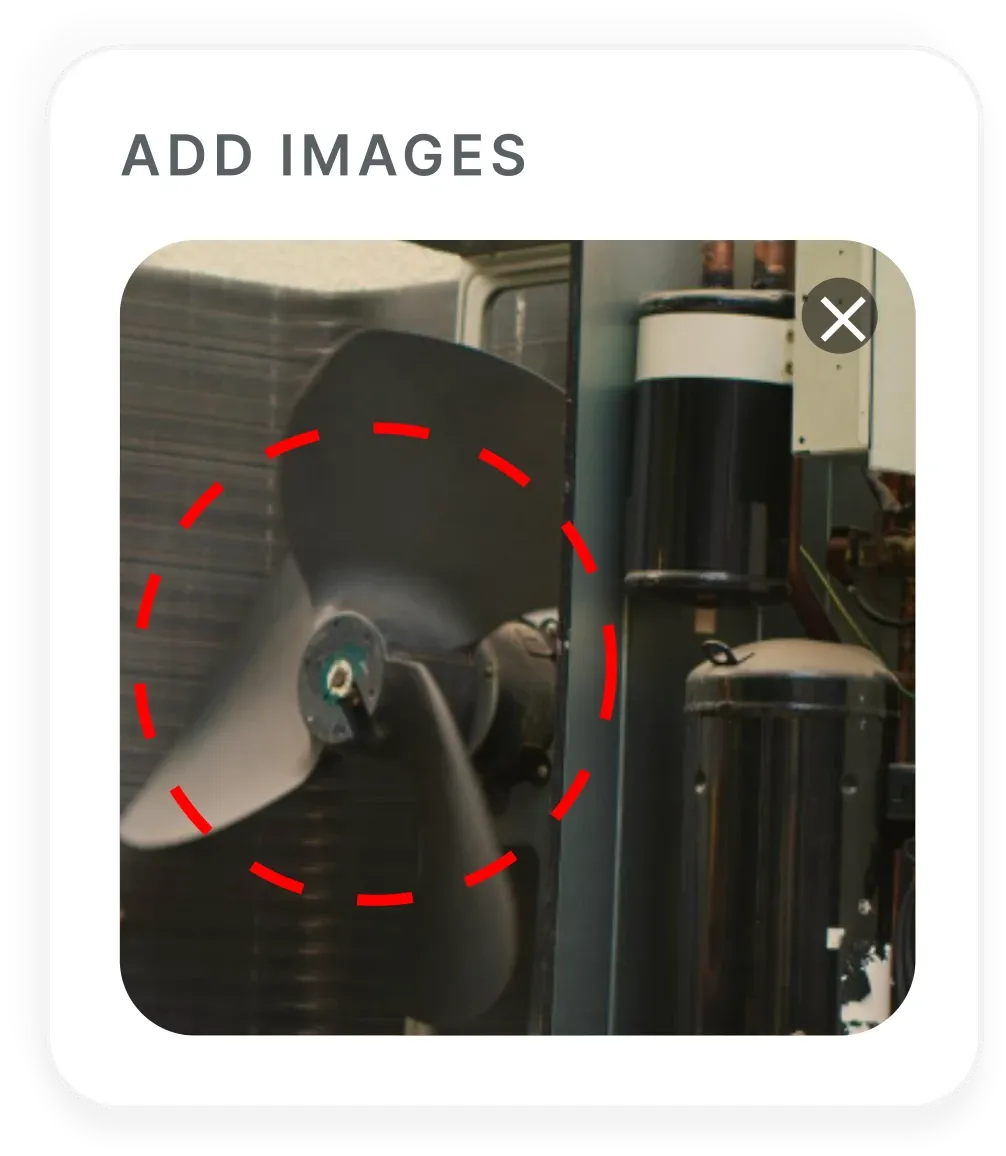
Your inspector takes a photo of any asset or defect. AI reads it and fills the inspection form automatically. No typing. No manual entry.

Convert your checklist into Mobile App
Centered on safety inspections, observations, and closed-loop corrective actions. AI safety inspection software is the platform that Heads of EHS, Safety Managers, and operations leaders use to run workplace safety walks, behaviour-based observations, job safety analyses, permit-to-work workflows, and near-miss capture with defensible field evidence across every site.
Available on Mobile
Inspect on iOS and Android with no internet required. Capture photos, let AI flag defects, and generate audit-ready reports in the field.
The pain it solves is familiar to any EHS leader running multi-site programmes: hazard photos arriving on email without zone, severity, or hazard class; BBS observations on paper that never reach coaching conversations; near-misses reported verbally and lost to the system; JSA forms signed and filed but never trended; permit-to-work workflows run in email so the controls cannot be audited; and ISO 45001 or OSHA visits triggering binder hunts because the evidence is everywhere except in one structured record. By the time an OSHA inspector or insurer asks, the trail is gone.
What changes once ai safety inspection software runs on one mobile-first platform.
EHS leaders adopt this loop when deploying across plants, logistics yards, construction sites, energy infrastructure, and remote operations.
Encode OSHA-style controls, ISO 45001 programmes, hazard identification and risk assessment (HIRA), behaviour-based observations, JSA, and permit-to-work workflows as versioned digital templates with required photos and approvals.
Inspectors capture safety walks offline; AI hazard detection and PPE detection scan photos for missing PPE, blocked exits, exposed electrical, fall risks, and other named hazards for safety manager confirmation.
Near-miss capture, BBS observations, and JSA recurrence feed leading-indicator dashboards alongside incident data; the pyramid above each lost-time injury becomes visible rather than imagined.
Failed items create CAPAs with named owners, deadlines, required closure evidence, and time-based escalations documented in /features/notifications; critical controls require re-inspection before closure.
OSHA 300/300A/301 packs, ISO 45001 audit packs, contractor safety scorecards, and EHS KPI reports generate from the same record through /features/automated-reports.
Everything your field team does on paper, Inspectly360 does automatically: faster, more accurate, and without the admin.
Your inspector takes a photo of any asset or defect. AI reads it and fills the inspection form automatically. No typing. No manual entry.
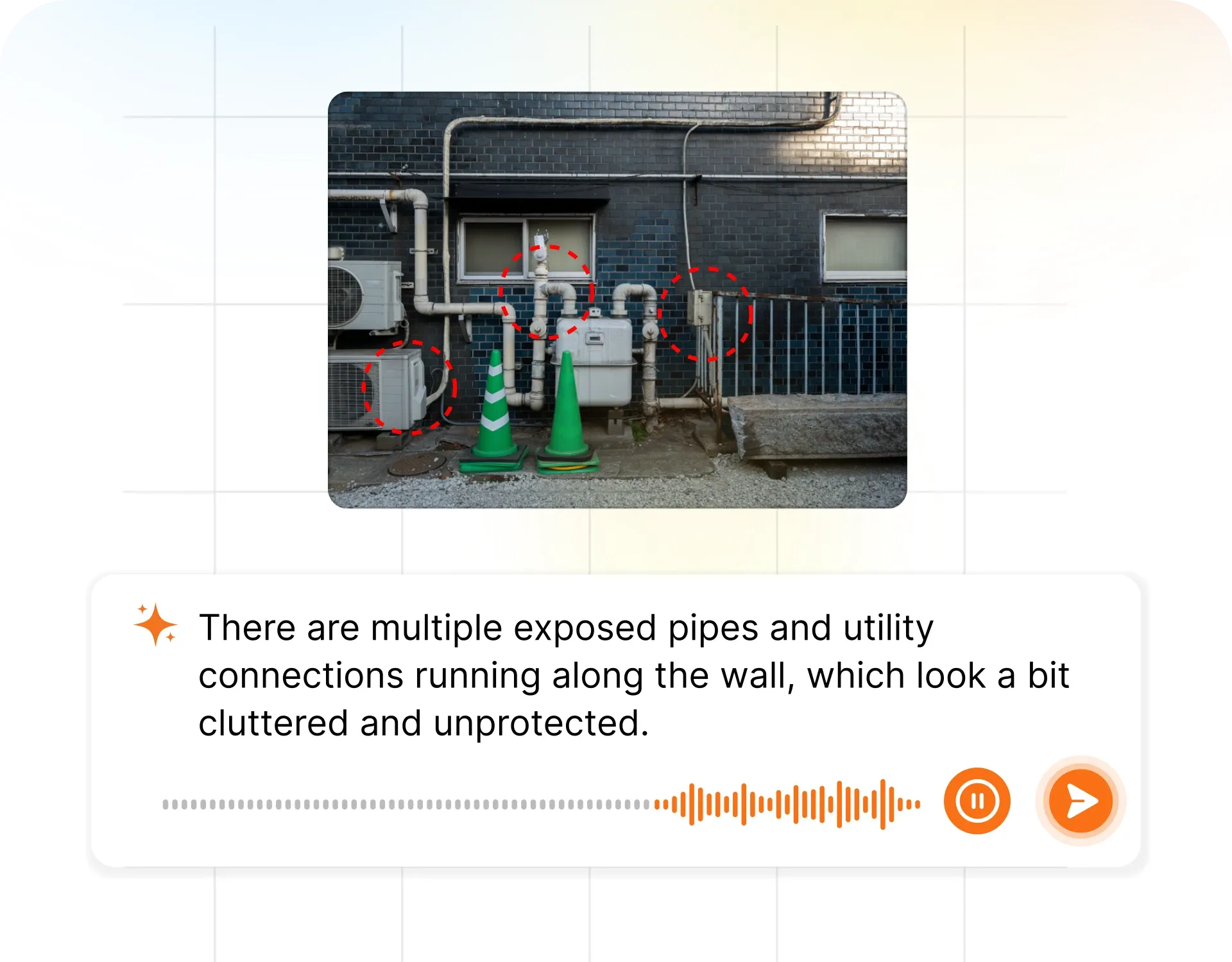
Inspectors speak their observations in any language. AI transcribes and fills the form in real time. Completely hands-free in the field.
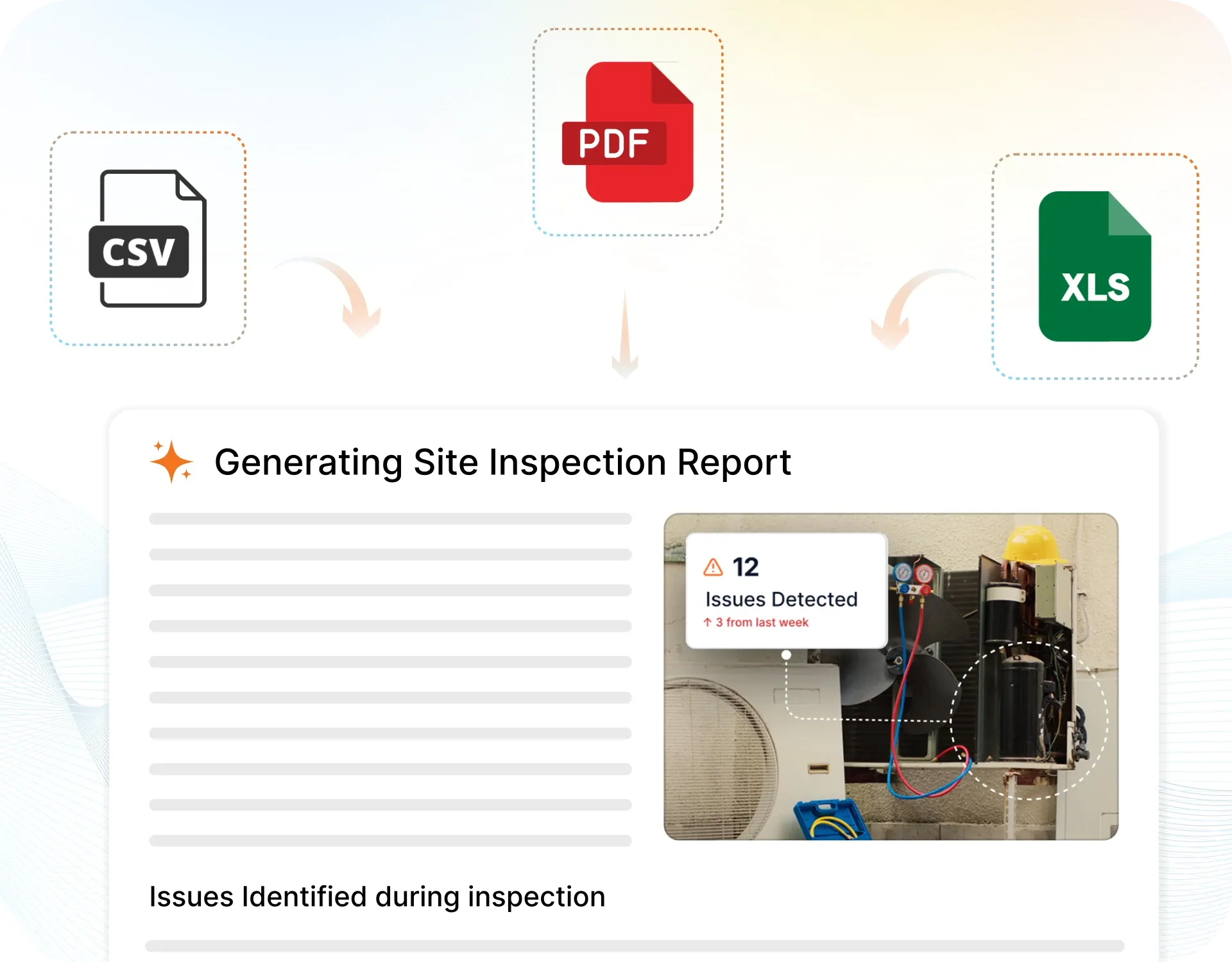
The moment an inspection is submitted, a branded PDF, Excel, or CSV report generates automatically. No manual work. No waiting.
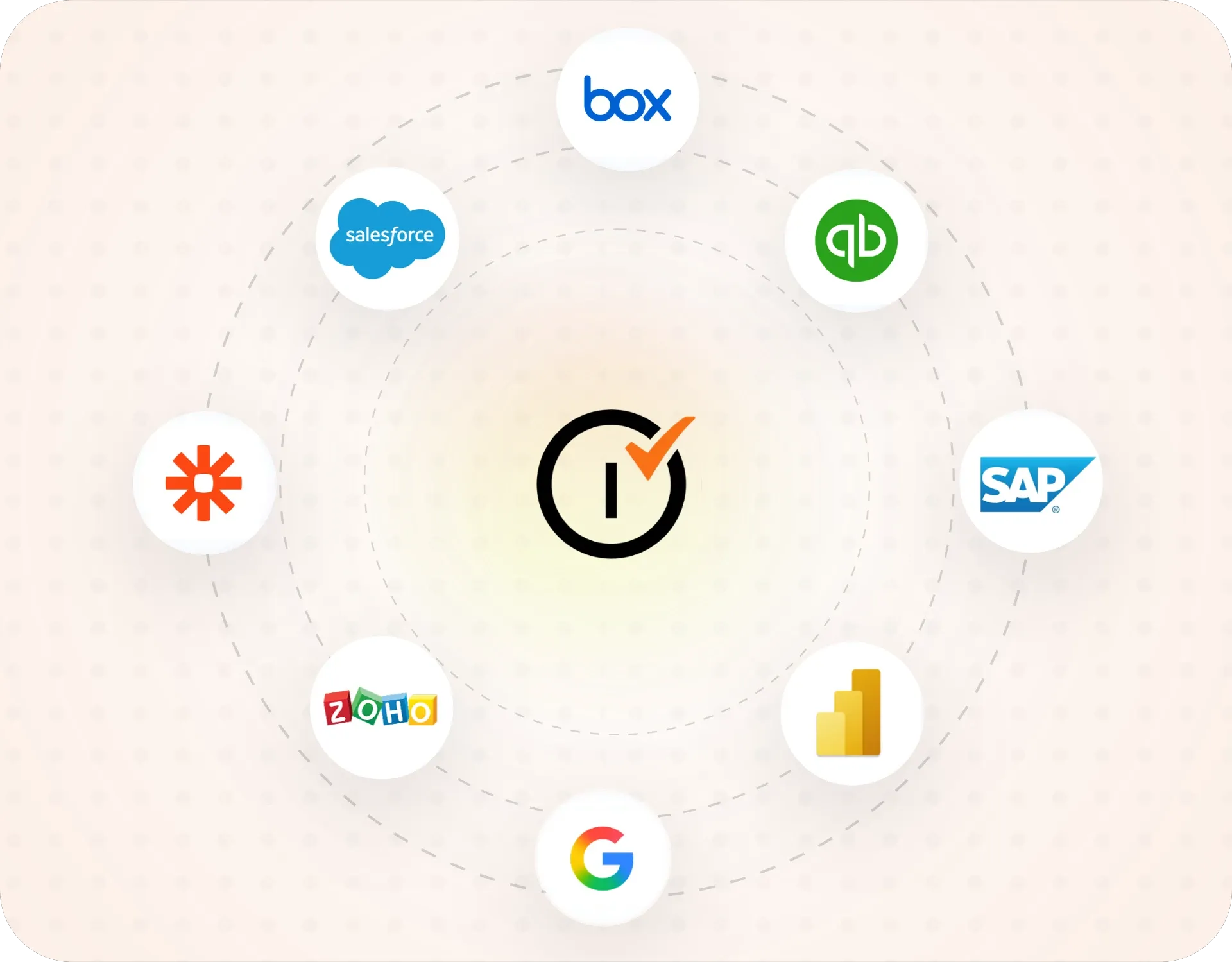
Inspectly360 integrates with the tools your team already uses, including Zoho, Microsoft 365, and SAP. No double entry.
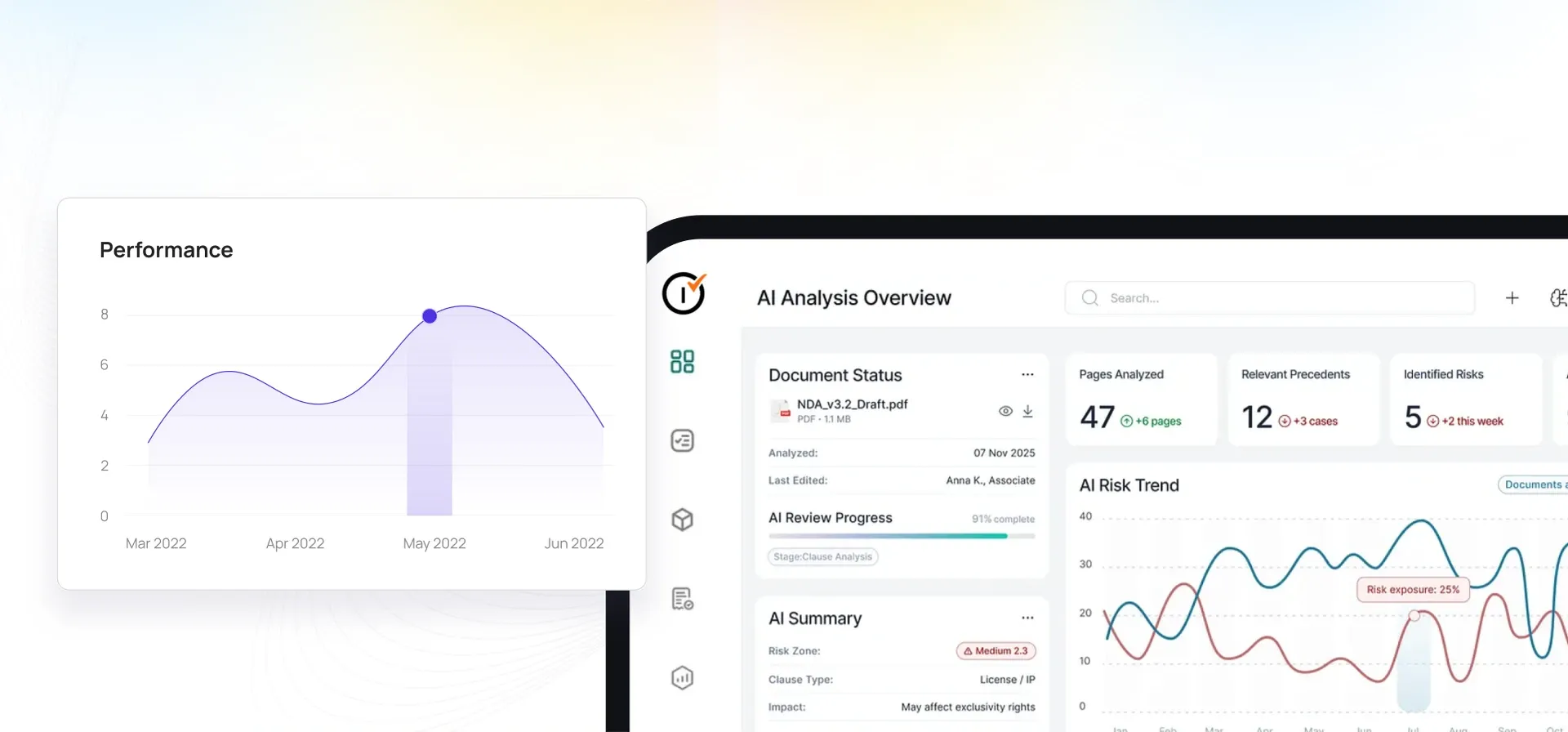
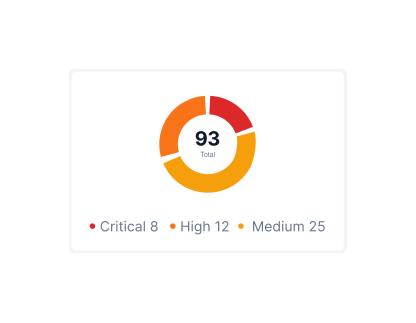
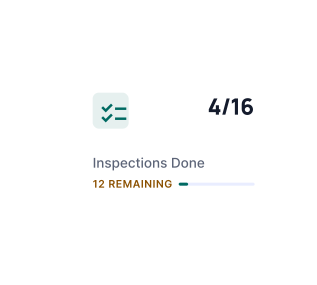
Your operations team sees completion rates, open issues, and compliance scores across all sites in real time. No chasing updates.
Manage every checklist in one connected workspace, capture evidence on mobile at the point of work, and let AI turn field inputs into clear, stakeholder-ready reports in minutes.
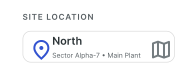
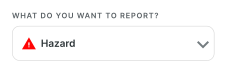
See which checklists your team has in progress across every site, jump into the same inspection with one tap, and keep field, supervisor, and back-office views in sync without sending screenshots on WhatsApp.


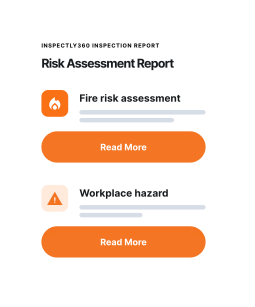
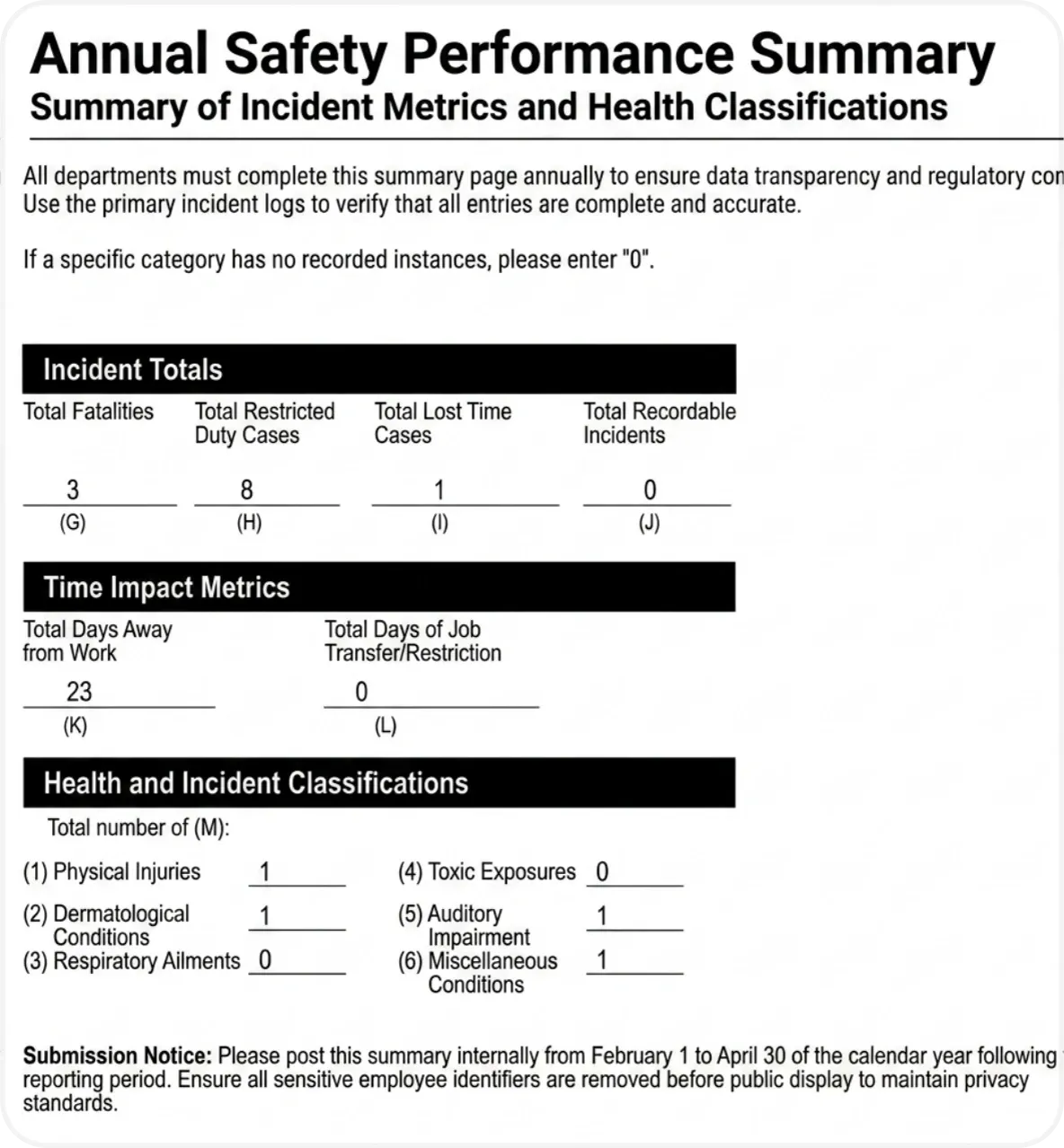


Every team reports differently. Build the report your operations, quality, or compliance leads actually want to read, share it as a branded PDF, and schedule delivery to the stakeholders who need it.

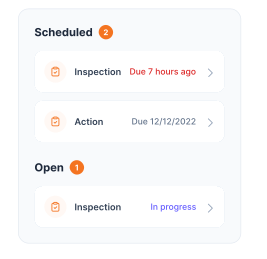

See completion, pass rate, and recurring findings across every checklist and every site, without pulling spreadsheets together at the end of the month.
What changes once ai safety inspection software is standardised on Inspectly360.






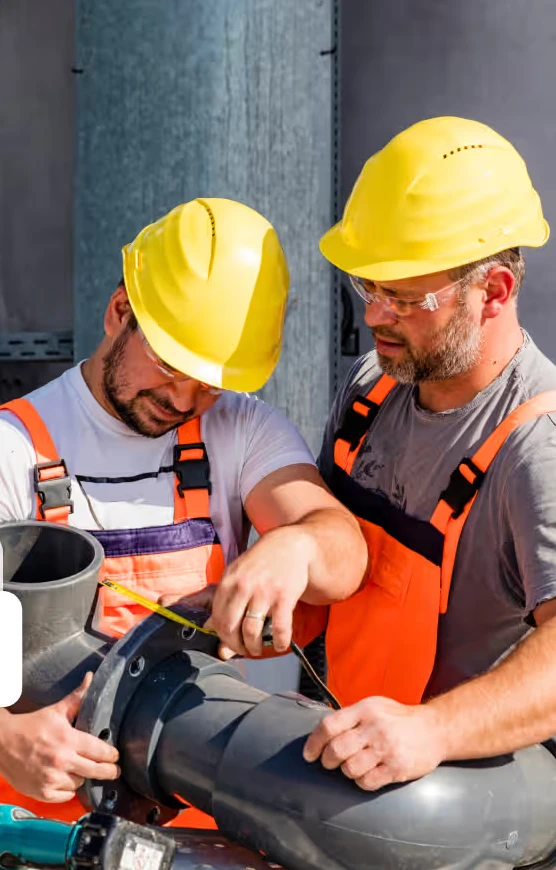
“Inspectly360 transformed how we manage site safety inspections. The offline capability alone saved us countless hours. Our compliance rate jumped from 72% to 96% in just three months.”
Sarah Mitchell
Meridian Construction Group
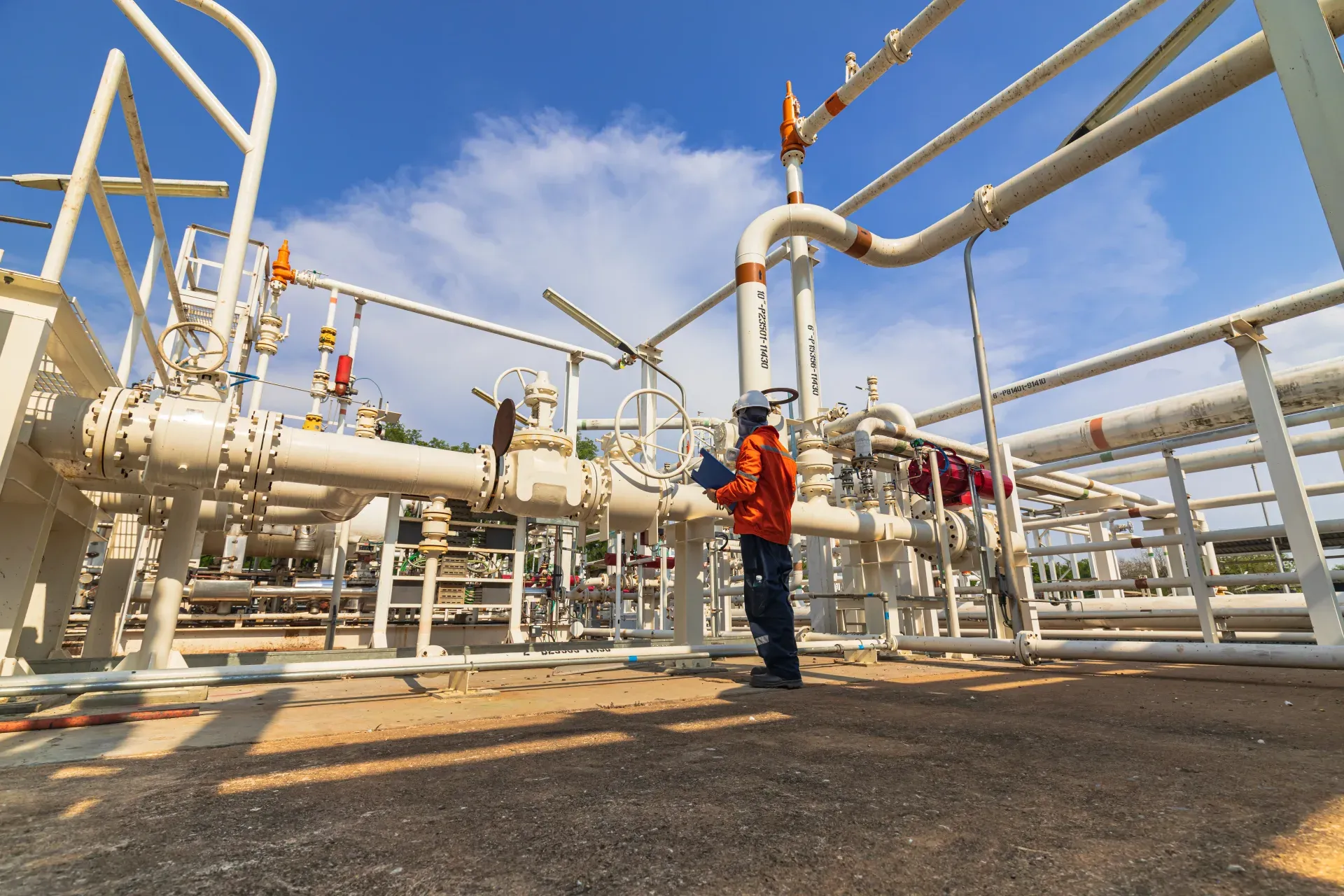
“The AI-powered defect detection has changed how we work. Our inspectors capture photos and the system flags issues we'd have missed. It's like having an expert reviewer on every site visit.”
James Chen
Pacific Manufacturing Co.
“Rolling out digital checklists across multiple projects gave us instant visibility into recurring safety issues. We now resolve critical findings in hours instead of days.”
Olivia Carter
Northbridge Infrastructure
Get started with inspection and audit checklist templates.

Safety inspections with hazard identification, corrective actions, and compliance reporting. Offline capture and evidence.
Report incidents and near-misses with details, photos, location, and timeline. Ready for safety or quality review.
Verify arc-flash labels on electrical equipment: presence, visibility, legibility, equipment identification, voltage and incident-energy information, PPE data, and label condition.
Inspect grounding and bonding systems: grounding conductors and electrodes, bonding connections, equipment grounding, continuity, corrosion, and panel connections.
Use these apps to run inspections and audits.

by Inspectly360
Safety inspections with offline capture, evidence, and compliance reporting.
by Inspectly360
Environment, health and safety inspections and audit trails.
by Inspectly360
Fire safety inspections with extinguisher, exit, and alarm checks.
by Inspectly360
Health, safety and environment inspections with reporting and actions.
by Inspectly360
Run job safety analysis with hazard identification, controls, and worker sign-off before each task.
Lagging indicators (recordable injuries, lost-time incidents, fatalities, TRIR, LTIFR) capture what happened after the fact. Leading indicators (BBS observations, JSA quality, PTW exceptions, near-miss frequency, PPE compliance, hazard closure time) predict what is about to happen. Inspectly360 captures both in the same record set and surfaces them together on the safety dashboard. Each incident links back to the BBS observations, near-misses, and inspection findings that should have surfaced the precursor, so post-incident reviews are grounded in defensible history rather than memory. Safety committee packs reference the leading-to-lagging ratio explicitly, which is the metric that separates mature safety cultures from compliance-only programmes.
Recordable incidents capture in the platform with the data required by 29 CFR Part 1904: case classification, body part affected, source of injury, days away from work, restricted activity, and outcome. The OSHA 300 log generates per establishment with case-level detail, the 300A annual summary aggregates the year, and the 301 incident report exports per case in the OSHA-accepted format. Establishment-level segmentation supports multi-site organisations with distinct OSHA establishments, and the five-year retention requirement is enforced through configurable retention policy. The pack the OSHA inspector or insurer sees pulls from the same record the incident investigation captured, with the underlying field evidence intact.
Contractor safety scorecards track inspection-by-inspection performance across measurable axes: PPE compliance rate on observed walks, near-miss reporting frequency (a healthy programme reports near-misses rather than hiding them), hazard closure time on assigned items, JSA completion quality, PTW compliance, and re-open rate on items contractors marked closed. The scorecard surfaces at the moment a procurement or operations leader is selecting a contractor for the next project or renewing an existing contract, so renewal decisions sit on data rather than relationship. Contractors can see their own scorecard, which makes the metric a coaching tool as much as a procurement tool.
BBS observations run as a structured programme template with categories the BBS framework uses (safe behaviour observed, at-risk behaviour observed, environmental hazard, near-miss precursor) plus open-ended observer notes. Observers can submit BBS observations in seconds during routine work without the form burden that kills paper BBS programmes. The platform aggregates BBS observations into coaching trends per worker, per zone, and per contractor; supervisors see the at-risk behaviour patterns they need to address before they become incidents. Anonymous observation modes support the worker-led BBS programmes some organisations operate.
Job Safety Analysis (JSA) and Hazard Identification and Risk Assessment (HIRA) templates walk crews through hazard identification, risk scoring, and control selection before high-risk tasks begin. Workers sign off the JSA digitally with timestamps; recurrence detection surfaces the same hazard appearing across multiple JSAs and the same task being run without updated controls. HIRA programmes for site-level or plant-level risk assessments produce a register that updates as inspections find new hazards and as controls are implemented. The link between JSA, HIRA, and the inspections that should verify the controls in place is structured rather than implicit.
PTW workflows require permit issuer authorisation, permit acceptor sign-off, gas test and isolation evidence where applicable, and pre-task hazard verification all captured on the mobile app with timestamps and photo proof. The platform enforces the dependency chain so an acceptor cannot sign off on a hot work permit without the gas test result attached, or a confined space permit without the rescue plan documented. When the permit closes, the post-task verification captures the worksite state so emergent hazards left behind do not become the next incident. PTW exceptions feed leading-indicator dashboards alongside BBS and JSA data.
See Inspectly360 in action with a live demo tailored to your needs. No credit card required.