AI Food Safety Examples: Scenarios Teams Recognize
AI food safety examples is the anchor for this guide—written for humans first, search engines second.
If your examples only work in a conference room, crews will ignore them by Tuesday.
These AI food safety examples tie software behavior to recognizable scenarios: receiving, line hygiene, cold storage, and supplier verification.
If you are comparing vendors or building an internal shortlist, we fold in supporting ideas such as receiving inspection scenario, hygiene walk scenario, supplier audit scenario without keyword stuffing, and we link to canonical Inspectly360 pages so you can move from education to evaluation without thin duplicate URLs.
Key takeaways
- Write scenarios for **shifts**, not slides.
- Pair each with **evidence rules**.
- Link to **one** mobile + solution story.
Explore on Inspectly360
Teams standardizing inspections often combine a site inspection checklist with safety and compliance software. Browse site inspection apps for construction, see how teams run field inspections, and read facilities management inspection workflows. Compare mobile inspection app capabilities, view Inspectly360 pricing, or book a live demo with our team.
On this page
- What is AI food safety examples?
- Who needs AI food safety examples?—and typical use cases
- Types, variations, and comparisons for AI food safety examples
- Benefits that show up in real programs
- How to translate AI food safety into scenario-based training and templates (step-by-step)
- Templates, examples, and practical resources
- Common mistakes to avoid
- Why modern tools beat paper and ad hoc apps
- Where Inspectly360 fits
- FAQs
- Conclusion
Use the headings below as your working outline. Internal links in this article point to durable hubs such as AI inspection software, offline inspections, and automated reports.
What is AI food safety examples?
AI food safety examples is the category of tools and practices teams use to run structured reviews with clear evidence, accountable owners, and retrievable history. In plain terms: you are replacing “we checked it” with “here is what we saw, when, and who approved it.”
That definition matters because procurement teams often confuse slide decks with operational systems. Real programs capture photos, timestamps, scoring, and corrective actions in one chain—not in email threads. For featured-snippet style clarity: *AI food safety examples helps organizations standardize how audits or inspections are executed, recorded, and closed.*
If your buyers also search for receiving inspection scenario, hygiene walk scenario, supplier audit scenario, treat those phrases as supporting intents inside one strong page rather than many micro-pages that compete with each other.
Who needs AI food safety examples?—and typical use cases
Trainers, QA coaches, and plant managers onboarding digital tools to teams with mixed tech comfort.
- Operations and field leaders who must prove execution across sites, shifts, and contractors.
- Quality, safety, and compliance managers who need trending data—not one-off PDFs.
- IT and security stakeholders who care about SSO, retention, and access control.
- Finance-adjacent assurance teams who need exports that map to workpapers and governance forums.
If you are evaluating software for teams translating AI concepts into shift-level reality, bias your demos toward offline capture, role-based approvals, and integrations into the systems that already hold master data.
Types, variations, and how buyers compare AI food safety examples options
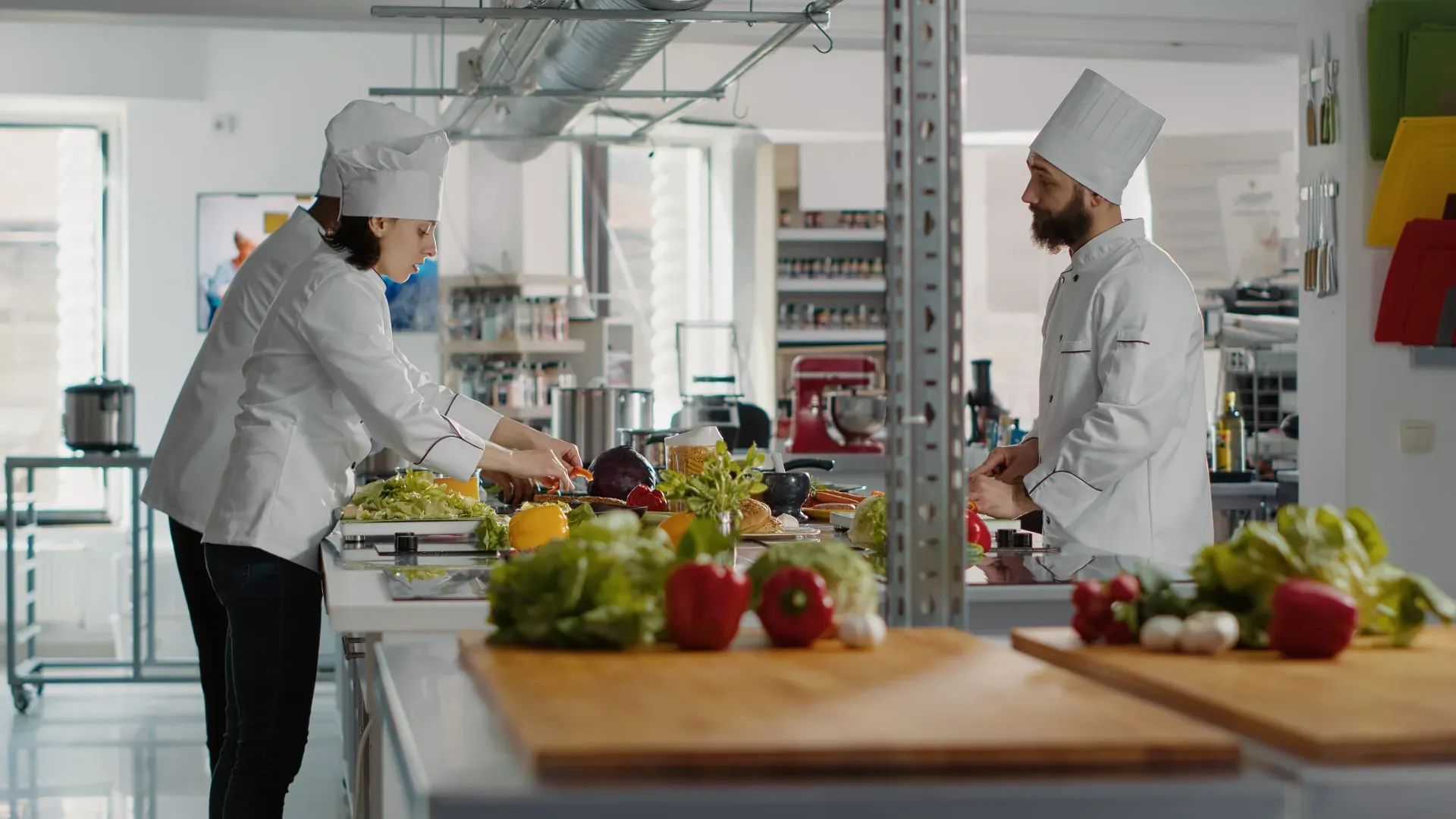
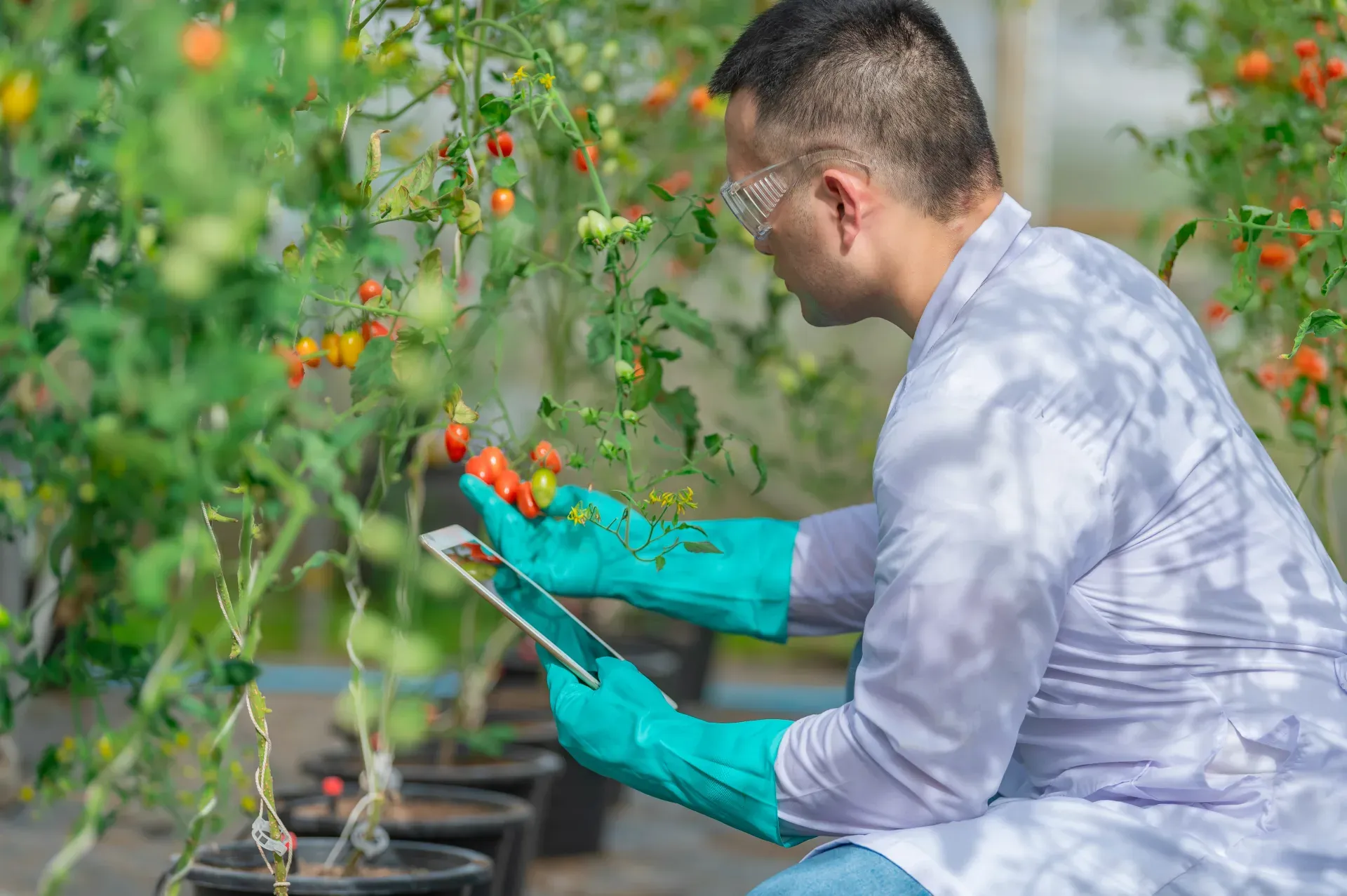
Receiving: verify COA match and temperature logs. Line hygiene: enforce photo points on hard-to-audit steps. Cold storage: offline capture with alarms routed to tasks.
- Lightweight checklist tools—fast to start, weak on audit trails and enterprise controls.
- Inspection platforms—strong in field execution, scoring, and evidence; often the right backbone for operations.
- Policy/GRC repositories—excellent for control libraries; usually not where photo proof should live.
When receiving inspection scenario, hygiene walk scenario, supplier audit scenario shows up in search, use it to enrich one narrative instead of publishing overlapping URLs.
Benefits that show up in real programs
Faster onboarding, fewer ‘that’s not how we work’ objections, and cleaner audits because examples match SOP language.
- Faster cycle time because reviewers spend minutes on exceptions—not hours in galleries.
- Cleaner governance because templates, approvals, and retention rules are enforced by the system.
- Better contractor alignment because everyone runs the same method, not a local variant.
- Stronger executive reporting because metrics roll up from structured data, not spreadsheets.
These benefits compound when AI is used as assisted review (human confirmation) rather than silent auto-approval.
How to translate AI food safety into scenario-based training and templates (step-by-step)
- Define outcomes before features. Pick 3 measurable outcomes (time-to-close, evidence completeness, repeat finding rate).
- Map one golden-path workflow. Choose a single program (for example, a monthly line audit or a site walk) and pilot end-to-end.
- Validate offline and access control. Test worst-case connectivity and confirm who can publish templates versus execute them.
- Set AI guardrails. Decide which items always require a human sign-off—especially life safety and regulatory controls.
- Integrate exports and APIs. Decide where summaries should land (ticketing, BI, GRC) so insights do not die in inboxes.
- Run a 30–60 day pilot with a scorecard. Expand only after SSO, retention, and training are stable.
Throughout the pilot, cross-check capabilities against AI inspections and your canonical solution pages—not a scatter of “free tool” landing pages.
Templates, examples, and practical resources
For each scenario, document inputs, expected evidence, failure handling, and who approves—then mirror that in digital templates.
- Start from a library checklist when you need a credible baseline—for example, explore checklist templates that match your industry category.
- Mirror your report skeleton in software so teams do not rebuild narrative from scratch after every visit.
- Treat downloads as distribution mechanics, not SEO destinations: keep the story on one canonical URL and use managed install for enterprise rollouts.
If you need a field-to-office bridge, pair templates with scheduling and notifications so due dates and escalations are automatic.
Common mistakes to avoid
Examples that require perfect lighting. Workflows that ignore night shift. SEO pages per scenario keyword.
- Buying for the demo story instead of the Tuesday-afternoon workflow your teams actually run.
- Letting every region customize templates until you cannot compare results.
- Assuming AI replaces judgment on regulated or life-safety decisions.
- Splitting SEO across “best,” “free,” and “download” URLs that say the same thing with thinner copy.
Why modern tools beat paper and ad hoc apps
When examples live inside the same platform crews already use, adoption sticks—because muscle memory transfers.
Modern platforms win because they connect capture → review → action → reporting without re-keying. They also make it easier to prove who did what, when—which is the part auditors and customers actually challenge.
For many teams, the decisive difference is offline-first mobile plus central template governance—not a slightly nicer form builder.
Where Inspectly360 fits (without the fluff)
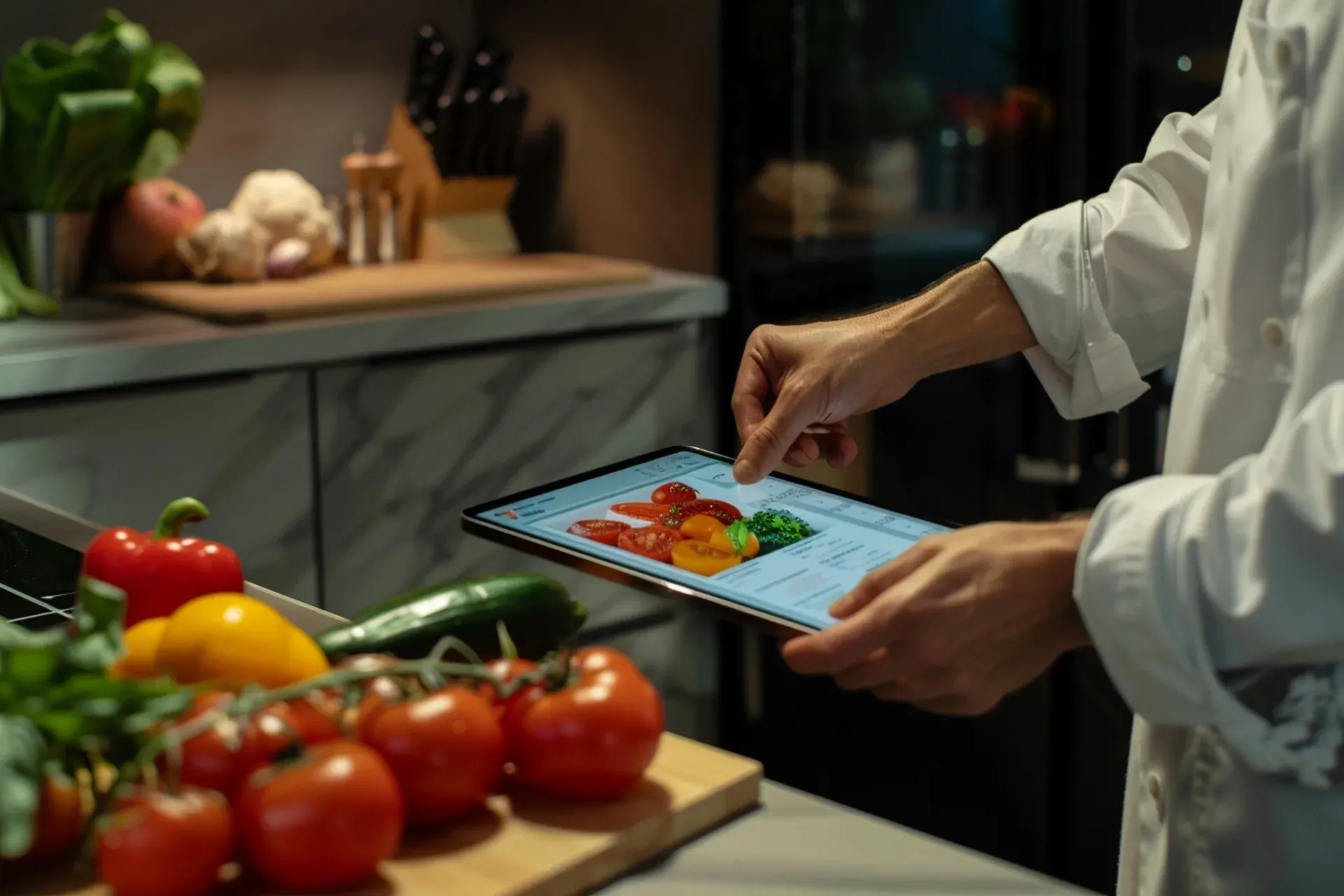
Pair scenarios with inspection app for mobile entry and AI quality inspection software when visual assistance matters.
If you want to see the workflow, book demo through contact or explore pricing for a start free trial path that matches your rollout style. Your next step should be a scoped pilot with clear owners—not another generic RFP matrix.
FAQs
How many scenarios should we pilot?
Three: receiving, a line control, and a cold chain check—cover breadth before depth.
Should AI score hygiene photos?
Only with human confirmation and clear escalation on uncertainty.
What makes a scenario credible?
It matches SOP language, shift constraints, and real device limitations.
Where do templates live?
Start from checklists and align to your food category.
Can we avoid thin SEO pages?
Yes—keep scenarios in this guide and link to canonical solutions.
Authoritative references for programs like yours include ISO audit and management system guidance and, for U.S. workplace safety documentation, OSHA recordkeeping and training resources.
Conclusion
Strong AI food safety examples feel obvious to the crew—because they were written on the floor, not in marketing.
If you remember one thing: AI food safety examples is not a buzzword—it is a discipline. Pick software that makes discipline easy to execute at scale, then measure the pilot honestly. When you are ready, continue to Inspectly360 solutions and choose the hub that matches your program—audit, compliance, safety, quality, or inspections broadly.
Ready to Transform Your Inspections?
See how Inspectly360 can solve the challenges discussed in this article for your organization.