Can I customize which notifications I receive?
Yes. Each Inspectly360 user can configure their notification preferences by type, for example new findings, overdue items, or report ready, and by severity and channel, choosing between push, email, SMS, and in-app alerts. Managers can set organisational defaults so that critical alerts always follow company policy and reach the right people, while individuals can opt in or out of non-critical updates that do not concern them. This balance matters. Too many notifications and people start ignoring all of them, including the urgent ones. By letting routine items batch into a digest and keeping high-severity alerts immediate, the platform reduces noise without weakening safety coverage. The result is that important inspection and safety alerts are never missed because they were buried under low-priority updates.
Does the system support SMS notifications?
Yes. SMS notifications are available in Inspectly360 for critical alerts and escalations, such as a serious safety finding or an overdue corrective action. SMS is the right channel for these because field and on-call staff may not have the app open, and a text message reaches them even when they are away from their phone's notification centre. SMS delivery is available globally through a carrier network. In practice, teams reserve SMS for high-severity items and let routine updates go through push or email, which keeps text messages meaningful rather than constant. When a manager receives an SMS from Inspectly360, they know it is something that genuinely needs attention. Pairing SMS with escalation rules means a critical issue keeps reaching people through reliable channels until someone responds.
Can notifications trigger external workflows?
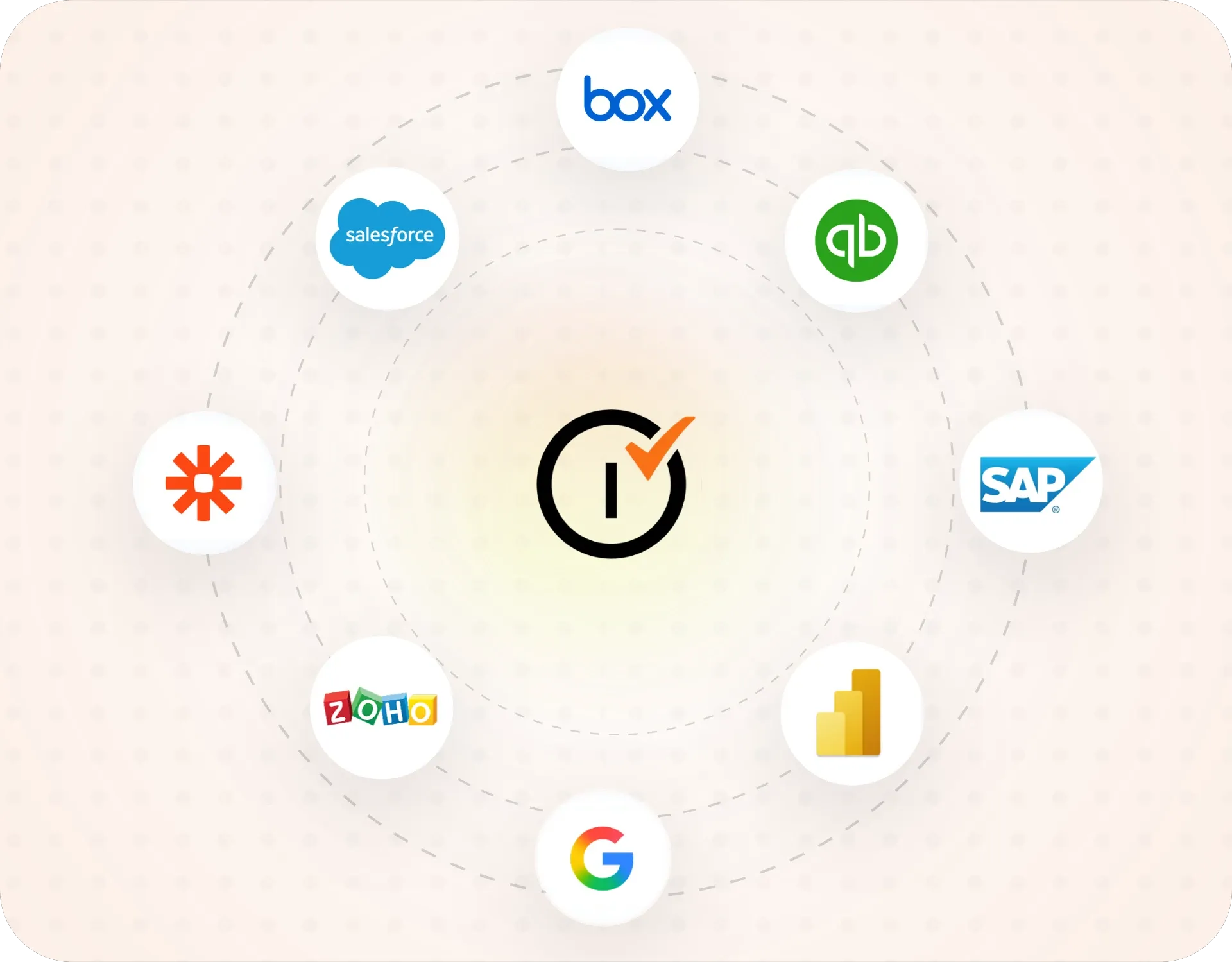
Yes. Inspectly360 webhooks send notification events to external systems, so an alert can do more than reach a person. It can start a workflow in Slack, Microsoft Teams, a CMMS, or any webhook-compatible platform. A completed inspection can post to a team channel automatically. An overdue finding can create a ticket in your service desk. A critical hazard can trigger a workflow in your maintenance system. This keeps inspection notifications connected to the tools your team already works in, rather than asking people to copy information between apps. Because the events fire in real time, the external system reflects what is happening on the ground without delay. For teams that prefer no-code, the same triggers are available through Zapier and Power Automate, so building these flows does not require a developer.
How do escalation chains work?
You define multi-level escalation rules with time thresholds. A typical chain reads: after four hours the assigned inspector is reminded, after eight hours the supervisor is notified, after twenty-four hours the regional manager is alerted. The rules are fully customisable by inspection type, severity, and site, so a critical safety finding escalates faster than a routine maintenance note. If the issue is acted on at any step, the escalation stops. If it is not, it keeps climbing until someone with authority responds. Every step is recorded, so there is a clear, timestamped history of who was notified and when. That record matters for accountability and for compliance, because it proves the organisation did not let a known issue sit unaddressed. Escalation chains turn a missed message into an impossible outcome: the alert simply will not go away until it is handled.
How quickly does a critical finding reach a manager?
A critical finding reaches the right manager within seconds. When an inspector marks an item as a critical safety hazard on the mobile app, severity-based routing sends an immediate alert without waiting for the rest of the inspection to finish or sync fully. The safety manager receives a push notification and an SMS, the project manager receives an email, and an urgent issue ticket is opened automatically. There is no delay while someone reads a report or forwards a message. This speed is the difference between a hazard being isolated before anyone is hurt and a problem being discovered after an incident. Because the alert is logged with a timestamp, the organisation also has proof that the finding was escalated immediately, which supports both internal accountability and regulatory expectations under frameworks such as OSHA and ISO 45001.