How does the platform support asset integrity management?
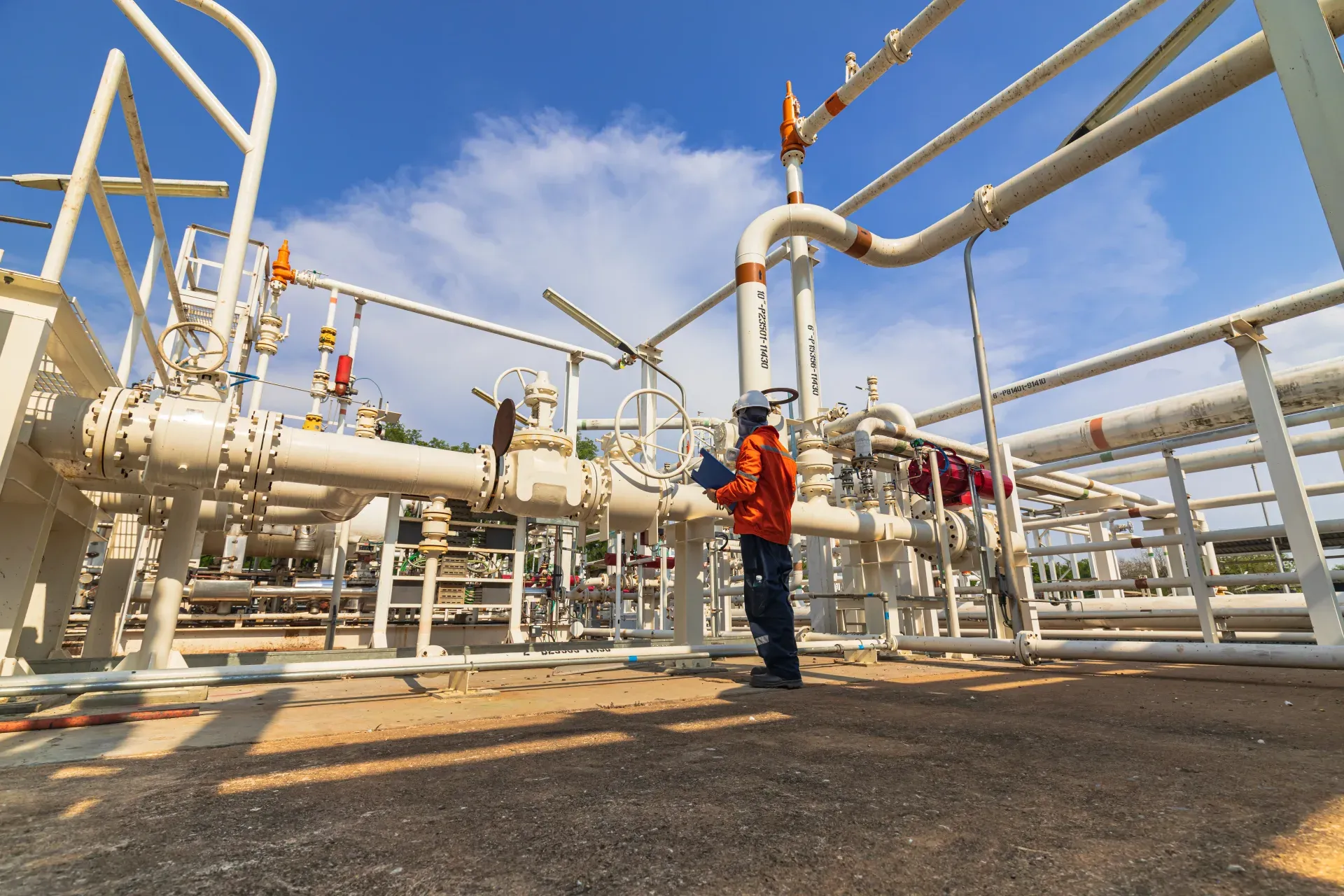
Every inspection attaches to the specific asset and stores its readings, photos, and condition over time, so each asset builds a traceable history rather than a series of disconnected reports. An inspector sees prior findings when assessing the asset, which means condition is judged in context rather than from memory. This lets the integrity team track degradation across inspections and base repair or replacement decisions on evidence, which is the foundation of a credible integrity program. For energy assets like pipelines and pressure equipment, where degradation develops over time and failure carries serious consequences, that longitudinal, evidenced view is exactly what integrity management depends on.
How does it help demonstrate a program to a regulator?
Because each asset carries a complete, timestamped inspection history in one place, showing a systematic integrity program becomes a matter of reviewing an asset record rather than assembling scattered documents under time pressure. The regulator sees consistent inspections, findings, and the actions that followed, which demonstrates that integrity is actively and continuously managed. This is far more convincing than a set of disconnected reports gathered for the occasion. In a heavily regulated sector, being able to evidence a rigorous, ongoing integrity program on demand is both a compliance requirement and a sign of a well-run operation.
How are integrity findings acted on?
A finding that needs attention becomes a tracked job with an owner and a due date, followed to closure with evidence. Because the finding is tied to the asset and its history, the team can also see whether an issue is recurring or worsening on that particular asset and respond accordingly, rather than treating each inspection in isolation. This connects the inspection directly to a real maintenance decision rather than leaving a concerning reading buried in a report. Closing the loop between finding and action is what makes an integrity program genuinely preventive, ensuring that a sign of degradation leads to intervention before it becomes a failure.
What is asset integrity management?
Asset integrity management is the discipline of ensuring that physical assets, such as pipelines, vessels, and structures, remain fit for purpose and safe throughout their life, by inspecting them, monitoring their condition, and intervening before degradation leads to failure. It is central to safe operation in energy and heavy industry, where a loss of integrity can cause serious safety and environmental incidents. The platform supports it by giving every asset a consistent, evidenced inspection history, tracking condition over time, and driving findings to action. Rather than replacing engineering judgment, it provides the reliable, traceable data on which sound integrity decisions depend, which is what distinguishes a managed program from ad hoc inspection.
How does tracking degradation over time help prevent failures?
Many failures in energy assets result from gradual processes like corrosion, erosion, or fatigue that develop slowly and are best caught by comparing an asset's condition across successive inspections. By building a longitudinal record for each asset, the platform lets the integrity team see the rate and direction of degradation, not just its current state, so they can predict when intervention will be needed and act before a limit is reached. This shifts the program from reacting to whatever the latest inspection finds toward anticipating problems based on trend. Catching accelerating degradation early, while intervention is still straightforward, is precisely how a good integrity program prevents the failures that matter most.