How does the platform keep substation inspections on schedule?
Each substation and asset has scheduled rounds, and a missed inspection escalates to the responsible supervisor rather than sitting unnoticed. Because the system tracks what is due against every site, a gap is visible in real time, so the utility knows which sites are current and can direct crews where rounds are due. Scheduling and escalation together turn inspections from something that slips when crews are stretched across a wide network into a dependable routine. For grid reliability, where a missed inspection can mean an undetected fault developing toward an outage, that dependability is a direct operational and safety benefit.
Can inspections be done at sites with no connectivity?
Yes. The round, photo capture, and readings all run on the device, so a crew completes a substation inspection offline at a remote site and it syncs when they return to coverage. Dispersed grid assets are often exactly where signal is weakest, so offline capability is what keeps the inspection record complete across the whole network rather than only at connected sites. Without it, the most remote assets, which can be among the most important to check, would be the ones with the least reliable records. Offline-first operation is what makes consistent inspection genuinely achievable across a geographically spread grid.
How are defects handled?
A defect found on a round is captured with photos and readings and becomes a tracked job with an owner and a due date, reaching the office promptly rather than waiting for paper to be carried back from the field. Because defects are tied to the asset and its history, the team can see whether an issue is recurring or worsening and plan maintenance accordingly, which helps prevent a small, known defect from developing into an outage. Getting field defects into a tracked workflow quickly is what closes the gap between finding a problem on the grid and acting on it, which is central to keeping the network reliable.
What does a substation inspection cover?
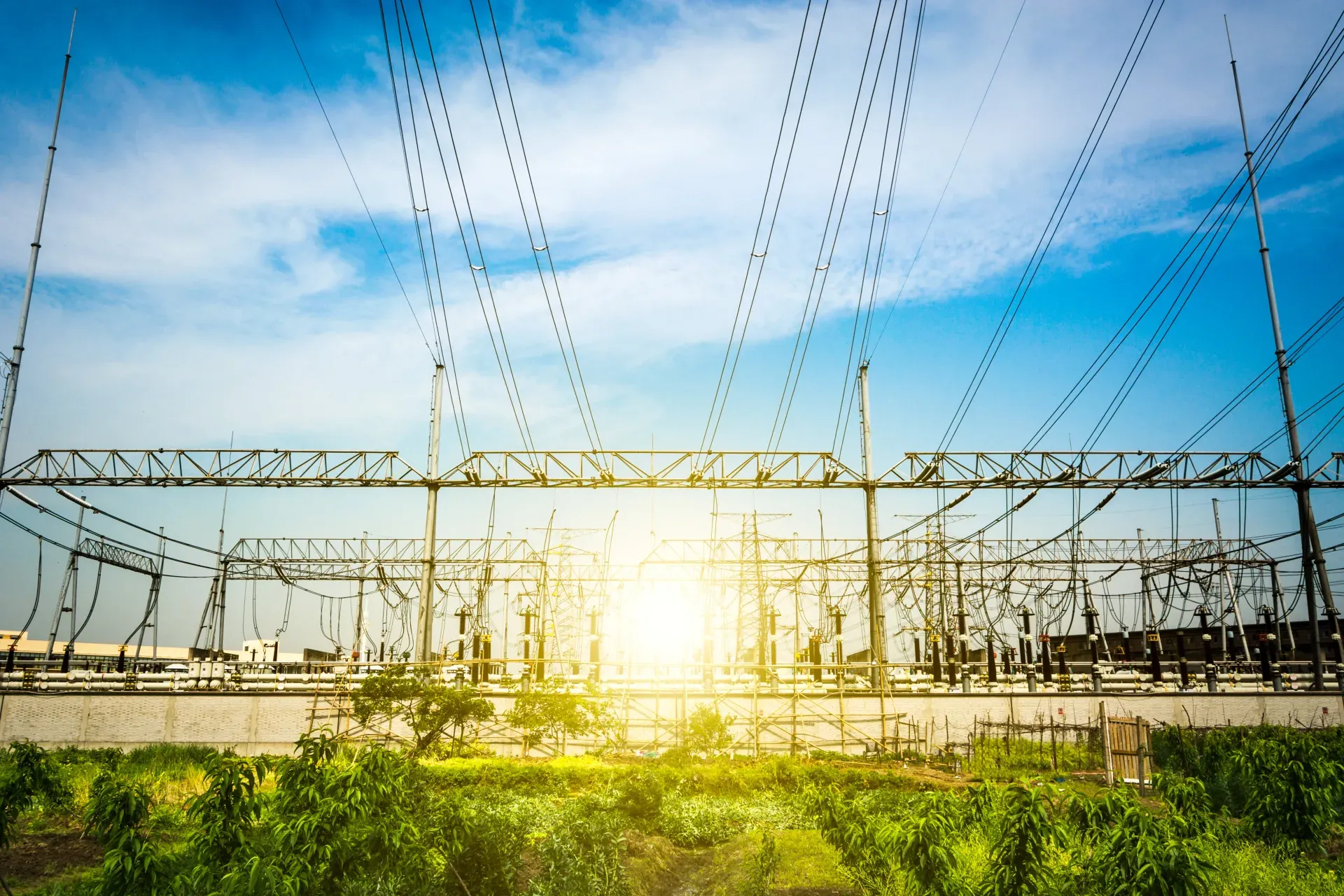
A substation inspection typically covers the condition of transformers, switchgear, and busbars, oil levels and leaks, cooling systems, protection and control equipment, batteries, earthing, security and access, and the general condition of the site and structures, with readings and photos captured against each. Because the checklist is tailored to the specific assets and their failure modes, the inspection targets the things most likely to cause a problem rather than a generic list. Covering the full range of substation equipment consistently is what allows the utility to detect developing issues early across the network, which is the purpose of a routine inspection program in the first place.
How does this support grid reliability?
Grid reliability depends on detecting and correcting equipment problems before they cause faults or outages, which is exactly what a dependable inspection program does. By keeping inspections on schedule across every site, catching defects early, and driving them into a tracked maintenance workflow, the platform helps the utility address issues while they are still minor rather than after they have caused an interruption. The central view of site status and defect history also supports better maintenance planning across the network. Because an unplanned outage is costly and disruptive, the reliability that comes from consistent, followed-up inspection has significant operational value, alongside the safety benefits of well-maintained high-voltage equipment.