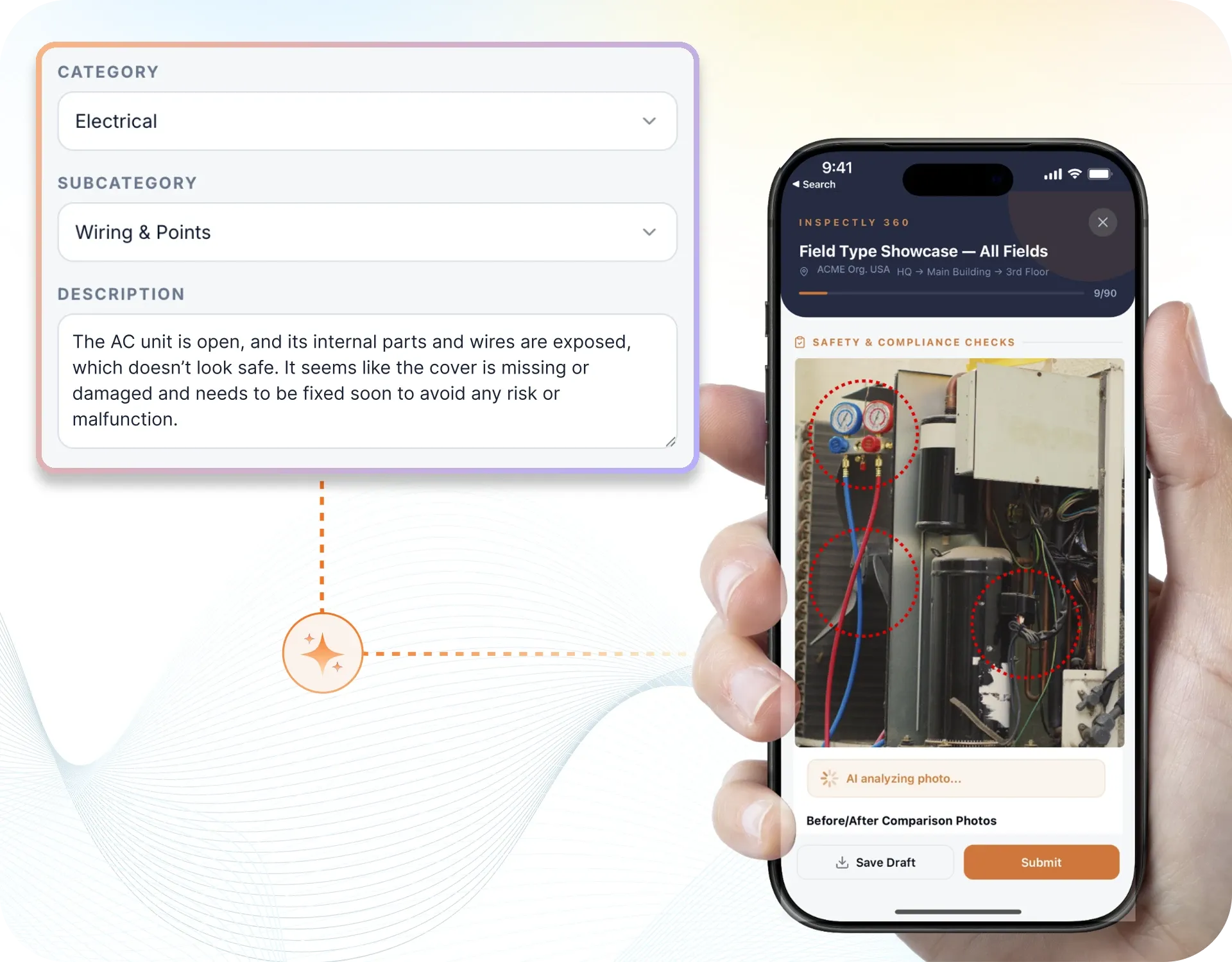
Take a Photo. AI Fills the Form
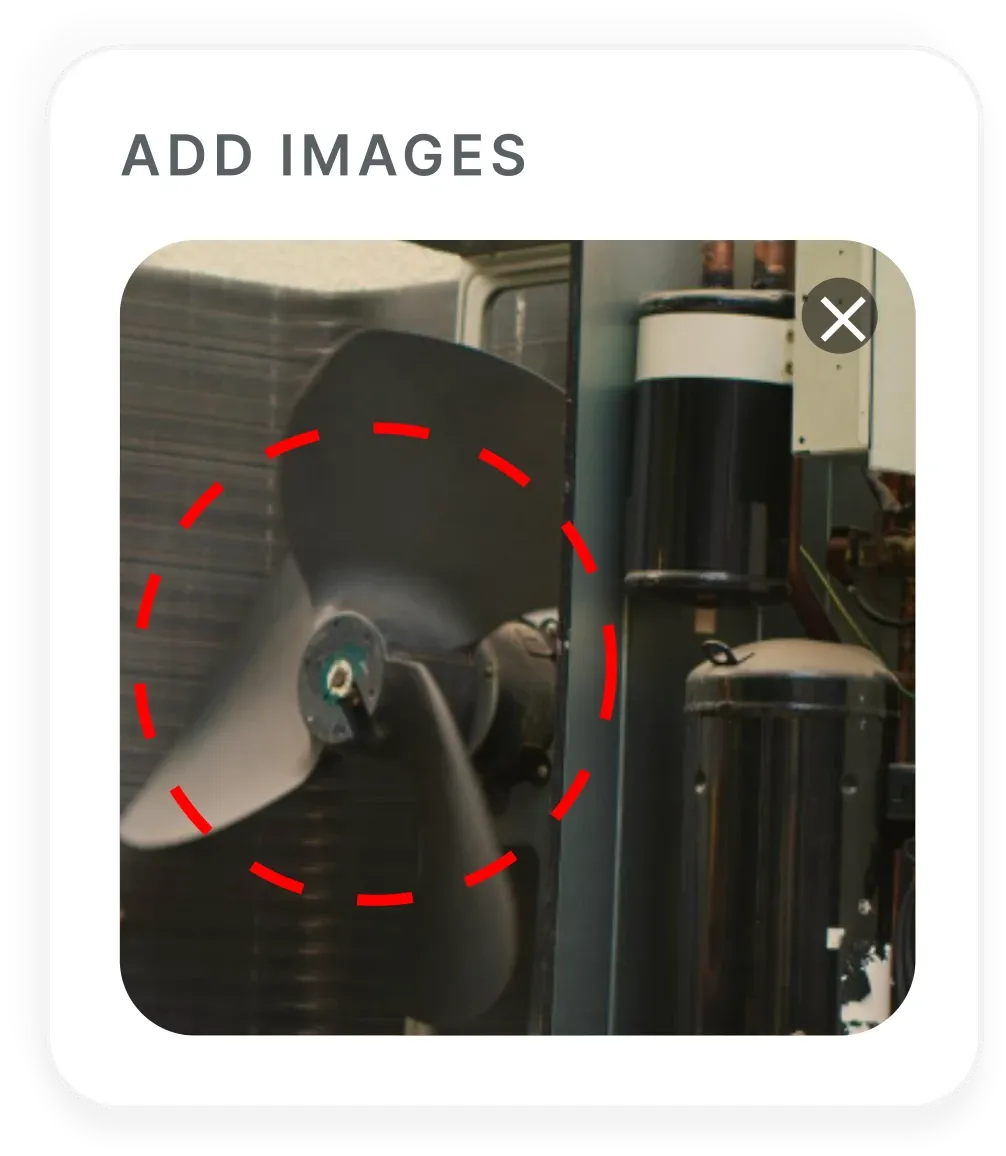
Your inspector takes a photo of any asset or defect. AI reads it and fills the inspection form automatically. No typing. No manual entry.

Convert your checklist into Mobile App
Commercial airlines inspection software is the platform station managers, heads of ground operations, and airside teams use to run daily operational self-inspections and keep defensible records across an airline network. Inspectly360 digitises ramp self-inspections, cabin presentation and turnaround checks, ground support equipment condition, and station readiness in one record aligned to ISAGO standards and the conditions in the airline operations specification.
Available on Mobile
Inspect on iOS and Android with no internet required. Capture photos, let AI flag defects, and generate audit-ready reports in the field.
Today each station runs its ramp walk on a local paper form, cabin readiness is called out verbally on turnaround, and a FOD hazard or damaged tug ends up in a chat thread with no owner. When a station skips a check, or a finding is raised but never closed, nobody at head office sees it until an ISAGO renewal or an internal review surfaces the gap. Across a network of outstations and hubs, every base records operations a little differently, so the head of ground operations cannot compare status between stations.
What changes once commercial airlines inspection software runs on one mobile-first platform.
Station and ground operations teams follow this loop for daily ramp self-inspections, turnaround checks, and network-level reviews.
Assign QR identity to stands, gates, and ground support equipment so each self-inspection and finding attaches to a known location and asset.
Station teams complete the ramp walk on mobile, checking FOD, stand markings, and GSE condition with required photos as evidence.
Cabin and turnaround teams confirm presentation and readiness against the flight, capturing photos where a standard is not met.
A FOD hazard, damaged GSE, or readiness gap becomes a tracked finding with named owner and a deadline for closure.
Completion and open findings roll up across stations, and a branded evidence pack exports per base for an ISAGO or station audit.
Airline inspection checks cabin and safety-equipment checks, pre-flight and turnaround inspections, ground-service equipment condition, catering and cabin hygiene, defect logs and documentation, and security and access controls. Aviation quality and safety teams capture a photo and a reading on each point, offline where signal is poor, and a named reviewer signs the round off, so every aviation record proves what was checked, when, and by whom, and stays aligned to IATA, EASA, and DGCA.
Templates align to IATA, EASA, DGCA.
Everything your field team does on paper, Inspectly360 does automatically: faster, more accurate, and without the admin.
Your inspector takes a photo of any asset or defect. AI reads it and fills the inspection form automatically. No typing. No manual entry.
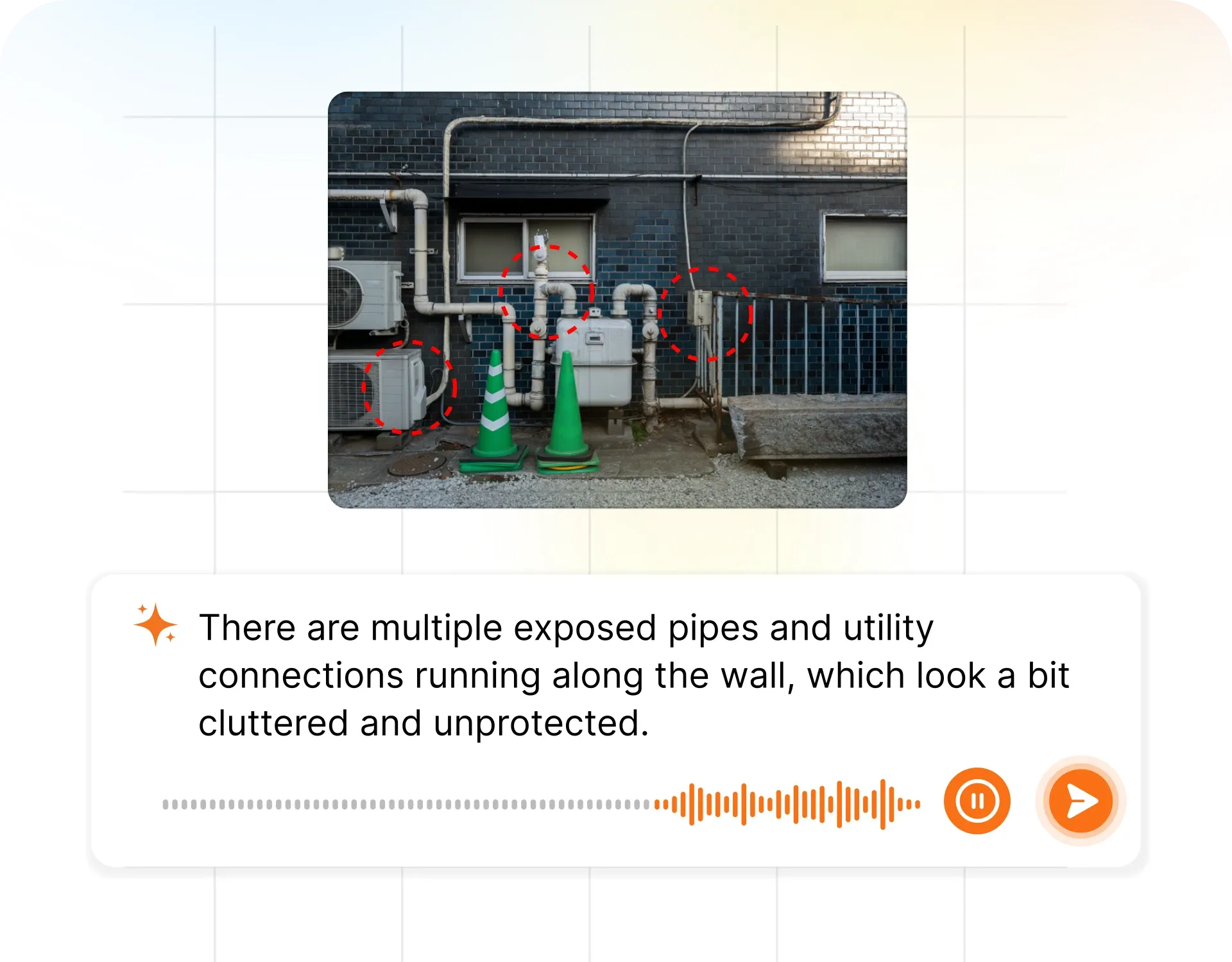
Inspectors speak their observations in any language. AI transcribes and fills the form in real time. Completely hands-free in the field.
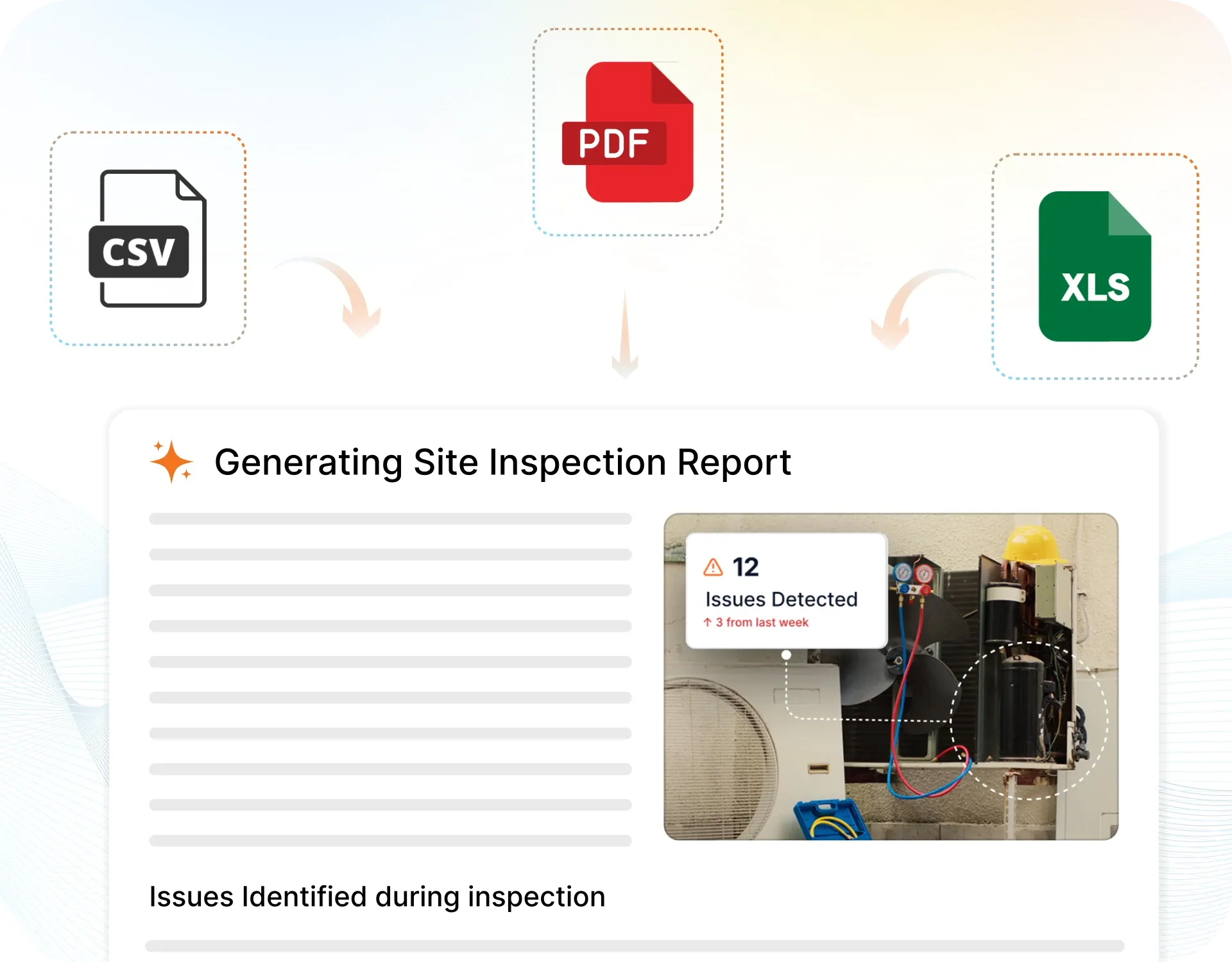
The moment an inspection is submitted, a branded PDF, Excel, or CSV report generates automatically. No manual work. No waiting.
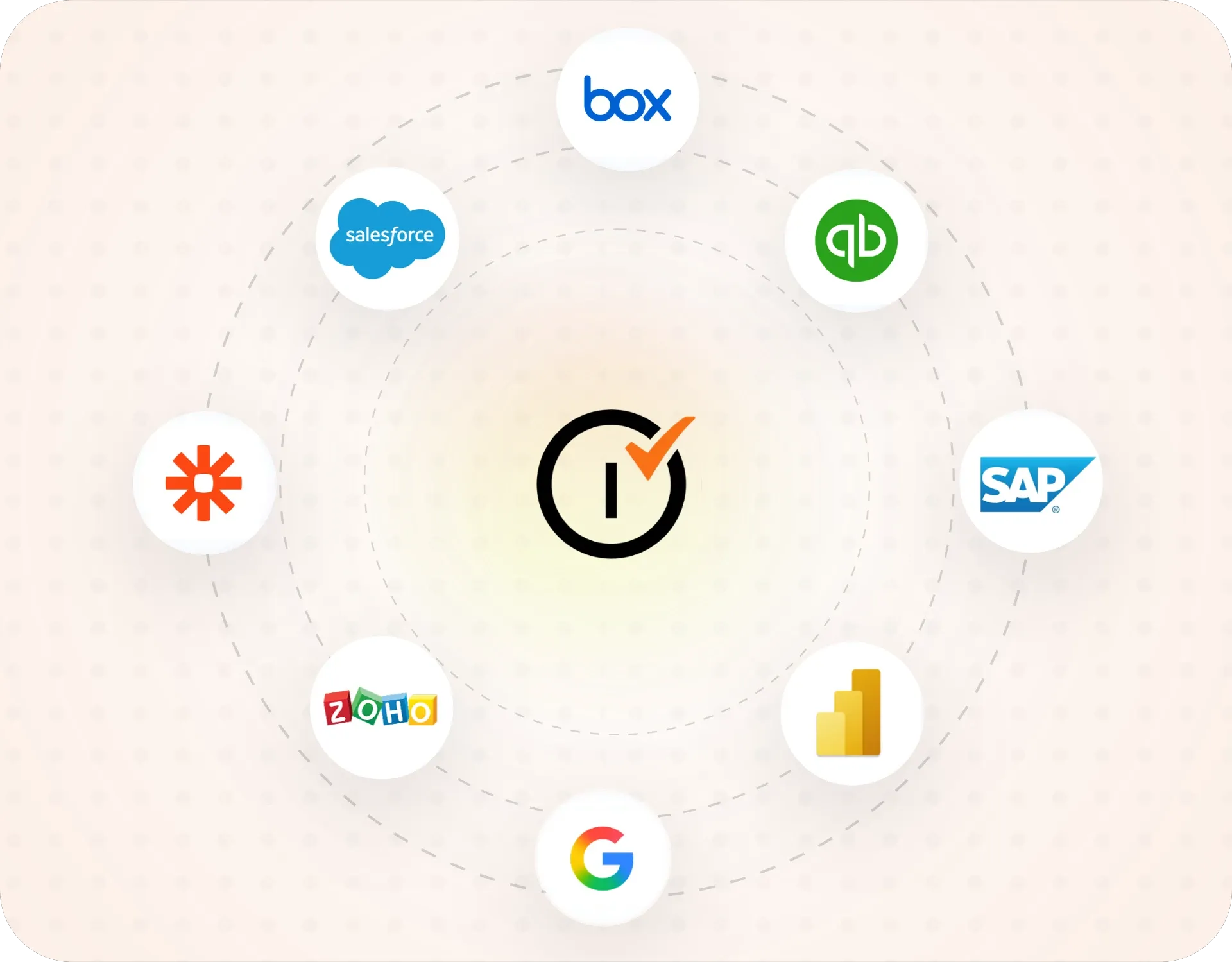
Inspectly360 integrates with the tools your team already uses, including Zoho, Microsoft 365, and SAP. No double entry.
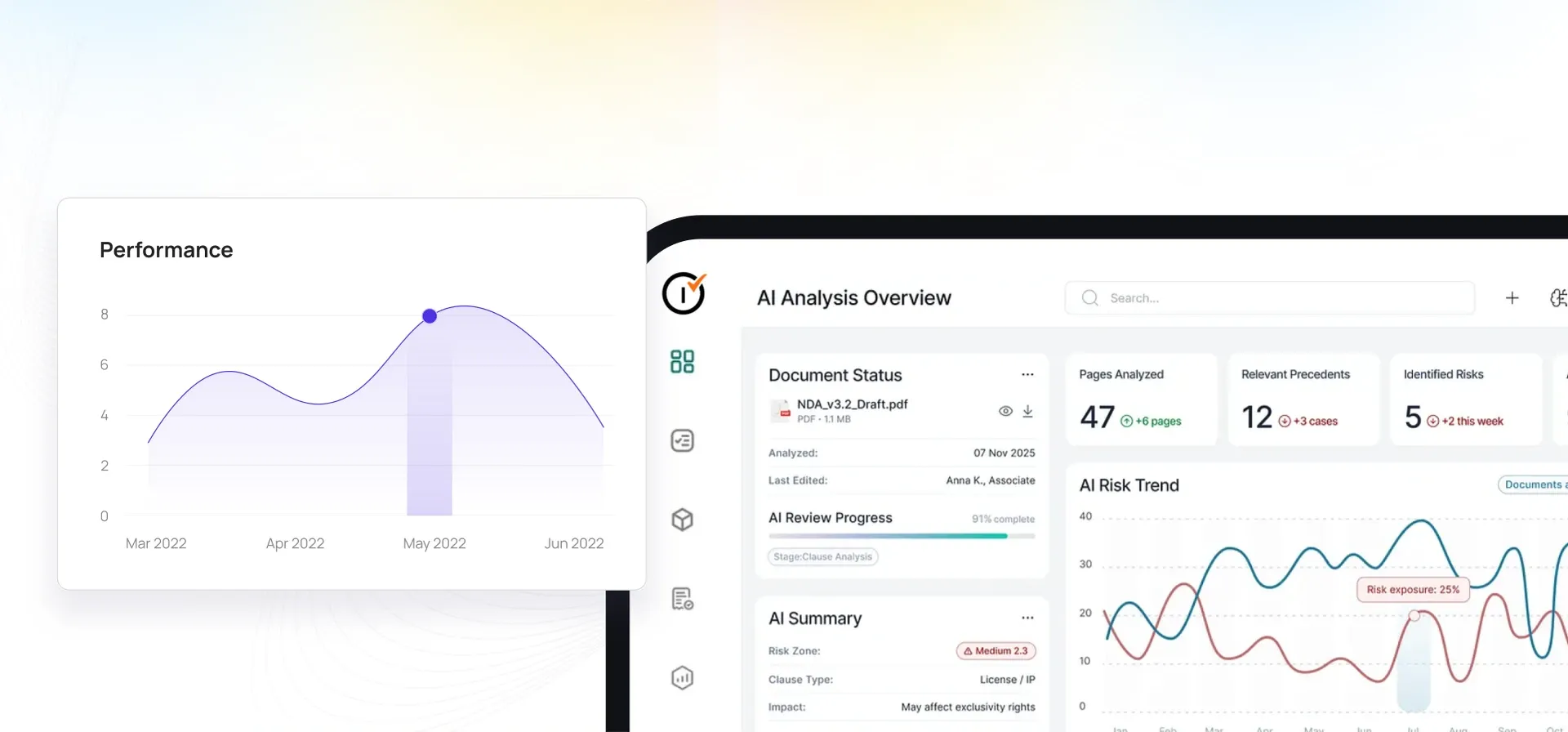
Your operations team sees completion rates, open issues, and compliance scores across all sites in real time. No chasing updates.
Manage every checklist in one connected workspace, capture evidence on mobile at the point of work, and let AI turn field inputs into clear, stakeholder-ready reports in minutes.

See which checklists your team has in progress across every site, jump into the same inspection with one tap, and keep field, supervisor, and back-office views in sync without sending screenshots on WhatsApp.


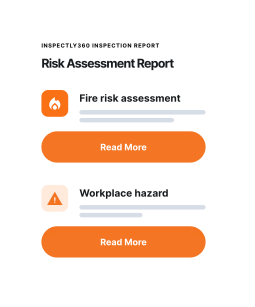
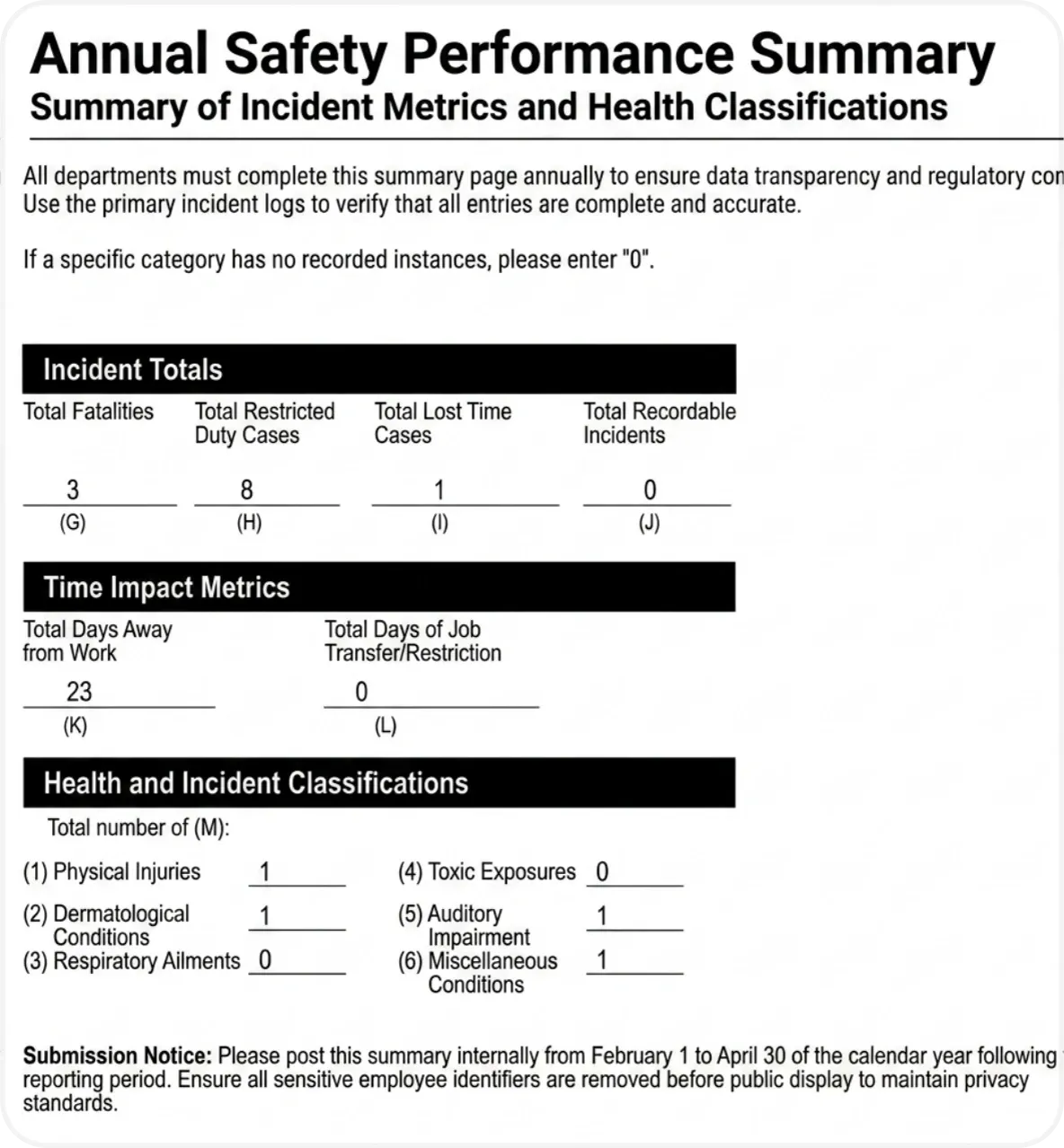


Every team reports differently. Build the report your operations, quality, or compliance leads actually want to read, share it as a branded PDF, and schedule delivery to the stakeholders who need it.


See completion, pass rate, and recurring findings across every checklist and every site, without pulling spreadsheets together at the end of the month.
What changes once commercial airlines inspection software is standardised on Inspectly360.







“Inspectly360 transformed how we manage site safety inspections. The offline capability alone saved us countless hours. Our compliance rate jumped from 72% to 96% in just three months.”
Sarah Mitchell
Meridian Construction Group
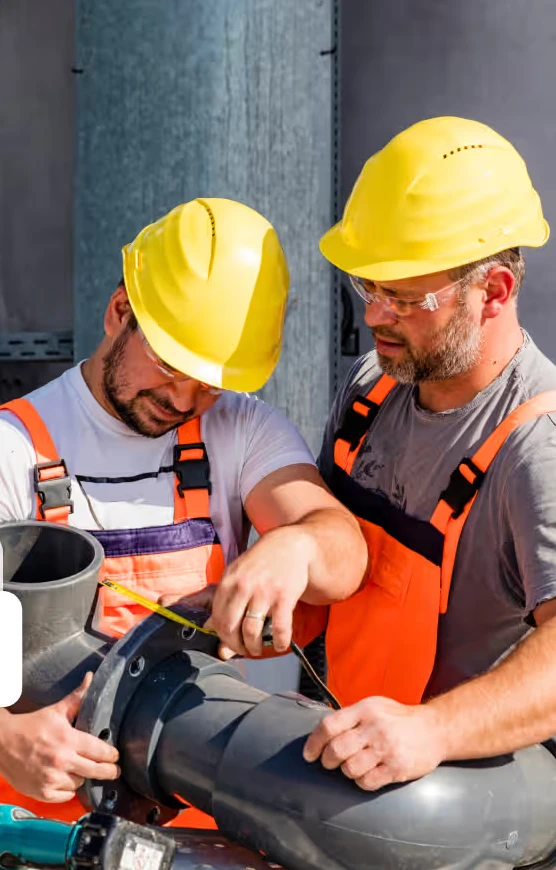
“The AI-powered defect detection has changed how we work. Our inspectors capture photos and the system flags issues we'd have missed. It's like having an expert reviewer on every site visit.”
James Chen
Pacific Manufacturing Co.
“Rolling out digital checklists across multiple projects gave us instant visibility into recurring safety issues. We now resolve critical findings in hours instead of days.”
Olivia Carter
Northbridge Infrastructure
Get started with inspection and audit checklist templates.

Use this template to perform a comprehensive safety inspection of light vehicles. This check ensures all critical components are checked ...
Use these apps to run inspections and audits.

by Inspectly360
Simplify facilities inspections with forms, photos, and reports.

by Inspectly360
Building condition and compliance inspections with evidence and follow-ups.

by Inspectly360
Digitize building inspection apps workflows with forms, evidence capture, and automated reporting.

by Inspectly360
Run building inspections on phones and tablets with offline forms, photo evidence, and instant reports.

by Inspectly360
Audit buildings with structured scoring, photo evidence, and corrective action tracking across portfolios.
Every station runs the same digital self-inspection template, so the ramp walk, cabin presentation check, and GSE condition review are identical at a hub and an outstation. Required photos and named sign-off are built into the template, which removes the variation you get when each base writes its own paper form. The head of ground operations sees completion and open findings across the whole network on one dashboard rather than calling each station. When ISAGO renewal approaches, the records already match the standard because every station captured the same evidence the same way throughout the year, not just before the audit.
Both work in the same system with different access. Ramp teams get a self-inspection capture role for the daily walk: FOD, stand markings, and GSE condition with photos. Cabin and turnaround teams log presentation and readiness against the flight. Station managers and the head of ground operations get review and dashboard access. A finding raised on the ramp, such as a damaged tug or a FOD hazard, routes straight to the owner who can fix it, with a deadline. This keeps the field check fast for the people doing it while still giving managers a complete, network-wide picture of operational status.
Yes. Capture works fully offline on iOS and Android, which matters on the ramp, at remote stands, and at outstations where signal is weak. Teams complete the ramp self-inspection and turnaround checks with photos while offline, and records sync automatically once the device reconnects. Nothing is lost if a walk is done in an area with no coverage, and the timestamp reflects when the check was actually done, not when it synced. This keeps the self-inspection trail accurate and defensible for an ISAGO audit or an internal ground operations review across every base.
When a team member finds a FOD hazard, a stand-marking defect, or damaged ground support equipment, they log it on the self-inspection with a photo and a severity. The finding becomes a tracked item with a named owner and a deadline, routed to the team that can fix it. Because GSE is tagged, a damaged tug or belt loader keeps its own condition history across inspections. Open findings appear on the station dashboard until verified closure, so a hazard cannot quietly disappear into a chat thread. This is the accountability gap that paper walks and WhatsApp follow-ups leave open.
Every self-inspection, cabin check, finding, and closure is stored with a timestamp, the named person, and photo evidence against the specific station and asset. When an ISAGO or internal auditor asks for self-inspection records, you export a scoped, branded evidence pack per station covering the audit window in minutes. The trail shows daily ramp walks, turnaround checks, GSE condition, and the closure of any finding with verified sign-off. This replaces the photocopy-and-chase routine that station file rooms force, and because every base used the same templates, the evidence is consistent across the network.
Yes. Role-based access scopes each user to the stations and tasks they are responsible for. A contracted ground handler sees only the stations assigned to it, while the airline's ground operations team keeps combined visibility across the whole network. Ramp teams see self-inspection capture only. This prevents a handler receiving network-wide record access beyond its remit, while still giving the operator one consolidated view of station status. Access changes are logged, so the audit trail shows who could see and sign off on what, and when, which matters when ground handling is shared across several providers.
See Inspectly360 in action with a live demo tailored to your needs. No credit card required.