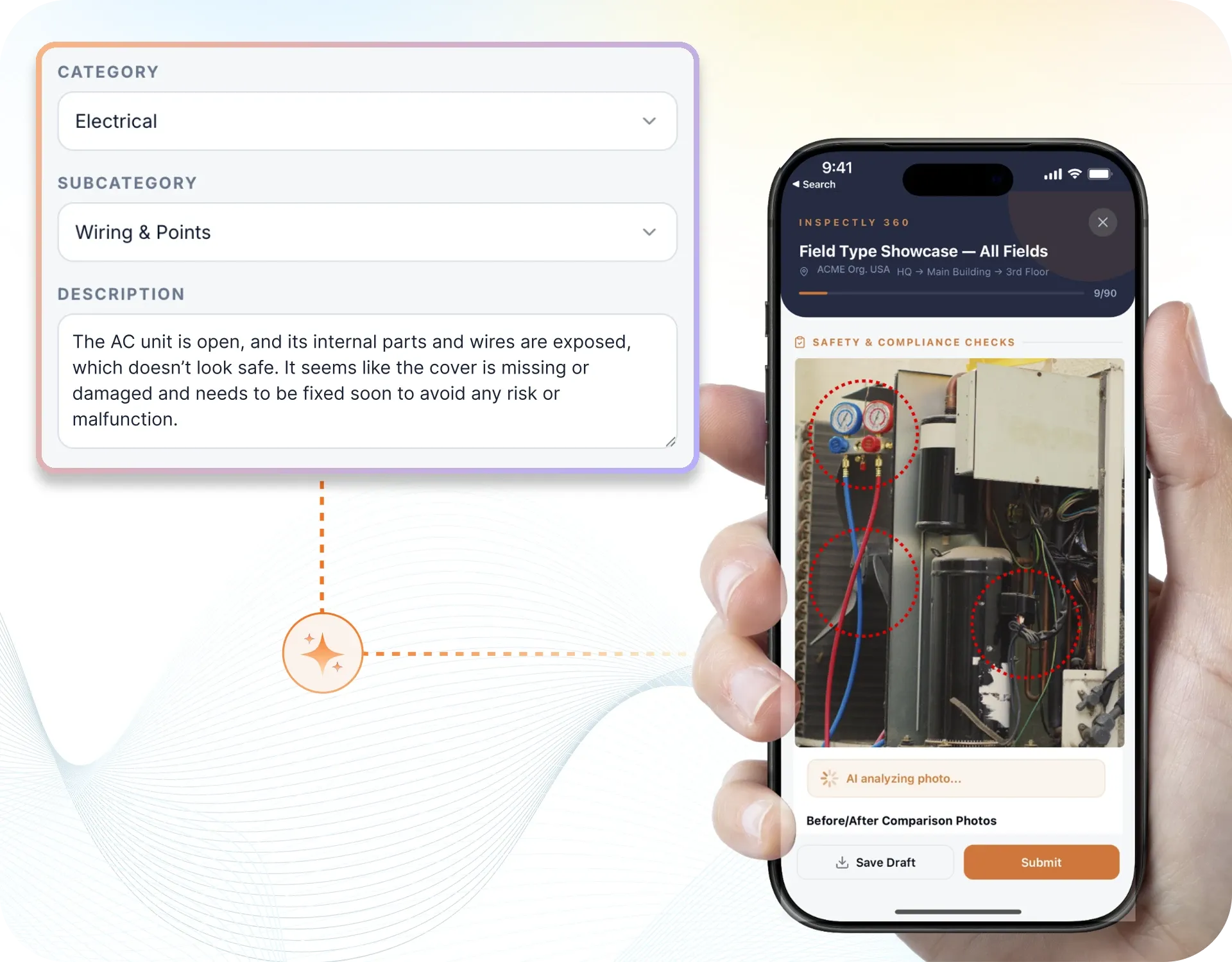
Take a Photo. AI Fills the Form
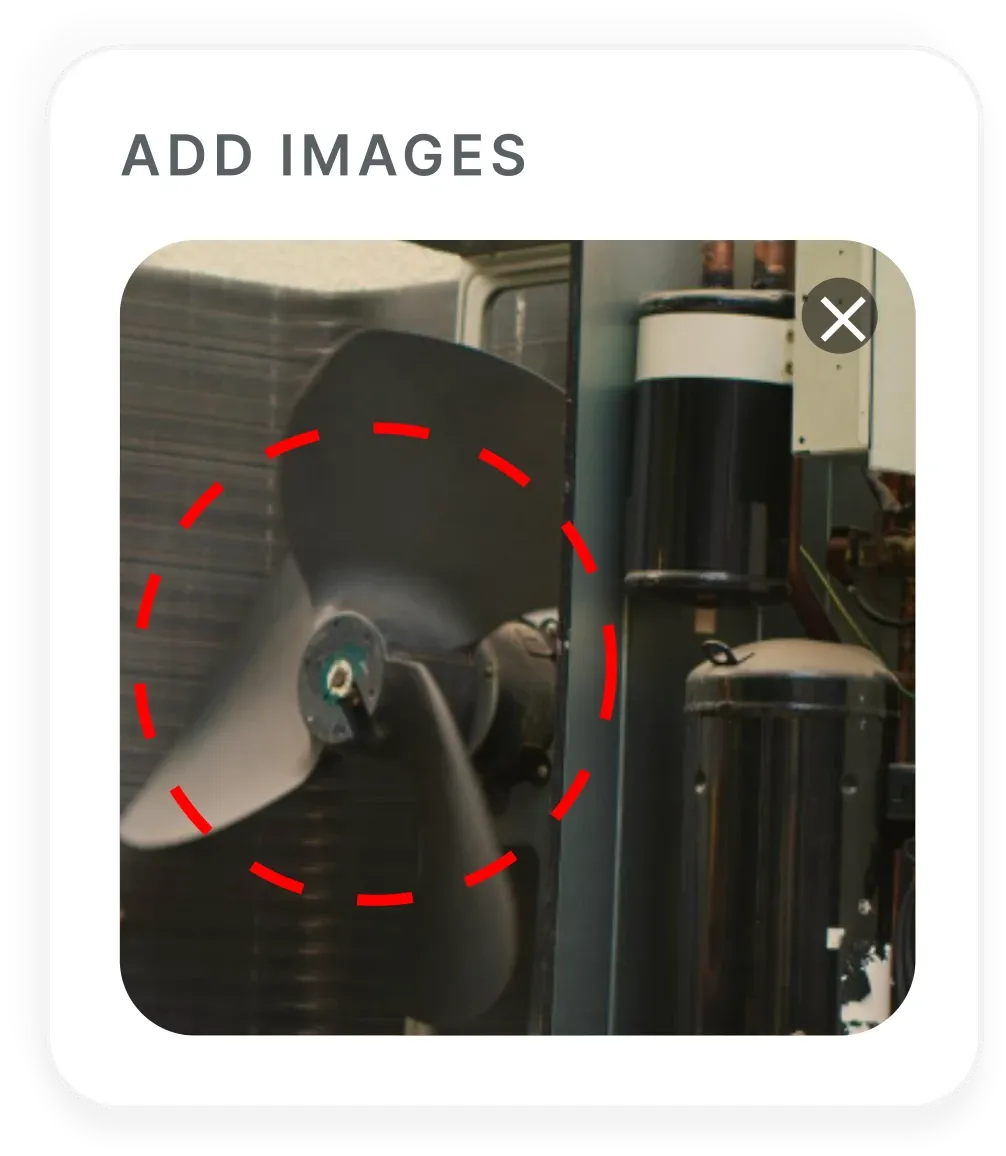
Your inspector takes a photo of any asset or defect. AI reads it and fills the inspection form automatically. No typing. No manual entry.

Convert your checklist into Mobile App
Facility inspection software is a mobile-first system that runs the recurring inspections behind every operational FM portfolio - daily housekeeping rounds, weekly safety walks, monthly PPM, statutory checks, and reactive maintenance verification - and pushes the resulting evidence, issues, and compliance status into one shared view.
Available on Mobile
Inspect on iOS and Android with no internet required. Capture photos, let AI flag defects, and generate audit-ready reports in the field.
For the field team, the platform replaces clipboards, message threads, and call-backs with offline-first capture on Android and iOS. Inspectors scan an asset QR, the right checklist opens, AI Visual Inspection suggests defect categories from the photo, and Voice AI captures the observation while their hands are still on the asset. The round closes on the device; sync happens when coverage returns.
What changes once facility inspection software runs on one mobile-first platform.
The implementation pattern is sequential and shallow at first, then deepens as confidence builds. Each step solves a different operational gap rather than re-stating the previous one.
Import current paper rounds, Excel templates, and vendor checklists into versioned digital programmes with required photos, conditional logic, and scoring. The library stays the system of record for what good looks like across every site.
Define the portfolio structure once: regions, sites, buildings, zones, and assets with QR or NFC tags. Statutory and AMC clocks attach to the asset record so the field team scans context, never recreates it.
Centre managers, AFMs, contractors, and tenants get scoped access aligned to the FM operating model. SAML or OIDC SSO removes shadow accounts; mobile RBAC keeps a vendor on their work and off the rest of the portfolio.
Pick one inspection type that hurts most today and one site. Run it for two cycles alongside the existing paper backup. Measure round completion, issue closure time, and reporting hours saved before expanding.
Roll the validated programme to similar sites in waves rather than one site at a time. Anomaly detection, recurring-issue surfacing, and AI daily briefings switch on as data volume grows.
Facility inspection checks daily housekeeping rounds, PPM and AMC currency, fire and life-safety systems, HVAC and MEP condition, security and access controls, and common-area and washroom condition. Facilities and operations managers capture a photo and a reading on each point, offline where signal is poor, and a named reviewer signs the round off, so every facilities record proves what was checked, when, and by whom, and stays aligned to ISO 41001, fire safety NOC, and OSHA.
Templates align to ISO 41001, fire safety NOC, OSHA.
Everything your field team does on paper, Inspectly360 does automatically: faster, more accurate, and without the admin.
Your inspector takes a photo of any asset or defect. AI reads it and fills the inspection form automatically. No typing. No manual entry.
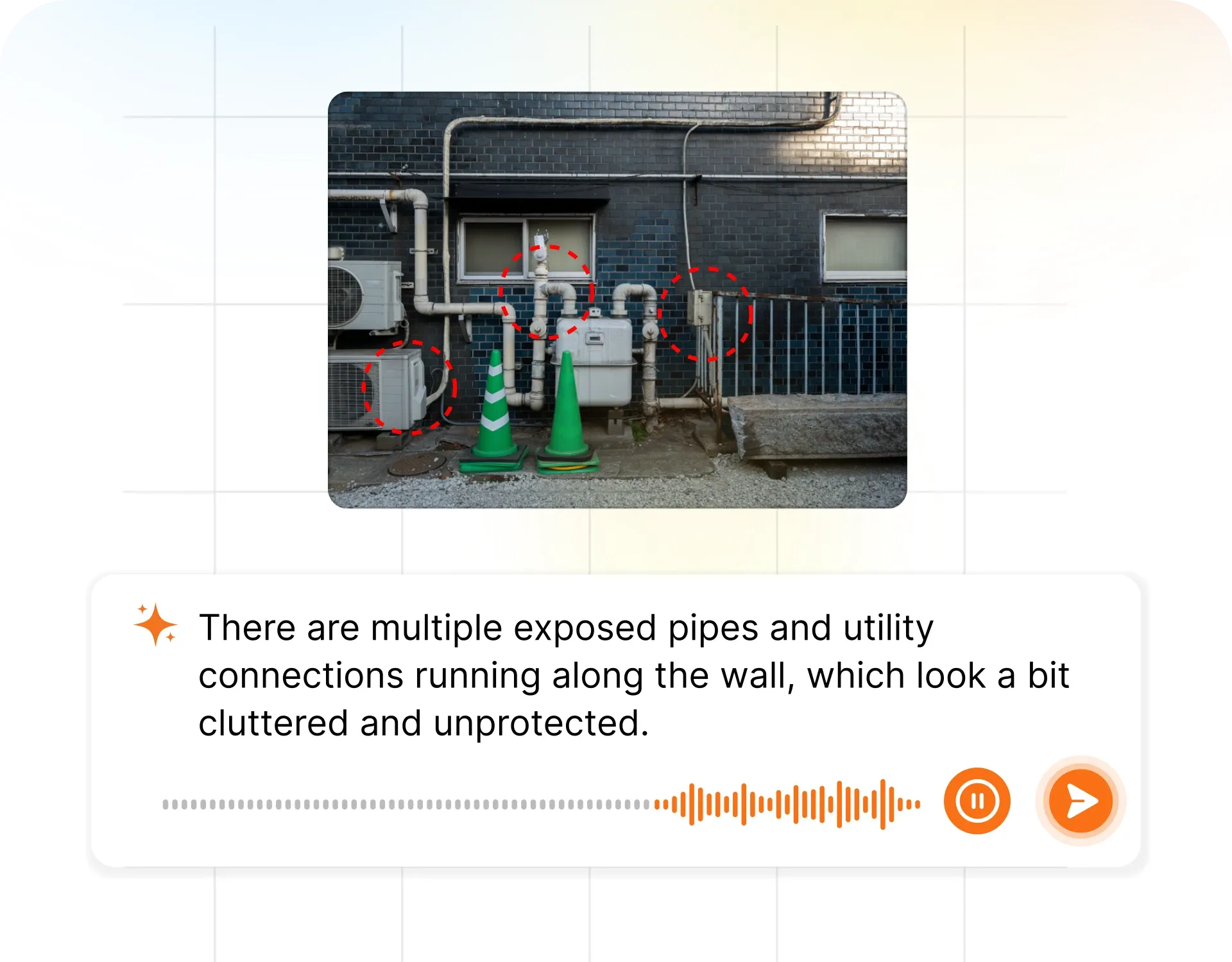
Inspectors speak their observations in any language. AI transcribes and fills the form in real time. Completely hands-free in the field.
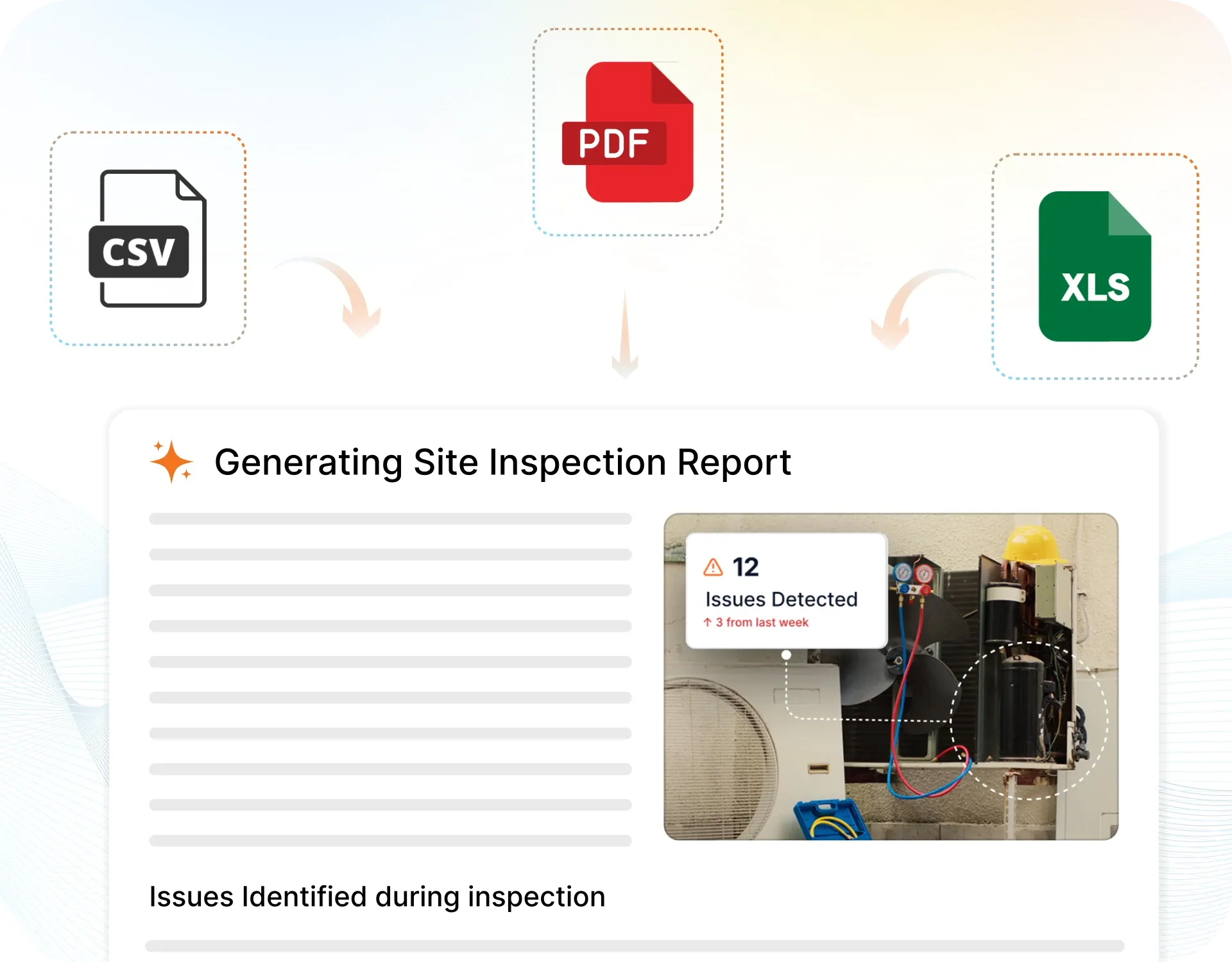
The moment an inspection is submitted, a branded PDF, Excel, or CSV report generates automatically. No manual work. No waiting.
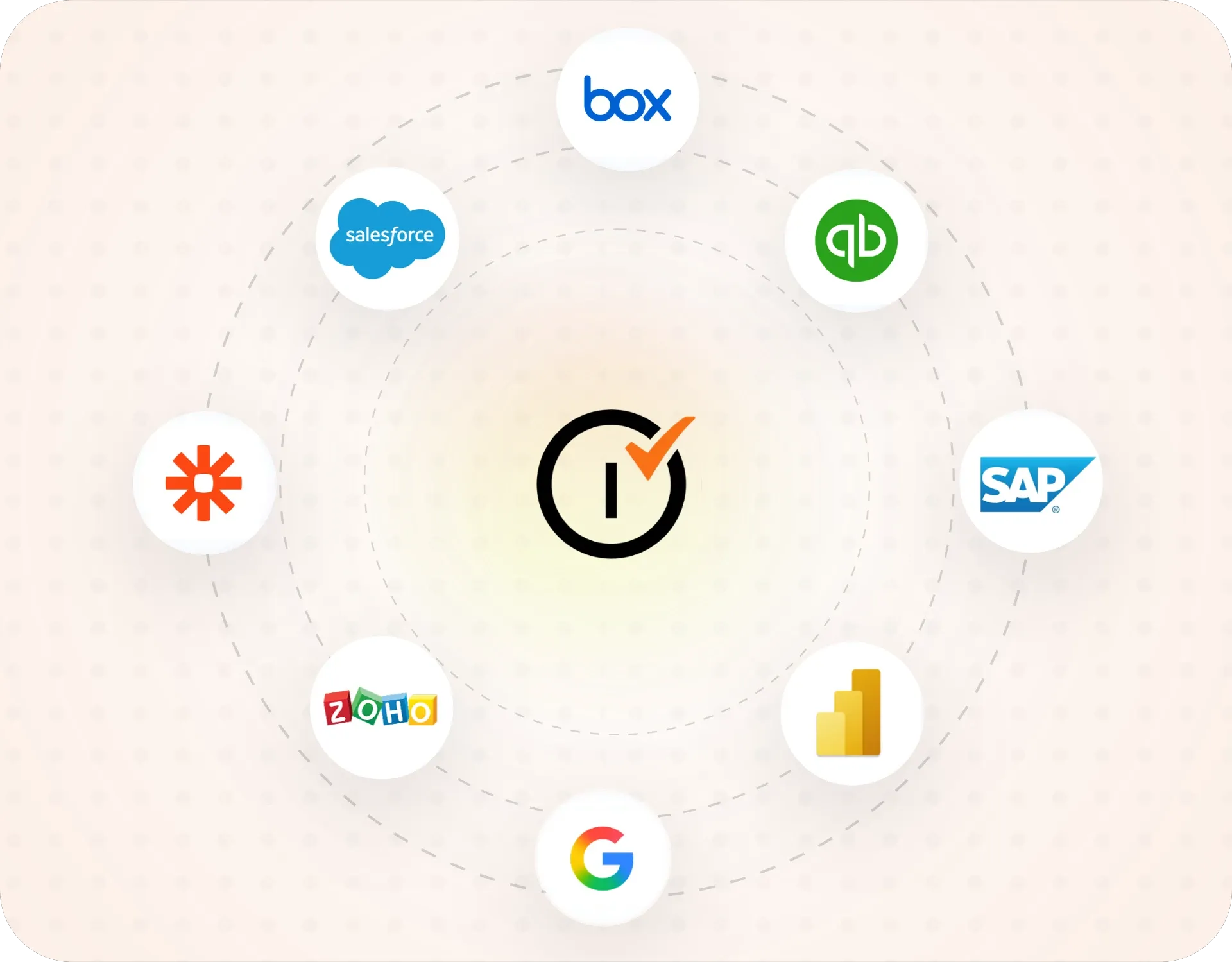
Inspectly360 integrates with the tools your team already uses, including Zoho, Microsoft 365, and SAP. No double entry.
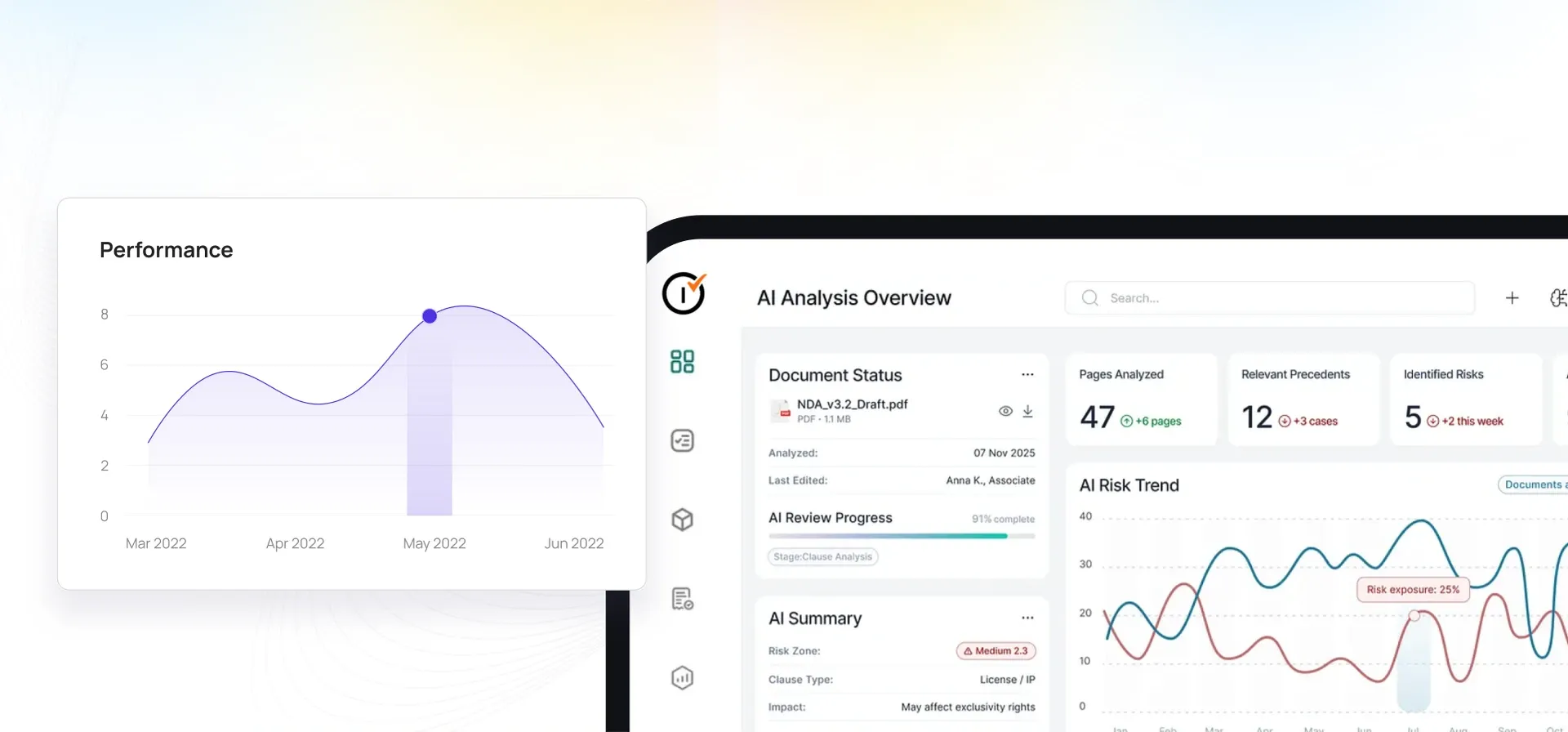
Your operations team sees completion rates, open issues, and compliance scores across all sites in real time. No chasing updates.
Manage every checklist in one connected workspace, capture evidence on mobile at the point of work, and let AI turn field inputs into clear, stakeholder-ready reports in minutes.

See which checklists your team has in progress across every site, jump into the same inspection with one tap, and keep field, supervisor, and back-office views in sync without sending screenshots on WhatsApp.


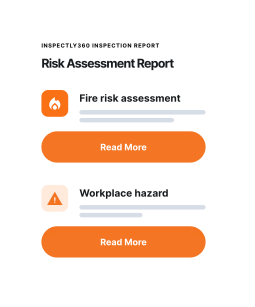
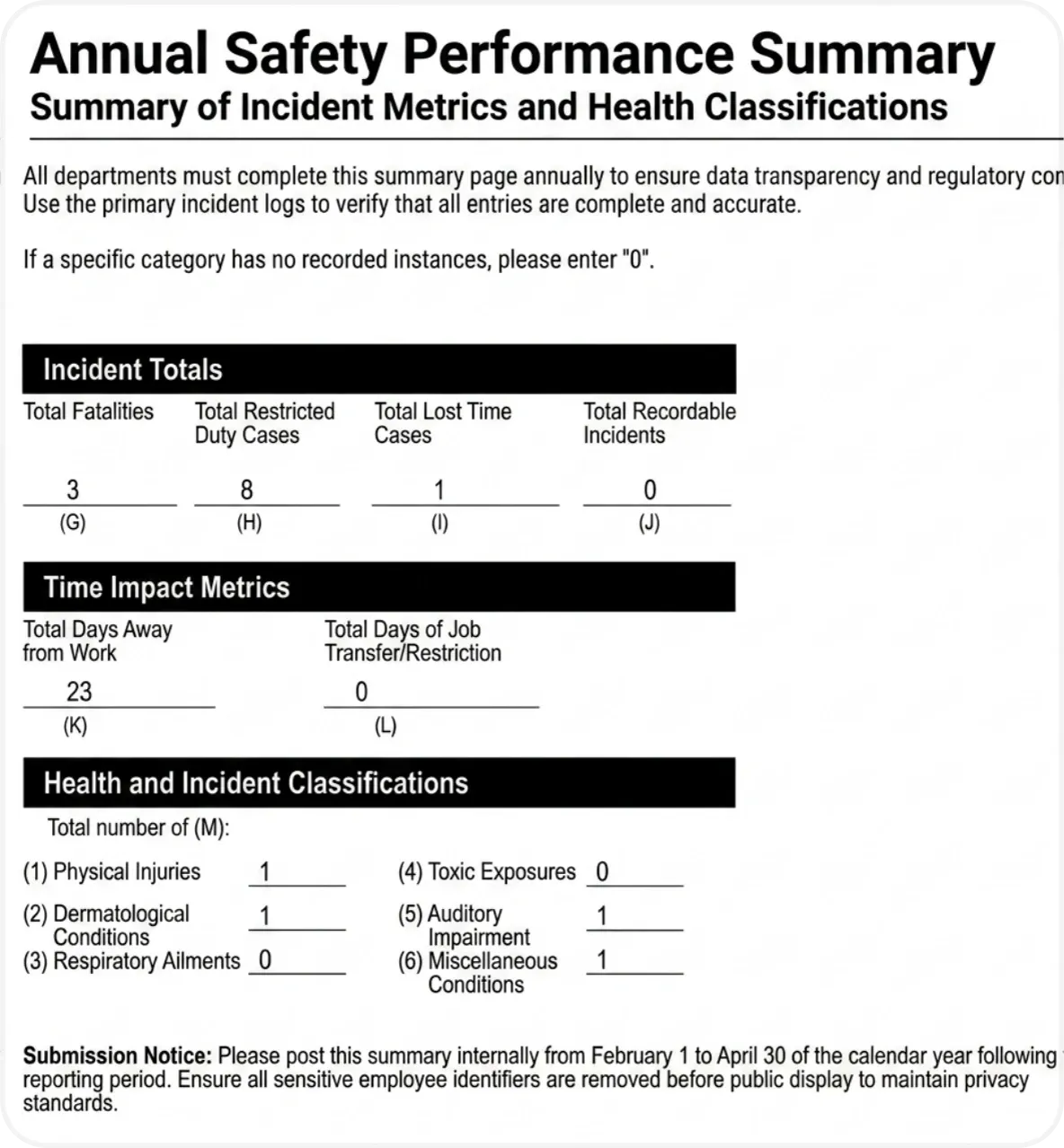


Every team reports differently. Build the report your operations, quality, or compliance leads actually want to read, share it as a branded PDF, and schedule delivery to the stakeholders who need it.

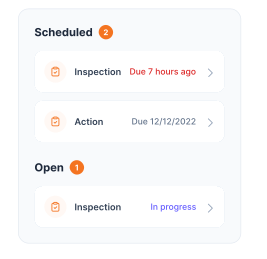

See completion, pass rate, and recurring findings across every checklist and every site, without pulling spreadsheets together at the end of the month.
What changes once facility inspection software is standardised on Inspectly360.






“Inspectly360 transformed how we manage site safety inspections. The offline capability alone saved us countless hours. Our compliance rate jumped from 72% to 96% in just three months.”
Sarah Mitchell
Meridian Construction Group

“The AI-powered defect detection has changed how we work. Our inspectors capture photos and the system flags issues we'd have missed. It's like having an expert reviewer on every site visit.”
James Chen
Pacific Manufacturing Co.
“Rolling out digital checklists across multiple projects gave us instant visibility into recurring safety issues. We now resolve critical findings in hours instead of days.”
Olivia Carter
Northbridge Infrastructure
Get started with inspection and audit checklist templates.

Standard site-level inspections for construction, safety, and compliance. Capture conditions, photos, and follow-ups in one place.

Inspect assets and equipment: condition, location, photos, and maintenance history. Track condition over time.

Complete work orders with checklist items, photos, and sign-off. Track completion and proof of work.

Preventive and corrective maintenance inspections. Log repairs, parts, and condition with photos and follow-ups.
Use these apps to run inspections and audits.

by Inspectly360
Simplify facilities inspections with forms, photos, and reports.

by Inspectly360
Building condition and compliance inspections with evidence and follow-ups.

by Inspectly360
Equipment inspections with maintenance triggers and condition scoring.
by Inspectly360
Asset condition and compliance inspections with history.

by Inspectly360
Fire safety inspections with extinguisher, exit, and alarm checks.
Both. The platform is designed so a single-site centre manager can run a complete digital inspection programme without administrative overhead, and the same data model scales without re-platforming to twenty, fifty, or several hundred sites. Single-site teams typically start with one inspection programme (housekeeping, PPM, or fire safety) and add programmes as they remove paper, rather than committing to a portfolio rollout up front. Pricing follows the scope you actually use; small-portfolio teams are not charged for portfolio features they have not switched on.
Inspectly360 is priced per site for the operating layer (programme library, dashboards, RBAC, integrations) and includes the field inspector seats that site needs. This matters because per-user pricing punishes the FM operating model: a site has a small core team but rotates inspectors, contractors, and tenants through it constantly, and per-user models either bill for those rotations or push teams into shared logins that defeat the audit trail. Per-site pricing keeps the operating-model cost predictable and aligns spend with the number of sites being protected, not the number of phones in circulation.
Contractors get a scoped account that surfaces only the issues, sites, and assets explicitly assigned to them. They can upload photo-verified closure evidence, respond to comments, and download their own work-order PDFs, but they cannot see other contractors' work, other sites' inspection data, or any tenant or client information unless those scopes are explicitly granted. RBAC is enforced on the server, not just in the UI, so a tampered request cannot escalate visibility. Vendor scorecards (closure time, fix quality, re-open rate) are visible to the FM team and, optionally, to the vendor themselves.
Yes. Inspectly360 supports SAML 2.0 and OpenID Connect single sign-on for enterprise customers, integrates with Microsoft Entra ID (Azure AD), Okta, Google Workspace, and most identity providers, and supports just-in-time user provisioning so a new centre manager added to the right IdP group becomes active automatically. SCIM provisioning is available for portfolios that need automated lifecycle management. This typically reduces the procurement-side IT review from weeks to days because the platform clears infosec checks against the customer's existing identity baseline rather than introducing a new shadow user store.
Customers can choose the regional cluster their inspection data is stored in (typical options: EU, UK, US, India, UAE) and configure programme-specific retention rules - for example, statutory inspections held for the regulator-mandated window, while daily housekeeping records expire on a shorter cycle. Encryption at rest and in transit is enabled by default, and audit-grade event logs are immutable for the retention window. For organisations subject to GDPR, HIPAA-adjacent operational data, or local data-protection regulation, this combination removes the residency objection that consumer-grade inspection apps cannot answer.
The four metrics that procurement teams typically use are: hours of weekly status compilation removed per centre manager (often 4 to 8 hours per site), reduction in time-to-close issues (commonly 40 to 60 percent in the first cycle because issues stop sitting in WhatsApp groups), AMC and statutory renewal lapses prevented (a single avoided fire NOC lapse usually exceeds a year of platform cost), and contractor billing accuracy improvements (scoped mobile access removes billing for rounds that were not actually completed). The pilot loop is structured to produce numbers for each of these before the rollout decision rather than after.
See Inspectly360 in action with a live demo tailored to your needs. No credit card required.