Convert your checklist into Mobile App

Contact Now

Site Safety InspectionSoftware

Site Safety Inspection software for HSE leads and site safety officers running JSA, PTW, LOTO, and toolbox talk programmes to OSHA 1926 and ISO 45001.

Quick Answer

Site safety inspection software is a mobile-first system that runs the JSA, PTW, LOTO, toolbox talk, hazard observation, near-miss, and recordable incident workflows behind every safety programme on construction sites, industrial maintenance shutdowns, energy operations, and multi-site field operations, replacing paper JSA books, WhatsApp hazard photos, and Excel near-miss logs with one defensible record aligned to OSHA 29 CFR 1926 (construction) and 1910 (general industry), ISO 45001 occupational health and safety, CDM 2015, and local work safety law.

AI-Powered Features for Your Field Workflows

Everything your field team does on paper, Inspectly360 does automatically: faster, more accurate, and without the admin.

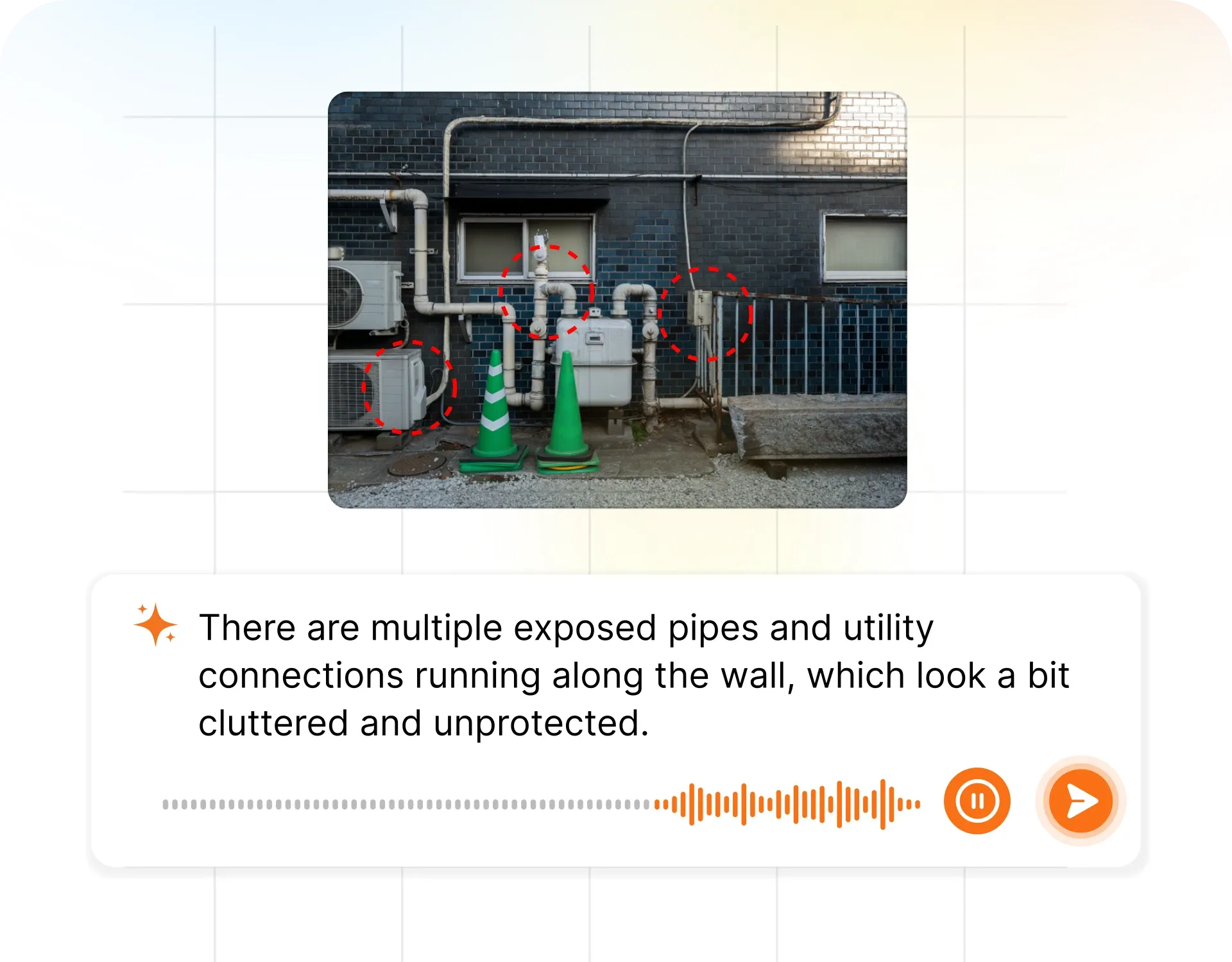
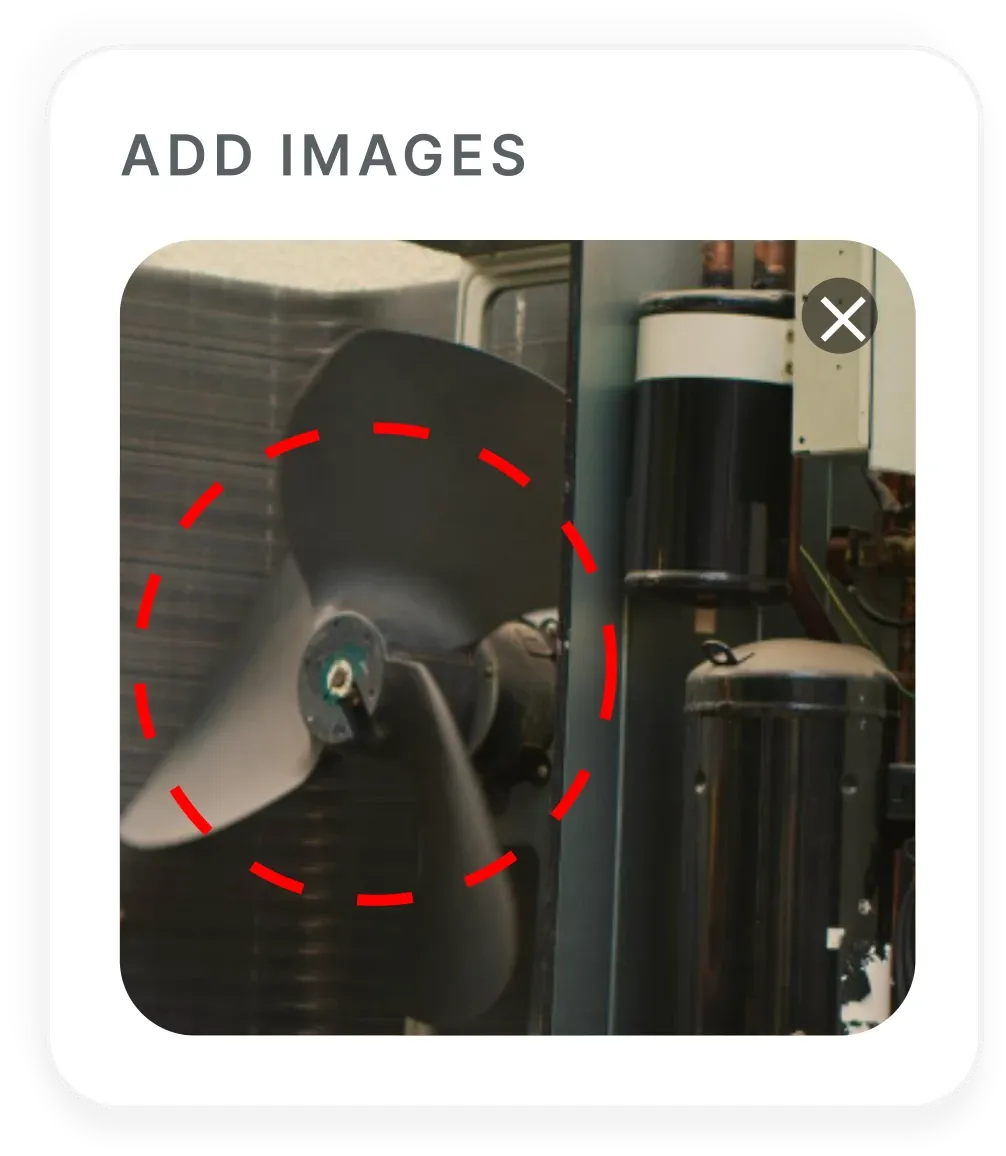
Take a Photo. AI Fills the Form illustration

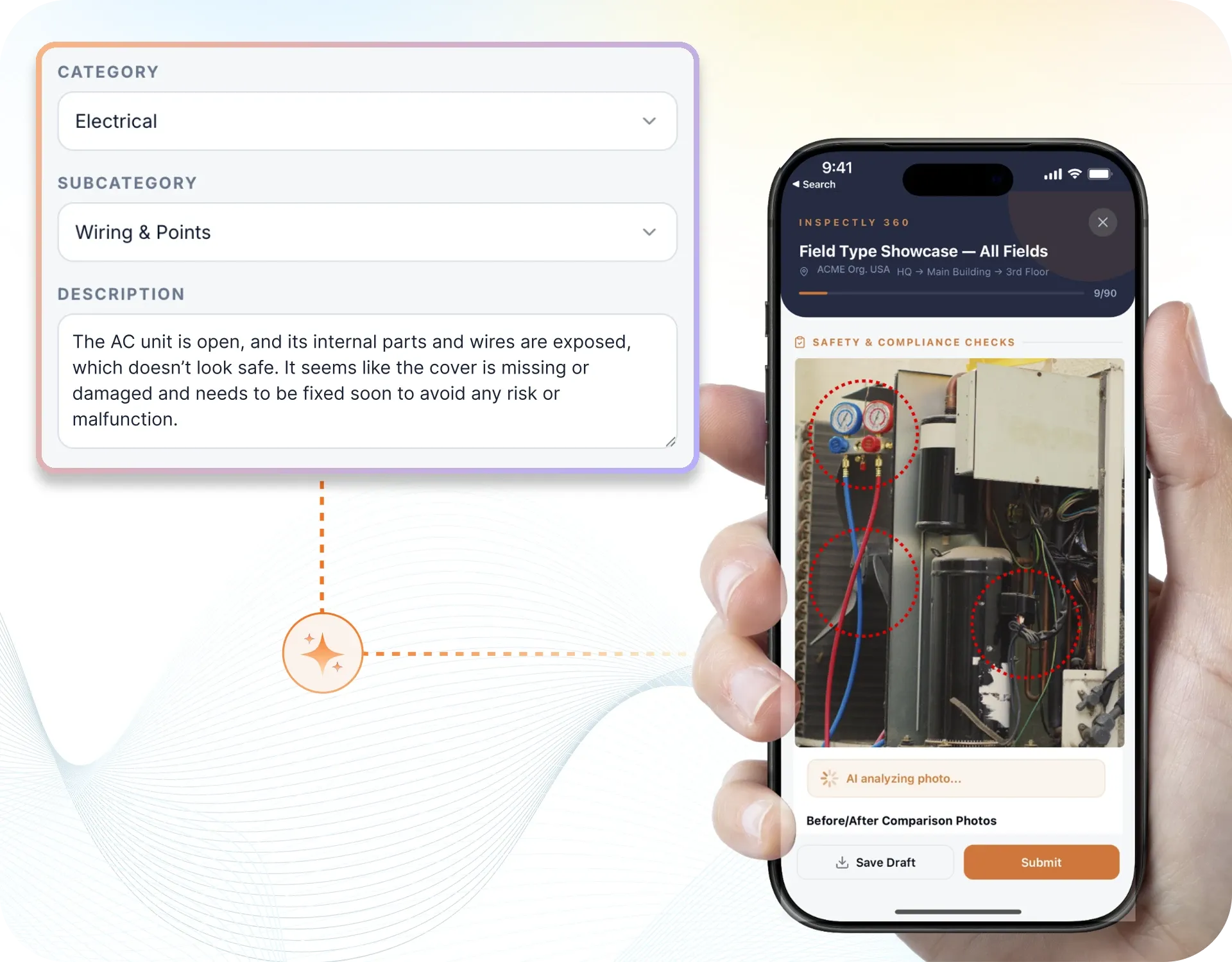
Take a Photo. AI Fills the Form

Your inspector takes a photo of any asset or defect. AI reads it and fills the inspection form automatically. No typing. No manual entry.

Speak. AI Writes It Down illustration

Speak. AI Writes It Down.

Inspectors speak their observations in any language. AI transcribes and fills the form in real time. Completely hands-free in the field.
Inspections Done. Report Ready illustration

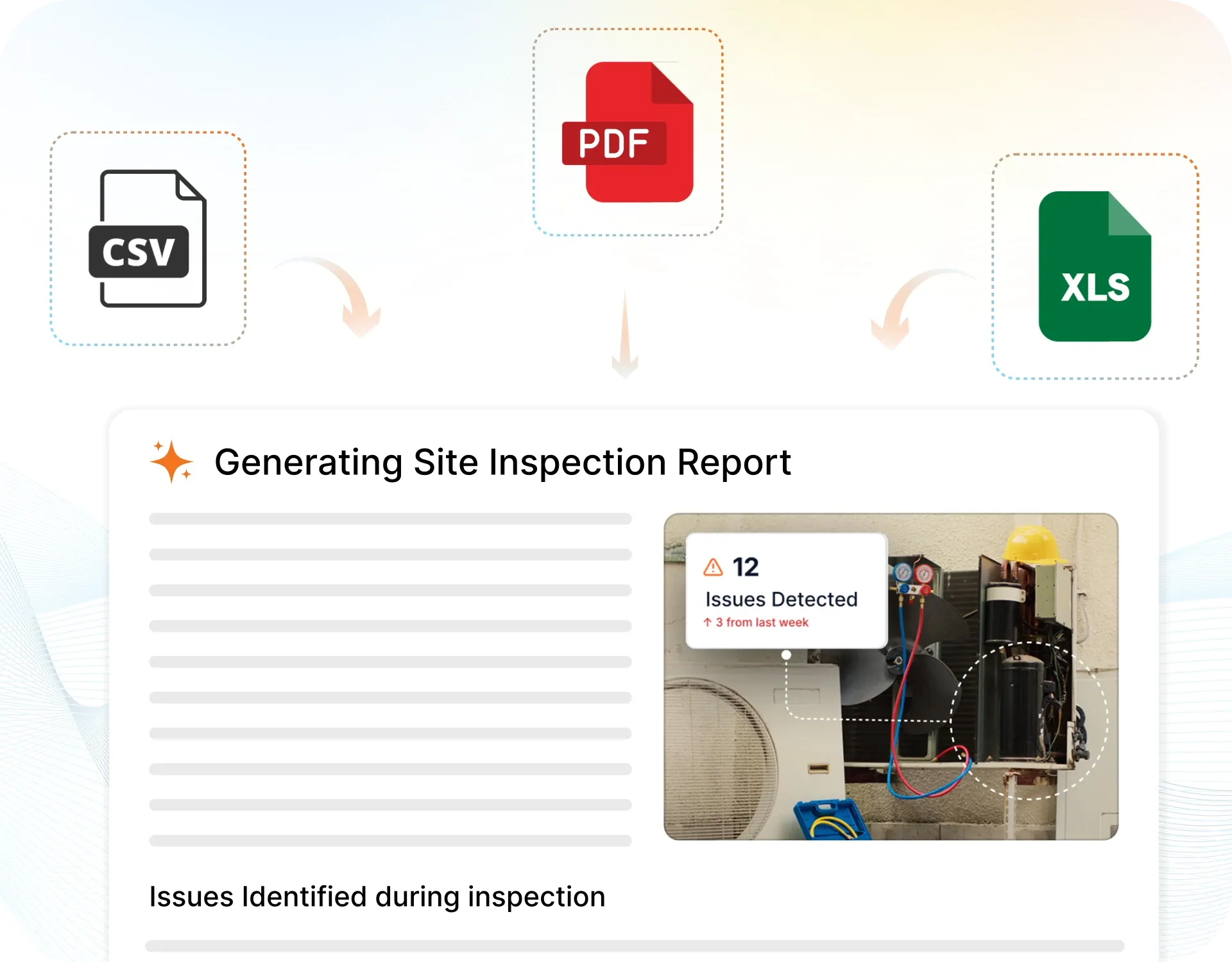
Inspections Done. Report Ready.

The moment an inspection is submitted, a branded PDF, Excel, or CSV report generates automatically. No manual work. No waiting.
Connect Your Existing Tools illustration

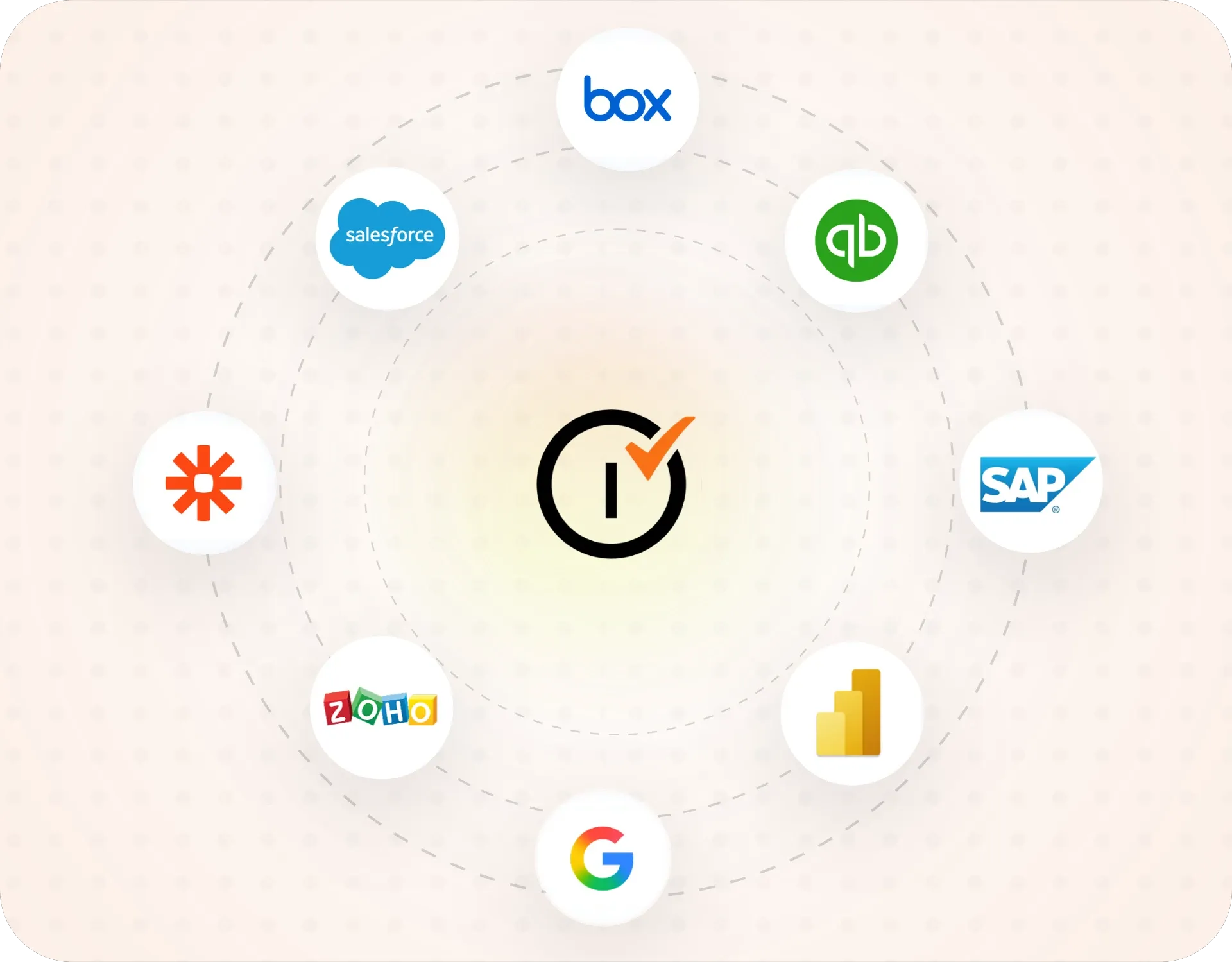
Connect Your Existing Tools.

Inspectly360 integrates with the tools your team already uses, including Zoho, Microsoft 365, and SAP. No double entry.
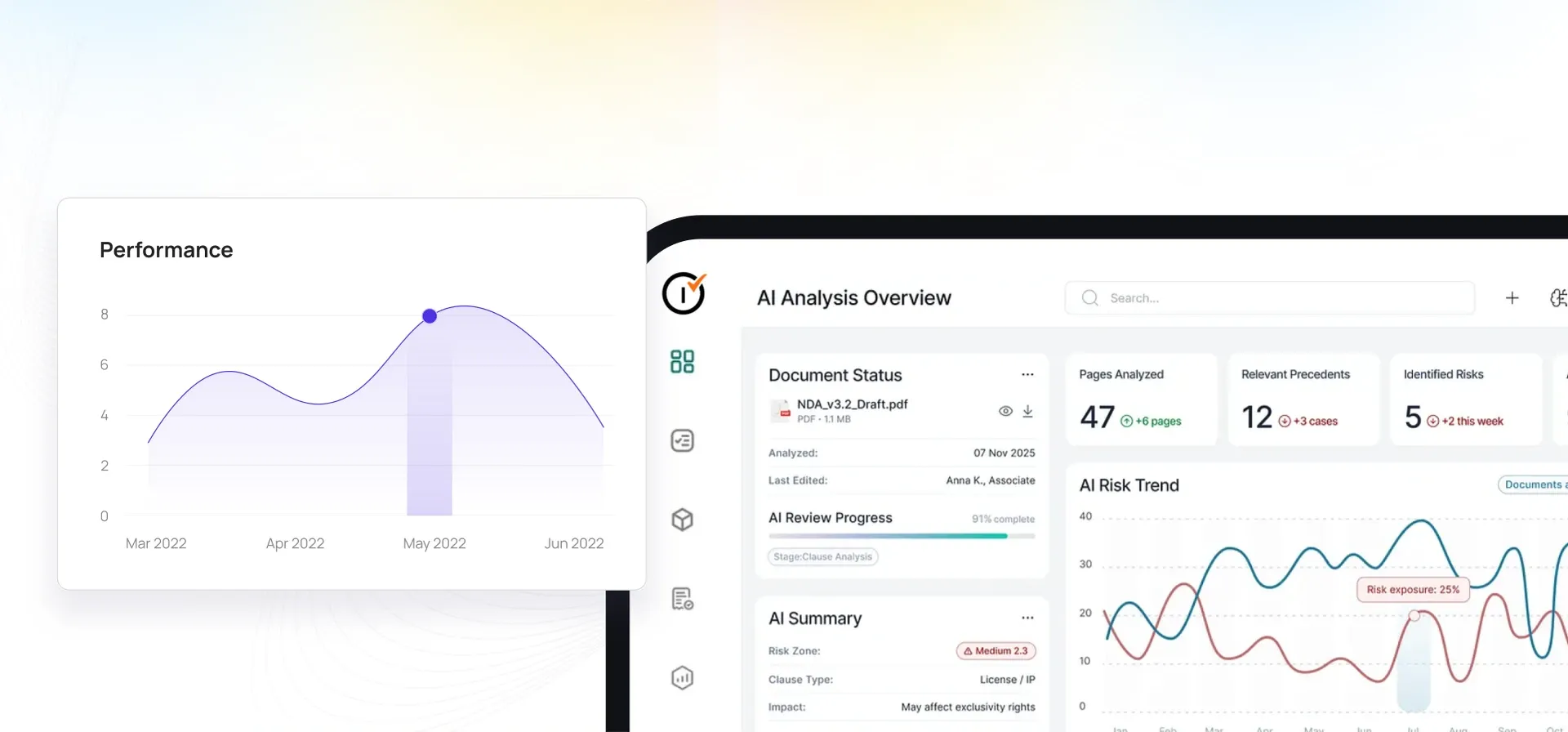
Live Dashboard. Every Site. Always On illustration

Live Dashboard. Every Site. Always On.

Your operations team sees completion rates, open issues, and compliance scores across all sites in real time. No chasing updates.

Before and After Inspectly360

What changes once site safety inspection software runs on one mobile-first platform with photo proof and live dashboards.

Before Inspectly360

  • JSA forms get signed at end of shift retroactively. PTW books up in the gang office; the work crew has already started in the field. The recorded JSA bears no relation to the actual hazard scenario the crew worked under.
  • Near-miss reporting depends on operatives filling paper forms. Submission rate is low (commonly 1 near-miss per 1,000 hours worked) because the friction is high. The HSE programme runs on lagging indicators only.
  • OSHA recordable incidents trigger a paper investigation; root-cause analysis (5 Whys, fishbone, TapRoot) lives in an Excel file; CAPA closure happens by email and is asserted rather than verified. The same incident pattern repeats because the cause was never fixed.
  • HSE inspector arrives unannounced. The site manager scrambles through paper JSA books, WhatsApp threads, and Excel near-miss logs. Findings on documentation gaps surface every visit; FFI fees apply.
  • Corporate HSE sees lagging indicators (TRIR, LTIR) months after they happen. Leading indicators (hazard observations per shift, near-miss rate, JSA completion rate, toolbox attendance) live in site-specific Excel files and never aggregate to portfolio.

After Inspectly360

  • JSA and PTW gate the activity on the device: scan the QR at the work zone, complete the hazard analysis, get supervisor approval, then the work starts. Approval cannot be back-dated; the JSA reflects actual pre-work conditions.
  • Voice AI captures near-miss reports in 30 seconds from photo plus spoken observation. Multilingual capture (English, Hindi, Spanish, Arabic, Filipino) removes the language barrier. Near-miss rates typically rise 5-10x as friction drops, which gives the HSE programme the leading-indicator data it needs.
  • OSHA recordables route into a structured investigation workflow with 5 Whys / fishbone / TapRoot tools, named CAPA owners, severity-matched verification, and photo-verified closure. Repeat incidents drop because the cause is verified fixed.
  • HSE inspector pack exports in one click with last 12 weeks of JSAs, PTWs, toolbox talks, hazard observations, near-misses, recordable incidents, and CAPA closure trails. The inspector sees the same record the site captured.
  • Live leading-indicator dashboards aggregate across sites in real time: hazard observations per shift, near-miss rate per 1,000 hours, JSA completion rate, toolbox attendance, PTW compliance. Corporate HSE sees the leading picture before the lagging numbers move.

What Is Site Safety Inspection Software, and How Do HSE Leads Use It Across Multi-Site Operations?

Site safety inspection software is a mobile-first system that runs the JSA, PTW, LOTO, toolbox talk, hazard observation, near-miss, and recordable incident workflows behind every safety programme on construction sites, industrial maintenance shutdowns, energy operations, and multi-site field operations, replacing paper JSA books, WhatsApp hazard photos, and Excel near-miss logs with one defensible record aligned to OSHA 29 CFR 1926 (construction) and 1910 (general industry), ISO 45001 occupational health and safety, CDM 2015, and local work safety law. Inspectly360 is built for HSE leads, site safety officers, principal contractors, and corporate safety directors who carry personal accountability for what happens on shift.

For the field team, the platform replaces clipboard JSAs and verbal toolbox talks with offline-first capture on Android and iOS. The operative scans the QR at the work zone, the right JSA template opens, AI Visual Inspection flags missing PPE, blocked egress, exposed energy, and unsafe access from the photo, and Voice AI records the hazard observation while the operative keeps both hands on the work. The JSA closes on the device; PTW approval gates the activity; near-miss capture runs in 30 seconds.

For HSE leads and safety directors, every hazard observation, near-miss, and recordable incident feeds the same data model. Incidents flow from capture through 5 Whys root cause to CAPA assignment, verified closure, and OSHA 300 / 300A / 301 log generation. The portfolio view shows leading indicators (hazard observations per shift, near-miss rate, JSA completion, toolbox attendance) and lagging indicators (recordable rate, lost-time days) on one screen, so the next corporate HSE review opens with data instead of anecdote.

How Does a Site Safety Programme Run from JSA to Near-Miss Closure?

Site safety programmes run continuously across shift, day, and week cycles; the five-step loop below is what HSE leads standardise before scaling field rollout.

  1. 1

    Digitise the JSA, PTW, and Toolbox Template Library

    Import existing job hazard analyses, permit-to-work templates (hot work, confined space, working at height, LOTO, excavation), pre-shift safety checks, weekly safety walks, and contractor inductions into versioned digital programmes with required photo evidence, hazard categories, and severity rules.

  2. 2

    Map Sites, Crews, Critical Risks, and Energy Sources

    Define the operating structure once: regions, plants, zones, energy sources, and high-consequence tasks. PTW, LOTO, confined space, and hot-work obligations attach to the asset and the activity rather than living in the supervisor's head.

  3. 3

    Route Hazard, Near-Miss, and Incident Workflows

    Configure who is notified within minutes of a Stop Work, who owns the 24-hour investigation window, and how 5 Whys / fishbone / TapRoot results promote into a CAPA. Multilingual hazard reporting opens the channel for field-language voices that paper forms silenced.

  4. 4

    Connect HR, Training, and Identity Stack

    SSO via SAML or OIDC removes shadow accounts. SCIM provisioning links operative identity to the HRIS so a lapsed forklift, confined-space, or working-at-height certificate auto-restricts the assignment. Training records pull from the LMS so toolbox attendance is tied to the named worker, not a sign-in sheet.

  5. 5

    Pilot on One Site, Then Scale by Site Pattern

    Pick the highest-volume safety inspection on one site, run it for two cycles alongside the paper backup, measure near-miss capture rate and JSA completion rate, then roll out to similar sites in waves. Anomaly detection and AI daily briefings switch on as data volume grows.

How Should HSE Leads Pilot Site Safety Inspections Without Disrupting Live Operations?

Answers to common long-tail questions, kept on one canonical page to avoid thin duplicate URLs.

Where Does Site Safety Inspection Software Fit Beside SAP EHS, Enablon, and Cority?

Inspectly360 sits as the field safety-execution and evidence layer beside the corporate EHS stack. SAP EHS, Enablon, Sphera SafetyHub, Cority, and ProcessMAP continue to hold corporate HSE KPI dashboards, incident records, and regulatory reporting. Inspectly360 owns the field execution: JSA capture on the device, PTW gating in the work zone, toolbox attendance with named operatives, near-miss reporting in 30 seconds, and CAPA workflow through verified closure. Failed safety items push to the corporate EHS system as incidents with photo evidence; OSHA recordables flow back into the EHS recordkeeping. Nothing about the corporate EHS investment is wasted; the field execution layer those systems lack is added on top.

What Should HSE Procurement Validate Before Multi-Site Rollout?

Procurement and corporate HSE should validate seven enterprise requirements before any rollout decision: SSO via SAML or OIDC with provisioning into the corporate identity provider; SCIM-based operative lifecycle management so credential expiry triggers automatic workflow restriction; RBAC granular enough to scope a contractor crew to their permits and work zone only; offline mobile capture verified at real height-adjacent work where signal drops; configurable retention per regulatory framework (commonly 5 years OSHA 1904, longer per regional law); multilingual capture in the workforce languages actually present on site; and an escalation engine that triggers hard Stop Work on critical hazard observations.

Security, Operative Identity, and HSE Audit Posture

Production site safety programmes carry operative PII (training certificates, medical fitness records, working-at-height certifications) and contractor identity data that HSE inspectors, OSHA compliance officers, and corporate insurance auditors may request. Inspectly360 supports configurable retention, audit-grade event logs (who ran which JSA, who signed which PTW, who reported which near-miss, who closed which CAPA), encrypted at-rest evidence, and regional data residency aligned to GDPR or local privacy law. RBAC enforcement happens server-side rather than only in the UI.

Migration from Paper JSA Books and WhatsApp Hazard Threads

Historical site safety records rarely need re-typing. The pilot starts forward-looking on new digital JSAs, PTWs, and near-miss capture while existing paper JSA books, WhatsApp photo threads, and Excel near-miss logs are batch-imported as searchable evidence against the same site and crew. Operative certifications, contractor inductions, and emergency response plans seed from the current site record. Field teams keep paper JSAs in parallel for the first two cycles so adoption is built on operative confidence rather than mandate.

Which Capabilities Help Safety Officers Run JSA, PTW, Toolbox Talks, and Near-Miss Capture?

The platform capabilities that power site safety inspection software across every site.

Ready to Move Site Safety Inspection Off Paper?

Book a Free Demo

How Is This Different from Paper JSAs, WhatsApp Hazard Photos, and Generic Forms Apps?

HSE leads comparing Inspectly360 to paper JSAs, WhatsApp hazard photos, Excel near-miss logs, and generic forms apps care about five things specific to site safety: whether JSA and PTW happen before work starts rather than after, whether near-miss capture rate actually reflects field reality, whether OSHA recordable incidents close on a defensible CAPA, whether HSE inspector visits open with evidence, and whether leading-indicator safety metrics roll up to corporate.

TopicTypical GapsWith Inspectly360
JSA and PTW completion before work startsJSA forms get signed at end of shift retroactively. PTW books up in the gang office; the work crew has already started in the field. The recorded JSA bears no relation to the actual hazard scenario the crew worked under.JSA and PTW gate the activity on the device: scan the QR at the work zone, complete the hazard analysis, get supervisor approval, then the work starts. Approval cannot be back-dated; the JSA reflects actual pre-work conditions.
Near-miss capture rate vs incident-only reportingNear-miss reporting depends on operatives filling paper forms. Submission rate is low (commonly 1 near-miss per 1,000 hours worked) because the friction is high. The HSE programme runs on lagging indicators only.Voice AI captures near-miss reports in 30 seconds from photo plus spoken observation. Multilingual capture (English, Hindi, Spanish, Arabic, Filipino) removes the language barrier. Near-miss rates typically rise 5-10x as friction drops, which gives the HSE programme the leading-indicator data it needs.
Recordable incident CAPA defensibilityOSHA recordable incidents trigger a paper investigation; root-cause analysis (5 Whys, fishbone, TapRoot) lives in an Excel file; CAPA closure happens by email and is asserted rather than verified. The same incident pattern repeats because the cause was never fixed.OSHA recordables route into a structured investigation workflow with 5 Whys / fishbone / TapRoot tools, named CAPA owners, severity-matched verification, and photo-verified closure. Repeat incidents drop because the cause is verified fixed.
HSE inspector unannounced visit readinessHSE inspector arrives unannounced. The site manager scrambles through paper JSA books, WhatsApp threads, and Excel near-miss logs. Findings on documentation gaps surface every visit; FFI fees apply.HSE inspector pack exports in one click with last 12 weeks of JSAs, PTWs, toolbox talks, hazard observations, near-misses, recordable incidents, and CAPA closure trails. The inspector sees the same record the site captured.
Leading-indicator rollup to corporate HSECorporate HSE sees lagging indicators (TRIR, LTIR) months after they happen. Leading indicators (hazard observations per shift, near-miss rate, JSA completion rate, toolbox attendance) live in site-specific Excel files and never aggregate to portfolio.Live leading-indicator dashboards aggregate across sites in real time: hazard observations per shift, near-miss rate per 1,000 hours, JSA completion rate, toolbox attendance, PTW compliance. Corporate HSE sees the leading picture before the lagging numbers move.

What Changes for HSE Leads, Site Safety Officers, Operatives, and Principal Contractors?

What changes once site safety inspection software is standardised on Inspectly360.

  • HSE Leads and Safety Directors: One rolled-up portfolio view of leading indicators (hazard observations per shift, near-miss rate, JSA completion, toolbox attendance) and lagging indicators (recordable rate, lost-time days). The next corporate HSE review opens with current data.
  • Site Safety Officers: AI hazard detection compresses safety walk overhead. The walk that produced 10 paper observations now produces 40 evidence-rich observations in the same shift, which is the leading-indicator volume the programme actually needs.
  • Principal Contractors: CDM 2015 inspection-evidence obligations meet without manual reconstruction. Contractor scorecards drive the next subcontract; expired-credential findings stop being the dominant HSE finding pattern.
  • Site Managers: PTW gating in the work zone removes the paper-formality JSA. Work cannot start without active permit; Stop Work decisions become a property of the workflow rather than operative vigilance.
  • Operatives and Field Crews: Voice AI captures near-miss reports in 30 seconds. Multilingual capture in working languages removes the friction that suppressed the channel. The hazards operatives saw but didn't report now get reported.
  • Subcontractor Crews: Scoped access to their assigned permits and work zones with SCIM-driven credential lifecycle. Working-at-height, confined-space, and LOTO certifications validate at submission.
  • Corporate HSE and Risk Teams: Leading indicators feed corporate HSE KPI dashboards in real time. Insurance audits open with scored leading indicators alongside lagging incidents.

Which Site Safety Checklists Should HSE Teams Start With?

Get started with inspection and audit checklist templates.

View All Checklist Templates
Safety Inspection Checklist
Safety

Safety Inspection Checklist

Safety inspections with hazard identification, corrective actions, and compliance reporting. Offline capture and evidence.

52,100+GET
Incident Report Form
Incident Reporting

Incident Report Form

Report incidents and near-misses with details, photos, location, and timeline. Ready for safety or quality review.

26,700+GET
Daily Temperature Log
Template

Daily Temperature Log

Use this template to efficiently record and monitor daily temperatures of various refrigeration units, ensuring food safety compliance and proper ...

500+GET
OSHA Self Inspection Checklist
Template

OSHA Self Inspection Checklist

Explore the OSHA Self Inspection Checklist template designed to ensure compliance, enhance efficiency, and promote safety in your operations.

500+GET

Frequently Asked Questions About Site Safety Inspection Software

How does site safety inspection software handle JSA completion before the work crew starts?

QR-coded work zones launch the right JSA template the moment an operative scans in on arrival. The hazard analysis is completed on the device with the required photo evidence: PPE check, energy-source identification, egress confirmation, and adjacent-activity awareness. Supervisor approval then gates the activity, so the crew cannot start work until the JSA is signed. The signature timestamp is recorded at the moment of sign-off and cannot be back-dated, which means the JSA the crew actually worked under is the JSA an auditor later sees, not a paper form signed after the fact. For high-risk tasks, the template can also require a second competent-person review before approval, so the control still holds when one supervisor is stretched across several active work fronts.

How does Voice AI handle near-miss capture across multilingual workforces?

Voice AI transcribes spoken observations into structured near-miss records in English, Hindi, Marathi, Spanish, Arabic, Filipino, Portuguese, and other languages on request. The operative simply speaks the observation in their working language, and the AI identifies the hazard type, severity, and location and fills the form automatically. The corporate report then renders in the organisation's reporting language without anyone translating by hand. This matters because near-miss reporting is the leading indicator that predicts recordable incidents, and on a multilingual site the workers who see the most hazards are often the least comfortable typing a report in English. Removing the language barrier reopens the channel that paper forms quietly closed, so the leading-indicator picture finally reflects what the whole workforce sees rather than only the English-speaking supervisors.

How does the platform handle OSHA 300, 300A, and 301 recordable incident logs?

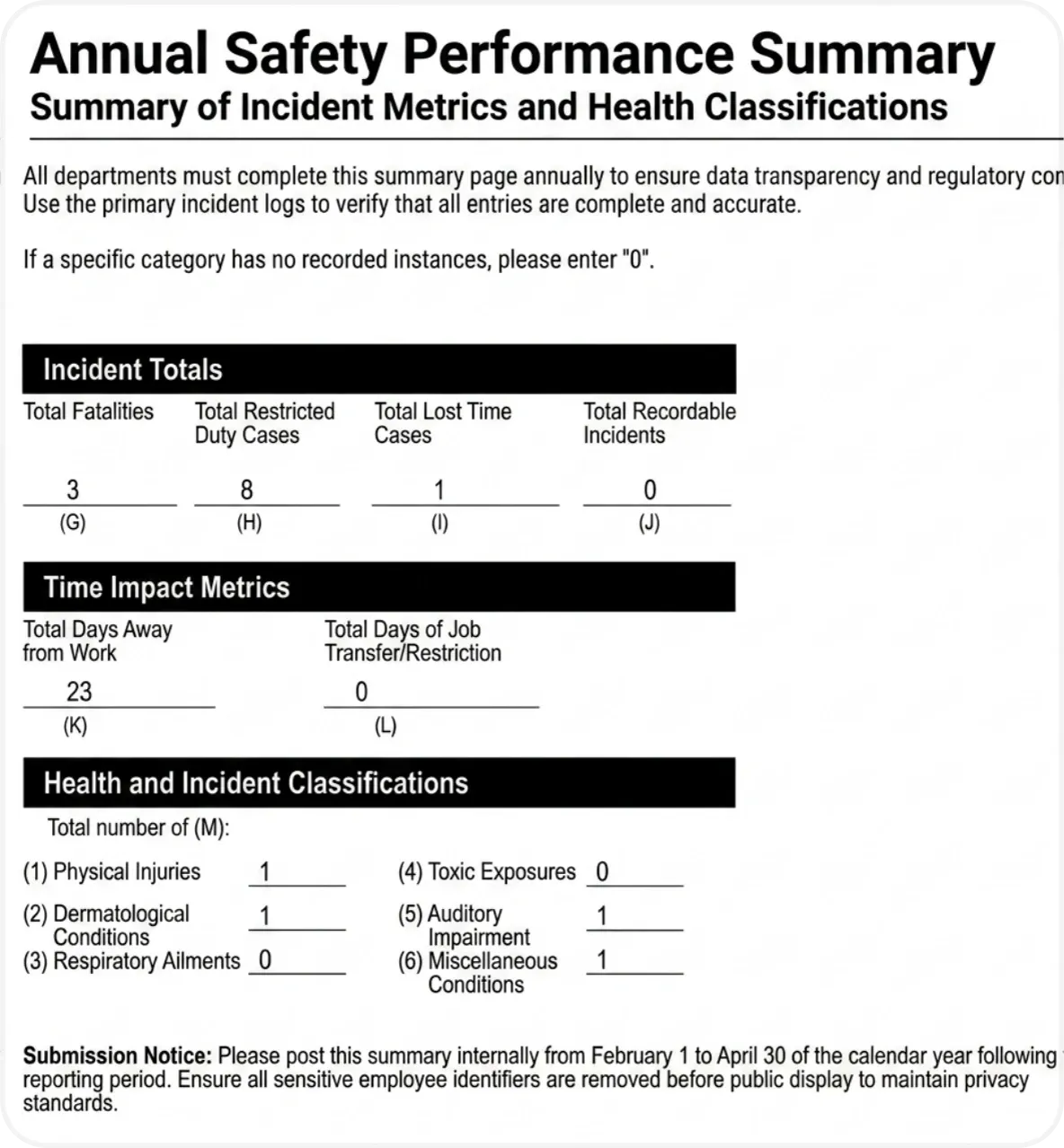
Recordable incidents are captured on the device with the structured fields OSHA 1904 requires: injury or illness type, body part affected, days away from work, days on job transfer or restriction, hospitalisation, and fatality. Privacy concerns under OSHA 1904.29(b)(7) are handled through configurable privacy-case rules that suppress the employee name where the standard allows. OSHA 300 log entries, 300A annual summaries, and 301 case-detail forms are generated automatically from those same records, so there is no separate compile cycle that can drift from the source. The platform flags the 300A posting period (February 1 to April 30) for printing, and supplementary records for OSHA 1904.7 cases attach to the parent incident so the full classification trail stays together.

How does the platform integrate with corporate EHS systems like Enablon and Cority?

REST API integrations push recordable incidents into Enablon, Cority, SAP EHS, Sphera SafetyHub, ProcessMAP, Intelex, and custom EHS data lakes. Each pushed record carries the full investigation trail: the root-cause analysis, the CAPA closure history, the photo evidence, and the OSHA classification. The corporate EHS systems remain the system of record for portfolio HSE analytics and regulatory reporting, while Inspectly360 supplies the field-execution layer those platforms were never built to capture. Bidirectional sync keeps site assignments, contractor lists, and asset master data aligned in both directions, so a crew added in the EHS system appears on the right work zones in the field app without anyone re-keying it. Most operators run the two together for years, each doing the part it was designed for.

How does the platform handle PTW types beyond standard hot work and confined space?

Permit-to-work templates cover the full spectrum a complex site runs: hot work (welding, cutting, grinding), confined-space entry, working at height, LOTO (lockout/tagout) for energy isolation, excavation and trench entry, radiation work, asbestos work, lone working, hazardous-chemical work, live electrical work, and high-voltage isolation. Each permit type carries its own pre-conditions, named-actor approval chain, validity window, and closure verification, so the controls match the hazard instead of forcing every job through one generic form. Cross-permit conflicts are caught at issuance: the system will not let a hot-work permit go active while a confined-space ventilation purge is running in the same zone. Permits also run on their own clock, so one left open past its window escalates rather than quietly staying live overnight.

How are contractor and subcontractor crews managed across permits and work zones?

Contractor crews onboard through the contractor portal with named crew lists, training certifications, and a defined contract scope. Every operative carries individual credentials, such as working-at-height, confined-space, first-aid, and fire-warden tickets, and the platform validates those credentials at the point of PTW issuance rather than after an incident. Subcontractor supervisors get scoped access to their own crew's permits and assigned work zones only, so one vendor never sees another's work. Contractor scorecards then aggregate from real field data: PTW compliance rate, near-miss capture rate per 1,000 hours worked, recordable rate, and training validity. Because that record is objective rather than anecdotal, the next subcontract round opens with scored performance data instead of a relationship judgement, and a contractor whose credentials are lapsing is flagged before the crew reaches site.

Less Paperwork. More Visibility.

See Inspectly360 in action with a live demo tailored to your needs. No credit card required.

  • 30 Days Free Trail
  • 1000+ Templates
  • Unlimited Integration