What are AI manufacturing inspections?
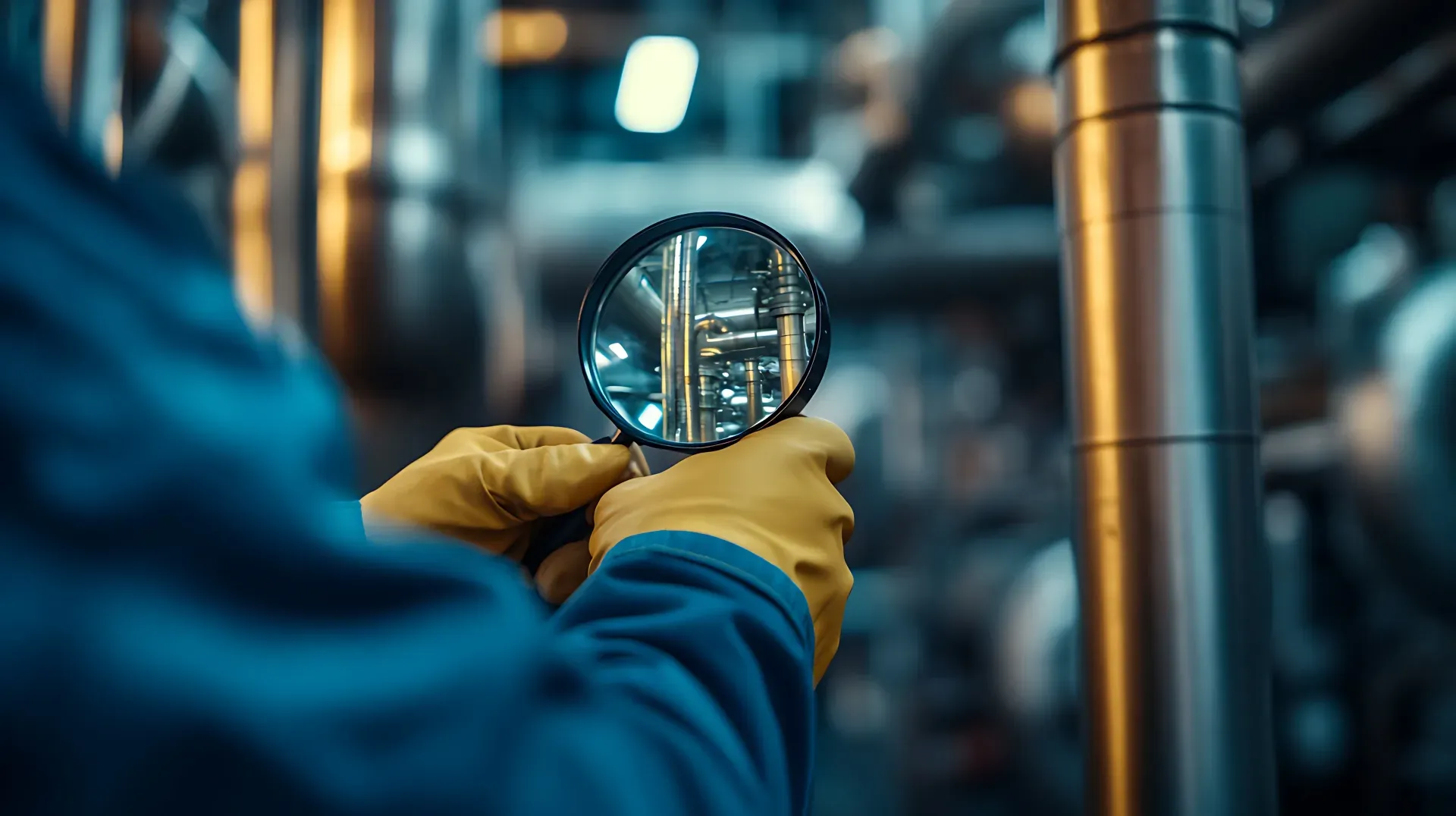
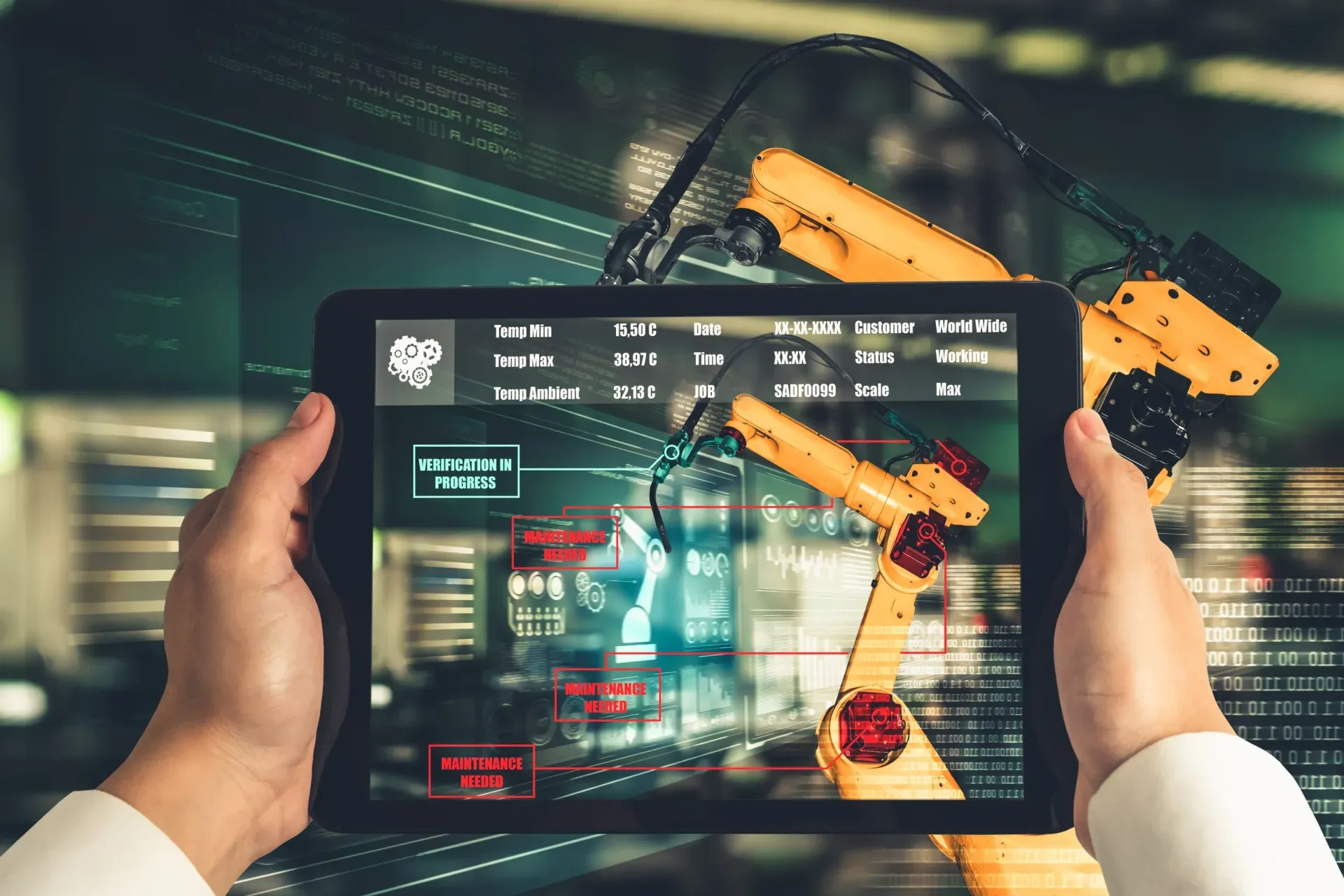
AI manufacturing inspections use AI to analyze product or process photos and data during quality checks, flagging potential defects consistently so inspectors can confirm or reject them. The goal is to improve two things: quality consistency, because the same defect is flagged the same way across shifts and inspectors, and traceability, because findings tie to corrective actions and verification. AI does not make the final quality decision; it provides consistent first-pass screening while a qualified inspector remains accountable for the call. Effective AI manufacturing inspection connects to the existing quality workflow, so an AI-flagged item becomes a nonconformance handled the way your GMP, ISO, or customer standards require, with timestamped, audit-ready evidence from finding through to verified fix.
How does AI improve manufacturing quality consistency?
Human inspectors can miss subtle defects or apply standards differently across shifts, especially under time pressure or fatigue. AI that analyzes photos against your criteria flags potential defects the same way every time, giving consistent first-pass screening that inspectors then confirm or reject. That consistency is valuable in itself, because it reduces variation between people and shifts, and it makes the resulting data trustworthy for trend analysis by line, product, or defect type. The point is not to remove inspectors but to give them a dependable second pass, so fewer defects slip through and the quality record is comparable across the operation. Consistency, more than raw accuracy on any single image, is usually what delivers the biggest quality improvement.
How do AI manufacturing inspections support traceability?
Traceability requires a clear chain from inspection to finding to corrective action to verification, and AI manufacturing inspections support it by tying each AI-flagged item into that flow. A flagged defect becomes a corrective action with an owner and a due date, and a re-inspection or proof of fix closes the loop, all timestamped and linked to the relevant checklist items. That produces the audit-ready evidence GMP, ISO, and customer audits expect, showing not just that inspections happened but that findings were resolved and verified. Because the data is structured, reports and dashboards can show trends by line, product, or defect type, so the same traceability that satisfies an audit also drives process improvement by revealing where defects recur.
Does AI replace quality inspectors in manufacturing?
No. AI provides consistent first-pass defect screening, but the quality decision and accountability stay with a trained inspector. On a production line the consequences of a wrong call are immediate, so a person must decide whether a flagged item is a genuine nonconformance, what its disposition is, and whether a batch can proceed. Over-relying on AI risks false negatives and a loss of clear ownership. The reliable model has AI propose and the inspector dispose, with each decision recorded against a person and a timestamp, which also strengthens traceability. Auditors and customers expect evidence that qualified people made the quality decisions, supported by consistent tooling, so human accountability is not just safer but a requirement of most quality standards.
How do we add AI to an existing manufacturing quality system?
Add AI at the inspection and evidence layer while your quality management system stays the system of record. Map how an AI-flagged defect becomes a nonconformance in your existing workflow, so the same disposition, corrective action, and verification steps apply and the AI simply makes detection faster and more consistent. Start with a defect type you inspect often and can photograph consistently, run a pilot comparing AI-assisted results with your current process, and tune thresholds based on real overrides. Confirm the evidence produced satisfies the standards you are audited against, whether GMP, ISO 9001, IATF 16949, or a customer requirement. Keeping AI as an assistant to the inspector and a feeder into the quality system, rather than a parallel process, is what makes it fit cleanly and pass audits.