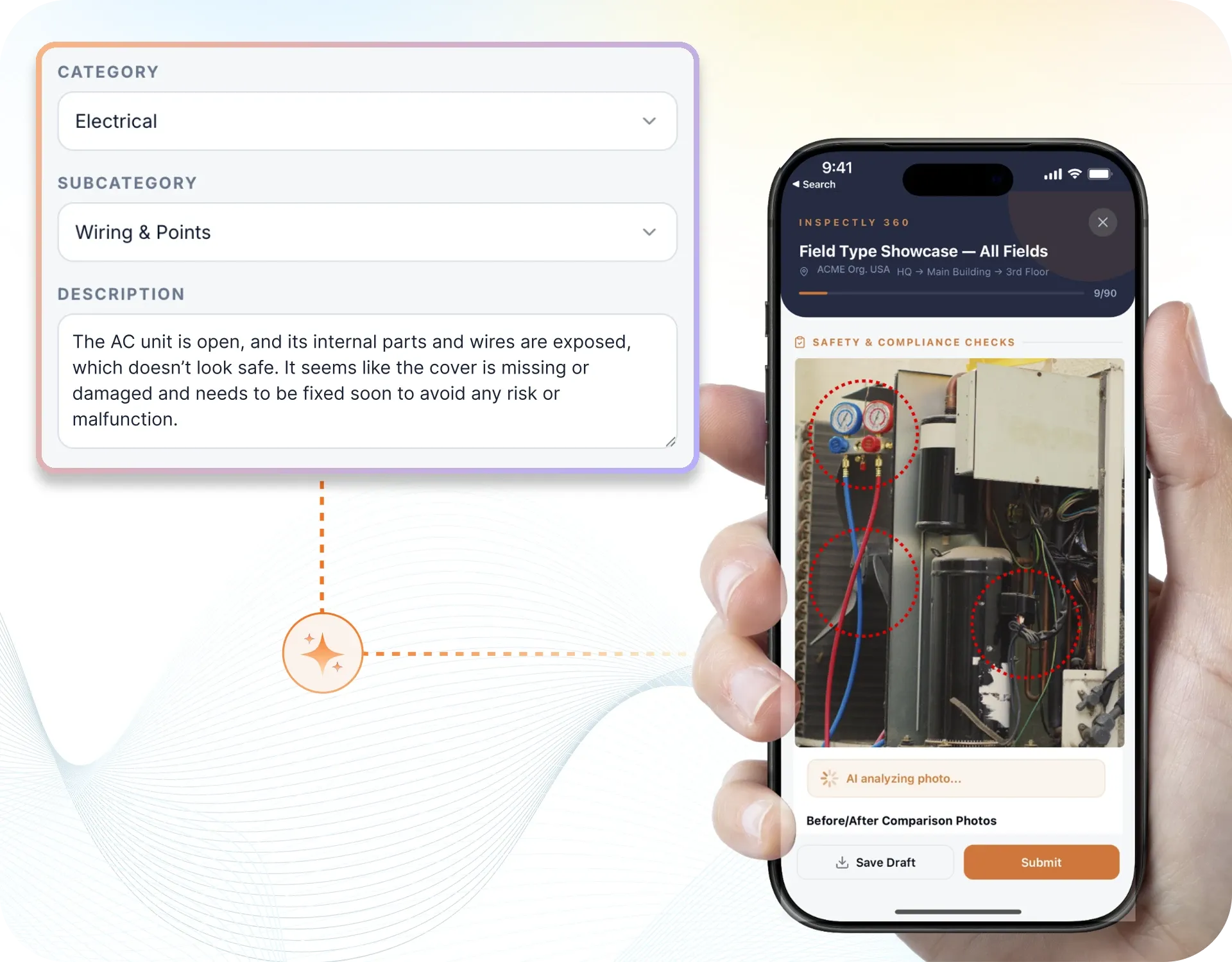
Take a Photo. AI Fills the Form
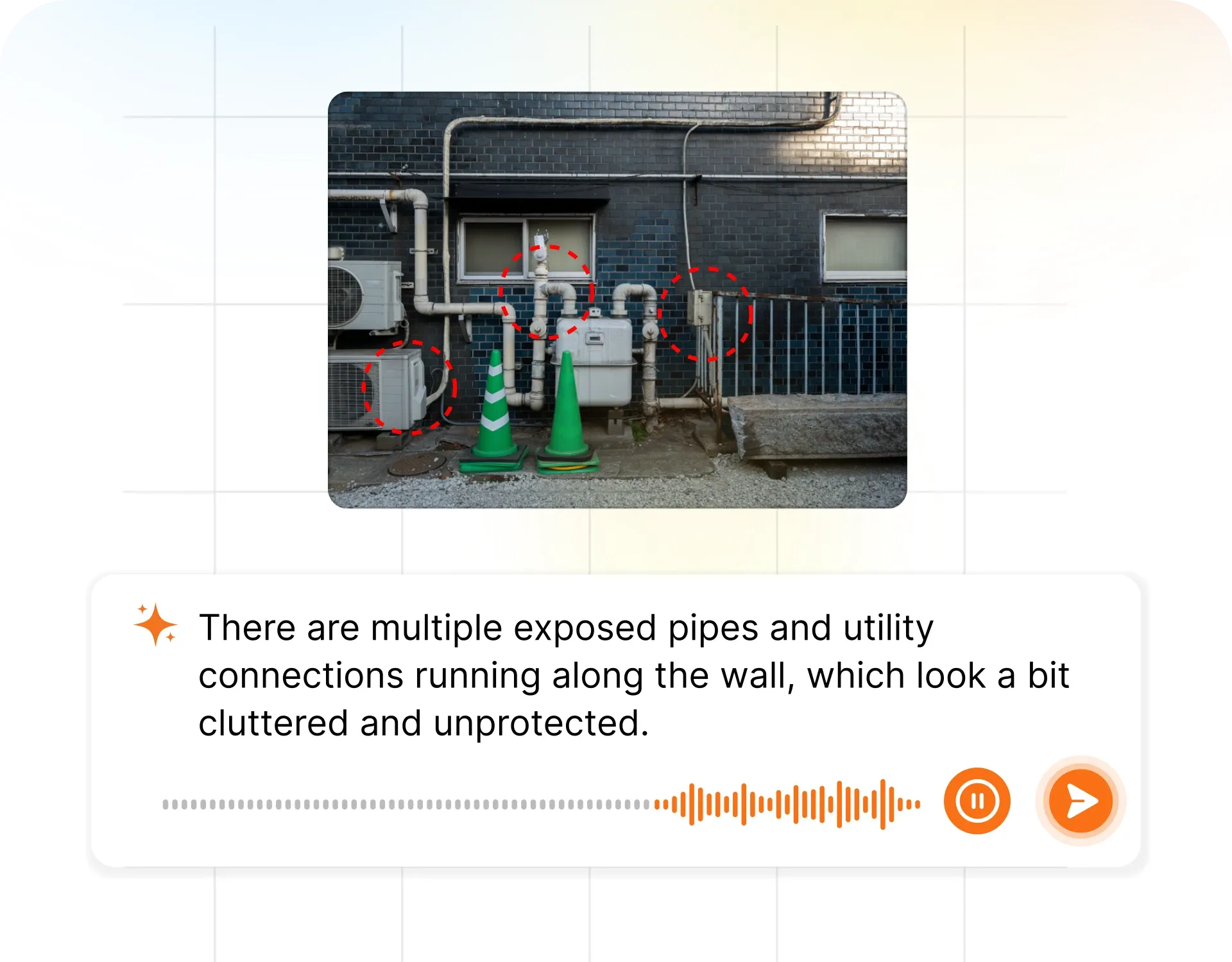
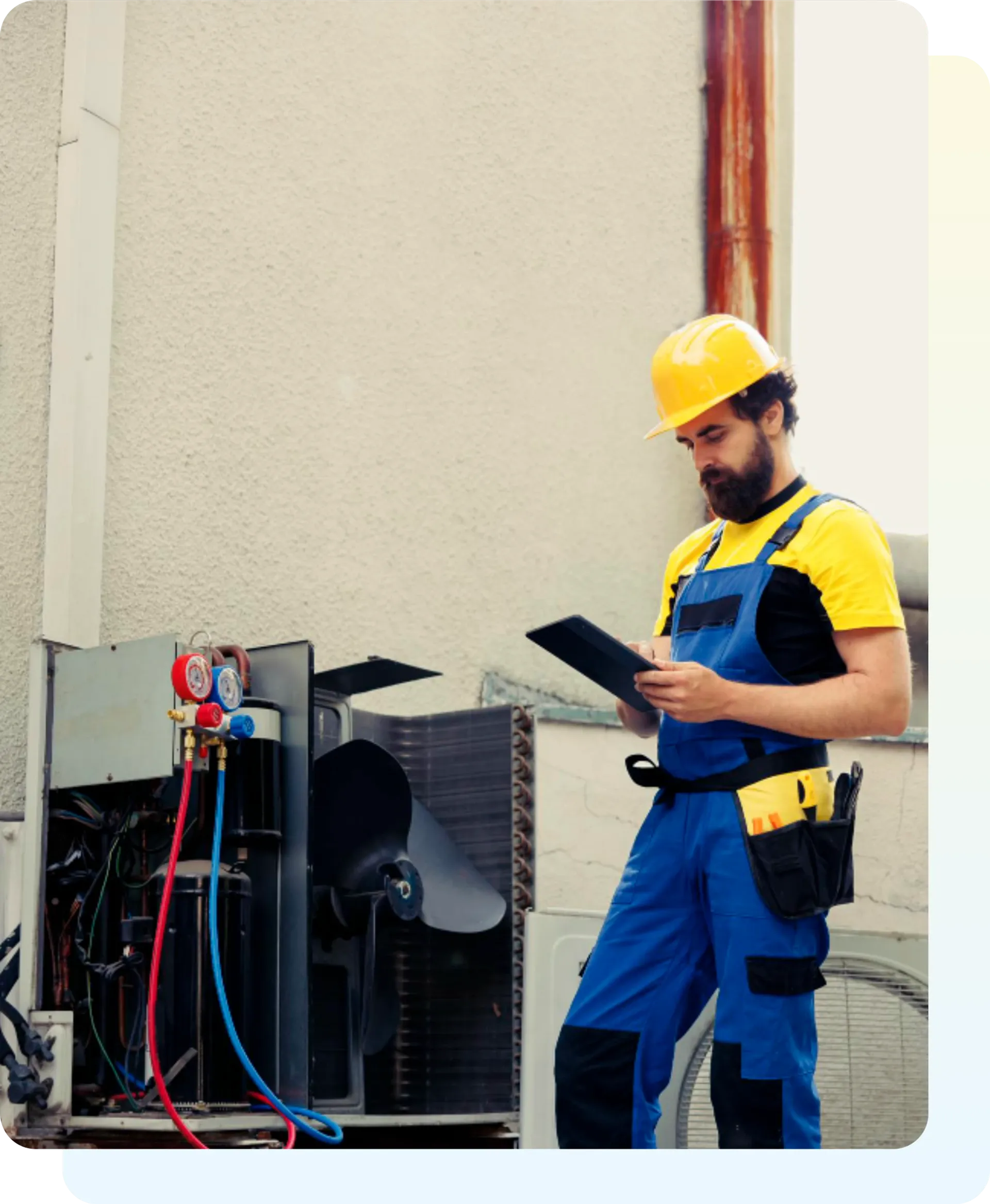
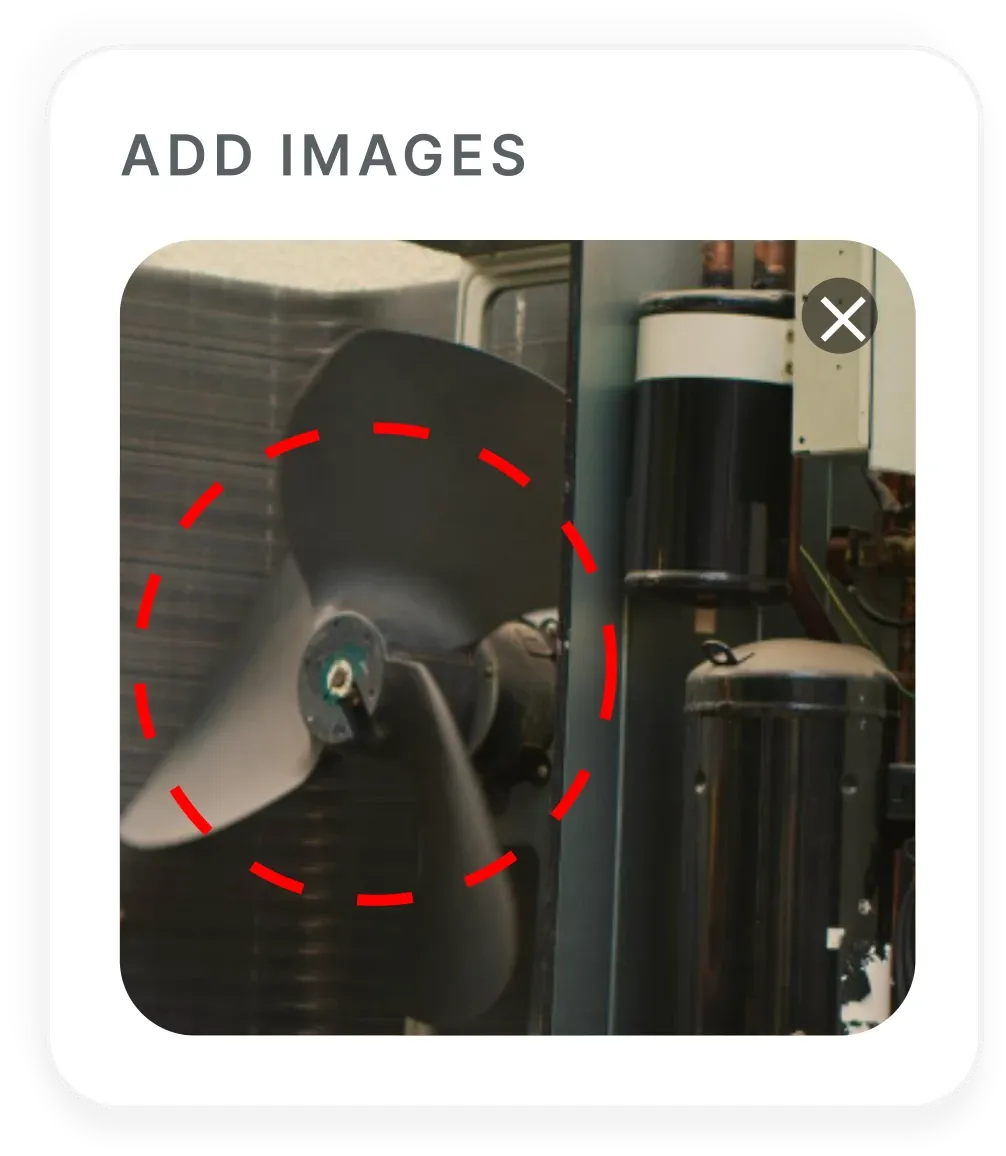
Your inspector takes a photo of any asset or defect. AI reads it and fills the inspection form automatically. No typing. No manual entry.

Convert your checklist into Mobile App
Verify lift plans, exclusion zones, slings, and rigging before every high-risk lift, and keep an auditable record of who signed off and when.

Customize with your logo and company details.
Available on App
Run inspections on iOS and Android - no internet required. Capture photos, annotate defects, and generate reports in the field.
Run the Cranes and Lifting Critical Control Checklist on the Inspectly360 app instead of paper. Inspectors capture photo evidence, work offline, and assign corrective actions on the spot, and the report generates itself the moment the inspection is signed off.
Cranes and Lifting Critical Control Checklist
Cranes and Lifting Critical Control Checklist Dashboard
Prioritized actions to keep operations running smoothly today.
Total Revenue
$42,680
+12% compared to last month
Active Projects
128
+8 new this week
Open Requests
56
-15 resolved this week
Operational Target
You're on track to meet this month's operational goal.
Target Task
200 ↑
Complete Task
136 ↑
Pending Task
10 ↓
Monthly Performance
Recent Client Activity
Everything your field team does on paper, Inspectly360 does automatically: faster, more accurate, and without the admin.
Your inspector takes a photo of any asset or defect. AI reads it and fills the inspection form automatically. No typing. No manual entry.
Inspectors speak their observations in any language. AI transcribes and fills the form in real time. Completely hands-free in the field.
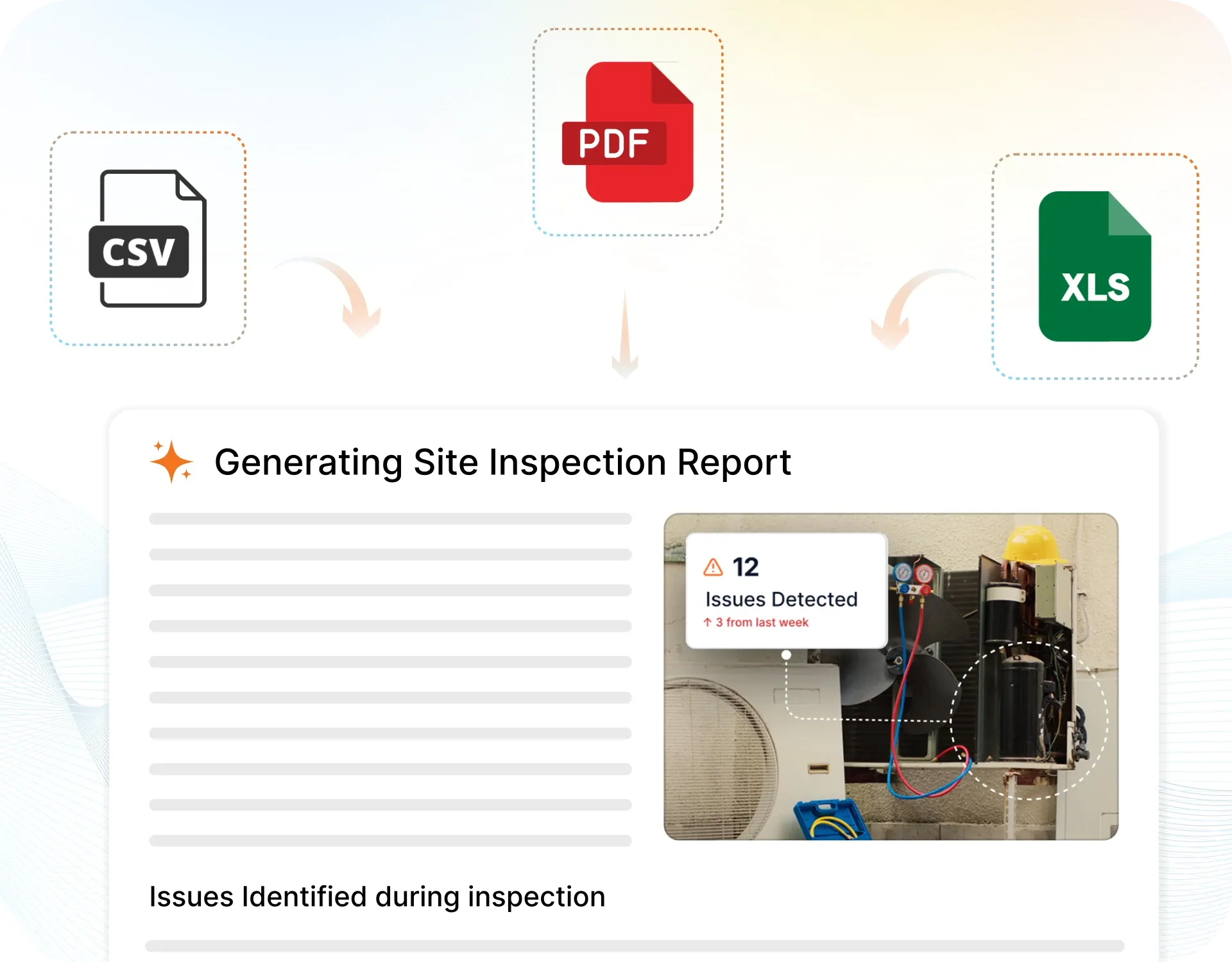
The moment an inspection is submitted, a branded PDF, Excel, or CSV report generates automatically. No manual work. No waiting.
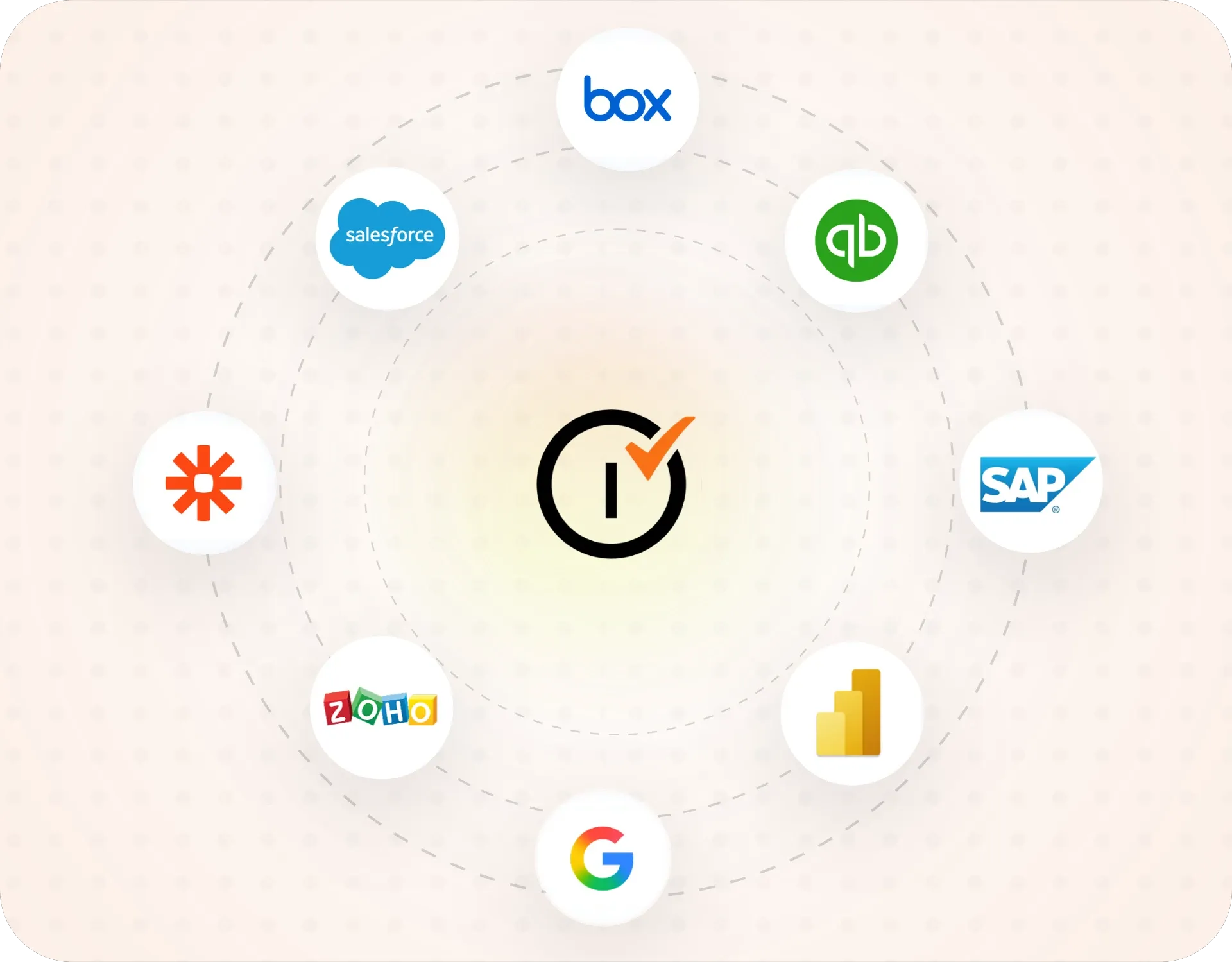
Inspectly360 integrates with the tools your team already uses, including Zoho, Microsoft 365, and SAP. No double entry.
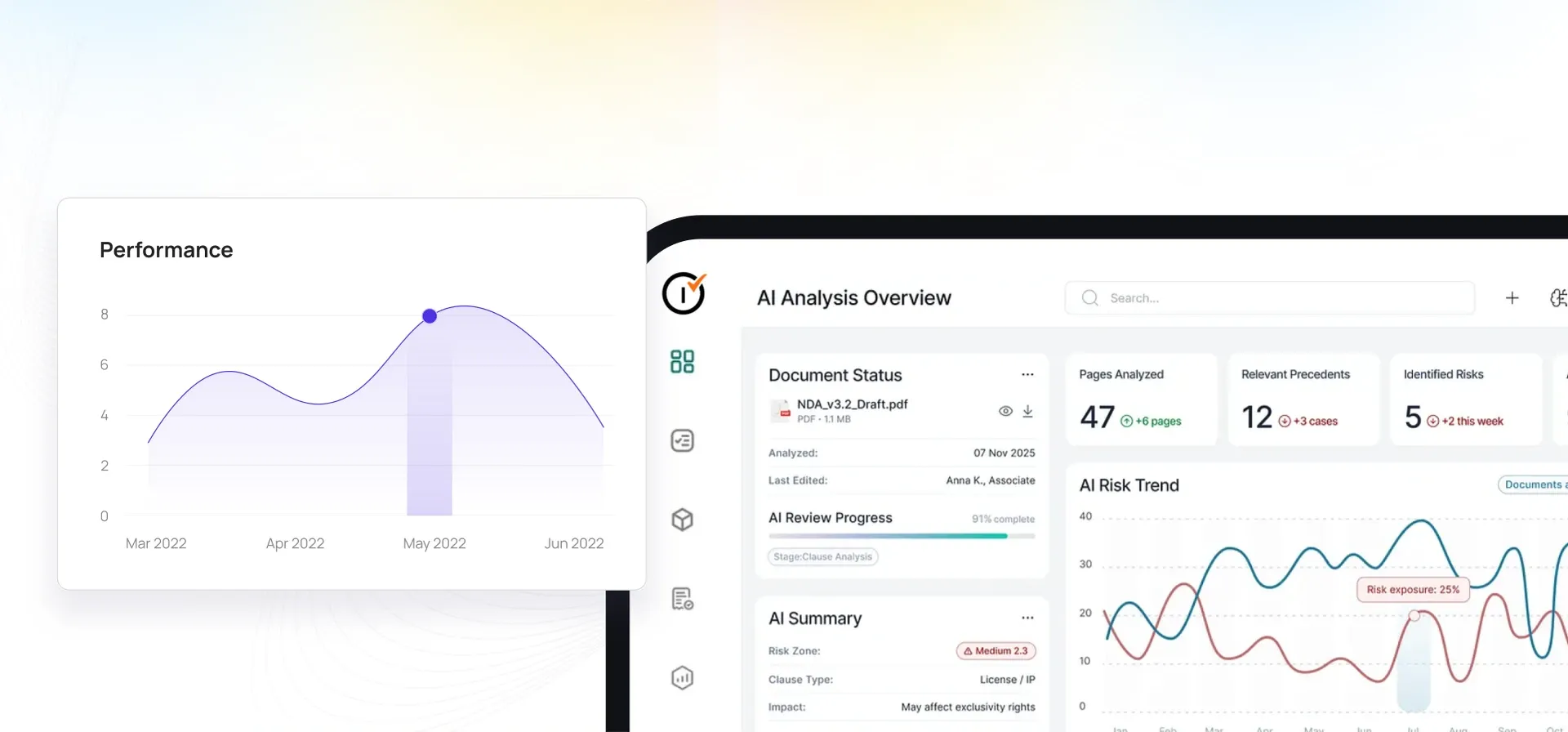
Your operations team sees completion rates, open issues, and compliance scores across all sites in real time. No chasing updates.
Manage every checklist in one connected workspace, capture evidence on mobile at the point of work, and let AI turn field inputs into clear, stakeholder-ready reports in minutes.
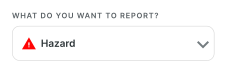
See which checklists your team has in progress across every site, jump into the same inspection with one tap, and keep field, supervisor, and back-office views in sync without sending screenshots on WhatsApp.


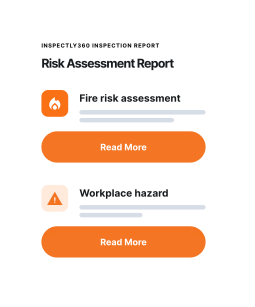
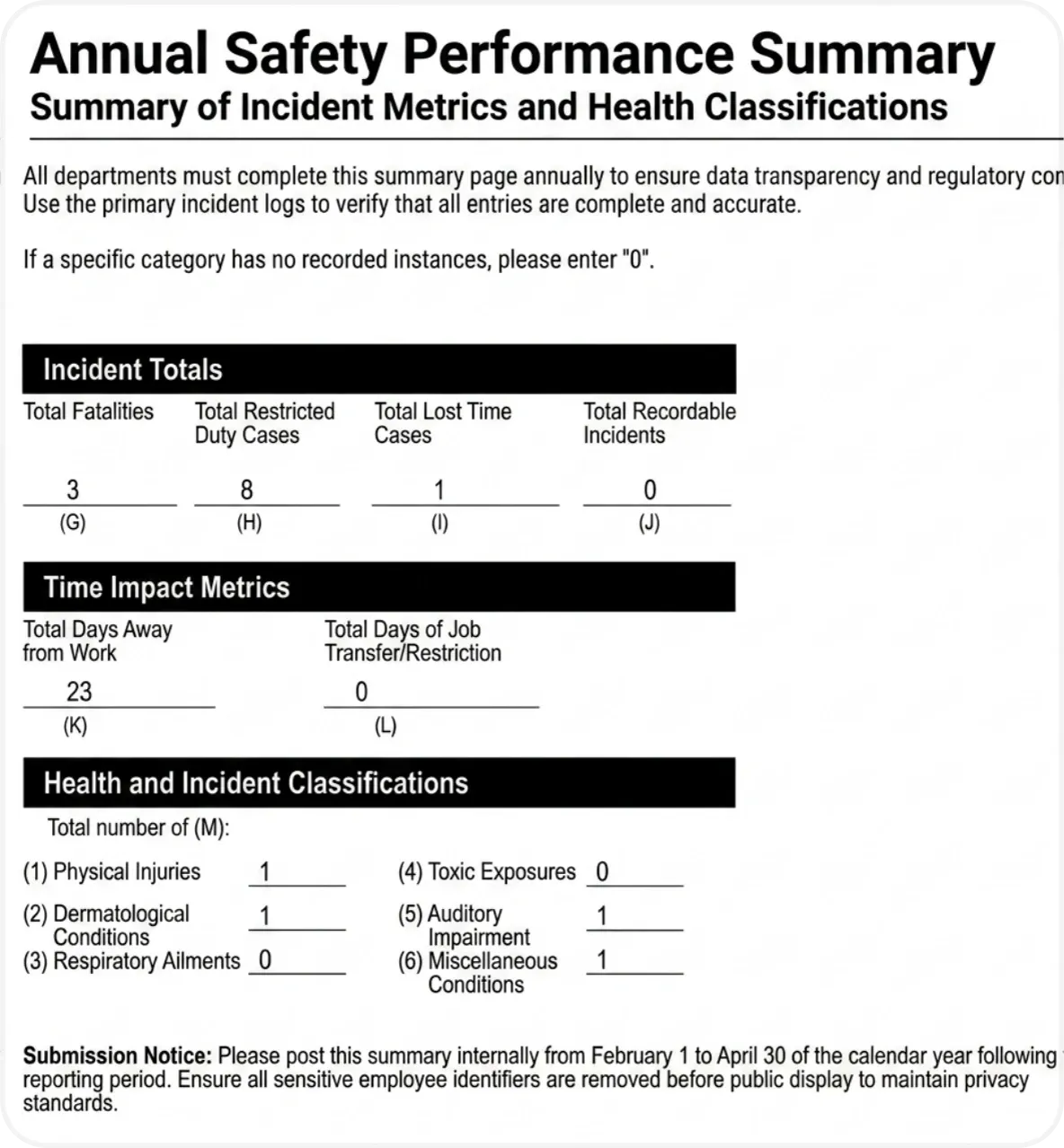


Every team reports differently. Build the report your operations, quality, or compliance leads actually want to read, share it as a branded PDF, and schedule delivery to the stakeholders who need it.

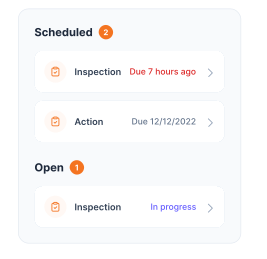

See completion, pass rate, and recurring findings across every checklist and every site, without pulling spreadsheets together at the end of the month.
Hand-picked templates for your specific industry needs.

Catch defects before handover and generate punch list reports in minutes.

Kitchen snagging: cabinets, worktops, appliances, tiling, plumbing, and electrical checks.

Bathroom snagging: tiling, sanitaryware, plumbing, ventilation, and finish quality.
A critical control is a measure that, if absent or failing, can directly cause a fatality or major injury during a lift. The standard set across OSHA 1926.1400, LOLER, and BS 7121 includes a current thorough examination certificate, a signed lift plan appropriate to the lift category, a competent appointed person and lift supervisor, exclusion zones with no personnel under the load, rigging within its 6-month examination, and a weather window inside the lift plan's wind-speed limit. The cranes and lifting critical control checklist exists to verify each of these controls is in place before the load leaves the ground, with photo evidence captured against each entry. If any control is missing, the lift does not proceed.
Yes. The checklist links each lifting asset to its thorough examination certificate and surfaces the certificate as a red flag when the lift sign-on screen is opened if it is within 14 days of expiry. Under LOLER, lifting equipment for lifting persons or accessories used in lifting requires a 6-monthly thorough examination, and other lifting equipment requires a 12-monthly examination. OSHA 1926.1400 requires annual comprehensive inspection. The checklist also tracks the certificate numbers and competent person who signed off the examination, with photo evidence attached, so an HSE inspector or an OSHA compliance officer can see the live status without searching paper files.
The appointed person is the BS 7121-defined role responsible for planning a lifting operation, selecting the equipment, and assessing the lift method. They sign off the lift plan and confirm the lift supervisor, crane operator, slinger or signaller, and rigger are competent and briefed. On the digital checklist, the appointed person signs the sign-on screen against the named crew, the lift category (basic, standard, complex), and the lift method. The post-lift screen requires their signature against the closed exclusion zone and the rigging removed, which closes the record. The full sign-on and sign-off audit trail is timestamped against the appointed person's user ID.
The checklist blocks the lift. If the thorough examination certificate is out of date, a sling shows visible damage, the wind speed exceeds the lift plan limit, or the exclusion zone is not in place, the relevant control point is marked failed and the lift cannot move to the next step. A corrective action is raised against the responsible role (slinger, lift supervisor, plant manager), with a target date and the named asset attached. The non-conformance and the corrective action both export to the lifting register. The appointed person can override only with a written justification, which is timestamped and reported in the daily HSE briefing the next morning, so site leadership sees every override before the next shift.
On Inspectly360, the cranes and lifting critical control checklist runs fully offline on phone and tablet. The appointed person downloads the lift plan, the RAMS, the asset record with the thorough examination certificate, and the photo evidence template before going to the lift area. Every photo, signature, and control-point response is captured locally. When the device reconnects (typically at site office, the cabin, or on the way out), the record syncs and the lifting register updates automatically. This matters on basement slabs, tower-crane tops, and rural sites where no signal is the rule, not the exception. No data is lost to a dropped connection, and no lift is delayed waiting for a portal to load.
Each completed checklist becomes one structured ISO 45001 evidence record: hazard identification (the lift category), risk control (the lift plan and exclusion zone), operational control (the named appointed person and crew), and verification (the post-lift photo and digital signature). The auditor can search by date, asset, project, or appointed person, and export the full lift history as a PDF with photo evidence inline. The recurring-issue dashboard surfaces patterns (same crane, same sling, same crew) which feeds into the corrective action and preventive action process required by clause 10 of ISO 45001. The same record satisfies OHSAS 18001 audits, OSHA 29 CFR 1926 records, and CDM 2015 client-duty documentation.

A cranes and lifting critical control checklist is the structured pre-lift verification site teams run before any high-risk lifting operation. It confirms the lift plan is in place, the load is below the safe working limit, exclusion zones are set, slings and rigging are inspected and certified, and the appointed person has signed off, with photo evidence captured against each control point.
A cranes and lifting critical control checklist is the structured pre-lift verification that site teams run before any high-risk lifting operation, including mobile cranes, tower cranes, telehandlers, gantry cranes, and chain blocks. It walks the appointed person, lift supervisor, slinger or signaller, and crane operator through the controls that have to be in place before the load leaves the ground, with photo evidence captured against each control point so the record stands up to OSHA 1926.1400, LOLER, BS 7121, and ISO 45001 audits.
The checklist replaces the printed RAMS folder, the WhatsApp photo of the lift plan, and the unsigned register in the cabin. It produces one searchable record per lift, traceable to the appointed person, the rigging certificate numbers, and the weather window the lift was planned in.
A telehandler swings a load across a walkway because the exclusion zone barriers never went up. Nobody photographed the lift plan that morning. After the near-miss, the appointed person produces a paper RAMS from the file, but there is no record of who briefed the slinger or signers off on the lift today.
The 28-day thorough examination for a tower crane is overdue. The lifting register lives in a spreadsheet on the project engineer's laptop, who is on leave. Site continues to lift while nobody verifies the certificate is still in date.
Lifting operations are the single largest source of multi-fatality incidents on a UK and Indian construction site. A consistent pre-lift verification supports OSHA 1926.1400, LOLER, BS 7121, and ISO 45001 by helping the appointed person:
A working cranes and lifting critical control checklist covers the appointed-person controls, the lift-plan checks, the equipment certification, and the exclusion-zone setup before the load is rigged. Common sections include:
Verify the controls that must be approved before any equipment is positioned on site:
Confirm every piece of lifting equipment is in date, marked, and matched to the load:
Capture the physical setup on the ground before the lift starts:
Close the lift out with the same rigour it was opened with:
Run the checklist before every high-risk lift, not just complex lifts. The 10-minute pre-lift verification is what stops a basic lift becoming a serious incident:
See how this checklist fits into Construction inspection software.
This checklist runs as a mobile inspection app that works fully offline on site, with AI-powered defect detection on every photo. To see it on your own workflows, talk to our team.
See Inspectly360 in action with a live demo tailored to your needs. No credit card required.