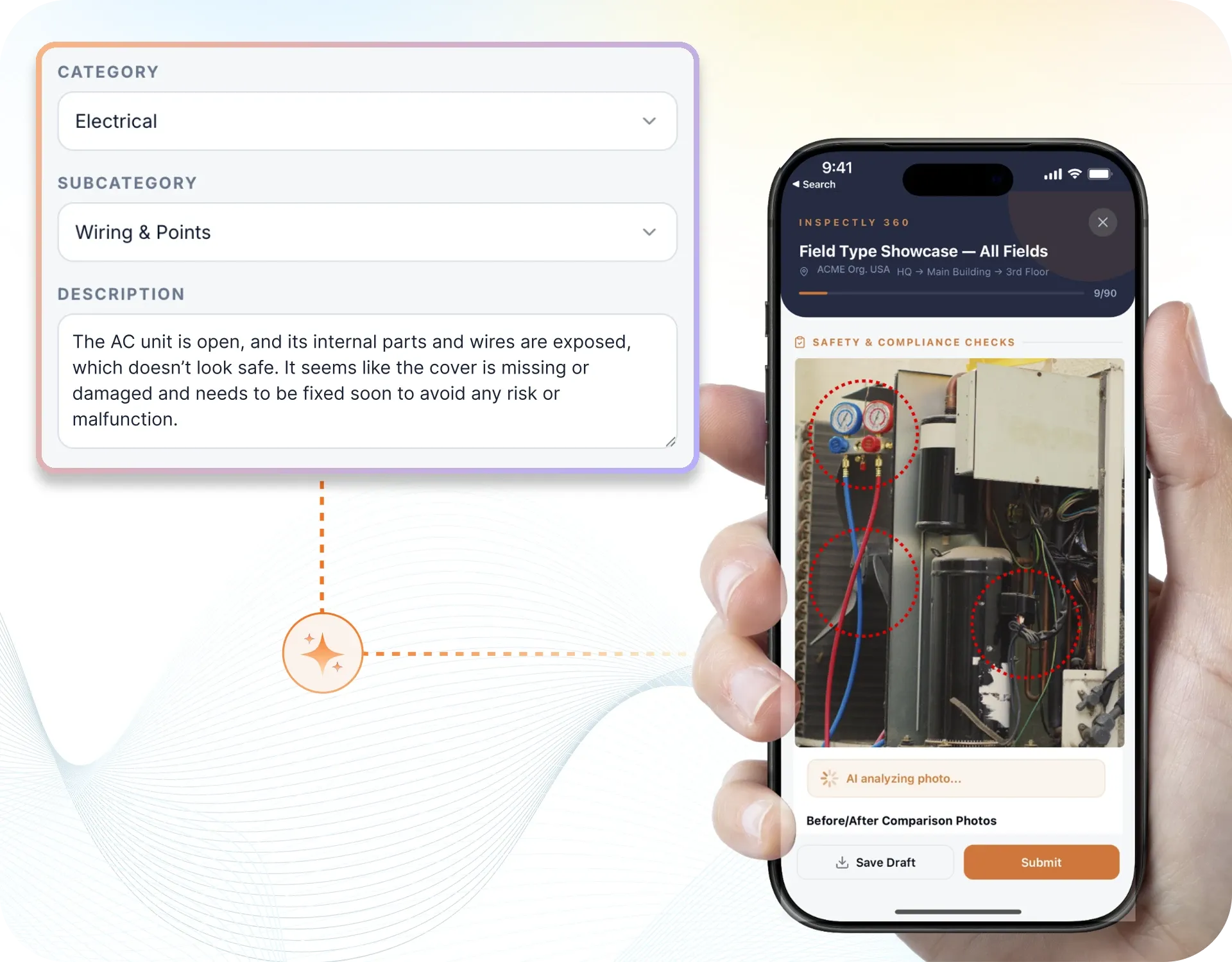
Take a Photo. AI Fills the Form
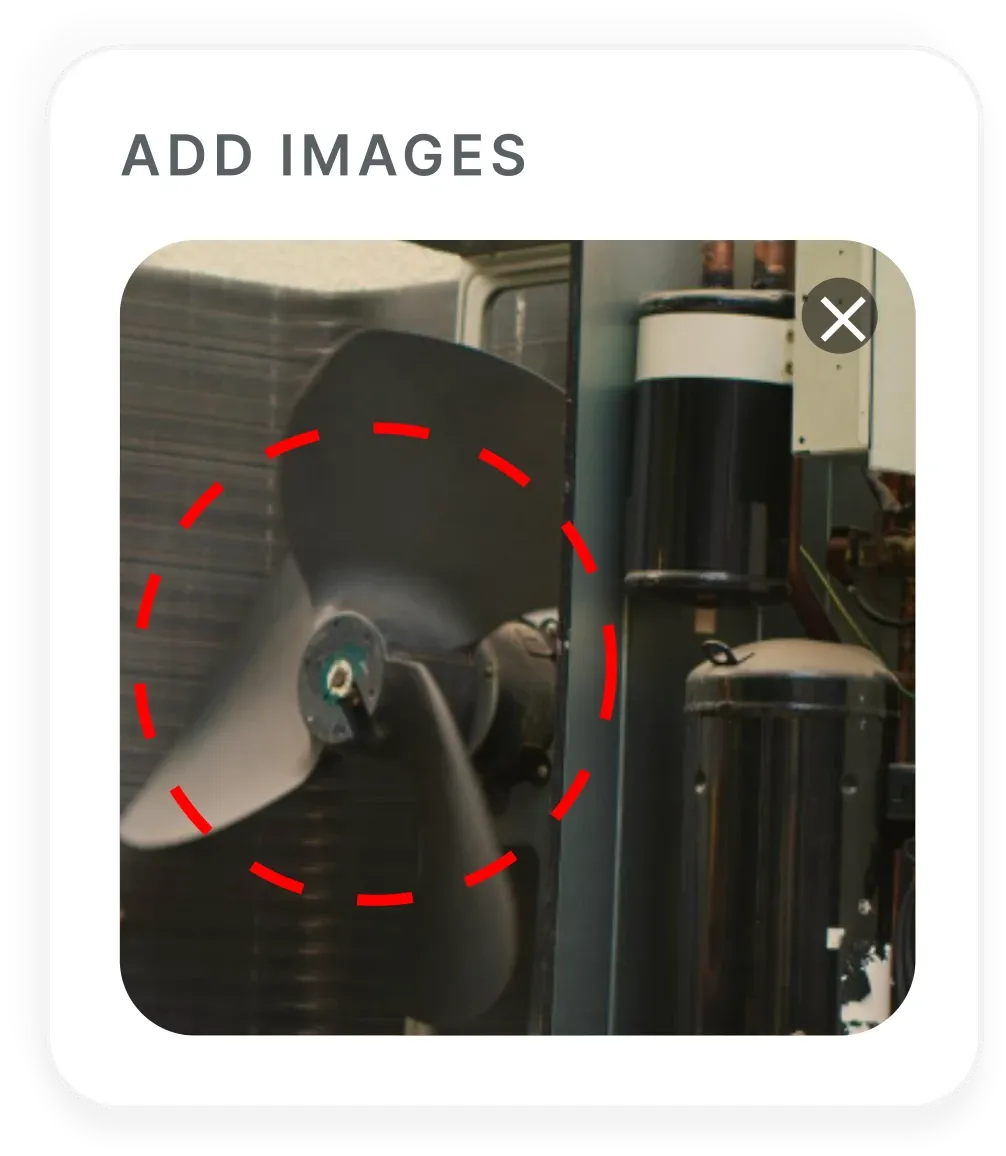
Your inspector takes a photo of any asset or defect. AI reads it and fills the inspection form automatically. No typing. No manual entry.

Convert your checklist into Mobile App
Use this red flag store assessment v1.2 to check record and scope, inspection checkpoints, common faults to check, evidence to capture, standards and compliance, and evidence and corrective actions, scoring each item and raising corrective actions with owners and due dates.
Customize with your logo and company details.
Available on App
Run inspections on iOS and Android - no internet required. Capture photos, annotate defects, and generate reports in the field.
Run the Red Flag Store Assessment V1.2 on the Inspectly360 app instead of paper. Inspectors capture photo evidence, work offline, and assign corrective actions on the spot, and the report generates itself the moment the inspection is signed off.
Red Flag Store Assessment V1.2
Red Flag Store Assessment V1.2 Dashboard
Prioritized actions to keep operations running smoothly today.
Total Revenue
$42,680
+12% compared to last month
Active Projects
128
+8 new this week
Open Requests
56
-15 resolved this week
Operational Target
You're on track to meet this month's operational goal.
Target Task
200 ↑
Complete Task
136 ↑
Pending Task
10 ↓
Monthly Performance
Recent Client Activity
Everything your field team does on paper, Inspectly360 does automatically: faster, more accurate, and without the admin.
Your inspector takes a photo of any asset or defect. AI reads it and fills the inspection form automatically. No typing. No manual entry.
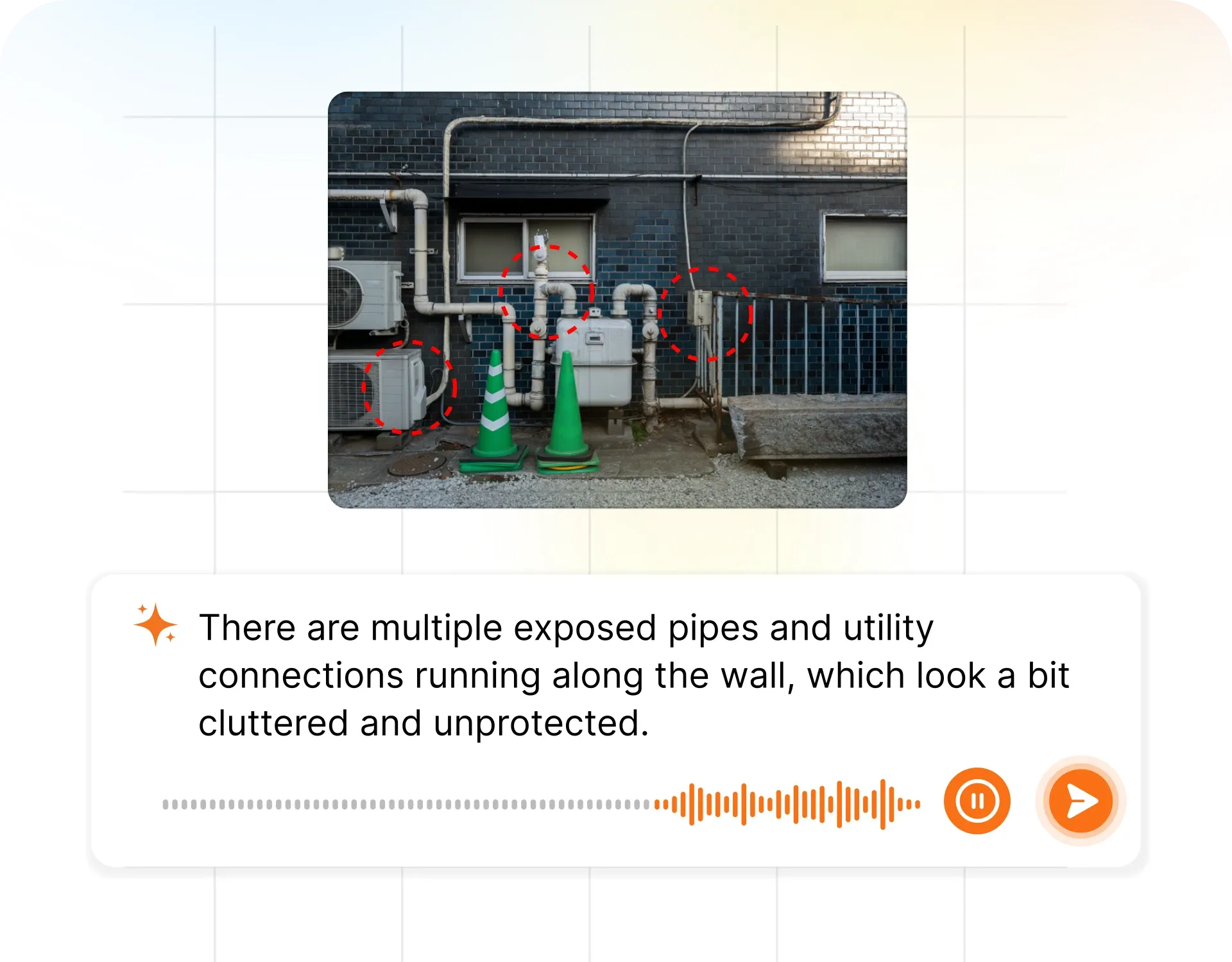
Inspectors speak their observations in any language. AI transcribes and fills the form in real time. Completely hands-free in the field.
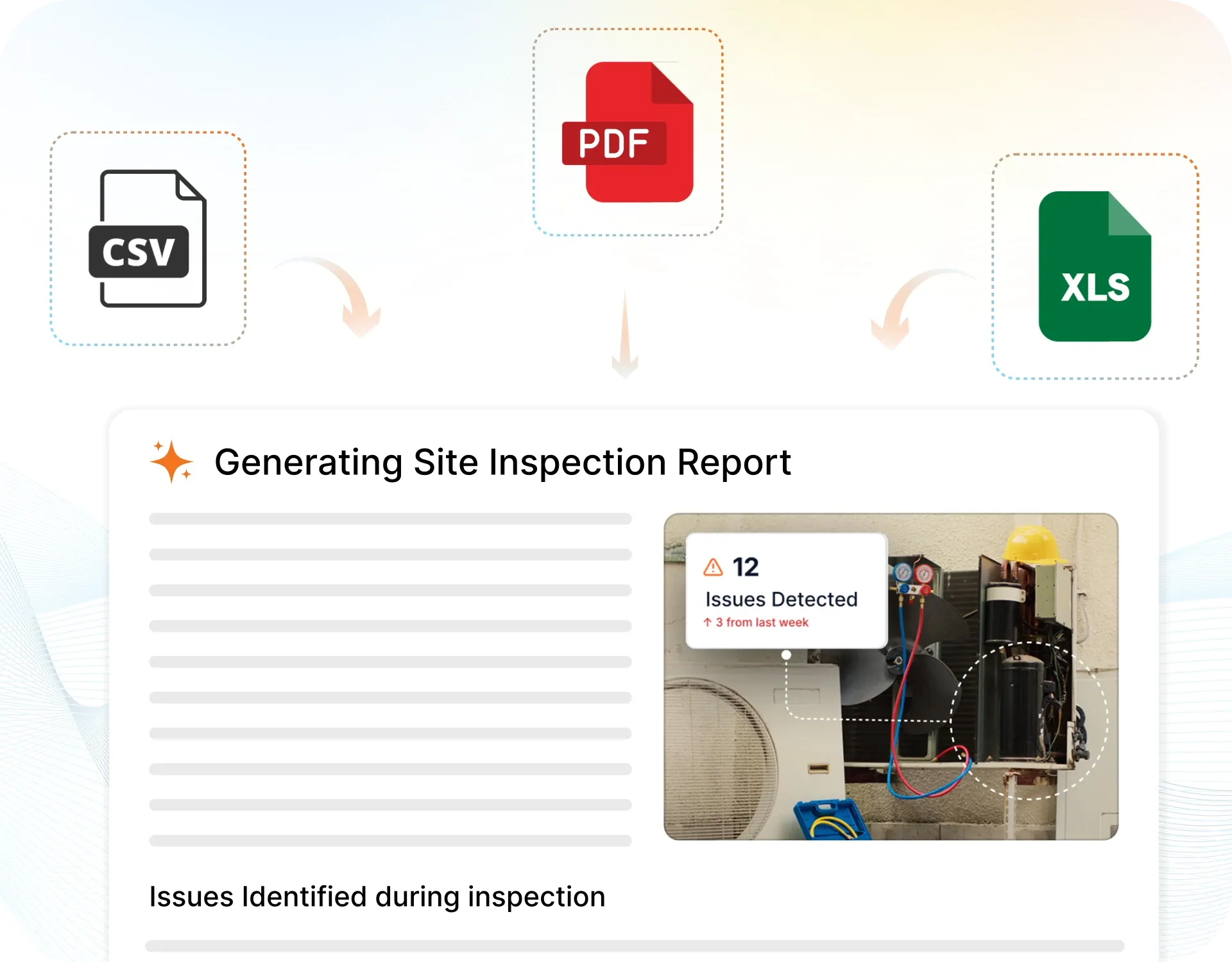
The moment an inspection is submitted, a branded PDF, Excel, or CSV report generates automatically. No manual work. No waiting.
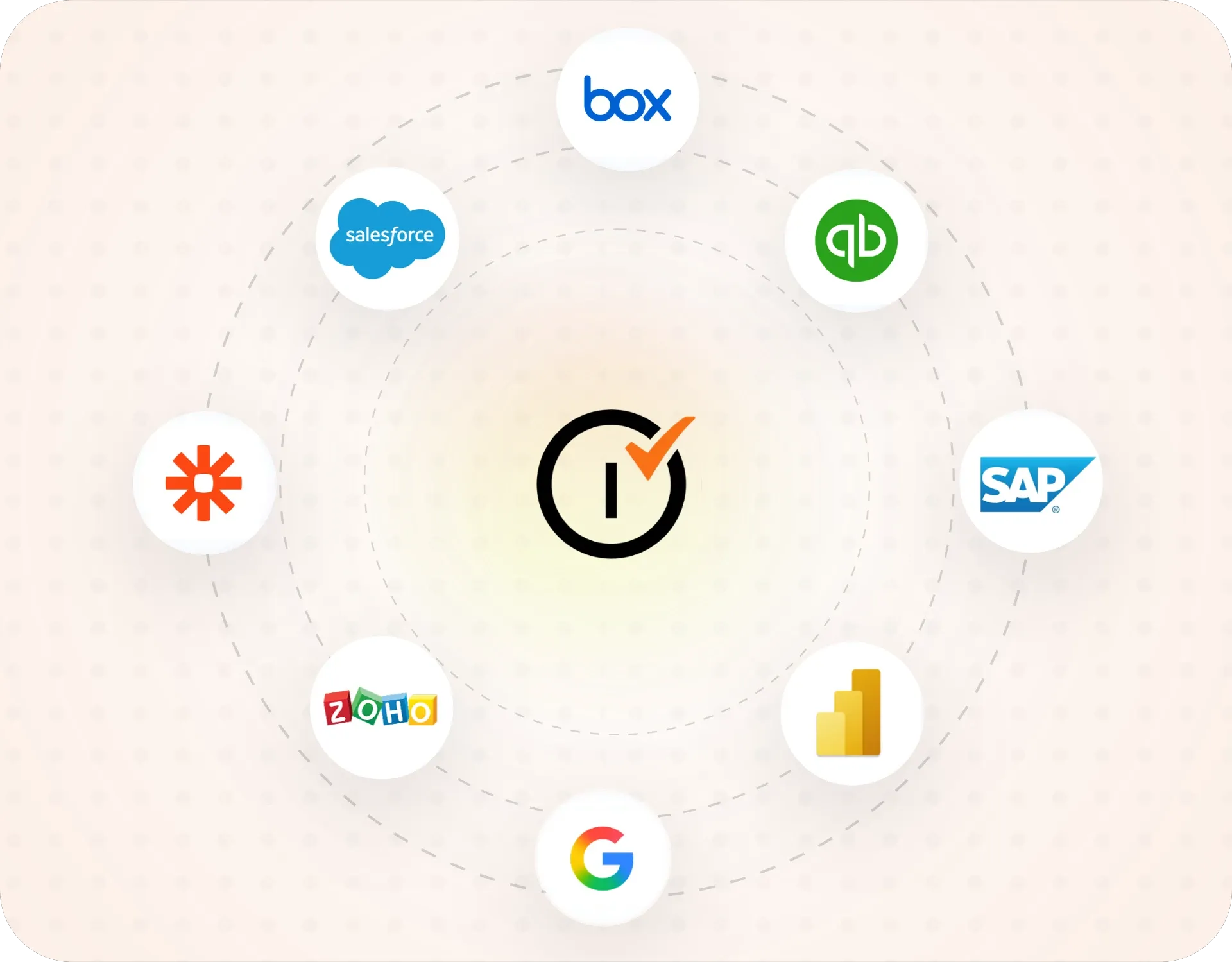
Inspectly360 integrates with the tools your team already uses, including Zoho, Microsoft 365, and SAP. No double entry.
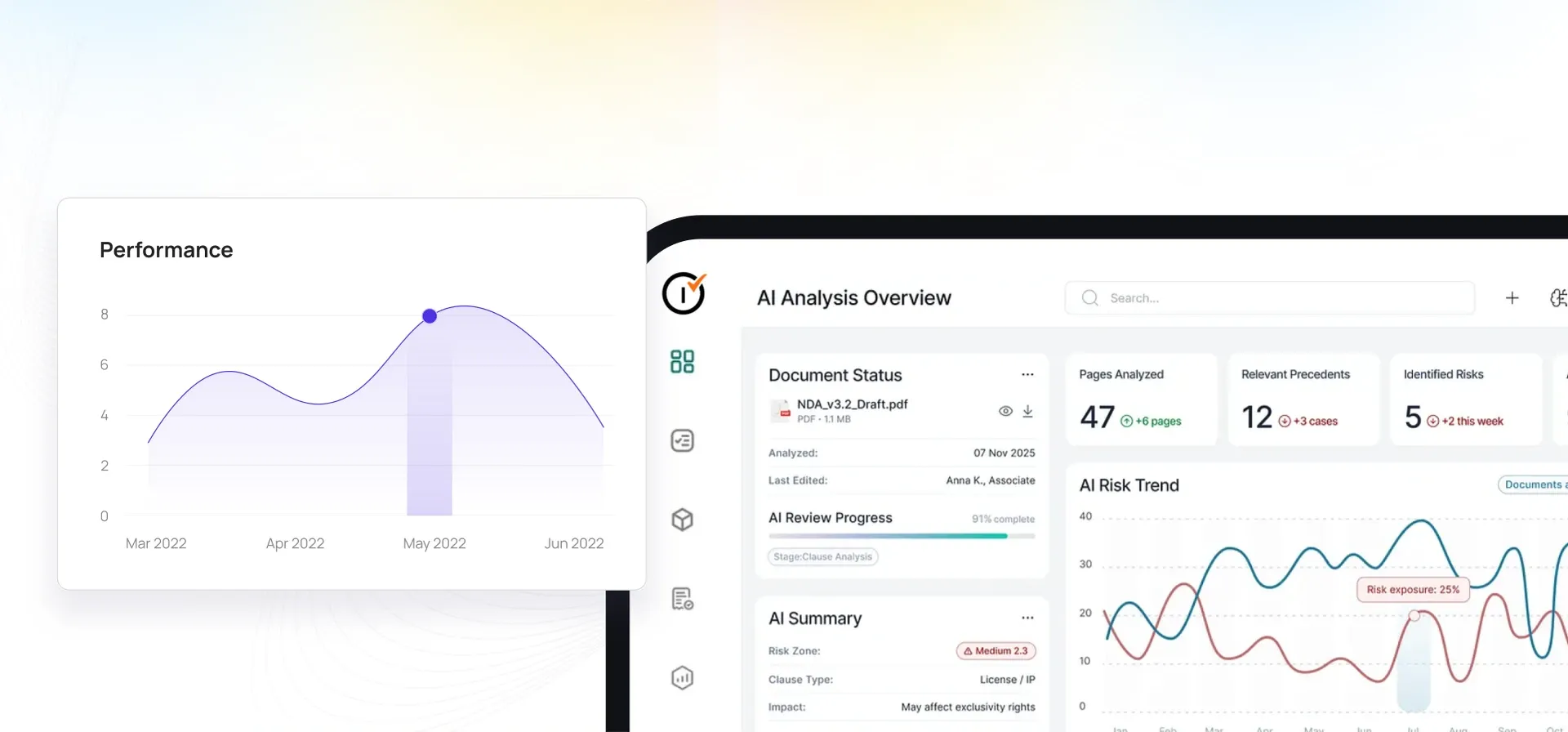
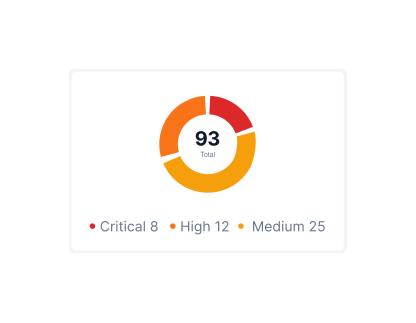
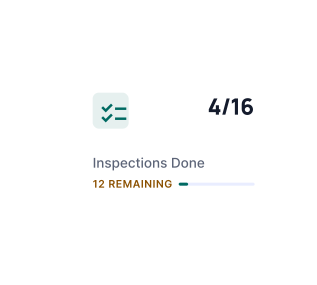
Your operations team sees completion rates, open issues, and compliance scores across all sites in real time. No chasing updates.
Manage every checklist in one connected workspace, capture evidence on mobile at the point of work, and let AI turn field inputs into clear, stakeholder-ready reports in minutes.

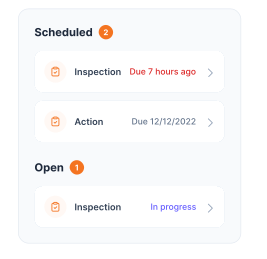
See which checklists your team has in progress across every site, jump into the same inspection with one tap, and keep field, supervisor, and back-office views in sync without sending screenshots on WhatsApp.


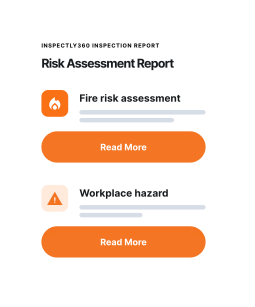
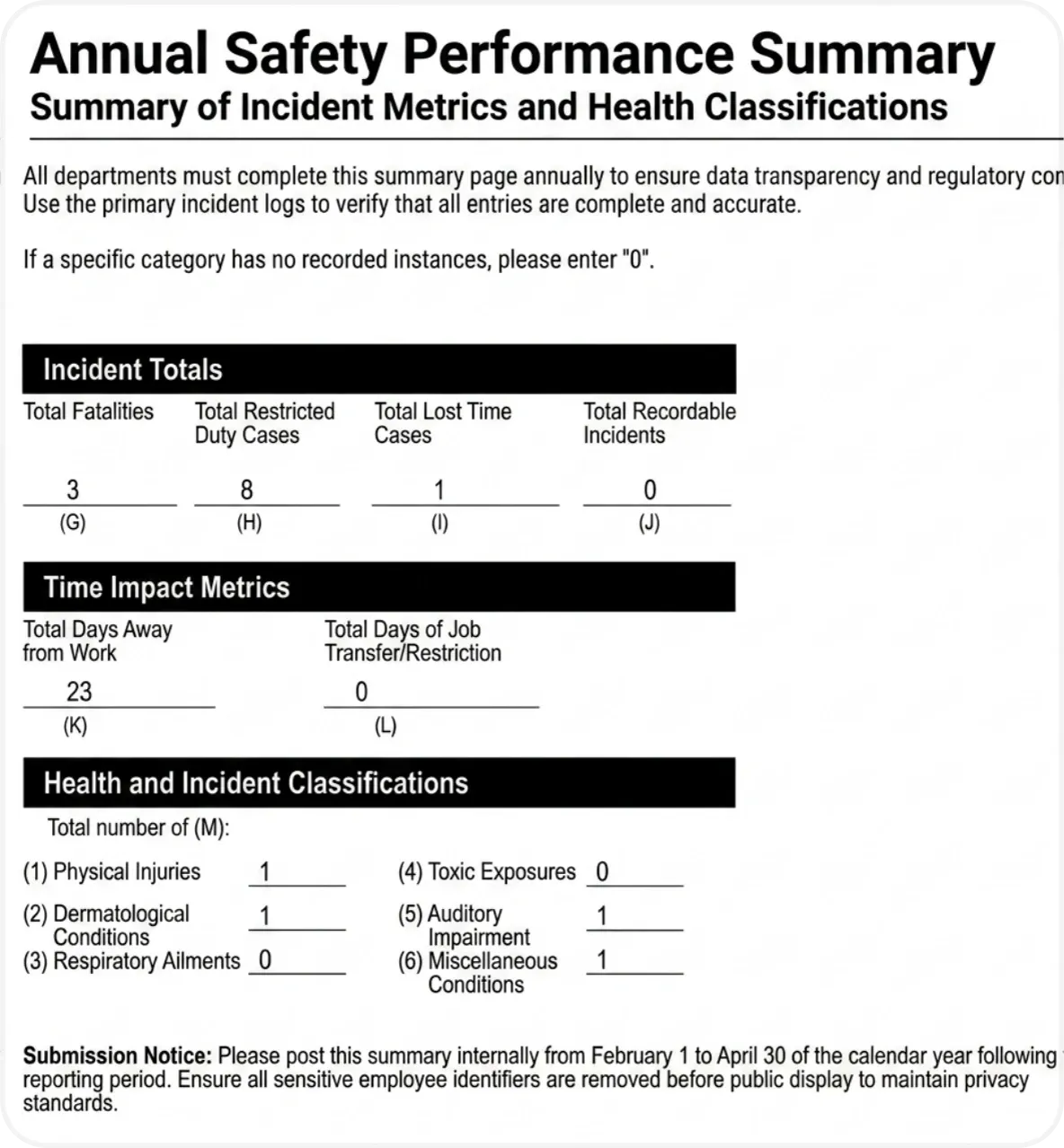


Every team reports differently. Build the report your operations, quality, or compliance leads actually want to read, share it as a branded PDF, and schedule delivery to the stakeholders who need it.


See completion, pass rate, and recurring findings across every checklist and every site, without pulling spreadsheets together at the end of the month.
Hand-picked templates for your specific industry needs.

Cash wrap and POS area snagging: counters, power, data, and security.

Mall common area snagging: flooring, ceiling, MEP, wayfinding, and life safety.

Retail punch list closeout and final snag verification.
It is scoped to the scheduled cadence and controls that store managers, area managers, loss prevention officers, visual merchandising teams run, not a one-off handover walk. It prompts record and scope, inspection checkpoints, common faults to check, evidence to capture, standards and compliance, and evidence and corrective actions, watching for unresolved red flag store defects and repeat findings, records pass, fail, or N/A with inspection records on critical items, and raises corrective actions with owners before sign-off. Run in Inspectly360, the record is timestamped and rolls into trend reports so repeat failures surface before the next audit.
They work through each checkpoint to confirm the red flag store remains serviceable, covering record and scope, inspection checkpoints, common faults to check, evidence to capture, standards and compliance, and evidence and corrective actions, confirm the required controls are in place, and capture inspection records on anything that fails or needs proof. Priority failure modes include unresolved red flag store defects and repeat findings. Each checkpoint takes pass, fail, or N/A, and a failed item stays open until the fix is verified.
It expects inspection records, plus inspection records on failed or critical items, so findings rest on proof rather than memory. Records support FSSAI for food sections, local health department rules and fire safety compliance, and every photo, note, and sign-off stays attached to the inspection instead of living in chat threads.
The red flag store assessment v1.2 covers record and scope, inspection checkpoints, common faults to check, evidence to capture, standards and compliance, and evidence and corrective actions. On each checkpoint, store managers record pass, fail, or N/A, add a photo on anything that needs proof, and raise a corrective action with an owner and due date. Run in Inspectly360, the inspection is timestamped, traceable to whoever completed it, and exports as a single retail report aligned to FSSAI for food sections, local health department rules and fire safety compliance.

A red flag store assessment v1.2 is the structured inspection that confirm the red flag store remains serviceable, covering record and scope, inspection checkpoints, common faults to check, evidence to capture, standards and compliance, and evidence and corrective actions that retail teams use to check the key inspection points, assign owners to any failures, and close them with photo proof. Run it in Inspectly360 to work offline and keep an audit trail.
A red flag store assessment v1.2 is the structured inspection that confirm the red flag store remains serviceable, covering record and scope, inspection checkpoints, common faults to check, evidence to capture, standards and compliance, and evidence and corrective actions that retail teams use to check record and scope, inspection checkpoints, common faults to check, evidence to capture, standards and compliance, and evidence and corrective actions, capture photo evidence, and track corrective actions to closure. Its job is to confirm the red flag store remains serviceable, covering record and scope, inspection checkpoints, common faults to check, evidence to capture, standards and compliance, and evidence and corrective actions.
Store managers, Area managers and Loss prevention officers still miss unresolved red flag store defects and repeat findings when rounds are ticked without inspection records.
Without inspection records, teams reconstruct the evidence from phones instead of proving FSSAI for food sections, local health department rules and fire safety compliance readiness.
It helps store managers and supervisors keep template work consistent, safe, and auditable, with the evidence needed for FSSAI for food sections, local health department rules and fire safety compliance:
A complete checklist covers the context of the inspection, the checkpoints to verify, and space for evidence and follow-up:
Record where and when the inspection runs:
Define what each checkpoint verifies and how results are scored:
Make every finding traceable and actionable:
Follow these steps to use it effectively:
See how this checklist fits into Retail inspection software.
This checklist runs as a mobile inspection app that works fully offline on site, with AI-powered defect detection on every photo. To see it on your own workflows, talk to our team.
See Inspectly360 in action with a live demo tailored to your needs. No credit card required.