“Inspectly360 transformed how we manage site safety inspections. The offline capability alone saved us countless hours. Our compliance rate jumped from 72% to 96% in just three months.”
Sarah Mitchell
Meridian Construction Group

Convert your checklist into Mobile App
Looking for a digital twin platform built around how your facilities team manages assets? We provide it. Inspectly360 delivers a tailored solution on our platform that keeps asset condition and inspection data live, configured to your assets and integrated with the BIM model and IoT feeds you already run. Book a demo to scope it.
A digital twin platform connects real-world asset data to a digital representation of buildings, equipment, or operations. Inspectly360 provides the live data layer for your digital twin, built on our mobile condition, inspection, and status platform and configured to your assets, integrated with the BIM model and IoT feeds you already run.
The core idea is a digital representation kept current by connected real-world data. Without it, models and reality drift apart: a building information model shows the design, but nobody knows the live condition, the recent inspections, or the real status of each asset. Decisions are made on stale information.
Facilities and asset teams standardise this loop before scaling it.
A virtual asset model of the building or equipment is established, so there is a digital representation to connect real-world data to.
Real-time asset data, IoT integration, and sensor data feed the model, so the digital twin reflects live condition rather than the original design.
3D visualization and data visualization show assets, location context, and status, so the state of the real world is seen through the model.
Asset monitoring and real-time monitoring track condition over the asset lifecycle, so changes and issues are visible in context.
Where the connected data supports it, predictive maintenance and simulation turn the twin into a basis for proactive decisions, not just a picture.
Inspectly360 is the connected-data and live-representation layer. It links asset records, inspections, condition, and sensor data to a digital representation, working alongside BIM models and asset management systems rather than replacing them. BIM provides the design model, asset systems hold the detailed records, and the twin connects them to real-world data for a current, visual view.
Validate four things in the pilot. First, what real-world data, inspections, sensors, and records, can genuinely feed the twin. Second, that the digital representation and visualization suit your assets. Third, that monitoring gives useful, current insight. Fourth, which advanced capabilities your data actually supports. Run one building or asset group so the connected value is proven before scaling, without overpromising on capabilities the data cannot yet support.
A digital twin holds asset and condition data that informs decisions, so integrity matters. Inspectly360 enforces role-based access so teams see the assets relevant to them. Connected data and records are retained, so the twin's history and the decisions made from it can be traced to the underlying real-world data.
What Digital Twin Platform covers for your team.
Facilities leads comparing Inspectly360 to static models see the difference on five points: data currency, asset visibility, condition insight, lifecycle context, and decision support.
| Capability | Without Inspectly360 | With Inspectly360 |
|---|---|---|
| Data currency | A model shows the original design, so it drifts from reality and nobody trusts it for live decisions. | Real-world data feeds the digital representation, so the twin reflects current condition, not the design. |
| Asset visibility | Asset condition, inspections, and status live in separate systems disconnected from any model. | Asset data connects to the virtual asset model, so condition and status are visible in context. |
| Condition insight | Live condition is unknown between reports, so the model cannot show what is actually happening. | Sensor data and monitoring feed the twin, so condition is visible in real time through the model. |
| Lifecycle context | Asset history is scattered, so decisions lack the lifecycle context a twin should provide. | The twin holds asset lifecycle context, so decisions are made against a connected history. |
| Decision support | Without connected data, a model is a picture that cannot support proactive decisions. | Where data supports it, predictive maintenance and simulation make the twin a decision tool. |
Manage every checklist in one connected workspace, capture evidence on mobile at the point of work, and let AI turn field inputs into clear, stakeholder-ready reports in minutes.
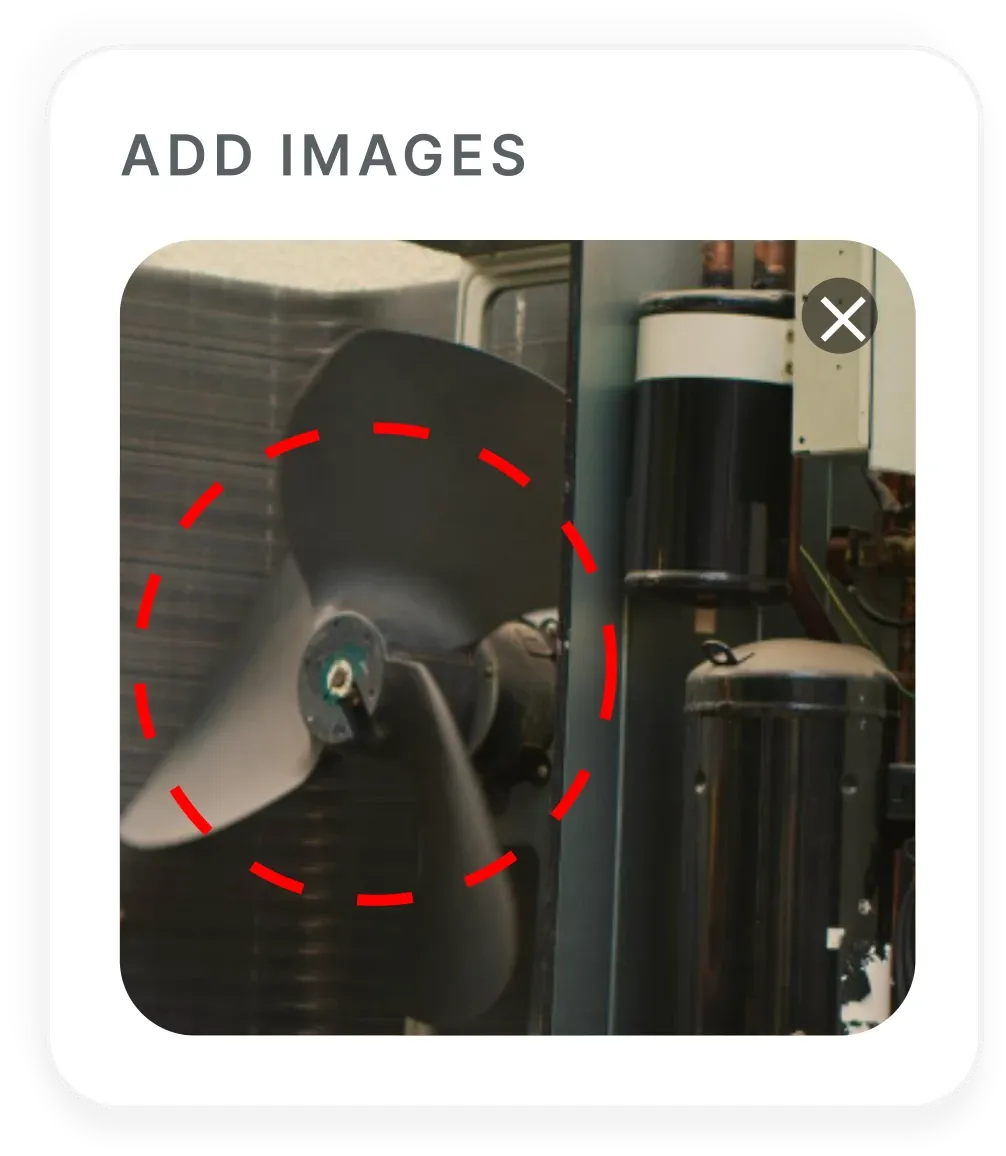
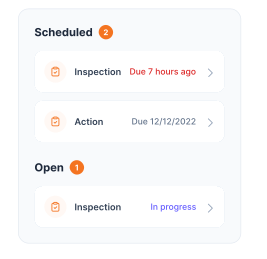
See which checklists your team has in progress across every site, jump into the same inspection with one tap, and keep field, supervisor, and back-office views in sync without sending screenshots on WhatsApp.


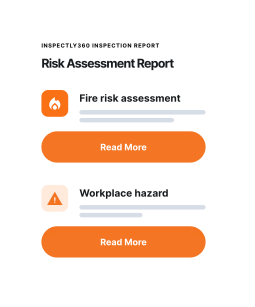
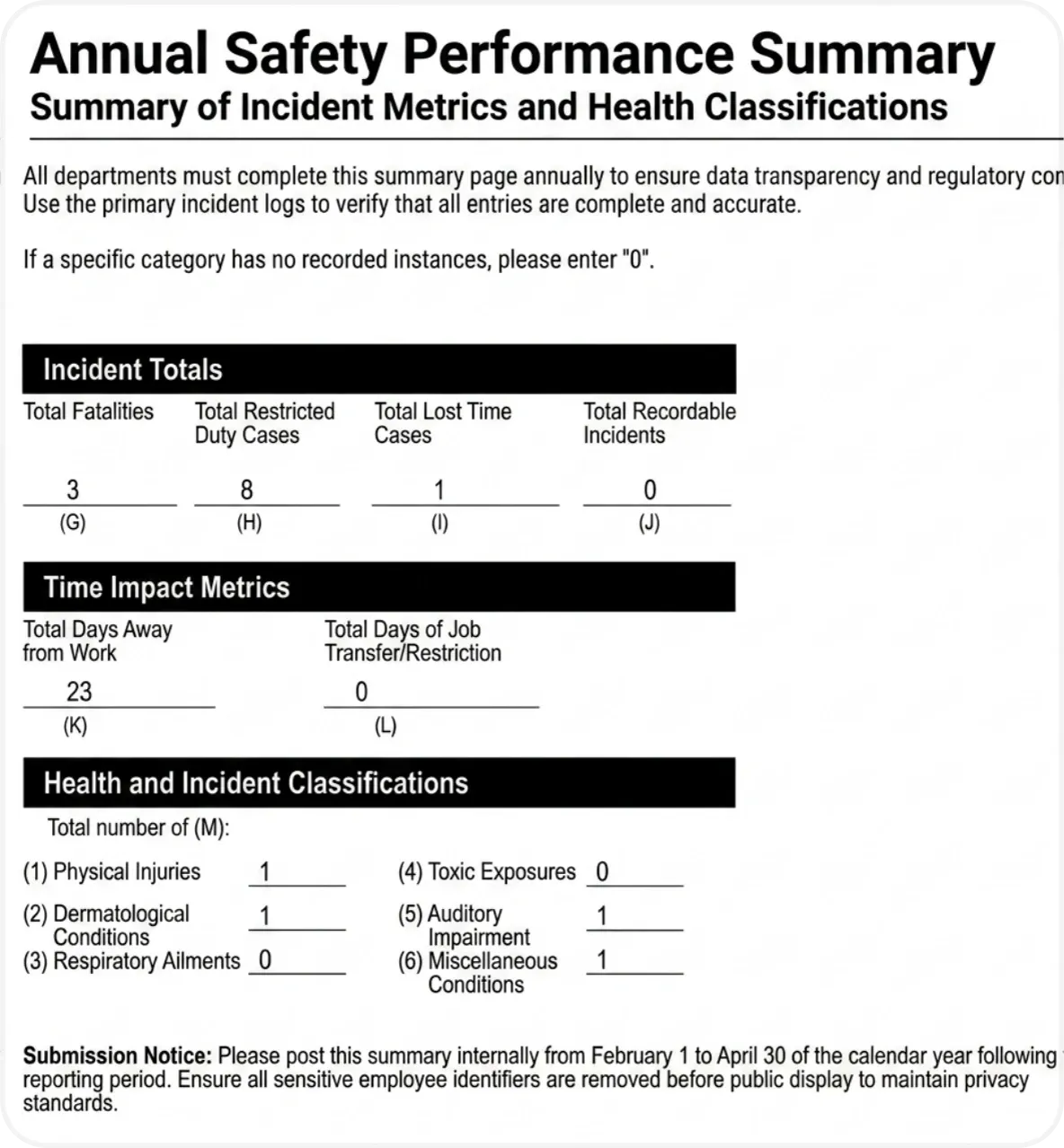


Every team reports differently. Build the report your operations, quality, or compliance leads actually want to read, share it as a branded PDF, and schedule delivery to the stakeholders who need it.
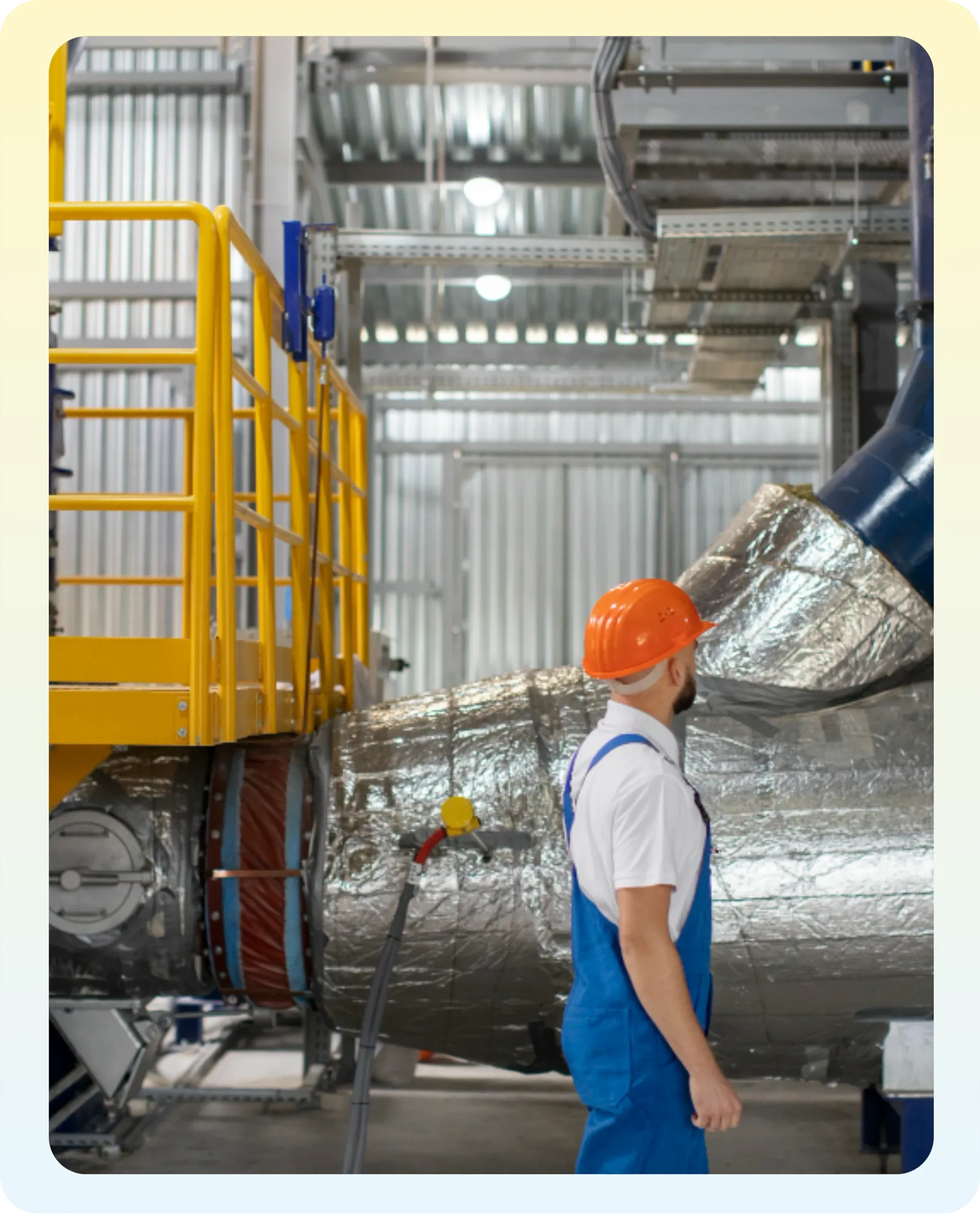

See completion, pass rate, and recurring findings across every checklist and every site, without pulling spreadsheets together at the end of the month.
What changes once digital twin platform is standardised on Inspectly360.



“Inspectly360 transformed how we manage site safety inspections. The offline capability alone saved us countless hours. Our compliance rate jumped from 72% to 96% in just three months.”
Sarah Mitchell
Meridian Construction Group
“The AI-powered defect detection has changed how we work. Our inspectors capture photos and the system flags issues we'd have missed. It's like having an expert reviewer on every site visit.”
James Chen
Pacific Manufacturing Co.
“Rolling out digital checklists across multiple projects gave us instant visibility into recurring safety issues. We now resolve critical findings in hours instead of days.”
Olivia Carter
Northbridge Infrastructure
Get started with inspection and audit checklist templates.

Standard site-level inspections for construction, safety, and compliance. Capture conditions, photos, and follow-ups in one place.
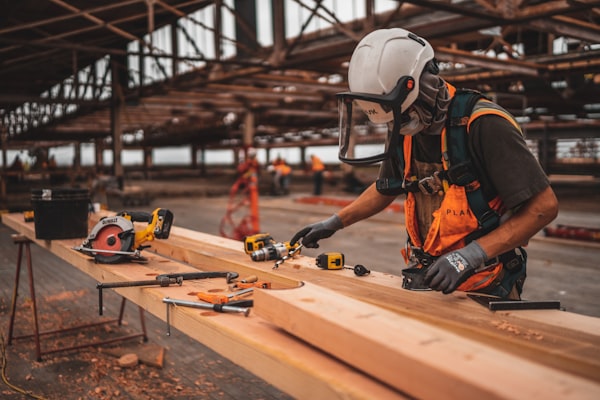
Inspect assets and equipment: condition, location, photos, and maintenance history. Track condition over time.

Complete work orders with checklist items, photos, and sign-off. Track completion and proof of work.

Preventive and corrective maintenance inspections. Log repairs, parts, and condition with photos and follow-ups.
Use these apps to run inspections and audits.

by Inspectly360
Simplify facilities inspections with forms, photos, and reports.

by Inspectly360
Building condition and compliance inspections with evidence and follow-ups.

by Inspectly360
Digitize building inspection apps workflows with forms, evidence capture, and automated reporting.

by Inspectly360
Run building inspections on phones and tablets with offline forms, photo evidence, and instant reports.
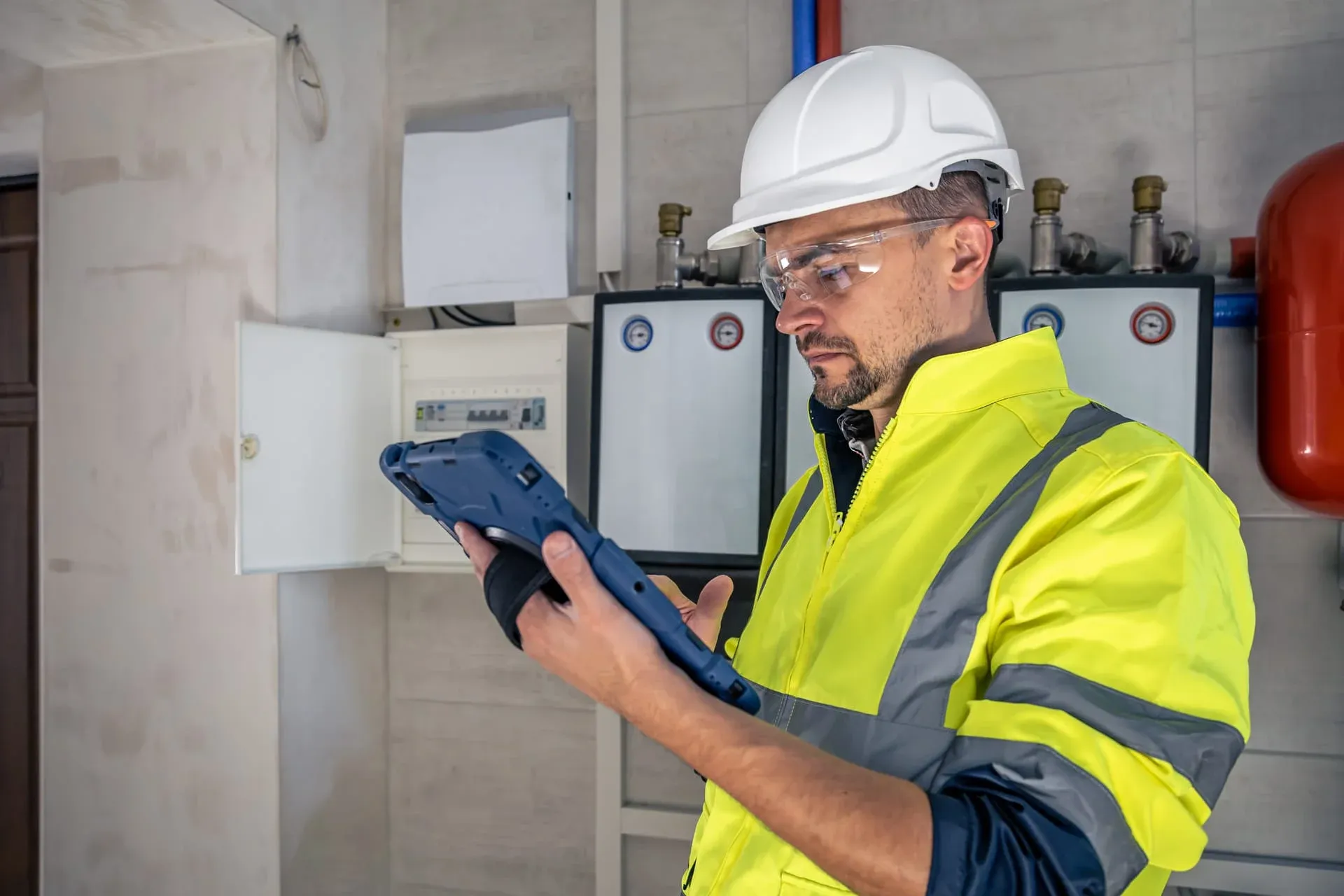
by Inspectly360
Audit buildings with structured scoring, photo evidence, and corrective action tracking across portfolios.
A building model, such as a BIM model, represents the design and structure of a building or asset. A digital twin adds connected real-world data, so the digital representation reflects the current state of the real thing, not just its original design. That connection to live data, condition, sensor readings, inspections, and status, is what turns a static model into a twin. Inspectly360 focuses on exactly this: linking the real record of assets, their condition and status, to a digital representation, so the model stays current. Without connected data, a model is a picture; with it, a twin is a live view of reality. The value is in the currency and the connection, which is what this platform provides.
Inspectly360 supports advanced capabilities such as predictive maintenance and simulation where the connected data genuinely enables them, and we are deliberately honest about that dependency rather than overpromising. The platform's core strength is connecting real-world asset data, condition, inspections, sensor readings, and status, to a digital representation, and providing monitoring and visualization on top. Predictive and simulation capabilities are only as good as the data feeding them, so what is achievable depends on the sensors and data available in your environment, which the deployment establishes. This honesty matters: a digital twin platform that claims full predictive and simulation power regardless of the underlying data is overpromising. We focus on the genuine value, a live, data-connected view of assets, and build advanced capabilities on top where the data supports them.
The platform integrates real-time asset data, IoT devices, and sensor feeds so that live measurements flow into the digital representation. This means the twin can reflect current conditions, temperature, status, performance, or whatever the connected sensors measure, rather than showing only static information. IoT integration is what keeps the twin current, turning it from a one-time model into a continuously updated view. The specific integrations depend on the devices and systems in your environment, which the deployment configures. The principle is that the digital representation is only as valuable as its connection to reality, so bringing real-world data in, from sensors, inspections, and asset records, is central to what makes the twin useful for monitoring, visualization, and decisions.
Asset management is a supporting use case for the digital twin, not the main topic. The twin draws on asset records, condition, inspections, and lifecycle, and presents them connected to a digital representation, but the detailed asset management, registers, maintenance, and work orders, lives in dedicated asset and maintenance tools that link to the twin. Inspectly360 keeps the digital twin focused on the digital representation plus connected real-world data, with asset management, facility management, and IoT as supporting inputs rather than the subject. This keeps each part clear: asset management systems own the detailed asset records and work, and the twin provides the connected, visual, live view that makes that data meaningful in the context of the real building or environment.
Facilities and asset teams managing complex buildings or equipment gain the most, because a digital twin gives them a live, connected view of assets that static models and scattered systems cannot. Instead of checking condition in one system, inspections in another, and a model in a third, they see the real state of assets in context. This supports better maintenance decisions, faster problem diagnosis, and clearer communication about the building or environment. The value grows with the complexity of the estate and the richness of the connected data. For teams whose assets and buildings are already generating data through inspections, sensors, and records, a digital twin is what brings that data together into a coherent, current, visual representation they can actually use.
See Inspectly360 in action with a live demo tailored to your needs. No credit card required.