“Inspectly360 transformed how we manage site safety inspections. The offline capability alone saved us countless hours. Our compliance rate jumped from 72% to 96% in just three months.”
Sarah Mitchell
Meridian Construction Group

Convert your checklist into Mobile App
Looking for a solar monitoring system built around how your team runs its solar assets? We provide it. Inspectly360 delivers a tailored solar monitoring solution on our platform, integrated with the inverters and monitoring feeds you already run. Book a demo to scope it.
A solar monitoring system watches the performance of solar installations: production, inverter status, energy yield, and faults, so underperformance is caught early rather than discovered in a bill. Inspectly360 provides a solar monitoring solution tailored to your operation, built on our alerting and workflow platform and integrated with the inverters and monitoring feeds you already run.
Without it, solar performance is a black box between manual checks. A failing inverter, a shaded or soiled array, or a string that has dropped out reduces yield for weeks unseen, and there is no link between a performance drop and a maintenance response.
We deliver your solar monitoring solution in five steps, from scoping your sites to rollout and support.
We map your solar sites, inverters, and monitoring feeds, so the solution reflects your real installations and how they report.
We integrate the inverter and monitoring feeds you run, so production, status, and yield flow into the platform.
We configure performance alerts, fault detection, and maintenance notifications, so underperformance triggers a response.
You run the solution on one site, so monitoring, alerts, and the maintenance link are proven before it scales.
We roll the solution across your portfolio and support it, with solar performance dashboards live for your team.
Solar monitoring covers watching solar asset performance and generation, integrated with your feeds: production, inverter status, yield, fault detection, and the maintenance response. The scope below is the monitoring and response layer, distinct from a physical solar panel inspection.
Inspectly360 is the solar monitoring, alerting, and maintenance-response layer beside your inverters and monitoring feeds, not a replacement for them. Your inverters and monitoring hardware measure production and status. Inspectly360 owns what they do not: the analytics, fault detection, alerting, maintenance response, and reporting. Performance data links back to the site and inverter, so monitoring and its response sit beside your solar infrastructure without duplicating it.
Validate four things during the pilot rather than after. First, that production, inverter status, and yield from your feeds reach the platform. Second, that faults and abnormal performance raise alerts. Third, that an alert becomes a maintenance action. Fourth, that trends and multi-site performance report. Run one site so the monitor, alert, and respond loop is proven before it scales.
Solar performance data informs operations and finance, so its integrity matters. Inspectly360 enforces role-based access so teams monitor and respond, managers review performance and faults, and leadership sees portfolio yield. Performance data, alerts, and maintenance actions are logged and retained for the period your operations require, so any claim about performance or a fault response can be traced to its evidence with time and author preserved.
A solar monitoring rollout works best site by site rather than all at once. Start with the site where performance or fault risk is highest, prove the monitor, alert, and maintenance loop there, then extend across the portfolio. Because the configuration is analytics and integration rather than code, each site can carry its own feeds while performance rolls up to one portfolio view for operations leadership.
What Solar Monitoring System covers for your team.
Teams comparing Inspectly360 to manual checks for solar see the difference on five points: visibility, fault detection, yield, maintenance response, and reporting.
| Capability | Without Inspectly360 | With Inspectly360 |
|---|---|---|
| Visibility | Solar performance is a black box between manual checks, so problems run unseen. | Production, status, and yield are visible continuously, so performance is known. |
| Fault detection | A failing inverter or dropped string is found late, so generation is lost for weeks. | Faults and abnormal performance raise alerts, so problems are caught early. |
| Yield | Underperformance is invisible, so energy yield quietly falls below what the system should produce. | Yield is tracked against expectation, so shortfalls are visible and recoverable. |
| Maintenance response | A performance drop is not linked to a fix, so faults linger unaddressed. | Alerts trigger maintenance actions, so faults are resolved and downtime is reduced. |
| Reporting | There is no historical performance data, so trends and efficiency cannot be tracked. | Historical energy data and dashboards show trends, so performance is managed. |
Manage every checklist in one connected workspace, capture evidence on mobile at the point of work, and let AI turn field inputs into clear, stakeholder-ready reports in minutes.
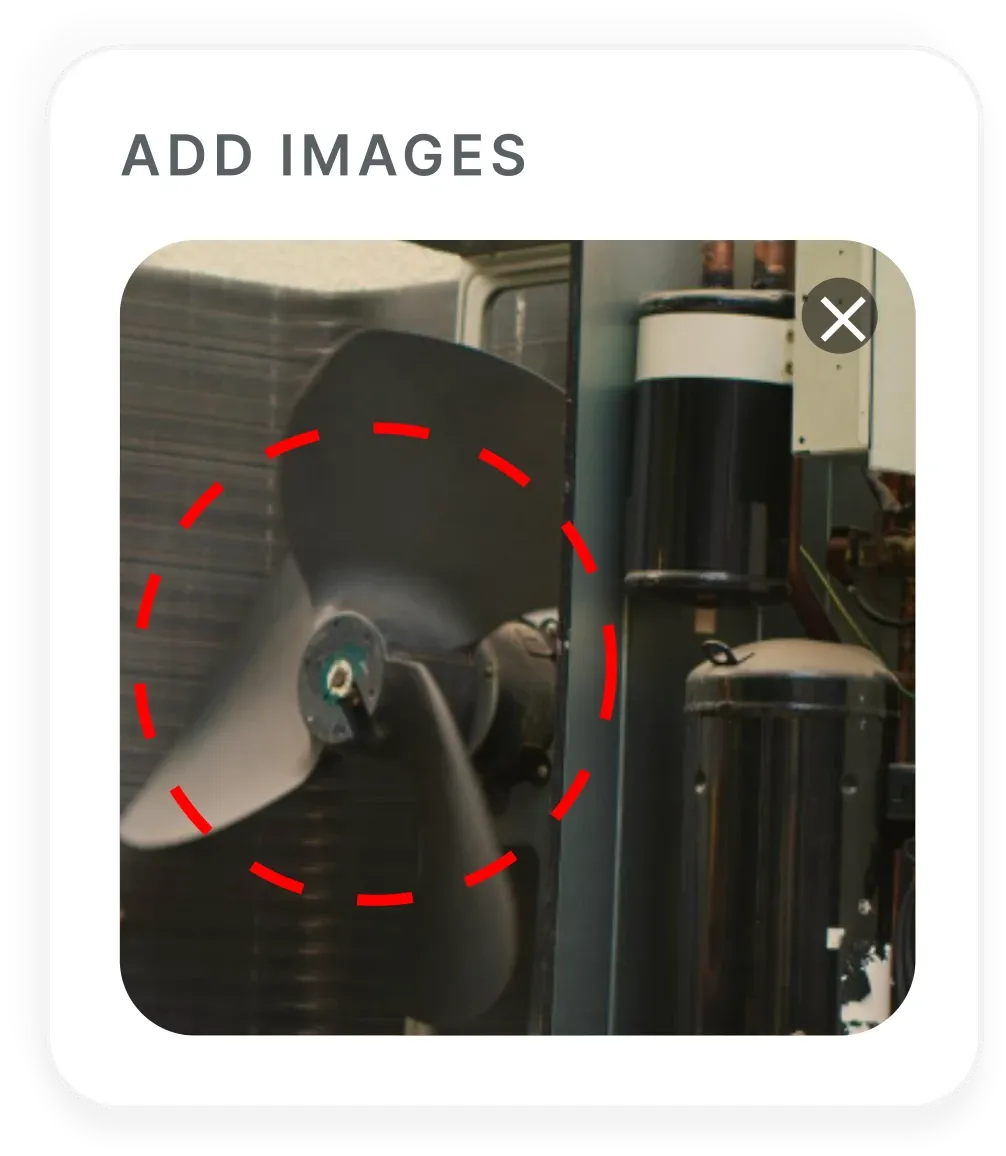
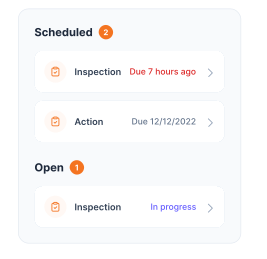
See which checklists your team has in progress across every site, jump into the same inspection with one tap, and keep field, supervisor, and back-office views in sync without sending screenshots on WhatsApp.


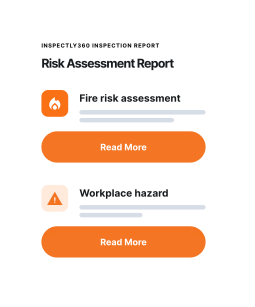
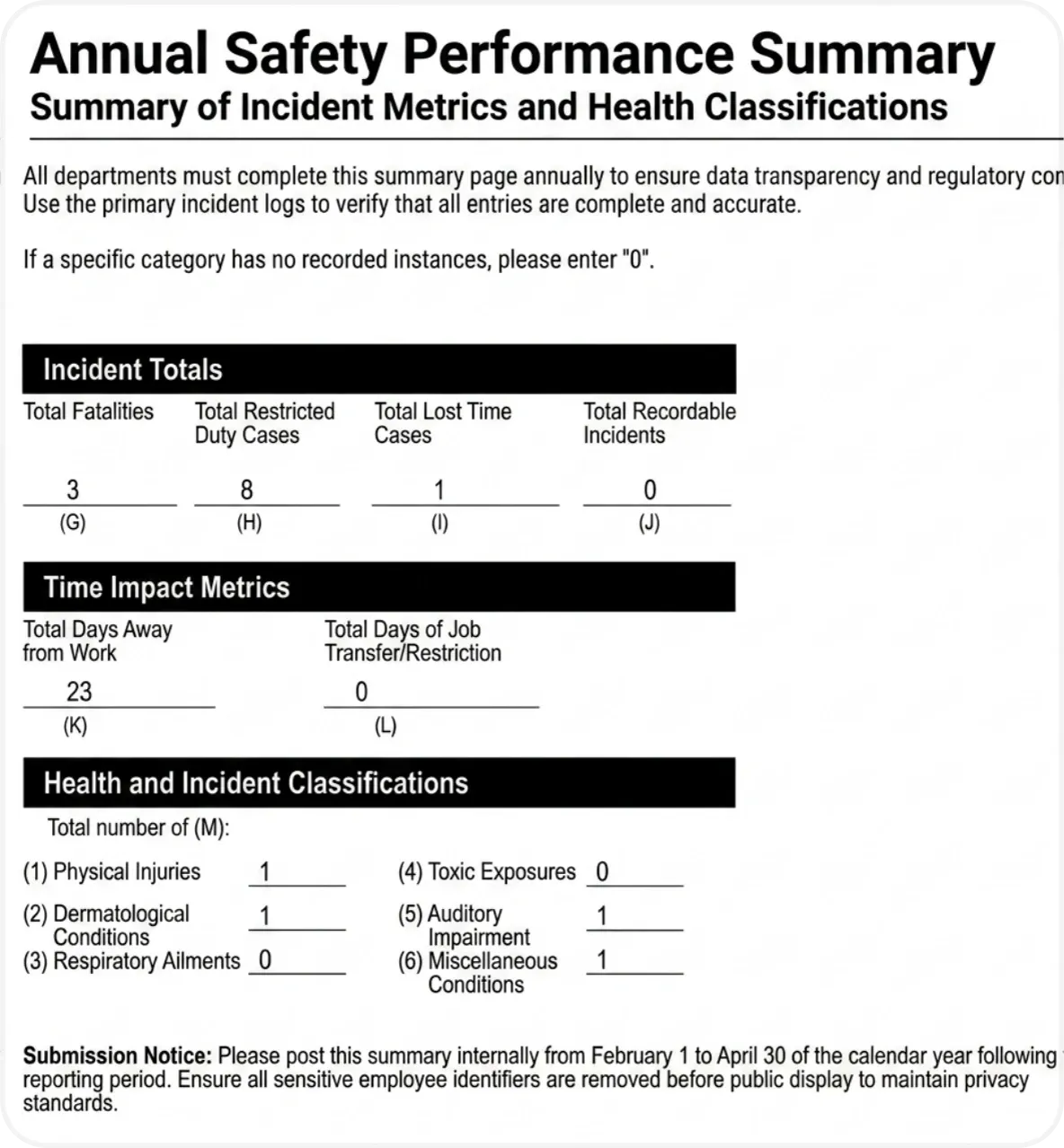


Every team reports differently. Build the report your operations, quality, or compliance leads actually want to read, share it as a branded PDF, and schedule delivery to the stakeholders who need it.


See completion, pass rate, and recurring findings across every checklist and every site, without pulling spreadsheets together at the end of the month.
What changes once solar monitoring system is standardised on Inspectly360.




“Inspectly360 transformed how we manage site safety inspections. The offline capability alone saved us countless hours. Our compliance rate jumped from 72% to 96% in just three months.”
Sarah Mitchell
Meridian Construction Group

“The AI-powered defect detection has changed how we work. Our inspectors capture photos and the system flags issues we'd have missed. It's like having an expert reviewer on every site visit.”
James Chen
Pacific Manufacturing Co.
“Rolling out digital checklists across multiple projects gave us instant visibility into recurring safety issues. We now resolve critical findings in hours instead of days.”
Olivia Carter
Northbridge Infrastructure
Get started with inspection and audit checklist templates.

Standard site-level inspections for construction, safety, and compliance. Capture conditions, photos, and follow-ups in one place.
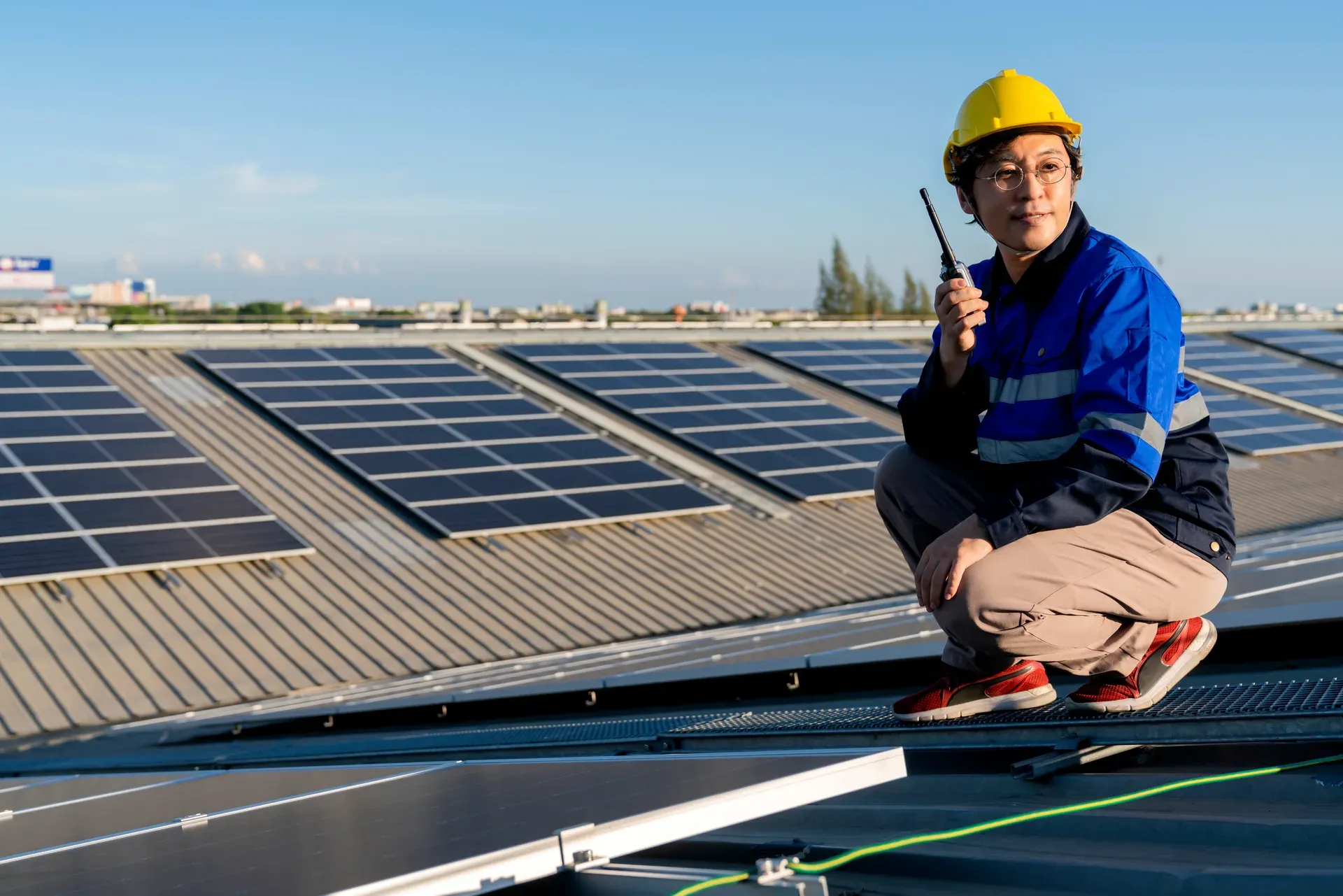
Inspect assets and equipment: condition, location, photos, and maintenance history. Track condition over time.

Complete work orders with checklist items, photos, and sign-off. Track completion and proof of work.
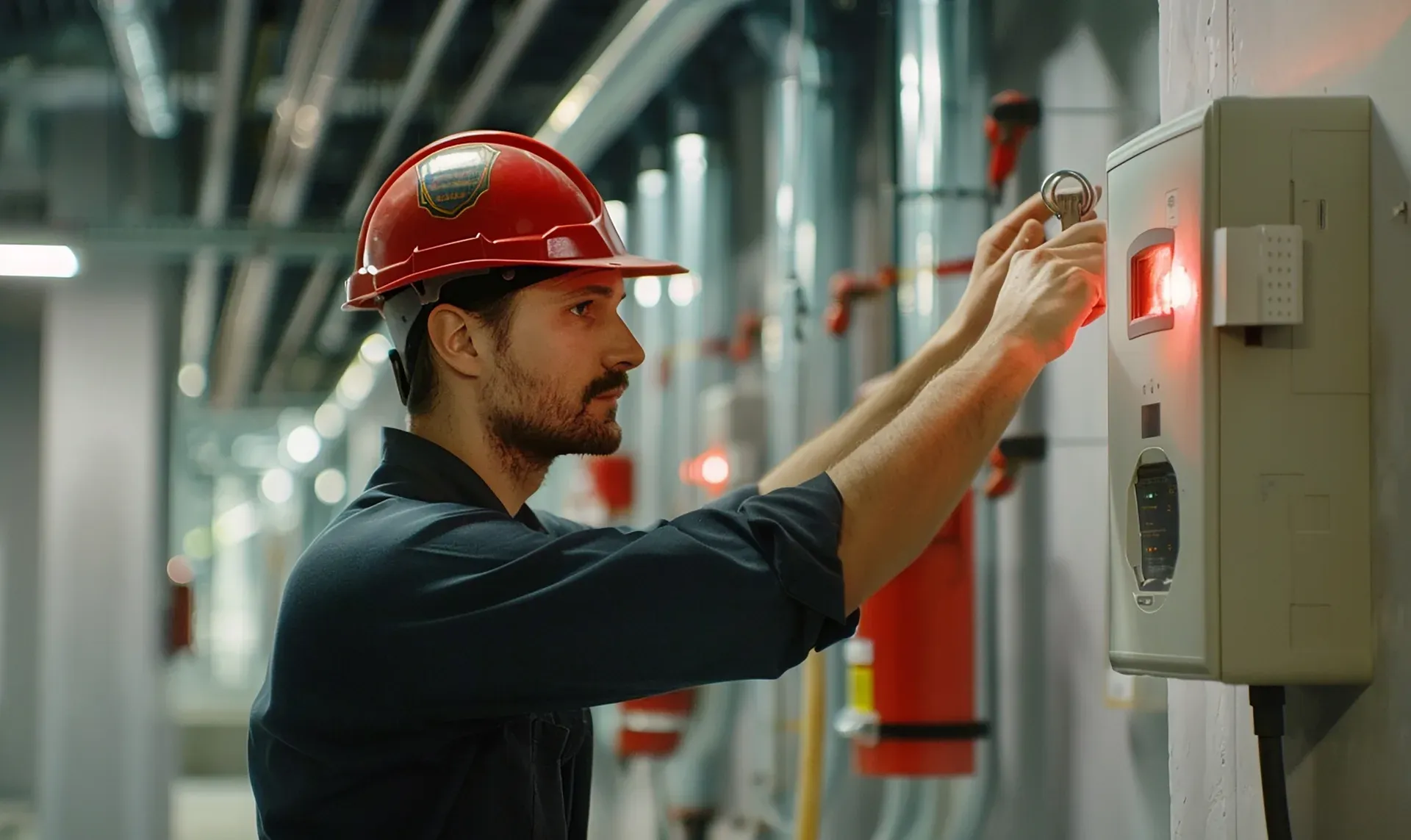
Preventive and corrective maintenance inspections. Log repairs, parts, and condition with photos and follow-ups.
Use these apps to run inspections and audits.

by Inspectly360
Simplify facilities inspections with forms, photos, and reports.

by Inspectly360
Building condition and compliance inspections with evidence and follow-ups.
by Inspectly360
Digitize building inspection apps workflows with forms, evidence capture, and automated reporting.
by Inspectly360
Run building inspections on phones and tablets with offline forms, photo evidence, and instant reports.
by Inspectly360
Audit buildings with structured scoring, photo evidence, and corrective action tracking across portfolios.
This page is about monitoring solar asset performance and energy generation, not conducting a solar panel inspection. It brings solar production, inverter status, and energy yield from your monitoring feeds into one place, detects faults and abnormal performance, alerts, and links a performance drop to a maintenance action. That is different from a solar panel inspection, which is a physical check of the array. We keep that distinction honest: if your need is watching how solar assets are performing and catching underperformance early, this is the monitoring page; if your need is inspecting panels physically, that is an inspection workflow, which can connect to it. Under our model we configure the monitoring and response layer and integrate it with the inverters and feeds that report performance, so the software adds analytics, alerts, and maintenance response on top of your solar hardware.
We build your solar monitoring solution on the Inspectly360 platform and configure it to your operation, integrating with the inverter and monitoring feeds you run, rather than handing you a fixed product. Our team scopes your solar sites, inverters, and feeds, configures the performance monitoring, fault detection, alerts, analytics, and maintenance notifications to match, and rolls it out with a pilot site first. Because the platform is built for configurable alerting, analytics, workflows, and reporting, and integrates with the feeds that report solar performance, a monitoring solution tailored to your operation is delivered without replacing your solar infrastructure. You get the analytics, alerting, and maintenance-response layer, integrated with the inverters and monitoring feeds you already run, supported by our team.
Solar monitoring depends on the inverters and monitoring hardware that measure production and status, and the solution is designed to work with the feeds you already run or install rather than replacing them. Those feeds report production, inverter status, and yield, and the integration brings that data into the platform, where the analytics, fault detection, alerting, and maintenance response live. This is the same integration approach the platform uses for other connected data: the hardware and measurement stay yours, and Inspectly360 provides the monitoring, alerting, and workflow layer on top. We scope which inverters and feeds to integrate during setup, so the monitoring matches your portfolio. That means you get performance visibility, fault alerts, and a maintenance response across sites without being tied to a single hardware vendor, on top of the solar monitoring infrastructure you have already invested in.
Yes, and this is the core value of solar monitoring. Solar generation loss is usually silent: a failing inverter, a soiled or shaded array, or a dropped string reduces yield without any obvious sign, so it can run for weeks before anyone notices, often only when a bill or a report looks wrong. By continuously watching production, inverter status, and yield from your feeds, the solution detects abnormal performance and equipment faults as they develop and raises alerts, so a problem is caught in days rather than discovered much later. Because expected performance is known, the system can flag when actual yield falls short, which is what surfaces gradual issues like soiling or degradation that a simple on-off check would miss. Catching underperformance early is exactly what protects the energy yield and the financial return of a solar installation, which is why detection is the heart of a monitoring system.
Yes. Detecting a fault only saves generation if it leads to a fix, so a performance alert can be turned into a maintenance notification and a tracked action, which closes the loop between monitoring and response rather than leaving a detected problem to linger. That link is what actually recovers lost yield, because a flagged inverter or a soiled array gets scheduled and resolved rather than just noticed. Alongside real-time monitoring, the solution holds historical energy data and shows generation trends, efficiency, and performance over time, so gradual decline, recurring faults, and the effect of maintenance are all visible. Across a portfolio, dashboards compare sites so the worst performers stand out. Combining early fault detection, a maintenance response, and trend reporting is what turns solar monitoring from a live readout into a system that genuinely protects and improves energy performance over the life of the assets.
See Inspectly360 in action with a live demo tailored to your needs. No credit card required.