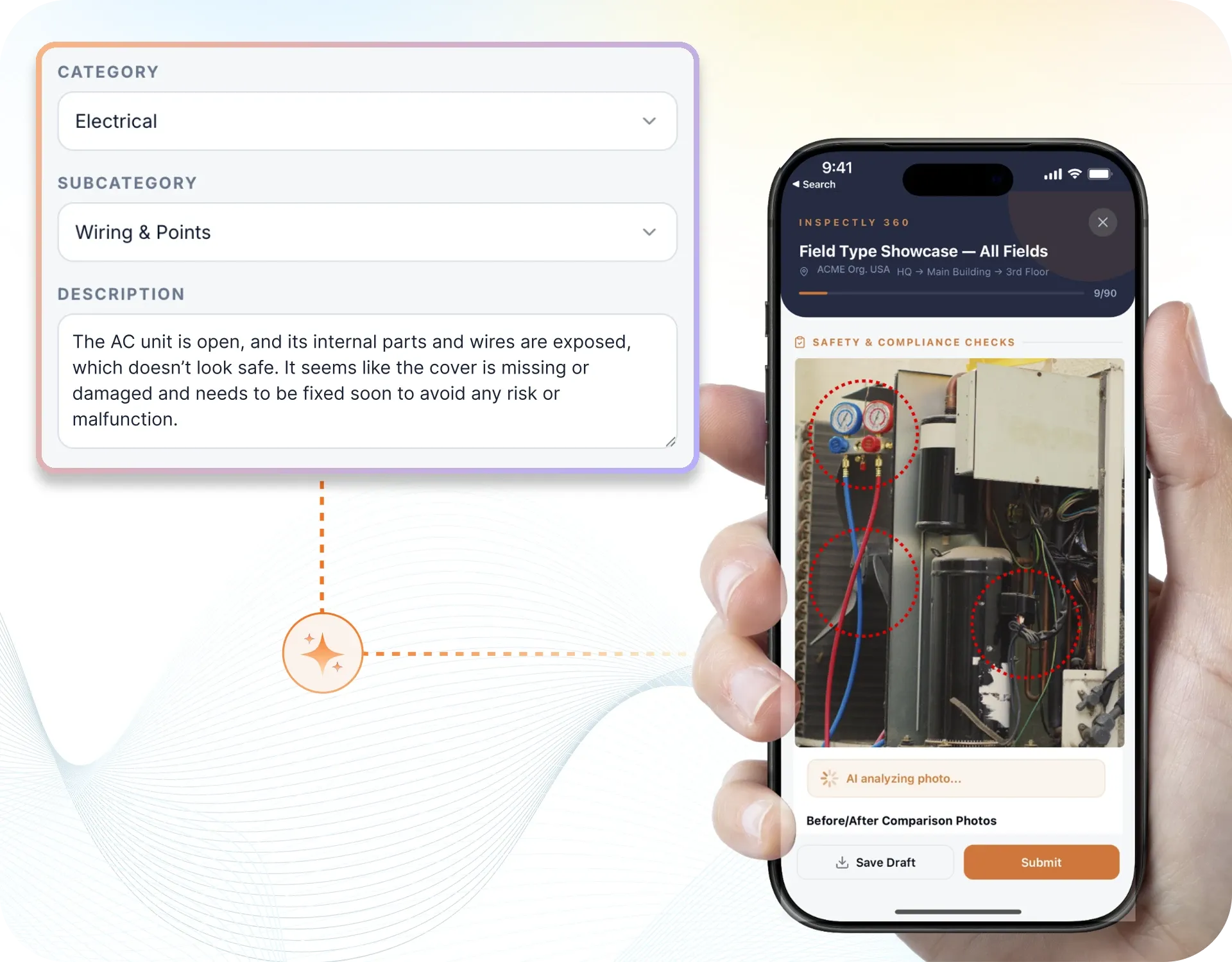
Take a Photo. AI Fills the Form
Your inspector takes a photo of any asset or defect. AI reads it and fills the inspection form automatically. No typing. No manual entry.

Convert your checklist into Mobile App
Cleaning and janitorial inspections in Inspectly360 are zone-based quality audits run on a mobile app instead of paper. Inspectors score restrooms, lobbies, kitchens, and high-touch areas against consistent criteria and photograph any shortfall. The app replaces paper audit sheets, clipboard scoring, and WhatsApp photos with one scored digital record and a live dashboard managers see across every site.
Cleaning and janitorial inspections in Inspectly360 are digital quality audits that field supervisors run on a phone instead of paper. Cleaning quality is hard to manage without consistent inspection standards, so the platform enables zone-based audits with structured criteria, photo evidence on failed items, and standardized scored outputs. Failed items trigger a corrective action with an owner and due date. Reports build automatically as audits are submitted, and managers see scores across every facility on a live dashboard. The result is better accountability, faster rework, and clear evidence of service quality across all sites.
Audit restrooms, lobbies, kitchens, offices, and high-touch areas with consistent criteria.
Explore FeatureCapture photos for failed items so findings are unambiguous and actionable.
Explore FeatureNotify the right owner for rework when cleanliness standards are missed.
Explore FeatureSchedule daily, weekly, and monthly audits to keep standards consistent.
Explore FeatureTrack scores over time to identify recurring problem areas and vendor performance.
Explore FeatureGenerate standardized outputs suitable for client reporting and accountability.
Explore FeatureTurn your cleaning SOPs into structured checklists for restrooms, lobbies, kitchens, offices, and high-touch surfaces, with consistent scoring so a pass means the same thing at every site.
Inspectors walk each zone, score items against the standard, and capture a photo wherever a standard is missed. The app works offline in basements and back-of-house areas.
Any shortfall creates a corrective action with an owner and a due date, and routes a notification to the team responsible for the rework.
Inspectly360 builds the scored report as the audit is submitted and posts results to a dashboard, so managers compare sites, shifts, and vendors without compiling anything.
Cleaning crews run SOP checklists, daily rounds, and cleaning quality audits from one app. Photo evidence and timestamps prove the round happened, room by room.
Supervisors scan a QR code on a restroom, lobby, or pantry. The right checklist opens, last clean time appears, and any issue is routed to the cleaning team in seconds.
Reports pull every round, photo, and corrective action into a branded PDF for the building owner or client. No one rebuilds the report manually on Friday afternoon.
Immediate reports will give you real-time visibility into your operations, so that you can improve them.
What are the 3 top recurrent issues? Which teams or locations perform the best?
Everything is visible on the inspection software dashboards: understand gaps, follow-up and provide additional training as necessary.
All your team members will have access to a mobile app to quickly spot, report and resolve janitorial or maintenance issues, and always know what to look out for.
Improve team communication with instant reports received by managers, corrective actions immediately assigned to the right people.
Turn cleaning checklists into measurable, trackable workflows across every location and team.
Supervisors inspect high-traffic areas daily and route rework immediately with photo proof.
Compare cleanliness scores across properties and vendors with standardized criteria.
Share consistent inspection outcomes with clients on a set cadence to build trust.
Everything your field team does on paper, Inspectly360 does automatically: faster, more accurate, and without the admin.
Your inspector takes a photo of any asset or defect. AI reads it and fills the inspection form automatically. No typing. No manual entry.
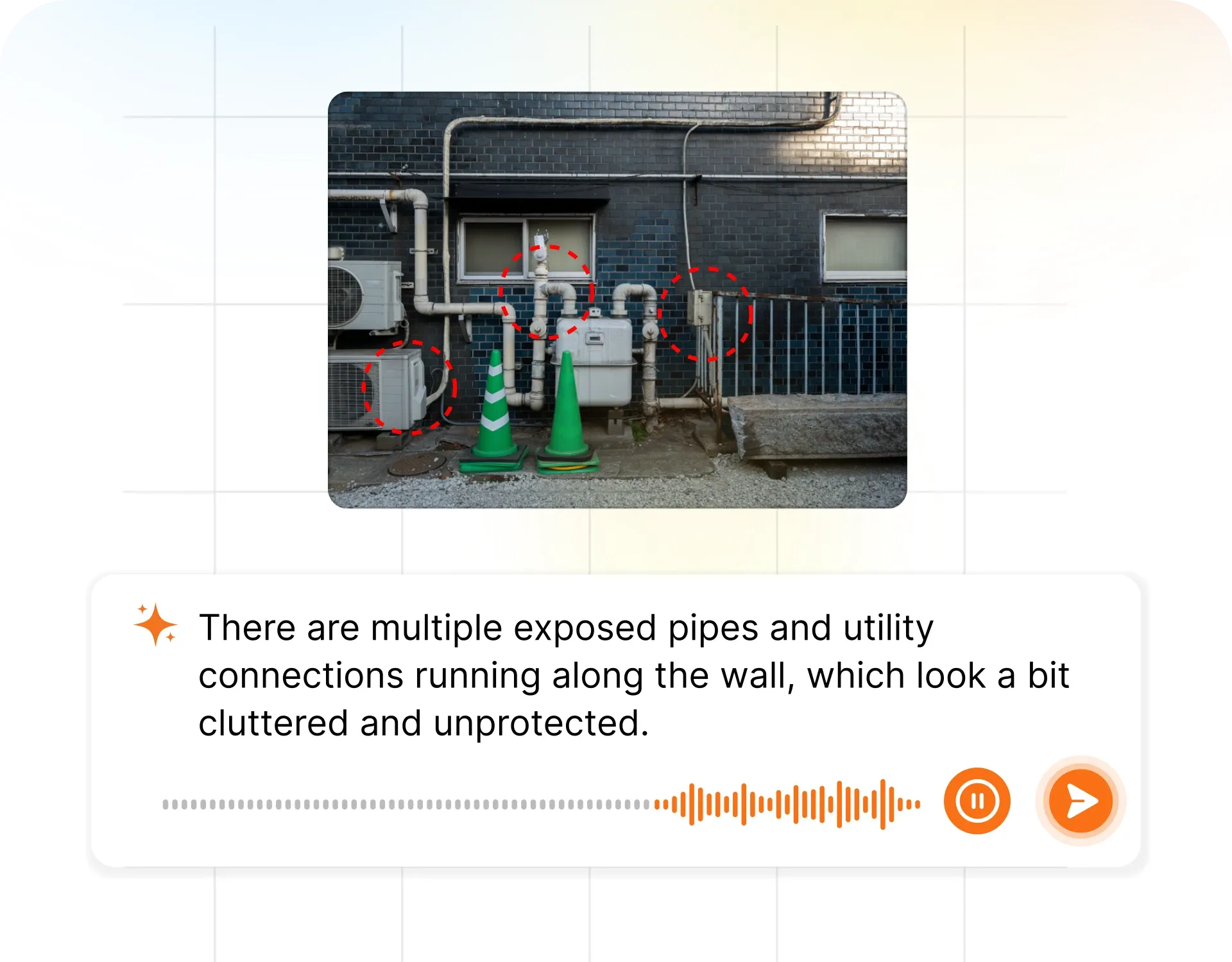
Inspectors speak their observations in any language. AI transcribes and fills the form in real time. Completely hands-free in the field.
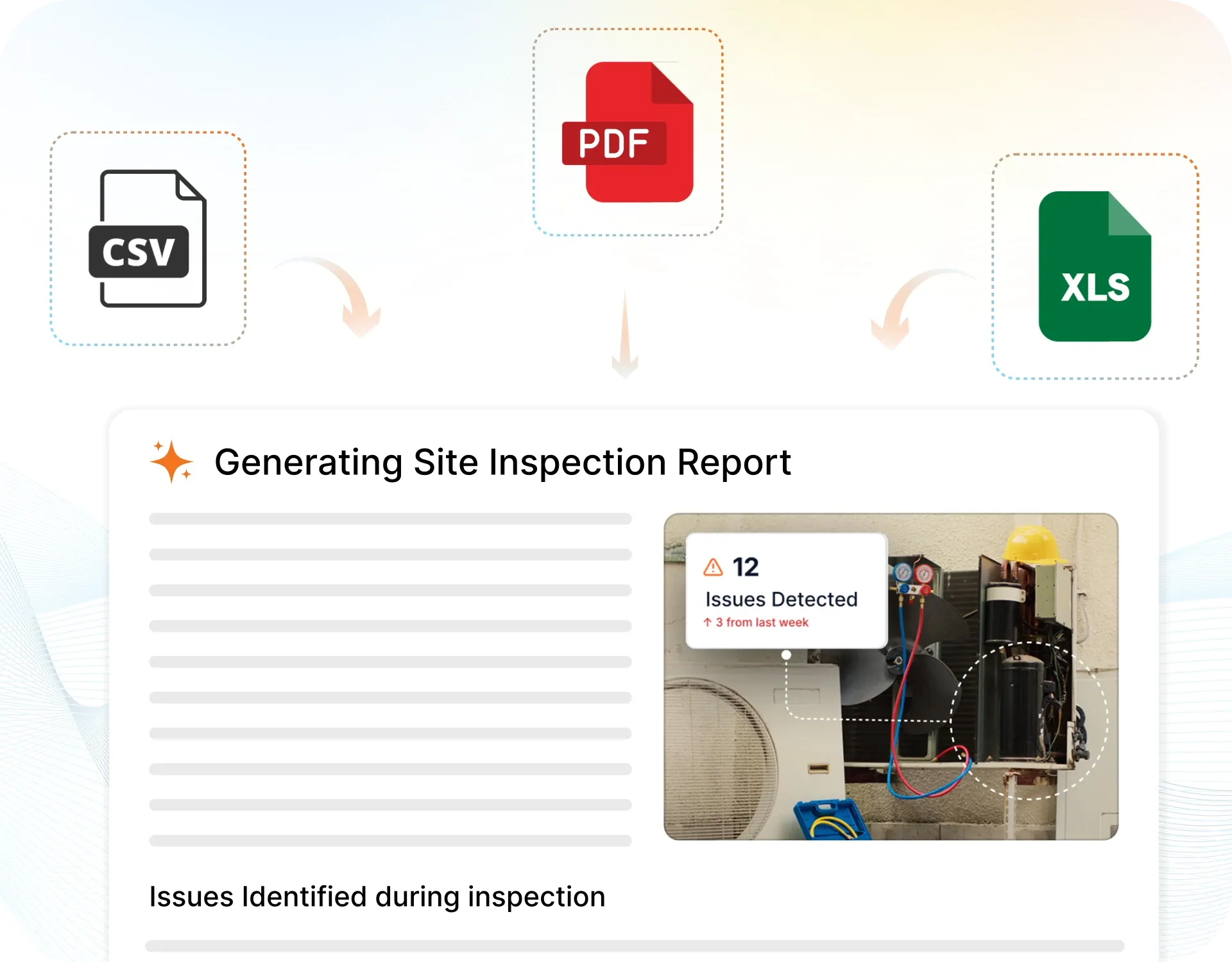
The moment an inspection is submitted, a branded PDF, Excel, or CSV report generates automatically. No manual work. No waiting.
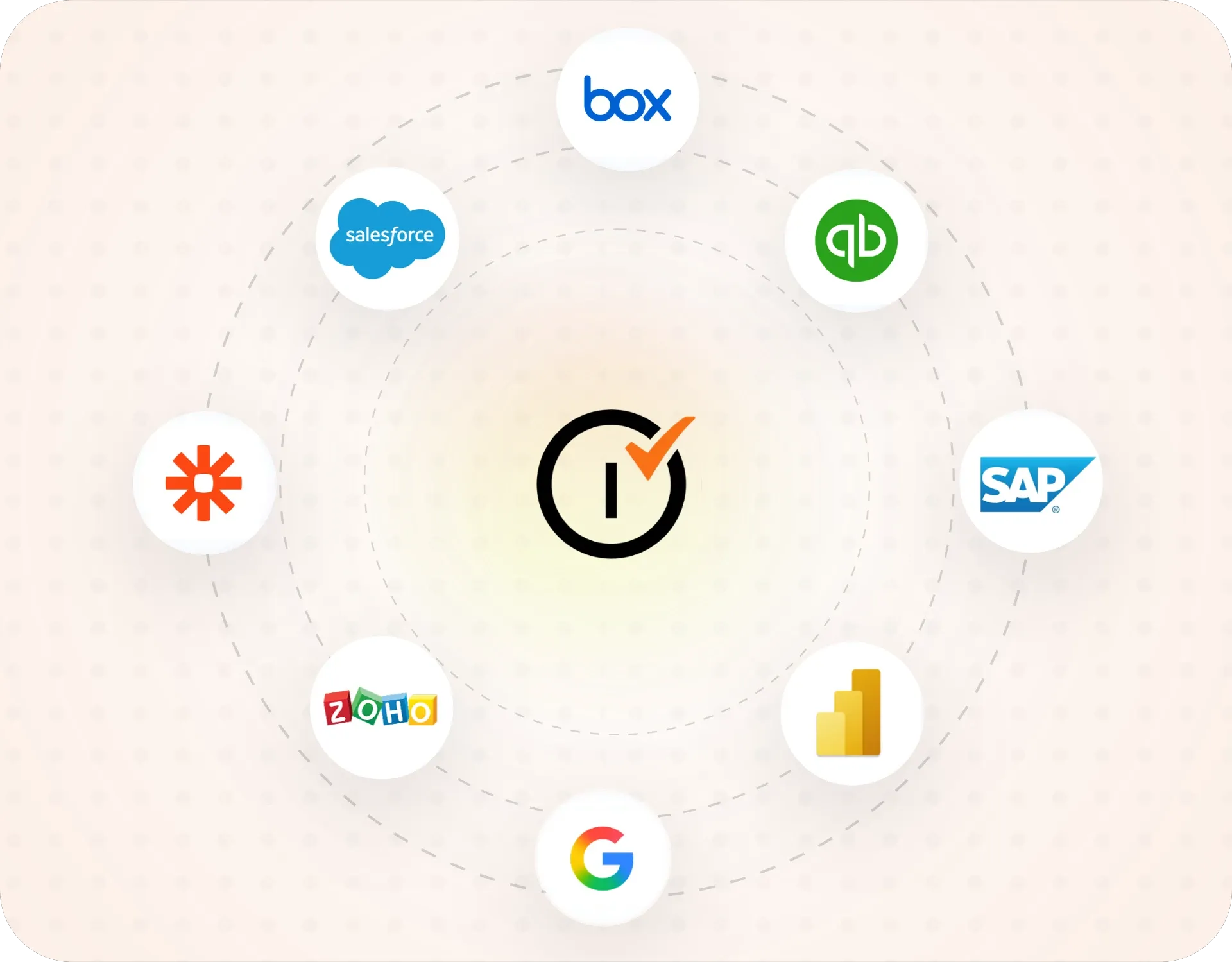
Inspectly360 integrates with the tools your team already uses, including Zoho, Microsoft 365, and SAP. No double entry.
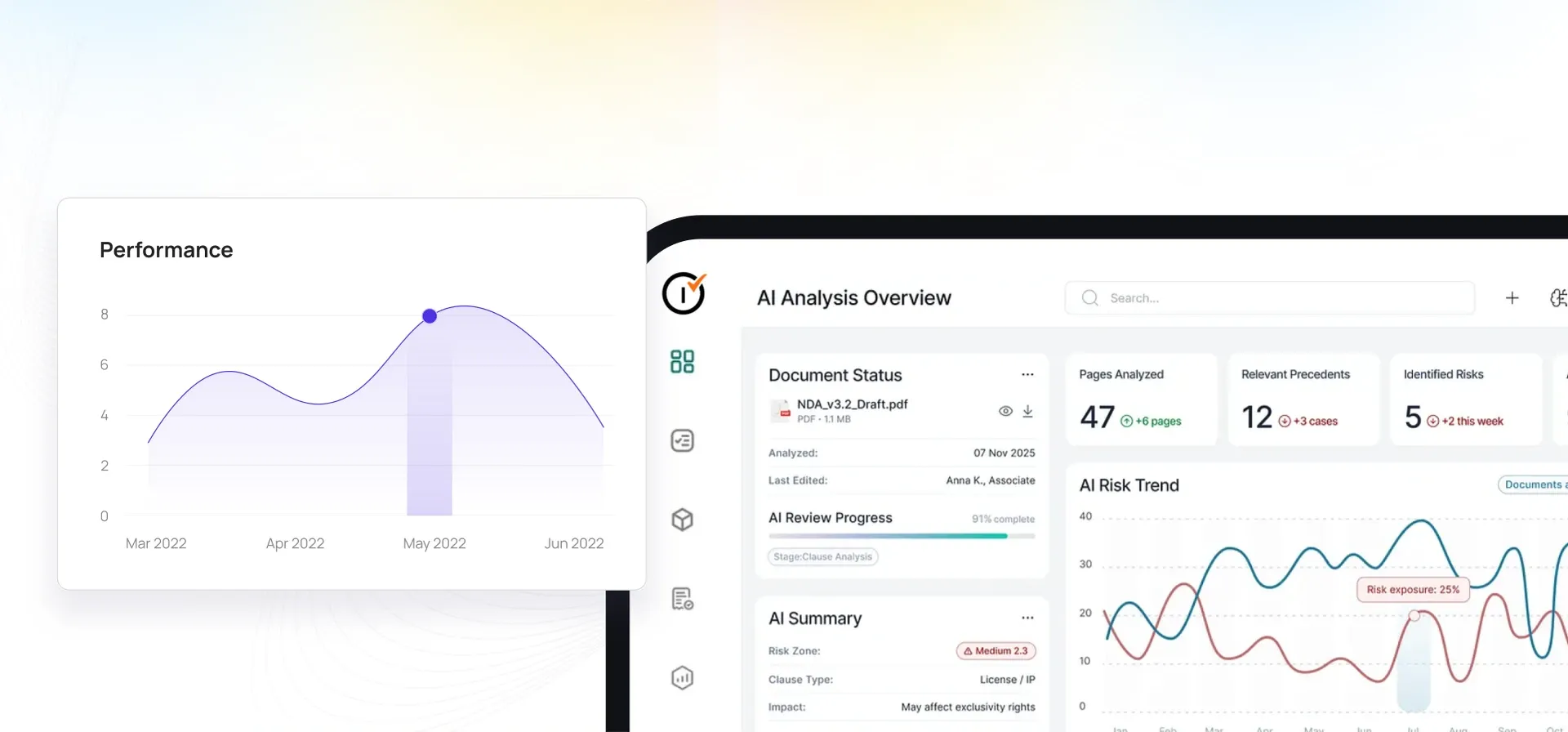
Your operations team sees completion rates, open issues, and compliance scores across all sites in real time. No chasing updates.
A cleaning or janitorial inspection checks whether a site is actually being cleaned to the agreed standard. An inspector walks defined zones, restrooms, lobbies, offices, kitchens, and high-touch surfaces, and records whether each one meets the cleanliness and hygiene criteria set for it. The inspection covers more than visible dirt: it also confirms that cleaning followed the right method, ran on schedule, and used the correct products for each surface.
Inspections can be run by an in-house supervisor or by a contracted cleaning company auditing its own work. Either way the goal is the same: turn a vague sense that the site looks fine into a recorded, scored result that proves the standard was met and shows exactly where it was not.
Paper audits slow everything down. The form is filled by hand, carried back to the office, then typed into a spreadsheet before anyone can act on it. By the time a missed restroom shows up in a report, the shift is over and the client may have already seen it.
Spreadsheets are no better at scale. Scores have to be calculated by hand, spotting a trend means cross-referencing tabs, and one mistyped cell skews the result. Neither method gives a supervisor a live view of which sites were cleaned today and which were not.
The deeper problem is proof. When a client questions a missed area, a handwritten tick in a binder is not evidence. There is no photo, no timestamp, and no record of who signed it off.
Inspectly360 replaces the paper round with a structured mobile inspection. The cleaner or supervisor opens the checklist for the site and works through each zone on a phone or tablet.
Before Inspectly360: a cleaner fills a paper checklist, a supervisor spot-checks when they can, and the result is typed up on Friday afternoon. A missed area is found through a client complaint days later, with no evidence of what actually happened.
After Inspectly360: the inspection is completed on a phone, scored instantly, and visible to the manager in real time. Failed items are photographed and assigned for rework before the shift ends, and the client report is generated automatically from the same data.
Setting up a digital cleaning inspection in Inspectly360 follows a clear sequence:
Kitchen cleaning needs tighter control than a general office round, because a missed step is a food safety risk. In Inspectly360, teams follow digital checklists for food-prep areas, equipment, storage, and waste zones, with photo evidence required on anything below standard.
Supervisors review submitted checks, confirm the photo evidence, and the report is generated automatically. The same records support hygiene audits and give managers a traceable history of how each kitchen has been cleaned and verified across every location.
Drift happens when each supervisor carries their own idea of what an acceptable restroom or lobby looks like. Zone-based checklists remove most of that by scoring every area against the same written criteria, in the same order, whoever is on shift. Failed items require a photo, so a low score is tied to something visible rather than to an opinion, and two supervisors marking the same area differently becomes a conversation about evidence instead of personality. Because scores are tracked over time, a supervisor who consistently scores far above or below the group stands out in the trend data, which is usually a training issue rather than a discipline one. A score from one site then means the same thing as a score from another, which is what makes portfolio reporting worth anything.
Yes. Audits produce a standardised output as they are completed, so client reporting stops being a Friday afternoon task. Scores, failed items, and the photos attached to them are already in the record, and the reporting is designed to be shown to a client rather than reformatted first. Managers also see a live dashboard across every site, so the position is current rather than a snapshot someone compiled days earlier. This changes the client conversation. Instead of promising that standards are being met, you show the last audit, the areas that failed, and what was done about them. It also protects the contract, because a client who can see consistent evidence of auditing is far less likely to escalate one complaint into a review of your performance.
The failed item carries a photo captured at the time of the audit, so the discussion starts from what the area actually looked like rather than from memory. That usually resolves it quickly in one direction or the other. If the contractor is right, the evidence shows it and the score can be corrected without anyone losing face. If the area genuinely failed, the photo removes the argument and the corrective action can be routed to the right owner for rework. Across a full contract the more valuable effect is on repeat disputes, because trend tracking shows whether a zone fails occasionally or every week. A pattern is much harder to argue with than a single bad audit, and it moves the conversation from blame to fixing the cause.
Yes. Recurring inspections are scheduled per checklist, so a daily restroom round, a weekly deep-clean check, and a monthly full-site audit can all run on their own cycles without anyone remembering to raise them. Each cycle keeps its own scores and history, which matters because a daily round and a monthly audit answer different questions and should not be averaged together. For a supervisor this means the day starts with the checks that are actually due rather than a list of everything that exists. For a manager it means a missed audit is visible as a gap in the schedule rather than something discovered when a client asks for records that were never produced.
Score and trend tracking is built for this. Because every audit scores the same zones against the same criteria, the platform can show which areas fail repeatedly rather than only what failed today. That distinction matters, because a restroom that fails once is an incident and a restroom that fails eleven times in a quarter is a resourcing, rota, or training problem that no amount of rework will fix. The same view works for vendor performance, so a contractor whose sites drift downward is visible before the client raises it. This is usually where cleaning teams get the most value, because it moves effort away from chasing individual failures and toward the small number of causes generating most of them.
Book a free demo. We will configure this feature against your workflow and show how it runs at your sites.

