Convert your checklist into Mobile App

Contact Now
Feature

Gym & Sports Facilities Inspection App:Safe, Ready Sites for Operations Teams

Keep quality and safety consistent across every gym and fitness location with the Inspectly360 inspections app, from equipment checks to changing rooms and pool areas.

Quick Answer

The gym and sports facilities inspection app in Inspectly360 lets facility teams run equipment, changing room, and safety checks on a mobile app that works offline. It captures photo evidence on findings, schedules recurring inspections, and routes issues to owners and contractors. It replaces paper safety checklists, WhatsApp maintenance requests, and manually compiled reports.

The gym and sports facilities inspection app in Inspectly360 keeps every fitness and sports site safe and ready with consistent checks. Field teams inspect gym equipment, studios, changing rooms, pool areas, and safety items on a mobile app that works offline in plant rooms and basements. AI fills forms from photos and voice. Faults are routed to managers and contractors with a deadline, and recurring issues are tracked on a live dashboard. The platform replaces paper safety checklists and slow reporting, helping operators meet health and safety obligations and prove that checks happened.

What this replaces

Before Inspectly360

  • Staff fill paper safety checklists that no one reviews until something breaks.
  • Equipment faults get sent on WhatsApp with no deadline or proof of repair.
  • Managers find out a safety issue was missed only after an incident.

After Inspectly360

  • Teams complete digital safety checks with photo evidence on every finding.
  • Faults are routed to a contractor or manager with a deadline and tracked to closure.
  • Managers see recurring issues and overdue checks on a live dashboard.

How Gym & sports facilities inspection app works

  1. 1

    Build equipment and area templates

    Create digital checklists for cardio and weights equipment, studios, changing rooms, pool areas, and safety signage, with required photo evidence on key items.

  2. 2

    Schedule recurring checks

    Set daily and weekly inspection cadences and assign them to facility staff, with reminders so safety checks happen consistently.

  3. 3

    Inspect on the mobile app

    Teams complete walkthroughs on a phone or tablet that works offline. AI fills the form from photos of faults and damage.

  4. 4

    Route faults and review trends

    Issues are routed to managers or contractors with a deadline. Recurring faults are tracked on a live dashboard.

How does a facility manager handle a damaged piece of gym equipment found on a morning walkthrough?

The finding is raised against the specific equipment check that produced it, with a photo of the damage attached. That matters for equipment faults because the difference between a worn cable and a frayed one decides whether a machine stays in service, and a written description rarely settles that on its own.

The fault routes to a manager or an external contractor with a deadline rather than being added to a list someone reviews later. For a gym this is a liability question as much as an operational one: a damaged machine left available to members is a risk that carries on until somebody acts, so the assignment and the due date are the control.

Verification closes it. Contractor work verification uses a photo of the completed repair, so the equipment returns to service on evidence rather than on a contractor's word. Where the same machine or the same fault type keeps recurring, trend visibility shows it, which turns a repeated repair cost into a case for replacing the asset.

Which areas of a leisure site does a safety inspection need to cover, and how are they kept on schedule?

The templates cover the full site rather than the gym floor alone. Cardio and weights equipment, studios, changing rooms, pool areas, and safety signage each get their own digital checklist with required photo evidence on the items that matter. Signage and changing rooms are the ones most often skipped, because no member has complained about them recently.

Plant rooms and basements are also where the connectivity fails, so the walkthrough runs fully offline and syncs when the device returns to coverage. A pool plant inspection is completed where the plant actually is, rather than being written up from memory once the inspector is back at reception.

Cadence is scheduled and assigned. Daily and weekly inspections go to named facility staff with reminders, so safety checks happen consistently rather than when the rota allows. For an operator, the resulting record is what demonstrates the health and safety obligation was met on the required interval, which is a stronger position than a signed sheet that shows only that a form was completed.

All-in-one fitness & gym inspection app

Efficient mobile inspections

  • No more paper forms or reports
  • Document everything in the field with photos, annotations, comments
  • Fully functional offline, on all phones, tablets and computers

Fitness facilities inspection

Instant reports & analytics

  • Automatically generate and email professional-looking reports
  • Get the full story behind the scores
  • Identify recurring weaknesses or risks with advanced analytics

Food inspection tasks

Issue tracking

  • Log issues right away and assign follow-up tasks to the right people
  • Track resolution on an interactive dashboard
  • Keep evidence of actions taken
VENUE READINESS

Pre-match readiness checks for every facility

Match-day teams run pitch, dressing room, plant room, and floodlight checks on mobile. Photo evidence and timestamps prove the venue was ready before doors opened.

  • Run match-day readiness, hygiene, and safety checks from one app
  • Capture pitch condition, asset AMC status, and emergency exit checks offline
  • Site managers see open issues for every venue at a glance
ASSET INSPECTIONS

Equipment, plant, and facility checks tied to the asset

Scan a QR code on the treadmill, floodlight, or pump room. The right checklist opens, last service date and AMC status appear, and PPM tasks are generated automatically.

  • QR-linked asset records show full service and AMC history on the spot
  • AI photo analysis detects worn equipment, leaks, and damaged surfaces
  • Predictive alerts flag assets at risk of failing before the next event
STAFF ACCOUNTABILITY

Every check is timestamped, geofenced, and signed

Staff submissions are tied to the location and time of work. AI flags rubber-stamp patterns when a form looks too fast or repeated, so managers can review.

  • Geofenced submissions confirm the inspector was on site
  • Anomaly detection catches identical responses or out-of-zone forms
  • Digital signatures and photos give a defendable audit trail
REPORTS THAT WRITE THEMSELVES

Match-day reports and trend dashboards in one click

Auto-generated reports pull every check, photo, and issue into a branded PDF, ready for venue owners and regulators. Trends across venues surface in plain language.

  • One-click branded PDFs replace Friday-afternoon report writing
  • Natural-language queries answer “which venues missed checks last week?”
  • Recurring issue detection catches the same fault repeating across sites

Why operations teams use Gym & sports facilities inspection app

  • Consistent safety and readiness checks
  • Clear accountability for issues and follow-ups
  • Faster maintenance handoffs with evidence
  • Reduced recurrence through trend visibility
  • Improved oversight with recurring inspections
  • Audit-ready records for health and safety

Where teams use Gym & sports facilities inspection app

Daily Facility Walkthroughs

Teams complete readiness checks and route issues immediately with evidence.

Equipment Condition Audits

Standardize checks across equipment and track recurring faults.

Contractor Work Verification

Verify repairs and improvements with photos and consistent outputs.

Ready to run Gym & sports facilities inspection app on your sites?

Book a Free Demo

AI-Powered Features for Your Field Workflows

Everything your field team does on paper, Inspectly360 does automatically: faster, more accurate, and without the admin.

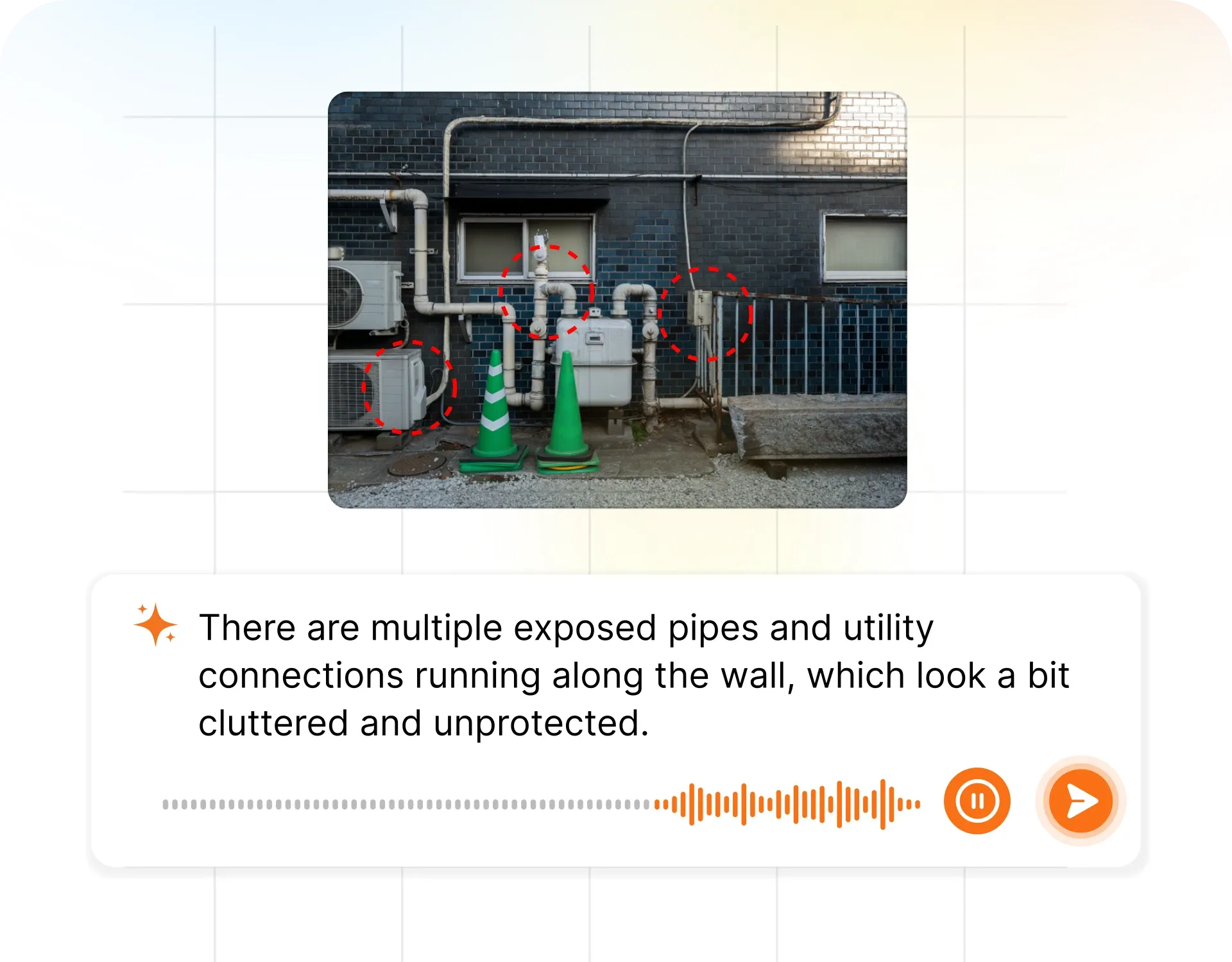
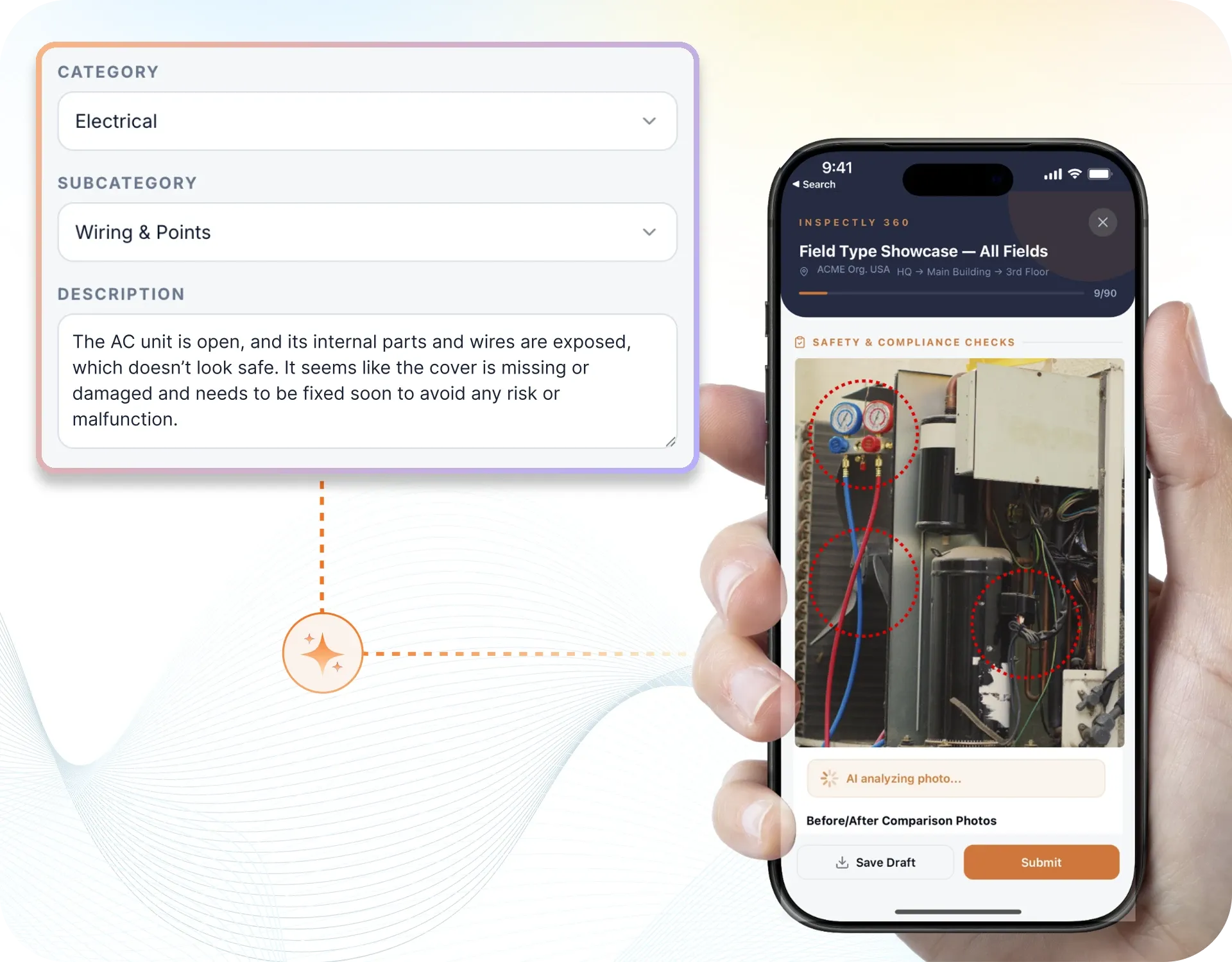
Take a Photo. AI Fills the Form illustration

Take a Photo. AI Fills the Form

Your inspector takes a photo of any asset or defect. AI reads it and fills the inspection form automatically. No typing. No manual entry.

Speak. AI Writes It Down illustration

Speak. AI Writes It Down.

Inspectors speak their observations in any language. AI transcribes and fills the form in real time. Completely hands-free in the field.

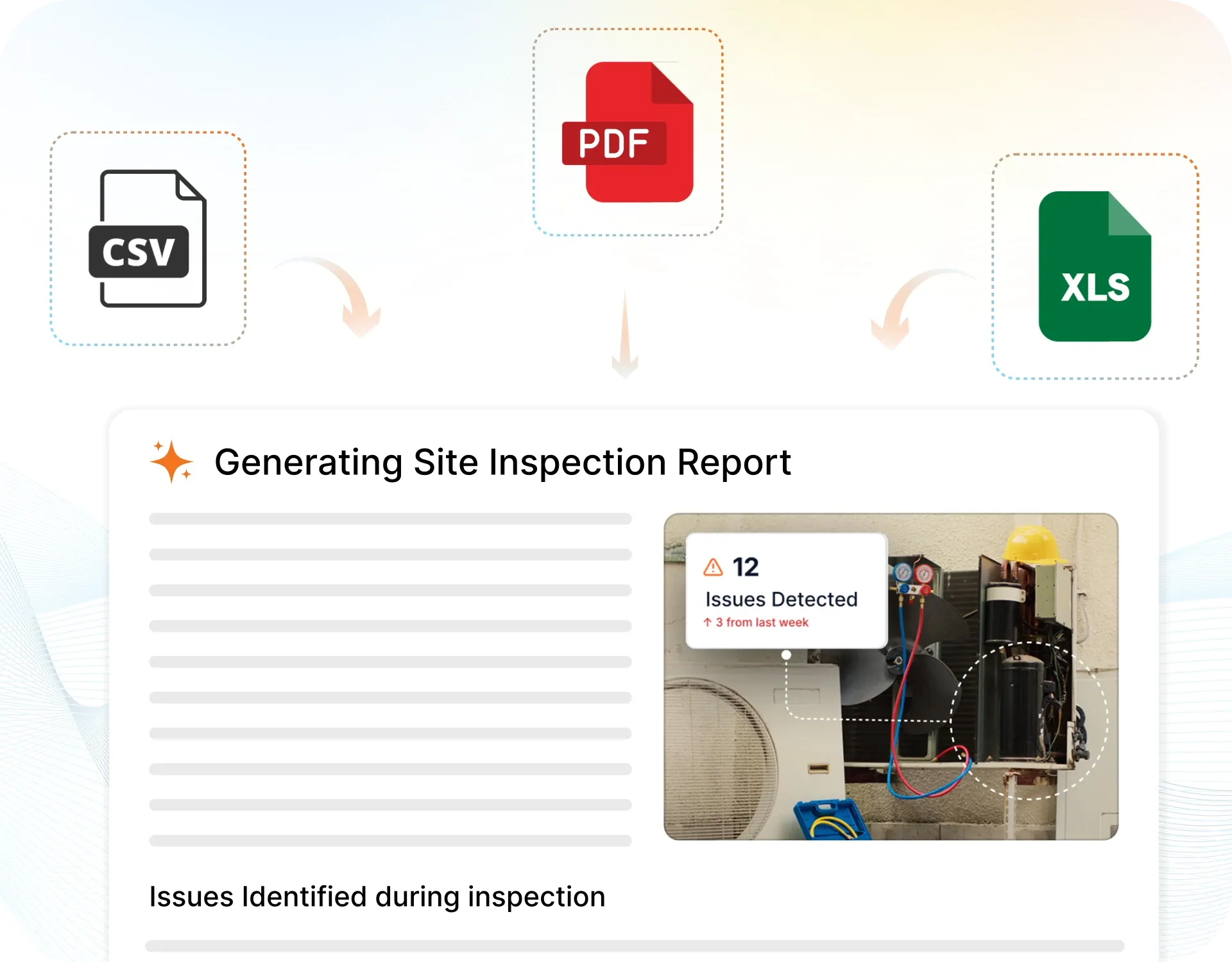
Inspections Done. Report Ready illustration

Inspections Done. Report Ready.

The moment an inspection is submitted, a branded PDF, Excel, or CSV report generates automatically. No manual work. No waiting.

Connect Your Existing Tools illustration

Connect Your Existing Tools.

Inspectly360 integrates with the tools your team already uses, including Zoho, Microsoft 365, and SAP. No double entry.

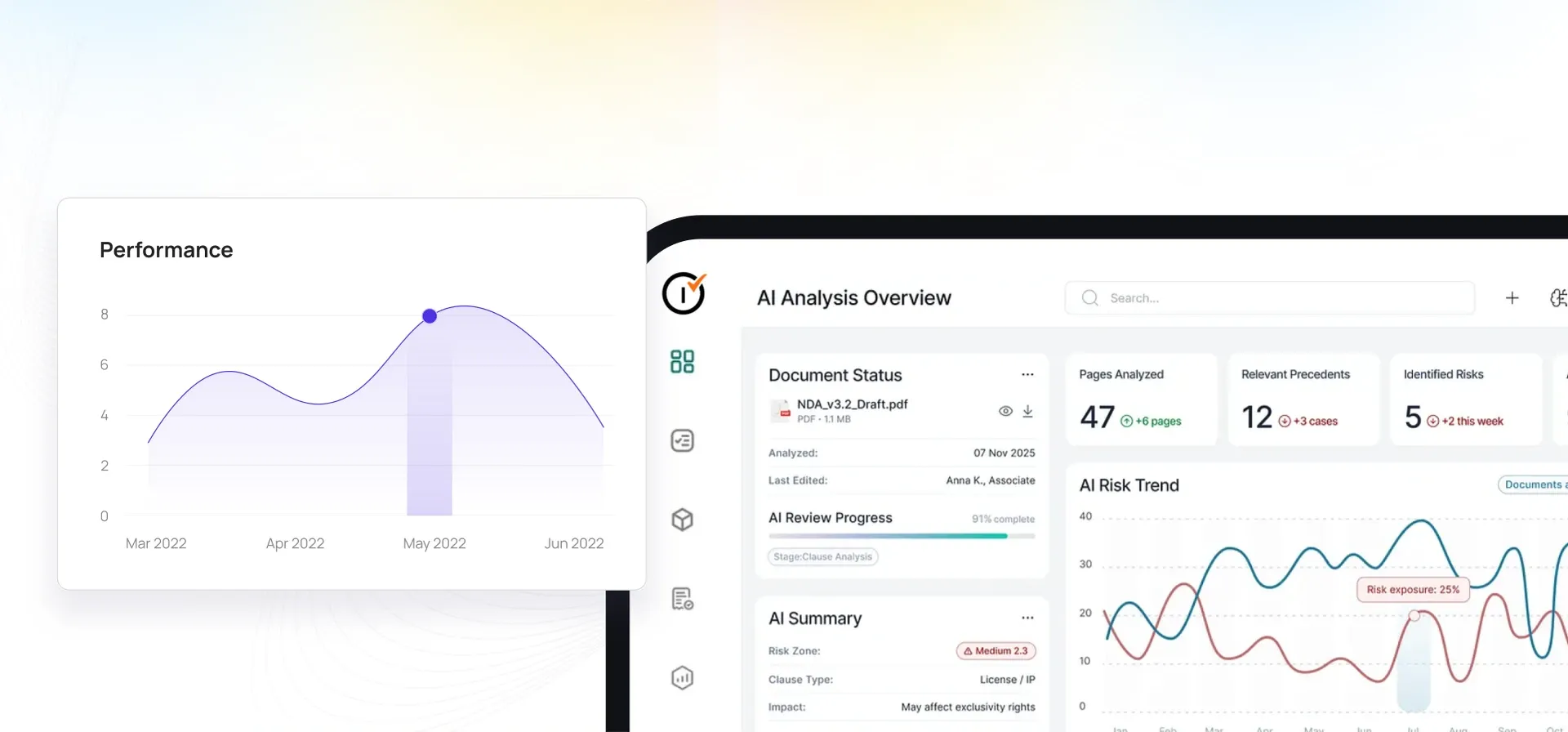
Live Dashboard. Every Site. Always On illustration

Live Dashboard. Every Site. Always On.

Your operations team sees completion rates, open issues, and compliance scores across all sites in real time. No chasing updates.

Frequently Asked Questions

How does a fault reach the contractor who has to fix it?

Findings route to the owner or contractor responsible as soon as they are logged, with the photo attached. This is the step that usually breaks in gym and leisure operations, because a fault noticed during an early walkthrough is reported verbally or in a chat group, and whether it reaches the right person depends on who was on shift. Routing it to a named owner with the evidence attached removes that dependency, and the contractor receives something specific enough to act on rather than a description like broken treadmill in the gym. The result is fewer repeat visits caused by turning up without the right part.

How do we prove a repair was actually completed?

Verification uses the same evidence pattern as the original finding. The fault is captured with a photo when it is found, and the completed work is captured when it is signed off, so the record shows the condition before and after rather than a status change. For facilities that rely on external contractors this is the difference between paying for reported work and paying for verified work. It also matters for member safety, because equipment faults and changing room hazards are exactly the issues that get marked resolved under time pressure. Consistent outputs mean the same evidence can go to a manager, an insurer, or a landlord without being reassembled.

Which checks should run daily and which weekly?

The platform does not impose a schedule, it enforces whichever one you set. In practice teams put the safety-critical and member-facing items on a daily cycle, such as equipment condition, floors, changing rooms, and signage, and put deeper condition audits on a weekly or monthly cycle. Separating them matters because a daily readiness walk and a full equipment audit answer different questions, and averaging them hides problems in both. Recurring checks are scheduled per template so each cycle runs on its own without anyone raising it manually, and a missed check shows as a gap in the schedule rather than being discovered when something goes wrong.

How do we know which equipment keeps failing?

Trend tracking shows recurring issues rather than only current ones. That distinction drives the maintenance budget. A treadmill that faults once needs a repair, and a treadmill that faults every few weeks needs replacing or a different service arrangement, but from inside the day-to-day the two look identical because each fault is handled separately by whoever was on shift. Aggregating faults by equipment and area makes the repeat offenders obvious, which changes what gets prioritised at renewal time. It also gives a facilities manager something concrete when arguing for capital spend, since a documented fault history is more persuasive than a general sense that a machine is unreliable.

Can the same checks be reused across several sites?

Yes, and that is usually the point at which the results become comparable. Equipment and area templates are standardised, so a changing room check at one site covers the same items in the same order as at another. Without that, site comparison is guesswork, because a low score might reflect a stricter checklist rather than a worse facility. Standard templates also shorten onboarding, since a new site inherits an established set of checks instead of someone rebuilding them locally, and they make the reporting output consistent enough to put in front of an area manager or an owner without explanation.

See Gym & sports facilities inspection app in Action

Book a free demo. We will configure this feature against your workflow and show how it runs at your sites.

  • 14 Days Free Trial
  • 1000+ Templates
  • Unlimited Integration