
“Inspectly360 transformed how we manage site safety inspections. The offline capability alone saved us countless hours. Our compliance rate jumped from 72% to 96% in just three months.”
Sarah Mitchell
Meridian Construction Group

Convert your checklist into Mobile App
Looking for capital project management software built around how your portfolio team governs projects? We provide it. Inspectly360 delivers a tailored capital project solution on our platform, configured to your stage gates and governance workflow and integrated with the finance and planning systems you already run. Book a demo to scope it.
Capital project management software helps owners and portfolio teams plan, budget, approve, and govern capital investment projects across a portfolio. Inspectly360 provides a capital project solution tailored to your operation, built on our workflow, evidence, and reporting platform and configured to your stage gates and governance process, integrated with the finance and planning systems you already run.
Without it, capital projects run in isolated spreadsheets. Capital planning is disconnected from delivery, project budgets drift without visibility, approvals are informal, and portfolio management is impossible because no two projects report the same way. Executives see cost overruns after the fact.
Owners and portfolio teams standardise this governance loop.
Capital planning and project budgeting set the investment case, budget, and schedule, so each project starts from an approved financial basis.
Project approvals and change management route capital expenditure decisions through the right authority, so spend is governed, not assumed.
Project tracking and project costs update budget versus actual, so cost drift is visible while a project can still be steered.
Portfolio management compares projects on a common basis, so leadership sees the whole capital programme, not isolated reports.
Project reporting rolls budget, progress, and status up, so capital decisions rest on portfolio evidence rather than late surprises.
Inspectly360 is the capital governance layer. It holds capital planning, budgeting, approvals, cost tracking, and portfolio management, and connects to finance systems for actuals and to construction or delivery tools for execution. It gives owners portfolio governance and executive reporting without replacing the financial ledger or the project-delivery systems it draws from.
Validate four things in the pilot. First, that capital planning and budgeting fit your investment process. Second, that approval and change governance match your delegation of authority. Third, that cost tracking reconciles with your finance actuals. Fourth, that portfolio and executive reporting give leadership what they need. Run one project or a small portfolio so the governance is proven before it scales.
Capital records support governance and audit, so their integrity matters. Inspectly360 enforces role-based access so project teams, finance, and executives each see what they should. Approvals, budgets, and changes are logged and retained, so any capital decision can be traced to the authority and evidence behind it during a governance review or audit.
What Capital Project Management Software covers for your team.
Owners comparing Inspectly360 to spreadsheets see the difference on five points: budget visibility, approval governance, cost control, portfolio comparison, and executive reporting.
| Capability | Without Inspectly360 | With Inspectly360 |
|---|---|---|
| Budget visibility | Project budgets live in separate spreadsheets, so budget versus actual is unknown until a project overruns. | Project budgeting and cost tracking show budget versus actual live, so drift is visible early. |
| Approval governance | Capital expenditure approvals are informal, so spend commitments happen without a governed decision trail. | Project approvals and change management route capital decisions through authority, with a full trail. |
| Cost control | Cost overruns surface at completion, when nothing can be done to recover the position. | Project costs update against budget, so overruns are caught while the project can still be steered. |
| Portfolio comparison | No two projects report the same way, so leadership cannot compare or prioritise across the portfolio. | Portfolio management puts projects on a common basis, so leadership prioritises capital with evidence. |
| Executive reporting | Executive reporting is assembled by hand from inconsistent project sheets and is out of date on arrival. | Project reporting rolls budget and status up live, so executives decide on current portfolio data. |
Manage every checklist in one connected workspace, capture evidence on mobile at the point of work, and let AI turn field inputs into clear, stakeholder-ready reports in minutes.


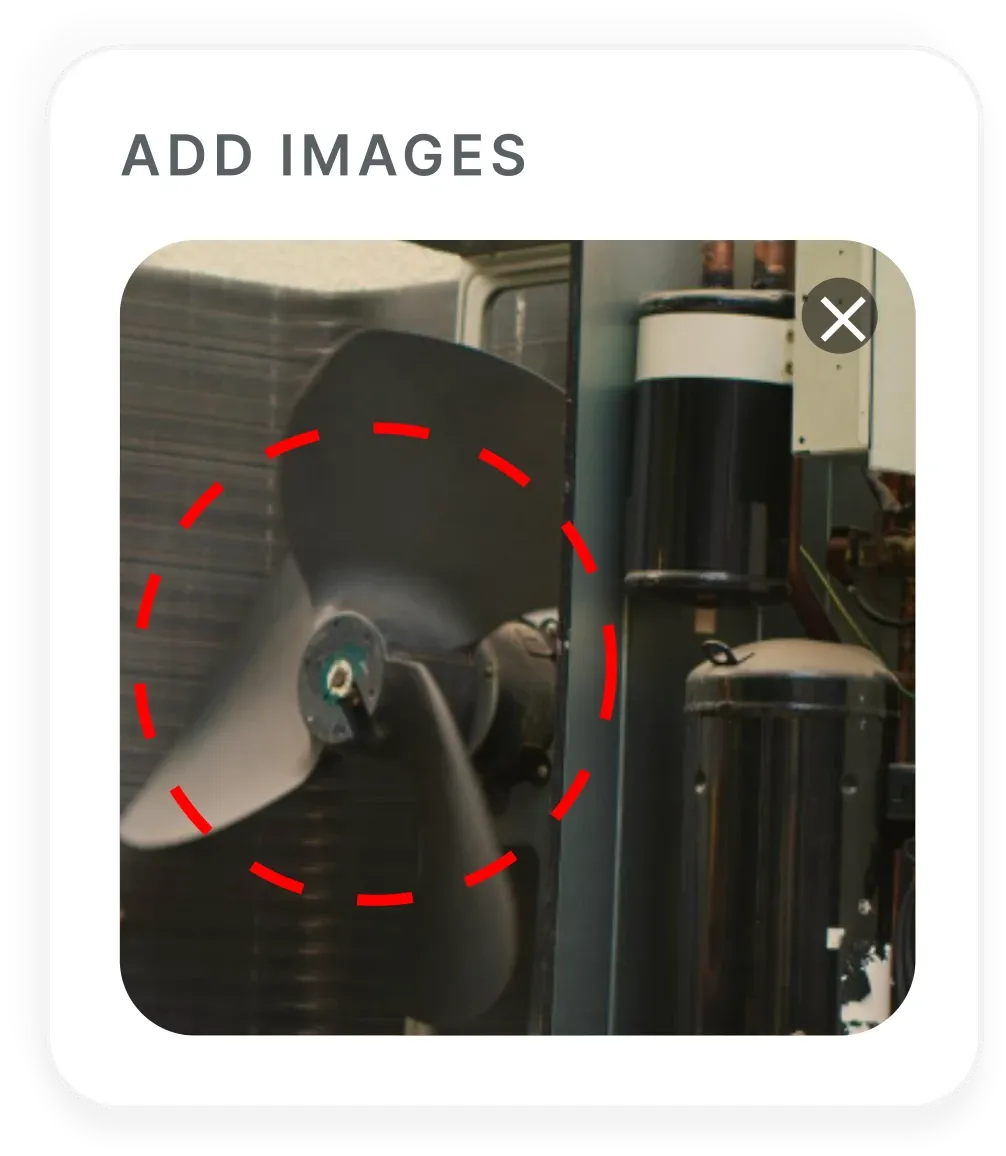
See which checklists your team has in progress across every site, jump into the same inspection with one tap, and keep field, supervisor, and back-office views in sync without sending screenshots on WhatsApp.


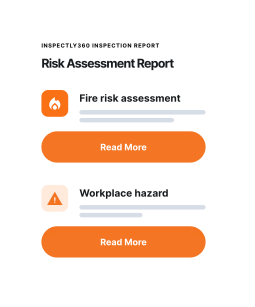
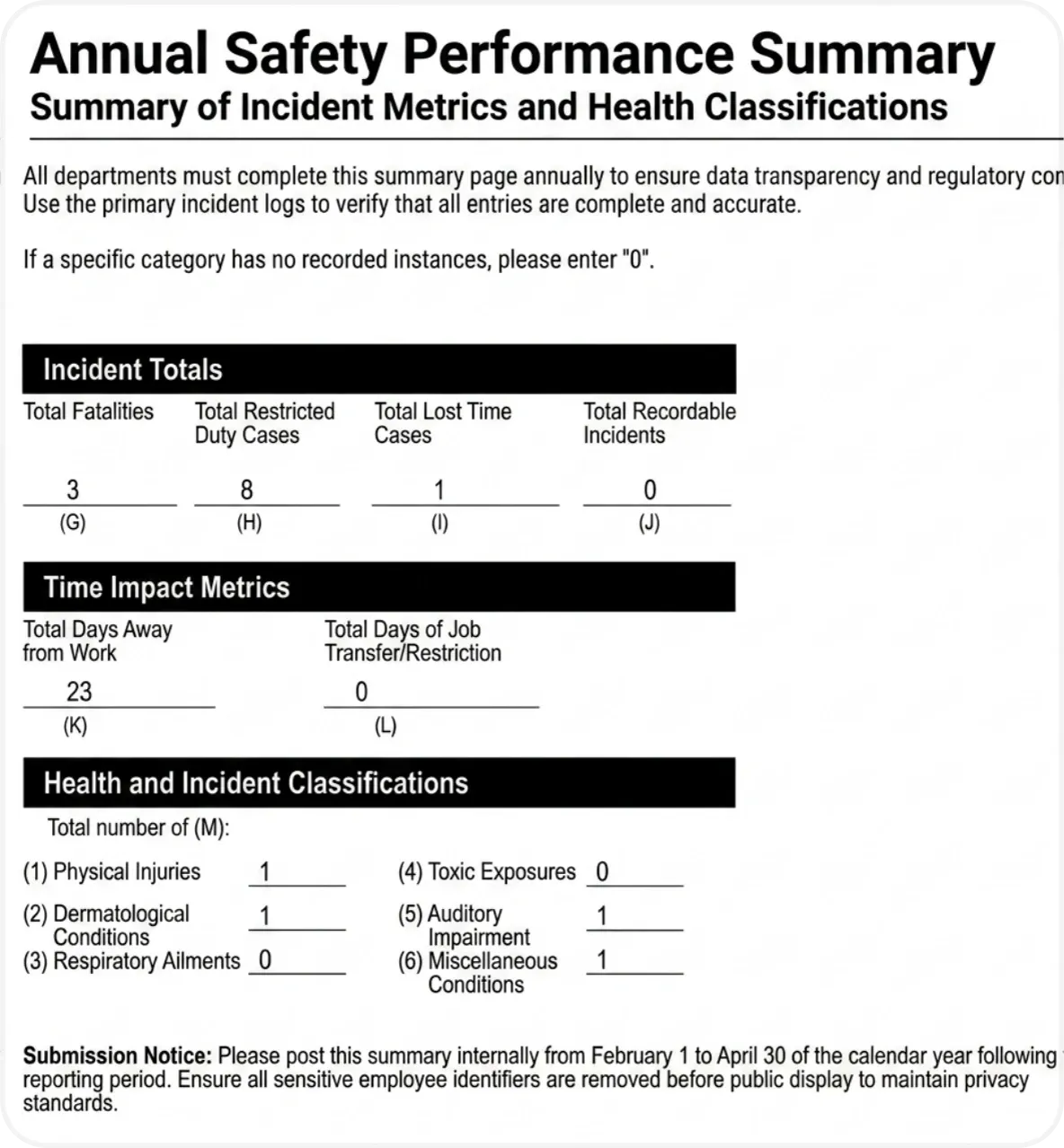


Every team reports differently. Build the report your operations, quality, or compliance leads actually want to read, share it as a branded PDF, and schedule delivery to the stakeholders who need it.

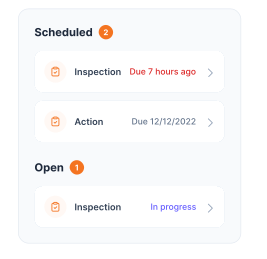

See completion, pass rate, and recurring findings across every checklist and every site, without pulling spreadsheets together at the end of the month.
What changes once capital project management software is standardised on Inspectly360.



“Inspectly360 transformed how we manage site safety inspections. The offline capability alone saved us countless hours. Our compliance rate jumped from 72% to 96% in just three months.”
Sarah Mitchell
Meridian Construction Group

“The AI-powered defect detection has changed how we work. Our inspectors capture photos and the system flags issues we'd have missed. It's like having an expert reviewer on every site visit.”
James Chen
Pacific Manufacturing Co.
“Rolling out digital checklists across multiple projects gave us instant visibility into recurring safety issues. We now resolve critical findings in hours instead of days.”
Olivia Carter
Northbridge Infrastructure
Get started with inspection and audit checklist templates.

Catch defects before handover and generate punch list reports in minutes. Room-by-room finish checks, evidence, and corrective actions.

Pre-handover snagging for new build apartments. Room-by-room finish checks, MEP, and defect tracking before keys.
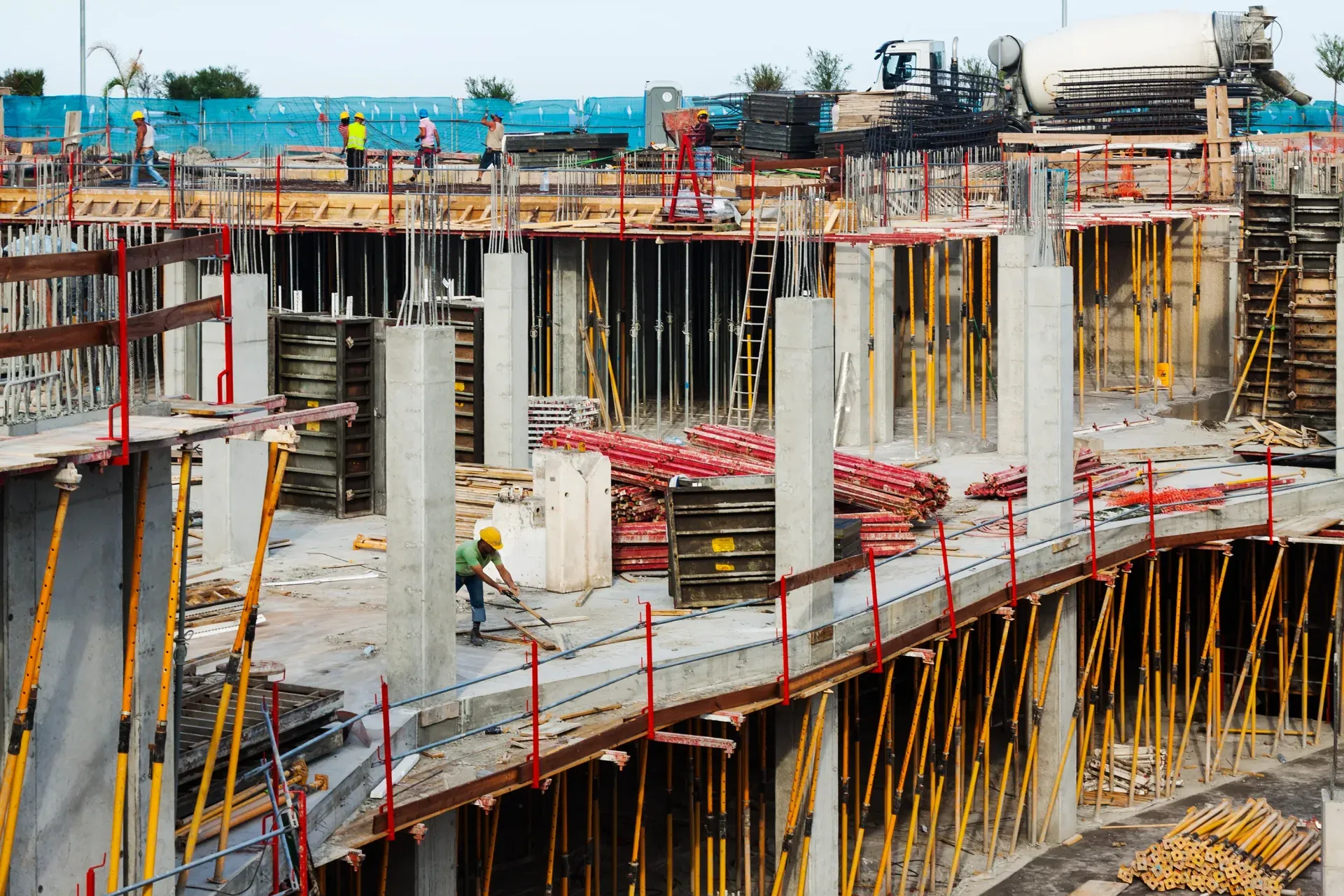
Utilize this Scaffolding Safety Inspection Checklist to spot hazards, verify stability, and ensure compliance with safety standards before work begins.

Capture job details, measurements, work performed, photos, and sign-offs in one structured field service report form.
Use these apps to run inspections and audits.

by Inspectly360
Simplify facilities inspections with forms, photos, and reports.

by Inspectly360
Building condition and compliance inspections with evidence and follow-ups.

by Inspectly360
Digitize building inspection apps workflows with forms, evidence capture, and automated reporting.

by Inspectly360
Run building inspections on phones and tablets with offline forms, photo evidence, and instant reports.

by Inspectly360
Audit buildings with structured scoring, photo evidence, and corrective action tracking across portfolios.
Capital project management focuses on the investment: capital planning, budgeting, approvals, cost control, and portfolio management across a set of projects, from the owner's governance perspective. Construction project management focuses on delivering an individual project: planning, scheduling, tasks, contractor coordination, and documentation on site. The two connect, because a capital project is often delivered as a construction project, but they answer different questions. Capital project management asks whether the right projects are approved, funded, and controlled across the portfolio; construction project management asks how a specific project is built. Inspectly360 keeps them distinct so the capital page emphasises budgets, approvals, and portfolio governance rather than becoming a generic construction-project tool.
Each capital project carries its budget, and project cost tracking updates actual and committed cost against that budget continuously, so budget versus actual is visible throughout rather than only at completion. When a project starts to drift, it is flagged while there is still time to intervene, change the scope, reallocate, or escalate, instead of the overrun being discovered when the money is already spent. Change management ensures budget changes are approved rather than absorbed silently. This turns capital cost control from a retrospective accounting exercise into active governance, where owners steer projects within their approved budgets and can explain any variance with a documented trail of the decisions that caused it.
Portfolio management puts every capital project on a common basis so leadership can see and compare the whole programme rather than isolated project reports. This matters because capital is finite and has to be allocated across competing projects, which is impossible when each reports differently and none rolls up. With a portfolio view, executives can prioritise investment, see aggregate exposure and progress, and make trade-offs between projects with evidence. It also surfaces projects that are slipping or overrunning against the rest, so attention goes where it is needed. Without this common view, capital allocation tends to follow whichever project team reports most persuasively rather than where the evidence says the investment should go.
Capital expenditure decisions and changes route through the approval authority appropriate to their value and type, so significant commitments are made by the right people and recorded. Change management applies the same discipline to scope and budget changes during delivery, so a project's approved position is maintained rather than quietly eroded by unapproved changes. Every approval and change is logged, giving a defensible governance trail. This is central to capital governance, where the organisation must be able to show that major investments were authorised properly and that changes to them were controlled. It replaces informal approvals, which leave no record of who committed the organisation to what, with a governed, auditable decision process.
Yes. Project reporting rolls budget, cost, progress, and status up from the live project data into portfolio and executive views, so leadership sees the current position rather than a hand-assembled summary that is out of date on arrival. Because every project reports on a common basis, the portfolio view is coherent and comparable, and executives can drill from the portfolio into a specific project. This changes executive engagement with capital from reacting to overruns reported after the fact to governing the programme proactively from current data. It also saves the significant effort that goes into manually preparing board and executive reports from inconsistent project spreadsheets before every meeting.
See Inspectly360 in action with a live demo tailored to your needs. No credit card required.