“Inspectly360 transformed how we manage site safety inspections. The offline capability alone saved us countless hours. Our compliance rate jumped from 72% to 96% in just three months.”
Sarah Mitchell
Meridian Construction Group

Convert your checklist into Mobile App
Looking for food traceability software built around how your operation tracks product? We provide it. Inspectly360 delivers a tailored traceability solution on our platform, configured to your lots, suppliers, and recall workflow. Book a demo to scope it.
Food traceability software tracks food and ingredients through the operation: where a lot came from, what it became, where it went, and which lots are affected when something goes wrong. Inspectly360 provides a traceability solution tailored to your operation, built on our records and workflow platform and configured to your lots, suppliers, and process.
When traceability lives on paper and in disconnected systems, a trace takes hours or days. Receiving records, production records, and shipment records are not linked, so identifying which finished products a suspect ingredient reached, or where an affected lot was distributed, is slow and uncertain, exactly when speed matters most in a recall.
We deliver your traceability solution in five steps, from scoping your lots to rollout and support.
We map how you receive, identify lots, process, and ship, so the solution reflects how product actually moves through your operation.
We build receiving records with lot and batch identification and supplier traceability on the platform, so every input is captured at the point of entry.
We configure production, movement, and distribution records and trace-back and trace-forward workflows, so a lot can be followed in both directions.
You run the solution on one product line and rehearse a trace, so the record and recall loop is proven before it scales.
We roll the solution across your products and sites and support it, with traceability records and recall readiness live for your food-safety team.
Food traceability covers following product and ingredients through the operation: lot identification, supplier and receiving records, production and movement, distribution, and trace-back and trace-forward. The scope below is what the platform records, distinct from the broader food-safety programme and inspection workflows.
Inspectly360 is the traceability and records layer beside your ERP or food-safety system, not a replacement for it. Your ERP can hold inventory and orders, and a wider food-safety system can hold HACCP and audits. Inspectly360 owns the traceability workflow: lot identification, supplier and receiving records, movement and distribution, and trace-back and trace-forward. Traceability records link back to the lot, product, and site, so the trace and its evidence sit beside your systems of record without duplicating them.
Validate four things during the pilot rather than after. First, that lots and batches are identified at receiving. Second, that receiving, production, and shipment records link into a complete chain. Third, that a trace-back and trace-forward can be run quickly. Fourth, that a mock recall produces a precise, defensible scope. Run one product line and rehearse a trace so the record and recall loop is proven before it scales.
Traceability records carry food-safety and recall weight, so their integrity matters. Inspectly360 enforces role-based access so teams record receiving and production, food safety runs traces, and leadership sees recall readiness. Lots, suppliers, movement, and distribution are logged and retained for the period your food-safety and regulatory requirements demand, so any claim about where a lot came from or went can be traced to its evidence with time and author preserved.
A traceability rollout works best product line by product line or site by site rather than all at once. Start with the product or site where recall risk is highest, prove the lot, movement, and trace loop there, then extend. Existing supplier and product data import so teams do not start empty. Because the records are configuration rather than code, each product can carry its own lot structure while traceability and recall readiness roll up to one view for food-safety leadership.
What Food Traceability Software covers for your team.
Teams comparing Inspectly360 to paper and disconnected systems for traceability see the difference on five points: lot identification, linkage, trace speed, recall readiness, and records.
| Capability | Without Inspectly360 | With Inspectly360 |
|---|---|---|
| Lot identification | Lots and batches are recorded inconsistently, so inputs cannot be reliably identified later. | Lots and batches are identified at receiving, so every input is traceable from the start. |
| Linkage | Receiving, production, and shipment records are not linked, so the chain is broken. | Records are linked from input to product to shipment, so the chain is complete. |
| Trace speed | A trace takes hours or days across paper and systems, which is too slow in a recall. | Trace-back and trace-forward run in minutes, so affected lots are identified fast. |
| Recall readiness | Recall scope is uncertain, so recalls are broader and costlier than they need to be. | Affected lots and their distribution are known, so a recall is precise and defensible. |
| Records | When an auditor or authority asks for traceability, the record cannot be produced cleanly. | A complete traceability record is produced on demand for an audit or investigation. |
Manage every checklist in one connected workspace, capture evidence on mobile at the point of work, and let AI turn field inputs into clear, stakeholder-ready reports in minutes.


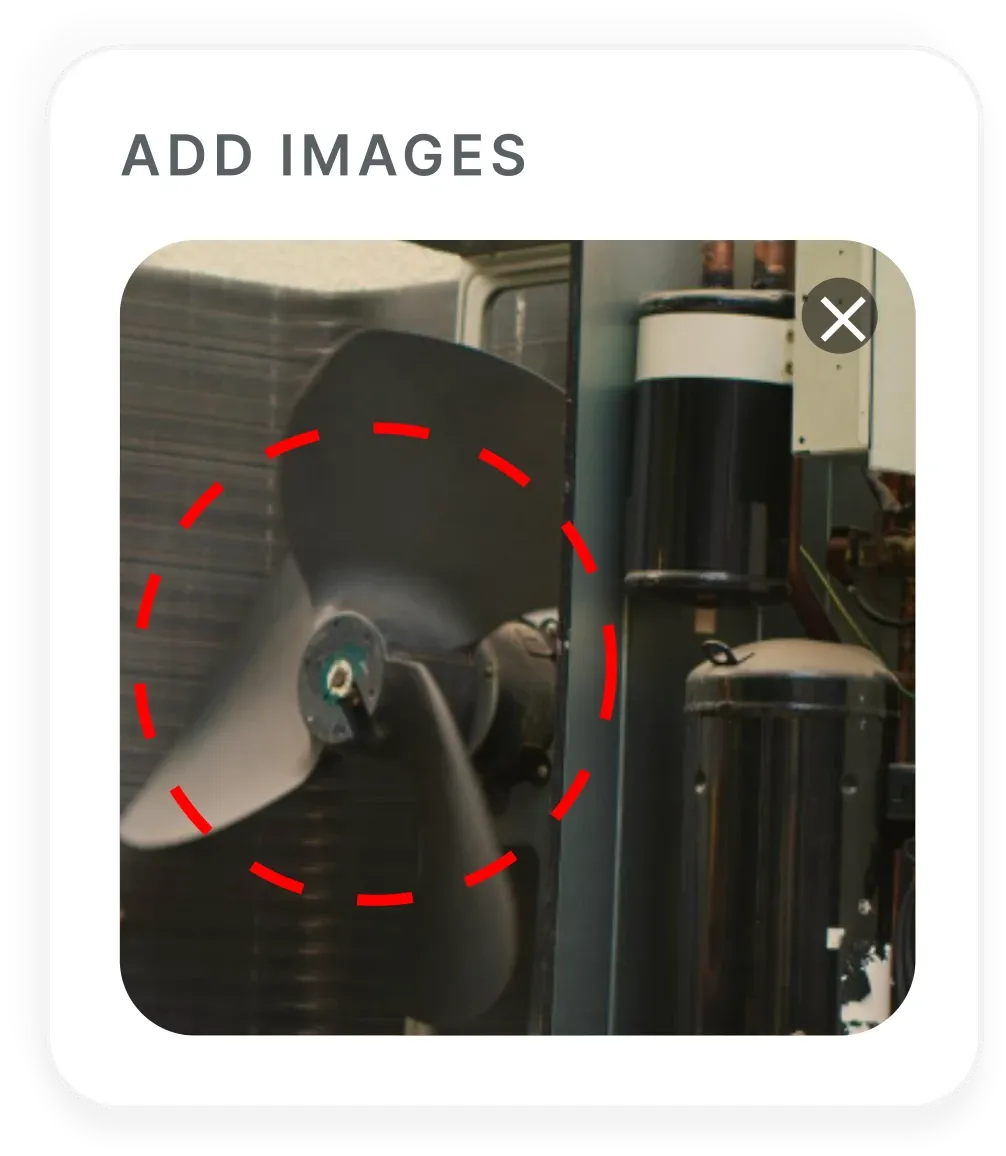
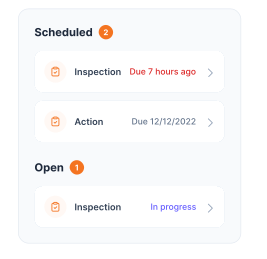
See which checklists your team has in progress across every site, jump into the same inspection with one tap, and keep field, supervisor, and back-office views in sync without sending screenshots on WhatsApp.


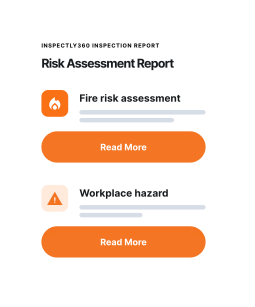
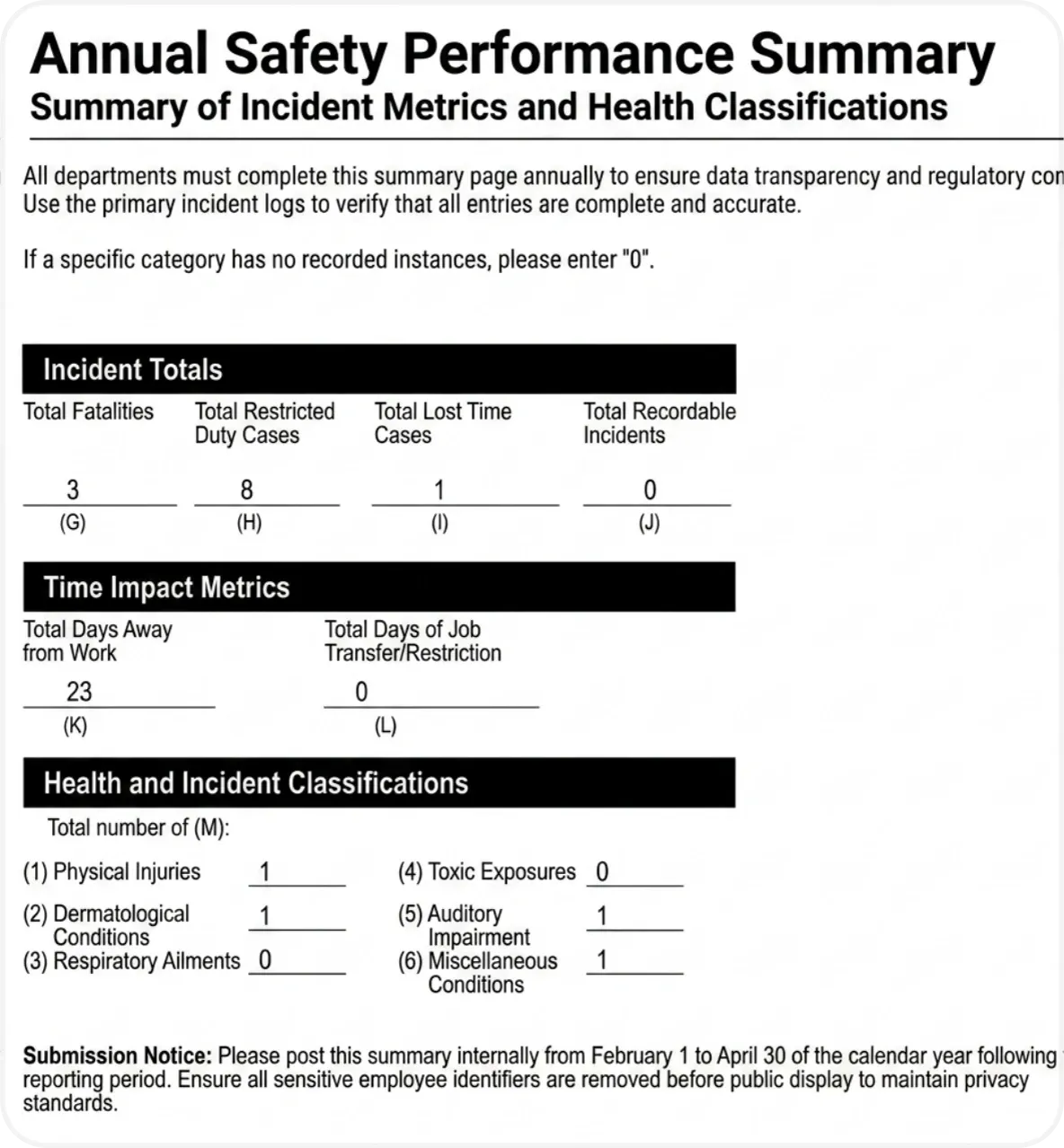


Every team reports differently. Build the report your operations, quality, or compliance leads actually want to read, share it as a branded PDF, and schedule delivery to the stakeholders who need it.


See completion, pass rate, and recurring findings across every checklist and every site, without pulling spreadsheets together at the end of the month.
What changes once food traceability software is standardised on Inspectly360.





“Inspectly360 transformed how we manage site safety inspections. The offline capability alone saved us countless hours. Our compliance rate jumped from 72% to 96% in just three months.”
Sarah Mitchell
Meridian Construction Group
“The AI-powered defect detection has changed how we work. Our inspectors capture photos and the system flags issues we'd have missed. It's like having an expert reviewer on every site visit.”
James Chen
Pacific Manufacturing Co.
“Rolling out digital checklists across multiple projects gave us instant visibility into recurring safety issues. We now resolve critical findings in hours instead of days.”
Olivia Carter
Northbridge Infrastructure
Get started with inspection and audit checklist templates.
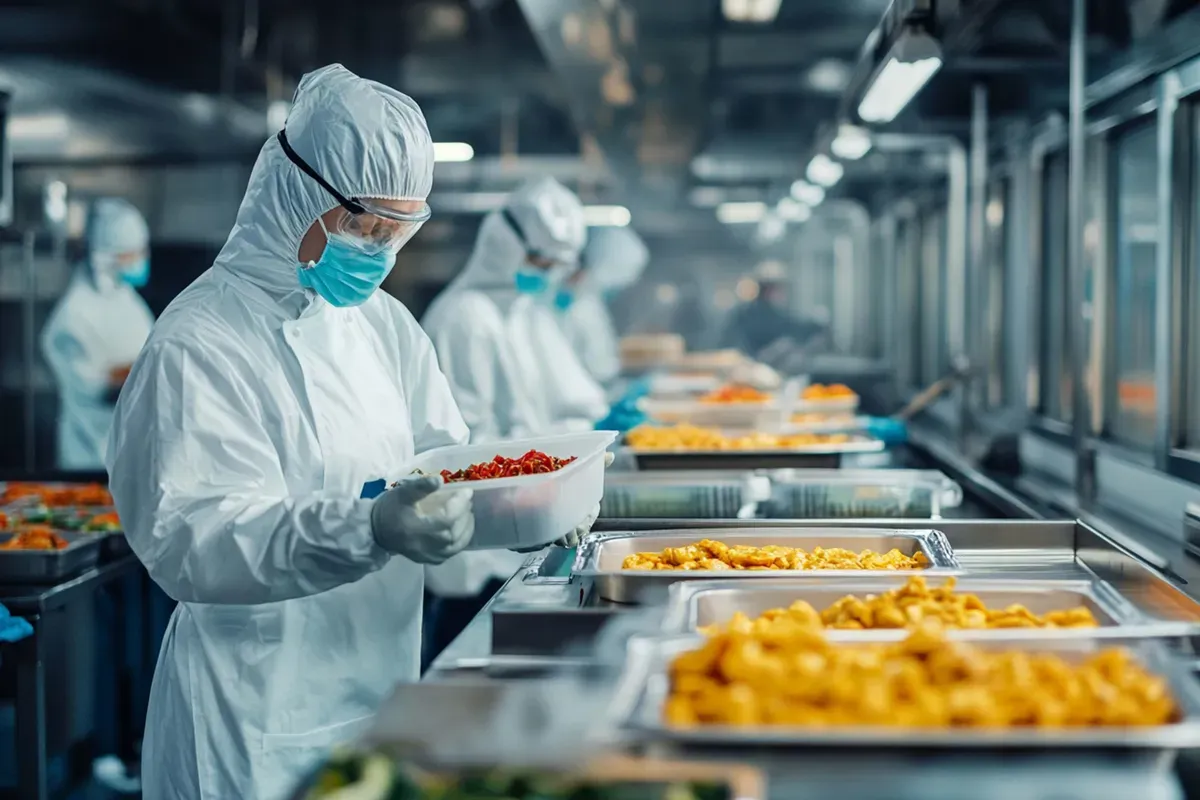
Food safety and hygiene inspections: temperature checks, cleanliness, HACCP points, and corrective actions. Audit-ready evidence.
Inspect a commercial oven end to end: heating elements or burners, temperature controls, thermostat, door and gasket, hinges, gas and electrical connections, ignition, safety controls, racks, chamber, ventilation, and cleanliness, with photo evidence and corrective actions.
Service a commercial ice machine end to end: water inlet, water filter, water distribution, evaporator, condenser and condenser coil, pump, drain, ice production, ice bin, scale, leaks, temperature, and electrical condition, with cleaning, sanitation, and maintenance records.
Inspect a commercial refrigerator end to end: temperature, thermostat and control, door and gasket, shelving, condenser, evaporator, compressor, fans, defrost system, drain, electrical condition, cleanliness, and frost or ice, with alarms and maintenance records.
Use these apps to run inspections and audits.
by Inspectly360
Simplify facilities inspections with forms, photos, and reports.

by Inspectly360
Building condition and compliance inspections with evidence and follow-ups.

by Inspectly360
Digitize building inspection apps workflows with forms, evidence capture, and automated reporting.

by Inspectly360
Run building inspections on phones and tablets with offline forms, photo evidence, and instant reports.
by Inspectly360
Audit buildings with structured scoring, photo evidence, and corrective action tracking across portfolios.
They cover different jobs in food safety and connect. Food safety management, an FSMS, is the broader programme: HACCP, inspections, corrective actions, and records that keep an operation safe. F&B inspection software runs the inspections themselves. Food traceability is specifically about following product and ingredients through the operation: which lot came from which supplier, what it became, where it went, and which lots are affected when there is a problem. Keeping traceability focused on lot and batch history is what stops it becoming another food-safety page. Inspectly360 provides these as connected solutions, so traceability data supports the wider food-safety programme and a food-safety investigation can use the trace, without one repeating the others. If your need is trace-back, trace-forward, and recall readiness, this is the right page.
We build your food traceability solution on the Inspectly360 platform and configure it to your operation, rather than handing you a fixed product. Our team scopes how you receive, identify lots, process, and ship, configures the receiving records, lot identification, production and movement history, distribution records, and trace workflows to match, and rolls it out with a pilot product line first, usually rehearsing a trace so you can see it work. Because the platform is built for configurable records, workflows, and reporting, a traceability solution tailored to your process is delivered without custom code. You get software shaped to how product actually moves through your operation, supported by our team, rather than the paper and disconnected systems that make a trace slow and uncertain.
That speed is the whole point. When traceability lives on paper and across disconnected systems, following a suspect ingredient forward to the finished products it reached, or an affected lot back to its inputs, can take hours or days, which is exactly the time you do not have in a recall. Because receiving, production, movement, and shipment records are linked from input to product to distribution, trace-back and trace-forward run in minutes: you identify which lots contain a suspect input, or where an affected lot was distributed, quickly and with confidence. That means a recall can be scoped precisely to the lots actually affected rather than being widened for safety because the data is uncertain, which reduces both the cost and the reputational damage of a recall. Rehearsing a trace during the pilot is the best way to prove that speed on your real data.
Yes. Recall readiness is judged on how quickly and accurately you can identify and locate affected product, and that depends on the traceability chain being complete and the trace workflows being fast, both of which this solution provides. Because every lot, supplier, production step, and shipment is recorded and linked, you can determine recall scope precisely and produce the supporting records on demand rather than assembling them under pressure during an incident. For audits, food-safety schemes and authorities increasingly expect demonstrable one-up, one-down traceability and the ability to run a mock recall, and a complete, linked record with two-way trace is exactly what satisfies that. Holding traceability in one linked system rather than across paper and spreadsheets is what turns recall readiness from an anxious hope into a demonstrable, tested capability.
Yes. Food operations span suppliers, production sites, and distribution, and traceability only works if the chain holds across all of them. The solution captures supplier and receiving records for every input, links production and movement across sites, and records distribution, so a lot can be followed through a multi-site operation rather than hitting a gap where one site's records stop. Because records are held per lot and per site and roll up centrally, a trace can cross sites, and food-safety leadership sees traceability and recall readiness across the whole operation rather than site by site. This multi-site, multi-supplier reach is what a real food supply chain needs, because a break anywhere in the chain undermines the whole trace, and keeping it linked end to end is what makes traceability genuinely reliable when it is needed most.
See Inspectly360 in action with a live demo tailored to your needs. No credit card required.