“Inspectly360 transformed how we manage site safety inspections. The offline capability alone saved us countless hours. Our compliance rate jumped from 72% to 96% in just three months.”
Sarah Mitchell
Meridian Construction Group

Convert your checklist into Mobile App
Looking for an indoor air quality monitoring system built around how your facilities team manages buildings? We provide it. Inspectly360 delivers a tailored IAQ monitoring solution on our platform, configured to your thresholds and sites and integrated with the IAQ sensors you already run or install. Book a demo to scope it.
An indoor air quality monitoring system uses connected sensors to watch indoor air conditions, such as CO2, particulates, temperature, and humidity, continuously. Inspectly360 provides an IAQ monitoring solution tailored to your operation, built on our alerting, dashboard, and reporting platform and configured to your thresholds and sites, integrated with the IAQ sensors you already run or install.
Without continuous air quality monitoring, indoor conditions are a black box between periodic checks. A CO2 build-up in a busy room, a humidity problem feeding mould, or a particulate spike passes unseen, and the first sign is a complaint or a health effect. There is no data to explain occupant discomfort or to prove conditions.
Facilities and EHS teams standardise this monitoring loop.
Connected IAQ sensors are placed in the spaces that matter, so indoor air quality is measured where people actually are.
Sensor data for CO2, PM2.5, temperature, and humidity streams in real time, so conditions are visible continuously rather than at a single check.
Air quality alerts fire when a measurement crosses a set threshold, so a CO2 build-up or humidity problem is known as it develops.
Environmental monitoring dashboards show current and historical data by space, so patterns and recurring problems are visible.
Air quality reports summarise conditions over time, so occupant environment and environmental compliance can be evidenced.
Inspectly360 is the IAQ monitoring and reporting layer. It brings connected sensor data into one place with alerts, dashboards, and reports, and can complement a building management system by providing occupant-focused air-quality visibility. It focuses on continuous monitoring of the indoor environment, feeding facilities and EHS teams the data they need without replacing the building's control systems.
Validate four things in the pilot. First, that the IAQ sensors cover the measurements and spaces you care about. Second, that real-time data and thresholds fit how you want to be alerted. Third, that dashboards and reports suit your facilities and compliance needs. Fourth, that multi-space monitoring works for your portfolio. Run one building so the monitoring is proven before it scales across the estate.
Air-quality data supports occupant wellbeing and compliance, so its integrity matters. Inspectly360 enforces role-based access so building managers see their spaces and central teams see the estate. Sensor data and reports are retained, so conditions over any period can be evidenced for occupants, tenants, or compliance.
What Indoor Air Quality Monitoring System covers for your team.
Facilities leads comparing Inspectly360 to periodic spot checks see the difference on five points: visibility, early warning, root-cause data, trend insight, and reporting.
| Capability | Without Inspectly360 | With Inspectly360 |
|---|---|---|
| Visibility | Indoor air quality is unknown between periodic checks, so conditions are a black box most of the time. | IAQ sensors stream real-time data, so air quality is visible continuously, not at a single inspection point. |
| Early warning | A CO2 build-up or humidity problem is noticed only when someone complains or feels unwell. | Air quality alerts fire when a threshold is crossed, so a developing problem is known before it harms occupants. |
| Root-cause data | Occupant complaints about stuffiness or discomfort have no data behind them, so causes are guessed. | Sensor data shows CO2, particulates, temperature, and humidity, so the cause of discomfort is evidenced. |
| Trend insight | Without historical data, recurring air-quality problems in a space are never identified as patterns. | Dashboards show trends by space, so recurring problems and their timing become visible and addressable. |
| Reporting | Proving indoor conditions to occupants or for compliance means having no continuous record to show. | Air quality reports evidence conditions over time, so occupant environment and compliance are provable. |
Manage every checklist in one connected workspace, capture evidence on mobile at the point of work, and let AI turn field inputs into clear, stakeholder-ready reports in minutes.

See which checklists your team has in progress across every site, jump into the same inspection with one tap, and keep field, supervisor, and back-office views in sync without sending screenshots on WhatsApp.


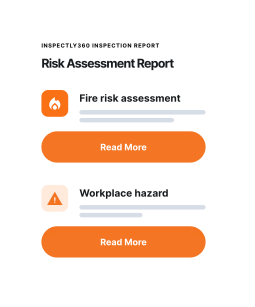
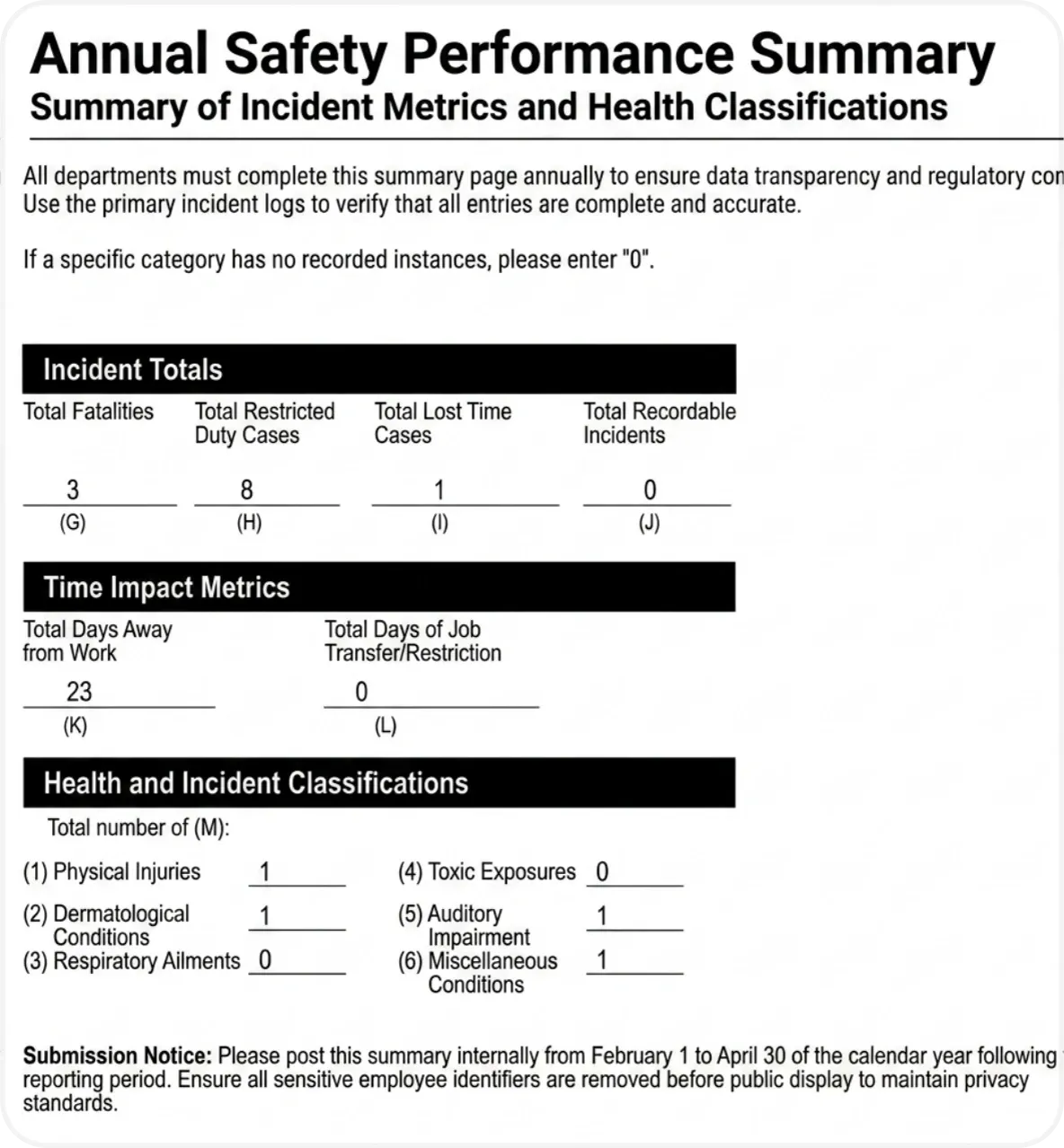


Every team reports differently. Build the report your operations, quality, or compliance leads actually want to read, share it as a branded PDF, and schedule delivery to the stakeholders who need it.

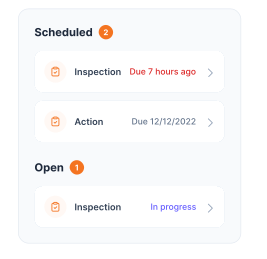

See completion, pass rate, and recurring findings across every checklist and every site, without pulling spreadsheets together at the end of the month.
What changes once indoor air quality monitoring system is standardised on Inspectly360.






“Inspectly360 transformed how we manage site safety inspections. The offline capability alone saved us countless hours. Our compliance rate jumped from 72% to 96% in just three months.”
Sarah Mitchell
Meridian Construction Group
“The AI-powered defect detection has changed how we work. Our inspectors capture photos and the system flags issues we'd have missed. It's like having an expert reviewer on every site visit.”
James Chen
Pacific Manufacturing Co.
“Rolling out digital checklists across multiple projects gave us instant visibility into recurring safety issues. We now resolve critical findings in hours instead of days.”
Olivia Carter
Northbridge Infrastructure
Get started with inspection and audit checklist templates.

Standard site-level inspections for construction, safety, and compliance. Capture conditions, photos, and follow-ups in one place.
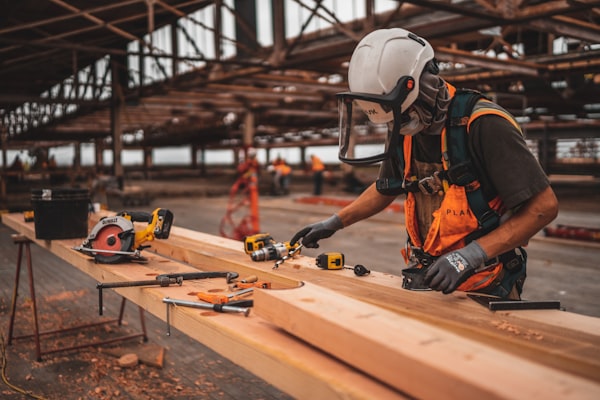
Inspect assets and equipment: condition, location, photos, and maintenance history. Track condition over time.

Complete work orders with checklist items, photos, and sign-off. Track completion and proof of work.

Preventive and corrective maintenance inspections. Log repairs, parts, and condition with photos and follow-ups.
Use these apps to run inspections and audits.

by Inspectly360
Simplify facilities inspections with forms, photos, and reports.

by Inspectly360
Building condition and compliance inspections with evidence and follow-ups.

by Inspectly360
Digitize building inspection apps workflows with forms, evidence capture, and automated reporting.

by Inspectly360
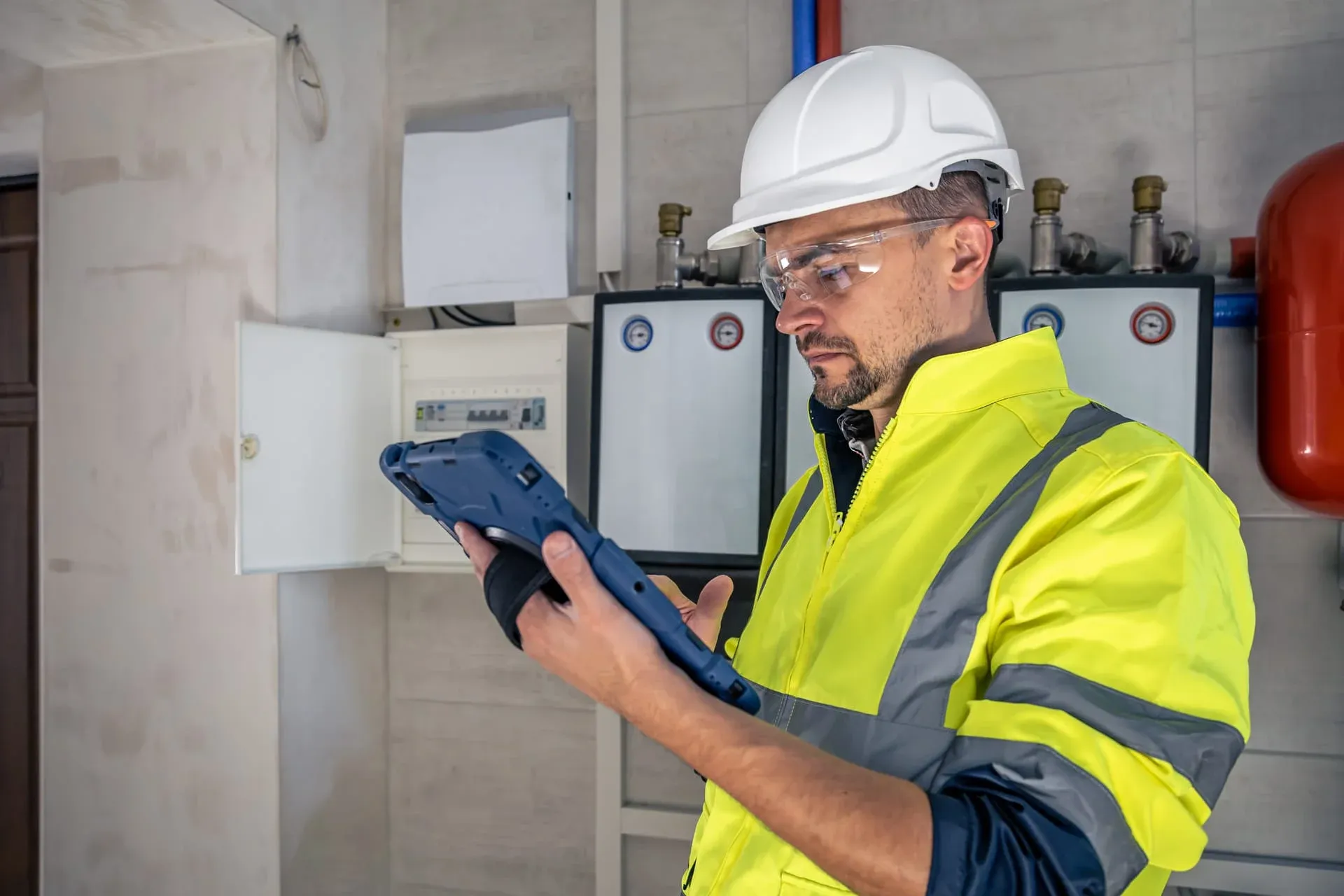
Run building inspections on phones and tablets with offline forms, photo evidence, and instant reports.
by Inspectly360
Audit buildings with structured scoring, photo evidence, and corrective action tracking across portfolios.
An indoor air quality inspection is a point-in-time check, someone takes readings on a visit and records them. An indoor air quality monitoring system uses connected sensors to measure conditions continuously and in real time, so it captures the variation through the day that a single inspection cannot. This distinction matters because air quality changes constantly with occupancy, ventilation, and activity: a room can be fine when inspected and problematic an hour later at peak occupancy. Continuous monitoring catches those build-ups and spikes and alerts on them, and builds a historical record. Inspectly360 focuses this page on continuous monitoring and sensor data rather than periodic inspections or checklists, because early warning and trend data are what monitoring uniquely provides.
It measures the indoor air-quality parameters that connected IAQ sensors provide, typically including CO2, particulate matter such as PM2.5, temperature, and humidity, and other supported measurements depending on the sensors deployed. CO2 is a key indicator of ventilation adequacy and occupant comfort, particulates relate to air cleanliness and health, and temperature and humidity affect both comfort and problems like mould. The exact measurements depend on the sensors used in your environment, which the deployment sets up. The point is continuous visibility of the conditions that affect occupant health and comfort, so that when someone reports the air feels stuffy or a space feels unhealthy, there is real data on the specific parameters rather than guesswork about what might be wrong.
You set thresholds for the measurements that matter, for example a CO2 level indicating inadequate ventilation or a humidity level associated with mould risk, and air quality alerts fire when a sensor reading crosses that threshold. This gives early warning of a developing problem, so facilities or EHS teams can act, increasing ventilation, investigating a source, or addressing a humidity issue, before occupants are affected or complain. Because monitoring is continuous, the alert reflects the actual condition at the moment it occurs rather than being discovered at the next inspection. This turns indoor air quality from something managed reactively after complaints into something managed proactively from real-time data, which is the central benefit of a monitoring system over periodic checks.
Yes. Building air quality monitoring is designed for facilities teams managing multiple spaces across one or many buildings, with sensors deployed in the areas that matter and all their data brought into one view. Dashboards show air quality by space, floor, and building, so a facilities team can see the whole portfolio's occupant environment and identify where problems concentrate. Role-based access lets a building manager focus on their site while central teams see everything. This portfolio view is important because indoor air quality is increasingly a facilities and occupant-wellbeing priority across whole estates, not just individual rooms, and managing it centrally from continuous data is far more effective than relying on scattered periodic checks in individual spaces.
Yes. Air quality reports provide a continuous record of indoor conditions over time, which supports environmental compliance where standards apply and helps demonstrate a healthy environment to occupants. As awareness of indoor air quality grows, occupants and tenants increasingly expect evidence that the spaces they use are being monitored and managed, and a monitoring system with reporting provides exactly that. Rather than asserting that conditions are acceptable, a facilities team can show the data: the levels maintained, the alerts responded to, and the trends over time. This builds trust and, where regulations or standards specify indoor environmental conditions, provides the continuous evidence that periodic spot checks cannot, making compliance a matter of showing the record rather than reconstructing it.
See Inspectly360 in action with a live demo tailored to your needs. No credit card required.