Can I compare performance across stores?
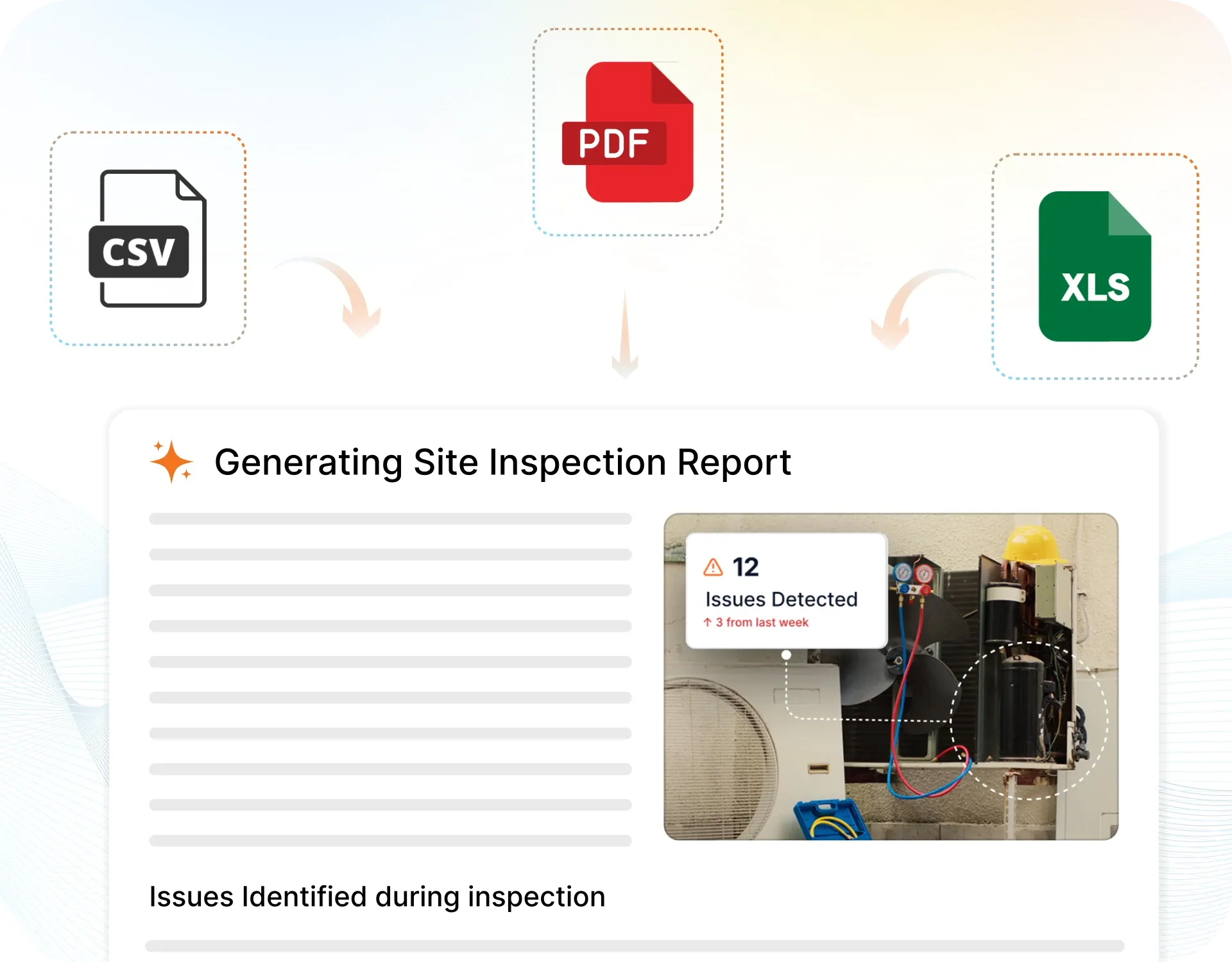
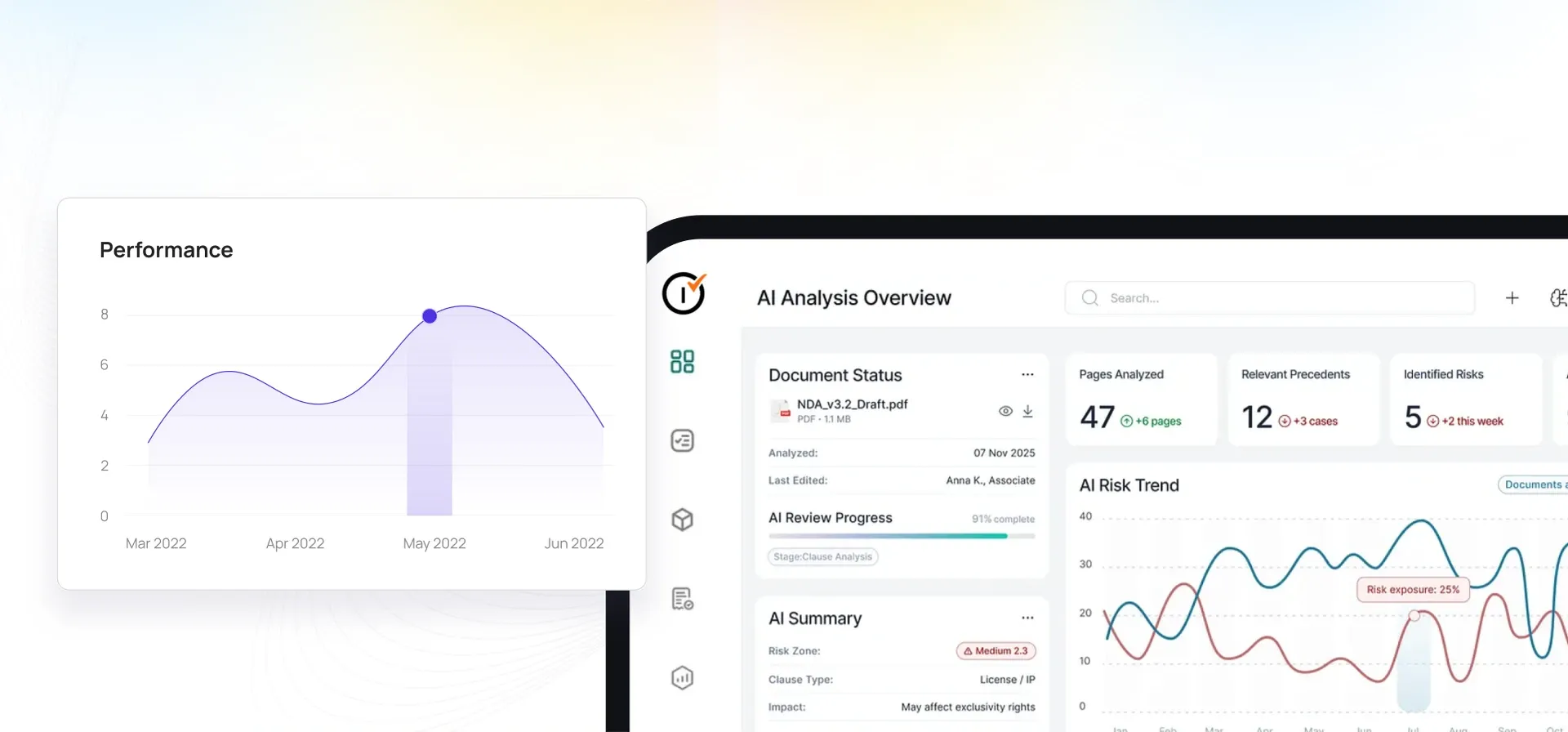
Yes. The grocery and supermarket inspection app uses standardized templates, so every store audit captures the same data in the same way. Because the criteria and scoring are identical across locations, results are directly comparable on the analytics dashboard. Regional leaders can rank stores, see which locations consistently meet standards, and spot which ones are slipping. The dashboard also shows recurring issues across the estate, for example a hygiene check that repeatedly fails in several stores, which usually points to a process or training gap rather than one weak shift. This turns scattered audits into a clear, current view of performance across every supermarket and grocery location.
Can audits be scheduled?
Yes. You set recurring schedules for store audits by day, week, or month, and assign them to the right managers and area leaders. The app sends reminders before each audit is due, so daily walkthroughs and weekly deep checks happen on time without anyone chasing. If an audit is missed, it is visible on the dashboard rather than quietly disappearing. Scheduling matters in grocery operations because hygiene, stock presentation, and safety checks need to happen at a consistent cadence to be meaningful. Recurring schedules also make it easy to prove to auditors that checks happened on a regular basis, with timestamps on every completed inspection.
Can I require evidence for certain findings?
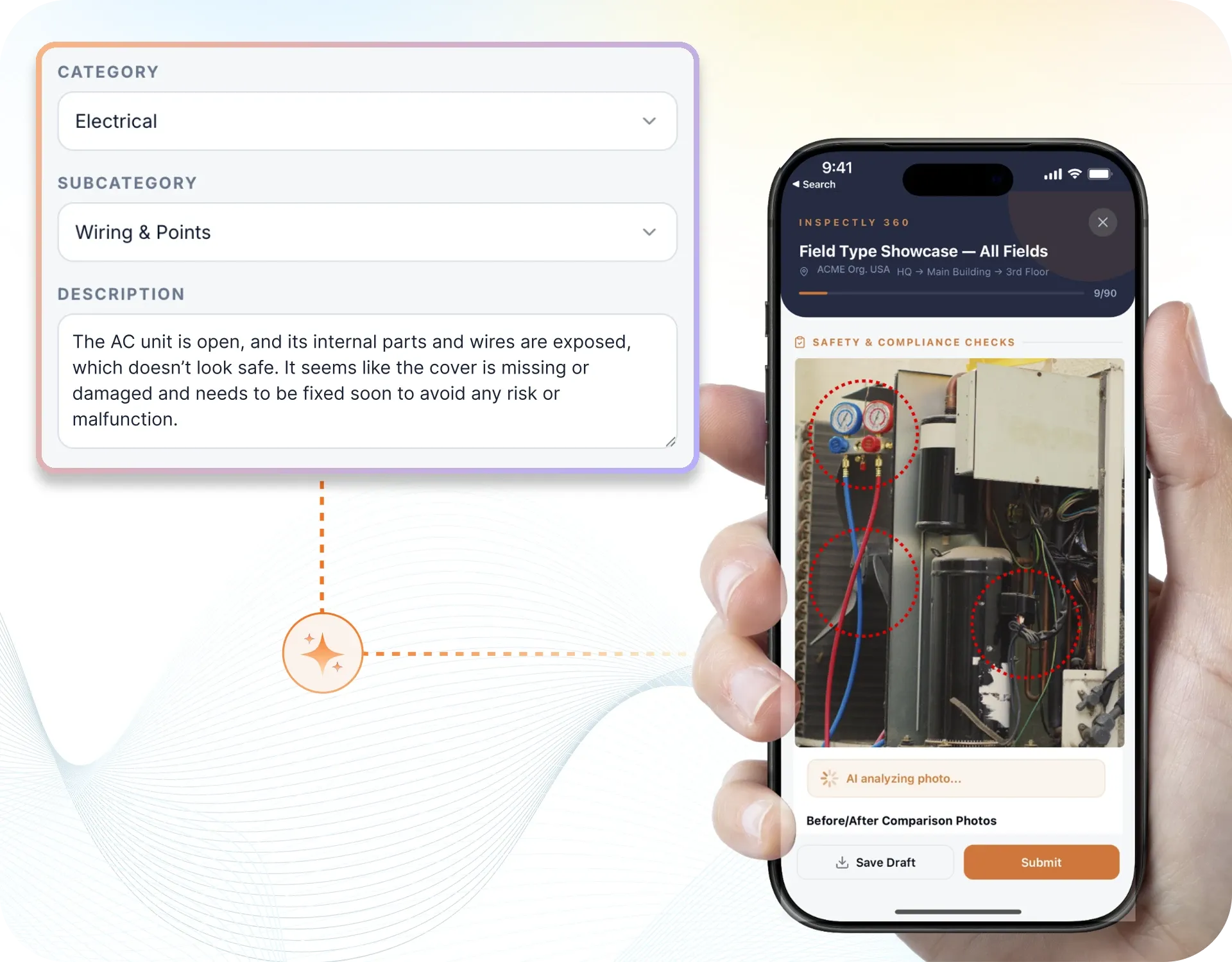
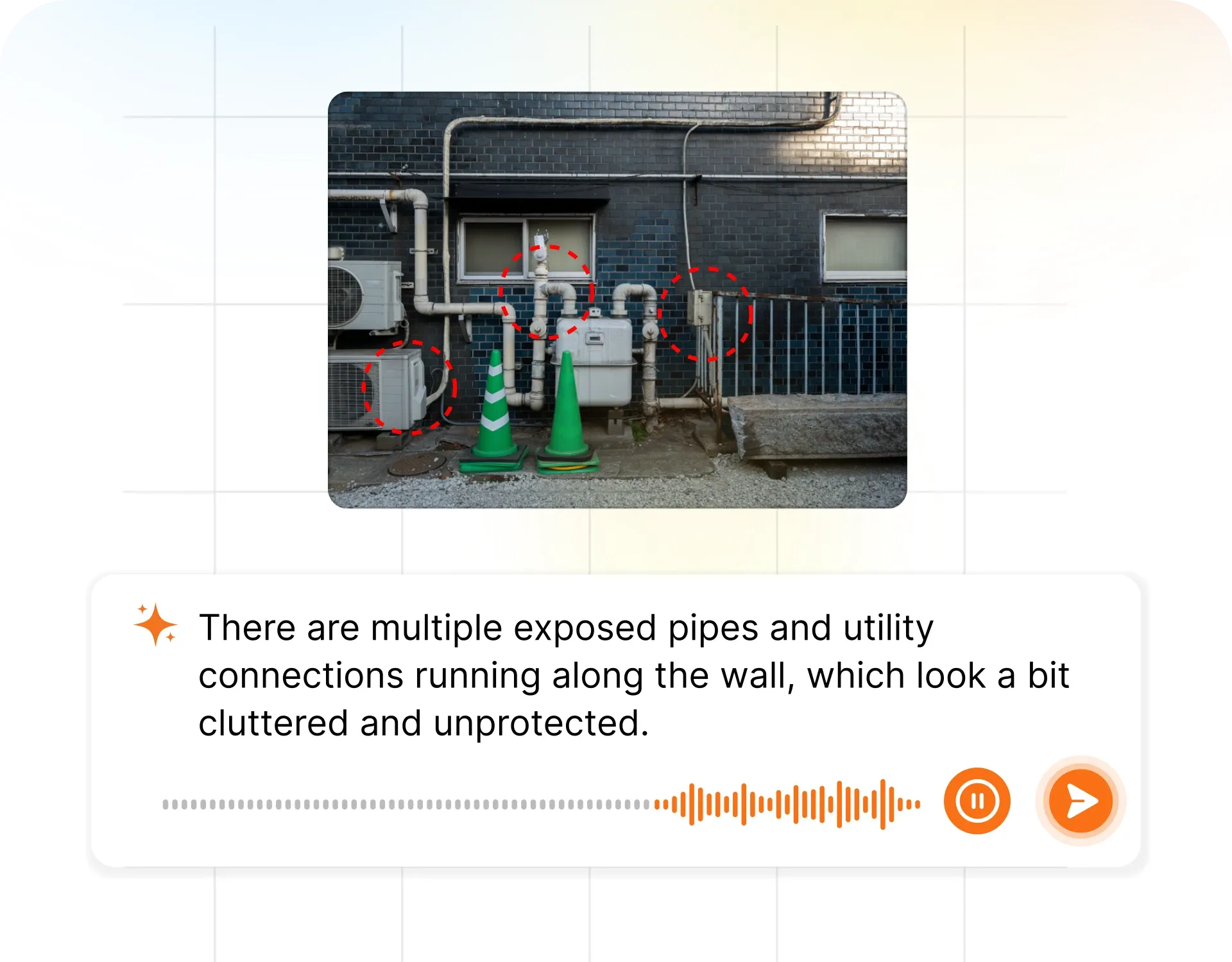
Yes. You can make photo evidence mandatory on specific checklist items, so the audit cannot be submitted without it. This is useful for findings that need proof, such as a chiller temperature reading, an unstocked shelf, expired stock, or a cleanliness issue in a back-of-house area. Inspectors capture the photo live inside the app and can annotate it to point out the exact problem. Required evidence keeps records verifiable and removes disputes during follow-up, because the owner of the issue sees precisely what the auditor saw. It also strengthens your audit trail, which matters when you need to demonstrate compliance with FSSAI or local health department requirements.
Does the grocery inspection app work offline in chillers and stockrooms?
Yes. The Inspectly360 mobile app works fully offline on iOS and Android. Store teams complete audits, capture photos, and log issues with no internet connection, and everything syncs automatically once the device reconnects. This matters in supermarkets, because walk-in chillers, cold storage, and back-of-house stockrooms often have weak or no Wi-Fi. Temperature checks and hygiene inspections are captured the moment they happen, so records are never delayed or lost while waiting for a signal. Offline capture also means the audit experience stays fast and reliable for the team, which is what keeps frontline staff actually using the app rather than reverting to paper.
How does the app help with FSSAI and food safety compliance?
The grocery and supermarket inspection app helps with FSSAI and food safety compliance by digitising hygiene checks, temperature logs, and stock rotation audits into structured digital checklists. Every completed inspection is timestamped and stored with photo evidence, so you build a complete audit trail without paper filing. When a check fails, for example a chiller running above the safe range, the app can require a photo and trigger a corrective action, so the deviation and its fix are both documented. When a health department or FSSAI auditor visits, you can produce digital records on demand instead of searching through binders. The dashboard also flags stores with overdue or failed checks, so risk is visible before it becomes a violation.
How quickly can a grocery chain get started with Inspectly360?
Most grocery and supermarket operators run their first store audit soon after signing up. Inspectly360 needs no technical setup, and frontline staff usually learn the app in a single short session because it follows familiar mobile patterns. You can build store audit templates with a drag-and-drop builder, or send your existing paper checklists to the Inspectly360 team and have them configured for you, so you go live with the forms your team already knows. Rolling out across many stores is straightforward, because templates and schedules are shared centrally and applied to every location at once. Admins can adjust templates, scoring, and reporting at any time as standards change.