Can I standardize inspections across all properties?
Yes. The hotel inspection app uses shared templates, so every property runs the same room readiness, housekeeping, and brand standards checks. You build a template once, and it applies across teams, shifts, and properties, which keeps standards consistent whether a guest checks into your flagship hotel or a smaller site. Because every inspection captures the same data, results are directly comparable on the dashboard, so a brand standards team can see which properties hold the line and which slip. You can still adapt a template for a specific property type or region when needed, but the core standards stay the same everywhere. This is what makes a portfolio-wide quality benchmark possible.
Can housekeepers attach photos to a failed room check?
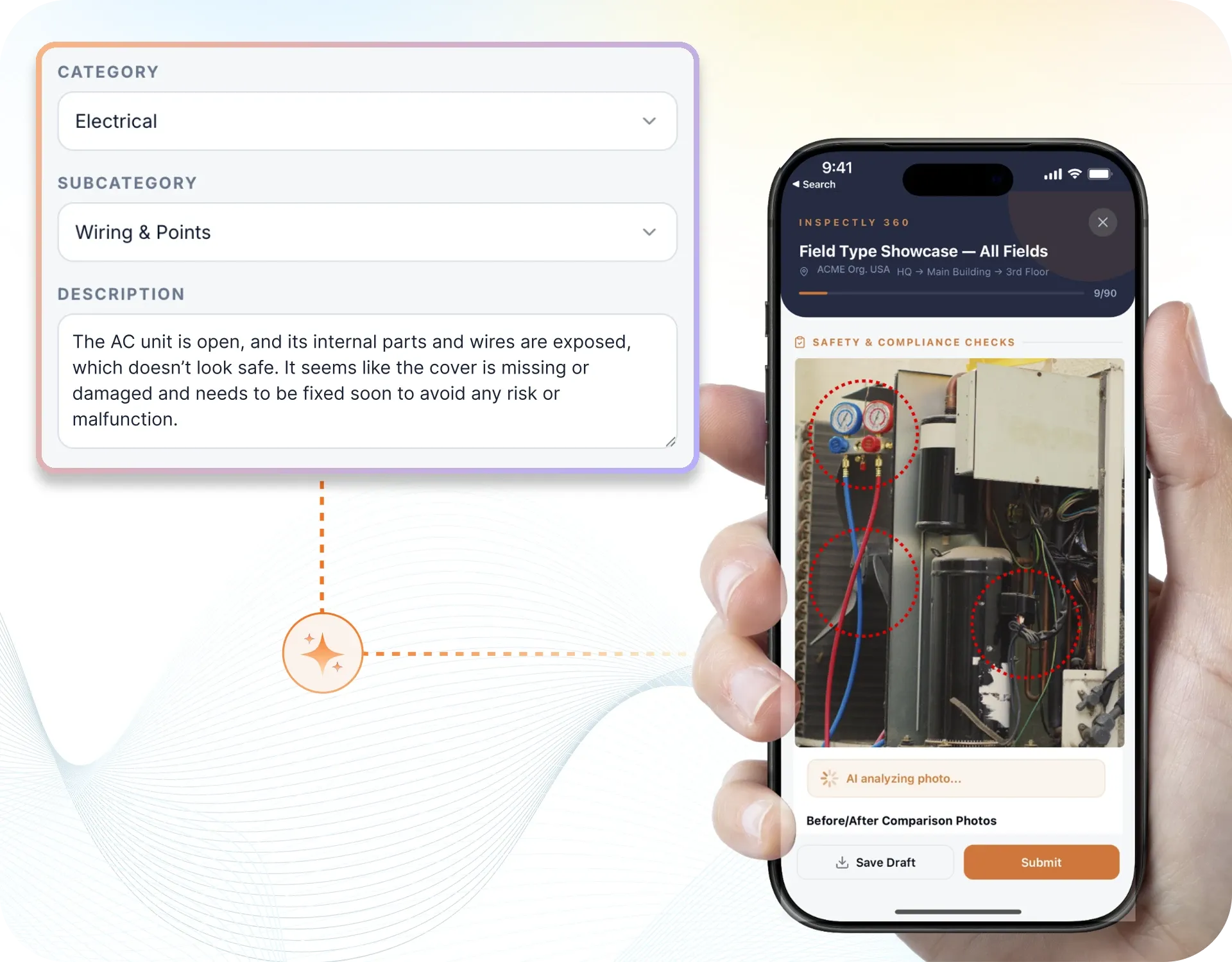
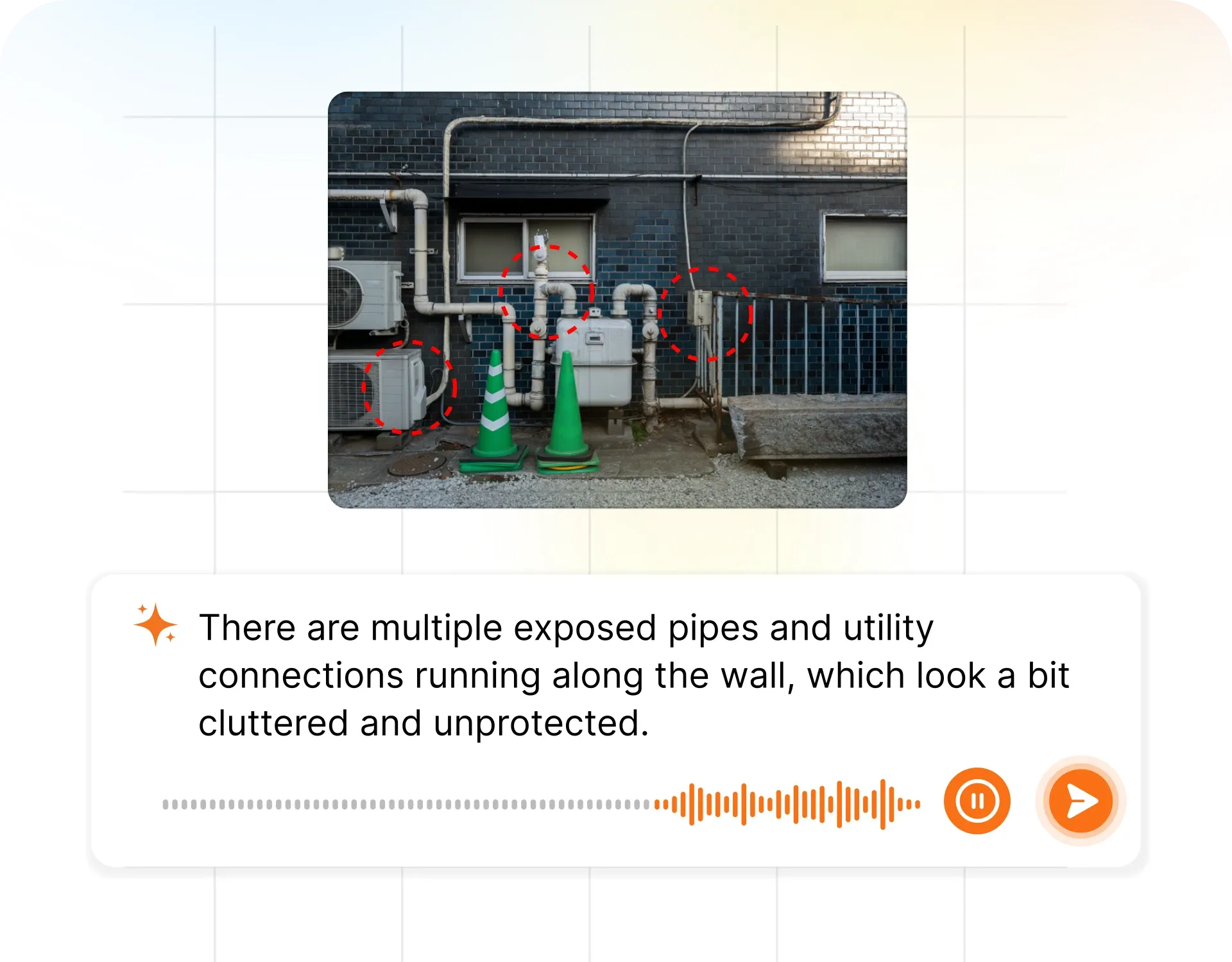
Yes. Inspectors capture photos directly inside the hotel inspection app and attach them to the exact checklist item, so a failed room check always comes with proof. They can annotate photos with arrows, circles, and text to point out the specific issue, such as a stained carpet, a faulty fixture, or a maintenance defect. You can make photo evidence mandatory on chosen items so the inspection cannot be submitted without it. Evidence tied to findings speeds resolution, because a maintenance technician or supervisor sees exactly what needs fixing rather than reading a vague description. It also supports coaching, because the manager can show the housekeeper precisely what fell short of the standard.
Can I trend results across properties?
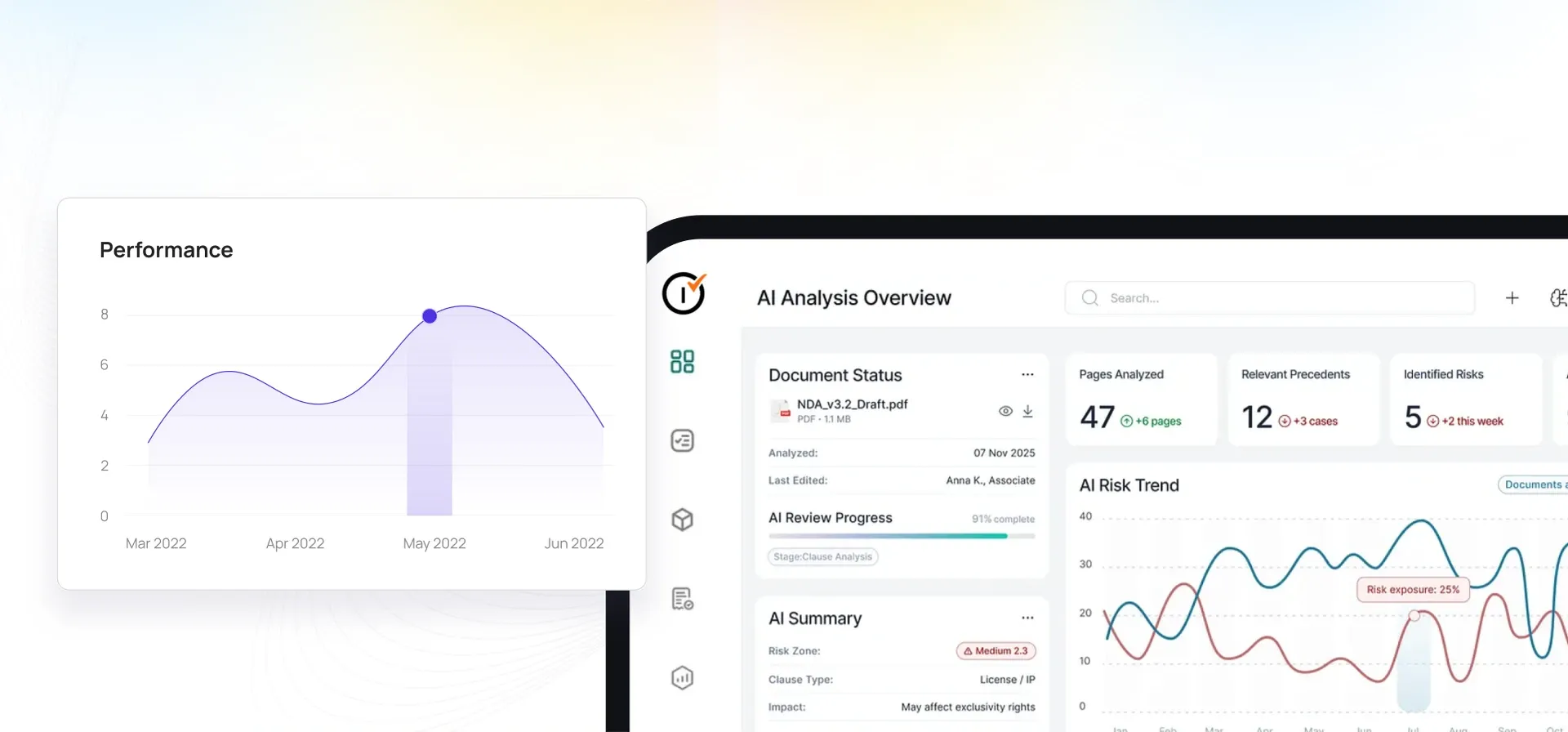
Yes. Every submitted inspection feeds the analytics dashboard, so the hotel inspection app turns repeat checks into quality trends. You can see how a single property is improving or slipping over time, compare properties side by side, and spot which brand standards fail most often across the portfolio. This shifts oversight from reacting to one bad inspection to managing patterns. A standard that consistently scores low across several properties usually points to a training gap or a process problem rather than one weak shift. The dashboard updates as soon as an inspection is submitted, so management always works from a current picture rather than a report that is days old.
Does the hotel inspection app work offline in guest rooms and basements?
Yes. The Inspectly360 mobile app works fully offline on iOS and Android. Housekeeping and maintenance teams complete inspections, capture photos, and log issues with no internet connection, and everything syncs automatically once the device reconnects. This matters in hotels, because guest rooms behind thick walls, basements, plant rooms, and back-of-house areas often have weak or no Wi-Fi. Room readiness checks are captured the moment they happen, so records are never delayed or lost while waiting for a signal. Offline capture also keeps the app fast and reliable for the team, which is what keeps housekeeping staff using it on every round rather than reverting to paper sheets.
How does the app help reduce guest complaints?
The hotel inspection app reduces guest complaints by catching problems before a guest does. Structured room readiness checks make sure every room is inspected against the same standard before it is released for occupancy, so a stained towel or a broken fixture is found by the team rather than the guest. When an inspection flags a critical issue, the app routes it straight to a supervisor or maintenance technician with a deadline, so it is fixed fast instead of sitting in a WhatsApp thread. The dashboard also shows recurring issues, so management can fix the root cause of a repeated problem. Guests rarely complain about a single lapse, but they do complain when the same issue happens twice and nothing changes.
How does the app support brand standards audits?
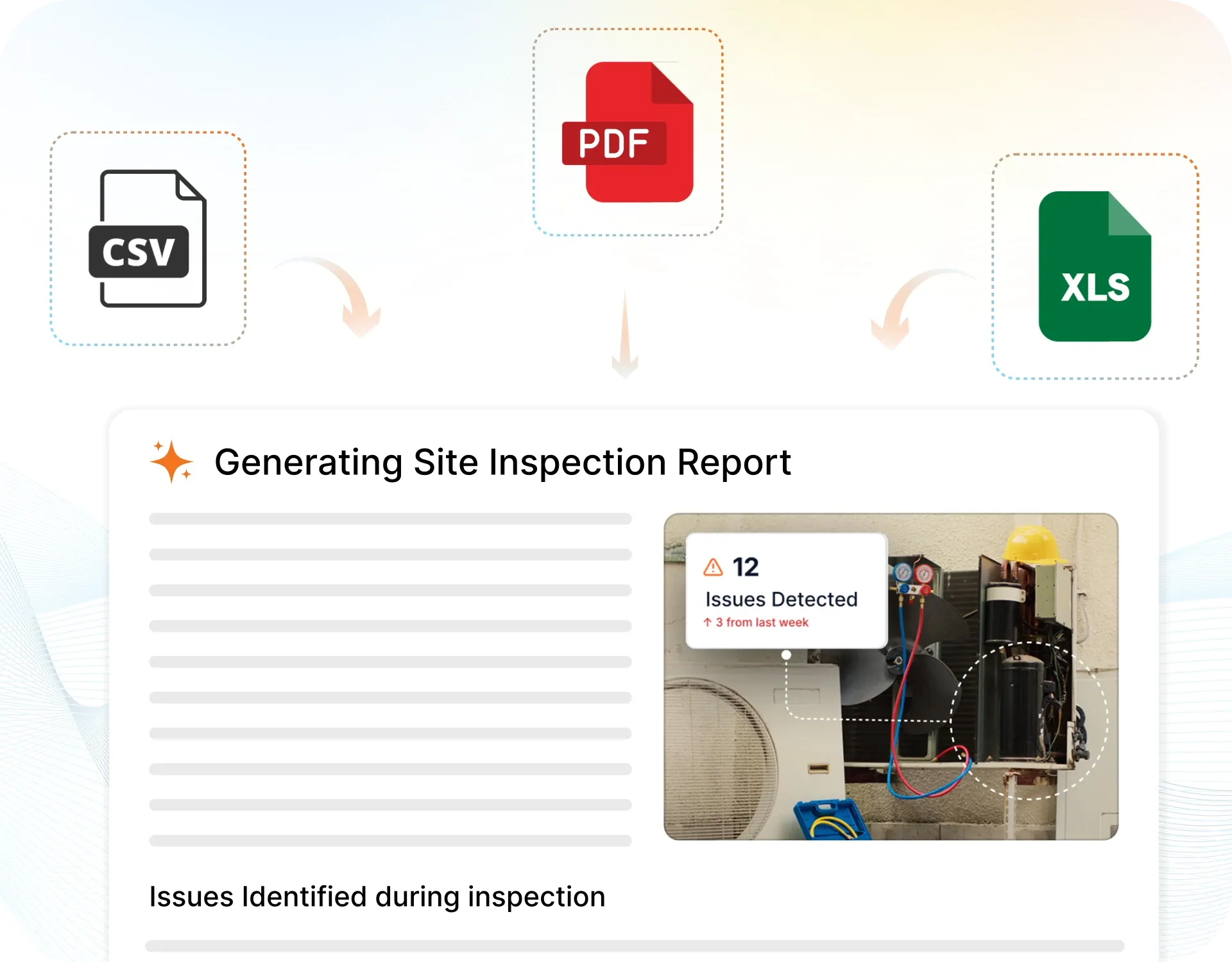
The hotel inspection app supports brand standards audits by turning the brand standard into a digital checklist that every property runs in the same way. Auditors complete the standards inspection on a mobile app, capture photo evidence on each finding, and submit a formatted report the moment the audit is finished, with no manual write-up. Scores roll up to a dashboard, so a brand standards team can compare properties, track improvement over time, and see which standards fail most often. When a property falls short, the audit can trigger corrective actions that are tracked to verified closure rather than just marked done. This gives the brand a consistent, evidence-backed view of standards across the whole portfolio.