“Inspectly360 transformed how we manage site safety inspections. The offline capability alone saved us countless hours. Our compliance rate jumped from 72% to 96% in just three months.”
Sarah Mitchell
Meridian Construction Group

Convert your checklist into Mobile App
Looking for an elevator monitoring system built around how your facilities team runs its portfolio? We provide it. Inspectly360 delivers a tailored lift monitoring solution on our platform, configured to your buildings and contractors and integrated with the maintenance and monitoring feeds you already run. Book a demo to scope it.
An elevator monitoring system gives facilities and property teams a live view of lift status, faults, and downtime across every building they manage. Inspectly360 provides an elevator monitoring solution tailored to your operation, built on our mobile alerting and reporting platform and configured to your buildings and contractors, integrated with the maintenance and monitoring feeds you already run.
Without it, a lift fault is usually reported by the person stuck in front of it. The management team learns about downtime late, cannot see whether the maintenance contractor has responded, and has no record of how often a particular lift fails. Availability targets and service charges are argued from anecdote because nobody holds the data.
Facilities teams standardise this loop across a lift portfolio.
Each lift's operational status and location sit on one dashboard, so the management team sees the state of the whole portfolio at a glance.
A fault or an out-of-service condition raises an alert with the lift, the building, and the time, so downtime is known immediately rather than reported by a tenant.
The alert routes to the responsible contractor or engineer with the detail they need, and the response clock starts against the service agreement.
The system records when the contractor responded and when the lift returned to service, so downtime and response time are measured, not estimated.
Availability, downtime, and repeat-fault patterns roll up per lift and per building, so recurring problems and underperforming contracts are visible.
Elevator monitoring covers the live condition and response record for every lift in the portfolio. It tracks operational status, faults, downtime, and contractor response, and links to the scheduled maintenance and statutory examination records held elsewhere. The scope below is what the monitoring layer watches and records, distinct from the planned servicing programme and the periodic thorough examination.
Templates align to EN 81-20 / EN 81-50, LOLER 1998, ASME A17.1 / A17.4.
Inspectly360 is the live monitoring and response layer for lifts, and it connects to the maintenance and inspection records rather than replacing them. Scheduled servicing lives in maintenance software, and statutory thorough examinations live in inspection software. The monitoring system holds live status, faults, downtime, and the response record, and links each lift to its service and examination history. This gives the facilities team one connected view of a lift, current condition alongside planned servicing and statutory examination, without duplicating any of them.
Validate four things in the pilot. First, that the monitoring signals your lifts and contractors can provide map into the status model. Second, that fault alerts route to the right contractor with a response clock tied to the correct service agreement. Third, that downtime and availability calculations match how your service charges and tenant reports are defined. Fourth, that building managers and the portfolio lead see the right scope through role-based access. Run one building end to end so the alert-to-repair loop is proven on real events before extending to the portfolio.
Lift status data drives tenant reporting and contractor performance reviews, so its integrity matters. Inspectly360 enforces role-based access so a building manager sees their site and the portfolio lead sees the estate. Events and responses are logged and retained for the period your reporting and audit needs require, so an availability figure can always be traced to the events behind it. Contractor response records are held against the service agreement, giving an evidence base for performance reviews.
Start with the buildings where lift reliability causes the most tenant friction, prove the monitoring and response loop there, then extend across the estate. Existing lift and contract details load so the portfolio view is populated from the start. Because the alert routing and service agreements are configuration, each building can carry its own contractor and response terms while availability reporting rolls up to one portfolio view for the management team.
What Elevator Monitoring System covers for your team.
Facilities teams comparing Inspectly360 to phone calls and contractor spreadsheets see the difference on five points: fault awareness, response accountability, downtime measurement, repeat-fault visibility, and availability reporting.
| Capability | Without Inspectly360 | With Inspectly360 |
|---|---|---|
| Fault awareness | The first sign of a fault is a tenant complaint or a person stuck in the lift. The management team learns of downtime after the fact. | A fault or out-of-service condition raises an alert with the lift, building, and time, so downtime is known the moment it starts. |
| Response accountability | Whether the contractor has responded is unclear. Chasing happens by phone and the response time is nobody's recorded number. | Alerts route to the responsible contractor and the response clock runs against the service agreement, so accountability is recorded. |
| Downtime measurement | Downtime is estimated from memory when a dispute arises, and estimates from the two sides rarely agree. | The system records fault time and return-to-service time, so downtime per event is measured rather than argued. |
| Repeat-fault visibility | A lift that fails repeatedly is not flagged, so the underlying problem is patched again and again without being solved. | Repeat faults per lift are visible, so a chronic unit is identified for a deeper fix rather than another temporary reset. |
| Availability reporting | Availability figures for service charges and tenant reporting are assembled by hand and easily challenged. | Availability and downtime roll up per lift and building from recorded events, so reporting rests on data. |
Manage every checklist in one connected workspace, capture evidence on mobile at the point of work, and let AI turn field inputs into clear, stakeholder-ready reports in minutes.
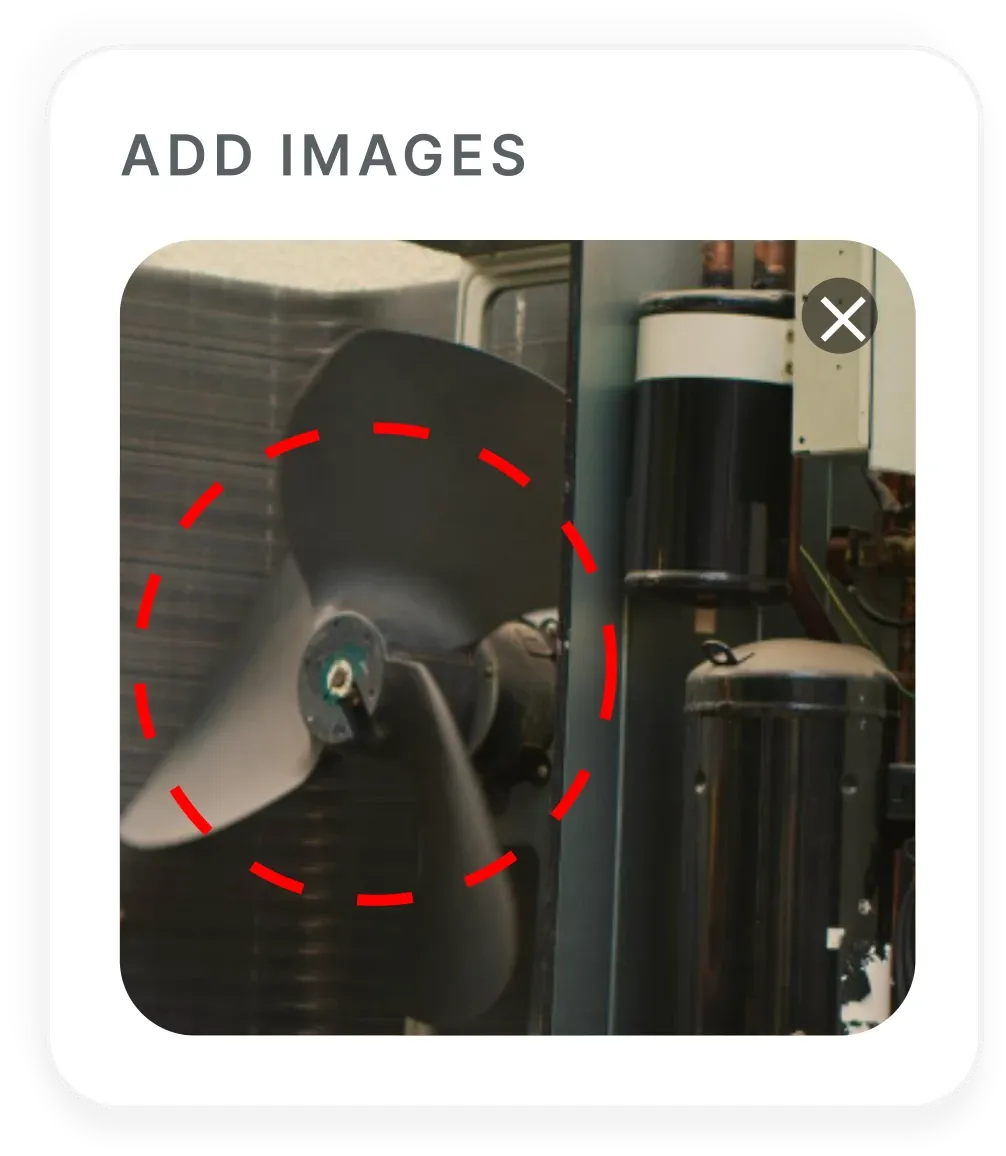
See which checklists your team has in progress across every site, jump into the same inspection with one tap, and keep field, supervisor, and back-office views in sync without sending screenshots on WhatsApp.


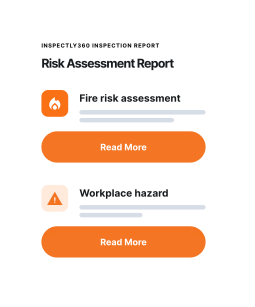
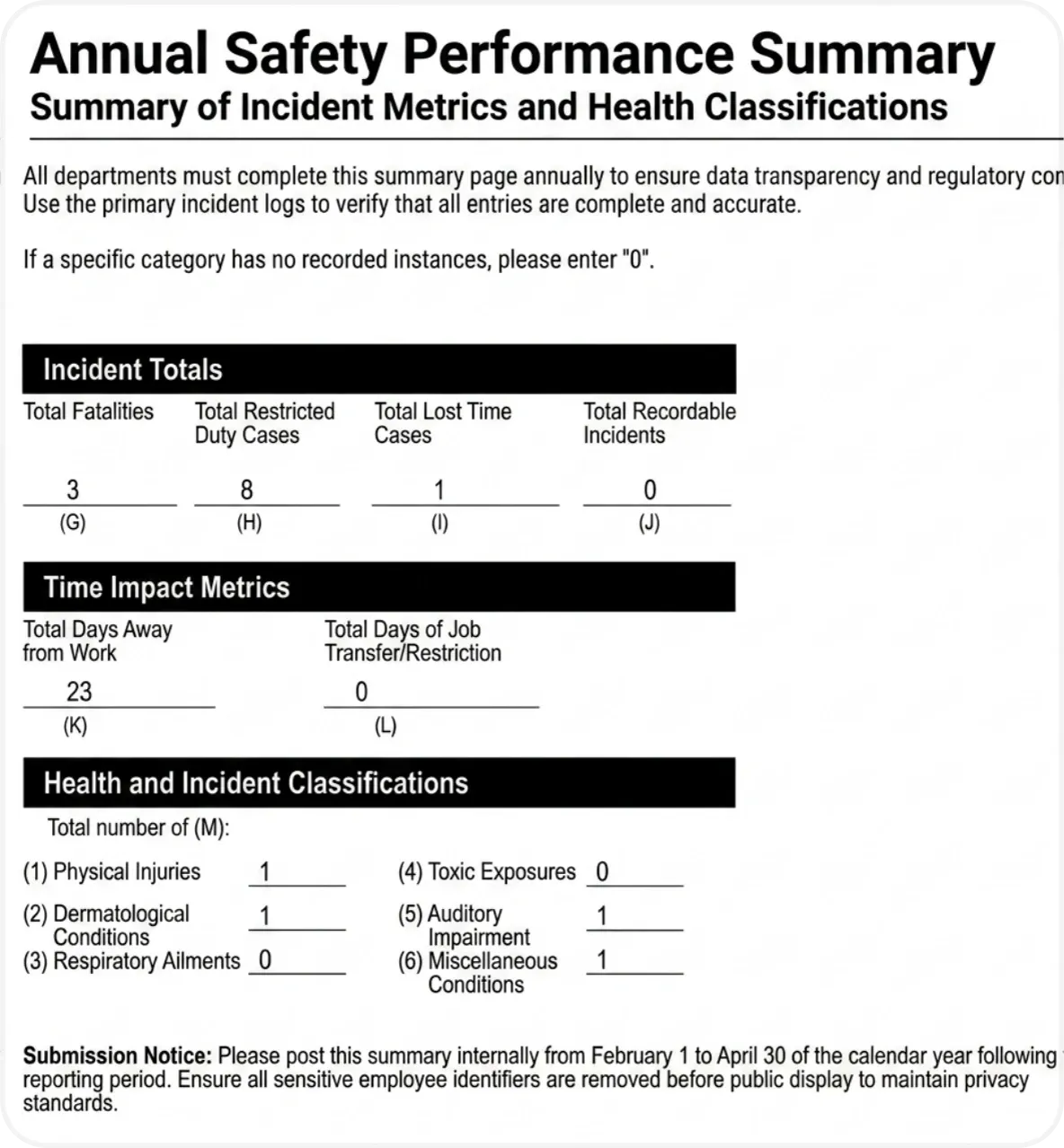


Every team reports differently. Build the report your operations, quality, or compliance leads actually want to read, share it as a branded PDF, and schedule delivery to the stakeholders who need it.


See completion, pass rate, and recurring findings across every checklist and every site, without pulling spreadsheets together at the end of the month.
What changes once elevator monitoring system is standardised on Inspectly360.





“Inspectly360 transformed how we manage site safety inspections. The offline capability alone saved us countless hours. Our compliance rate jumped from 72% to 96% in just three months.”
Sarah Mitchell
Meridian Construction Group
“The AI-powered defect detection has changed how we work. Our inspectors capture photos and the system flags issues we'd have missed. It's like having an expert reviewer on every site visit.”
James Chen
Pacific Manufacturing Co.
“Rolling out digital checklists across multiple projects gave us instant visibility into recurring safety issues. We now resolve critical findings in hours instead of days.”
Olivia Carter
Northbridge Infrastructure
Get started with inspection and audit checklist templates.

Standard site-level inspections for construction, safety, and compliance. Capture conditions, photos, and follow-ups in one place.
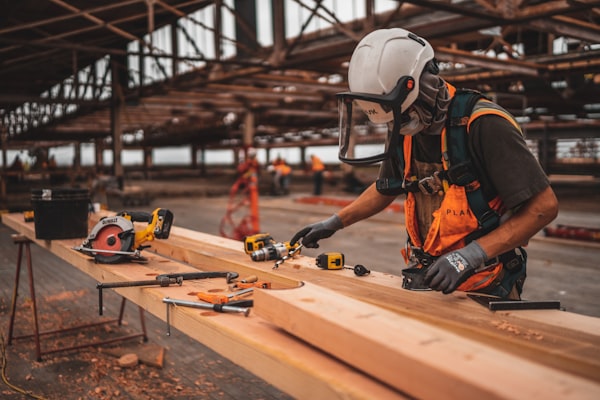
Inspect assets and equipment: condition, location, photos, and maintenance history. Track condition over time.

Complete work orders with checklist items, photos, and sign-off. Track completion and proof of work.

Preventive and corrective maintenance inspections. Log repairs, parts, and condition with photos and follow-ups.
Use these apps to run inspections and audits.

by Inspectly360
Simplify facilities inspections with forms, photos, and reports.

by Inspectly360
Building condition and compliance inspections with evidence and follow-ups.

by Inspectly360
Digitize building inspection apps workflows with forms, evidence capture, and automated reporting.

by Inspectly360
Run building inspections on phones and tablets with offline forms, photo evidence, and instant reports.
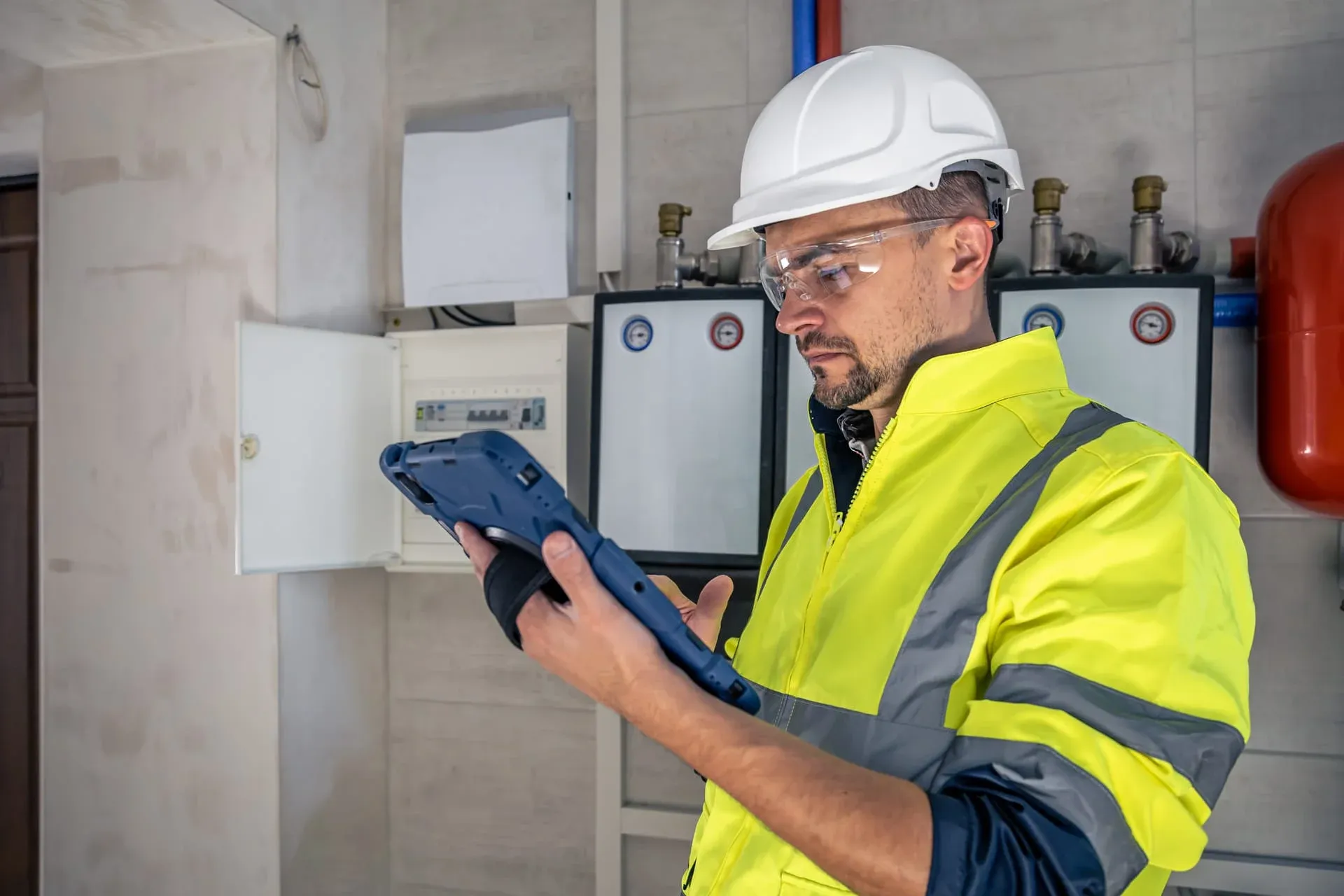
by Inspectly360
Audit buildings with structured scoring, photo evidence, and corrective action tracking across portfolios.
They answer different questions. An elevator monitoring system tells you the state of every lift right now: which are running, which have faulted, how long one has been down, and whether the contractor has responded. Lift maintenance software manages the planned servicing schedule: which service is due, what was done, and when the next visit falls. Monitoring is about live condition and response; maintenance is about the planned programme. They are complementary, and Inspectly360 links a lift's monitoring record to its maintenance history so you see both. If your problem is not knowing about outages until tenants complain, you need monitoring; if it is keeping servicing on schedule, you need the maintenance side, and most portfolios benefit from both connected.
No, and it is important to be clear about that. In many jurisdictions lifts require periodic thorough examination by a competent person, for example under LOLER in the United Kingdom, and that is a formal inspection with legal standing. An elevator monitoring system does not perform or replace that examination. What it does is track live status, faults, and downtime between examinations, and hold the record of availability and response. Inspectly360 links each lift to its examination records so the statutory history sits alongside the live monitoring data, but the examination itself remains a scheduled inspection carried out and certified by a competent person. Monitoring strengthens day-to-day oversight; it does not discharge the statutory duty.
Fault awareness can come from connected signals where the lift or its controller can report status, and from structured reporting where a building team or contractor logs an out-of-service condition. Inspectly360 focuses on bringing those signals into one record with a time, a location, and a status, then driving the alert and response workflow from them. The value is less in any single detection method and more in what happens next: the event is logged, routed to the responsible party, and tracked to confirmed repair, so downtime is measured and accountability is clear. The system is designed to work with the monitoring signals a portfolio actually has rather than assuming a single manufacturer's telemetry.
Yes, and this is often the strongest reason teams adopt it. When a fault alert is raised, it routes to the responsible contractor or engineer and a response clock starts against the service agreement. The system records when the response happened and when the lift returned to service, so response time and downtime become measured facts rather than estimates argued after the event. Over time, availability and response performance roll up per contract, so a contractor that consistently misses agreed response times is visible with evidence at the next review. This changes the service conversation from one side's memory against the other's into a shared record that both can see, which tends to improve performance on its own.
Yes. The system is built for facilities and property teams managing lifts across many buildings rather than a single site. One dashboard shows the status of every lift in the portfolio, alerts identify the building and unit, and reporting rolls up availability, downtime, and repeat faults by lift and by building. This lets a central management team see where the problems concentrate, which buildings and which contracts underperform, and where a chronic unit needs attention. Access is role-based, so a building manager can focus on their own site while the portfolio lead sees the whole estate, all from the same underlying record rather than a separate spreadsheet per building.
Lift availability often feeds tenant service charges and service-level commitments, and those figures are frequently challenged because they are assembled from memory. Because Inspectly360 records the fault time and the return-to-service time for each event, availability and downtime are calculated from recorded data rather than estimated. When a tenant or an owner questions a figure, the management team can show the underlying events that produced it. This makes service-charge reporting more defensible and reduces disputes, and it also surfaces whether poor availability traces to the equipment itself or to slow contractor response, which points to the right corrective action rather than a general complaint about lift reliability.
See Inspectly360 in action with a live demo tailored to your needs. No credit card required.