
“Inspectly360 transformed how we manage site safety inspections. The offline capability alone saved us countless hours. Our compliance rate jumped from 72% to 96% in just three months.”
Sarah Mitchell
Meridian Construction Group

Convert your checklist into Mobile App
Looking for fuel management software built around how your fleet uses fuel? We provide it. Inspectly360 delivers a tailored fuel solution on our mobile platform, configured to your vehicles and sites and integrated with the fuel card and telematics feeds you already use. Book a demo to scope it.
Fuel management software tracks fuel usage, transactions, and inventory and controls fuel cost across vehicles and equipment. Inspectly360 provides a fuel management solution tailored to your operation, built on our mobile records and reporting platform and configured to your vehicles and sites, integrated with the fuel card and telematics feeds you already use.
Without it, fuel is a large, opaque cost. Fuel consumption is untracked per vehicle, fuel transactions are unreconciled receipts, fuel inventory in on-site tanks drifts, and anomalies that signal waste or theft go unnoticed. Fuel costs are a monthly total with no explanation.
Operations and fleet teams standardise this loop before scaling it.
Fuel transactions and dispensing are recorded against the vehicle or equipment, so every litre is tied to what used it rather than a loose receipt.
Fuel consumption per vehicle and fuel inventory in on-site tanks are tracked, so usage and stock stay reconciled rather than drifting.
Fuel alerts flag unusual consumption, missing transactions, or tank discrepancies, so waste or theft is caught early, not at year end.
Fuel costs and fuel efficiency are analysed per vehicle and site, so the drivers of spend are visible and comparable.
Fuel reports roll consumption, cost, and efficiency up, so fuel becomes a managed line rather than an unexplained total.
Inspectly360 is the fuel-focused tracking and analysis layer. It records transactions, dispensing, and tank inventory, and analyses consumption, cost, and efficiency, feeding fuel data to broader fleet management and finance systems. It complements rather than replaces those systems, giving fuel the dedicated attention it needs as a major, controllable cost.
Validate four things in the pilot. First, that fuel transactions can be captured from your fuel cards or dispensing. Second, that per-vehicle consumption tracking works for your fleet. Third, that tank inventory reconciliation fits your on-site fuel, if any. Fourth, that cost and efficiency reports match how you manage fuel. Run one depot or fleet segment so the fuel picture is proven before it scales.
Fuel records support cost control and loss investigation, so their integrity matters. Inspectly360 enforces role-based access so depots and fleet managers see their own fuel and leaders see the whole operation. Transactions and reconciliations are logged and retained, so any fuel figure or anomaly can be traced to the underlying records.
What Fuel Management Software covers for your team.
Fleet leads comparing Inspectly360 to receipts and a fuel bill see the difference on five points: transaction visibility, consumption tracking, inventory control, anomaly detection, and cost analysis.
| Capability | Without Inspectly360 | With Inspectly360 |
|---|---|---|
| Transaction visibility | Fuel transactions are loose receipts that are never tied to a specific vehicle or piece of equipment. | Fuel transactions and dispensing are recorded against the vehicle, so every litre is accounted for. |
| Consumption tracking | Fuel consumption per vehicle is unknown, so heavy users and problems hide inside one total. | Fuel consumption is tracked per vehicle, so usage is visible and comparable across the fleet. |
| Inventory control | On-site tank levels drift, so fuel inventory is a guess and shrinkage goes unnoticed. | Fuel inventory is tracked against dispensing, so tank levels stay reconciled and discrepancies show. |
| Anomaly detection | Waste, leaks, and theft surface only when the annual figure looks wrong, if at all. | Fuel alerts flag unusual consumption and tank discrepancies early, so anomalies are investigated in time. |
| Cost analysis | Fuel cost is a monthly total with no breakdown, so there is nothing to act on. | Fuel costs and efficiency are analysed per vehicle and site, so spend can be managed, not just paid. |
Manage every checklist in one connected workspace, capture evidence on mobile at the point of work, and let AI turn field inputs into clear, stakeholder-ready reports in minutes.


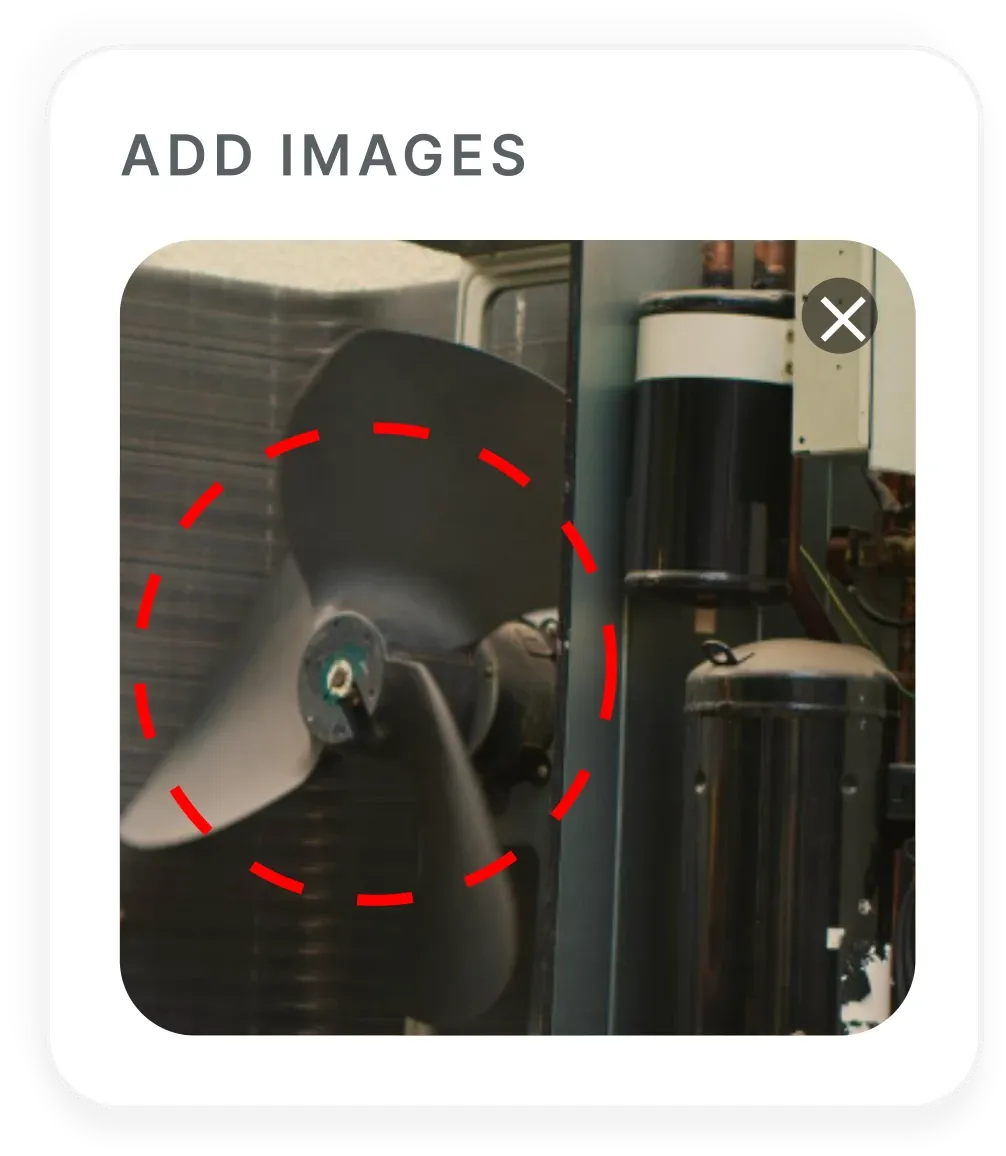

See which checklists your team has in progress across every site, jump into the same inspection with one tap, and keep field, supervisor, and back-office views in sync without sending screenshots on WhatsApp.


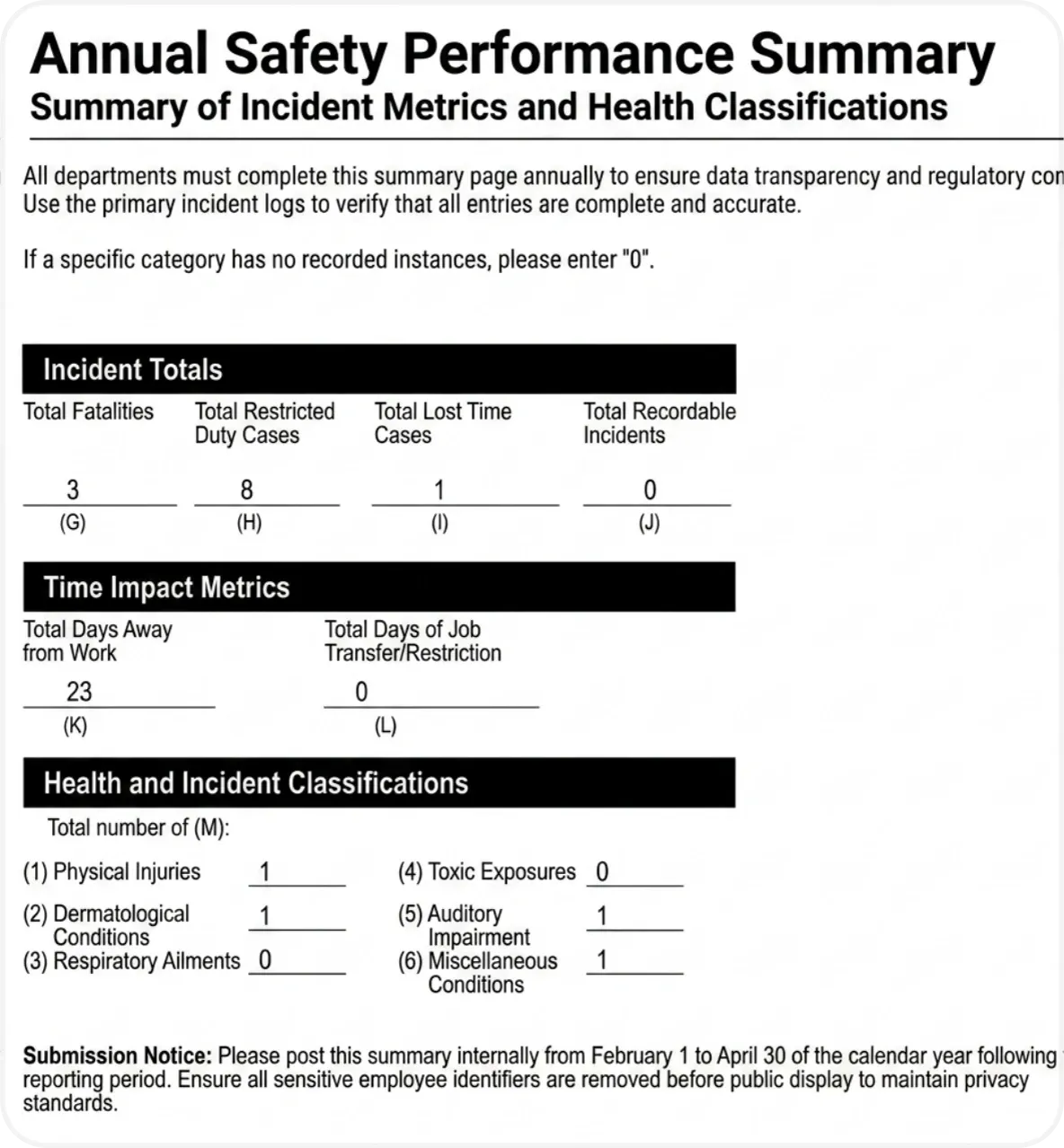


Every team reports differently. Build the report your operations, quality, or compliance leads actually want to read, share it as a branded PDF, and schedule delivery to the stakeholders who need it.

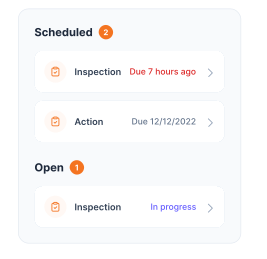

See completion, pass rate, and recurring findings across every checklist and every site, without pulling spreadsheets together at the end of the month.
What changes once fuel management software is standardised on Inspectly360.






“Inspectly360 transformed how we manage site safety inspections. The offline capability alone saved us countless hours. Our compliance rate jumped from 72% to 96% in just three months.”
Sarah Mitchell
Meridian Construction Group

“The AI-powered defect detection has changed how we work. Our inspectors capture photos and the system flags issues we'd have missed. It's like having an expert reviewer on every site visit.”
James Chen
Pacific Manufacturing Co.
“Rolling out digital checklists across multiple projects gave us instant visibility into recurring safety issues. We now resolve critical findings in hours instead of days.”
Olivia Carter
Northbridge Infrastructure
Get started with inspection and audit checklist templates.

Use this template to perform a comprehensive safety inspection of light vehicles. This check ensures all critical components are checked ...
Use these apps to run inspections and audits.

by Inspectly360
Simplify facilities inspections with forms, photos, and reports.

by Inspectly360
Building condition and compliance inspections with evidence and follow-ups.

by Inspectly360
Digitize building inspection apps workflows with forms, evidence capture, and automated reporting.

by Inspectly360
Run building inspections on phones and tablets with offline forms, photo evidence, and instant reports.

by Inspectly360
Audit buildings with structured scoring, photo evidence, and corrective action tracking across portfolios.
Fuel management software focuses specifically on fuel: consumption, transactions, inventory, dispensing, cost, and efficiency. Fleet management software is broader, covering vehicle maintenance, tracking, compliance, and utilisation across the whole fleet. Fuel is one important component that fleet management touches, but managing it well needs dedicated attention to transactions, tank inventory, and anomaly detection. Inspectly360 keeps this page focused on fuel because it is a large, often poorly controlled cost that benefits from specific tools, and it connects to broader fleet or asset management rather than being absorbed into it. If your priority is understanding and controlling fuel spend and catching waste or theft, this focused approach is more effective than fuel being a minor tab in a general fleet tool.
By recording transactions against vehicles and tracking on-site tank inventory against dispensing, the software creates a reconciled picture of where fuel goes. Fuel alerts then flag anomalies: a vehicle consuming far more than its pattern, transactions that do not match dispensing, or tank levels that drop faster than recorded use explains. These are the signatures of waste, leaks, and theft, which otherwise hide inside a monthly total and surface only when an annual figure looks wrong, if at all. Catching them early, when the pattern first appears, means the loss is investigated and stopped rather than accumulating unnoticed. For operations with on-site fuel or large fleets, this anomaly detection is often where the software pays for itself.
Yes. Fuel consumption and vehicle fuel tracking attribute usage to each specific vehicle or piece of equipment, and cost and efficiency roll up by vehicle and by site. This turns a single opaque fuel figure into a breakdown that shows which vehicles are heavy users, which sites spend most, and where efficiency is drifting. That granularity is what makes fuel manageable: you can identify a vehicle whose consumption has risen, which often signals a developing mechanical fault, or a site whose fuel cost is out of line, and act on it. Without per-vehicle and per-site data, fuel is just a number to be paid, with no visibility into the specific drivers that could be improved or the problems developing inside the total.
Yes. For operations with their own fuel storage, fuel inventory tracks tank levels and reconciles them against recorded dispensing, so the amount dispensed should match the drop in tank level. When they diverge, it points to a discrepancy, whether a metering error, a leak, or unrecorded use, that can be investigated. On-site fuel is a valuable asset that is easy to lose track of, and treating the tank as inventory to be reconciled, rather than a bulk purchase that is assumed to be used correctly, is what brings it under control. Dispensing records also tie tank fuel to the vehicles and equipment that used it, so on-site and card-based fuel are managed within one consistent picture of consumption and cost.
Fuel reports roll consumption, cost, and efficiency up by vehicle, site, and period, so fuel becomes a managed line in the operating budget rather than an unexplained total. Reports show trends over time, comparisons between vehicles and sites, efficiency figures, and the anomalies that alerts have flagged. This gives operations and finance the evidence to act, whether that is addressing a specific heavy-consuming vehicle, tackling a site with rising costs, or demonstrating the impact of an efficiency initiative. Because the reports are built from transaction-level data tied to vehicles and tanks, they are grounded in what actually happened rather than estimated, which makes them a reliable basis for both day-to-day management and longer-term decisions about the fleet and its fuel.
See Inspectly360 in action with a live demo tailored to your needs. No credit card required.