
“Inspectly360 transformed how we manage site safety inspections. The offline capability alone saved us countless hours. Our compliance rate jumped from 72% to 96% in just three months.”
Sarah Mitchell
Meridian Construction Group

Convert your checklist into Mobile App
Looking for hazardous waste tracking software built around how your EHS team works? We provide it. Inspectly360 delivers a tailored hazardous waste solution on our mobile platform, configured to your waste streams and storage rules and integrated with the disposal and manifest tools you already run. Book a demo to scope it.
Hazardous waste tracking software is what EHS and facilities teams use to follow dangerous waste from the point it is generated through storage and handling to final disposal. Inspectly360 provides a hazardous waste solution tailored to your operation, built on our mobile platform, keeping every container's type, quantity, location, and status on one defensible trail and integrated with the disposal tools you already run.
Without it, waste tracking lives on handwritten logs and clipboard checks that fail the moment a regulator asks for the manifest. Containers exceed storage time limits unnoticed, segregation errors go unrecorded, and disposal paperwork cannot be tied back to the waste it covered. Environmental compliance then rests on memory.
EHS teams standardise this loop before extending it across sites.
Each waste container is recorded at generation with its type, quantity, hazard class, and accumulation start date, so the trail begins where the waste does.
Storage location, container condition, and segregation checks are captured, so incompatible wastes are kept apart and time limits are watched.
A failed segregation or storage check becomes an owned corrective action with a deadline, so an issue is fixed and recorded rather than noted and forgotten.
Collection, transporter, and disposal are recorded against each container, and waste manifests tie the paperwork to the actual waste it covered.
Accumulation times, container status, and disposal roll up with a full audit trail, so an environmental compliance review is answered from the record.
Hazardous waste tracking covers the waste stream from generation through storage and handling to documented disposal. The scope below is the chain of custody and compliance evidence for hazardous waste, distinct from general site EHS.
Templates align to RCRA 40 CFR 262, US EPA hazardous waste rules, ISO 14001.
Inspectly360 is the mobile waste-tracking and evidence layer. Where you run a broader EHS or environmental management system, waste corrective actions and compliance data can feed into it, and disposal records can support your regulatory reporting. The software owns the generation-to-disposal chain for hazardous waste, with records, segregation checks, accumulation-time control, and manifests, feeding the wider systems rather than being replaced by them.
Validate four things in the pilot. First, that waste types, hazard classes, and accumulation limits match your regulatory context. Second, that storage and segregation checks reflect your actual waste areas. Third, that manifest and disposal records satisfy your regulator's expectations. Fourth, that offline capture works at your storage points. Run one waste stream from generation to disposal so the chain is proven on real waste before it scales across sites.
Hazardous waste records carry legal weight and may be requested years later, so retention and integrity are central. Inspectly360 enforces role-based access so site teams record checks and EHS leads see compliance across sites. Records and manifests are logged and retained for the period your environmental regulations require, so a disposal or accumulation record can always be traced to its evidence.
What Hazardous Waste Tracking Software covers for your team.
EHS leads comparing Inspectly360 to paper logs see the difference on five points: record integrity, storage-time control, segregation evidence, manifest traceability, and audit readiness.
| Capability | Without Inspectly360 | With Inspectly360 |
|---|---|---|
| Record integrity | Waste records live on handwritten logs that are illegible, lost, or contradicted by the next clipboard. | Every container carries a structured hazardous waste record with type, quantity, and status on one trail. |
| Storage-time control | Accumulation start dates are not tracked, so containers exceed storage time limits before anyone notices. | Accumulation dates and time limits are watched per container, so a limit is flagged before it is breached. |
| Segregation evidence | Segregation is checked by eye with no record, so an incompatible-storage error has no evidence trail. | Waste segregation checks are captured with evidence, and failures become tracked corrective actions. |
| Manifest traceability | Disposal manifests cannot be tied to the specific waste they covered, so the chain breaks under review. | Waste manifests link to the containers and disposal they cover, so the chain from generation holds. |
| Audit readiness | A regulator request triggers a search through bins and files, and some records can no longer be found. | Accumulation, status, and disposal roll up with an audit trail, so a review starts from evidence. |
Manage every checklist in one connected workspace, capture evidence on mobile at the point of work, and let AI turn field inputs into clear, stakeholder-ready reports in minutes.

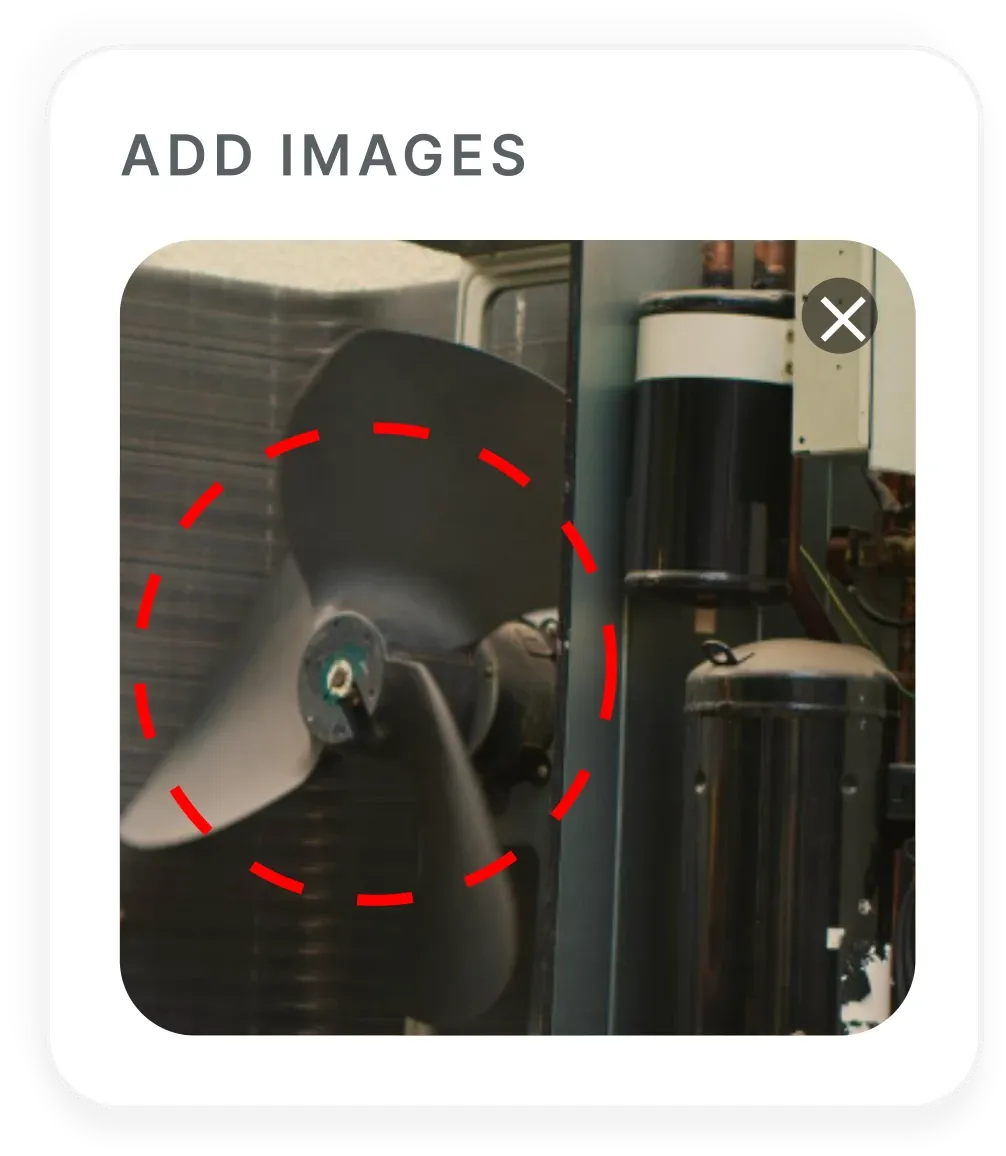
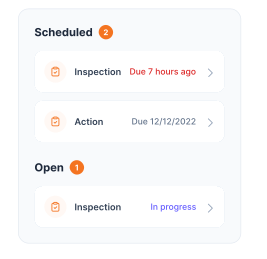
See which checklists your team has in progress across every site, jump into the same inspection with one tap, and keep field, supervisor, and back-office views in sync without sending screenshots on WhatsApp.


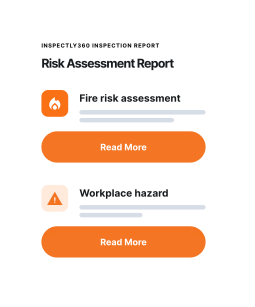
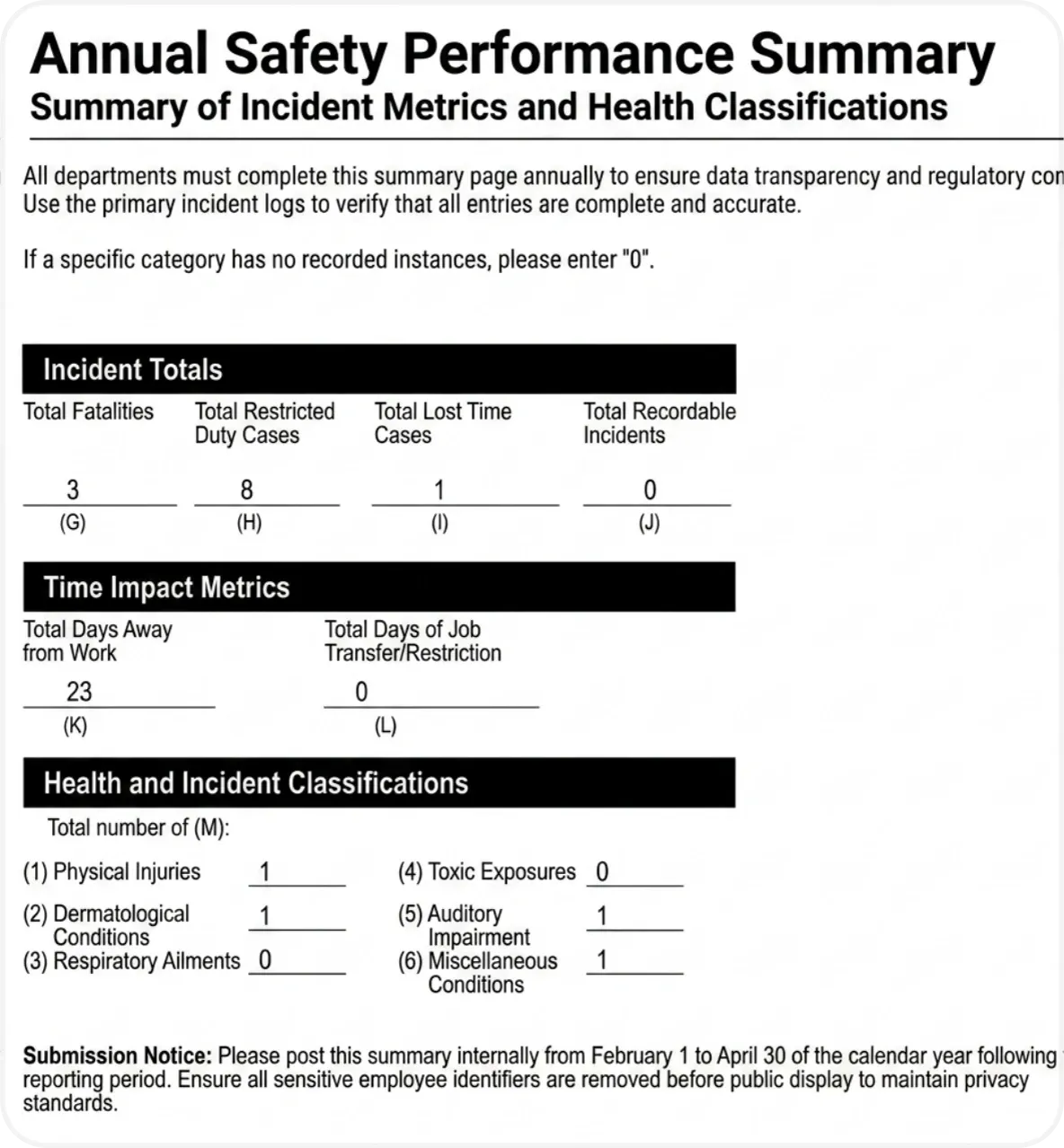


Every team reports differently. Build the report your operations, quality, or compliance leads actually want to read, share it as a branded PDF, and schedule delivery to the stakeholders who need it.


See completion, pass rate, and recurring findings across every checklist and every site, without pulling spreadsheets together at the end of the month.
What changes once hazardous waste tracking software is standardised on Inspectly360.




“Inspectly360 transformed how we manage site safety inspections. The offline capability alone saved us countless hours. Our compliance rate jumped from 72% to 96% in just three months.”
Sarah Mitchell
Meridian Construction Group

“The AI-powered defect detection has changed how we work. Our inspectors capture photos and the system flags issues we'd have missed. It's like having an expert reviewer on every site visit.”
James Chen
Pacific Manufacturing Co.
“Rolling out digital checklists across multiple projects gave us instant visibility into recurring safety issues. We now resolve critical findings in hours instead of days.”
Olivia Carter
Northbridge Infrastructure
Get started with inspection and audit checklist templates.

Assess and document an organization's carbon footprint: reporting period and boundaries, energy and fuel consumption, Scope 1, Scope 2, and relevant Scope 3 emissions, data sources, emission factors, calculation and validation, and reduction opportunities.
Measure and improve diversion of waste from landfill: waste streams, recycling and composting availability, reusable materials, sorting and contamination checks, bin labeling, landfill-bound quantities, diversion-rate calculations, hauler documentation, and corrective actions.
Use these apps to run inspections and audits.

by Inspectly360
Simplify facilities inspections with forms, photos, and reports.

by Inspectly360
Building condition and compliance inspections with evidence and follow-ups.

by Inspectly360
Digitize building inspection apps workflows with forms, evidence capture, and automated reporting.

by Inspectly360
Run building inspections on phones and tablets with offline forms, photo evidence, and instant reports.
by Inspectly360
Audit buildings with structured scoring, photo evidence, and corrective action tracking across portfolios.
It tracks each waste container through its whole life: generation, with type, quantity, and hazard class; storage, including location, condition, and accumulation start date; segregation checks; and disposal, with transporter and manifest details. The goal is one continuous hazardous waste record per container rather than scattered logs. This lets a site prove what waste it generated, that it was stored and segregated correctly, that storage time limits were respected, and that it was disposed of properly with a manifest that ties back to the waste. Environmental compliance depends on that chain being complete, and tracking software is what keeps it intact and retrievable instead of rebuilt from memory.
Regulations typically cap how long hazardous waste can accumulate on site before it must be shipped for disposal, and exceeding that limit is a common and serious violation. The software records each container's accumulation start date and watches it against the applicable time limit, flagging containers approaching the deadline so waste is moved in time. This turns a rule that is easy to breach through simple oversight into a managed, visible countdown. Because the accumulation date and container status are on the record, a site can also prove to a regulator that time limits were respected, rather than trying to reconstruct when a container actually started accumulating waste.
Yes. When waste is collected for disposal, the collection, transporter, and disposal facility are recorded against the specific containers, and the waste manifest is linked to the waste it covers. This keeps the chain of custody intact from generation to final disposal, which is exactly what environmental regulators examine. Waste disposal tracking with linked manifests means that when a manifest is questioned, the site can show which containers it covered and their full history, rather than having a manifest that floats free of the waste it was meant to document. The complete, linked trail is what makes disposal defensible under audit.
A general EHS platform covers many areas: incidents, audits, safety observations, and broad compliance across a site. Hazardous waste tracking software has a narrower, deeper job focused on the waste stream: records, storage, segregation, accumulation limits, disposal, and manifests. The two connect, because waste issues can raise corrective actions that sit alongside other EHS work, but the tracking discipline for hazardous waste is specific. Inspectly360 keeps this page focused on the generation-to-disposal chain so the specialised requirements, like accumulation-time control and manifest traceability, are handled properly rather than being one shallow module inside a broad platform. Where you also need wider EHS, the two work together.
Yes. Waste storage areas, plant rooms, and remote accumulation points often have poor connectivity, so segregation and storage checks are completed on the mobile app fully offline, with photos and readings captured on the spot. The records sync when the device reconnects, preserving the time and the inspector's identity. This matters because the checks that matter most, at the actual storage location, are frequently where the signal disappears, and a system that stalls offline pushes staff back to paper, which is exactly where the record gaps and missing evidence that audits penalise begin. Offline capture keeps the hazardous waste record complete regardless of where the waste is stored.
See Inspectly360 in action with a live demo tailored to your needs. No credit card required.