
“Inspectly360 transformed how we manage site safety inspections. The offline capability alone saved us countless hours. Our compliance rate jumped from 72% to 96% in just three months.”
Sarah Mitchell
Meridian Construction Group

Convert your checklist into Mobile App
Looking for training compliance software built around how your teams stay qualified? We provide it. Inspectly360 delivers a tailored training compliance solution on our mobile platform, configured to your roles and requirements and integrated with the HR and learning tools you already run. Book a demo to scope it.
Training compliance software is what HR, EHS, and compliance leads use to track mandatory training, certifications, and competency across teams, roles, and locations. Inspectly360 provides a training compliance solution tailored to your operation, built on our mobile platform, holding training records against the requirements each role must meet and integrated with the HR and learning tools you already run.
Without it, training compliance lives in spreadsheets that go stale between audits. Certifications expire unnoticed, new starters miss required training, and nobody can produce audit-ready training records when a regulator or client asks. Competency is assumed rather than evidenced.
Compliance and HR teams standardise this loop before scaling it.
Each role's training requirements and required certifications are defined, so the standard every employee must meet is explicit rather than assumed.
Training assignments go to the right people, and training completion is recorded, so progress against the requirement is visible per employee.
Certification tracking holds each credential with its expiry, and training expiration tracking flags renewals before they lapse.
Training reminders prompt employees and managers ahead of due dates, so a gap is closed before it becomes a compliance failure.
Employee competency and completion roll up into compliance reporting, so audit-ready training records are produced on demand.
Inspectly360 is the training-compliance tracking layer. Where an LMS delivers courses and an HR system holds employee data, this tracks requirements, completion, certifications, expiry, and competency for compliance, and can exchange data with both. It owns the compliance picture, so the organisation can prove its workforce holds current required training, feeding rather than replacing the systems that deliver learning and manage people.
Validate four things in the pilot. First, that role-based training requirements match your actual obligations. Second, that certification and expiry tracking cover your credentials. Third, that reminders reach the right people early enough. Fourth, that compliance reporting produces the audit-ready records your regulators and clients expect. Run one department or role family end to end so the compliance picture is proven before it scales across the workforce.
Training records are compliance evidence, so their integrity matters. Inspectly360 enforces role-based access so managers see their teams and compliance leads see the organisation. Records are retained for the period your regulations and clients require, so a completion or certification can always be traced to its evidence during an audit.
What Training Compliance Software covers for your team.
Compliance leads comparing Inspectly360 to spreadsheets see the difference on five points: requirement clarity, expiry control, completion visibility, competency evidence, and audit readiness.
| Capability | Without Inspectly360 | With Inspectly360 |
|---|---|---|
| Requirement clarity | What training each role needs lives in people's heads, so new starters and role changes miss requirements. | Training requirements are defined per role, so the standard each employee must meet is explicit and assigned. |
| Expiry control | Certifications expire unnoticed because nobody tracks renewal dates until an audit finds the lapse. | Training expiration tracking flags renewals ahead of expiry, so certifications stay current by design. |
| Completion visibility | Who has completed required training is a spreadsheet guess that is out of date the moment it is built. | Training completion is recorded per employee, so progress against requirements is visible live. |
| Competency evidence | Employee competency is assumed rather than evidenced, so a gap is discovered only after an incident. | Competency is tracked against role requirements, so gaps are visible and closed before they cause harm. |
| Audit readiness | An audit triggers a scramble to reconstruct who was trained and when, and some records cannot be found. | Audit-ready training records are produced on demand, so a regulator or client review is answered from data. |
Manage every checklist in one connected workspace, capture evidence on mobile at the point of work, and let AI turn field inputs into clear, stakeholder-ready reports in minutes.

See which checklists your team has in progress across every site, jump into the same inspection with one tap, and keep field, supervisor, and back-office views in sync without sending screenshots on WhatsApp.


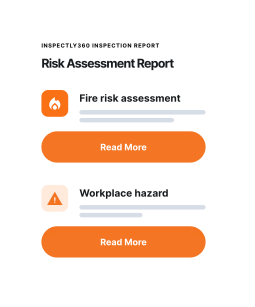
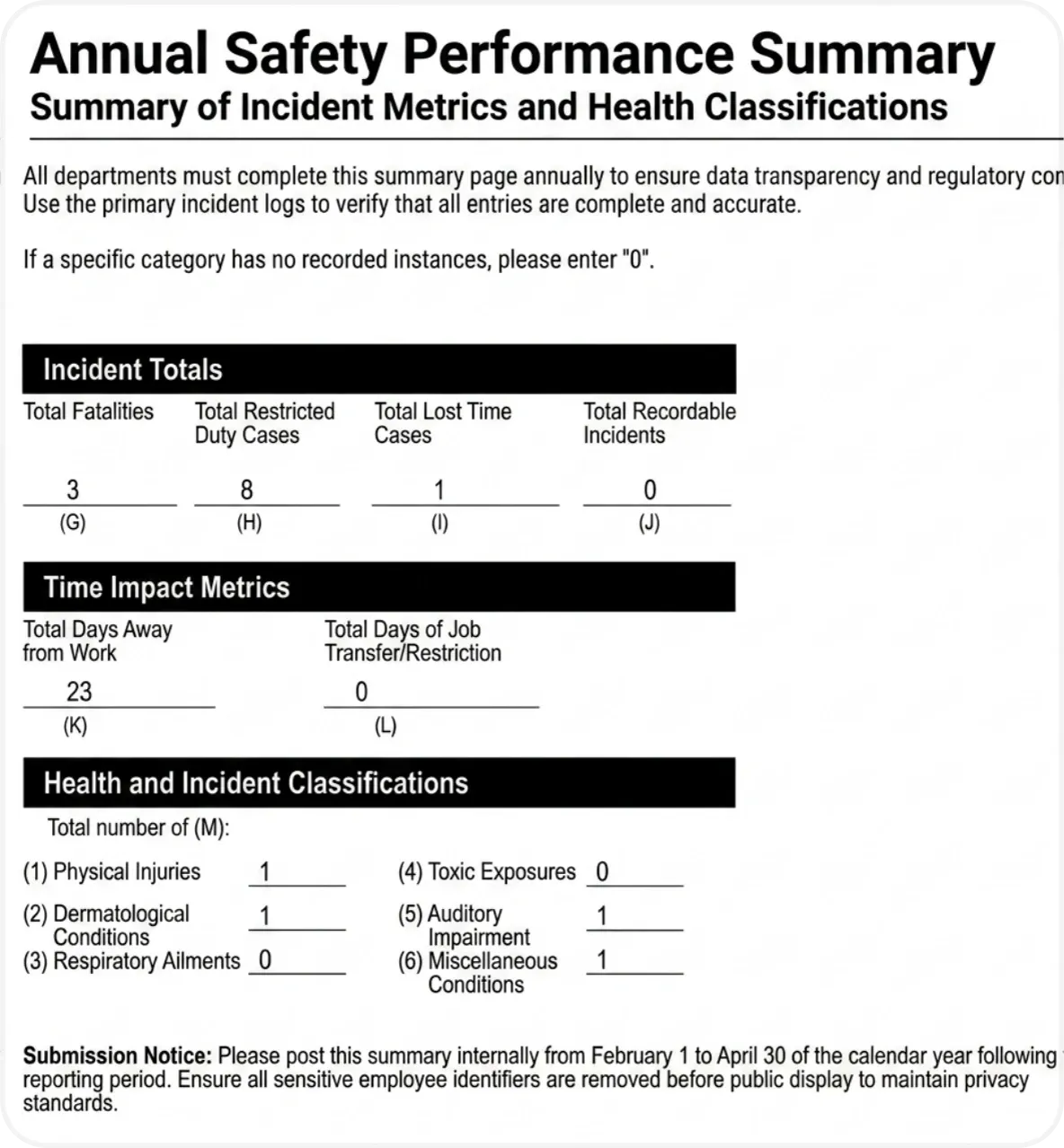


Every team reports differently. Build the report your operations, quality, or compliance leads actually want to read, share it as a branded PDF, and schedule delivery to the stakeholders who need it.

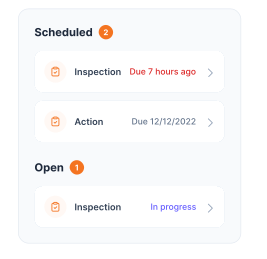

See completion, pass rate, and recurring findings across every checklist and every site, without pulling spreadsheets together at the end of the month.
What changes once training compliance software is standardised on Inspectly360.





“Inspectly360 transformed how we manage site safety inspections. The offline capability alone saved us countless hours. Our compliance rate jumped from 72% to 96% in just three months.”
Sarah Mitchell
Meridian Construction Group

“The AI-powered defect detection has changed how we work. Our inspectors capture photos and the system flags issues we'd have missed. It's like having an expert reviewer on every site visit.”
James Chen
Pacific Manufacturing Co.
“Rolling out digital checklists across multiple projects gave us instant visibility into recurring safety issues. We now resolve critical findings in hours instead of days.”
Olivia Carter
Northbridge Infrastructure
Get started with inspection and audit checklist templates.

Internal and external audits with scoring, evidence, and corrective actions. Full audit trail and report generation.

Compliance-focused inspections with evidence capture and audit trails. Meet regulatory and internal requirements.
Use these apps to run inspections and audits.

by Inspectly360
Simplify facilities inspections with forms, photos, and reports.

by Inspectly360
Building condition and compliance inspections with evidence and follow-ups.

by Inspectly360
Digitize building inspection apps workflows with forms, evidence capture, and automated reporting.

by Inspectly360
Run building inspections on phones and tablets with offline forms, photo evidence, and instant reports.

by Inspectly360
Audit buildings with structured scoring, photo evidence, and corrective action tracking across portfolios.
A learning management system delivers and hosts training courses, focusing on content and learning. Training compliance software focuses on the compliance picture: what training and certifications each role requires, who has completed them, what is expiring, and whether the workforce is currently compliant. The two are complementary, and many organisations run both, with the LMS delivering courses and the compliance software tracking requirements, completion, expiry, and competency for audit. Inspectly360 concentrates on training tracking and compliance reporting rather than course delivery, because the risk that keeps compliance leads awake is not whether a course exists but whether every employee holds the current, valid training their role legally and operationally requires.
Each certification is held with its expiry date, and training expiration tracking watches those dates across the workforce, flagging renewals well before they lapse. Reminders prompt the employee and their manager ahead of time, so the renewal happens rather than being discovered as a gap during an audit. This directly addresses the most common training-compliance failure, which is a certification quietly expiring because nobody was tracking the date. Because expiry is managed proactively, the organisation maintains a workforce whose credentials are current by design, and can prove it, rather than periodically discovering that people have been working with lapsed certifications that should have been renewed weeks or months earlier.
Yes. Training requirements are defined per role, so a machine operator, a manager, and a contractor each have the requirements appropriate to their position, and requirements can also vary by site or region where regulations differ. When someone joins or changes role, the requirements for their new position apply automatically, so nobody falls through the gaps of a role change. Role-based access lets managers see their own team's compliance while central compliance leads see the whole organisation. This makes it suitable for distributed workforces where a single blanket training list would be wrong, and where compliance has to reflect the specific obligations of each role and location.
Instead of reconstructing who was trained and when from spreadsheets and email, the organisation produces audit-ready training records on demand. Compliance reporting shows completion and competency by team, role, and site, and each record ties to its evidence: the completion, the certification, and the expiry. When a regulator or client asks whether the workforce holds the required training, the answer is a report from live data rather than a scramble. Because the records are maintained continuously as training is assigned, completed, and renewed, audit readiness is a standing state rather than a project undertaken in panic before each review, which is where reconstructed records tend to reveal gaps.
Yes. Training reminders prompt employees and their managers ahead of due dates for required training and ahead of certification expiry. This is deliberate, because the majority of training-compliance gaps are simply forgotten deadlines rather than refusals to comply. Automated reminders shift the effort from someone manually chasing a spreadsheet of due dates to the system prompting the right people at the right time. Managers also see who on their team is due or overdue, so they can act. The result is that training and renewals happen on schedule far more reliably, and compliance leads spend their time on genuine exceptions rather than on chasing routine deadlines across the whole workforce.
See Inspectly360 in action with a live demo tailored to your needs. No credit card required.