“Inspectly360 transformed how we manage site safety inspections. The offline capability alone saved us countless hours. Our compliance rate jumped from 72% to 96% in just three months.”
Sarah Mitchell
Meridian Construction Group

Convert your checklist into Mobile App
Looking for utility bill management software built around how your finance team handles bills? We provide it. Inspectly360 delivers a tailored utility bill solution on our platform, configured to your sites and validation rules and integrated with the finance and AP systems you already run. Book a demo to scope it.
Utility bill management software collects, validates, and tracks utility bills and controls utility expenses across sites. Inspectly360 provides a utility bill solution tailored to your operation, built on our workflow and reporting platform and configured to your sites and validation rules, integrated with the finance and AP systems you already run.
Without it, utility bills arrive across sites and sit unchecked. Utility invoice tracking does not exist, bills are paid without validation, and errors and estimated reads are never caught. Electricity bills, water bills, and gas bills are a growing expense with no consumption analysis behind them, and payment tracking is a scramble.
Finance and facilities teams standardise this loop before scaling it.
Utility bills from every site and supplier are collected in one place, so utility invoice tracking replaces invoices scattered across inboxes and sites.
Bill validation checks each invoice for errors, estimated reads, and unexpected charges, so a wrong bill is caught before it is paid.
Consumption analysis and utility cost tracking compare electricity, water, and gas costs across sites and periods, so anomalies stand out.
Payment tracking shows which bills are approved, due, and paid, so late fees and missed payments are avoided.
Utility reporting rolls expenses up by site and utility, so utility expenses become a managed, understood cost.
Inspectly360 is the utility bill management layer. It collects, validates, and tracks bills and analyses cost, feeding approved expenses to the finance system and drawing on submeter data where available to support validation. It owns the bill and cost side, complementing submetering's consumption side and the finance ledger's payment side without replacing either.
Validate four things in the pilot. First, that bills from your suppliers and sites can be collected. Second, that validation catches the error types you see. Third, that cost analysis and reporting fit how you manage utility expenses. Fourth, that payment tracking works with your finance process. Run one region or utility so bill management is proven before it scales across the estate.
Utility bills are financial records, so their integrity matters. Inspectly360 enforces role-based access so sites and finance see what they should. Bills, validations, and payments are logged and retained, so any utility cost or query can be traced to the underlying invoice and its validation history.
What Utility Bill Management Software covers for your team.
Finance leads comparing Inspectly360 to a pile of invoices see the difference on five points: bill visibility, validation, cost analysis, payment control, and reporting.
| Capability | Without Inspectly360 | With Inspectly360 |
|---|---|---|
| Bill visibility | Utility bills arrive across sites and inboxes, so nobody has a complete view of what is owed. | Utility invoice tracking collects every bill in one place, so all utility expenses are visible. |
| Validation | Bills are paid without checking, so errors, estimated reads, and wrong charges are paid in full. | Bill validation catches errors and estimates before payment, so wrong bills are queried, not paid. |
| Cost analysis | Electricity, water, and gas costs are separate totals with no comparison or trend behind them. | Consumption analysis compares cost across sites and periods, so anomalies and trends are visible. |
| Payment control | Which bills are due and paid is a scramble, so late fees and duplicate payments creep in. | Payment tracking shows approved, due, and paid bills, so late fees and duplicates are avoided. |
| Reporting | Utility expense reporting is assembled by hand from invoices and is always out of date. | Utility reporting rolls expenses up by site and utility, so cost is a managed, understood line. |
Manage every checklist in one connected workspace, capture evidence on mobile at the point of work, and let AI turn field inputs into clear, stakeholder-ready reports in minutes.

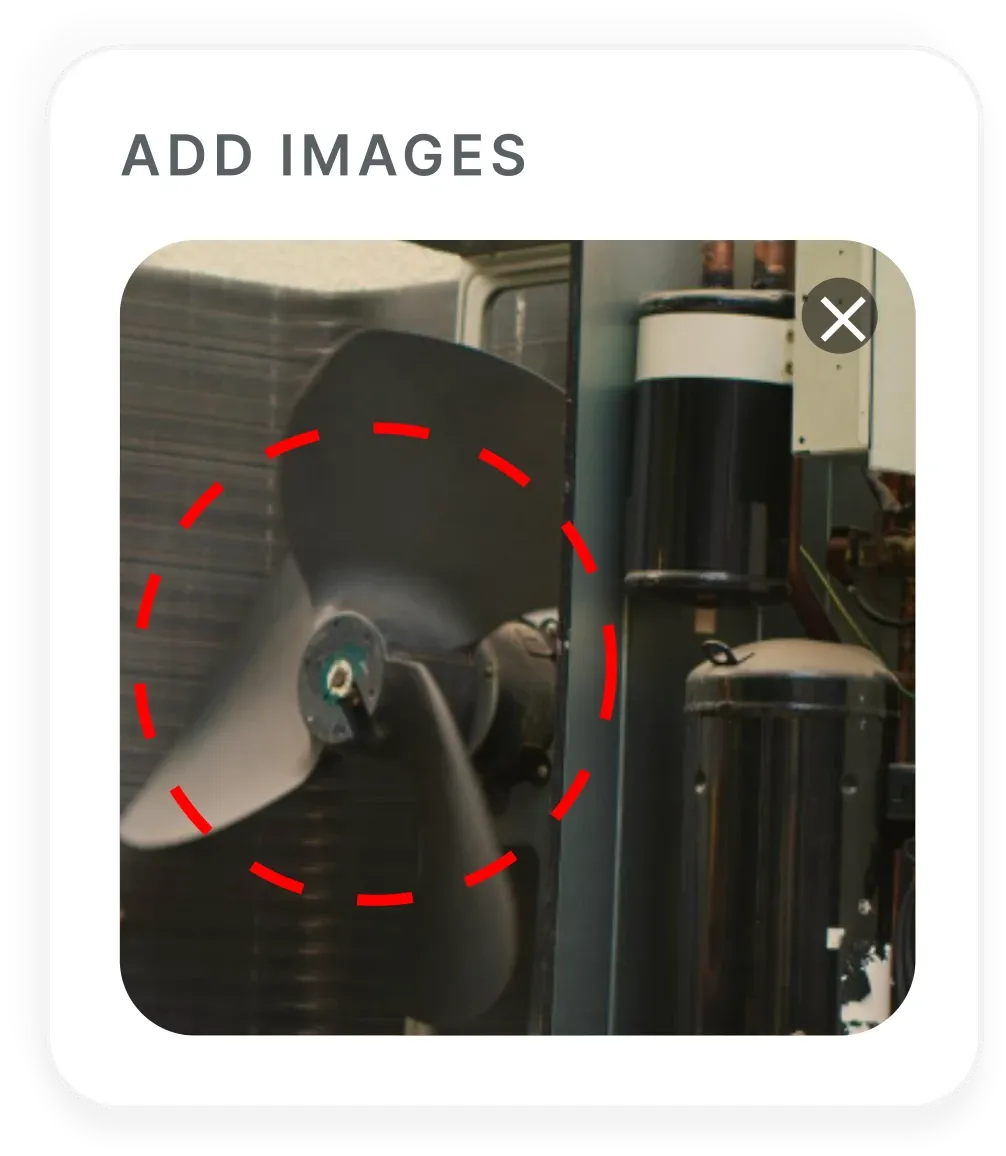
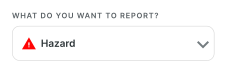
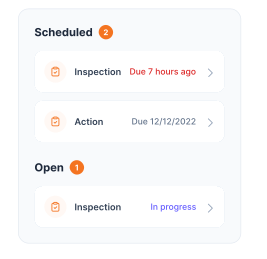
See which checklists your team has in progress across every site, jump into the same inspection with one tap, and keep field, supervisor, and back-office views in sync without sending screenshots on WhatsApp.


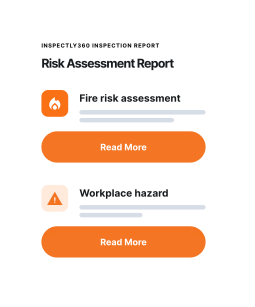
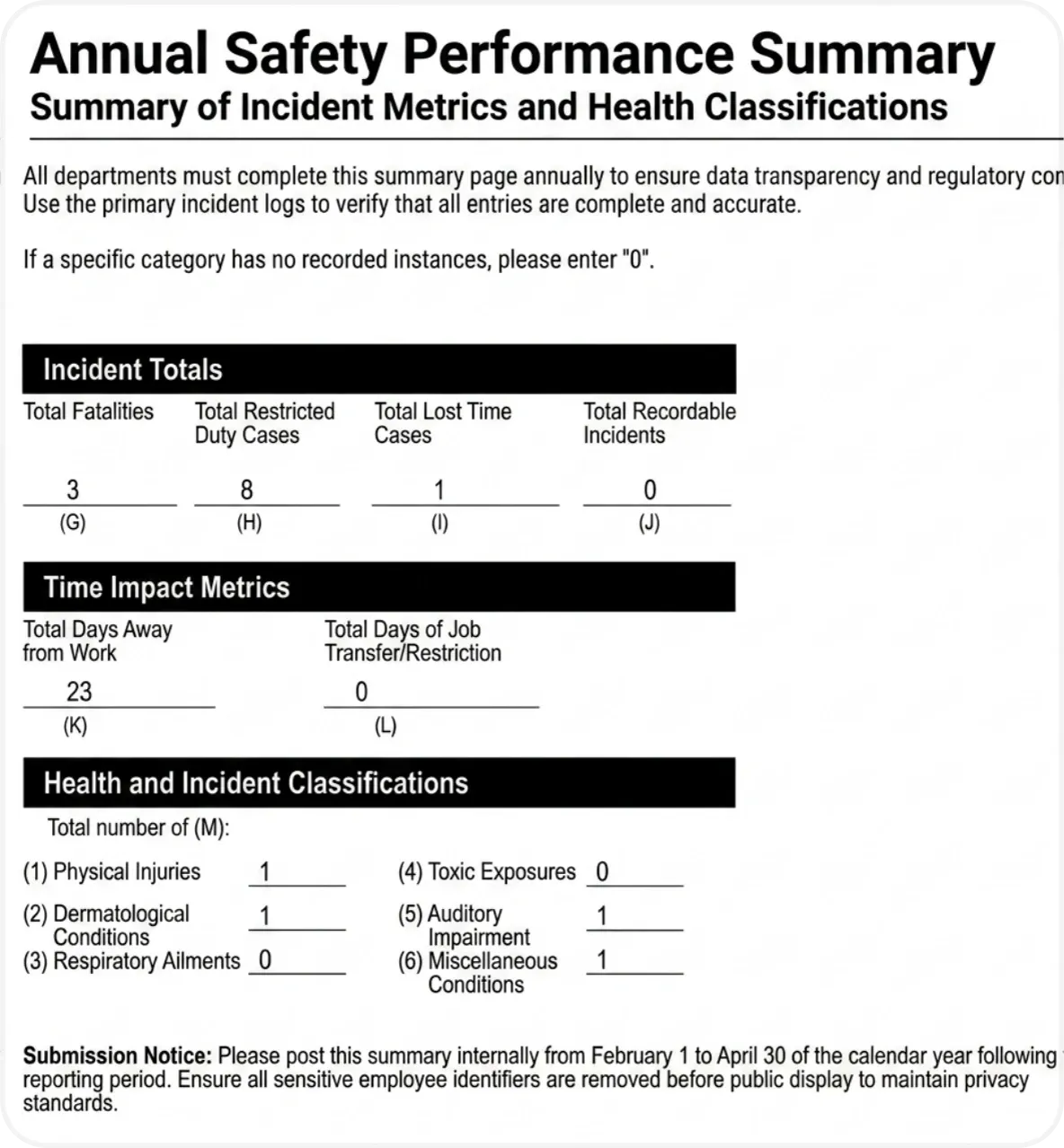


Every team reports differently. Build the report your operations, quality, or compliance leads actually want to read, share it as a branded PDF, and schedule delivery to the stakeholders who need it.


See completion, pass rate, and recurring findings across every checklist and every site, without pulling spreadsheets together at the end of the month.
What changes once utility bill management software is standardised on Inspectly360.




“Inspectly360 transformed how we manage site safety inspections. The offline capability alone saved us countless hours. Our compliance rate jumped from 72% to 96% in just three months.”
Sarah Mitchell
Meridian Construction Group

“The AI-powered defect detection has changed how we work. Our inspectors capture photos and the system flags issues we'd have missed. It's like having an expert reviewer on every site visit.”
James Chen
Pacific Manufacturing Co.
“Rolling out digital checklists across multiple projects gave us instant visibility into recurring safety issues. We now resolve critical findings in hours instead of days.”
Olivia Carter
Northbridge Infrastructure
Get started with inspection and audit checklist templates.

Prepare and validate an ENERGY STAR benchmarking submission: property and building information, reporting period, utility and meter data, electricity and fuel consumption, data completeness and validation, Portfolio Manager entry and review, and recordkeeping.

Use this Drilling Rig Daily safety check to verify critical checkpoints and safety controls, compliance records and sign-off and corrective actions with photo evidence on energy…
Use these apps to run inspections and audits.

by Inspectly360
Simplify facilities inspections with forms, photos, and reports.

by Inspectly360
Building condition and compliance inspections with evidence and follow-ups.

by Inspectly360
Digitize building inspection apps workflows with forms, evidence capture, and automated reporting.

by Inspectly360
Run building inspections on phones and tablets with offline forms, photo evidence, and instant reports.

by Inspectly360
Audit buildings with structured scoring, photo evidence, and corrective action tracking across portfolios.
Utility bill management is about the bills: collecting invoices, validating them for errors, tracking cost and payment, and controlling utility expenses. Submetering is about measuring actual consumption below the main meter and attributing it to units or tenants. They are complementary, submetering measures what was used, bill management handles what is charged, and together they give a complete picture. But they are distinct, and Inspectly360 keeps them on separate pages. If your need is to control utility invoices and cost, catch billing errors, and manage payment, bill management is the page. If your need is to measure and allocate actual consumption, submetering is. Many teams use both, with submeter data supporting validation and fair allocation of the billed cost.
Utility bills contain errors more often than most organisations realise: estimated reads that overcharge, incorrect tariffs, duplicate charges, and billing mistakes. Without validation, these are simply paid. Bill validation checks each invoice against expected consumption, tariffs, and prior bills, flagging anomalies and likely errors before payment so they can be queried and recovered. Across a portfolio of sites and a full year of electricity, water, and gas bills, the recovered cost from catching errors and estimated reads can be substantial. This is often the clearest and fastest return from utility bill management, because it directly recovers money that would otherwise leave the organisation on incorrect invoices that nobody checked before approving for payment.
Yes. It collects and manages utility bills across all your utility types, electricity bills, water bills, gas bills, and others, in one place, so the full picture of utility expenses is visible rather than fragmented by utility or site. This lets finance and facilities see total utility cost, compare across utilities and sites, and manage payment centrally. Handling all utilities together also makes anomalies easier to spot, because unusual cost in any utility at any site surfaces against the wider pattern. For multi-site organisations especially, bringing every utility bill from every supplier and site into one managed process is what turns a scattered, unchecked cost into a controlled expense with clear visibility and accountability across the whole estate.
Yes. Payment tracking shows the status of every bill, received, validated, approved, due, and paid, so nothing falls through the cracks. This prevents the avoidable waste of late-payment fees on bills that were simply missed, and of duplicate payments on bills paid twice because status was unclear. For organisations with many sites and suppliers, keeping track of what is due and paid manually is error-prone, and the resulting late fees and duplicates are a quiet, recurring cost. By making payment status visible and managed, the software removes that waste. It also gives finance a clear view of upcoming utility payment obligations across the estate, which supports cash-flow planning alongside the day-to-day avoidance of penalties and errors.
Utility reporting rolls expenses up by site, utility, and period, so utility cost becomes a managed, understood line rather than a set of scattered invoices. Reports show cost trends over time, comparisons between sites and utilities, the anomalies that validation and alerts have flagged, and the savings recovered from bill errors. This gives finance and facilities the evidence to manage utility expenses actively: identifying sites with rising costs, demonstrating the impact of efficiency measures, and holding suppliers accountable for billing accuracy. Because the reporting is built from collected, validated bills, it reflects real, checked cost rather than estimates, making it a reliable basis for budgeting, cost-control initiatives, and conversations with utility suppliers about consumption and charges.
See Inspectly360 in action with a live demo tailored to your needs. No credit card required.