What happens when a driver finds a defect that makes a vehicle unsafe?
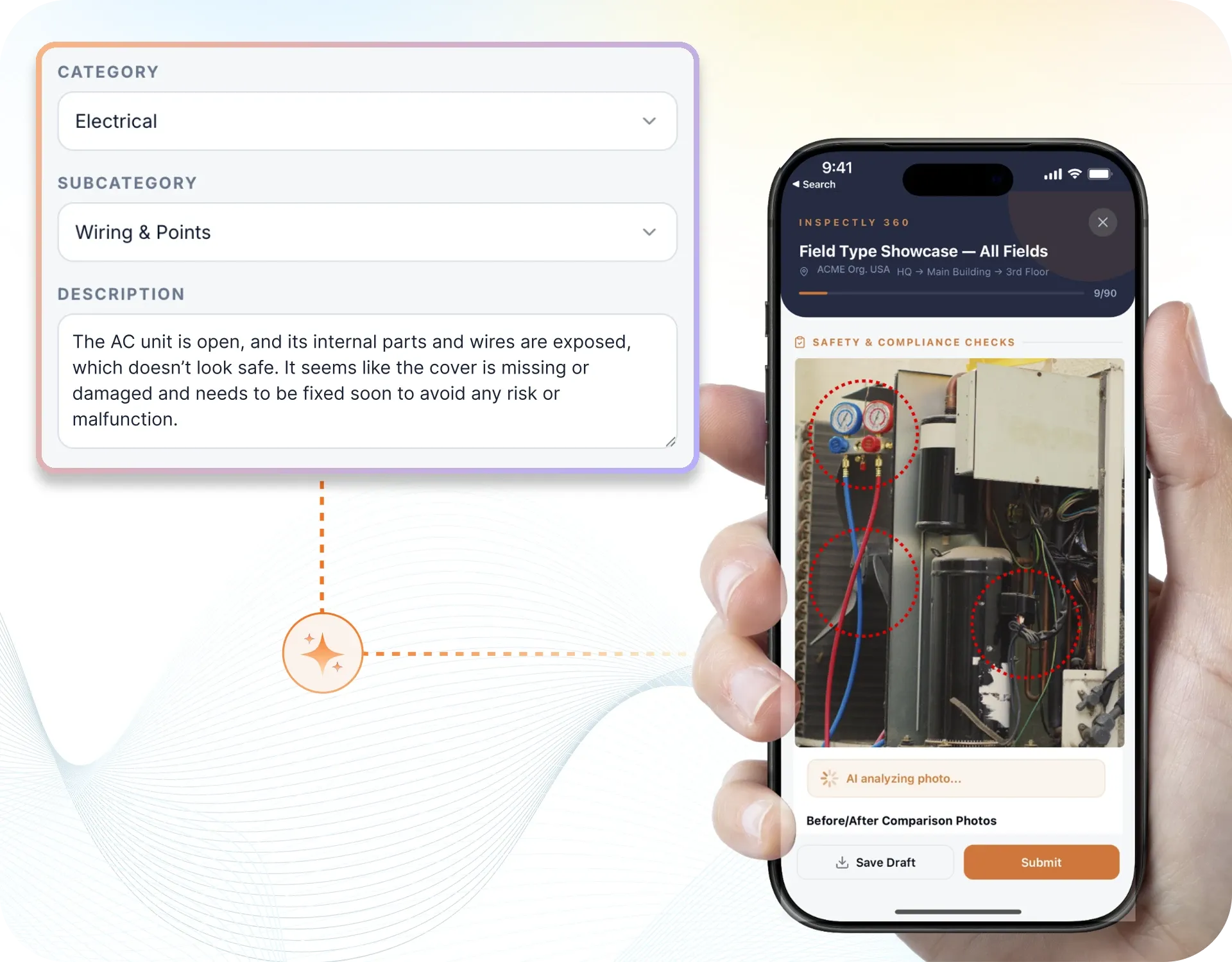
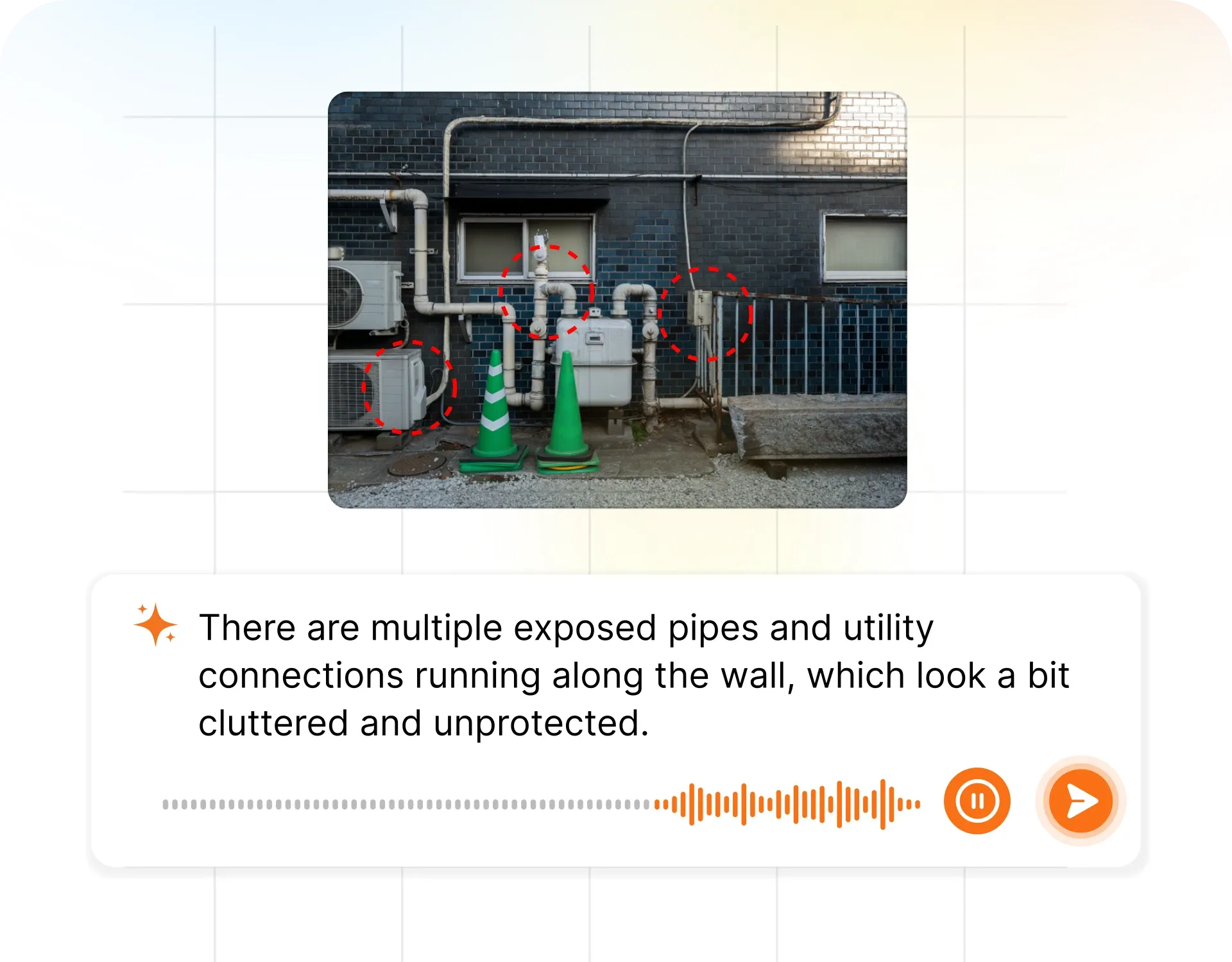
Critical findings route to a supervisor immediately rather than sitting in the completed check. That routing is the point of the process. A pre-trip inspection only protects anyone if a serious defect stops the vehicle before it moves, and on paper systems the defect sheet often travels with the driver or reaches the depot office after the vehicle has already left. Sending the finding, with its photo, to a supervisor at the moment it is logged means the decision to ground a vehicle is made by the right person with the evidence in front of them. The record of that decision then sits with the check rather than in a separate conversation.
How do we prove a pre-trip check happened before the vehicle moved?
Every check carries a timestamp, so the record shows when it was completed rather than only that it was. This is what a compliance review or an insurer actually asks for after an incident, and it is where paper sheets tend to fail, because a form completed at the end of a shift for the whole week looks identical to one completed properly each morning. A timestamped record per check removes that ambiguity in both directions. It evidences the drivers who follow the process, and it makes the pattern visible when checks are being completed as a batch rather than before each trip.
Can depots be compared fairly?
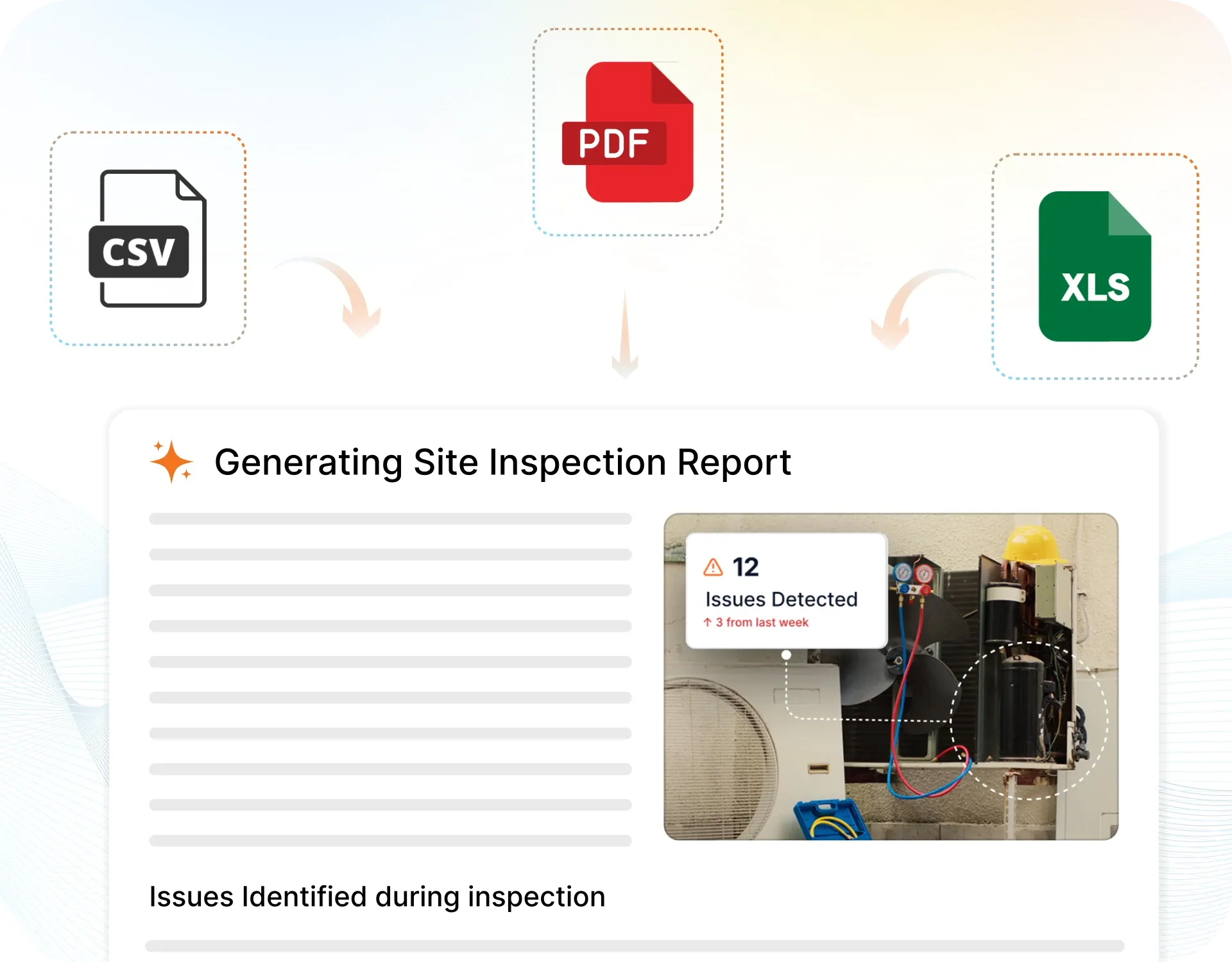
Yes, provided they are running the same checks, which is why templates are standardised across drivers and depots. Consistent reporting outputs then let a supervisor compare outcomes without adjusting for local variation in what was inspected. This usually surfaces something useful fairly quickly, because defect rates rarely differ between depots by accident. A depot reporting far fewer defects is often inspecting less thoroughly rather than running better vehicles, and that is worth knowing before it becomes a roadside enforcement problem. Standard templates also make it practical to move drivers between depots without retraining them on a different paper form.
How does defect history improve maintenance planning?
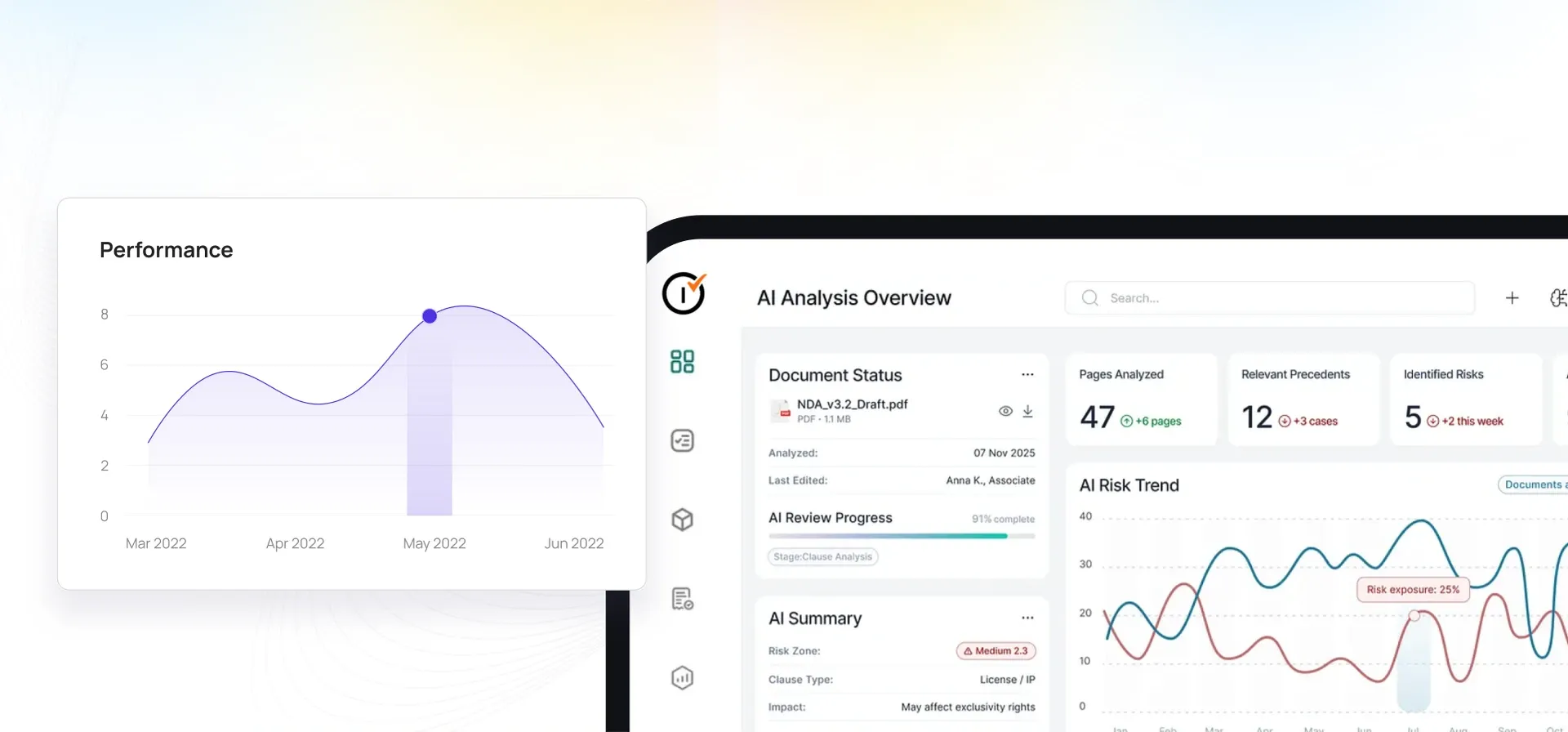
It moves the workshop from reactive to planned. Individual defects are handled as they arise, but the trend across a fleet shows which vehicles and which components generate repeat work. That is the information maintenance scheduling actually needs, and it is almost impossible to assemble from paper sheets filed by date. Once recurring faults are visible by vehicle and by type, a fleet manager can bring a service forward, change a supplier, or retire a vehicle on evidence rather than on the impression that one van is always in the workshop. The same history supports warranty and contract conversations, because the fault record predates the claim.
Can drivers complete checks with no signal at a depot or roadside?
Yes. The app works offline, which matters for vehicle inspections more than for most, because checks happen in yards, underground loading bays, and at the roadside where coverage is unreliable. Drivers complete the walkaround, capture photos of any defect, and submit as normal, and the record syncs once the device is back in coverage with its timestamp and evidence intact. If offline capture were unreliable the gaps would appear exactly where they are least acceptable, which is at the start of a journey. Supervisors see the check when it syncs, so a defect raised in a basement dock still reaches them rather than being written on paper and forgotten.