
“Inspectly360 transformed how we manage site safety inspections. The offline capability alone saved us countless hours. Our compliance rate jumped from 72% to 96% in just three months.”
Sarah Mitchell
Meridian Construction Group

Convert your checklist into Mobile App
Looking for contract management software built around how your team works? We provide it. Inspectly360 delivers a tailored contract-management solution on our platform, configured to your workflows and integrated with your document and signing tools. Book a demo to scope it.
Contract management software manages agreements through their lifecycle: creation, review, approval, a central repository, and renewal and obligation tracking. Inspectly360 provides a contract-management solution tailored to your operation, built on our mobile workflow, reminder, and reporting platform and configured to how your team handles contracts, integrated with the document and signing tools you already use.
The pain shows up at the edges of the lifecycle. A renewal auto-extends because nobody saw the notice date. An obligation in a clause is missed because it lived in a PDF no one reread. A dispute drags because the signed version cannot be told apart from three drafts. Value leaks not from the negotiation but from what happens after signing.
Contract owners standardise this lifecycle before extending it across departments.
New contracts start from approved templates and clause libraries, so agreements are consistent and legal reviews fewer non-standard terms.
Each contract routes to the required reviewers and approvers before signature, with a record of who approved which version and when.
The signed version is stored as the definitive record with its metadata, so the executed contract is never confused with a draft.
Key obligations and milestones in the contract become tasks with owners and dates, so commitments are acted on rather than buried in clauses.
Renewal and notice dates trigger alerts ahead of the deadline, so the team decides to renew, renegotiate, or exit on purpose rather than by default.
Inspectly360 runs the operational contract lifecycle and connects to the systems around it. Where legal uses a drafting or e-signature tool, executed contracts land in the repository as the source of truth with their metadata intact. Where procurement runs purchasing, contracts link to the suppliers and spend they govern. The software owns the repository, the renewal and obligation tracking, and the approval trail, and it feeds dates and commitments to the teams and systems that act on them, rather than replacing your drafting or signature tools.
Validate four things during the pilot. First, that approval routing matches your delegation of authority for contract value and type. Second, that the metadata captured, counterparty, dates, category, and owner, supports the reporting and alerts you need. Third, that obligation tracking can represent the clause types your contracts actually contain. Fourth, that access controls restrict sensitive agreements appropriately. Load one contract category end to end, including a renewal and an obligation, so the lifecycle is proven on real agreements before you migrate the wider portfolio.
Contracts contain commercial terms, pricing, and sometimes personal data, so access and retention are central. Inspectly360 enforces role-based access so users see only the contracts relevant to their role, with sensitive agreements restricted to named users. Changes and approvals are logged, so a contract's history is auditable. Retention settings hold executed contracts and their evidence for the period your legal and governance teams require, and access can be revoked cleanly when someone changes role or leaves.
An existing portfolio does not need to be re-keyed all at once. Start by loading active contracts with their key dates and owners so the renewal and obligation alerts begin working immediately on the agreements that matter most. Historical and expired contracts can be attached for reference without full metadata. Because the repository is searchable and the lifecycle fields are configuration, the portfolio can be enriched over time, and the team gets value from renewal control on the live contracts long before the migration is complete.
What Contract Management Software covers for your team.
Contract owners comparing Inspectly360 to shared drives and calendar reminders see the difference on five points: version certainty, renewal control, obligation tracking, approval evidence, and retrieval speed.
| Capability | Without Inspectly360 | With Inspectly360 |
|---|---|---|
| Version certainty | Drafts and the signed copy sit in the same folder with similar names. In a dispute, nobody can be certain which version was executed. | The executed contract is stored as the definitive record with version history, so the signed terms are never confused with a draft. |
| Renewal control | Renewal dates live in one person's calendar. A contract auto-renews or lapses because the notice date passed unseen. | Renewal and notice dates are tied to each contract and alert ahead of the deadline, so renewals and exits are deliberate decisions. |
| Obligation tracking | Obligations sit inside PDF clauses that nobody rereads, so commitments and entitlements are missed until the other party raises them. | Key obligations become owned tasks with dates, so both what you must do and what you are owed are tracked and acted on. |
| Approval evidence | Approvals happen over email, so proving who authorised a set of terms means reconstructing a thread months later. | Approval routing records who approved which version and when, giving a defensible authorisation trail for every executed contract. |
| Retrieval speed | Finding a contract and its current terms means searching drives and asking around, which stalls audits and negotiations. | Contracts are searchable by counterparty, owner, date, and status, so the current agreement is retrieved in seconds. |
Manage every checklist in one connected workspace, capture evidence on mobile at the point of work, and let AI turn field inputs into clear, stakeholder-ready reports in minutes.

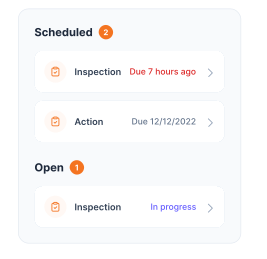
See which checklists your team has in progress across every site, jump into the same inspection with one tap, and keep field, supervisor, and back-office views in sync without sending screenshots on WhatsApp.


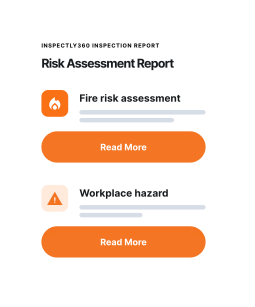
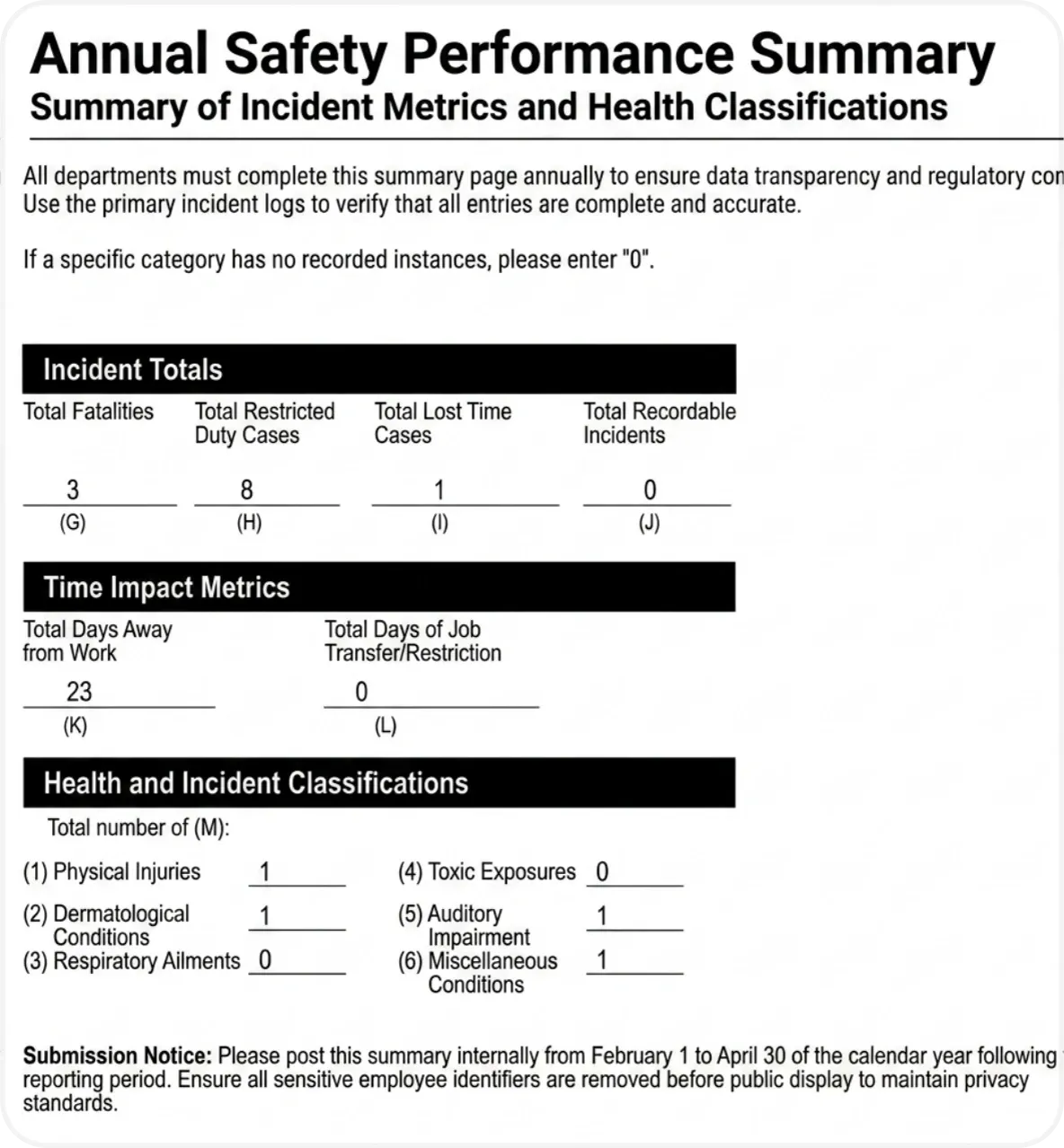


Every team reports differently. Build the report your operations, quality, or compliance leads actually want to read, share it as a branded PDF, and schedule delivery to the stakeholders who need it.


See completion, pass rate, and recurring findings across every checklist and every site, without pulling spreadsheets together at the end of the month.
What changes once contract management software is standardised on Inspectly360.




“Inspectly360 transformed how we manage site safety inspections. The offline capability alone saved us countless hours. Our compliance rate jumped from 72% to 96% in just three months.”
Sarah Mitchell
Meridian Construction Group

“The AI-powered defect detection has changed how we work. Our inspectors capture photos and the system flags issues we'd have missed. It's like having an expert reviewer on every site visit.”
James Chen
Pacific Manufacturing Co.
“Rolling out digital checklists across multiple projects gave us instant visibility into recurring safety issues. We now resolve critical findings in hours instead of days.”
Olivia Carter
Northbridge Infrastructure
Get started with inspection and audit checklist templates.

This Gap Analysis ISO 9001 Checklist can help you prepare for ISO 9001:2015 certification. Use this to evaluate if ...

This ISO 45001 readiness checklist can help you identify areas of your business that require further work before your external ...
Use these apps to run inspections and audits.

by Inspectly360
Simplify facilities inspections with forms, photos, and reports.

by Inspectly360
Building condition and compliance inspections with evidence and follow-ups.

by Inspectly360
Digitize building inspection apps workflows with forms, evidence capture, and automated reporting.

by Inspectly360
Run building inspections on phones and tablets with offline forms, photo evidence, and instant reports.

by Inspectly360
Audit buildings with structured scoring, photo evidence, and corrective action tracking across portfolios.
It is a lifecycle tool that includes a repository, and the distinction matters. A document store holds files and lets you search them, but it does not know a contract has a renewal date, an obligation, or an approval history. Inspectly360 treats each contract as a live record: it carries key dates that trigger alerts, obligations that become owned tasks, versions that distinguish the signed copy from drafts, and an approval trail. Storage supports that lifecycle rather than being the whole product. If you only need a shared drive, a document store is enough. If contracts are lapsing, obligations are being missed, or you cannot prove which version was signed, you need the lifecycle layer.
Each contract carries its renewal, notice, and expiry dates as structured data rather than as a line buried in the text. The software raises alerts ahead of the notice deadline, timed so the owning team has room to decide whether to renew, renegotiate, or exit before the window closes. Because the dates are tied to the contract and the alert goes to a named owner, a renewal no longer depends on one person remembering to check a calendar. This directly addresses the most common source of contract loss, which is an agreement that auto-extends on unwanted terms, or a valuable one that lapses, simply because the notice date passed without anyone seeing it.
Yes. Key obligations and milestones from the contract, for example a service level to meet, a report to deliver, a payment tied to a milestone, or a right you can exercise, become tasks with an owner and a due date. This turns commitments that would otherwise sit unread inside clauses into work that is scheduled and tracked. It covers both directions: what your organisation must do to stay compliant with the agreement, and what the counterparty owes you that is easy to forget to claim. Tracking obligations is often where the return appears, because missed entitlements and breached commitments cost far more than the effort of recording them as tasks.
When a contract is executed, the signed version is stored as the definitive record, clearly distinguished from every draft that preceded it, and the version history shows how the terms evolved to that point. In a dispute or an audit, this removes the common and damaging ambiguity where several similarly named files exist and nobody can say with certainty which one was actually signed. The current terms are unambiguous, and the approval trail shows who authorised them. Because the executed record and its history are held centrally rather than on individual drives, the answer to what was agreed does not depend on tracking down the one person who kept the final copy.
Vendor and supplier information supports the contract lifecycle here rather than being the main subject. A contract links to its counterparty so you can see all agreements with a given supplier, but the depth of supplier relationship management, onboarding, performance scoring, and compliance documents lives in a dedicated vendor management page. This keeps each tool focused: contract management owns the agreement and its lifecycle, vendor management owns the supplier relationship. They connect, so from a contract you reach the supplier and from a supplier you reach their contracts, but the contract page does not try to be a supplier database, and the vendor page does not try to run contract renewals.
Legal teams use it to keep the executed record authoritative and the approval trail defensible. Procurement uses it to control supplier agreements, renewals, and obligations tied to spend. Operations and facilities teams use it to track service contracts and the service levels within them across sites. Finance uses the renewal and obligation data to forecast committed cost. The common need is control over what happens after signature, which is where contract value is usually won or lost. Because access is role-based, each team sees the contracts relevant to it, while the organisation gets one repository and one reporting view rather than a separate spreadsheet per department.
See Inspectly360 in action with a live demo tailored to your needs. No credit card required.