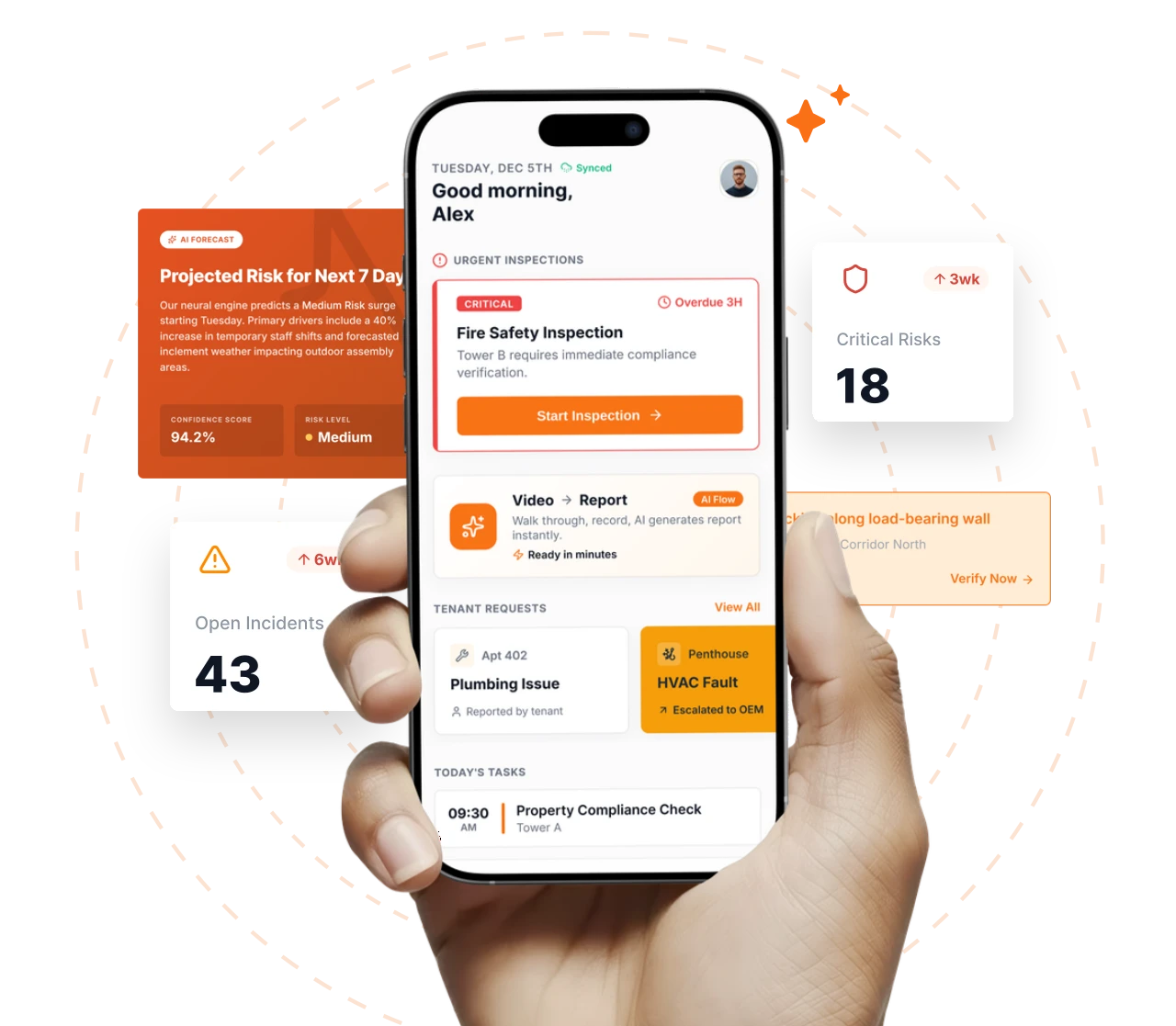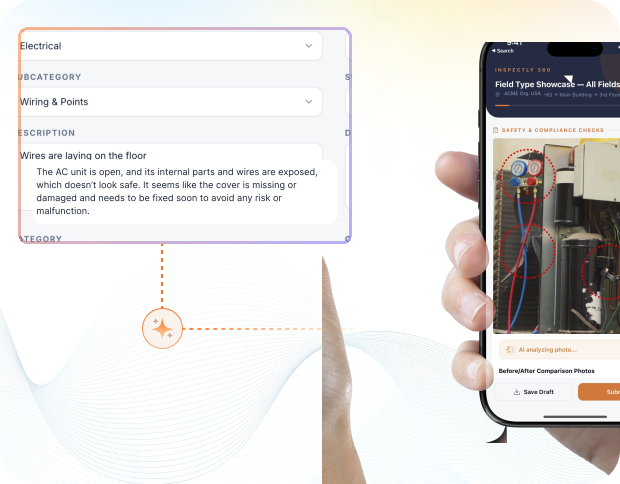
Take a Photo. AI Fills the Form
Your inspector takes a photo of any asset or defect. AI reads it and fills the inspection form automatically. No typing. No manual entry.

Convert your checklist into Mobile App
Roof inspection compliance software is the regulatory-proof layer beside the field roof platform: it carries the OSHA 1910 fall-protection records, the ASHRAE 90. 1 envelope-energy compliance, the IBC structural inspection records, the IECC envelope obligations, the NFPA 1 fire code records, and the warranty defect trails that commercial and industrial roof operations each require, structured for retention across the full warranty and liability window.
Everything your field team does on paper, Inspectly360 does automatically: faster, more accurate, and without the admin.
Your inspector takes a photo of any asset or defect. AI reads it and fills the inspection form automatically. No typing. No manual entry.
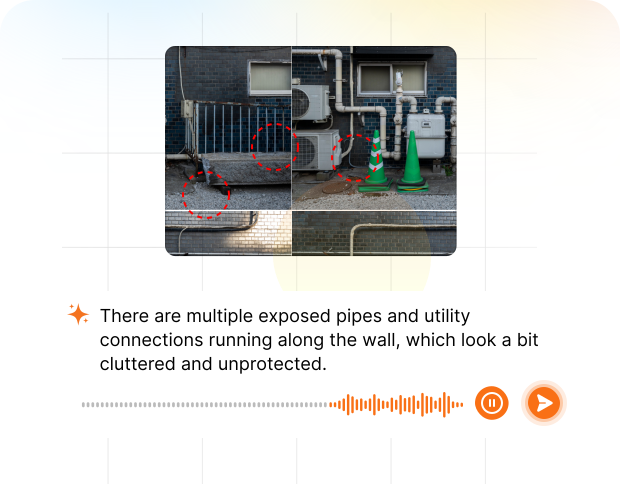
Inspectors speak their observations in any language. AI transcribes and fills the form in real time. Completely hands-free in the field.
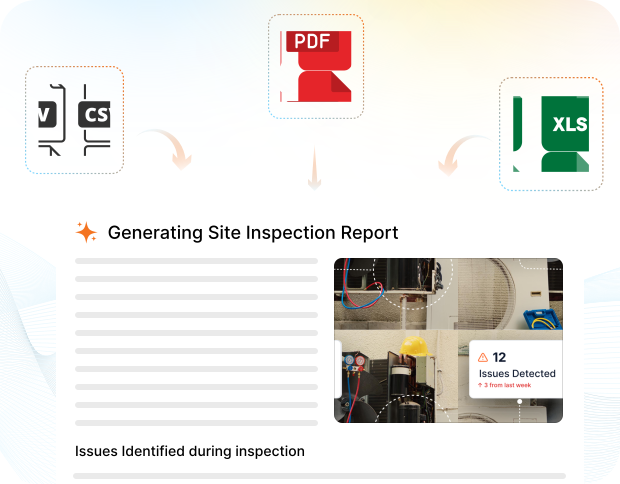
The moment an inspection is submitted, a branded PDF, Excel, or CSV report generates automatically. No manual work. No waiting.

Inspectly360 integrates with the tools your team already uses, including Zoho, Microsoft 365, and SAP. No double entry.
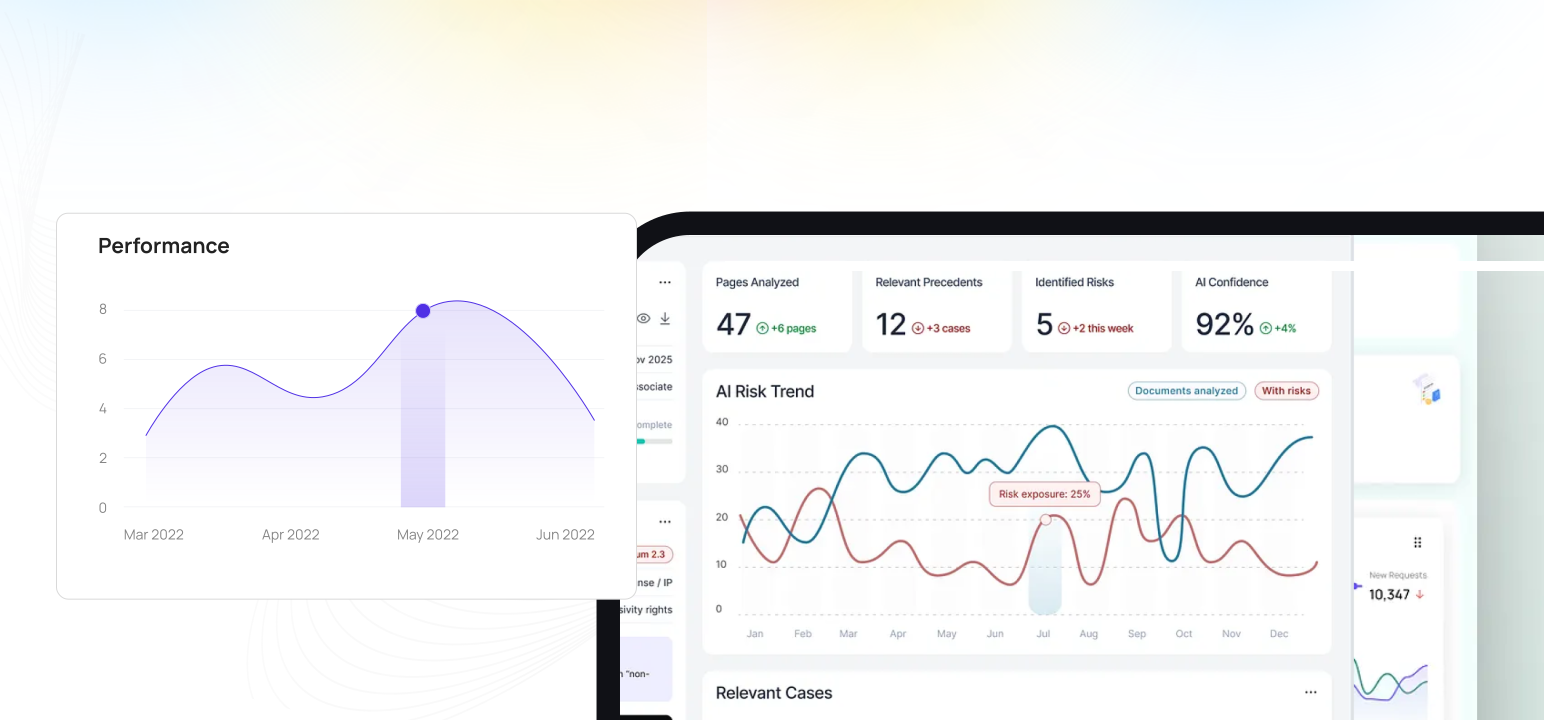
Your operations team sees completion rates, open issues, and compliance scores across all sites in real time. No chasing updates.
What changes once roof inspection compliance software runs on one mobile-first platform with photo proof and live dashboards.
Roof inspection compliance software is the regulatory-proof layer beside the field roof platform: it carries the OSHA 1910 fall-protection records, the ASHRAE 90.1 envelope-energy compliance, the IBC structural inspection records, the IECC envelope obligations, the NFPA 1 fire code records, and the warranty defect trails that commercial and industrial roof operations each require, structured for retention across the full warranty and liability window. Inspectly360 is built for FM directors, building owners, and corporate compliance officers who carry personal accountability for OSHA visits, building inspector reviews, warranty defences, and corporate insurance audits.
For compliance programmes, the platform replaces paper roof compliance files, PDF statutory folders, and Excel compliance trackers with one defensible record aligned to OSHA 29 CFR 1910 (general industry fall protection), OSHA 1910.140 (personal fall protection systems), OSHA 1910.28 (walking-working surfaces), ASHRAE 90.1 (energy standard for buildings), IBC (International Building Code), IECC (International Energy Conservation Code), NFPA 1 (Fire Code), NRCA Roofing Manual, and local building regulation.
For the building owner, the compliance record survives the full warranty and liability window (commonly 15-30 years for roof systems, plus corporate insurance retention) with audit-grade event logs that survive litigation hold.
Roof compliance runs a different cadence to field PPM; the five-step loop below is what FM directors standardise.
Tag every roof template item with the regulatory framework it satisfies (OSHA 1910.140 PFAS, OSHA 1910.28 walking-working surfaces, ASHRAE 90.1 envelope parameters, IBC structural, IECC envelope, NFPA 1 fire code, NRCA Manual items, local building regulation).
OSHA fall-protection inspection cycles, ASHRAE 90.1 envelope reviews at re-roofing, IBC structural inspections annual, NFPA fire code reviews, and local building regulation cycles schedule against property programme dates.
Compliance roof inspections capture timestamped photos, geofenced location, named inspector identity, qualified-person designation, and the statutory template version in force.
OSHA inspector packs, ASHRAE compliance reports, IBC inspection records, IECC envelope reports, NFPA fire code records, and insurance audit submissions export in the format each regulator accepts.
Audit-grade event logs, statutory inspection records, qualified-person designations, and CAPA closure trails preserve for the configured warranty window (commonly 15-30 years for roof systems).
Answers to common long-tail questions, kept on one canonical page to avoid thin duplicate URLs.
Inspectly360 sits as the building owner's compliance-evidence layer beside the regulator's own systems. OSHA enforcement, ICC building code inspection, AHJ (Authority Having Jurisdiction) inspection, and ASHRAE building-energy reviews run on their own systems. Inspectly360 produces the building owner's evidence trail that each authority expects.
Building owners should validate seven retention requirements: configurable retention per regulatory framework (15-30 years for roof system warranties, OSHA 1904 retention, corporate insurance retention); audit-grade event logs that survive litigation hold; encrypted at-rest evidence; regional data residency; certified retention expiry; legal-hold flags; and bulk export to corporate archive systems.
Production roof compliance programmes carry building owner data, contractor PII, and inspection evidence that OSHA inspectors, building inspectors, ASHRAE reviewers, NRCA auditors, and corporate insurance auditors may request years later. Inspectly360 supports configurable retention, audit-grade event logs, encrypted at-rest evidence, regional data residency, and legal-hold flags.
Existing paper roof compliance files, PDF statutory folders, and Excel compliance trackers batch-import as searchable evidence against the same property and roof.
The platform capabilities that power roof inspection compliance software across every site.
FM directors and building owners comparing Inspectly360 to paper roof compliance files, PDF statutory folders, and Excel compliance trackers care about five things specific to roof compliance: whether OSHA 1910 fall-protection records survive HSE inspector cross-reference, whether ASHRAE 90.1 envelope-energy obligations meet for ESG reporting, whether IBC structural inspection records survive insurance claims, whether regulatory updates flow into the inspection library, and whether warranty defence opens with original evidence.
| Topic | Typical Gaps | With Inspectly360 |
|---|---|---|
| OSHA 1910 fall-protection records | Fall-protection inspections and worker training records live in paper files. OSHA 1910.140 inspections of personal fall arrest systems happen ad-hoc; OSHA 1910.28 walking-working surface inspections live in supervisor diaries. | Every roof access event carries fall-protection equipment inspection records, qualified-person designation, and walking-working surface compliance. OSHA 1910 records survive inspector cross-reference. |
| ASHRAE 90.1 envelope-energy compliance | ASHRAE 90.1 envelope-energy obligations for roof insulation R-value, reflectance, and emittance live in commissioning documents. Re-roofing or repair events may inadvertently void compliance. | Roof envelope-energy parameters (R-value, reflectance, emittance) bind to the asset record. Re-roofing and repair events validate against ASHRAE 90.1 thresholds at submission. |
| IBC structural inspection records | International Building Code structural inspections happen at re-roofing only. Annual structural condition records do not exist; insurance claims after a structural failure struggle to apportion responsibility. | IBC structural condition inspections schedule annually with documented evidence. Insurance claims open with the structural inspection history rather than a reconstruction. |
| Regulatory updates flow into the inspection library | ASHRAE revisions, IECC updates, and OSHA letters of interpretation reach the FM team through industry press; the inspection template still inspects against the previous version. | Regulatory template marketplace surfaces updates per framework (ASHRAE 90.1 revisions, IECC updates, OSHA LOIs, NRCA standards, local building regulation updates). Updates publish to the corporate library. |
| Warranty defence years after installation | A warranty claim arrives 15 years after re-roofing; the building owner cannot find the original installation record, the PPM history, or the storm-event responses. The claim settles on cost. | Warranty claims open with the full installation record, PPM history, storm-event responses, and CAPA closure trails intact for the configured warranty window. |
What changes once roof inspection compliance software is standardised on Inspectly360.
Get started with inspection and audit checklist templates.

Standard site-level inspections for construction, safety, and compliance. Capture conditions, photos, and follow-ups in one place.
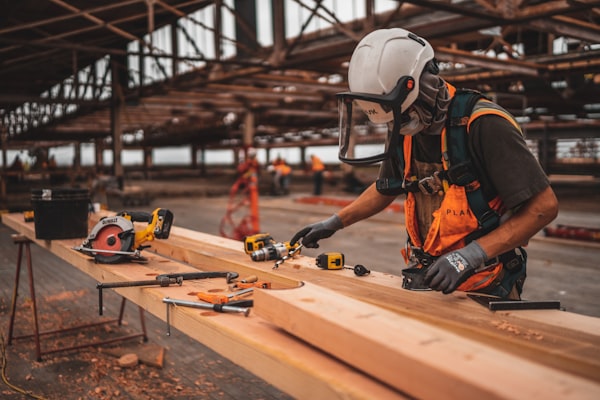
Inspect assets and equipment: condition, location, photos, and maintenance history. Track condition over time.

Complete work orders with checklist items, photos, and sign-off. Track completion and proof of work.

Preventive and corrective maintenance inspections. Log repairs, parts, and condition with photos and follow-ups.
Use these apps to run inspections and audits.

by Inspectly360
Manage construction compliance workflows with documented evidence and audit-ready records.

by Inspectly360
Inspect roof with structured checks, photo evidence, and corrective action tracking.
by Inspectly360
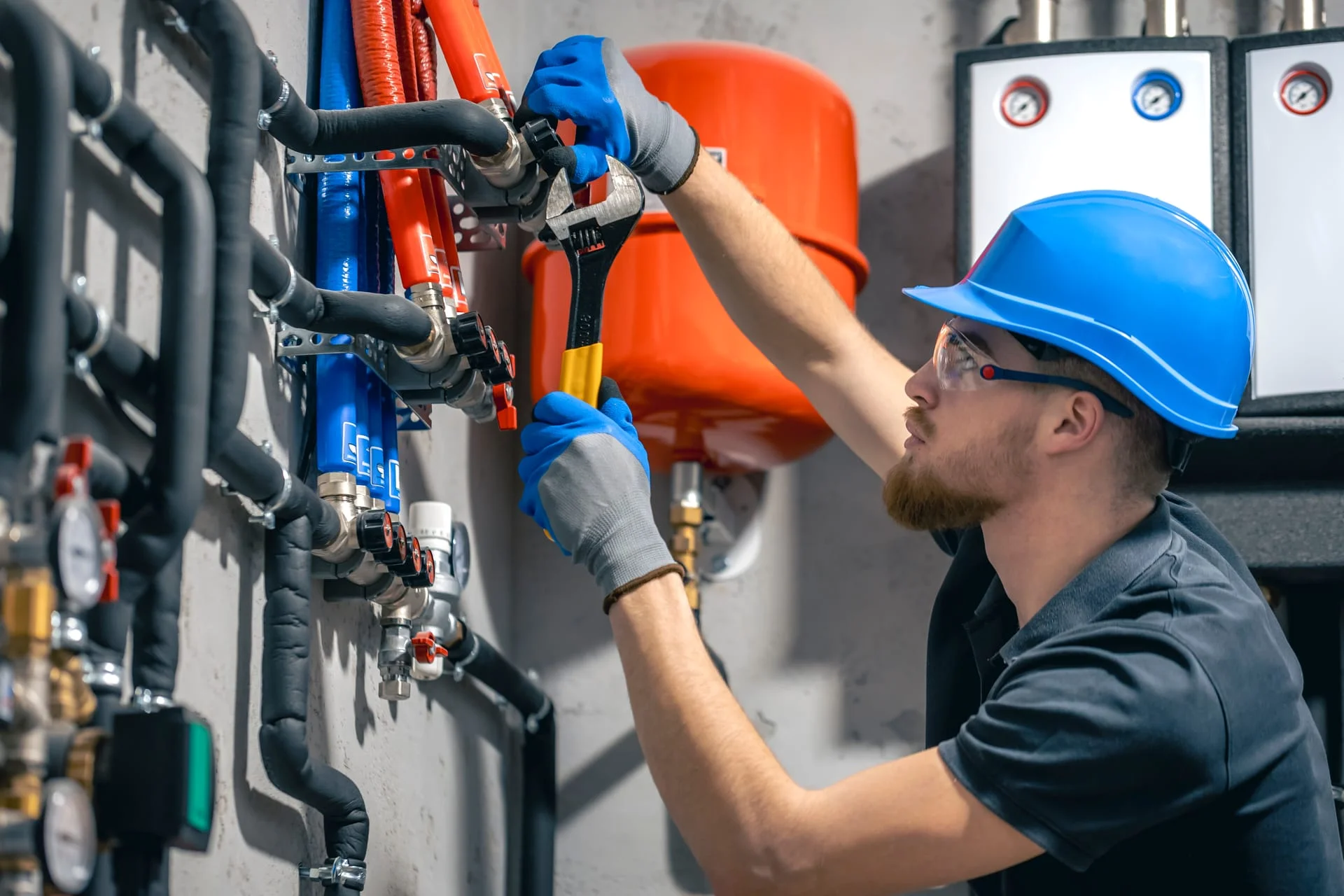
Run roof inspections on phones and tablets with offline forms, photo evidence, and instant reports.

by Inspectly360
Inspect roofs for membrane, flashing, drainage, and fall-protection readiness with photo evidence and NCR links.
by Inspectly360
Execute construction apps workflows with field evidence capture and accountable follow-up actions.
Every roof-access event captures the fall-protection equipment inspection record (personal fall-arrest systems under OSHA 1910.140), the qualified-person designation, and walking-working-surface compliance under OSHA 1910.28. When an OSHA inspector cross-references the access log, the record opens with the same evidence the building owner already holds, rather than a reconstruction. Fall-protection equipment expiry is tracked per item, so a harness, lanyard, or anchor past its inspection date becomes a workflow gate that blocks the access instead of a finding discovered after a fall. Because the capture happens at every access rather than once a year, the record reflects the condition on the day the work was actually done, which is what an inspector and an insurer both want to see.
Roof envelope-energy parameters, such as insulation R-value, solar reflectance, and thermal emittance, are bound to the asset record. Re-roofing and repair events are validated against the ASHRAE 90.1 thresholds at submission, and any change that would void the envelope performance is flagged for approval before it proceeds. Annual envelope reviews are scheduled automatically per property, so compliance is checked on a cadence rather than only when someone remembers. The result is that an energy-code obligation that usually lives in a design document becomes a live check at the point of work, so a repair that quietly degrades the roof's thermal performance is caught at submission instead of surfacing in a later energy audit.
International Building Code structural inspections are scheduled annually with documented evidence: structural deck condition, load capacity, deflection, and attachment integrity, each captured with photographs against the specific roof zone. The structural inspection history then feeds both insurance-claim defence and IBC compliance reporting from one record, so the same evidence serves the regulator and the insurer. Because the inspections run on a schedule and require the evidence before they can close, a missed structural review surfaces as an overdue item rather than a gap discovered after a failure or a claim. For older buildings, the trend across years of deflection and attachment readings also shows whether a structural problem is developing before it becomes urgent.
Retention is configured per roof-system warranty type: 15 years for typical commercial TPO, 20 years for premium TPO, 30 years for standing-seam metal, and lifetime documentation for No Dollar Limit (NDL) warranties. Audit-grade event logs survive any litigation hold placed during the full warranty window, so a record cannot be altered or purged while a claim is live. Because each roof's clock runs against its own warranty type, a portfolio mixing membrane and metal roofs holds each record for exactly as long as its warranty requires, rather than forcing everything onto one blanket period. When a warranty window finally expires, the record is purged in line with the corporate retention policy, with a certified export available first if the owner wants to keep it.
International Energy Conservation Code envelope obligations are met through the same roof envelope-parameter binding used for ASHRAE 90.1. Building owners running an ASHRAE 90.1-compliant programme typically satisfy IECC through the alternative compliance path, so they do not maintain two separate evidence sets. Re-roofing events are validated against the IECC version in effect at the property's building-permit date, which is the version that actually governs that building rather than the latest published edition. That distinction matters in an audit, because compliance is judged against the code in force when the work was permitted. Keeping the permit-date version on the asset record means the right standard is applied automatically, without an inspector having to look up which edition applied to each property.
Regulatory templates fork per jurisdiction: in the US they cover OSHA, IBC, IECC, and ASHRAE; in the UK, Building Regulations Parts L and B; in the EU, the EPBD energy directive; in India, the NBC; and in Australia, the NCC. Each property carries the regulatory framework that applies to it, while a single corporate baseline holds the common roof-inspection criteria that every jurisdiction shares, so only the local requirements diverge. Audit and compliance data lands in the region configured for the property, and portfolio dashboards aggregate compliance status across jurisdictions without moving raw records across borders. A compliance director gets one estate-wide view of which properties are in date against their own local code, while each property answers to its own regulator on its own terms.
Roof Inspection Compliance Software on Inspectly360 connects directly to the inspection apps, checklist templates, forms, industries, and adjacent solutions linked below.
See Inspectly360 in action with a live demo tailored to your needs. No credit card required.