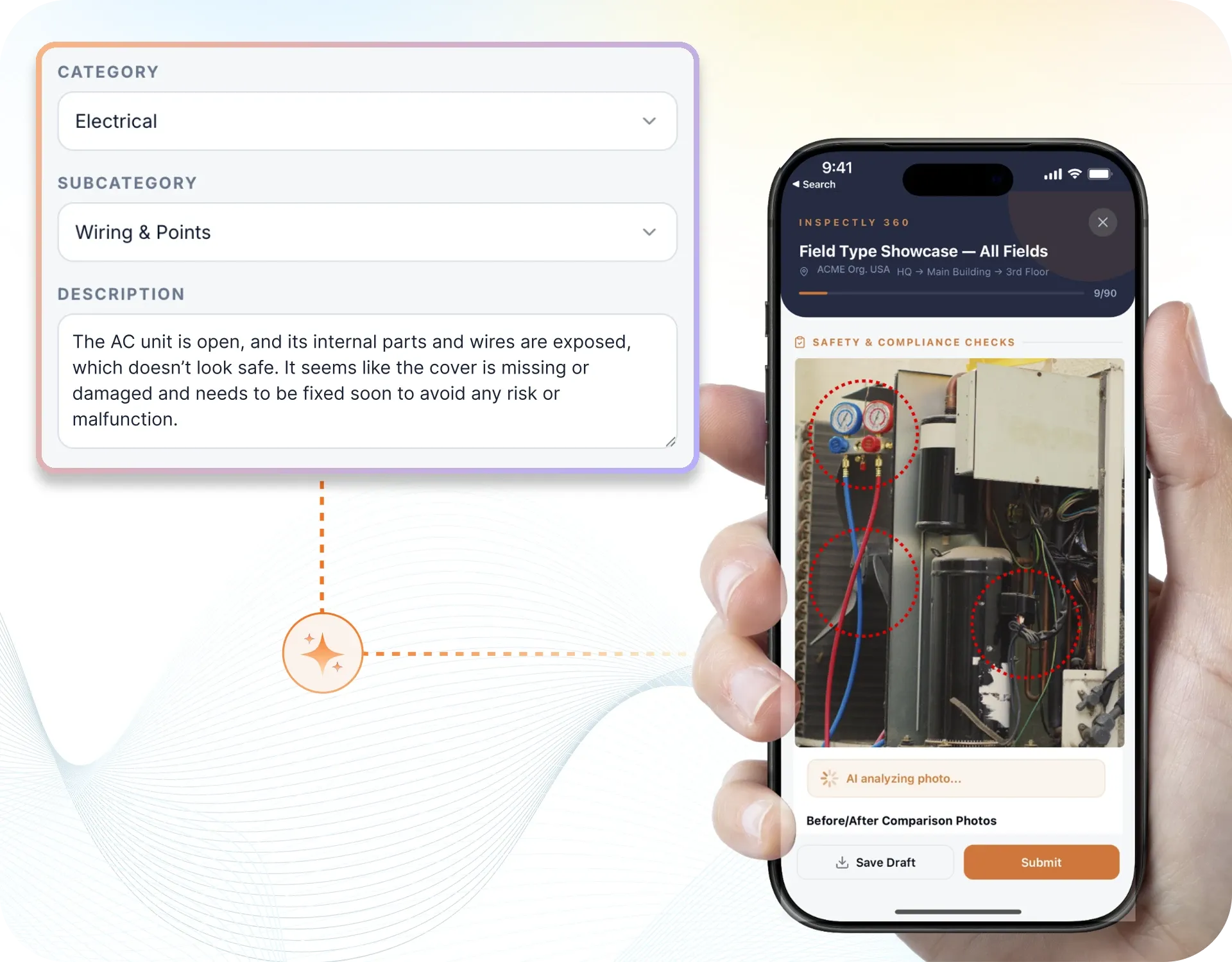
Take a Photo. AI Fills the Form
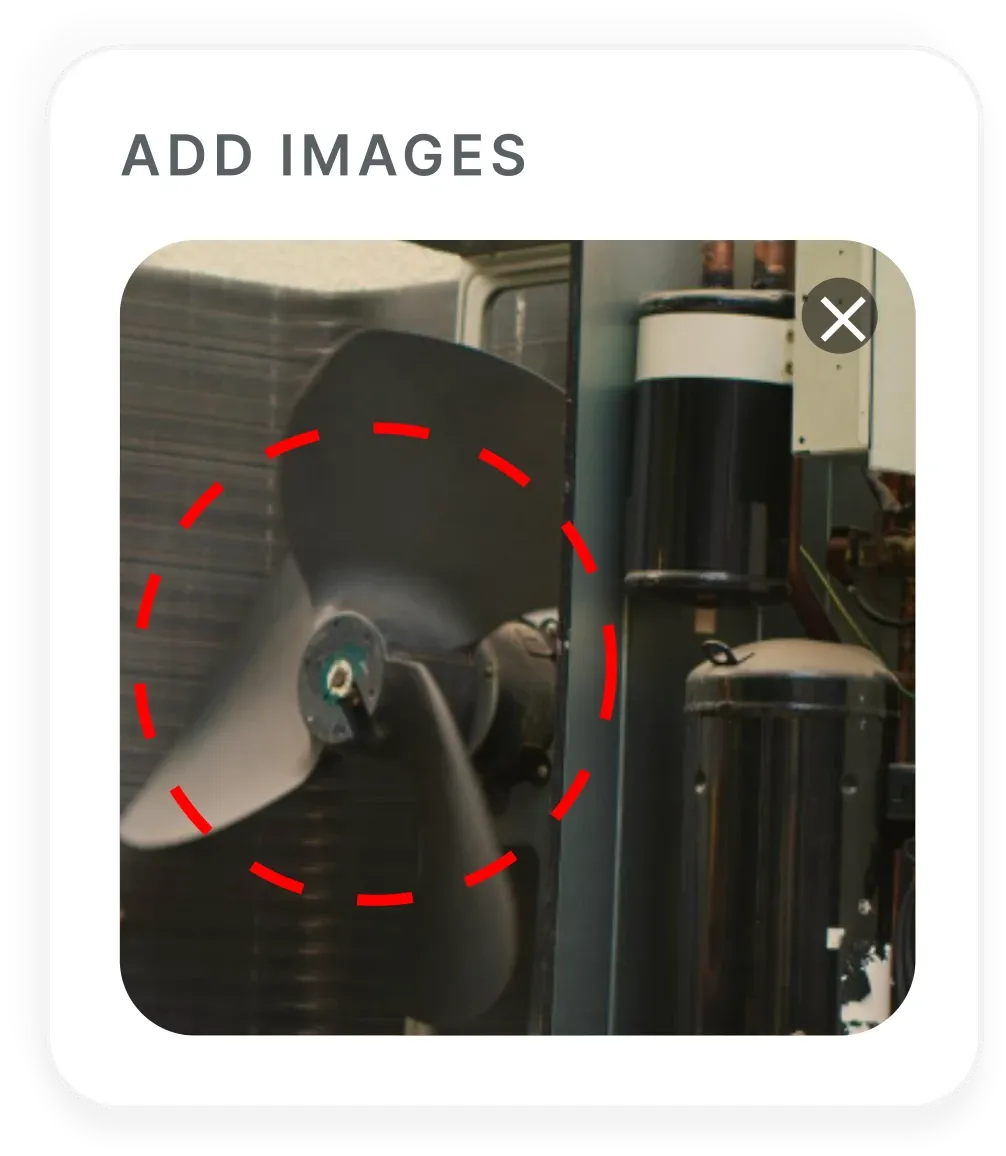
Your inspector takes a photo of any asset or defect. AI reads it and fills the inspection form automatically. No typing. No manual entry.

Convert your checklist into Mobile App
One reporting platform for COOs, Operations Directors, and Heads of Analytics who need a defensible operational picture without waiting for the Friday compile. Live dashboards, automated narrative PDFs, and natural-language queries replace the spreadsheet-and-deck cycle.
Centered on sOLAS/ISM inspections, deficiency capture, and corrective tracking. Inspection reporting and business intelligence software is a system that converts the field-captured operational record into live dashboards, automated narrative PDFs, predictive risk signals, and warehouse-ready exports for executive and analytics teams.
Available on Mobile
Inspect on iOS and Android with no internet required. Capture photos, let AI flag defects, and generate audit-ready reports in the field.
For operations leadership, the platform replaces compiled board packs with live dashboards configurable by role, site, region, and program. Natural-language queries ("which sites missed PPM last week", "show me the top five recurring defects in Q3 by region") return filtered answers, charts, and tables without anyone authoring a report. AI-generated narrative PDFs render branded executive summaries, client SLA packs, and regulator-ready evidence with the underlying data attached.
What changes once reporting & business intelligence runs on one mobile-first platform.
BI rollouts run in three layers: standardise the operational data model first, then automate distribution, then connect the data warehouse and natural-language query layer once the underlying record is trusted.
Define the dimensions reporting depends on: site, region, program, asset class, severity, root cause, vendor, and inspector identity. Field capture writes against the same model dashboards and exports read, so reporting stops requiring a translation layer between operations and analytics.
C-suite dashboards focus on portfolio-wide KPIs and risk indicators. Operations Directors see program completion, escalation, and vendor scorecards. Site Managers see their sites only. Clients see their scope only. Each role gets the view that matches their decision rights, with drill-down to the originating inspection.
Templates render executive summaries, client SLA packs, regulator evidence packs, and board summaries with company branding and client white-label options. AI-generated narrative summarises trends, anomalies, and exceptions; the underlying evidence remains one click away.
REST API and scheduled exports stream to Power BI, Tableau, Looker, Looker Studio, Snowflake, BigQuery, and Redshift. Inspection, issue, asset, and workforce dimensions join with revenue, cost, customer-satisfaction, and HR data so leadership correlates field operations with business outcome.
Natural-language queries return filtered answers in seconds; anomaly detection on the same data stream flags sites trending outside the normal envelope before manual review catches them. The reporting cycle stops needing a human between the data and the question.
Inspection reporting and analytics checks completion and compliance dashboards, overdue and SLA tracking, recurring-issue and trend analysis, site and vendor performance scoring, branded PDF and audit exports, and risk scoring per site. Operations directors and analysts capture a photo and a reading on each point, offline where signal is poor, and a named reviewer signs the round off, so every multi-site record proves what was checked, when, and by whom, and stays aligned to ISO 9001, and ISO 45001.
Templates align to ISO 9001, ISO 45001.
Everything your field team does on paper, Inspectly360 does automatically: faster, more accurate, and without the admin.
Your inspector takes a photo of any asset or defect. AI reads it and fills the inspection form automatically. No typing. No manual entry.
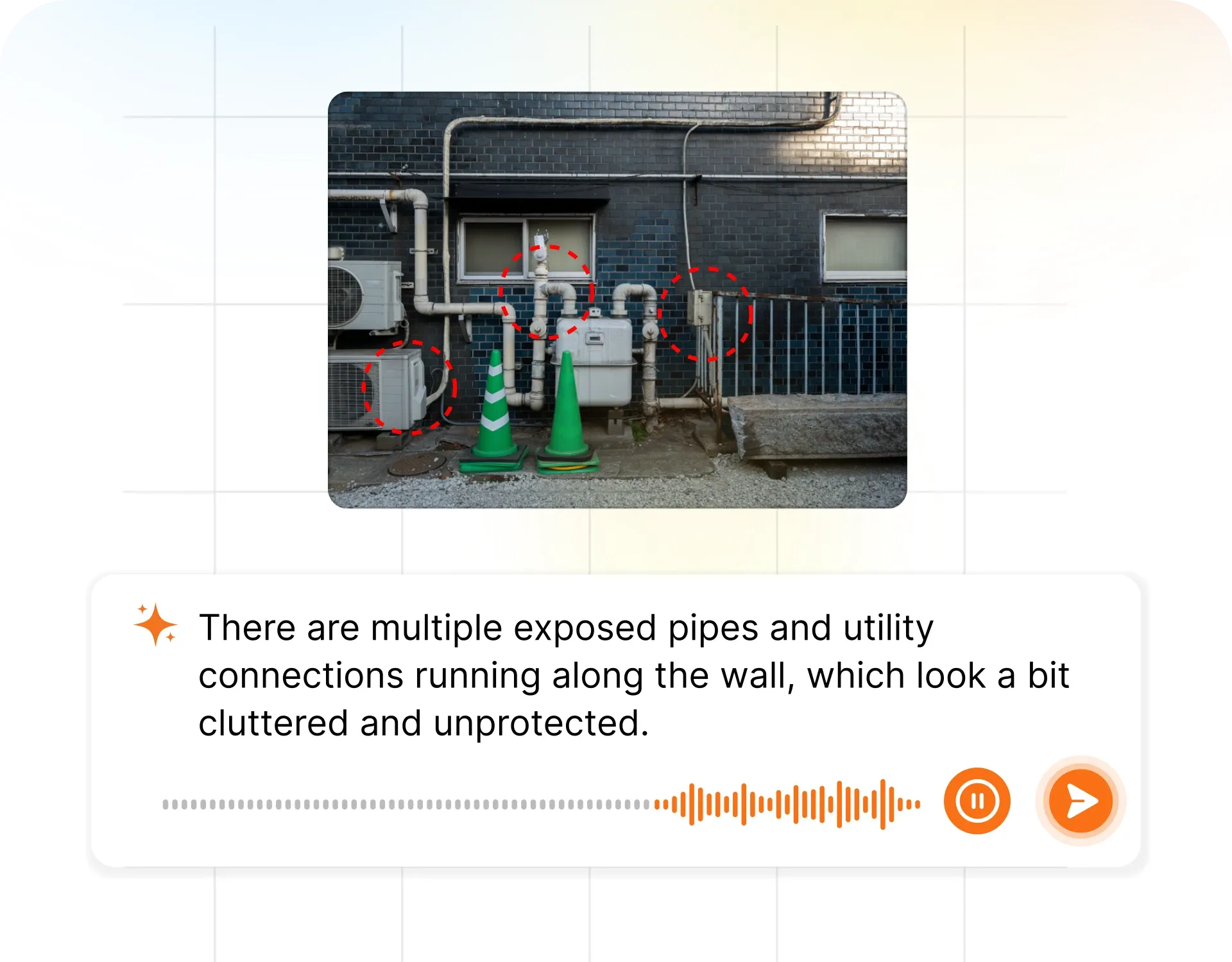
Inspectors speak their observations in any language. AI transcribes and fills the form in real time. Completely hands-free in the field.
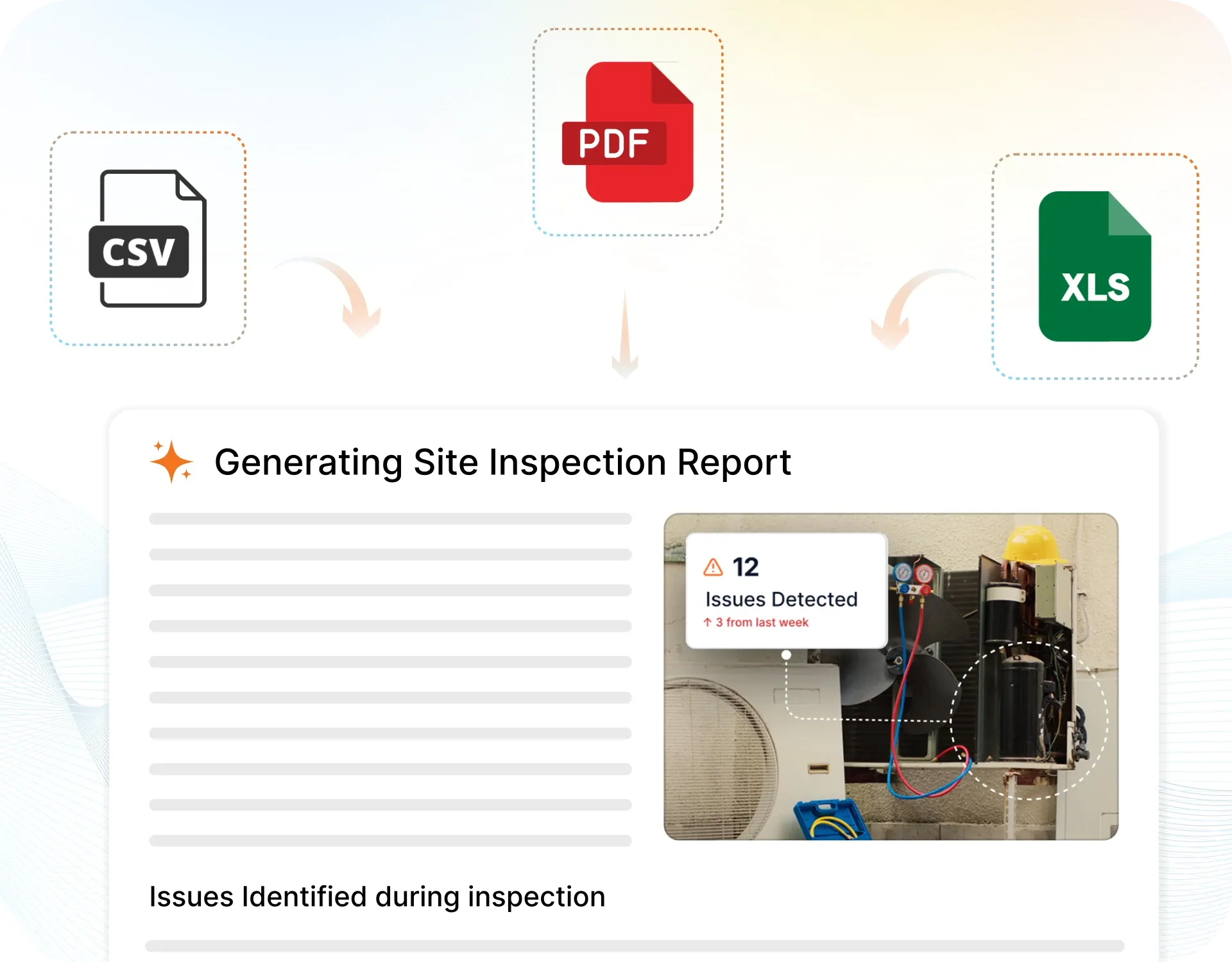
The moment an inspection is submitted, a branded PDF, Excel, or CSV report generates automatically. No manual work. No waiting.
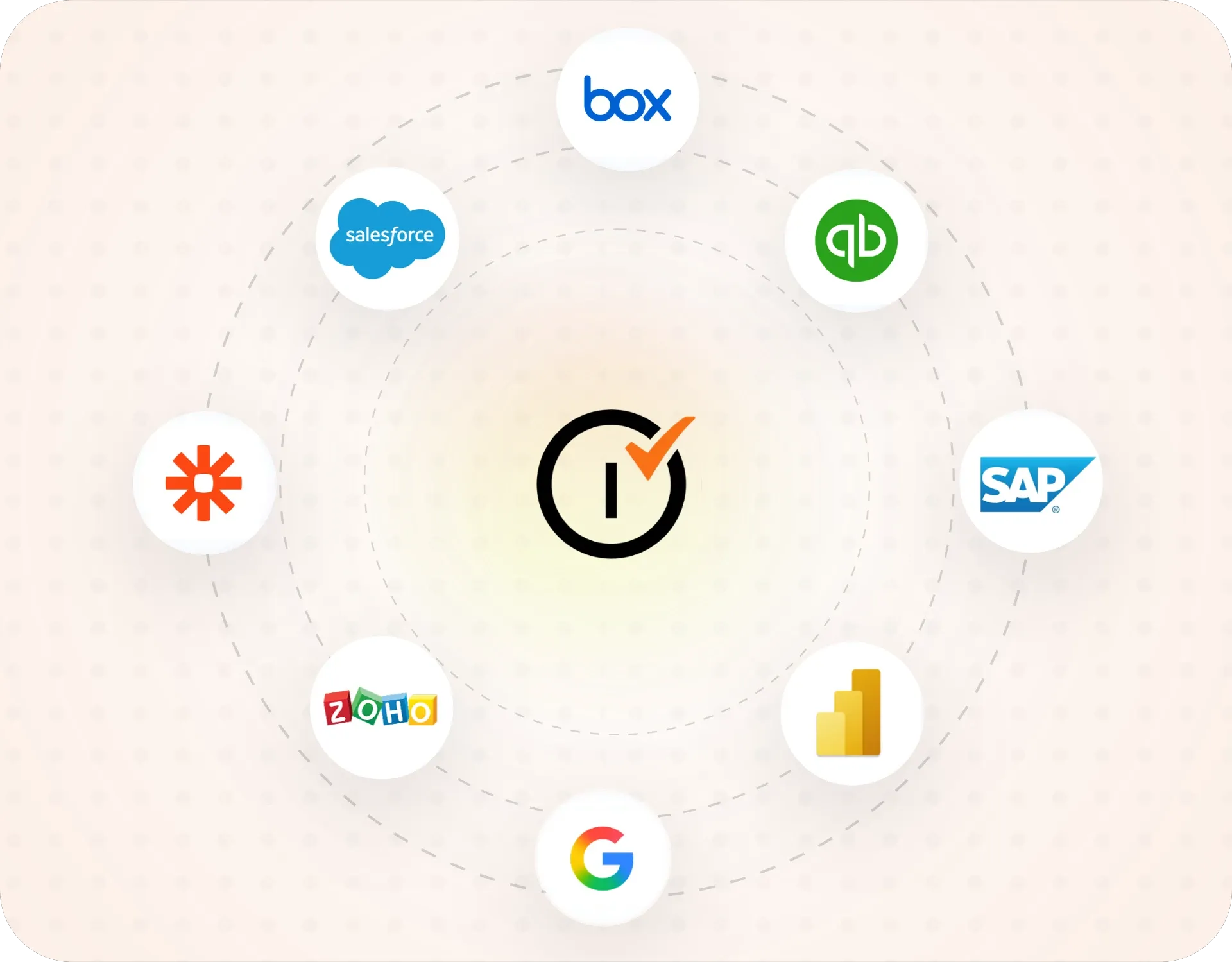
Inspectly360 integrates with the tools your team already uses, including Zoho, Microsoft 365, and SAP. No double entry.
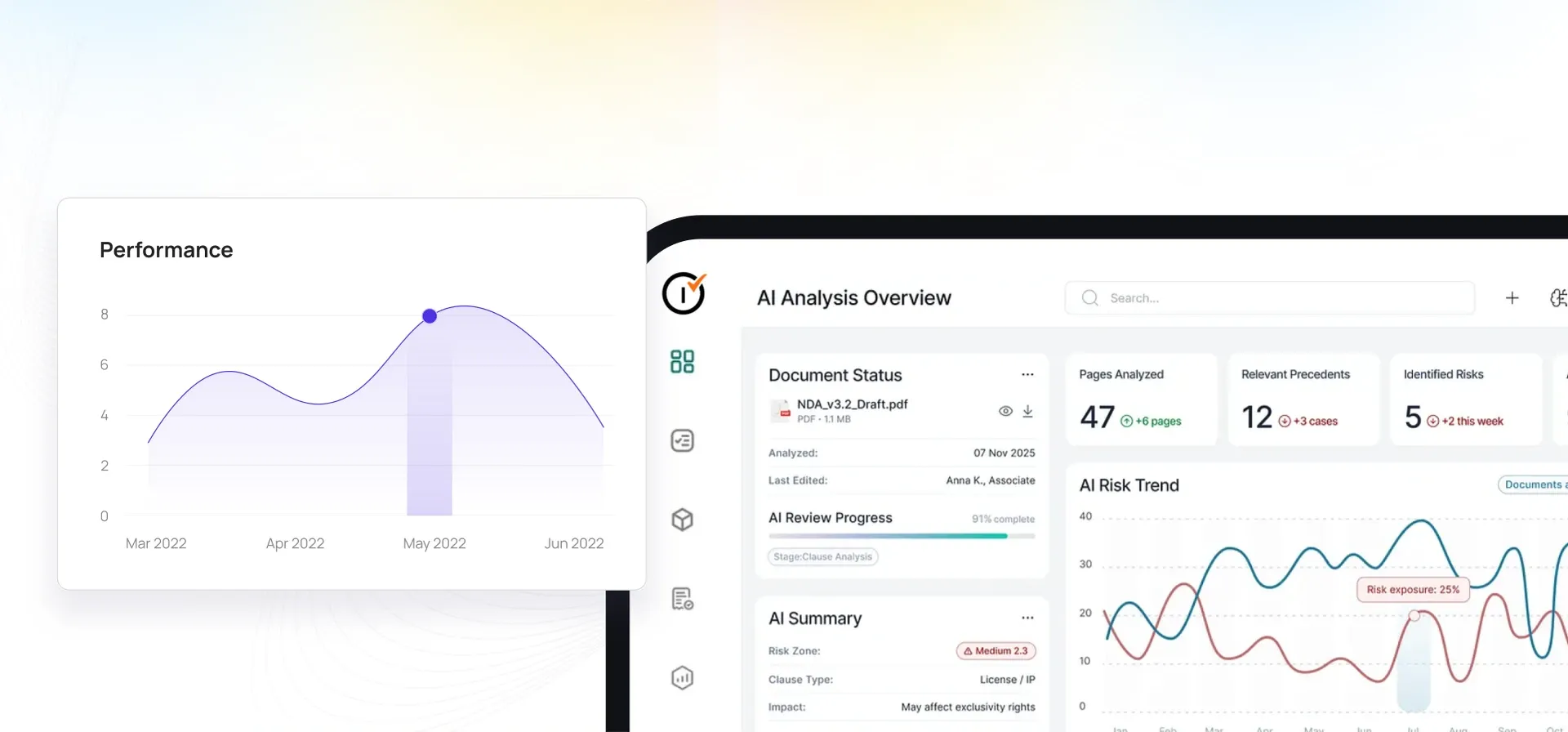
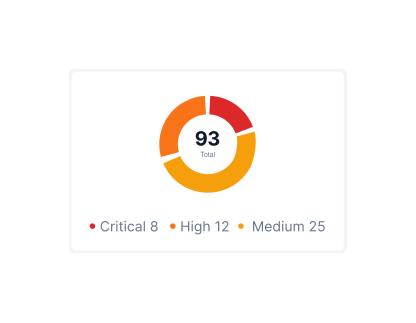
Your operations team sees completion rates, open issues, and compliance scores across all sites in real time. No chasing updates.
Manage every checklist in one connected workspace, capture evidence on mobile at the point of work, and let AI turn field inputs into clear, stakeholder-ready reports in minutes.

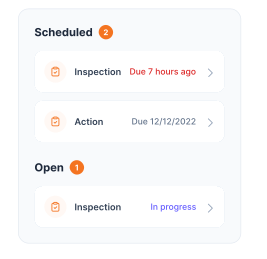
See which checklists your team has in progress across every site, jump into the same inspection with one tap, and keep field, supervisor, and back-office views in sync without sending screenshots on WhatsApp.


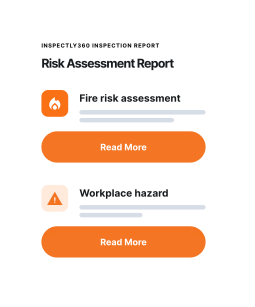
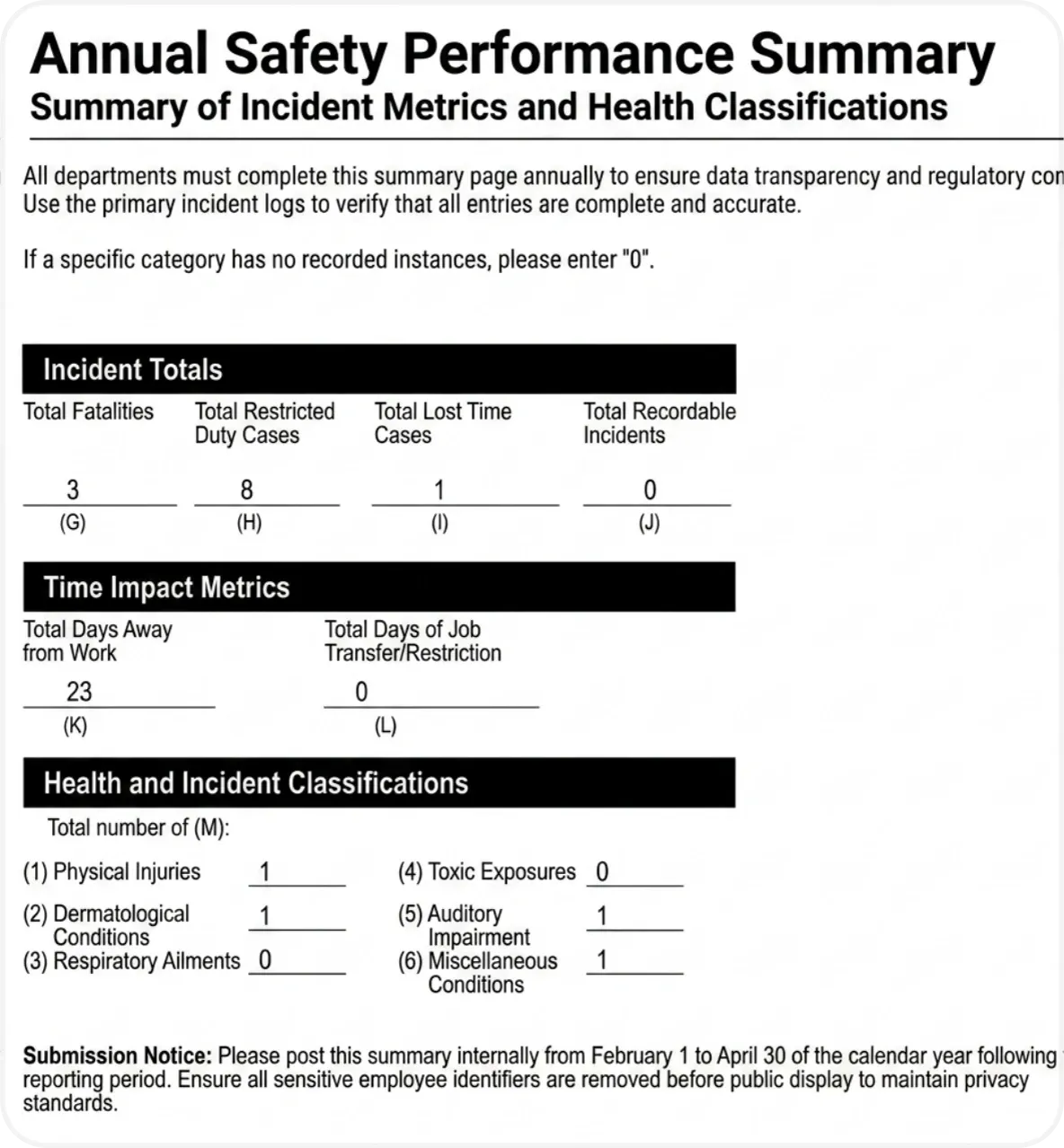


Every team reports differently. Build the report your operations, quality, or compliance leads actually want to read, share it as a branded PDF, and schedule delivery to the stakeholders who need it.


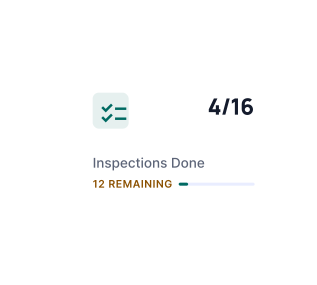
See completion, pass rate, and recurring findings across every checklist and every site, without pulling spreadsheets together at the end of the month.
What changes once reporting & business intelligence is standardised on Inspectly360.





“Inspectly360 transformed how we manage site safety inspections. The offline capability alone saved us countless hours. Our compliance rate jumped from 72% to 96% in just three months.”
Sarah Mitchell
Meridian Construction Group

“The AI-powered defect detection has changed how we work. Our inspectors capture photos and the system flags issues we'd have missed. It's like having an expert reviewer on every site visit.”
James Chen
Pacific Manufacturing Co.
“Rolling out digital checklists across multiple projects gave us instant visibility into recurring safety issues. We now resolve critical findings in hours instead of days.”
Olivia Carter
Northbridge Infrastructure
Get started with inspection and audit checklist templates.

Standard site-level inspections for construction, safety, and compliance. Capture conditions, photos, and follow-ups in one place.

Inspect assets and equipment: condition, location, photos, and maintenance history. Track condition over time.

Complete work orders with checklist items, photos, and sign-off. Track completion and proof of work.

Preventive and corrective maintenance inspections. Log repairs, parts, and condition with photos and follow-ups.
Use these apps to run inspections and audits.

by Inspectly360
Generate inspection reports with findings, evidence summaries, and actionable follow-up.

by Inspectly360
Analyze inspection trends, recurring issues, and performance metrics across locations.

by Inspectly360
Generate clear audit reports with findings, risk summaries, and action recommendations.

by Inspectly360
Analyze audit trends, control effectiveness, and recurring findings across teams and sites.

by Inspectly360
Analyze compliance trends, recurring gaps, and closure performance across teams and locations.
Typical examples include "which sites missed PPM last week", "show the top five recurring defects in Q3 by region", "what is the current escalation backlog by vendor in the eastern region", "how does first-pass yield compare to last quarter for line three", and "which AMC contracts expire in the next ninety days with vendor score below threshold". Queries can drill across inspection, issue, asset, workforce, and AMC dimensions filtered by site, region, program, severity, and time window. The result returns as a chart, table, or filtered record set ready to share or schedule as a recurring report. Queries respect the same RBAC the dashboards do, so a regional director sees their region only.
Executive dashboards are configured by the customer's analytics or operations team using a no-code drag-and-drop widget builder. Each dashboard carries a role, site scope, and time-window filter inherited at runtime so the same dashboard renders different data per viewer. Widgets cover KPI tiles, trend charts, comparison charts, anomaly callouts, heatmap, geo-map, and narrative blocks. Templates ship for COO, Operations Director, Site Manager, Auditor, and Client roles; customers fork them and own the variations. Configuration changes are versioned with named approvers so the dashboard the board sees on Monday is the one the analytics team last reviewed, not whatever someone moved on Friday.
Distribution lists can be managed centrally (analytics team curates the list) or self-service (stakeholders subscribe to what they want). Each subscription carries the report template, the cadence (daily, weekly, monthly, quarterly), the scope filter, and the delivery channel (email, secure download link, customer portal, or push to SharePoint, Google Drive, or Microsoft Teams). Subscription audit logs record who subscribed to what and when, which matters when sensitive operational data is being distributed externally. Recipients can unsubscribe from any individual subscription without losing access to others.
Anomaly detection runs on the inspection, issue, asset, workforce, and SLA data streams against configurable thresholds and learned baselines. A site whose PPM compliance trends below 90 percent for two consecutive weeks flags. A vendor whose closure time crosses two standard deviations above their own baseline flags. A defect category whose monthly volume exceeds the trailing 6-month mean by 50 percent flags. Thresholds are configurable per program and per audience so a board-level alert is tuned differently from a site-level operational alert. Flags route via email, push, in-app, and webhook to the configured stakeholders with the supporting evidence attached.
REST API and scheduled exports support JSON, CSV, Parquet, and direct connector to Snowflake, BigQuery, Redshift, Azure Synapse, and Databricks. Dimensions include site, region, program, asset, asset class, inspector, inspector role, vendor, severity, root cause, customer, batch and lot (manufacturing), shift, geo-coordinates, and time-window roll-ups. Fact tables include inspection events, issue lifecycle, work-order events, SLA timer events, AMC contract events, and workforce events. The schema is documented for the customer's data engineering team, so joining inspection data with revenue, cost, customer-satisfaction, and HR sources is a routine engineering task rather than a project.
Yes. Dashboards render natively on iOS and Android with the same scoping, drill-down, and natural-language query layer the desktop offers. Executive iPad apps are common for COO and Regional Director use cases. Push alerts deliver anomaly flags and SLA breaches to the executive's device with the supporting evidence one tap away. Mobile dashboard configuration is the same configuration the desktop dashboard uses, so the analytics team configures once and the executive sees the same view on whichever device they pick up.
See Inspectly360 in action with a live demo tailored to your needs. No credit card required.