


What is a à¹à¸šà¸šà¸Ÿà¸à¸£à¹Œà¸¡à¸™à¸±à¸”หมายตรวจเช็ค/à¹à¸à¹‰à¹„ขà¸à¸¥à¹‰à¸à¸‡à¸§à¸‡à¸ˆà¸£à¸›à¸´à¸”?
A à¹à¸šà¸šà¸ÿà¸à¸£à¹œà¸¡à¸™à¸±à¸”หมายตรวจเบ็ค/à¹à¸à¹‰à¹„ขà¸à¸¥à¹‰à¸à¸‡à¸§à¸‡à¸ˆà¸£à¸›à¸´à¸” is a structured template used to ensure consistent, thorough template inspections. à¹à¸šà¸šà¸Ÿà¸à¸£à¹Œà¸¡à¸™à¸±à¸”หมายสำหรับลูà¸à¸„้า ABG / ABT SMART เพื่à¸à¹à¸à¹‰à¹„ขหรืภตรวจเช็คà¸à¸¸à¸›à¸à¸£à¸“์รัà¸à¸©à¸²à¸„วามปลà¸à¸”ภัย เช่น à¸à¸¥à¹‰à¸à¸‡à¸à¸±à¸™à¸‚โมยระบบ WiFi à¹à¸¥à¸°à¸à¸¥à¹‰à¸à¸‡à¸§à¸‡à¸ˆà¸£à¸›à¸´à¸” NVR ฟà¸à¸£à¹Œà¸¡à¸„รà¸à¸šà¸„ลุมข้à¸à¸¡à¸¹à¸¥à¸¥à¸¹à¸à¸„้า รายละเà¸à¸µà¸¢à¸”สินค้าที่มีปัà¸à¸«à¸² วันที่à¹à¸¥à¸°à¸ªà¸–านที่นัดหมาย à¹à¸™à¸šà¸£à¸¹à¸›à¸¢à¸·à¸™à¸¢à¸±à¸™à¸à¸²à¸à¸²à¸£ à¹à¸¥à¸°à¸à¸²à¸£à¸ªà¹ˆà¸‡à¸‡à¸²à¸™à¸Šà¹ˆà¸²à¸‡ รวมถึงตัวเลืà¸à¸à¸à¸²à¸£à¸Šà¸³à¸£à¸°à¹€à¸‡à¸´à¸™à¹à¸¥à¸°à¹€à¸‡à¸·à¹ˆà¸à¸™à¹„ขà¸à¸²à¸£à¹ƒà¸Šà¹‰à¸ªà¸´à¸—ธิ์ตรวจเช็ค Maintenance ฟรี 1 …
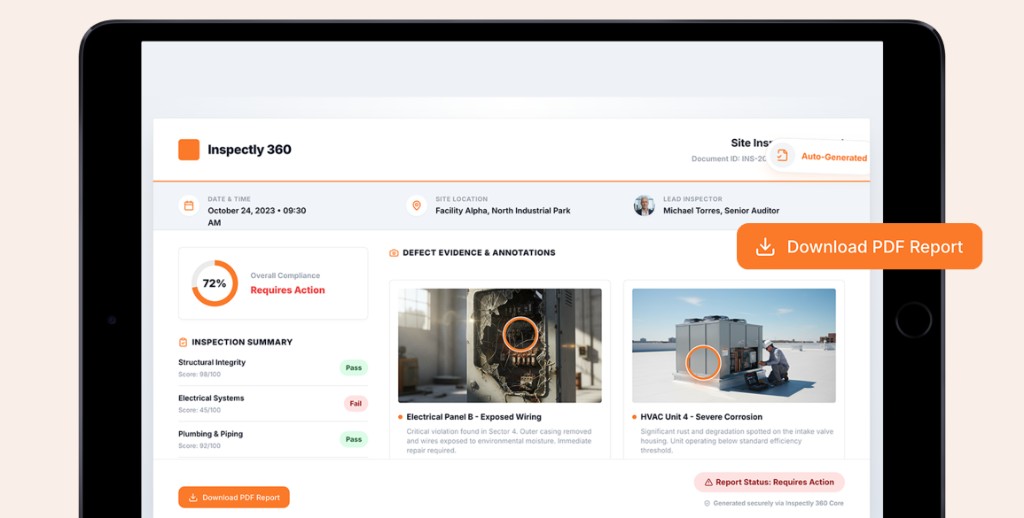
Using a digital checklist ensures one version of truth, photo evidence per finding, and trackable closeout — reducing errors, missed items, and compliance gaps.
Why is it important?
A à¹à¸šà¸šà¸ÿà¸à¸£à¹œà¸¡à¸™à¸±à¸”หมายตรวจเบ็ค/à¹à¸à¹‰à¹„ขà¸à¸¥à¹‰à¸à¸‡à¸§à¸‡à¸ˆà¸£à¸›à¸´à¸” helps teams keep template work consistent, safe, and auditable. The checklist supports inspectors and supervisors to:
- Maintain compliance and quality standards:Structured checks help confirm work meets specifications and expectations, with a record for audits and reviews.
- Reduce rework and repeated visits:Issues are captured with evidence and ownership so fixes happen before they become expensive downstream problems.
- Improve communication:A shared template aligns field teams, contractors, and managers on what was inspected and what is still open.
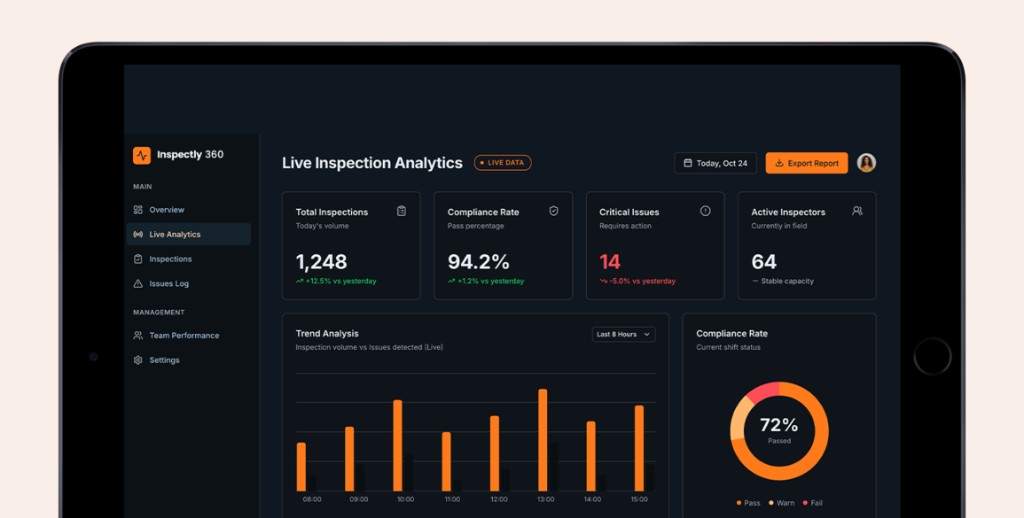
- Speed up reporting:Digital capture means findings roll up into reports without re-keying spreadsheets or paper notes.
What Should Be Included in a à¹à¸šà¸šà¸Ÿà¸à¸£à¹Œà¸¡à¸™à¸±à¸”หมายตรวจเช็ค/à¹à¸à¹‰à¹„ขà¸à¸¥à¹‰à¸à¸‡à¸§à¸‡à¸ˆà¸£à¸›à¸´à¸”
A complete à¹à¸šà¸šà¸ÿà¸à¸£à¹œà¸¡à¸™à¸±à¸”หมายตรวจเบ็ค/à¹à¸à¹‰à¹„ขà¸à¸¥à¹‰à¸à¸‡à¸§à¸‡à¸ˆà¸£à¸›à¸´à¸” should cover the context of the inspection, the checkpoints you need to verify, and space for evidence and follow-up. Key elements include:
Inspection context
Record where and when the inspection takes place:
- Site or location identification
- Inspector, date, and areas or assets in scope
- Any reference numbers or schedules linked to the visit
Checkpoints and scoring
Define what you are verifying and how results are recorded:
- Structured inspection items with pass, fail, and N/A responses
- Scoring or severity where your process requires it
- 20 fields aligned to your checklist template
Evidence and corrective actions
Make every finding traceable and actionable:
- Photo and note capture per item or observation
- Corrective action assignment with owners and due dates
- Sign-off, completion status, and notes for follow-up
How to Use this Checklist
Follow these steps to use your à¹à¸šà¸šà¸ÿà¸à¸£à¹œà¸¡à¸™à¸±à¸”หมายตรวจเบ็ค/à¹à¸à¹‰à¹„ขà¸à¸¥à¹‰à¸à¸‡à¸§à¸‡à¸ˆà¸£à¸›à¸´à¸” effectively:
- Fill in the header details: inspector, site, date, and scope of areas covered.
- Work through each checkpoint in order, recording pass, fail, or N/A as you go.
- Attach photos or notes wherever evidence is needed for failures or observations.
- Assign owners and deadlines for any corrective actions you log.
- Review the summary, share or export the report, and keep the record for your audit trail.