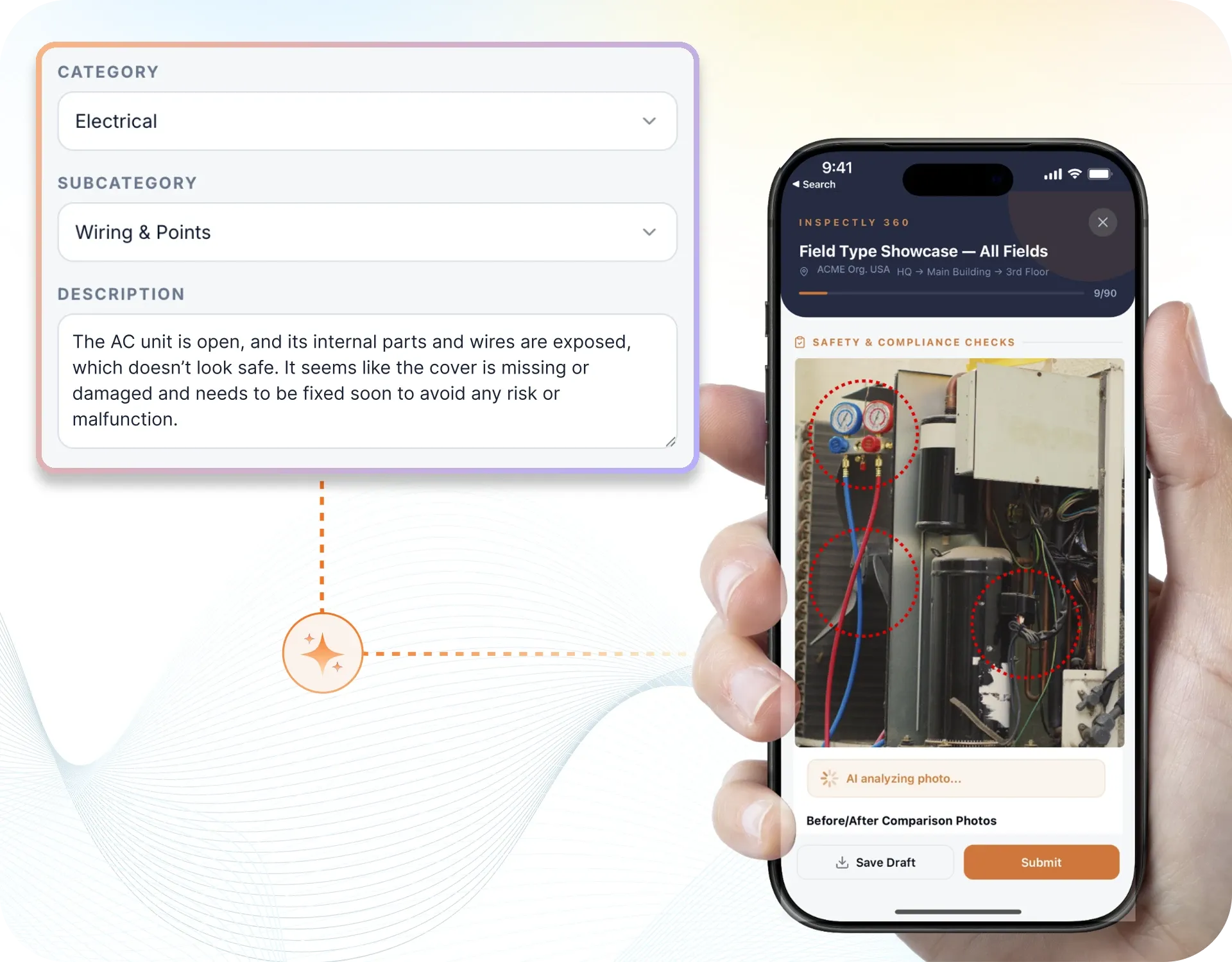
Take a Photo. AI Fills the Form
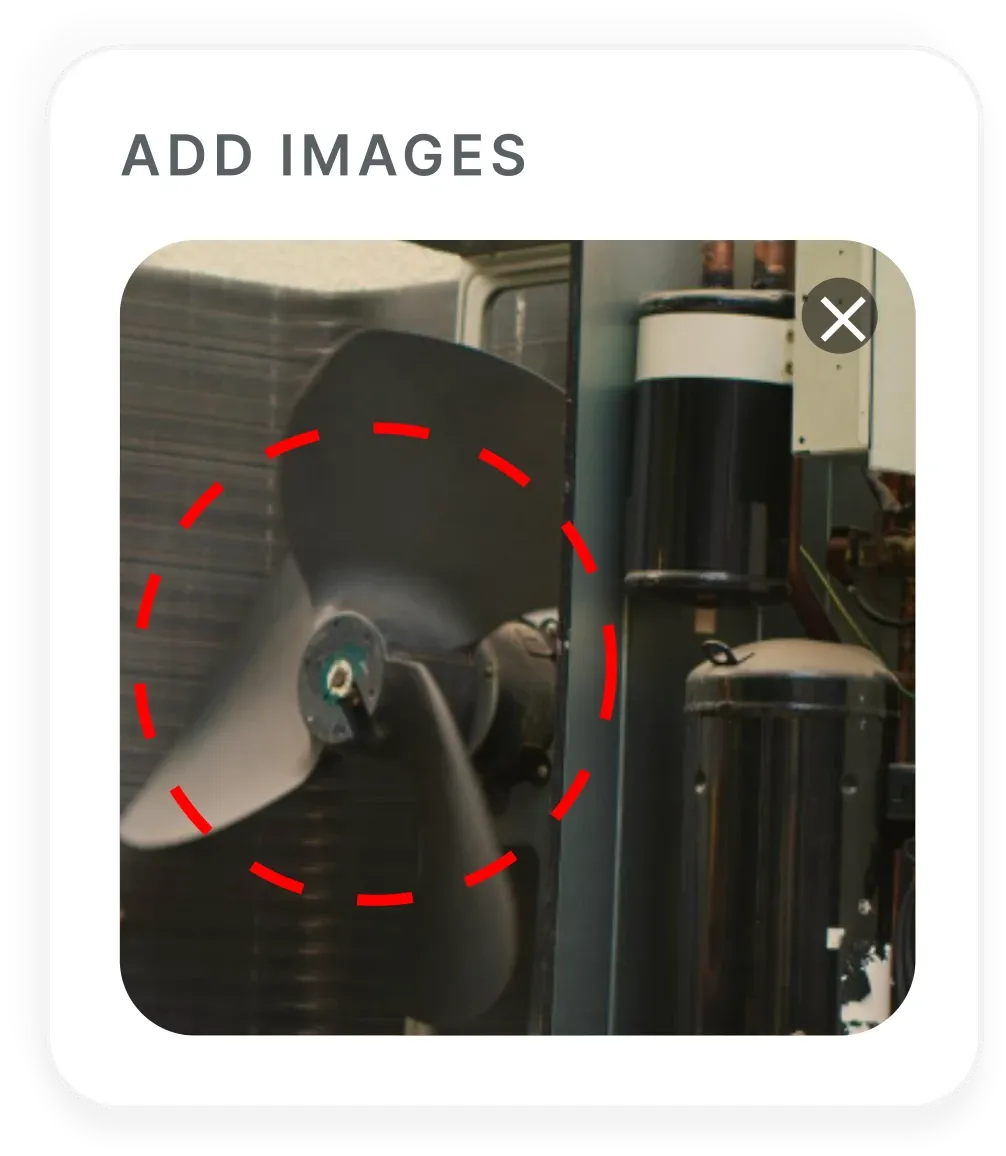
Your inspector takes a photo of any asset or defect. AI reads it and fills the inspection form automatically. No typing. No manual entry.

Convert your checklist into Mobile App
Centered on structured audit management checks, corrective actions, and clear reporting. AI audit management software is the programme-governance layer that sits above individual audits: the audit universe register, the multi-year risk-based plan, the RBAC model for engagement teams and audit committees, the working-paper review trail, and the closure workflows that tie findings to corrective and preventive actions.
Available on Mobile
Inspect on iOS and Android with no internet required. Capture photos, let AI flag defects, and generate audit-ready reports in the field.
The pain it solves is the daily reality of programme leadership against IIA standards: the audit universe is two years out of date, the annual plan ignores risk shifts after January, peer review evidence lives in inboxes, three-lines-of-defence overlap surfaces only after a regulatory finding, and audit committee packs take a week of analyst time to assemble at quarter-end.
What changes once ai audit management software runs on one mobile-first platform.
Most Chief Audit Executives sequence programme governance in this order before extending to second-line assurance and third-line external co-source teams.
Map auditable entities, processes, applications, and inherent risks into one structured register with owners and last-audited dates. The universe stays a living document rather than a slide refreshed every two years.
Schedule engagements against the universe using risk weights, cycle frequency rules, and audit committee priorities. The calendar rebalances automatically when an entity's risk rating changes, and replanning leaves an auditable trail.
First-line owners, second-line assurance, third-line internal audit, and external co-source partners each get scoped access. Reliance decisions on first or second-line testing are recorded in the working paper trail so the audit committee can see depth of independent work.
Working papers carry preparer, reviewer, and approver identities with timestamped sign-offs. Findings link to the originating control; CAPAs require verification before closure; QA programme reviews export the complete review trail.
Heatmaps surface coverage gaps, overdue engagements, and repeat findings across the portfolio. The Chief Audit Executive refreshes the universe and replans against fresh risk data before the next audit committee meeting, not after.
Everything your field team does on paper, Inspectly360 does automatically: faster, more accurate, and without the admin.
Your inspector takes a photo of any asset or defect. AI reads it and fills the inspection form automatically. No typing. No manual entry.
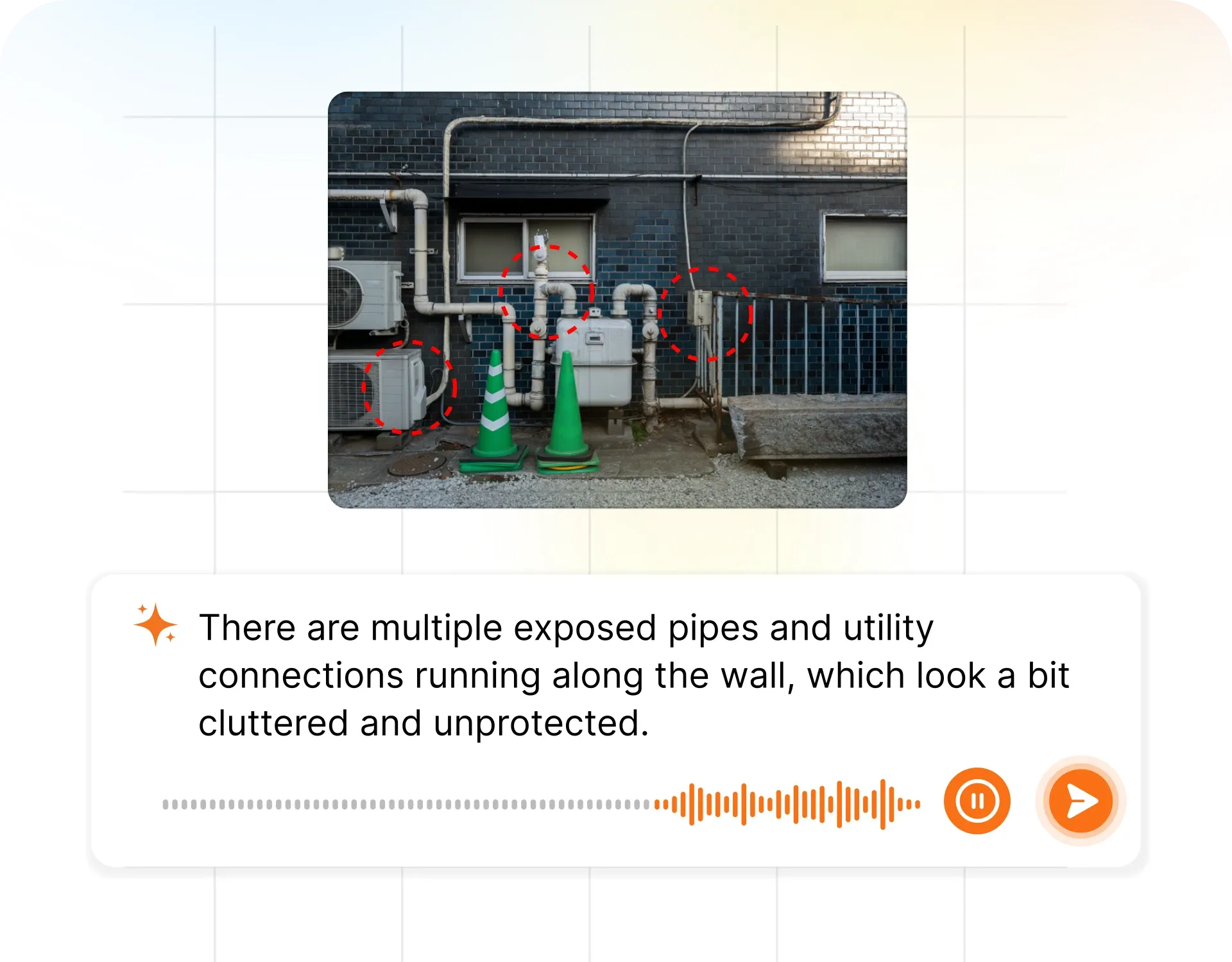
Inspectors speak their observations in any language. AI transcribes and fills the form in real time. Completely hands-free in the field.
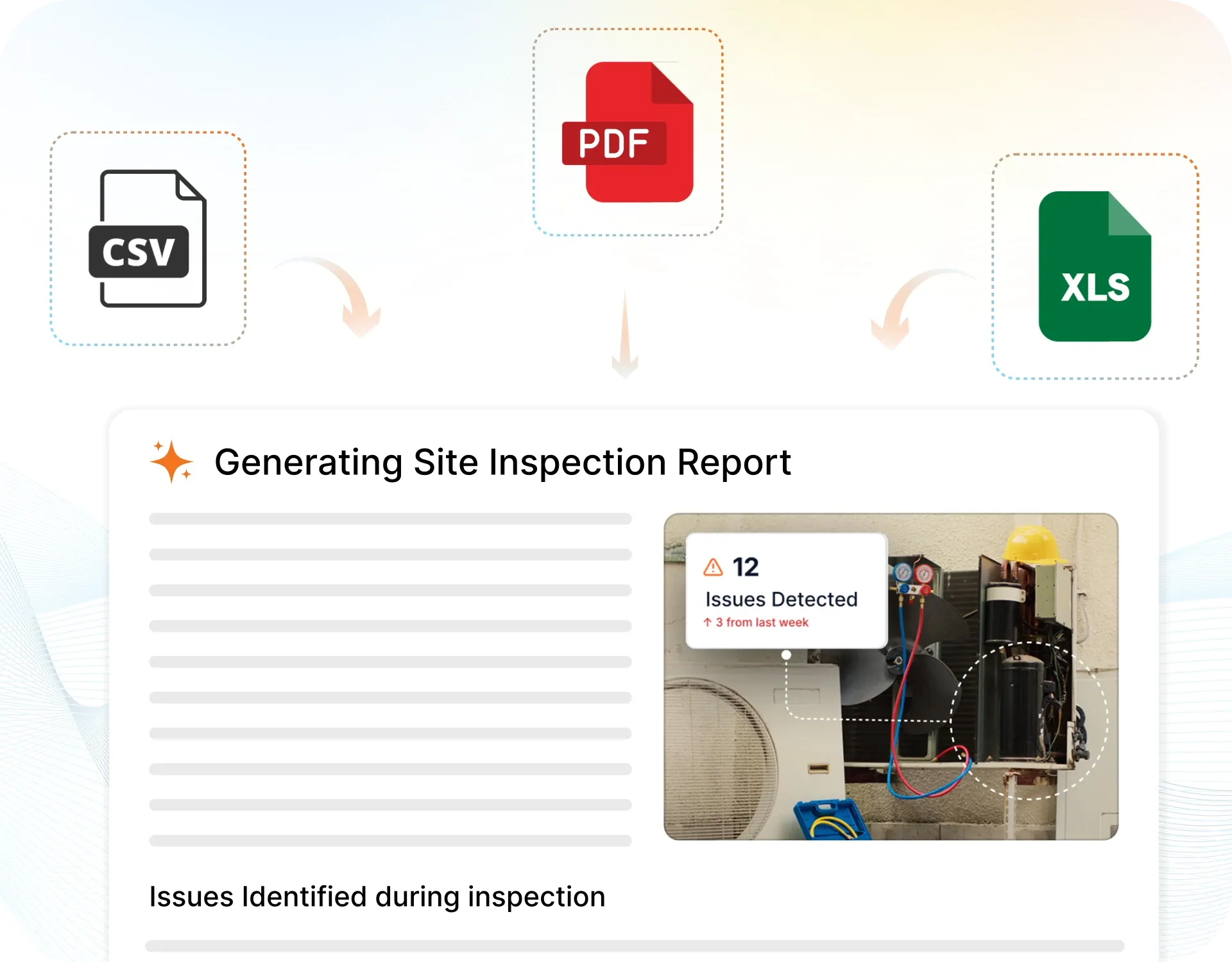
The moment an inspection is submitted, a branded PDF, Excel, or CSV report generates automatically. No manual work. No waiting.
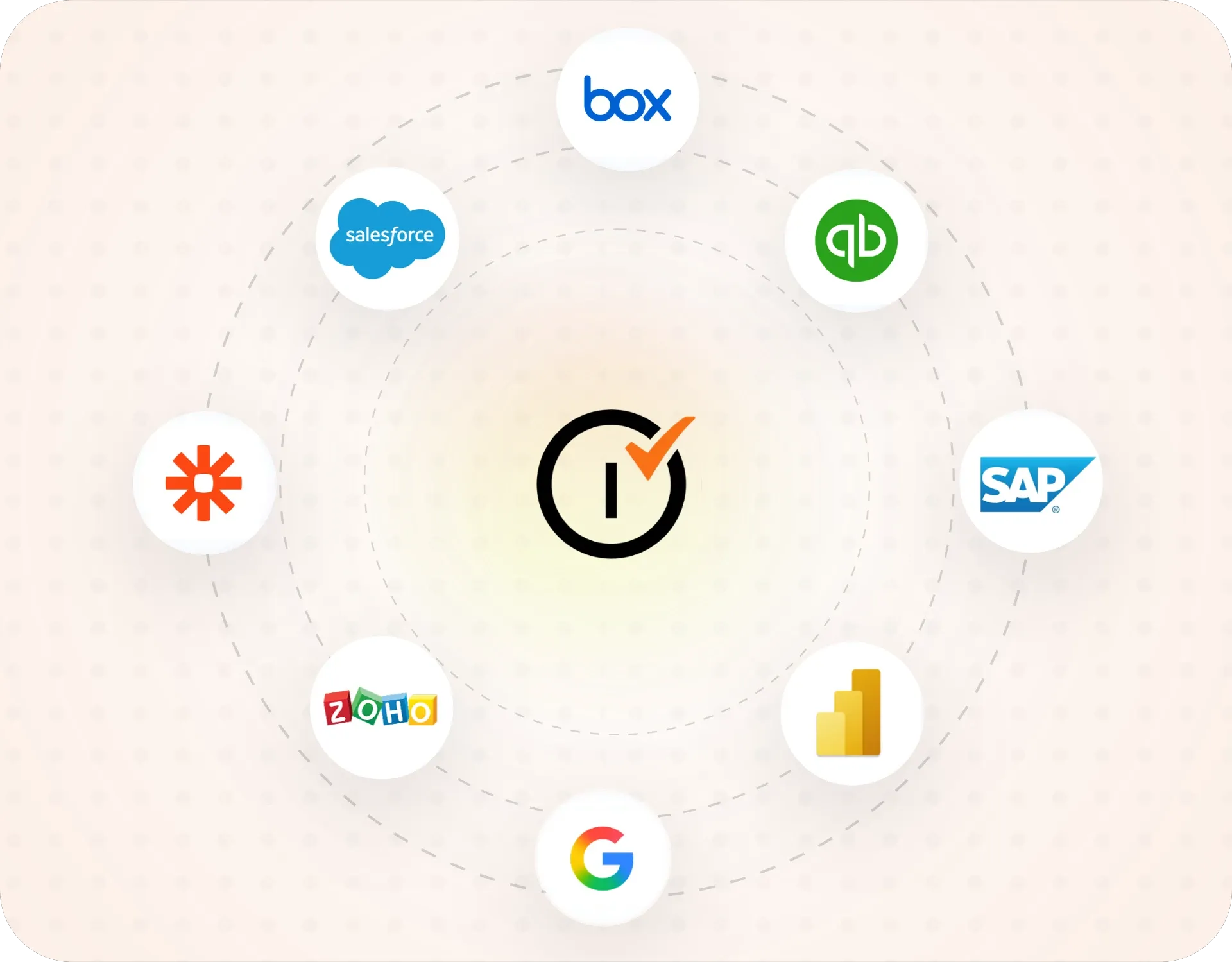
Inspectly360 integrates with the tools your team already uses, including Zoho, Microsoft 365, and SAP. No double entry.
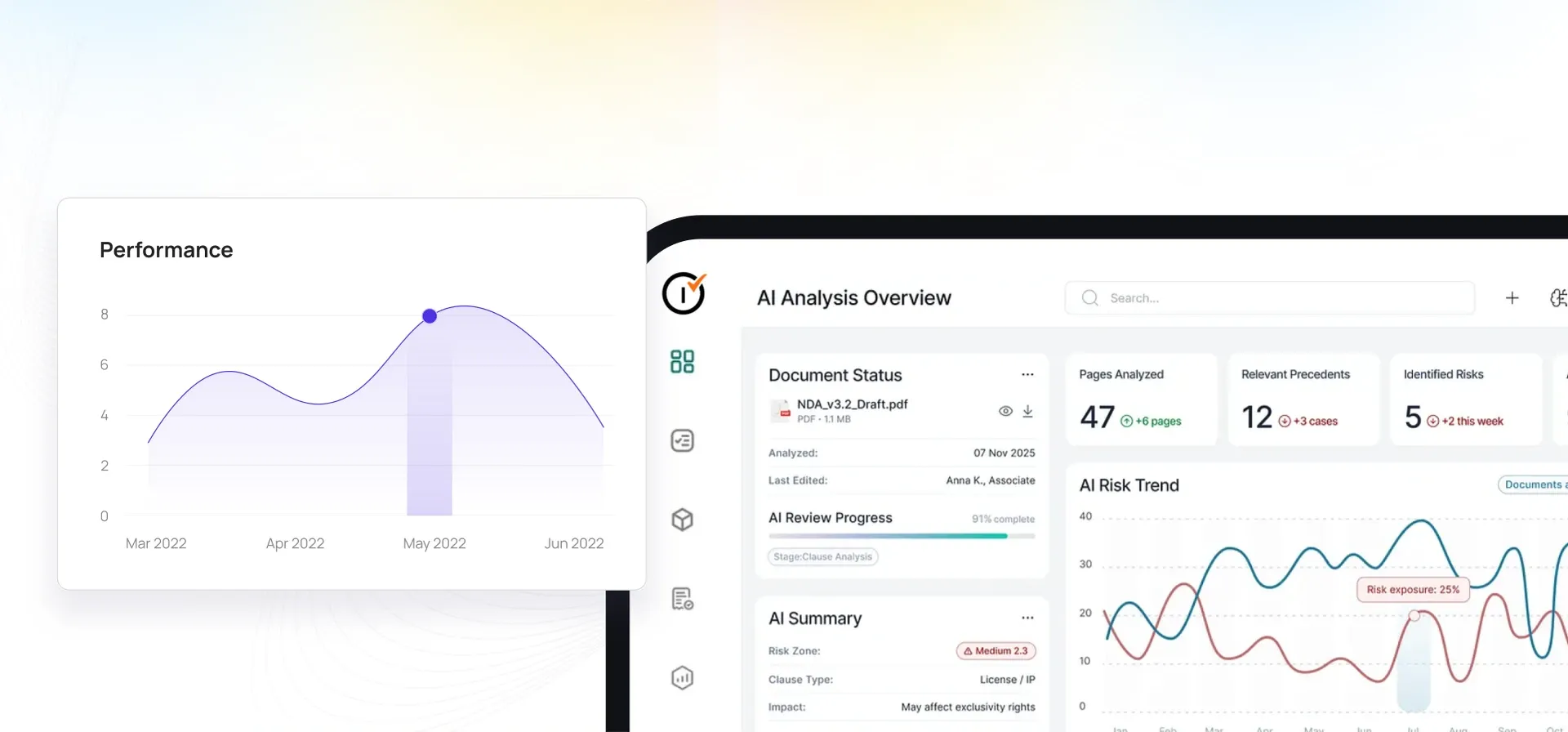
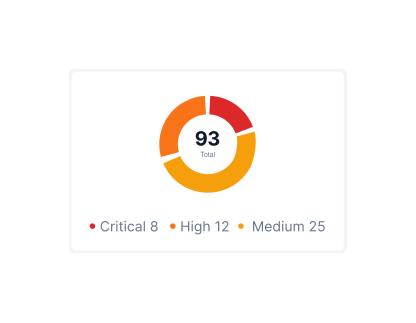
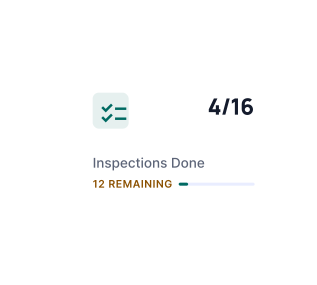
Your operations team sees completion rates, open issues, and compliance scores across all sites in real time. No chasing updates.
Manage every checklist in one connected workspace, capture evidence on mobile at the point of work, and let AI turn field inputs into clear, stakeholder-ready reports in minutes.


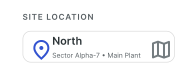
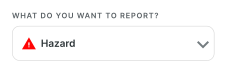
See which checklists your team has in progress across every site, jump into the same inspection with one tap, and keep field, supervisor, and back-office views in sync without sending screenshots on WhatsApp.


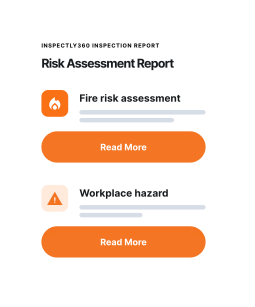
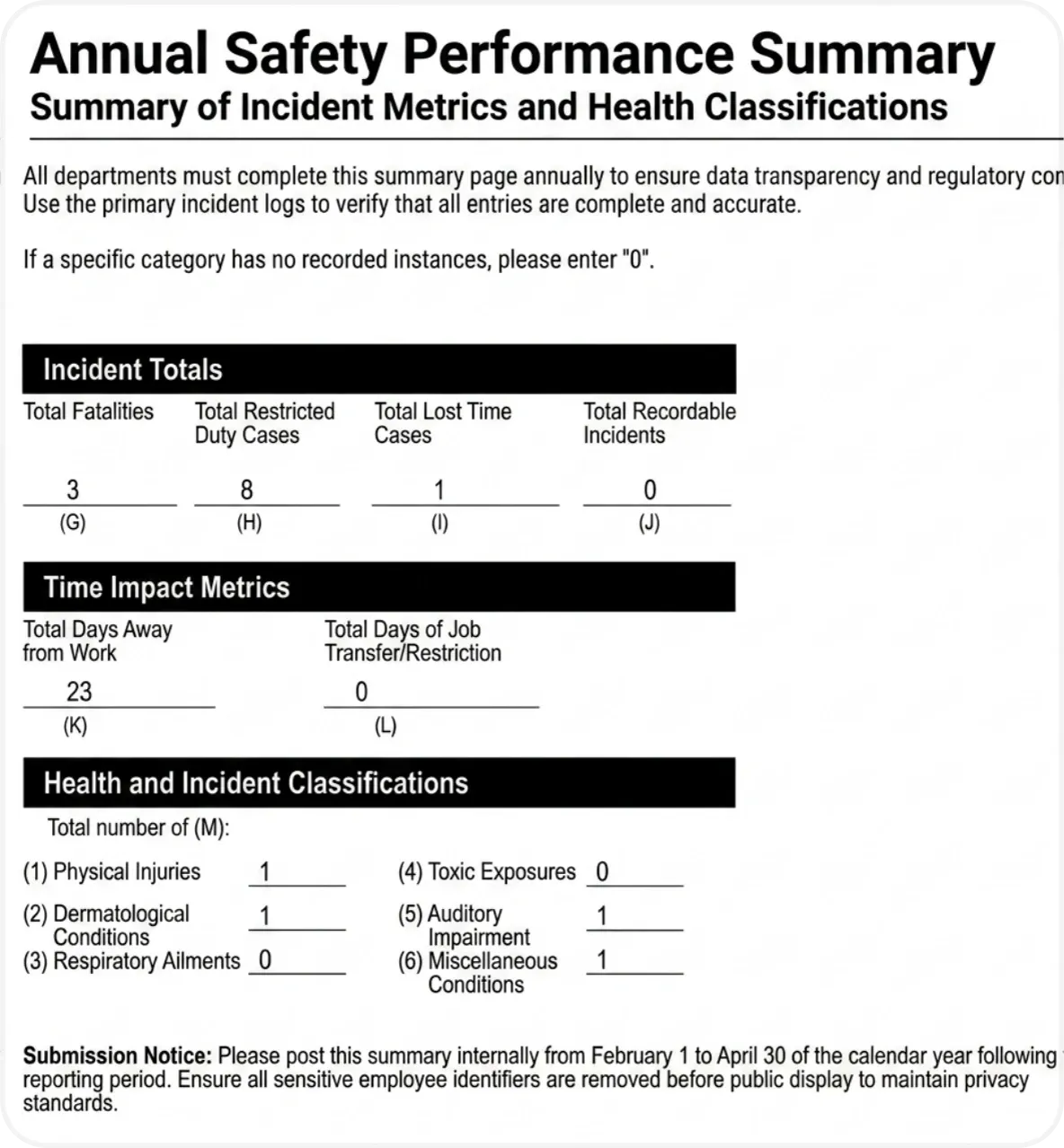


Every team reports differently. Build the report your operations, quality, or compliance leads actually want to read, share it as a branded PDF, and schedule delivery to the stakeholders who need it.

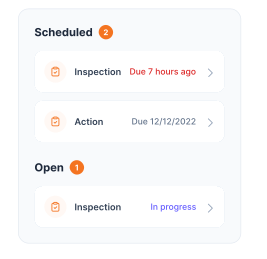

See completion, pass rate, and recurring findings across every checklist and every site, without pulling spreadsheets together at the end of the month.
What changes once ai audit management software is standardised on Inspectly360.





“Inspectly360 transformed how we manage site safety inspections. The offline capability alone saved us countless hours. Our compliance rate jumped from 72% to 96% in just three months.”
Sarah Mitchell
Meridian Construction Group

“The AI-powered defect detection has changed how we work. Our inspectors capture photos and the system flags issues we'd have missed. It's like having an expert reviewer on every site visit.”
James Chen
Pacific Manufacturing Co.
“Rolling out digital checklists across multiple projects gave us instant visibility into recurring safety issues. We now resolve critical findings in hours instead of days.”
Olivia Carter
Northbridge Infrastructure
Get started with inspection and audit checklist templates.

Internal and external audits with scoring, evidence, and corrective actions. Full audit trail and report generation.

Compliance-focused inspections with evidence capture and audit trails. Meet regulatory and internal requirements.
Use these apps to run inspections and audits.

by Inspectly360
Manage audit schedules, forms, and corrective actions.

by Inspectly360
Schedule recurring audits with ownership, reminders, and completion tracking across sites.

by Inspectly360
Audits and inspections with scoring, evidence, and reports.

by Inspectly360
Compliance-focused inspections with evidence and audit trails.

by Inspectly360
Manage inspection planning, execution, evidence, and closure in one structured workflow.
Inspectly360 treats the audit universe as a structured register of auditable entities, processes, applications, and inherent risks rather than a slide deck refreshed every two years. Each entity carries an owner, an inherent risk rating, last-audited dates, and references to in-scope controls. Risk ratings can be edited by named approvers and rebalanced on a configured cadence; replanning leaves a timestamped trail. The audit committee sees the current universe inside the platform, which means scope conversations open with a live picture and the multi-year plan adjusts when entities are added, retired, or reclassified mid-year.
The plan is built against the audit universe using risk weights, cycle frequency rules, audit committee priorities, and team capacity. When an entity's risk rating moves, the calendar rebalances automatically and surfaces the proposed change for Chief Audit Executive approval. Coverage shortfalls flag against the IIA expectation of risk-aligned planning rather than equal-time rotation. The plan is versioned, so the audit committee can see what changed between cycles and why. Co-source firm engagements schedule against the same calendar with scoped visibility, which keeps internal capacity and external spend on one view.
Each line operates in its own RBAC scope on the same underlying data. First-line control owners run self-testing and remediation in scoped workspaces. Second-line assurance functions perform reviews and challenge with visibility into first-line testing. Third-line internal audit and co-source partners run independent engagements and can rely on first or second-line work where appropriate; reliance decisions are recorded in the working paper trail with the rationale. This means the audit committee can see depth of independent work without the team manually reconstructing how testing was layered.
Yes. Audit committee chairs and members get a scoped role that exposes coverage status, overdue engagements, summarised findings by entity, CAPA aging, and the current multi-year plan, without access to detailed working papers unless explicitly granted for a specific engagement. The same data feeds the quarterly committee pack, so the figures the chair sees online match the pack exactly. This removes the standard pattern of the chair learning about an overdue engagement during the meeting that introduces it. AI Audit Management Software is the mobile tool Compliance Managers use to run ai inspections across every manufacturing site from one app.
Each engagement carries planned hours per phase, named team assignments, and timestamped working-paper completion against those phases. The Head of Internal Audit sees a live rollup of planned versus actual hours by team member, overdue working papers, and reviewer queue depth. When an engagement starts trending late, reassignment happens before audit committee status slips. Performance and capacity dashboards also help with annual resource planning and co-source firm budget conversations because the conversation rests on the previous year's actuals rather than memory.
Every working paper records preparer, reviewer, and approver identity with timestamped sign-offs and version history. Reviewers leave comments tied to specific sections rather than the engagement as a whole, and resolution of those comments is preserved. When the External Quality Assessment happens (typically every five years under IIA standards), the QA programme review exports a complete preparer-reviewer-approver trail across the sample of engagements requested. External assessors see review depth without anyone reconstructing emails. Peer-review evidence also covers AI-assisted decisions, since AI-suggested findings record the human accept or override.
See Inspectly360 in action with a live demo tailored to your needs. No credit card required.