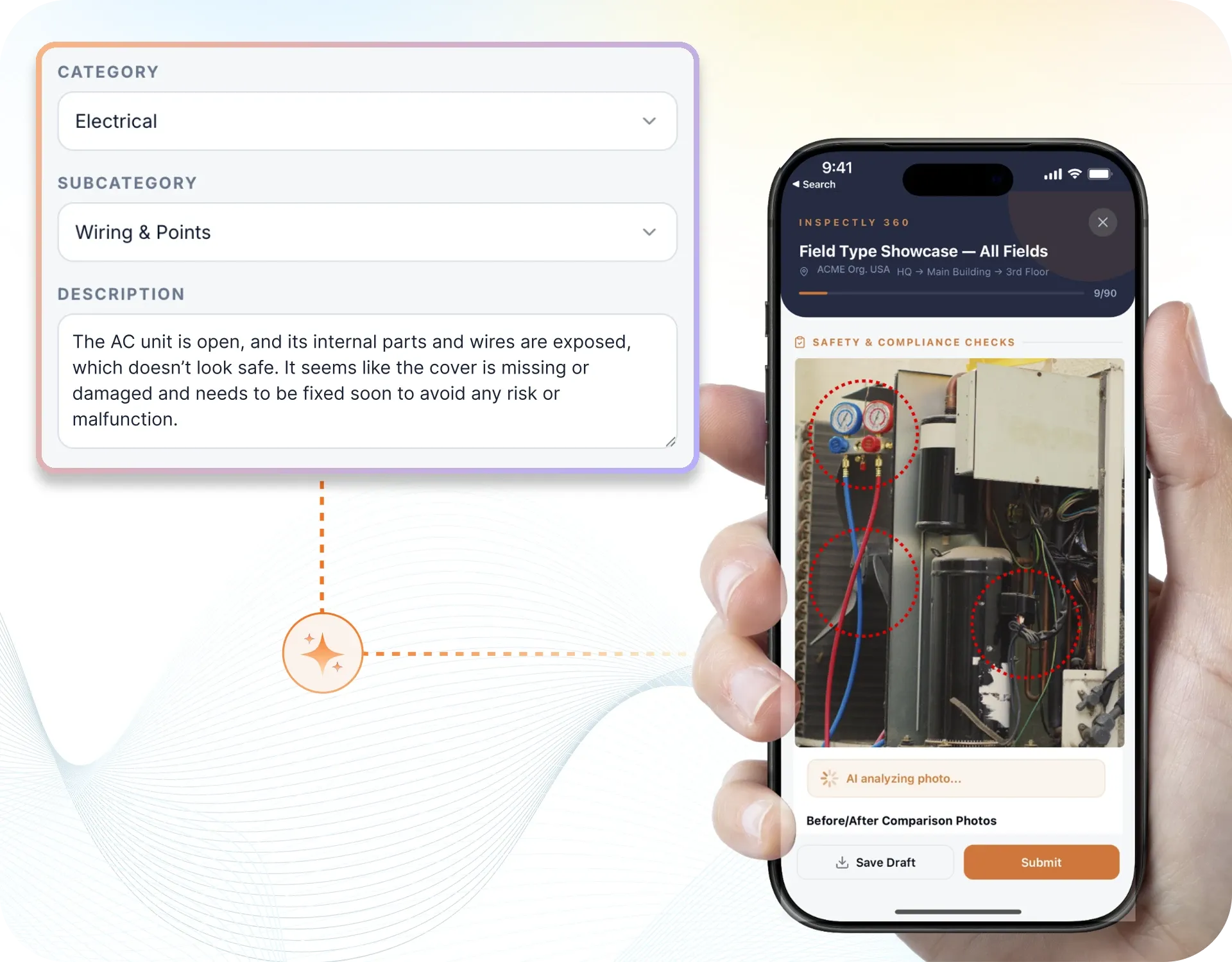
Take a Photo. AI Fills the Form
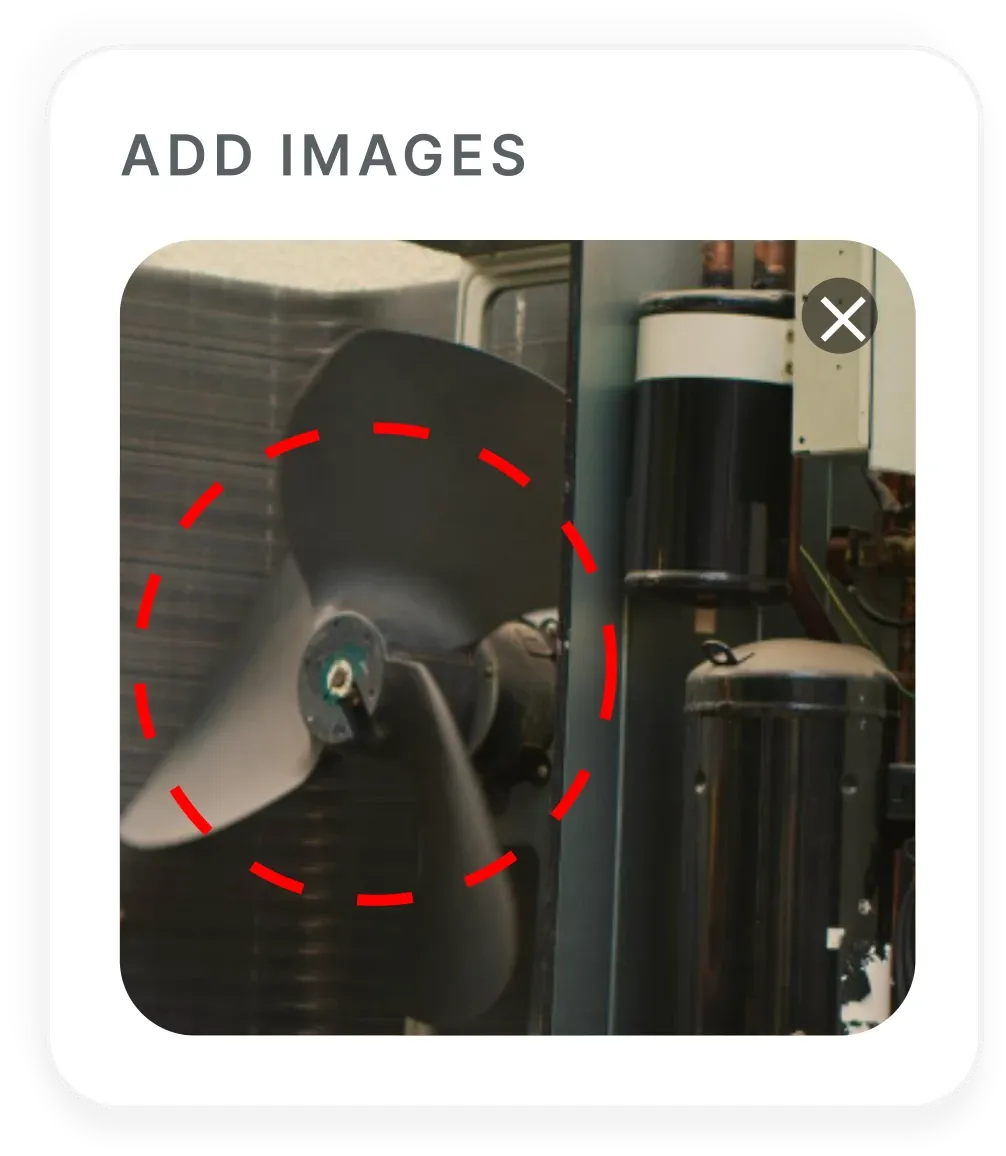
Your inspector takes a photo of any asset or defect. AI reads it and fills the inspection form automatically. No typing. No manual entry.

Convert your checklist into Mobile App
Centered on structured facilities checks, corrective actions, and clear reporting. AI facilities inspection software is the platform that Heads of Facilities at property portfolios, REIT operators, and FM Directors use to run PPM rounds, asset inspections, statutory compliance walks, and capital project handovers across portfolios that span 50 to 500 sites.
Available on Mobile
Inspect on iOS and Android with no internet required. Capture photos, let AI flag defects, and generate audit-ready reports in the field.
The pain it solves is the daily reality of property portfolio FM: tenant complaints arriving before the centre manager knows there is a problem, AMC contracts lapsing because the vendor spreadsheet was never updated, capital planning decisions based on technician recollection rather than condition history, REIT operating reporting reconciled across regional inputs that disagree, capital project handovers that drift weeks after substantial completion, and Friday-afternoon status pack assembly consuming the AFM's most valuable hours. Operations directors stop trusting spreadsheets the moment the portfolio exceeds ten sites.
What changes once ai facilities inspection software runs on one mobile-first platform.
Heads of Facilities at property portfolios adopt this loop when rolling out from a pilot region to the full portfolio.
Load sites, asset registries, AMC vendors, statutory clocks, and PPM routes with QR or NFC tagging; statutory and AMC clocks attach to the asset record so technicians scan context rather than recreate it.
Blend calendar-based PPM rounds with risk-based triggers, condition-based maintenance windows, and tenant-driven coverage targets; balance technician workload through /features/scheduling.
Technicians complete rounds in basements, plant rooms, lift shafts, parking decks, and remote campus assets without connectivity; AI condition assessment runs on-device.
AI compares current photos to asset baselines for wear, corrosion, and leak trending; robotic and sensor data ingests via API as structured payloads attached to the right asset for human verification.
Failed items push to Maximo, ServiceNow, Planon, SAP PM, or Archibus as work orders with photo evidence through /features/integrations; REIT operating dashboards and board packs generate from the same record.
Everything your field team does on paper, Inspectly360 does automatically: faster, more accurate, and without the admin.
Your inspector takes a photo of any asset or defect. AI reads it and fills the inspection form automatically. No typing. No manual entry.
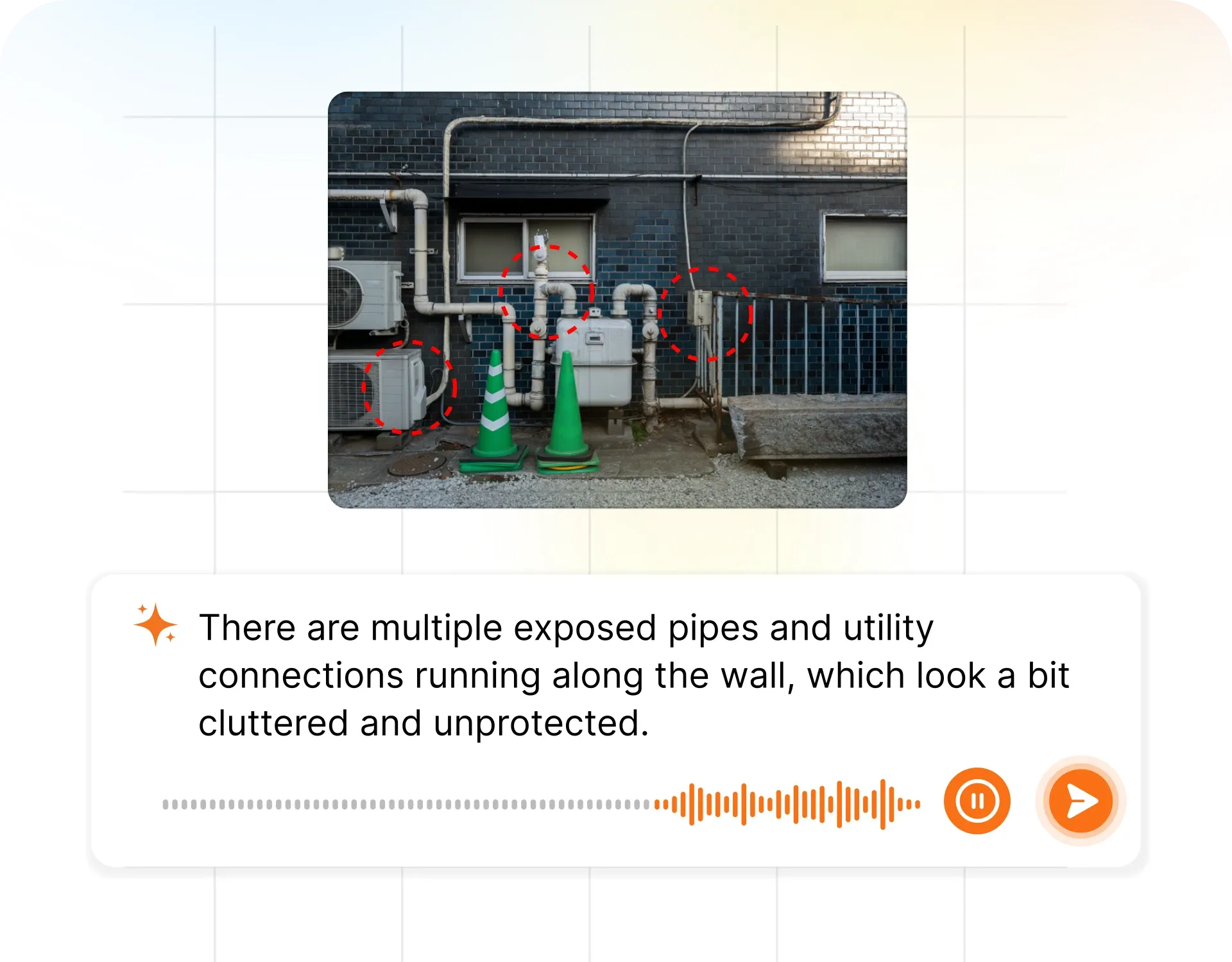
Inspectors speak their observations in any language. AI transcribes and fills the form in real time. Completely hands-free in the field.
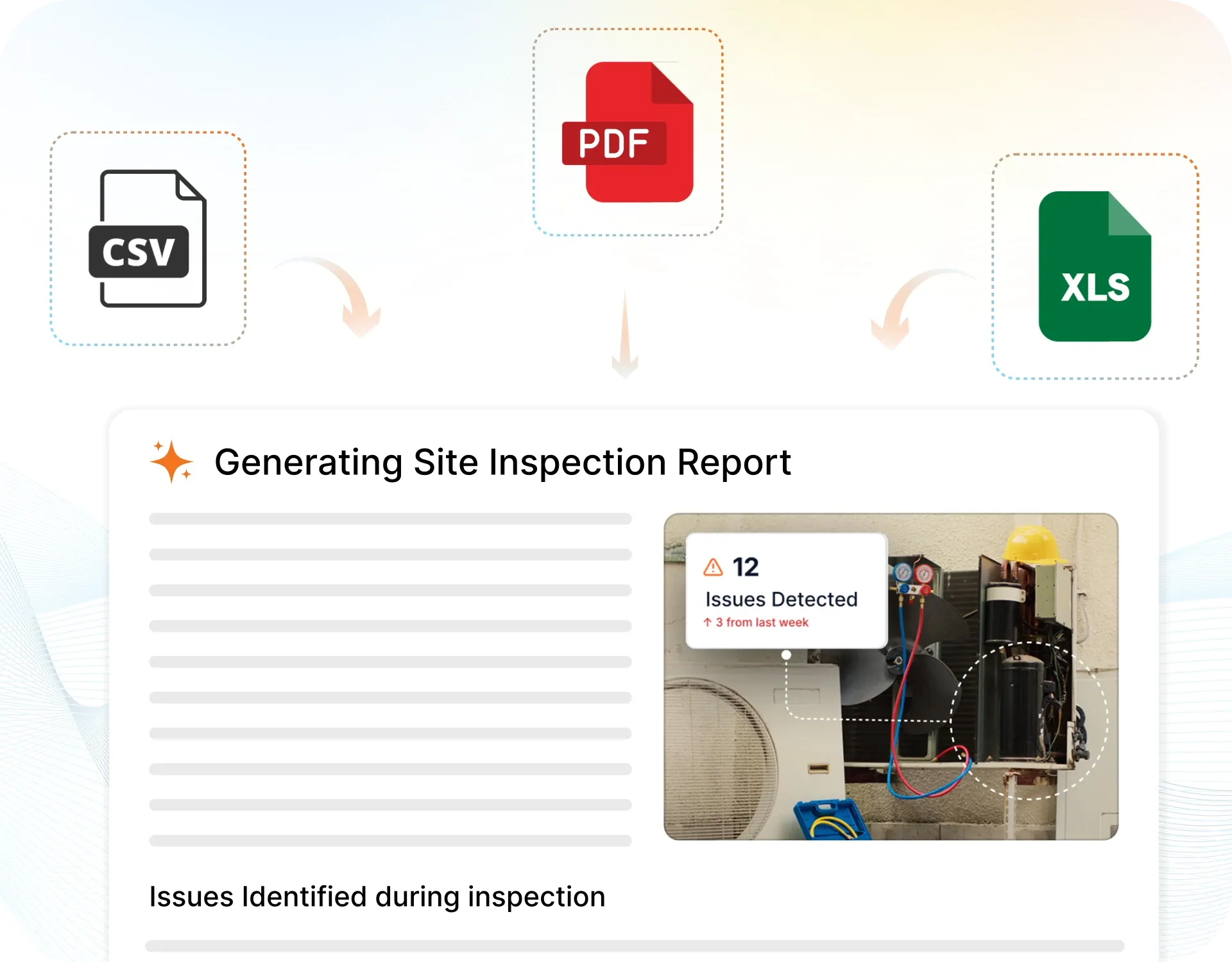
The moment an inspection is submitted, a branded PDF, Excel, or CSV report generates automatically. No manual work. No waiting.
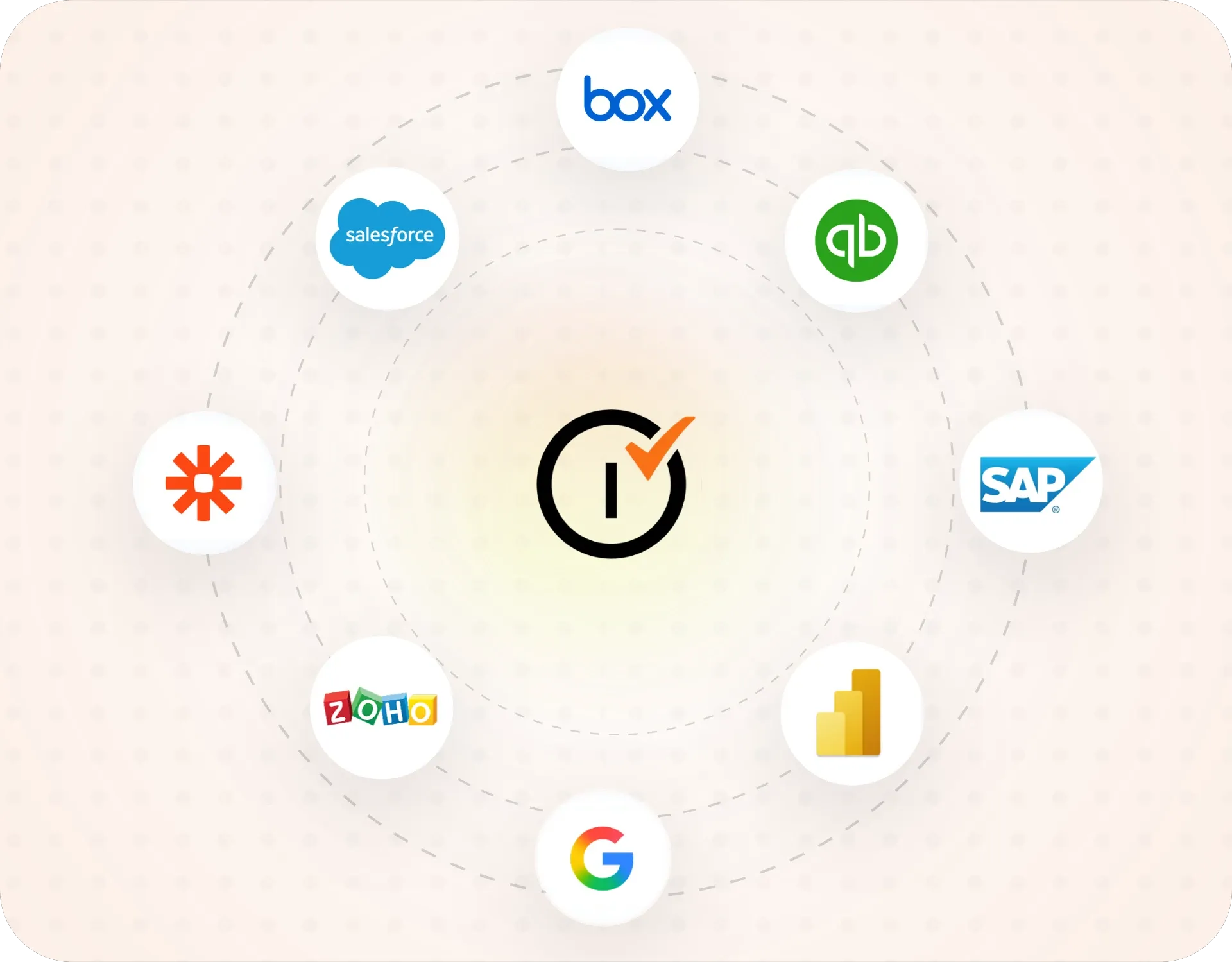
Inspectly360 integrates with the tools your team already uses, including Zoho, Microsoft 365, and SAP. No double entry.
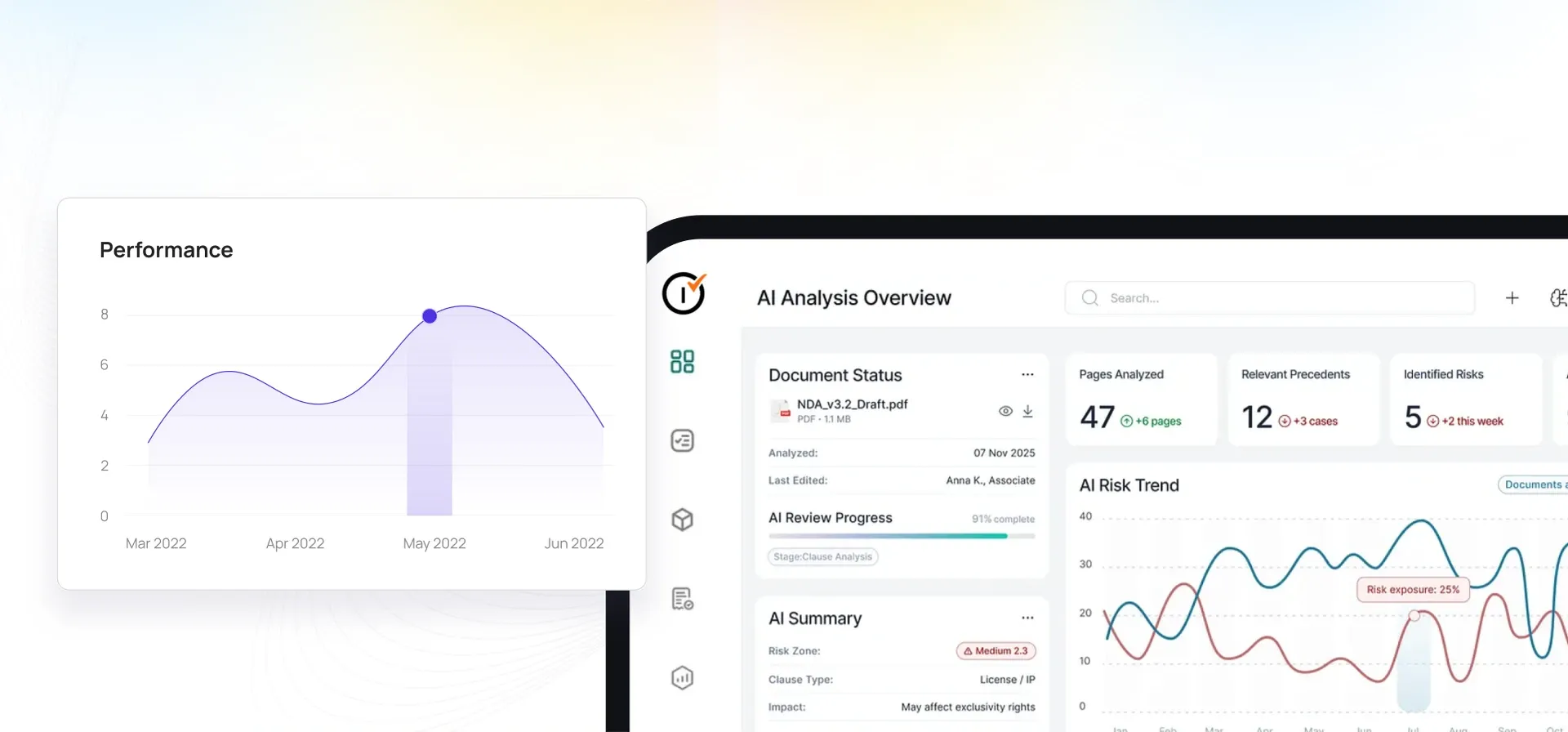
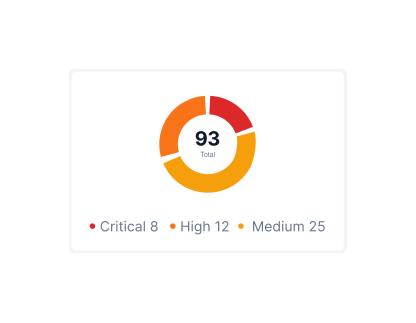
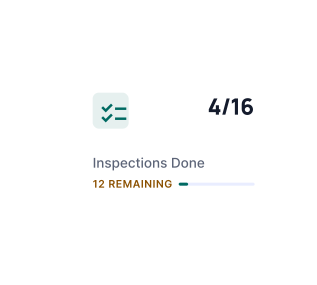
Your operations team sees completion rates, open issues, and compliance scores across all sites in real time. No chasing updates.
Manage every checklist in one connected workspace, capture evidence on mobile at the point of work, and let AI turn field inputs into clear, stakeholder-ready reports in minutes.

See which checklists your team has in progress across every site, jump into the same inspection with one tap, and keep field, supervisor, and back-office views in sync without sending screenshots on WhatsApp.


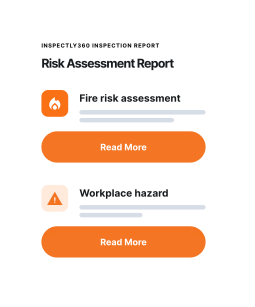
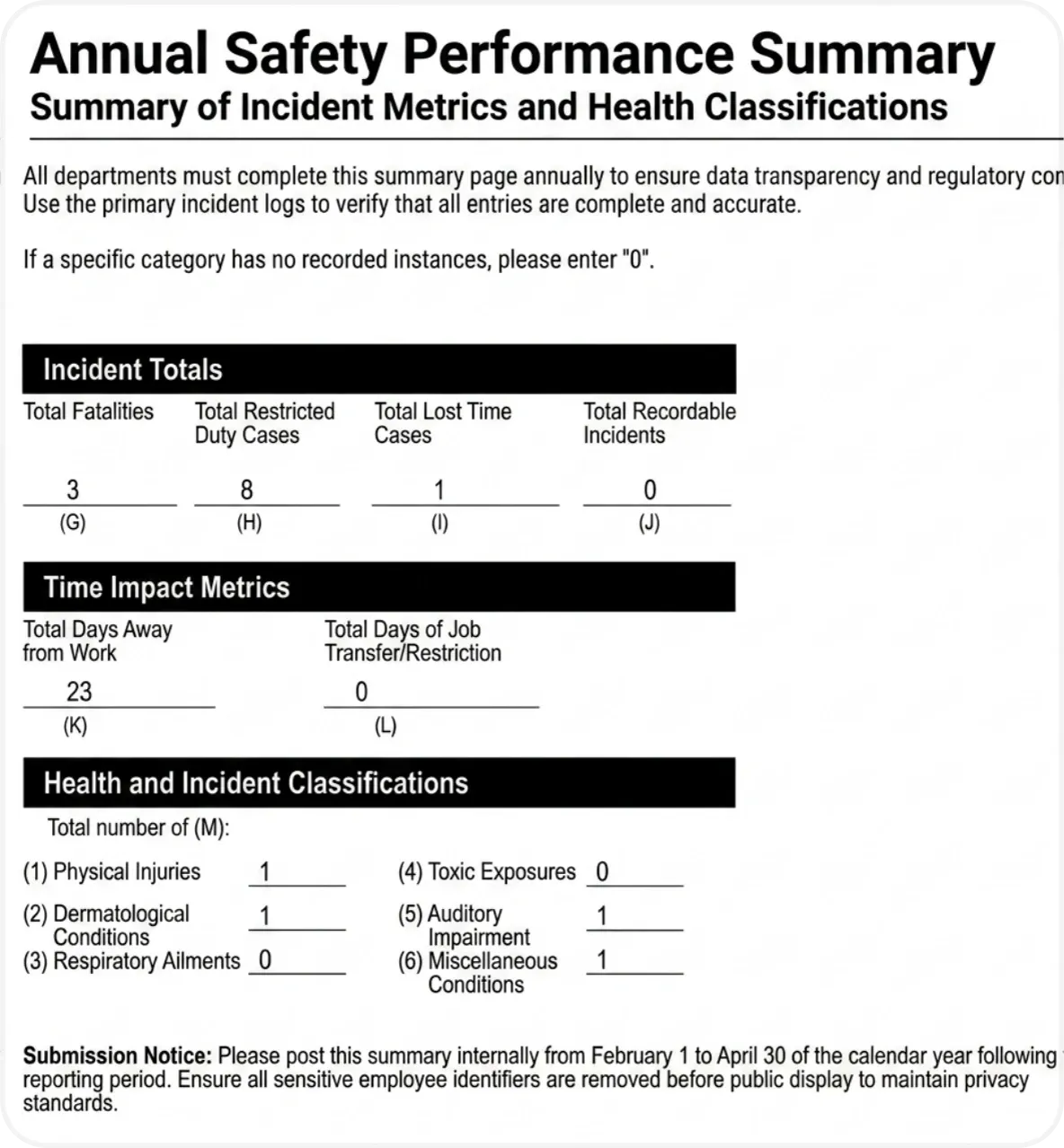


Every team reports differently. Build the report your operations, quality, or compliance leads actually want to read, share it as a branded PDF, and schedule delivery to the stakeholders who need it.

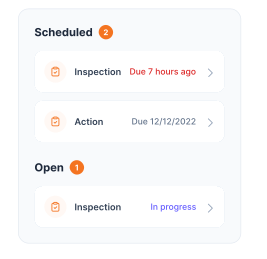

See completion, pass rate, and recurring findings across every checklist and every site, without pulling spreadsheets together at the end of the month.
What changes once ai facilities inspection software is standardised on Inspectly360.





“Inspectly360 transformed how we manage site safety inspections. The offline capability alone saved us countless hours. Our compliance rate jumped from 72% to 96% in just three months.”
Sarah Mitchell
Meridian Construction Group

“The AI-powered defect detection has changed how we work. Our inspectors capture photos and the system flags issues we'd have missed. It's like having an expert reviewer on every site visit.”
James Chen
Pacific Manufacturing Co.
“Rolling out digital checklists across multiple projects gave us instant visibility into recurring safety issues. We now resolve critical findings in hours instead of days.”
Olivia Carter
Northbridge Infrastructure
Get started with inspection and audit checklist templates.

Standard site-level inspections for construction, safety, and compliance. Capture conditions, photos, and follow-ups in one place.

Inspect assets and equipment: condition, location, photos, and maintenance history. Track condition over time.

Complete work orders with checklist items, photos, and sign-off. Track completion and proof of work.

Preventive and corrective maintenance inspections. Log repairs, parts, and condition with photos and follow-ups.
Use these apps to run inspections and audits.

by Inspectly360
Simplify facilities inspections with forms, photos, and reports.

by Inspectly360
Equipment inspections with maintenance triggers and condition scoring.

by Inspectly360
Fire safety inspections with extinguisher, exit, and alarm checks.
by Inspectly360
Asset condition and compliance inspections with history.

by Inspectly360
Building condition and compliance inspections with evidence and follow-ups.
REIT operating reporting aggregates from the same record set the field captures: PPM round completion per property, open issues and CAPA aging, AMC compliance status, statutory compliance posture, tenant SLA performance, and capital project status. Capital reporting tracks each capital project (fit-out, major equipment replacement, refurbishment) with structured stages, inspection evidence per stage, budget reference, and handover evidence. Board packs and investor reports configure with the metrics each REIT tracks (NOI-linked operating KPIs, capital deployment, ESG-aligned facility metrics) and generate from one record rather than four assembled spreadsheets. Audit committee retention and immutability requirements align with REIT-specific obligations.
Capital projects (fit-outs, equipment replacement, major refurbishment, building system upgrades) track inside the platform with structured stages, stage inspection requirements, milestone sign-offs, contractor scoped access, photo evidence per stage, and handover pack assembly. Each capital project links to the affected assets and the FM operating programme so post-handover PPM picks up automatically against the new asset baseline. Capital project handover packs include all stage inspections, statutory sign-offs, warranty documentation, AMC vendor handoff, and tenant impact notices. REIT capital project tracking surfaces budget vs progress alongside the operating-side FM record rather than in a separate CapEx spreadsheet.
Each AMC vendor is a record with contract dates, scope, named assets, renewal contact details, and inspection history. As work orders flow through the integration with the CMMS, vendor response times, on-time closure rates, re-open rates, and recurrence rates aggregate into a vendor scorecard. The scorecard surfaces at the moment an FM director is assigning a new issue (so issues route to vendors with track records), at renewal time (so renewal negotiations sit on data), and at sourcing time for new programmes. Vendors can see their own scorecard through scoped access, which makes the metric a coaching tool as well as a procurement tool. AMC renewals fire 30, 60, and 90 days before contract expiry so lapses are rare and intentional.
Robotic platforms (Spot quadruped for plant rooms and substations, rooftop and facade drones for hard-to-access inspection, autonomous floor sweepers and scrubbers for housekeeping verification, fixed cameras for utility room monitoring) feed structured payloads via API attached to the right asset and the relevant inspection programme. Robotic capture enters the same review queue as human inspector findings; AI condition assessment runs on robotic imagery the same way it runs on human inspector photos. Human follow-up inspections still run where regulators, tenants, insurers, or REIT auditors require physical attendance, with the audit trail showing both data sources. The separation keeps tenant SLA defensibility and statutory compliance grounded in human-verified records where the obligation demands it, while still capturing the robotic coverage value.
REST API integrations push failed inspection items as work orders into IBM Maximo, ServiceNow ITOM/FSM, Planon, SAP Plant Maintenance (SAP PM), Archibus, Fiix, Limble, and UpKeep. Each integration ships photo evidence, inspector identity, asset reference, severity, and the originating inspection record alongside the work order rather than just a text summary. Work order completion status syncs back into Inspectly360 so the inspection record shows whether the work order actually closed and whether re-inspection passed. For organisations running multiple CMMS platforms across regions, the integration runs per region so each region keeps its system of record while the FM operating view aggregates across all of them.
Every PPM round, reactive issue, and statutory inspection carries inspector identity, GPS-verified attendance (optional), timestamps, photo evidence, and approver signatures. Tenant SLA dashboards roll up SLA-linked round completion, issue closure time against the contracted target, and statutory compliance posture per tenant or per lease. When a tenant complaint or SLA dispute arises, the centre manager can produce timestamped, signed, photo-backed evidence of every contracted check on the disputed cleaning area, washroom, lift, or HVAC zone within seconds. Tenant-facing SLA packs export with one click, and renewal conversations open with evidence of delivery rather than assertion.
See Inspectly360 in action with a live demo tailored to your needs. No credit card required.